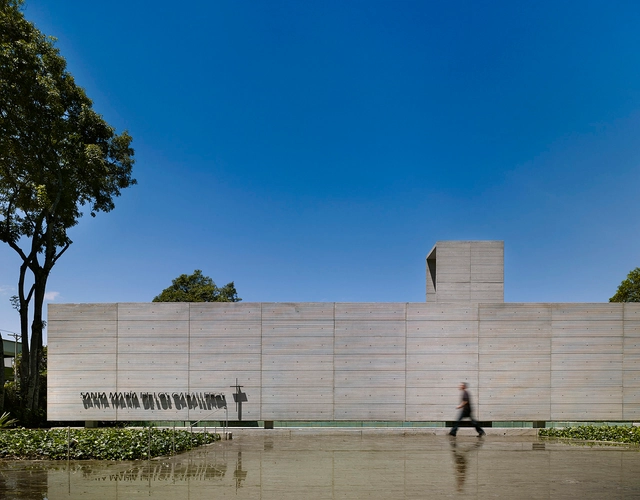
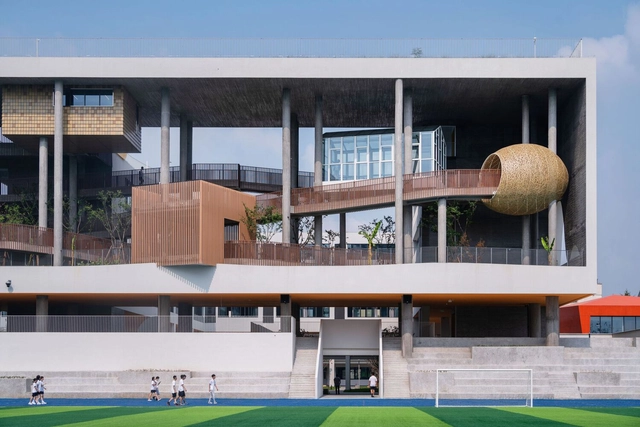
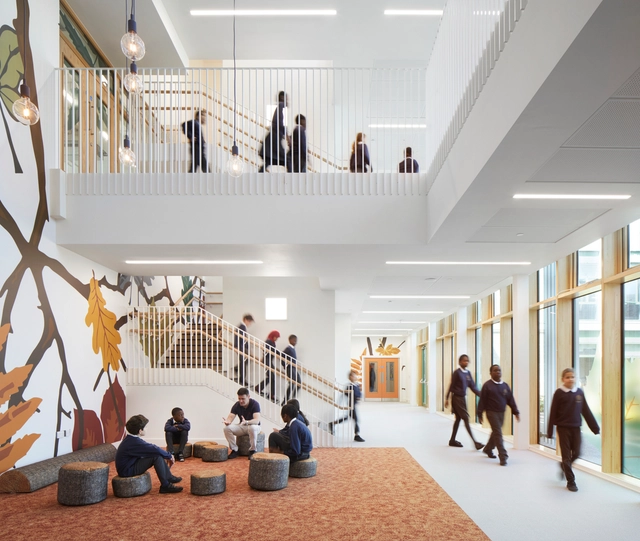
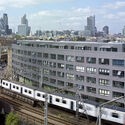
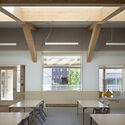
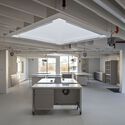
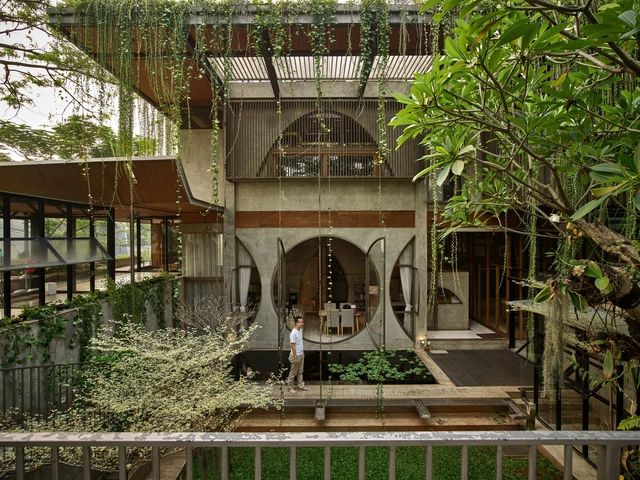
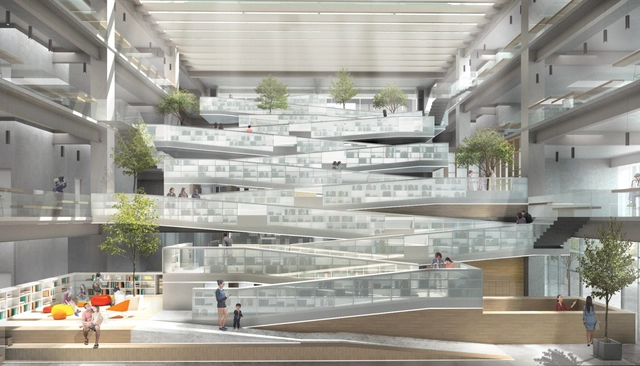
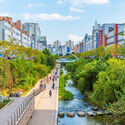
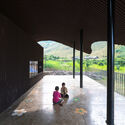
Huizhen High School by Approach Design Studio - Zhejiang University of Technology Engineering Design Group Co.,Ltd_Huizhen High School by Approach Design Studio. . Image Courtesy of WAF23
The World Architecture Festival (WAF) is set to host its 17th edition in Miami, marking the event's first appearance in the United States. This year's festival theme, announced as Hearts and Minds, will explore the intersection between rational design strategies and emotional resonance. Through a series of talks and panel discussions, speakers will examine how architecture operates both as an intellectual pursuit and a sensory experience, engaging perception, memory, and affect. Scheduled from November 12-14 at the Miami Beach Convention Center in Florida, the festival will gather architects and designers from around the globe for a three-day program featuring talks, awards, exhibitions, and fringe events. The event will highlight international practices, showcase new projects, and facilitate discussions on key issues shaping the built environment.
The Biennale promises to be a dynamic platform uniting over 750 participants from diverse backgrounds, including architects, engineers, mathematicians, climate scientists, and artists. Such a broad coalition of over 280 projects underlines the Exhibition's focus on inclusivity and interdisciplinary collaboration, an essential aspect for adaptation. The selection process proposed a bottom-up, open call approach through the Space for Ideas initiative, which ran between May and June 2024. It encouraged participation from global teams, from Pritzker Prize winners and Nobel laureates to emerging architects and scientists.
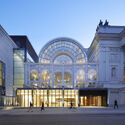
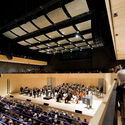
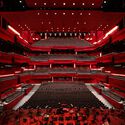
Theaters, concert halls, and opera houses are more than just venues — they are meticulously orchestrated environments where architecture, technology, and human emotion converge. Unlike conventional buildings, these spaces must accommodate a dynamic interplay between acoustics, sightlines, stage mechanics, and audience engagement, all while maintaining an architectural identity that resonates with performers and spectators alike. Whether it is the immersive embrace of a vineyard-style concert hall or the grandeur of a proscenium theater, every design decision shapes how performances are experienced and remembered.
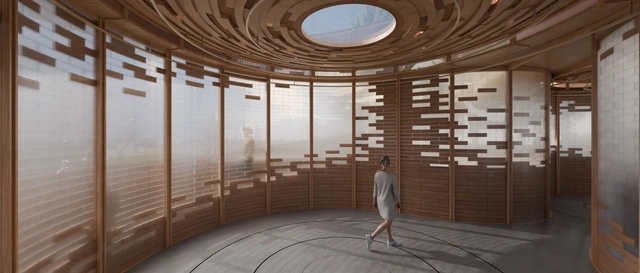
Buildner, in partnership with Collective Action for Culture (C.A.C), the Municipality of Peja, and the Ministry of Culture of Kosovo, has released the results of the Peja Culture Pavilion competition – an international architecture competition inviting architects and designers to reimagine a historically significant site in the heart of Peja, Kosovo.
The competition sought innovative and respectful design proposals that would revitalize a neglected urban square centered around a 15th-century water fountain. Entrants were asked to integrate this cultural heritage element into a multifunctional pavilion that could serve as a space for performance, reflection, gathering, and celebration.
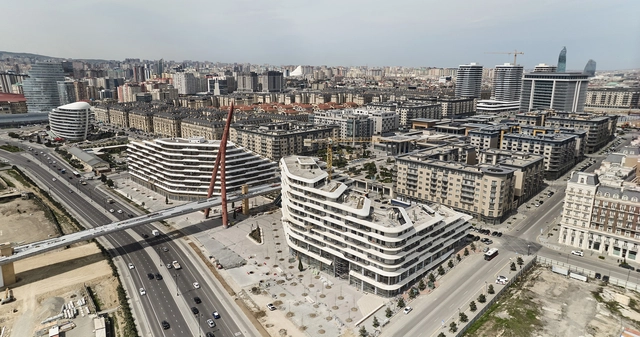
The Azerbaijan national pavilion, participating in the Venice Architecture Biennale for the first time, presents Equilibrium. Patterns of Azerbaijan. Curated by Nigar Gardashkhanova, the exhibition aligns with the overarching theme of this year's Biennale Intelligens. Natural. Artificial. Collective. Focusing on innovative design responses to the climate crisis, the pavilion emphasizes the principles of Regenerate. Innovate. Preserve. Featuring projects commissioned by Rashad Aslanov, the exhibition showcases contributions from the Azerbaijan Development Company (ADEC), Simmetrico Architettura, and Adalat Mammadov. Organized by the Heydar Aliyev Foundation and the Ministry of Culture of the Republic of Azerbaijan, with support from the Embassy of Azerbaijan in Italy, the exhibition will run from May 10 to November 23, 2025, at Castello 2127/A, near the Arsenale.
The 19th International Architecture Exhibition of La Biennale di Venezia opens in less than two weeks, on May 10, 2025, and will remain open to the public until November 23. On the day of the opening, the official Awards Ceremony will take place, during which a selected international jury will confer several official prizes, including the Golden Lion for Best National Participation. The recently announced jury includes South African architect, lecturer, and curator Mpho Matsipa; Italian curator Paola Antonelli, Senior Curator and Director of the Department of Architecture and Design at the Museum of Modern Art (MoMA) in New York; and Swiss curator, critic, and art historian Hans Ulrich Obrist, Artistic Director of the Serpentine in London, who will serve as President of the Jury.
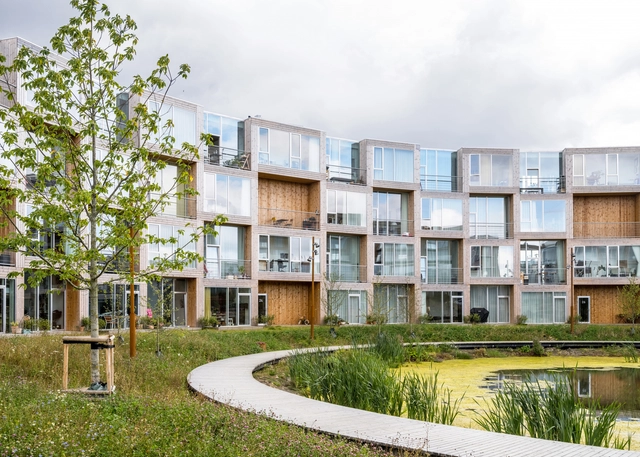
At the dawn of Modernism, in the fervent search for innovative, efficient, and cost-effective building systems, the idea of modular construction offered the promise of exactly that: an industrialized system comprised of ready-to-assemble elements, easily configured, cost-effective, and quality-controlled. While the idea did not gain as much traction as was initially expected, it has remained an attractive premise for architects and designers. Now, new developments in the field have led to a renewed interest in the matter, as modular housing emerges as an effective measure in various fields, from affordable housing to emergency shelters, or even as platforms for interdisciplinary collaboration, participation, and co-design. The following article explores this promise of accessibility, creativity, and affordability that has become an integral part of the debate around modular architecture.
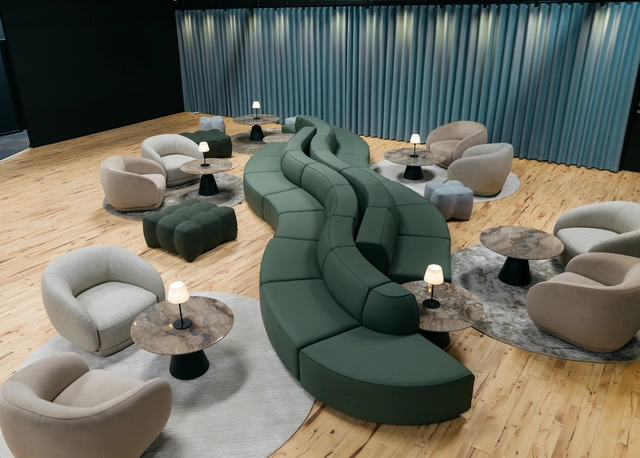
BoConcept’s modular solutions transform the space into a positive, diverse experience, enhancing the workplace environment
What is the meaning of architectural space if it is not used and enjoyed? This big picture question drills down to the essential purpose and sustainability of building architecture in the first place. It's a question that is perhaps most relevant today for offices that risk lying empty in an era of remote and hybrid work. An important challenge for design today is therefore to enhance the workplace environment to encourage attendance.
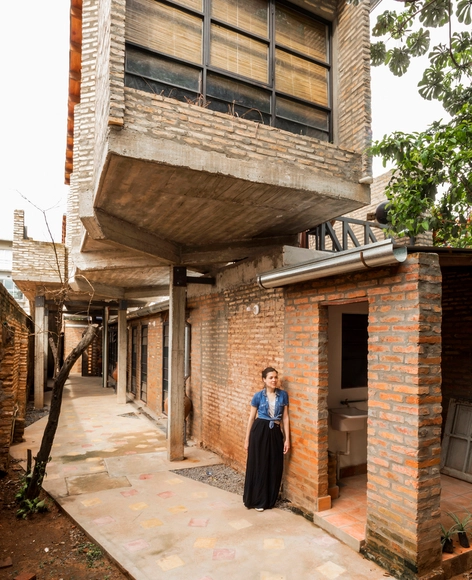
What makes a building architecture? The eternal debate over what distinguishes architecture from mere utilitarian construction has often included affordable and social housing as an influential topic, sparking different points of view. This question is particularly significant in the Latin American context, where unique conditions go beyond cost concerns, whether imposed or unavoidable. Limited access to financing, the prevalence of self-construction, and the spread of informal settlements are interconnected factors shaping the built environment. These dynamics foster an aesthetic that, for some, challenges notions of good architecture, manifesting in urban landscapes where exposed materials become a defining feature.
https://www.archdaily.com/1024259/unpolished-narratives-exposed-materials-in-latin-american-affordable-housingEnrique Tovar & José Tomás Franco
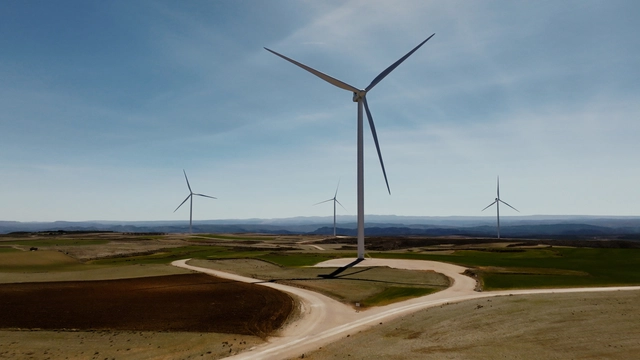
Enel, a global leader in renewable energy, launched "WinDesign", an international contest where talented professionals and students, in the domain of engineering, architecture and design, are invited to imagine and design new wind turbines. The goal is to develop turbines projects that blend more seamlessly into the landscapes that host them, thereby supporting a wider role for them in the energy transition.
DROPCITY is an ambitious and open platform for architecture and design, located in Milan's formerly abandoned Magazzini Raccordati tunnels behind Central Station. Initiated by Andrea Caputo in 2018 and open permanently since 2024, the project reimagines 40,000 square meters into public galleries, production workshops, prototyping labs, and research spaces. The founder of the platform is Andrea Caputo, an Italian architect and researcher. During Milan Design Week 2025, ArchDaily's managing editor, Maria-Cristina Florian, had the chance to sit down with Andrea Caputo to explore his vision and plans for DROPCITY, the platform's connection to the city of Milan and its active architecture scene.
The internal environment is the focus of this second article about designing for noise to improve well-being. According to several recent studies, noise in cities has become an increasing hazard to health. Environmental noise, that is, noise from traffic, industrial activities, or amplified music, which reaches internal spaces, is not merely an annoyance. It has been linked to cardiovascular disease, diabetes, dementia, and mental health issues. As the world urbanizes, more people are exposed to excessive levels of noise. In medium- and high-density housing, in office buildings, and in schools, noise pollution can emanate from internal as well as external sources.
Concrete towers dominate the skylines of Asian and African cities - looming edifices embodying development. With access to the tools and materials of industrial modernity, the Global South steps onto the world stage showcasing its bounty. Yet, at the depths of rising ambitions, the construction material speaks to colonial legacies and extractive economics that result in power imbalances in the geopolitical sphere. A climate crisis on the horizon only intensifies the complicated relationship between building materials, sustainability demands, and sovereignty of many countries.
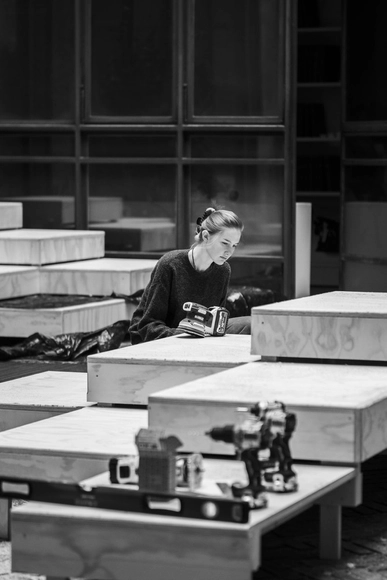
As the first postgraduate institute in architectural education born from connections with some of the most influential figures in contemporary design, Yacademy offers everyone who steps through its doors the chance to grow—both professionally and personally. Here, young architects experience a comprehensive journey designed to enhance their skills, sharpen their sensitivity, and foster meaningful relationships. A cornerstone of this journey is the construction workshop.
The 2025 iteration of the Time Space Existence exhibition is set to attract audiences from May 10 to November 23. Organized by the European Cultural Centre (ECC) in Venice's renowned venues—Palazzo Bembo, Palazzo Mora, and Marinaressa Gardens—this seventh edition brings together a diverse cohort of 207 architects, designers, artists, and researchers from over 52 countries. All contributions are curated under the theme of "Repair, Regenerate, and Reuse" as an exploration of architecture's capacity to engage with critical environmental, social, and cultural challenges. Highlights of the Special Projects section include ArchDaily's inaugural exhibition, presenting six architecture offices previously recognized as Best New Practices as emerging voices in the field of architectural innovations.
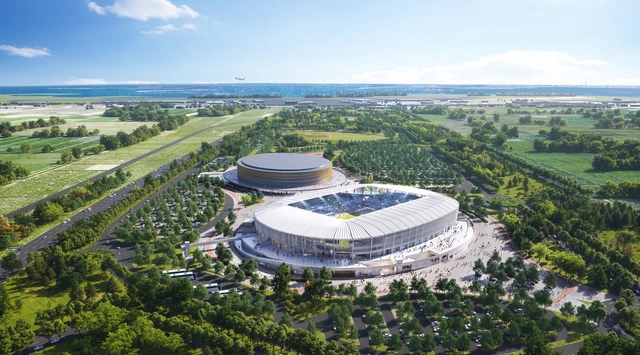
The Municipality of Venice has unveiled plans for a new 18,500-capacity stadium designed by Populous. The stadium will be built in the Bosco dello Sport in Tessera and is intended for football, Serie A rugby, and other events such as concerts. Maffeis Engineering and Populous have been commissioned for the design and engineering work by a consortium composed of Costruzioni Bordignon, Fincantieri Infrastrutture, and Ranzato Impianti, which was awarded the contract in March 2024. Soil Engineering, Seingim, and Gae Engineering are also collaborating on the project.
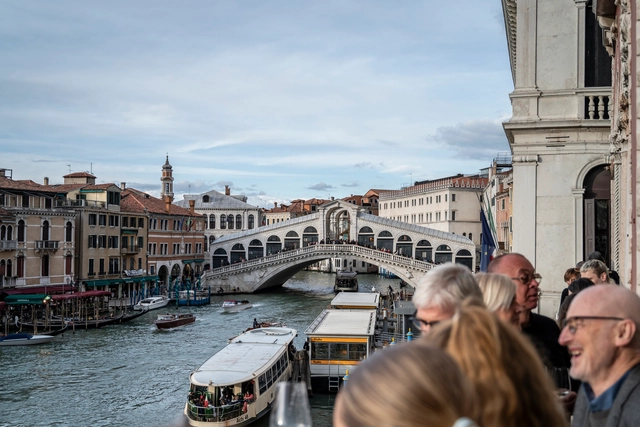
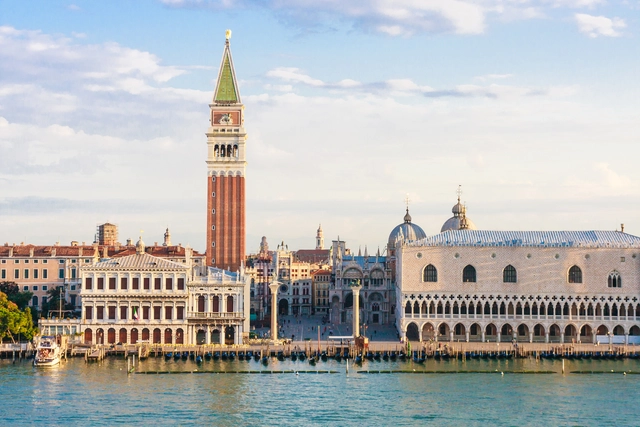
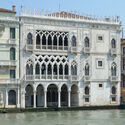
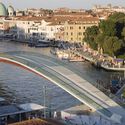
Built on a cluster of 118 small islands in the shallow Venetian Lagoon, the city of Venice, Italy, has captivated the imagination of architects and tourists alike. The area has been inhabited since ancient times, becoming a major financial and maritime power during the Middle Ages and Renaissance, as proven through the rich architecture that characterizes the city to this day. With influences from the Byzantine, Gothic, and Renaissance styles, the city represents a palimpsest of architectural narratives, overlapping and influencing each other. In recent years, Venice has become a major attraction for architects drawn to the La Biennale di Venezia, the most important Architectural Exhibition featuring national pavilions, exhibitions, and events to explore new concepts and architectural innovations.
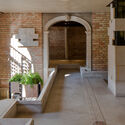
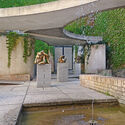
Beyond the Biennale, Venice itself is an open-air museum for architecture lovers. While the city is best known for its historical buildings, Modernist and contemporary interventions add a new layer of interest, with many contemporary architects working with the historical fabric, like OMA's intervention and rehabilitation of Fondaco dei Tedeschi, or David Chipperfield's renovation of Procuratie Vecchie, one of the buildings that define Piazza San Marco. In addition to what the city has to offer, the site of the Venice Biennale is also marked by interventions by famous architects such as Carlo Scarpa, Sverre Fehn, and Alvar Aalto, made permanent due to their outstanding qualities.
Path of Knowledge - Southern Branch of the National Central Library Exhibitor Name: Bio-architecture Formosana, CRA Carlo Ratti Associati. Image Courtesy of National Taiwan Museum of Fine Art.
The 2025 edition of Milan Design Week took place from April 8 to April 13, 2025. During these five days, the city of Milan hosted special events, exhibitions, installations, and discussions centered on the creative disciplines, including the 63rd edition of the Salone del Mobile at Fiera Milano fairgrounds. Among the numerous activities, the event serves as an ideal opportunity to introduce the latest trends and showcase upcoming pieces from brands and designers worldwide. Among the new releases and product launches, the ArchDaily team identified a selection of products designed by architects, ranging from lighting and furniture systems to materials and small objects.
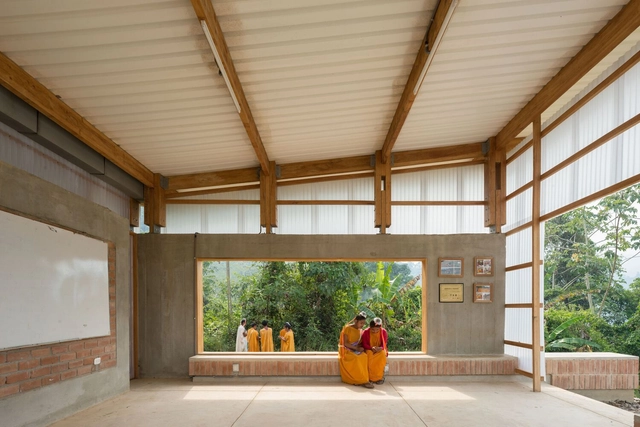
Educational infrastructure is key to any community. The better the quality of these spaces, the better the learning experience for those who use them. However, these facilities often serve a much broader purpose than just education. In Global South communities, in countries like Peru or Vietnam, where a significant portion of the population lives in rural areas far from urban centers, there are few educational spaces and a lack of places where the entire community—not just the students—can come together.
Following a broader trend across architectural spaces, bathrooms have evolved from strictly utilitarian functions into environments integrated with intelligent systems, where physical, cognitive, and sensory parameters are considered in the development of spatial solutions. But, it is always important to remind that cutting-edge technology doesn't always guarantee a better experience. While high-end automation and digital controls offer impressive capabilities, it's often the subtle, user-friendly features—the ones that feel intuitive rather than intrusive—that leave a lasting impression. These are the quiet innovations that elevate daily routines without overcomplicating them. The adoption of user-centered ergonomics—a design approach that takes human needs and limitations as its starting point—has guided the creation of components that respond adaptively to the presence, behavior, and preferences of users. Technologies such as toilets with automated features, proximity-activated faucets, concealed cisterns, and intuitive temperature controls not only enhance comfort and accessibility but also contribute to more efficient management of water and energy resources.
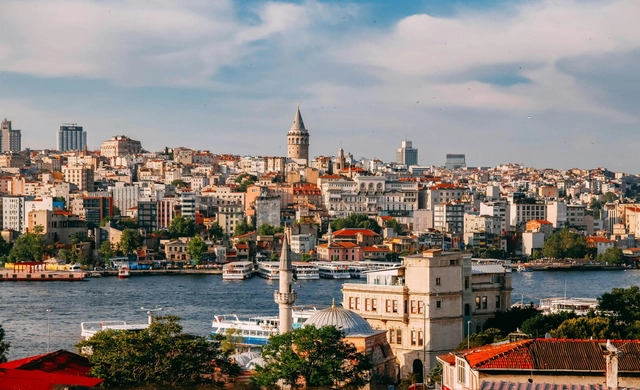
On April 23, 2025, a 6.2 magnitude earthquake in the Sea of Marmara struck Türkiye's largest city, Istanbul, causing widespread panic and injuring over 230 people, primarily due to falls and panic-induced accidents. Over the course of the day, at least 272 aftershocks were recorded, with the strongest reaching a magnitude of 5.9. According to an initial statement by Minister of the Interior Ali Yerlikaya, there was no major destruction apart from the collapse of a single abandoned building. However, the event has reignited public and professional discourse around the city's preparedness for a much larger seismic event, long anticipated by experts monitoring the North Anatolian Fault.