Real-time rendering technology is evolving at an unprecedented pace, and D5 Render 2.10 sets a new benchmark with the introduction of real-time path tracing. In addition to this cutting-edge advancement, the update brings significant improvements to AI-driven post-processing, procedural city generation, weather effects, animation controls, and team collaboration features, elevating both rendering quality and workflow efficiency.
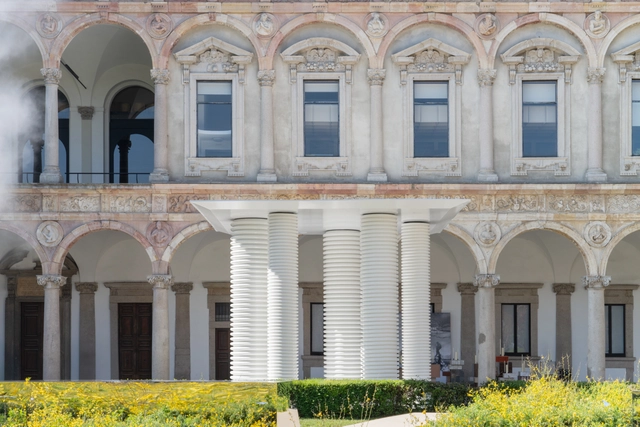
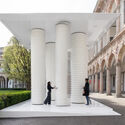
The 2025 edition of Milan Design Week and Salone del Mobile.Milano, spanning April 7th to 13th, brought together a diverse range of temporary installations at the intersection of architecture, design, and material innovation. Spread across historic sites, courtyards, and exhibition venues throughout the city, these site-specific works explored concepts such as sustainability, impermanence, sensory experience, and spatial interaction, in line with the theme of this edition of exploring the deep connections between humanity and design. Architectural studios, designers, and artists collaborated with brands and institutions to create environments that responded to context while proposing new approaches to how spaces are designed, experienced, and constructed. The following selection highlights ten installations presented during the week, reflecting a range of design approaches, materials, and spatial concepts.
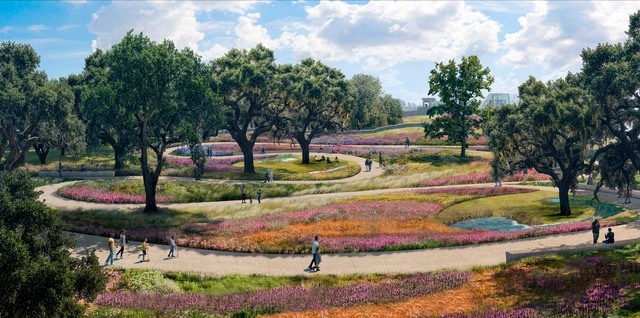
Pollinator Garden and Meadow. Image Courtesy of San Antonio Botanical Garden and Reed Hilderbrand
Reed Hilderbrand Landscape Architecture firm has unveiled images of its strategic master plan for Texas' San Antonio Botanical Garden, in the United States. The plan is designed to guide the future of this public landscape, reflecting long-term objectives focused on accessibility, conservation, and horticultural education. The vision includes a new horticultural campus and a public greenhouse for the site, designed by SO-IL, an architectural design firm based in New York whose 450 Warren housing project in Brooklyn was selected by ArchDaily's audience as the Building of the Year 2024 in the Housing category. The master plan aims at a more ecologically sustainable environment while enhancing the visitor experience across the garden's 38-acre landscape.
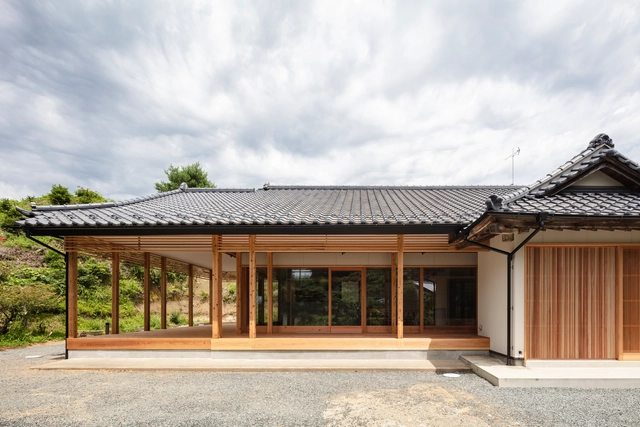
When thinking about Japan, the first thing that comes to mind is the bustling streets of Tokyo, old fortified castles, and the cherry blossom-lined rivers in the urban areas. However, little is discussed regarding a real estate market problem currently ongoing in the country: Akiya, a Japanese term that translates to an empty house. In 2024, the number of Akiya in Japan went up to a record high of nine million units. Some believe that at the root of the issue is depopulation. When homes are passed down through family inheritance, they frequently become burdens rather than assets. As younger generations increasingly move to cities or live in apartments, they usually have no interest in living in or maintaining the old family home, especially if it's located in a less convenient or rural area. Cities like Tokyo see a smaller number of Akiya due to the elevated price of the land. Nonetheless, issues such as elevated costs of adapting the house to the new earthquake regulations and higher taxation on vacant land, still cause people to abandon them even in urban areas.
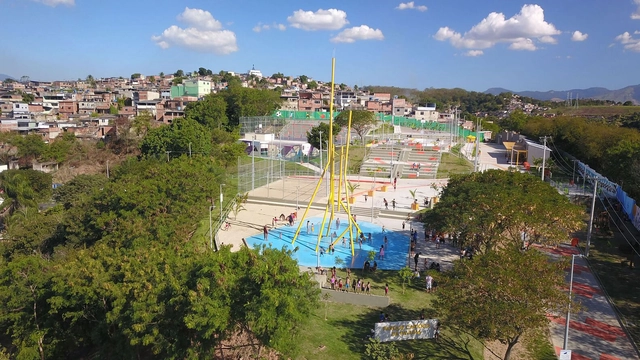
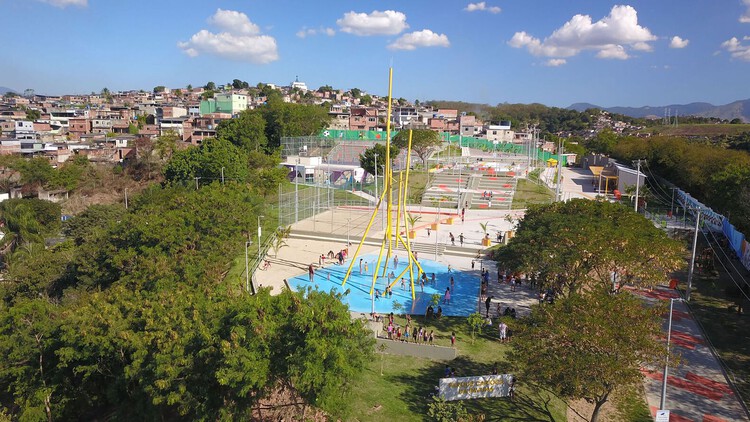
Public spaces are more than just physical voids in the urban fabric—they are stages for social interaction, cultural expression, and collective memory. In times of social fragmentation and environmental stress, these spaces can serve as catalysts for healing, offering safe environments where communities can reconnect. Through thoughtful design and participatory processes, public space interventions can rebuild trust, promote mental well-being, and foster a renewed sense of belonging among community members.
On April 10th, 2025, Saint-Gobain revealed the winners of the 14th edition of its International Gypsum Trophy during a ceremony held in Paris, France. 85 projects from 29 countries participated in this unique international competition organized by Saint-Gobain.
From the Americas to Asia, from Europe to Africa, the most talented and skilled gypsum installers competed in six categories: Ceilings; Innovation; Residential; Culture, Education and Leisure; Business and Institutional; and Façades, for the chance to win one of the 14 prizes. The 1st and the 2nd prize were awarded in each category, as well as the President's Prize (the "coup de coeur" of the jury) and the Grand Prix (rewarding the most outstanding project across all categories).
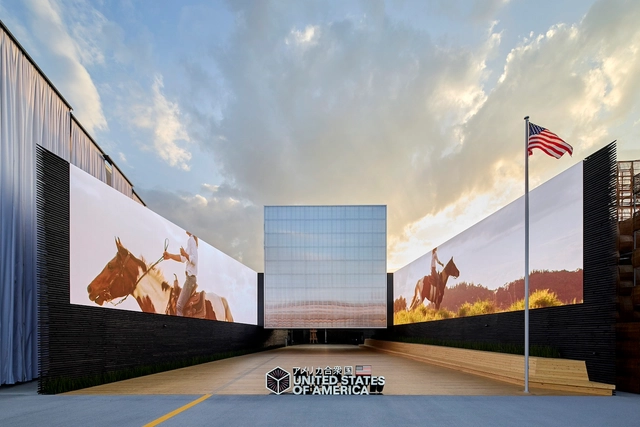
Trahan Architects has just completed the USA Pavilion for Expo 2025 Osaka-Kansai in Japan. As the public opening date, April 13, approaches, the USA Pavilion is finalizing preparations to host visitors. During the six-month expo, the proposal aims to showcase American architecture, innovation, culture, and industry. The display will be focused on celebrating contemporary American achievements in various fields, featuring exhibitions focused on sustainability, space exploration, education, and entrepreneurship.
Symbiosis, a Prototype for Living and Working. Image Courtesy of contexo
The future of urban life is increasingly being imagined as collective, layered, and adaptable. As cities grow denser and the boundaries between work, home, and leisure blur, architects are rethinking the traditional notion of residential living, shifting from isolated units to integrated, community-driven environments. This collection of unbuilt projects, submitted by the ArchDaily community, reflects this shift: a global exploration into how design can shape more resilient, inclusive, and connected ways of living.
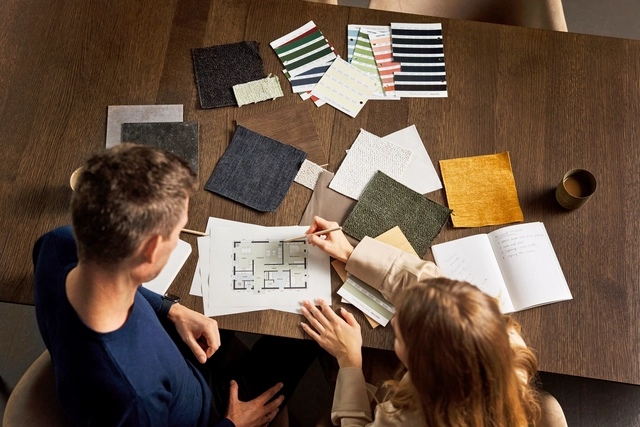
BoConcept combines heritage, simplicity, craftsmanship, functionality, and quality at the heart of their design philosophy
The modest origins of BoConcept – the furniture company founded in 1947 by young cabinetmakers Jens Ærthøj and Tage Mølholm, in the sleepy Jutland town of Herning – belie its standing as a beacon of Danish design. By harnessing and refining the key tenets of heritage, simplicity, craftsmanship, functionality and quality over 70 years, the brand has become Denmark's most globally recognizable name in furniture. It's a fact exemplified in timeless pieces such as its midcentury-style Imola armchair (inspired by the form of a deconstructed tennis ball) and the marshmallow minimalism of its Bellagio sofa – not to mention a proliferation of more than 300 stores in over 65 countries.
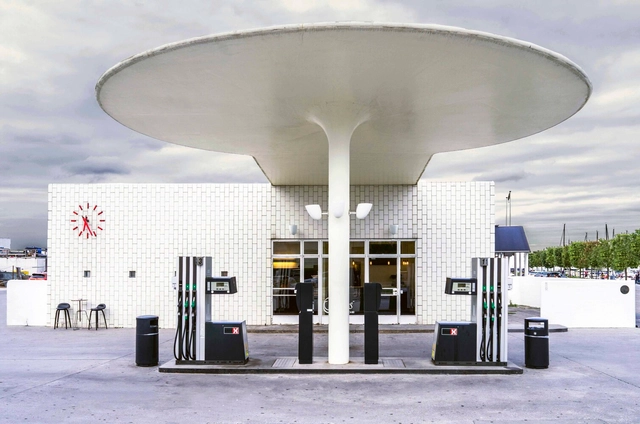
The gas station is an architectural typology that has undergone significant transformations since its inception. Initially, these structures were simple roadside refueling points designed for functionality rather than aesthetics. As automobile culture expanded, gas stations evolved to accommodate new technologies, shifting urban landscapes and changing consumer behaviors. Over time, they became more than just utilitarian stops — they developed into service hubs, integrating restaurants, motels, and leisure spaces, responding to contemporary transportation increasing demands.
By the late 20th century, however, the widespread standardization of gas stations led them to be perceived as "non-places", a concept defined by anthropologist Marc Augé to describe transient spaces that lack social or cultural significance. With uniform designs and a focus on efficiency, gas stations became interchangeable, reinforcing their role as purely functional infrastructure rather than meaningful architectural interventions. This standardization also departed from the era when fuel stations served as recognizable landmarks, contributing to a homogenized landscape devoid of local identity.
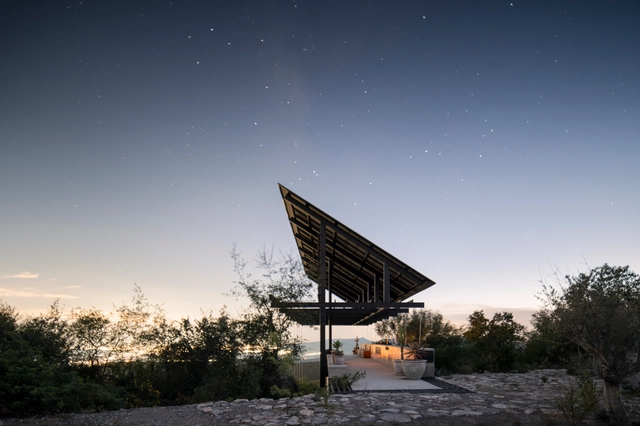
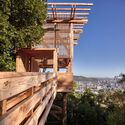
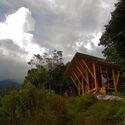
When designing spaces for viewing, architecture enters into a dialogue with the territory in an effort to understand the landscape and the enjoyment of reality, whether natural or built. Through an invitation to contemplate our surroundings, several architecture professionals in Latin America embark on the challenge of constructing structures that interact with nature, reinterpret certain building typologies, or become part of the learning and teaching of architecture for future generations. The wide variety of landscapes and cultures present in the Latin American context reflects the endless opportunities where architecture holds the potential to foster dialogue between the observer and the observed while drawing from the region’s deep connection with local flora, fauna, and other species.
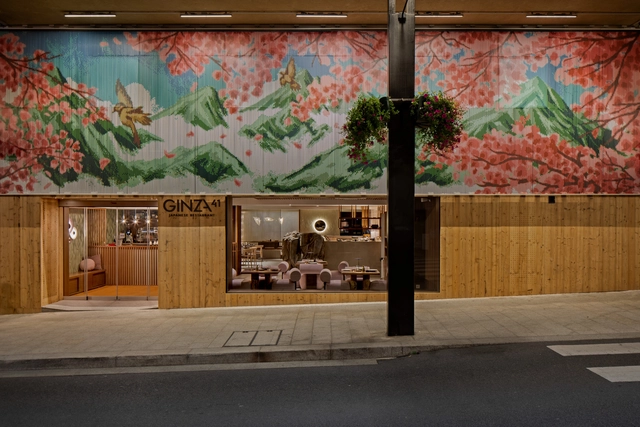
Through the creative manipulation of common construction materials and the exploration of elements such as form, light, texture, and space, architecture transcends mere functionality to become an artistic expression. Whether through the boldness of an innovative design, the harmony of balanced proportions, or the evocative use of materials, a building can transform into a work of art that inspires, intrigues, and evokes emotion. The design of the Ginza 41 sushi restaurant, conceived by architect Àfrica Sabé, exemplifies this approach. Its facade stands out in its surroundings thanks to solutions provided by Kriskadecor, a company specializing in customized metallic cladding. By utilizing a tensioned chain facade system that showcases a unique design, the project redefines the integration between architecture and visual branding.
Another year, another successful ArchDaily China Building of the Year Awards! Once more, the award has proved to be the largest architecture prize centered around people's opinion. Crowdsourced, the most relevant projects of the year were nominated and selected by our readers.
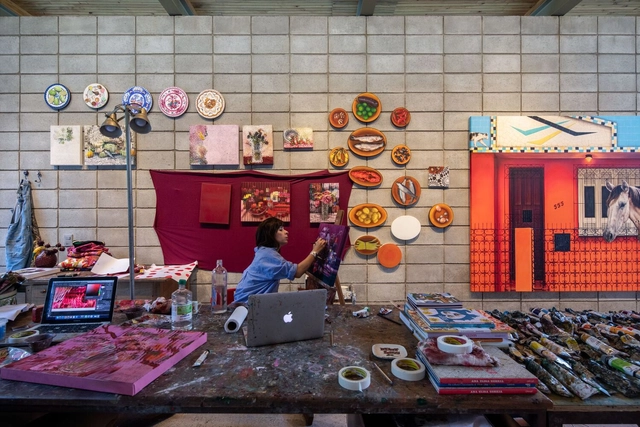
The spaces where artists create their work reveal a great deal about their creative journey—their techniques, themes, and inspirations. These places hold memories, intimacy, and emotional connections. For some artists, the studio is a secluded space, free from distractions. For others, it is a place for openness and freedom. Often, the studio becomes the home—or the home becomes the studio—blending function, desire, and necessity. Positioned at the crossroads of living and creating, leisure and work, these spaces fascinate art lovers. Many are later recreated in galleries or transformed into museums. Regardless of the artist’s fame, these spaces offer a unique look into the creative process, the artwork, and the artist's identity.
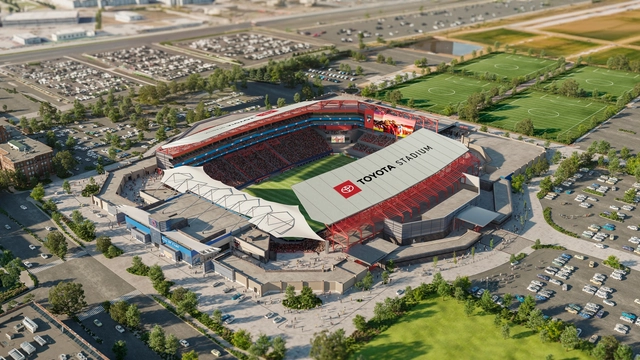
Renovation work has officially commenced at FC Dallas' Toyota Stadium in Frisco, Texas, with architecture firm HKS leading the redesign. Originally opened in 2005 with a seating capacity of approximately 20,000, the stadium is undergoing a phased transformation to improve functionality, expand amenities, and prepare for the 2026 FIFA World Cup, with the intention of hosting one of the teams for training. Construction began on the east side and will progress incrementally, allowing the venue to remain operational for home games throughout the process. Completion is scheduled for 2028.
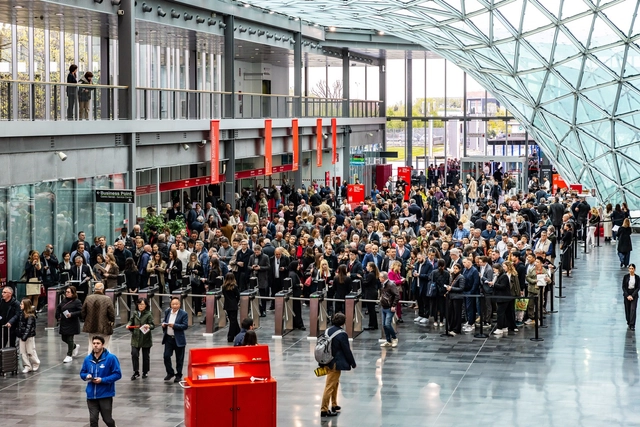
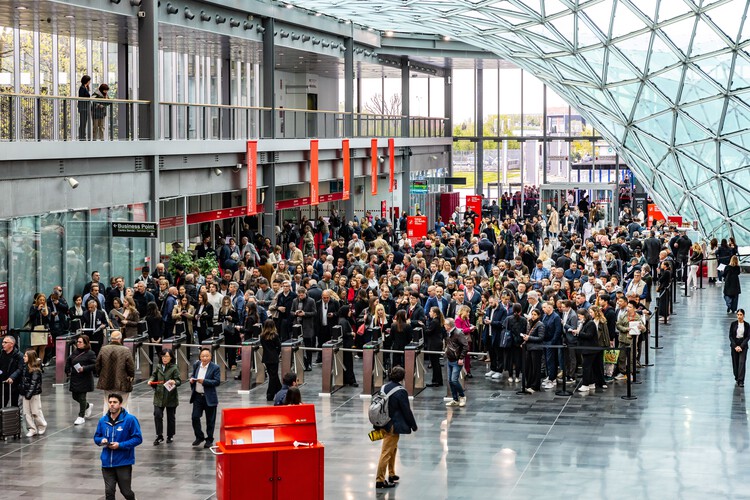
This week, Milan once again becomes the global center of the design industry as the 63rd edition of Salone del Mobile.Milano unfolds at Fiera Milano, Rho. Running from April 8 to 13, the event welcomes over 2,100 exhibitors from 37 countries across 169,000 square meters of sold-out exhibition space. With a focus on sustainability, global outreach, and cultural programming, Salone del Mobile.Milano 2025 continues to evolve as both a marketplace and a space for critical reflection on the future of design. Featuring a notable number of first-time participants, 168 new brands, and a return of 91 previous exhibitors, the Salone continues to act as a key platform for international dialogue, innovation, and industry exchange. The ArchDaily team is on site to follow this year's highlights and share updates throughout the week.
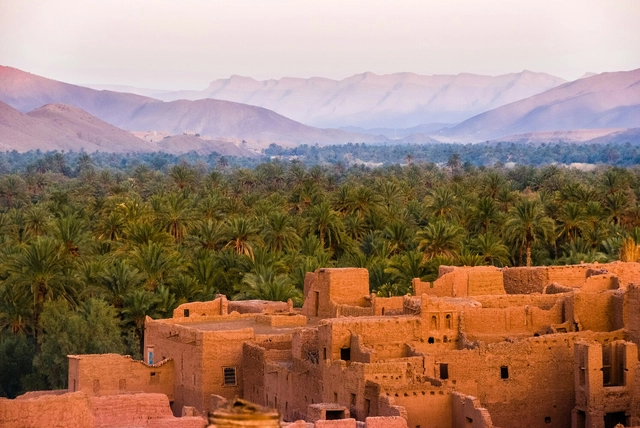
Wellness and healing spaces are shaped by cultural traditions, geographical contexts, and social structures. Across the world, certain practices have been deeply rooted for centuries, like Roman baths, Turkish hammams, and Japanese onsens, while others evolve by drawing inspiration from rituals or redefining their own concept and image of a healing environment. Europe, North America, and Oceania are characterized by a focus on personal journeys, self-care, and often luxurious wellness spaces. Asia shapes the prevailing global perception of wellness through meditation-based healing, inner reflection, and holistic retreats. In Africa, wellness is deeply rooted in ancestral traditions, integrated with nature, and centered around community and social interaction. The commonality worldwide lies in sensory engagement, relaxation, and holistic healing, often tied to nature. But what does wellness look like in Africa? What are the healing spaces that shape it, and what architectural languages define wellness from north to south?
https://www.archdaily.com/1028770/rooted-in-tradition-nature-and-community-wellness-and-healing-spaces-from-the-north-to-the-south-africaHadir Al Koshta
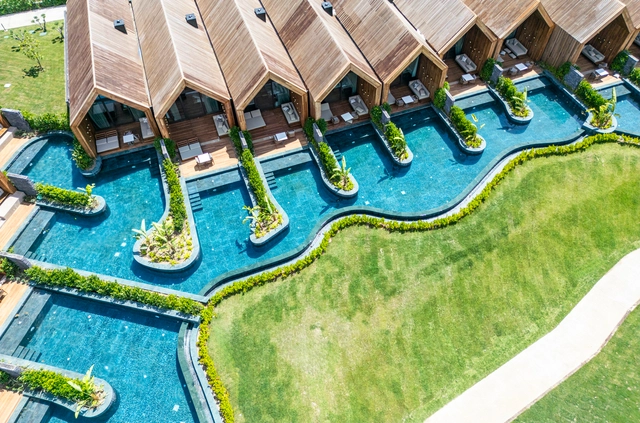
Pools have always symbolized luxury, leisure, and social interaction. Beyond their aesthetic appeal—where water dances across textures, movements, and reflections—they also serve functional purposes, providing relaxation, exercise, and entertainment. Their history dates back over 5,000 years to the Great Bath of Mohenjo-Daro in the Indus Valley (modern-day Pakistan), possibly used for rituals and communal practices. Later, the Greeks and Romans refined the concept, creating elaborate pools for bathing, sports, and social gatherings. The famous Roman baths, often heated and adorned with intricate mosaics, laid the foundation for modern spa and wellness culture, reinforcing the relationship between architecture, water, and quality of life.
During the Renaissance, pools were primarily associated with elite properties, but by the late 19th and early 20th centuries, public pools became more common, driven by urbanization and the promotion of hygiene. The rise of Olympic swimming competitions in the early 1900s further popularized the concept, leading to increased construction of both private and competitive pools worldwide. Today, pools continue to evolve, incorporating advanced materials and designs that enhance safety and sustainability. Whether for recreation, aesthetics, or well-being, pools remain a central element of modern architecture and lifestyle.
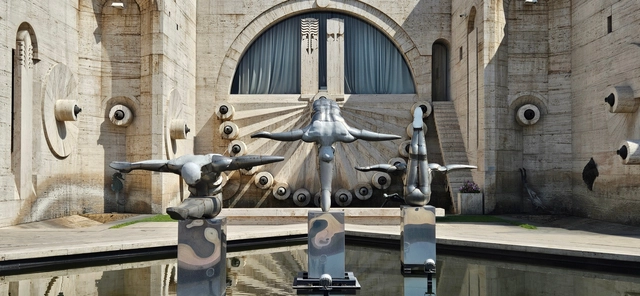
"Divers" by David Martin at the Yerevan Cascade Complex. Image by Besides the Obvious via Shutterstock.
Tucked away between the majestic peaks of the Caucasus and the enchanting landscapes of the Near East, Armenia is a small yet fiercely proud nation, shaped by rugged mountains and ancient volcanoes. One of the world's oldest countries, its roots stretch back to the 6th century BCE, standing at the crossroads of empires—Persian, Roman, Byzantine, and Ottoman. Yet, through centuries of upheaval, Armenia has held onto its distinctive identity, carved into its language, architecture, and rich cultural traditions—earning it the evocative title, "the land of stones."
Functionality is non-negotiable when designing, but crafting the right ambiance is crucial—especially in bathrooms and kitchens, where a few well-chosen finishes, hues, and fittings can completely transform the atmosphere and favor the composition of a cohesive environment. Concepts such as beauty, quality, and variety drive much of the design process of these spaces, encouraging what some might perceive as an aspiration for perfection in all dimensions. The interaction of these factors enhances both the visual composition and the user experience, shaping a balanced and appealing setting that adapts to the evolving architectural and design language.
https://www.archdaily.com/1026872/crafting-an-aura-of-perfection-with-intense-metallic-finishes-in-modern-interiorsEnrique Tovar
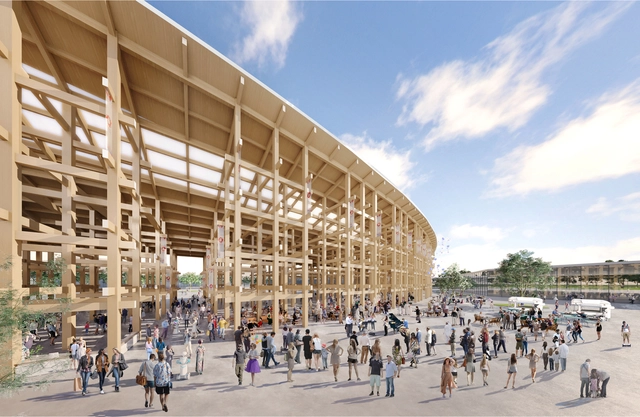
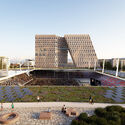
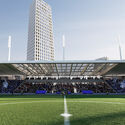
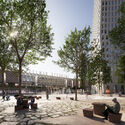
OMA/David Gianotten, has won the competition to revitalize the historic Selman Stërmasi Stadium and its surrounding area in central Tirana, Albania. Originally built in 1956, the stadium is now being redesigned to not only expand the existing football grounds but also to foster stronger links between surrounding neighborhoods in Tirana. With the revitalization, the stadium aims to be a key connector between the Blloku and Komune a Parisit neighborhoods.
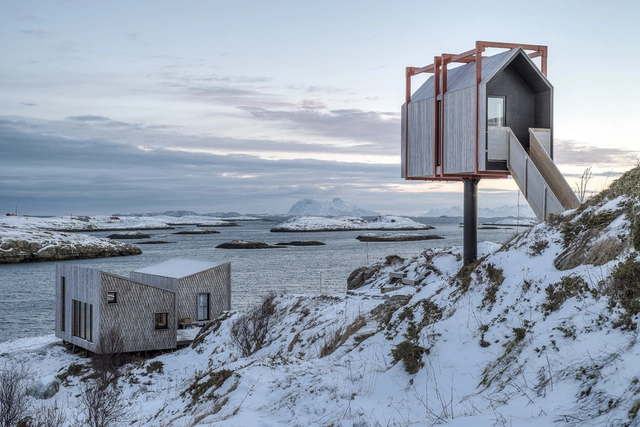
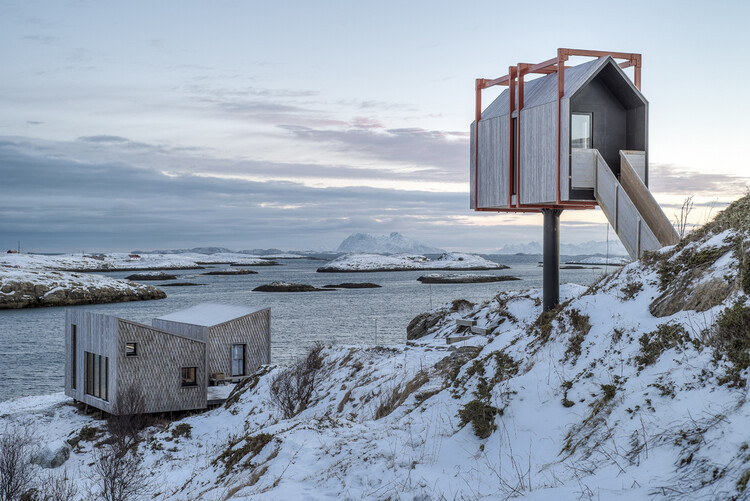
The decision to lift a building off the ground is a technical maneuver that requires substantial planning, expertise, and careful consideration. It is a deliberate architectural response to the site's forces and fragilities. Floodplains, wetlands, and thawing tundra share a common thread: Architects reconcile risk and vulnerability through elevated structures. In this sense, it is a spatial response and a structural necessity.
The exhibition is based on the observation that France is expected to experience a temperature rise of +4°C by the year 2100. Its current temperate climate is projected to shift toward a subtropical one. In response, the exhibition turns to warmer latitudes for architectural models that can inform how to build today in France—and in other regions currently considered temperate—an architecture capable of withstanding this increase in heat.
https://www.archdaily.com/1028990/sana-frini-and-philippe-rahm-announce-participants-for-the-2025-versailles-biennale-of-architecture-and-landscapeArchDaily Team