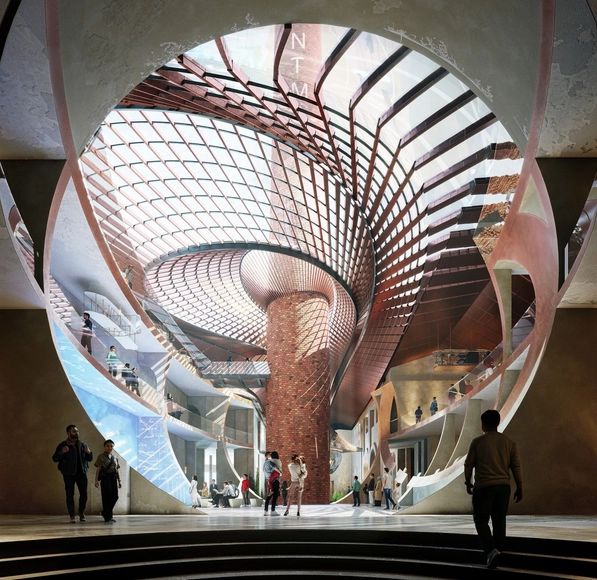
Over the past two decades, the Holcim Foundation Awards has committed USD 20M to spotlight transformative projects by architects, designers, and engineers who pioneer sustainable design and construction practices. To capture these stories, the Foundation launched a short film series titled Words withWinners.
This series provides an in-depth look at award-winning sustainable design projects through exclusive interviews with their creators. It includes the first film to showcase BRAC University campus, recently completed in Dhaka, featuring an exclusive interview with the lead architect and co-founder of Singaporean green building specialists WOHA Wong Mun Summ.
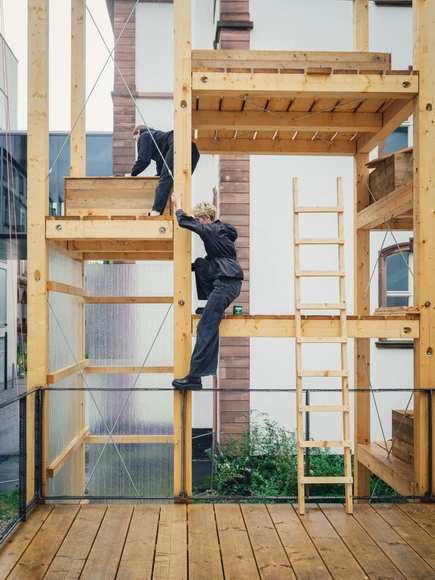
Maria Lisogorskaya and Kaye Song of Assemble: Atelier LUMA 2023 Lot 8 Le Magasin Electrique Photo @ Joseph Halligan. Image Courtesy of Bauhaus Earth
Maria Lisogorskaya and Kaye Song from the London-based collective Assemble, along with Lviv-based architects Anna Pomazanna and Mykhailo Shevchenko, have been announced as the 2025 Experimental Fellows at Bauhaus Earth. Selected from 120 submissions, their projects are set to explore earth as a material in contemporary architecture. The annual Bauhaus Earth Fellowship program was established in 2022 by architect Prof. Regine Leibinger. It aims to support diverse projects that explore new modes of practice across various geographies, that can contribute to ecological and social resilience. Fellows receive financial support, mentorship, and access to a network encouraging collaboration among architects, manufacturers, and local stakeholders.
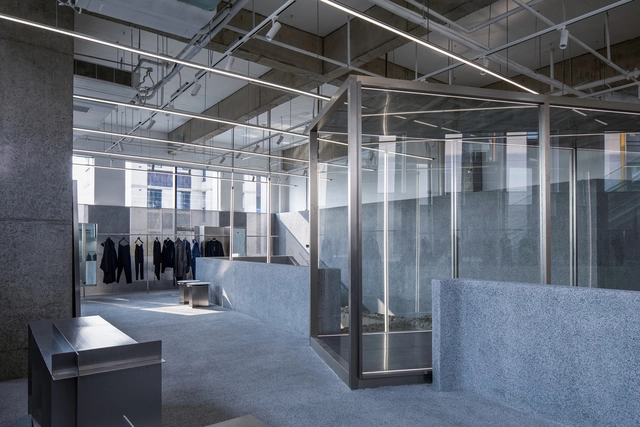
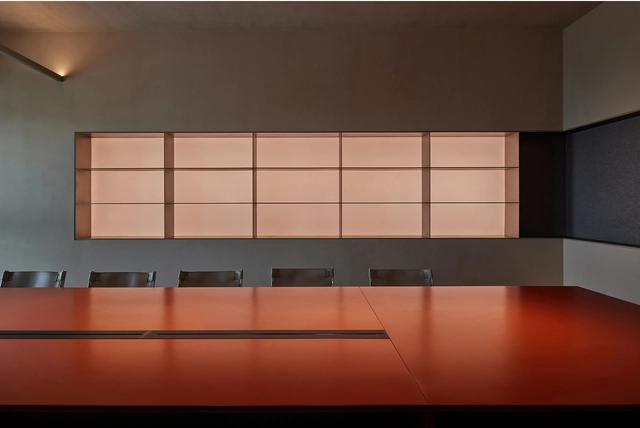
As we close the chapter on 2024, a review of ArchDaily's extensive database projects highlights a few standout interior design trends that defined the year. Among these is the use of stainless steel, often paired with concrete and shades of grey, creating interiors with a refined, industrial elegance. This article delves into the increasing prominence of stainless steel as an interior element, exploring its applications, pairings, and growing appeal despite lingering perceptions of its cold, industrial nature.
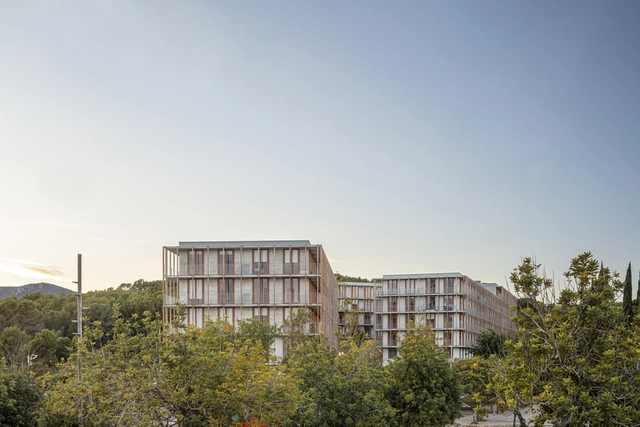
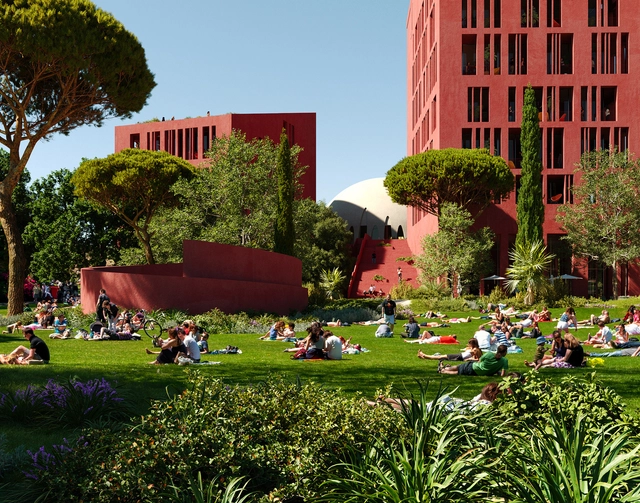
The housing crisis, the need for effective land management policies, and the growing demand for housing aid are global challenges, and Spain has taken significant steps to address these issues in recent years. While this effort is closely tied to rehabilitating obsolete buildings, it also tackles the challenges of densification and gentrification. These factors have prompted the exploration of new housing models and ways of living, leading to the development of affordable residential buildings designed to accommodate large numbers of inhabitants while maintaining high-quality living standards.
The Phasing Animation feature in D5 Render 2.9 redefines how professionals present complex projects. It simplifies the creation of dynamic, step-by-step visualizations, perfect for showcasing construction phases, product assemblies, and landscape transformations. With pre-designed templates like Drop/Rise or Ascend/Descend, users can quickly arrange objects in sequence without the need for complex keyframing, making it easier to illustrate how a structure is built, how a product is installed, or how elements grow and evolve within a landscape.
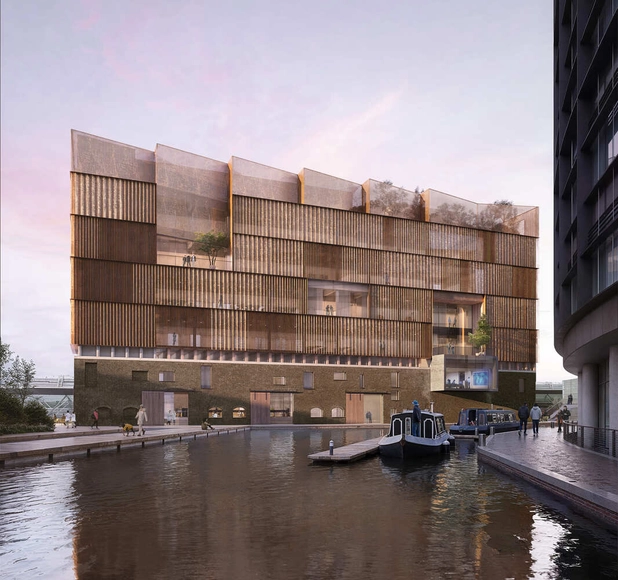
Stanton Williams has been selected to design the Fleming Centre, a state-of-the-art research and public engagement facility to be constructed on the St Mary's Hospital campus in Paddington, London. Announced by the Royal Institute of British Architects (RIBA), the project aims to create a global hub for collaboration and innovation in addressing antimicrobial resistance (AMR), a significant healthcare challenge affecting populations worldwide. The Fleming Centre forms part of the broader Fleming Initiative, a joint venture between Imperial College Healthcare and Imperial College London.
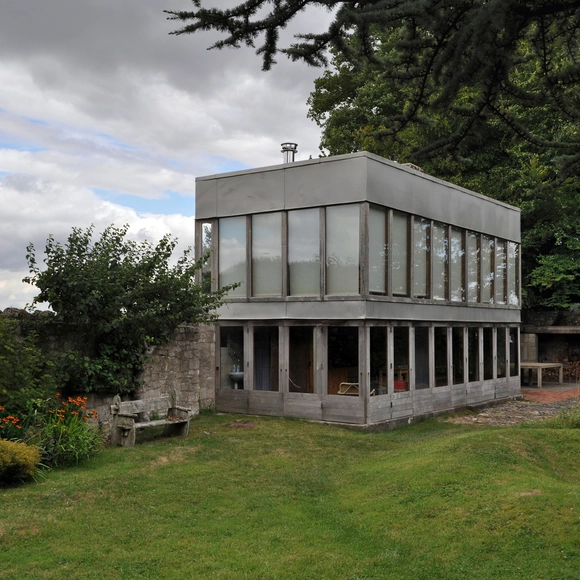
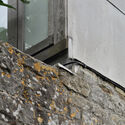
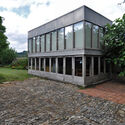
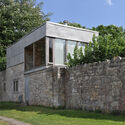
Upper Lawn's thoughtful interplay between the new and the existing is particularly compelling. Built on the remains of an 18th-century English farmhouse, the pavilion repurposes thick masonry walls from the original structure, incorporating elements such as the well, trees, and lawn into its design. Using prefabricated materials like timber, glass, and aluminum, the Smithsons constructed a light-filled space that harmonizes with its surroundings, embodying their principle of "as found architecture" — a concept rooted in honoring and adapting to preexisting conditions rather than imposing on them.
Religious architecture in Asia is evolving by incorporating modernist influences while preserving its spiritual essence. Clean lines, minimalist aesthetics, and materials like concrete, steel, and glass are a common sight. These interventions often replace or complement the intricate ornamentation and natural materials traditionally associated with sacred spaces in the region. This approach allows these structures to achieve a universal appeal while still reflecting their cultural and spiritual foundations.
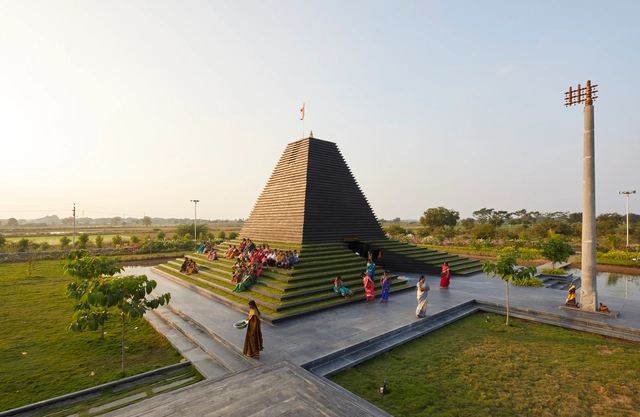
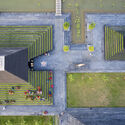
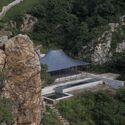
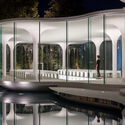
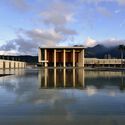
Several examples highlight this blend of tradition and modernity. The Cloud of Luster Chapel in Japan uses slender columns and abundant natural light to create a luminous atmosphere, evoking Frank Lloyd Wright's Johnson Wax Building. The Temple of Steps in India incorporates cascading steps that emulate the traditional Ghats, combining cultural symbolism with Brutalist aesthetics. Similarly, the Water-Moon Monastery in Taiwan employs concrete, straight lines, and reflective pools in a manner influenced by Le Corbusier's Five Points of Architecture. Finally, the Jetavana Buddhist Temple in South Korea and the Upper Cloister in China integrate their layouts with the surrounding stone and hillside, drawing parallels to Wright's desert houses. Together, these projects demonstrate how Asian religious architecture is redefining sacred spaces through a modernist lens while honoring their traditional heritage.
On Tuesday morning, wildfires erupted in the Pacific Palisades, one of Los Angeles' wealthiest neighborhoods. The catastrophic fire left a significant mark on the infrastructure and neighborhoods of Los Angeles, resembling a war-torn landscape by the morning of January 8, 2025. Iconic locations along Sunset Boulevard transformed into scenes of devastation, with charred buildings. Over 2,000 structures have been destroyed, displacing tens of thousands of residents and sparking urgent appeals for access to homes for medication retrieval. Several hotels in Los Angeles have been taking in displaced residents.
College of Europe's Tirana Campus . Image Courtesy of MIR, Designed by Oppenheim Architects
Tirana, the capital of Albania, is undergoing a remarkable transformation fueled by an ambitious vision for the future outlined in the Tirana 2030 (TR030) Master Plan. This plan, devised by renowned Italian architect Stefano Boeri, aims to reshape the city into a sustainable, green, and inclusive urban hub, with a focus on increasing density while enhancing the quality of life for its residents. Central to this vision are projects such as the creation of an "orbital forest" with two million trees, the revitalization of rivers with green corridors, and the redesign of public spaces like Skanderbeg Square, which has become the largest pedestrian area in the Balkans. According to The Guardian, these initiatives aim to reverse the sprawling urban chaos that followed the fall of communism and accommodate a population that has quadrupled since 1992, while prioritizing quality of life and accessibility.
At the heart of Tirana's transformation is a renewed focus on architecture as a tool for connection, combining cultural identity with contemporary design to create spaces that invite public interaction and engagement. Recent projects announced by renowned architects and international firms including Coldefy, OODA, Oppenheim Architecture, and CHYBIK + KRISTOF showcase a common thread of reimagining the rejuvinated city for the public. These designs emphasize social sustainability, cultural references, and accessible public spaces, redefining how residents and visitors experience Tirana's urban fabric. From mixed-use vertical villages and pedestrian-friendly streets to eco-conscious campuses and civic hubs, these new developments collectively highlight the city's ambition to position itself as a progressive model for urban renewal in the Balkans.
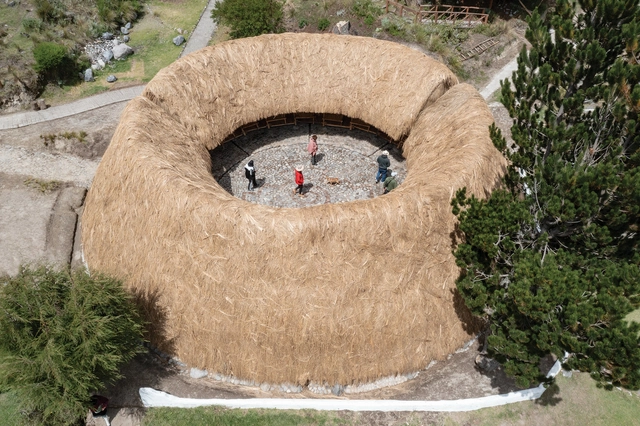
Sustainability has been a central theme in architectural discussions for years, encompassing not only the profession’s role in combating climate change and transitioning to low-carbon economies but also preserving cultural heritage and celebrating vernacular traditions. In 2024, a wave of projects and studies stood out for their innovative use of natural materials, particularly in the Global South. These initiatives skillfully blend creativity and technology with renewable resources, demonstrating how architecture can deliver high-quality spaces that align with contemporary demands for sustainability and environmental responsibility.
At some point, you might have found yourself pondering, "Who is the world's leading architect?" It's a difficult question, but fortunately, there isn't just one definitive answer. If you're curious about the global state of the art, architecture, and design industries, the World Design Rankings (WDR) offer an interesting glimpse into the creative pulse of nations. These rankings don't just name names; they paint a broad picture of each country's strengths, weaknesses, and untapped potential in the world of design.
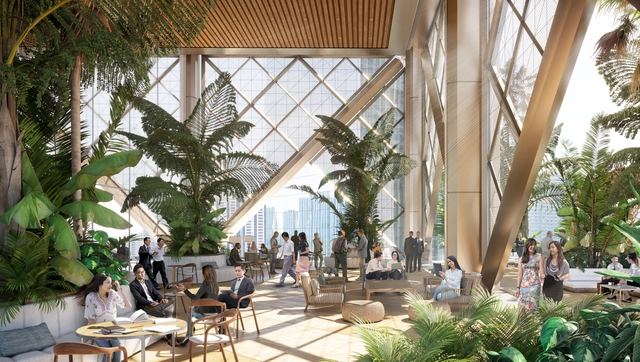
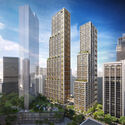
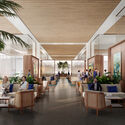
Foster + Partners has announced the breaking ground of BDO Unibank's new headquarters in Makati, Manila. The design aims to offer a climate-responsive approach inspired by vernacular architecture. The campus integrates five separate plots into a cohesive whole, featuring two high-rise towers flanking a sheltered public space incorporating lush landscaping and artwork.
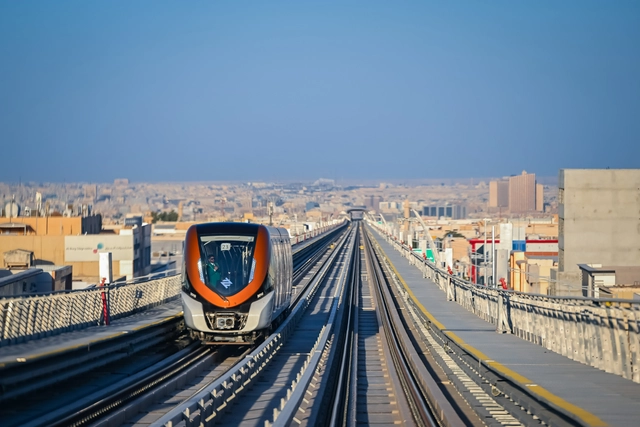
The Royal Commission for Riyadh City (RCRC) has confirmed that the Orange Line of the Riyadh Metro, also known as the Al Madinah Al Munawwarah Axis, began operations on Sunday, January 5, 2025. Spanning 41 kilometers, the Orange Line runs east to west, connecting Jeddah Road in the west to the Second Eastern Ring Road near Khashm Al Aan in the east in Saudi Arabia. This newly operational line is a key component of the city's metro system, designed to enhance urban mobility and connectivity.
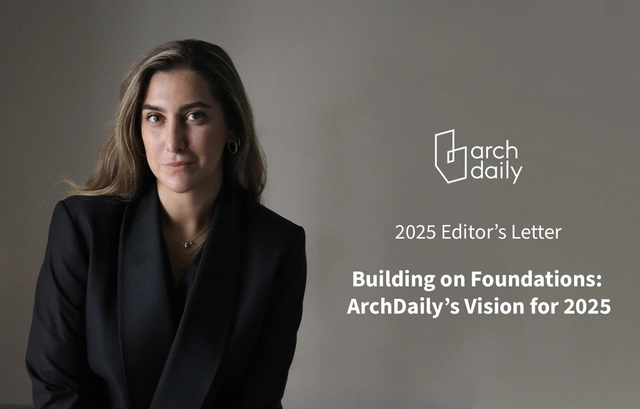
It is with immense gratitude and excitement that I share my first letter as Editor-in-Chief. Addressing you directly marks a meaningful shift from our usual approach, and I believe it's the perfect way to begin the year. As I step into this new role, I am honored by the opportunity to lead ArchDaily into a new chapter, building on our strong foundation to reach even greater heights.
At ArchDaily, we have always believed that architecture has the power to transform lives and environments. For 17 years, we have been more than just a platform; we have become a community and a voice for architecture—a collaborative network where architects, designers, and enthusiasts come together to shape the built environment and redefine urban living. Reflecting on this journey, I am deeply inspired by our shared accomplishments, made possible by the dedication of our talented global team and the unwavering support of our users. Together, we have created a space where ideas thrive and innovation blossoms.
Prototyping is an essential element in sectors such as automotive design and technology, where iterative development enables testing, refining, and innovating. It involves creating initial models or early versions to validate concepts and fine-tune solutions before moving on to final production. This stage is crucial for identifying flaws, optimizing designs, and reducing risks, saving time and resources in the final implementation. In architecture, however, prototyping remains an underused tool. Despite the unique challenges inherent in architectural projects—whether programmatic, climatic, or related to site conditions—the benefits of prototyping can be profound. It offers architects the opportunity to experiment with new materials, validate construction methods, and test spatial configurations in a tangible, measurable way. As a result, it not only reduces uncertainties in the creative process but also drives bold and efficient solutions, fostering a more robust balance between aesthetics, functionality, and feasibility.
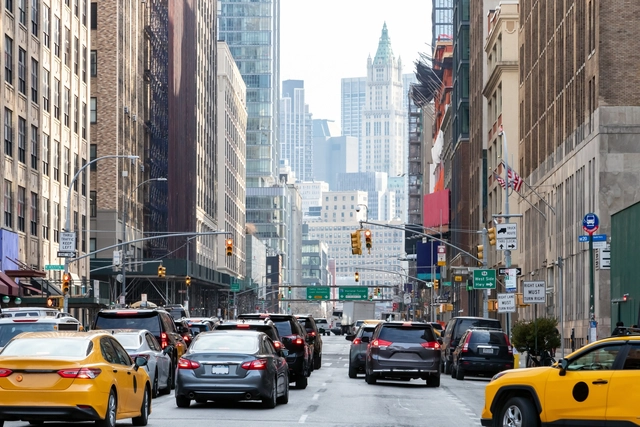
New York City has implemented the first congestion pricing scheme in the US, charging drivers up to $9 per day to enter a designated zone south of Central Park, encompassing areas like Times Square and Wall Street. The initiative aims to alleviate chronic traffic congestion, improve air quality, and generate revenue for public transportation improvements, addressing New York City's ranking as the world's most congested urban area for two consecutive years. The plan went into effect Sunday, January 5th, 2025.
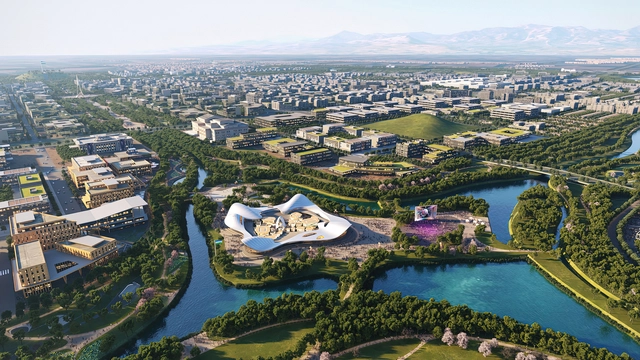
Cross Works just unveiled the plans for New Tashkent, a large-scale expansion of Uzbekistan's capital, Tashkent. The project covers 25,000 hectares to the east of the existing city, located between the Chirchiq and Karasu Rivers. Designed to accommodate an estimated 2.5 million people in the coming decades, the development aims to address population growth in a sustainable manner. The initiative follows an international design competition held in early 2023, which was won by London-based design and technology firm Cross Works. Following their selection, the firm has taken the lead on masterplanning, digital twin development, and coordination of a multidisciplinary team.
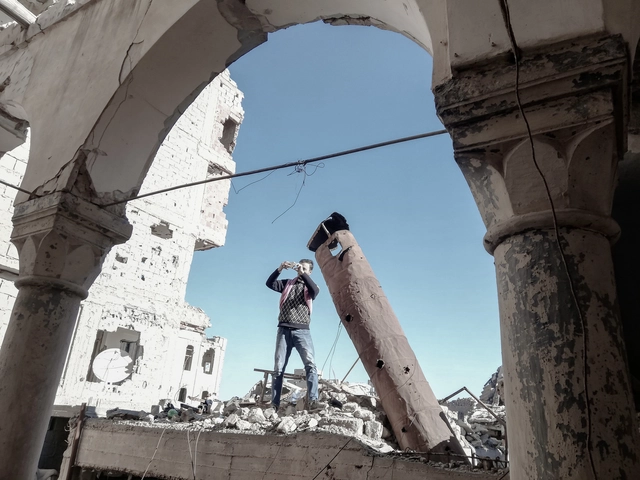
Deir Ez-Zor Heritage Library team on site. Image Courtesy of Deir Ez-Zor Heritage Library
It is common for states to have legislation and institutions that protect their built heritage. It is also common for there to be gaps in the laws themselves or their implementation while certain circumstances may place a country's heritage under specific vulnerabilities. Thus, alongside state institutions, there are locally based architects and researchers establishing independent initiatives to document and conserve aspects of their built heritage. Syria is one example of a place with an extensive history of monuments and buildings of interest as well as active groups of independent conservators.
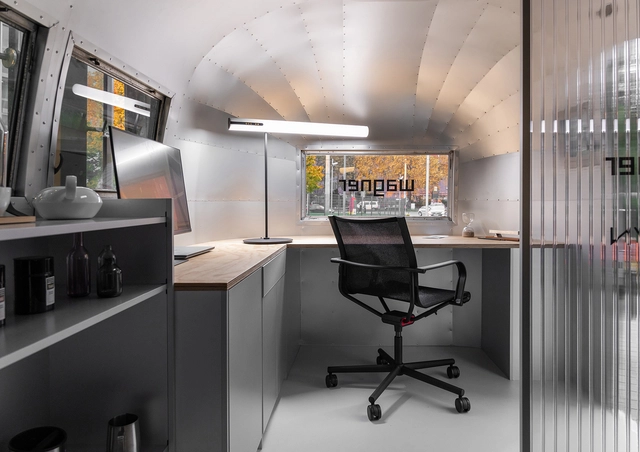
Wagner hits the road in 2025 with the Airstream Roadshow, an immersive experience that inspires new perspectives on office spaces. Under the motto 'It's time for bespoke interior design,' the traveling exhibition highlights the iconic 1962 Airstream Bambi, converted into a mobile working space to showcase Wagner's D2 bespoke interior system, designed by renowned studios Gonzalez Haase AAS and Stefan Diez. As the Airstream travels across Germany, design enthusiasts are invited to explore the lightweight aluminum construction and witness live 3D printing in action.
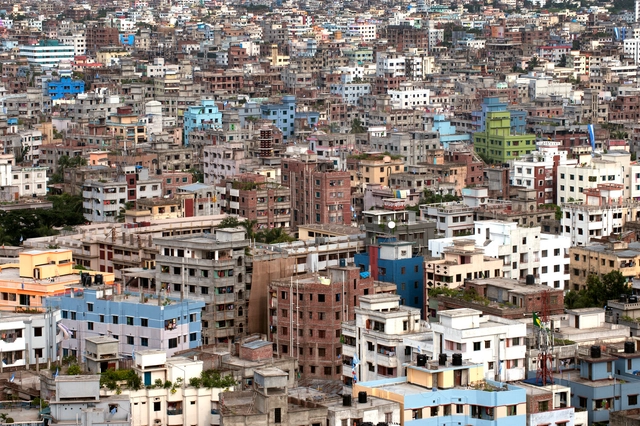
With millions of residents flocking to metropolitans each year, South Asia is witnessing staggering levels of urban development. Growth brings economic prosperity and ecological strain as concrete jungles replace natural habitats. The region, home to countries such as India, Pakistan, Bangladesh, Sri Lanka, Bhutan, the Maldives, and Nepal, is faced with addressing contextual challenges when it comes to balancing urbanization with environmental sustainability. These negotiations are fairly nuanced, with a need to understand the economic, social, and political scenarios systematically in each country.