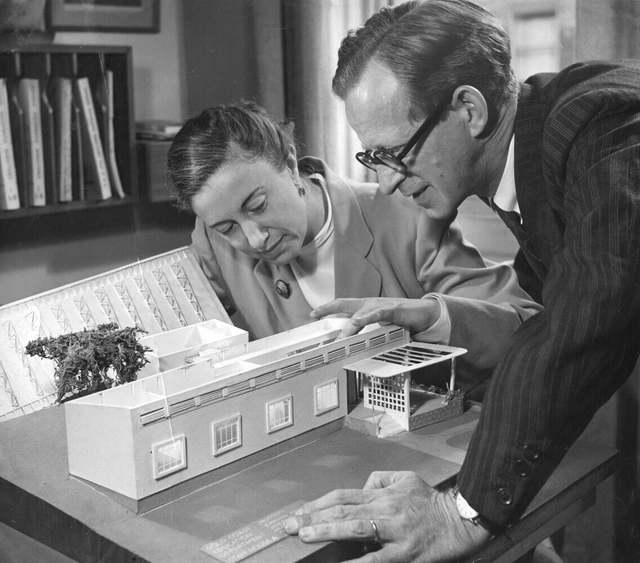
ane Drew and Maxwell Fry with a model of one of their many buildings for the Gold Coast, 1945. / Tropical Modernism - Architecture and Independence at the V&A South Kensington . Image Courtesy of RIBA
Reflecting on 2024, numerous architectural exhibitions have opened worldwide, addressing various themes, exhibition formats, and featured architects. Architectural design and architecture practice influence our daily lives in subtle and often unnoticed ways, where the end-users embrace built environments as they are. This reaction may arise from a combination of factors, such as a sense of powerlessness to enact significant change after a building is constructed or the experience of growing up in environments over which individuals had little or no agency in shaping. For these reasons, architectural exhibitions serve an essential purpose, offering society a chance to pause, reflect, and critically examine the myriad issues that surface during designing and building. These issues are often overlooked or need to be acknowledged, as practitioners may prioritize delivering projects within strict timelines over exploring more profound reflections.
In 2024, museums, galleries, and curators responded to the evolving challenges within the built environment with various approaches. Some exhibitions questioned the ethics of building materials and the practices behind supply chains, drawing attention to the broader implications of material choices. Others focused on documenting architectural movements worldwide, emphasizing their cultural and historical significance and the urgent need to preserve and adapt rather than replace them with entirely new builds. These efforts highlight the role of exhibitions in raising awareness about pressing issues while fostering a more critical dialogue about the architectural discipline.
Selected as one of ArchDaily's Best New Practices 2024, Estudio Rare defines itself as an interdisciplinary experimental space. Based in Córdoba, Argentina, its three founding partners, Agustín Willnecker, Iván Ferrero, and Mateo Unamuno, met while studying at the Faculty of Architecture of the National University of Córdoba. With a young but notable trajectory, the Rare team offers a free and dynamic perspective on design, architecture, and construction. Their works, regardless of scale or commission, demonstrate a close relationship with art, reflecting the diverse interests and personal backgrounds of each team member and their collaborators.
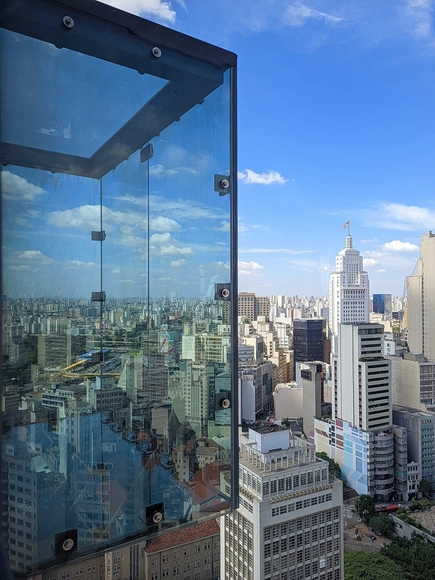
Walking on a glass floor is a unique experience that blends awe with a touch of unease. The transparency creates the illusion of emptiness beneath your feet, despite the firm support, generating a visual disconnection that makes each step feel tentative, as if you were floating or crossing an invisible bridge. Although glass is engineered for safety, the mind often associates it with fragility, producing a curious tension between trust and doubt. It's this mix of emotions that makes walking on a glass floor so unforgettable.
Modern glass floors are remarkably strong, thanks to advanced materials and manufacturing processes. Typically made from laminated glass—composed of multiple layers of glass bonded with a durable interlayer—they are designed to prevent shattering into sharp fragments. In terms of load capacity, a well-designed glass floor can support weights equivalent to or greater than traditional flooring materials, often exceeding 500 kilograms per square meter or more, depending on the design and application. Step onto a glass floor, and you're not just walking—you're floating, suspended between reality and illusion in a thrilling feat of modern design.
Artificial intelligence (AI) is reshaping the architectural landscape, offering tools that enhance creativity, streamline workflows, and redefine design processes. From assisting in urban planning to conceptualizing homes and creating visualizations, AI is unlocking new possibilities for architects, designers, and even non-professionals. Yet, as AI-generated outputs become more prevalent, concerns emerge regarding the possibility of generating generic-looking designs or the disappearance of traditional design skills. These challenges lead us to critically examine how AI complements human creativity and the ethical implications surrounding authorship, originality, and intellectual property rights in this rapidly evolving digital era.
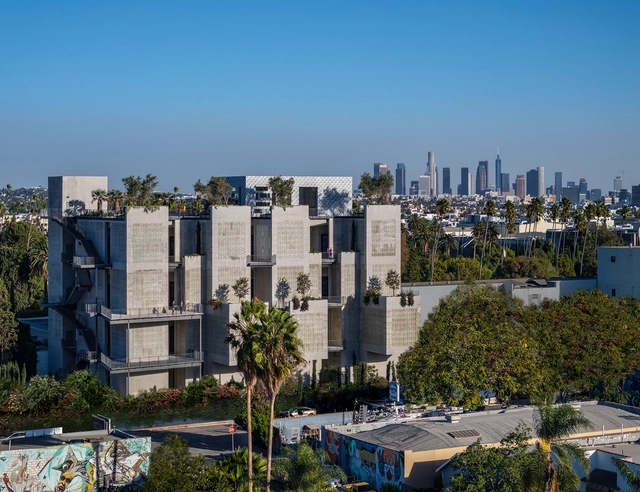
Architects Lehrer Architects LA and Arquitectura y Diseño have just unveiled the first phase of the Gower Mausoleum at Hollywood Forever Cemetery in Los Angeles,United States. This innovative vertical structure, rising 100 feet, is set to provide eternal resting spaces for over 50,000 individuals, while also serving as a cultural and spiritual landmark in the heart of Hollywood.
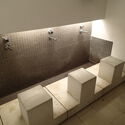
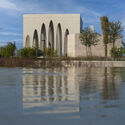
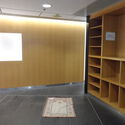
As communities grow more multicultural and increasingly diverse, these spaces serve as physical manifestations of religious inclusion, encouraging the acceptance of religious and ethnic minorities within multicultural landscapes. Their proliferation reflects a growing need for inclusive environments that cater to diverse spiritual needs while promoting interfaith understanding. However, designing and implementing these spaces presents complex challenges, often sparking debates about representation, neutrality, and the very nature of sacred space. These discussions underscore the delicate balance architects must strike in creating spaces that are both universally welcoming and spiritually meaningful.
If there is one book every architecture student must have on their shelf, it must be an architectural history. There is no more comprehensive yet compact alternative than Kenneth Frampton's Modern Architecture: A Critical History, originally published in 1980 by Thames & Hudson. Its much-expanded latest fifth 734-page, 813-illustration edition came out in 2020. In 2023, I discussed the book at length with the author in a video interview, now available on YouTube.
Regarding one compact yet fundamental survey of the evolution of the Modern movement, Modern Architecture: A Critical History is unquestionably the most authoritative, complete, and in-depth chronicle. The most valuable addition to the new book is the introduction of new chapters focusing on regions such as Canada, Mexico, Colombia, Australia, China, India, and Sri Lanka, among others. These chapters shed light on many before-overlooked practices that operated outside of traditional centers of power, namely Western Europe, the United States, and Japan.
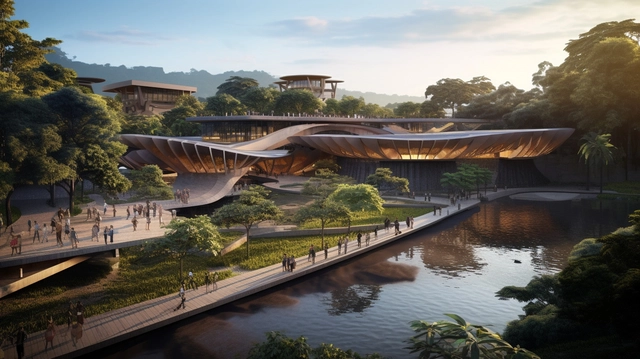
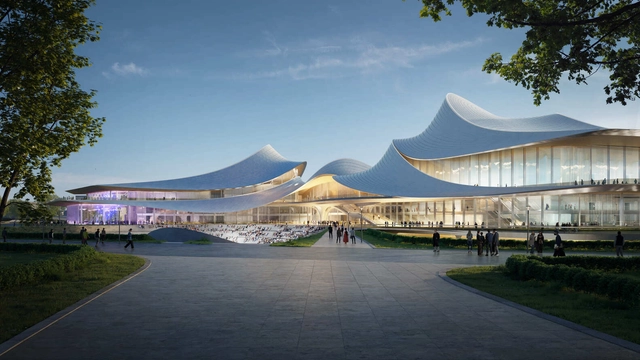
Zaha Hadid Architects has been selected to design the Zhejiang Shaoxing Shangyu District Cao'e River Culture and Art Center, located within a newly planned cultural district in Shaoxing's Shangyu area in Zhejiang province, China. The project is situated along the Cao'e River, a location with historical significance, and is envisioned to serve as a key cultural and artistic space for both the local community and visitors. Its design seeks to integrate contemporary functionality with the architectural and cultural traditions of the region.
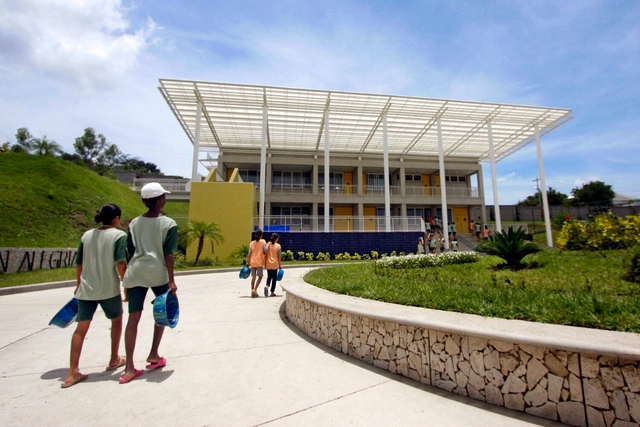
Tegucigalpa, the capital of Honduras, offers a dynamic blend of the country's architectural heritage with mountainous landscapes. Nonetheless, just like many other cities in Latin America, it faces significant urban challenges such as social class disparities and a fragmented urban fabric. In response, several design initiatives have emerged over the years to address those issues. One of the most prominent examples is the "Villa for Girls", designed by the Guatemalan firm Solis Colomer Arquitectos, which has now expanded to include a "Villa for Boys" since 2017. These projects are aimed at children from low-income families who often face the risk of being recruited by gangs. Together they build upon an architectural legacy that offers a safe, supportive environment to grow and learn.
Throughout 2024, ArchDaily, in collaboration with the Open House Europe architecture event, brought inspiring projects and stories to light. These true architectural gems were unveiled through visits, and their widely shared narratives enriched the architectural discourse. It is an invitation to explore the stories behind buildings that, although part of citizens' daily lives, often go unnoticed amidst the routine automation of everyday life.
These narratives explored projects of different scales, uses, and contexts, revealing everything from religious buildings, to remarkable examples of adaptive reuse of old industrial structures, now taking on new roles within their communities. Each story uncovered the many layers that make up a building – from its initial design to the new meanings it has acquired over time.
In this short video interview from the Louisiana Channel, Marc-Christoph Wagner interviews architect David Chipperfield in Galicia in April 2024, exploring his connection to the sea. The 2023 Pritzker Prize laureate speaks of his experience living for 30 years in a fishing village in Spain, delving into his connection to the place and the people's attitude towards the strength of the natural elements surrounding them.
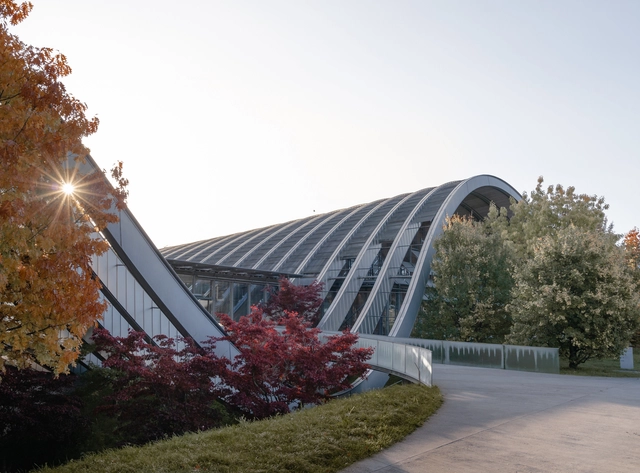
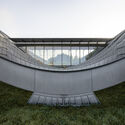
The Paul Klee Center, designed by Renzo Piano Building Workshop, is a tribute to the renowned German-Swiss artist Paul Klee. Blending architecture with the natural landscape of Bern, Switzerland, the museum echoes the rolling hills and fields of the region. Situated on the city's easter outskirts, the structure aims to harmonize with its surroundings. Renowned as an iconic structure, Bern-based photographer Katerina Skarka has recently captured it through her lens, showcasing the architectural landmark.
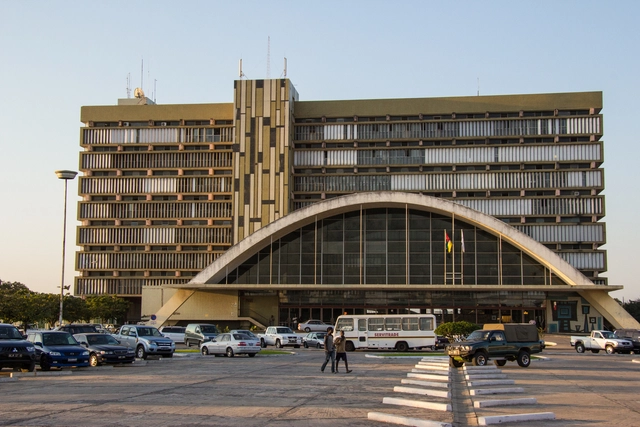
The mid-twentieth century marked a transformative period for Africa as 29 countries achieved independence between 1956 and 1964, signaling the dawn of the nation-state across the continent. This era resonated with a spirit of liberation and progress, paralleling the global movements of that time, such as the establishment of international organizations like the United Nations (1945) and the Organization of African Unity (1963). Within this context, Modernist architecture emerged as a powerful symbol of national identity, ambition, and the collective aspiration for a brighter future. As newly independent nations sought to define themselves apart from their colonial pasts, the adoption of Modern Movement principles facilitated the construction of key infrastructures, such as convention centers, parliament buildings, and hotels, as well as the development of architectural education, as native-trained architects begun to either replace or cooperate with foreign-born professionals.
This article inaugurates a new series titled Rediscovering Modernism in Africa, aiming to explore the architectural legacy of the Modern Movement in Africa, highlighting its role in nation-building and the evolution of architectural education, while shedding light on the architects and movements that shaped this transformative era.
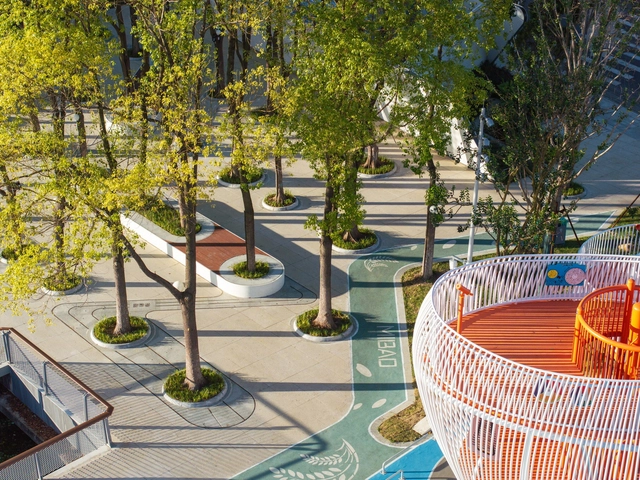
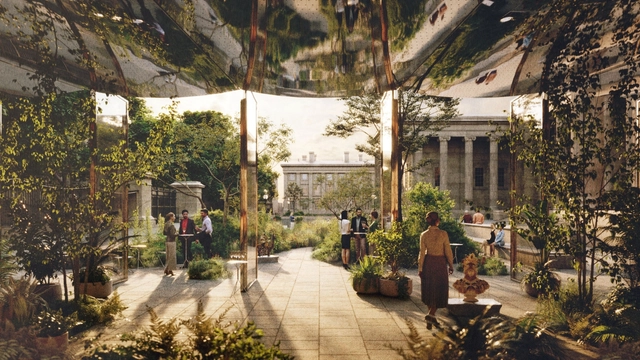
In a quest to enhance and attract new natural experiences to city centers, the design, planning, and revitalization of certain urban spaces align with strategies aimed at improving the quality of life for residents while maintaining a connection with nature rooted in the local landscape. Through technical solutions for wastewater treatment and stormwater drainage, improved accessibility, incorporation of recreational activities, introduction of native vegetation, and more, numerous parks, plazas, and gardens are integrated into urban and rural fabrics. These efforts seek to filter pollution, purify the air, address social issues, and promote experiences that foster connections between nature, biodiversity, and society.
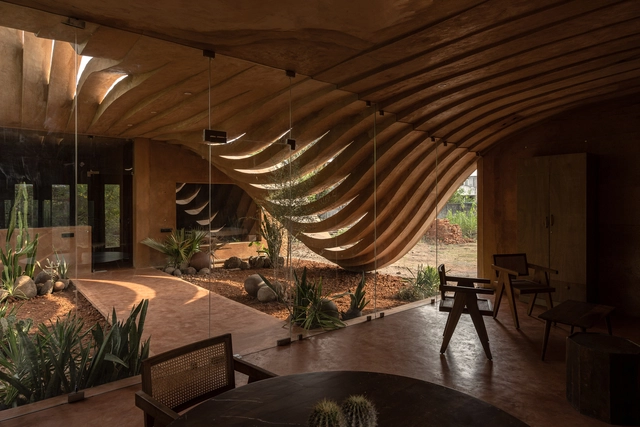
This year marked another milestone for Indian architects in pushing the boundaries of contemporary practice nationwide. A noticeable trend among the projects featured on ArchDaily has been the embrace of fluid forms, a subtle homage to vernacular practices that parallels a gradual departure from India's legacy of modernist design rhetoric. Indian architecture praxis has evolved to reflect a deeper engagement with local contexts alongside a willingness to experiment with global influences. This approach is likely to subsist in the coming years, opening the door for new architectural expressions in the country.
Where design moves beyond rigid geometries to celebrate fluidity, architects across the subcontinent reimagine spatial experiences with forms that flow, merge, and breathe. Challenging conventional architectural paradigms, these projects continue to draw inspiration and proliferate deeply rooted cultural narratives. In India's case, the embrace of fluidity in architecture reflects an interplay of themes: materiality, memory, craftsmanship, and the living context of space.
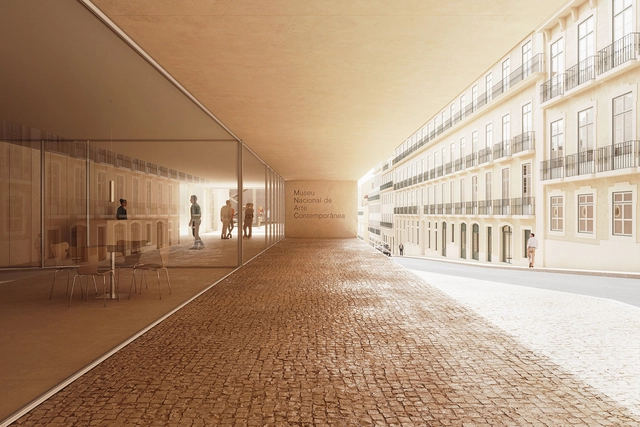
Museo Nacional de Arte Contemporáneo (MNAC) / Luis Manuel Pereira + del medio atelier + Baile Menduiña. Image Cortesía de del medio atelier
The concept by Baile Menduiña and del medio atelier, coordinated by Luis Manuel Pereira, ranked first in the public design competition for the renovation and expansion project of the National Museum of Contemporary Art (MNAC), located in the historic Chiado neighborhood in Lisbon. Among the 29 projects submitted for the competition, the jury, composed of Carlos Bessa, Elisabete Moura, and André Caiado distinguished a total of five projects and awarded a series of honorable mentions.
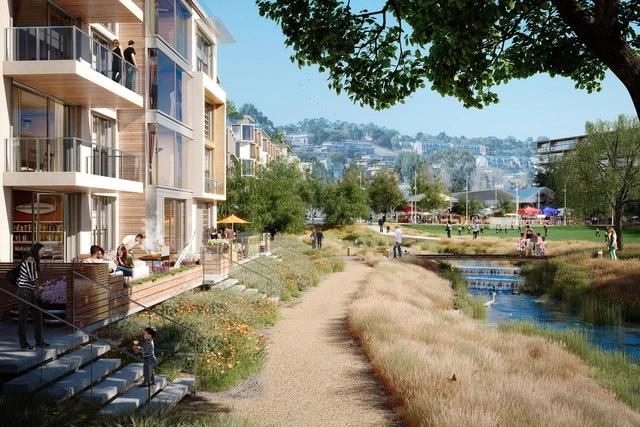
This month, architecture has addressed a wide array of themes, from preserving cultural heritage to designing for adaptability. Around the world, architects are responding to changing needs with solutions that aim to prioritize both functionality and the environment. Notable examples include Gehl, SOM, and Bionic's ambitious redevelopment of San Francisco's India Basin waterfront, which reimagines urban living in harmony with nature, and VOID Studios' collaboration on Kenya's Masai Mara Conservation Centre, a project deeply rooted in ecological and cultural sensitivity. Elsewhere, Nokken and BIG unveiled their "Softshell structure," offering a flexible option for hospitality and residential markets. Meanwhile, the transformation of The Raleigh in Miami Beach by Peter Marino aims to preserve the site's heritage while introducing new standards. These projects, among others, reflect the ever-evolving priorities of the field. Read on to discover the latest news shaping the architectural world.
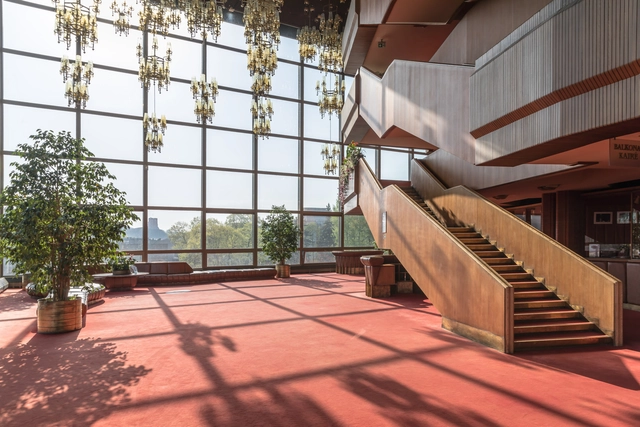
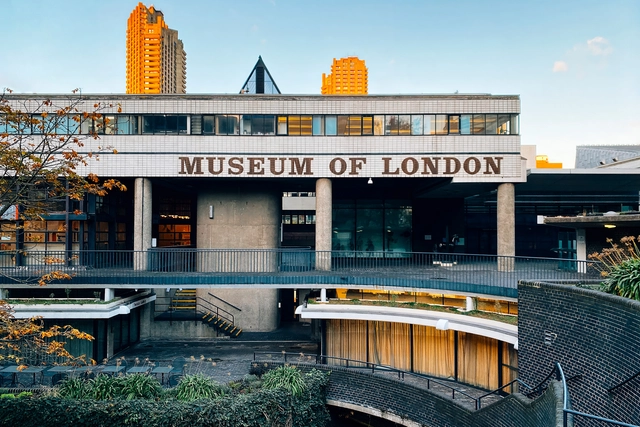
Nestled within the junction of London Wall and Aldersgate Street in the Barbican district of the City of London lies the Museum of London. Built in 1977, the brutalist building was home to the world's largest urban history collection, with more than six million objects curated to highlight London's social history. The museum has been closed for over two years with plans for relocation, while its historic building faces demolition to make way for a new development—the London Wall West scheme. This has sparked mixed reactions from London residents and people across the country, with calls to review the proposed design and campaigns favoring retrofit over the demolition of this unique modernist building. Photographer Arnolt Smead recently visited the museum to capture its beautiful architectural moments and highlight its unique features.
As the year comes to an end, we take a moment to honor the careers and contributions of celebrated architects, designers, and artists who passed away in 2024. These influential figures have left a lasting legacy in the built environment, prompting deeper thought about the role of their disciplines in society and their ability to evolve over time.
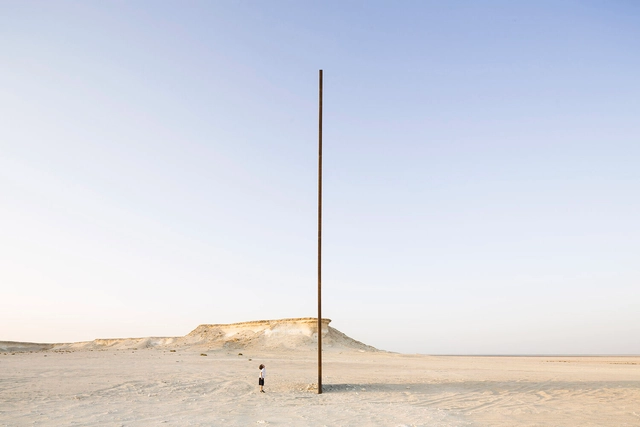
Whether through their work in academia, professional practice, or the arts, each of these individuals stood out for their dedication to advancing the fields of architecture, landscapes, design, materiality, and more. From Pritzker Prize-winning architect Fumihiko Maki to renowned sculptor Richard Serra, each showcased a unique vision and approach to design, leaving behind a wealth of knowledge to explore.
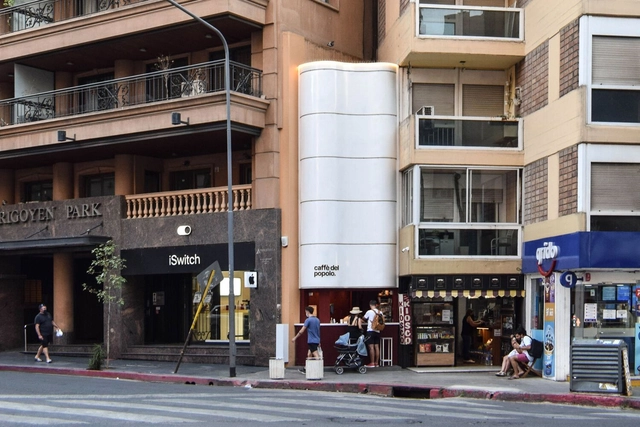
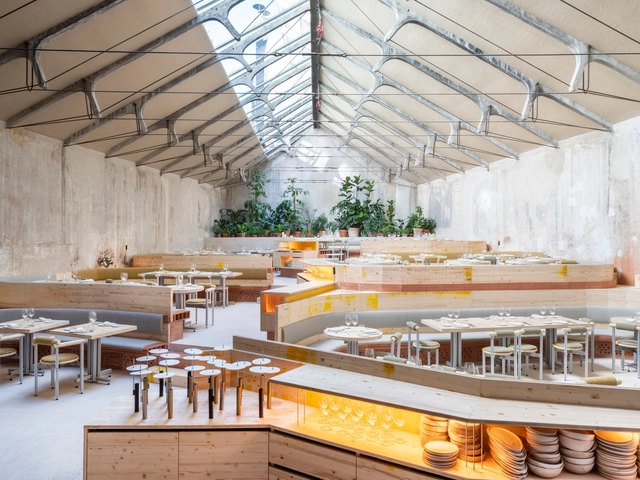
The post-pandemic world has undergone transformations in various aspects, including urban tourism and new modes of travel. With the rise of remote and freelance work, many people now have the freedom to move between cities without needing to establish a permanent residence. This has turned bars, restaurants, and cafés into more than just spaces for consumption: they are now temporary offices and, in many cases, settings for a variety of activities.
On the other hand, shops and retail spaces have evolved to offer more than just the sale of products or services. They have become part of a holistic consumer experience, fostering an emotional connection with users.
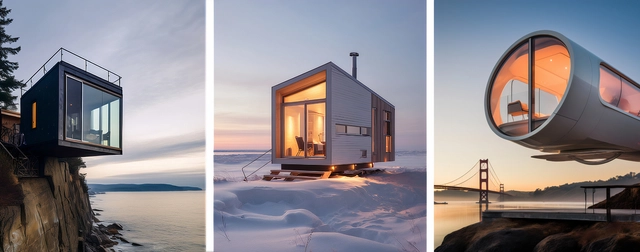
The MICROHOME 2025 Competition by Buildner is back, offering a record-breaking 100,000 EUR prize fund to celebrate cutting-edge, sustainable solutions for compact housing. Sponsored by Kingspan, this global competition invites architects, designers, and creative thinkers to redefine the concept of microhomes.
The British Museum has revealed Studio Weave as the lead team selected to design its new visitor welcome pavilions and forecourt as part of a larger redevelopment initiative. The project is one of the Museum's key steps in its extensive Masterplan, which aims to modernize the iconic central London site while preserving its historical significance. The winning proposal was chosen through a competition organized under the Greater London Authority's Architecture + Urbanism framework, which prioritizes diversity and sustainability in design.
The concept of inclusive architecture has gained prominence as the built environment evolves to reflect and address the diverse needs of humanity. This approach prioritizes empathy, accessibility, and equity, striving to create spaces that resonate with individuals across a spectrum of demographics, abilities, and cultural contexts. It moves beyond merely meeting accessibility standards or incorporating universal design elements; instead, it embodies a paradigm shift that humanizes architecture and aligns it with fundamental social values. Through this lens, inclusive architecture fosters connections, embraces diversity, and ensures that physical spaces contribute to collective well-being.
This article explores four interrelated themes — Empathy, Inclusive Architecture, and Spatial Equity and Accessibility— through selected articles published in 2024. Together, these themes reveal how architecture can respond to societal challenges and aspirations, illustrating its potential as a catalyst for social change. From designing for emotional connection to addressing spatial inequalities, the lessons of 2024 emphasize the responsibility of architects to create spaces that transcend functionality, champion inclusivity at every scale, and foster environments where everyone feels seen, valued, and empowered.
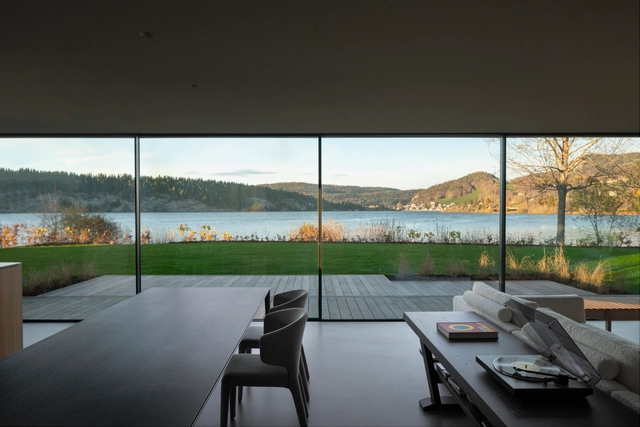
Each region possesses a distinct architectural identity, serving as a cultural "fingerprint" that makes it uniquely recognizable. Italian design, for instance, draws from the Roman legacy using stone and light hues. Turkey is distinguished by intricate glazed tilework that adorns walls and ceilings, whereas Mexico embraces vibrant colors and textures through local materials and artisanry. Many of these elements are rooted in heritage-based practices, yet over time, they have been reimagined and transformed through new processes, giving rise to contemporary architectural expressions. In Switzerland, the concept of "Swissness" frames this core identity—a fusion of watchmaking precision and functionality. Rooted in micromechanics, Swiss engineering, and craftsmanship converge in the design of modern minimalist windows, where clean lines and transparency redefine boundaries and shape the architectural language.
https://www.archdaily.com/1024621/swissness-framed-micromechanics-and-minimalist-windows-in-modern-architectureEnrique Tovar