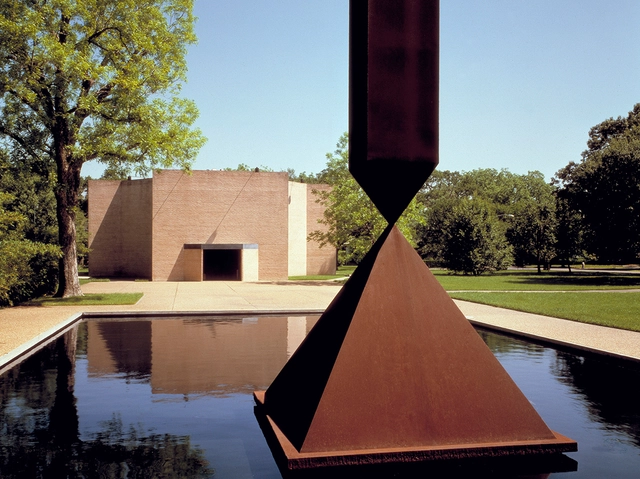
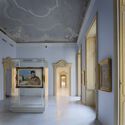
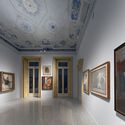
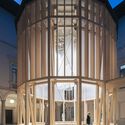
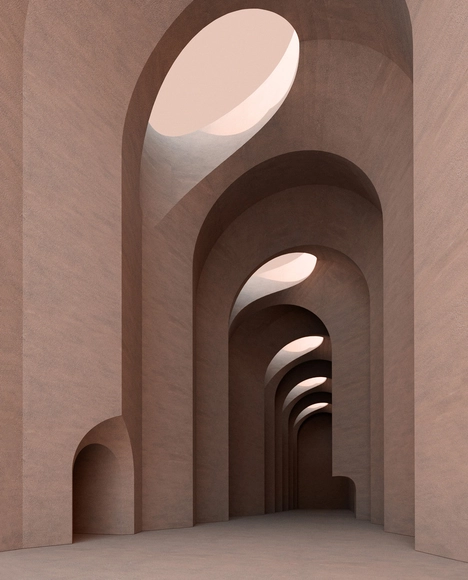
Rothko Chapel / Philip Johnson, Howard Barnstone, Eugene Aubry. Image via Huston Museum District, under policy of fair use
The Rothko Chapel, a celebrated structure appreciated for its profound meditative space, has announced its reopening to the public on December 17th. Following the extensive damage caused by Hurricane Beryl last July, the custodians of the structure announced its indefinite closure, as a team of art conservators, engineers, and volunteers began the extensive work to restore both the architecture and the invaluable artworks stored within. The Chapel's reopening marks a significant milestone in the recovery process, making this sanctuary of contemplation accessible once again to the community.
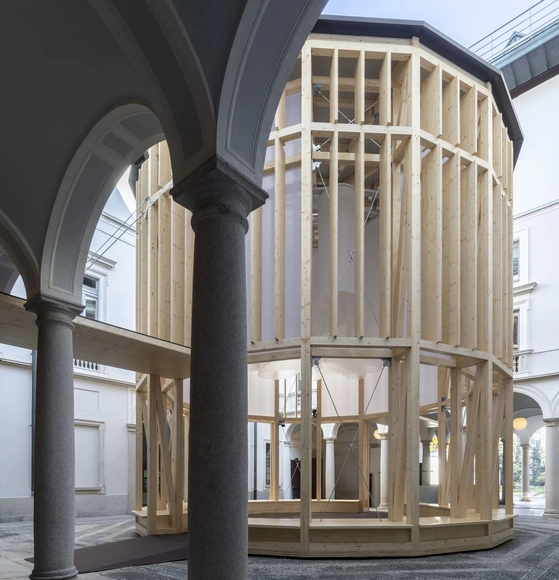
Mario Cucinella Architects (MCA) has reimagined the architectural design of Palazzo Citterio in Milan, Italy, integrating historical and contemporary elements to create a dynamic cultural space. As part of the Grande Brera initiative, which seeks to unify key cultural institutions such as the Pinacoteca di Brera and the Braidense National Library, the palazzo now stands as a hub for modern and contemporary art. Ultimately, the project aims to reestablish Palazzo Citterio as a significant cultural and social landmark, fostering community engagement and interaction.
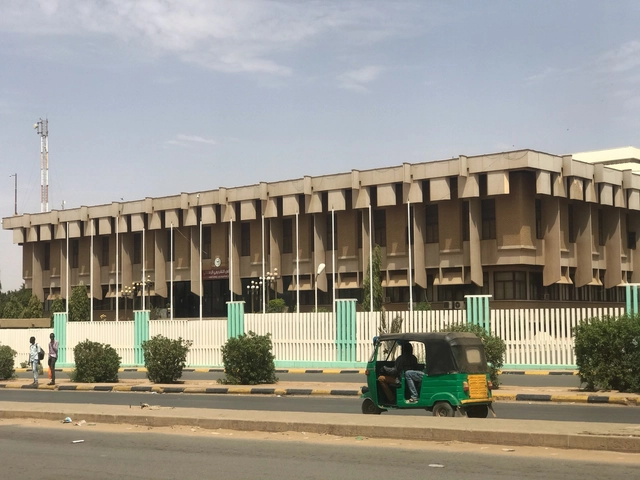
As, one by one, the African nations gained their independence in the middle of the twentieth century, building programs were central to the process of nation-building. In several of those countries, this included the construction of the state's institutions such as their respective national assembly. These buildings not only facilitate the legislative process but also symbolize the new nation's governance, identity, and aspirations. The period of independence movements also coincided with the introduction of the Modern Movement across the continent, which was associated with progress and a break from the colonial past. Across Africa, some national assemblies were constructed early and were part of the nationalization process that preceded independence, while some were constructed long after.
In today's rapidly changing professional landscape, the office is no longer a static environment. As companies continue to embrace hybrid working models and flexible teams, the need for adaptable, people-centric workspaces has never been greater. In collaboration with Foster + Partners Industrial Design, UniFor has responded to this shift with the XYZ collection, a suite of modular, versatile furniture designed to meet the dynamic needs of contemporary workplaces.
The collection features three key products: the X Shelving System, the Y Table, and the Z Desk—each designed to support a range of working styles while maintaining a harmonious visual language.
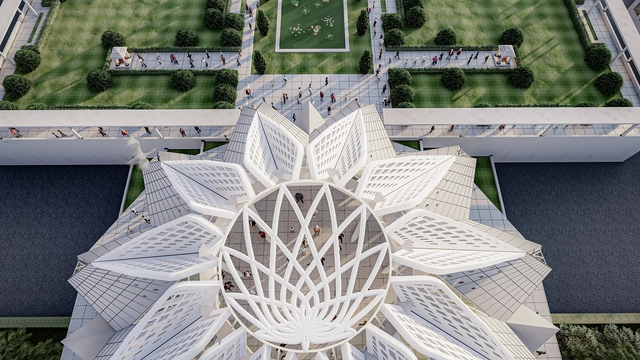
India's global identity has developed alongside its aspirations for a unique architectural future. Over time, the country's architectural landscape has evolved from vernacular traditions to foreign influences, from post-colonial revivals to modern digital expressions. Computational design has played an influential role in shaping contemporary styles, empowering homegrown architectural firms to experiment with form and structure.
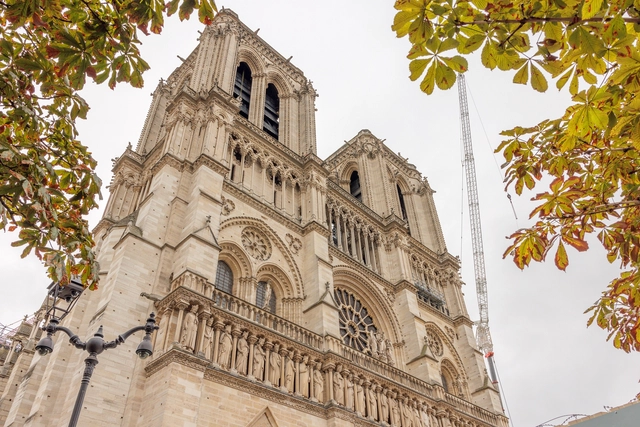
The Notre Dame Cathedral in Paris has officially reopened, five years after a devastating fire destroyed its roof and spire and threatened the integrity of the entire structure. The reopening ceremony took place on Saturday evening with a two-hour sermon, attended by global leaders and dignitaries. The ceremony also represented the first opportunity to witness the result of the estimated €700 million ($739 million) restoration, a process that included the thorough cleaning of the stone interiors, revealing a glistening white gothic interior.
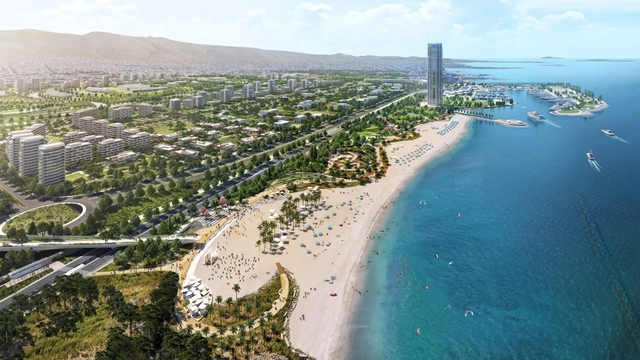
As Athens hosts The Architect Show (TAS) 2024, the event brings together global and local voices to highlight the latest innovations in architecture and design. Against this backdrop, the city's evolving urban narrative is exemplified by The Ellinikon, Europe's largest urban regeneration project. Encompassing 6.2 million square meters, this €8 billion development has already attracted globally renowned architects such as Bjarke Ingels Group (BIG), Kengo Kuma, Foster + Partners, and Aedas. Together, they are shaping the smart city that integrates sustainability, connectivity, and community-focused design into the heart of Athens.
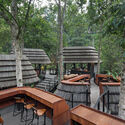
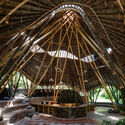
Bali might most commonly be associated with its beaches and leisure sector. Rightfully so, since the Indonesian province received more than 2.9 tourists this year alone. Along with the temporary visitors, Bali also houses some longer-term inhabitants and digital nomads, which contributed to its fast population increase. This has naturally affected its urban density and its need for additional accommodation and services, offering opportunities for some creative architecture and materials exploration.
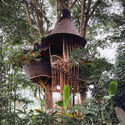
This often appears through the many bamboo-built projects, with the island being the stage for some of the oldest and most intricate bamboo vernacular construction. This knowledge can be transmitted to willing architects and professionals from all around the globe who seek to understand how this versatile material can be applied in their own countries. Many renowned global and local practices, such as IBUKU, and Bamboo U, have championed this ecologically aware architecture through their projects, which are always focused on nature preservation and the revival/ optimization of traditional building techniques.
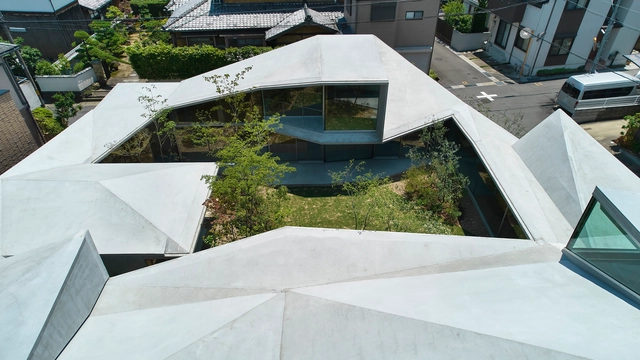
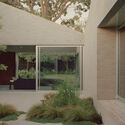
There are many advantages to incorporating interior courtyards in residential projects, both in urban contexts and in more natural surroundings. In both cases, they are a key element in improving the quality of the home's interior space in various ways. Whether in the form of a central cloister, side courtyards, or through perforated slabs and the addition of skylights, these spaces play a vital role in creating a harmonious living environment, offering benefits ranging from the regulation of interior temperature to enhancing social interactions and fostering a close connection with nature.
Bali, often called the "Island of the Gods," is known for its unique harmony between the microcosm of human life and the macrocosm of the natural environment. This delicate balance is deeply embedded in its traditional architecture, which reflects a synergy between cultural, religious, and environmental elements. Home to approximately four million people, Bali is Indonesia's only Hindu-majority province. While 1.7% of Indonesia's total population practices Hinduism, 87% of Bali's residents follow the faith. Over centuries, Balinese architecture has evolved through influences from the ancient Bali Aga culture, the Majapahit Kingdom, Dutch colonization, migration, and the rise of global tourism. Visitors are captivated not only by its temples and natural beauty but also by its evolving architectural styles, which strive to preserve the island's cultural essence.
The architecture of Studio Muoto is one that encompasses endless definitions of what architecture should be, but most importantly, of what architecture can become. The scope of work of the Paris-based practice founded in 2003 by Gilles Delalex and Yves Moreau includes projects in the fields of architecture, exhibition design, urban planning, teaching, and research. All of this has led to an architecture of minimal structures that age gracefully, an architecture that evolves and adapts with time, and that is sustainable economically and environmentally.
Pantone Color Institute has selected PANTONE 17-1230 Mocha Mousse as the Color of the Year 2025. The warm, brown hue, reminiscent of chocolate mousse and latte coffee, aims to bring a sense of comfort, intimacy, and elegance. This represents a versatile hue that can be combined in a multitude of pallets, from monochromatic earthy shades to mixtures of soft pastels, or even exotic combinations of vibrant colors balanced out with the rich yet subdued tone of Mocha Mousse.
The Mies Crown Hall Americas Prize (MCHAP) hosted its inaugural Conference on Critical Practice at S. R. Crown Hall, where two figures were celebrated for their transformative contributions to architecture. Phyllis Lambert, founder of the Canadian Centre for Architecture (CCA) and Illinois Institute of Technology alumna, was named an MCHAP Luminary. Meanwhile, Román Meyer Falcón was honored as the first-ever recipient of the Phyllis Lambert Agent of Excellence Award, recognizing individuals or organizations whose work has directly elevated contemporary architecture. In an interview with ArchDaily, Meyer Falcón shared insights into his impactful tenure as Mexico's Secretary of Agrarian, Territorial, and Urban Development, discussing his approach to public architecture.
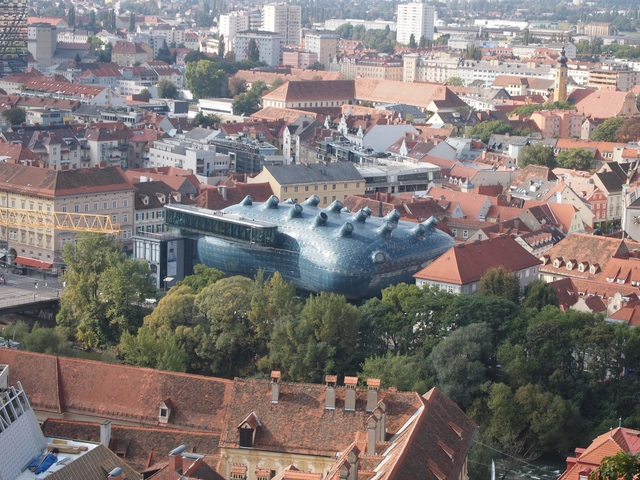
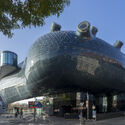
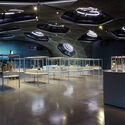
Situated along the River Mur in the Lend district, the Kunsthaus challenges traditional architectural norms with its organic, free-flowing design. Rejecting orthogonal geometry, the museum seamlessly merges art, architecture, and public interaction, redefining the concept of a cultural institution. Its impact extends beyond aesthetics, sparking urban revitalization in a once-overlooked neighborhood, and bringing cultural vibrancy and economic activity.
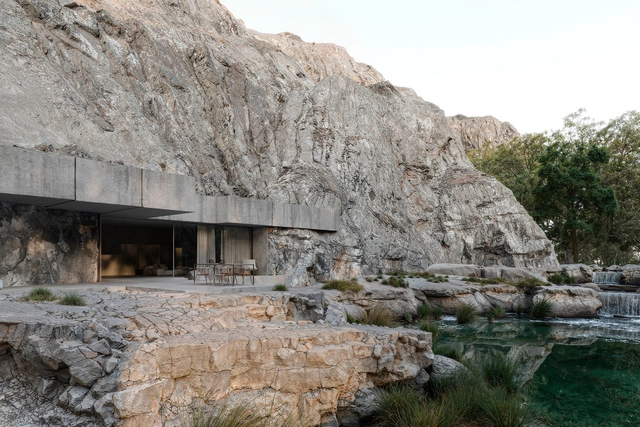
Residential architecture within natural settings presents a distinct departure from urban design. Unlike the densely populated, man-made environments of cities, the context shifts to a pre-existing, often subdued, natural landscape. This necessitates a more responsive and integrated approach, prioritizing harmony with the environment rather than dominance over it. Exploration of conceptual projects in this realm can help foster a deeper understanding of sustainable building practices, material selection appropriate to the ecological context, and the sensitive integration of human habitation into pre-existing ecosystems.
Each month, ArchDaily's editors select a collection of conceptual projects centered around a theme or program, submitted to ArchDaily. These projects are developed by small and large-scale architecture offices from around the world and submitted openly to the ArchDaily platform, thus forming a worldwide community of practitioners sharing their work, be it purely conceptual, a competition entry, or an early-stage design phase. Submissions are open to everybody. If you wish to contribute, send in your work by following the instructions here.
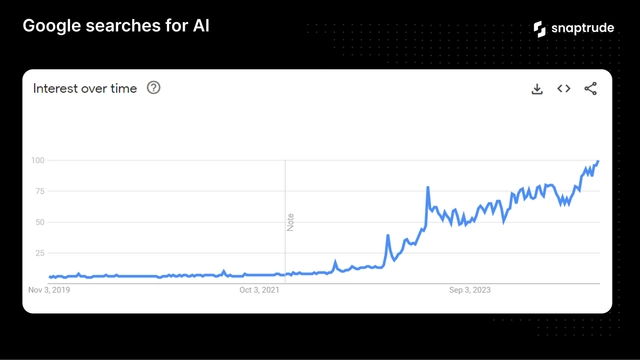
Just two years ago, AI was more science fiction than reality—something to joke about after making dystopian references to movies like I, Robot. But with OpenAI's release of ChatGPT in 2022, interest in AI is at an all-time high as the technology rapidly reshapes industries from tech and law to healthcare and, yes, AEC (Architecture, Engineering, and Construction).
There's an old saying: "When all you have is a hammer, everything looks like a nail" and with AI-driven design tools like Snaptrude, generative automation software like TestFit, and sustainability tools like Cove.tool, it's clear that AI is profoundly impacting the AEC industry in more ways than just one.
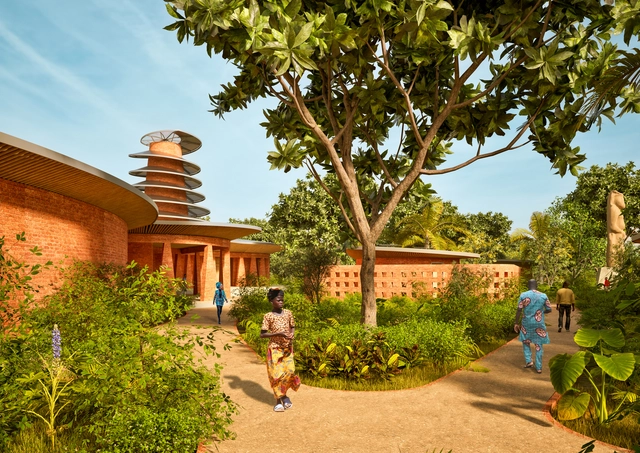
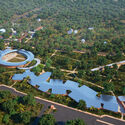
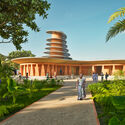
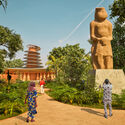
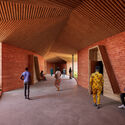
Kéré Architecture has revealed the design of a masterplan and series of buildings dedicated to the cultural and spiritual heritage of the Ewé people in the town of Notsé, in Togo. Commissioned by the Kothor Foundation, the center incorporates a sanctuary, several temples, a large-scale open-air amphitheater, as well as cultural functions such as exhibition halls, an auditorium, restaurants, and a reconstruction of the ancient royal palace of the Ewé Kingdom. The project, Francis Kéré's first in Togo, started construction in October 2024 and is scheduled for completion in February 2026.
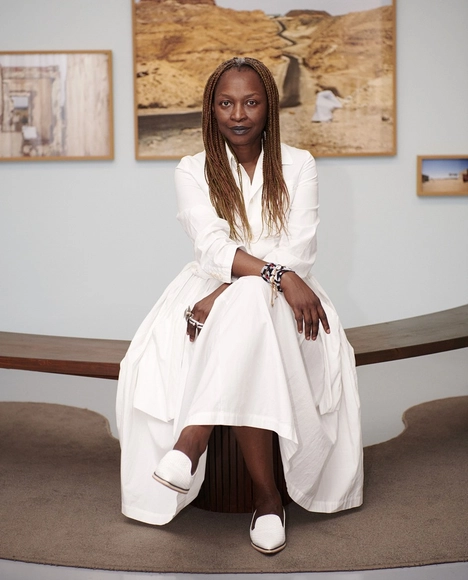
The Board of La Biennale di Venezia has just announced the appointment of Koyo Kouoh as the Director of the Visual Arts Department. Kouoh will lead the curation of the 61st International Art Exhibition, scheduled for 2026. This announcement follows a recommendation by Pietrangelo Buttafuoco, President of La Biennale, who emphasized Kouoh's extensive experience in the global art world and her ability to engage with contemporary artistic and cultural discourse. Born in Cameroon, Koyo Kouoh will become the first African woman to curate the Venice Art Biennale.
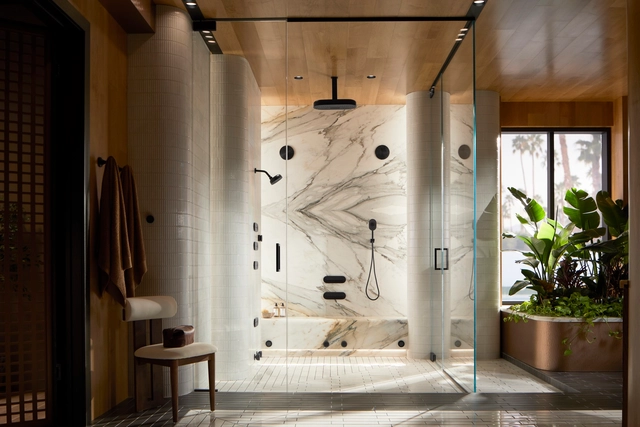
Anthem+™ - Shower environment. Image Courtesy of Kohler
Incorporating technology into architecture has transformed the way we design and experience environments across various scales, spanning from urban development to interior settings. Today, the concept of "smart spaces" embodies the fusion of innovation and design to enhance well-being and quality of life in our daily activities. This is achieved through seamless technological integration, encompassing a range of functions and systems via software, digital tools, and everyday devices like smartphones. As a result, activities like showering are experiencing significant advancements, evolving into a digital multi-sensory experience that offer personalized control over environmental factors, enhancing relaxation and well-being. These innovations enhance the interaction between technology, design, and users, fostering new ways to engage with spaces and subtly enriching our routine activities.
https://www.archdaily.com/1023948/creating-a-multi-sensory-digital-shower-experience-for-well-being-relaxation-and-controlEnrique Tovar
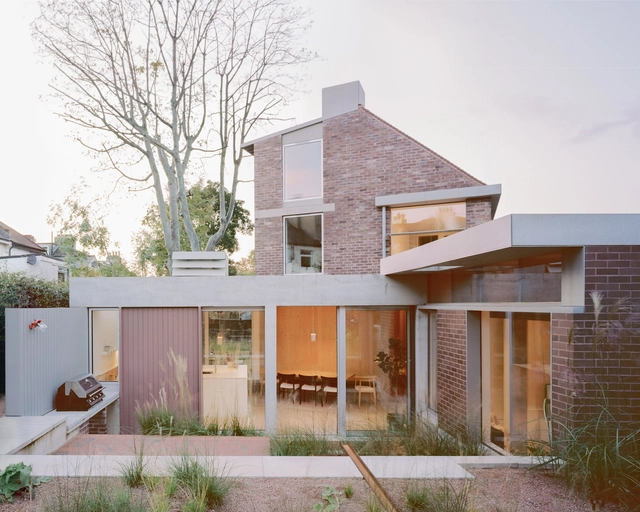
Six Columns, designed by 31/44 Architects has been announced as the winner of the RIBA House of the Year 2024 award. Designed by Will Burges, Director of 31/44 Architects, for his own family, this four-bedroom residence occupies a compact urban plot in Crystal Palace, South London. The home's design, inspired by the six prominent columns that define its structure, integrates with the surrounding terraced houses while retaining a distinctive and compelling architectural identity.
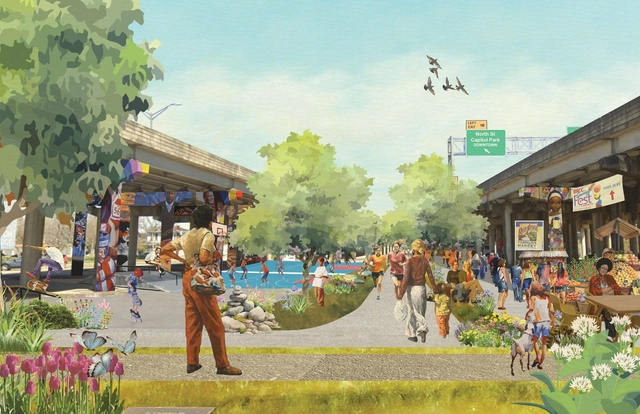
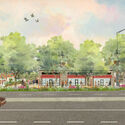
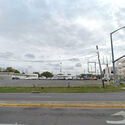
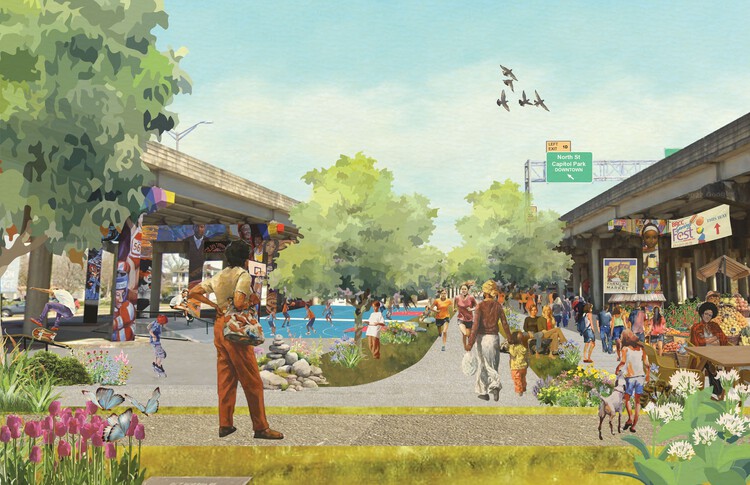
Global design firm Perkins&Will has just announced final plans have been approved for the Florida Corridor Plan in Baton Rouge, Louisiana, on which the firm is the leading planner and urban designer. This initiative, recently approved by the East Baton Rouge Metropolitan Council, aims to transform and rejuvenate a 12-mile stretch connecting downtown Baton Rouge to the Livingston Parish line.
Architectural Classics featured on ArchDaily serve as a record of significant works that have influenced the evolution of architecture and design. These projects represent a range of styles, purposes, and contexts, offering insight into how architecture responds to cultural, social, and environmental factors. By revisiting these influential works, one can better understand the principles and ideas that have shaped the built environment globally over time. These classics highlight moments of design innovation while also providing a broader perspective on architecture's role in reflecting and shaping the world around us.
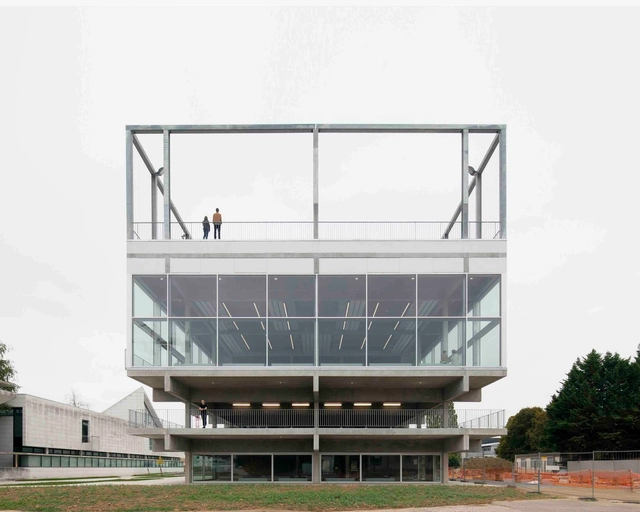
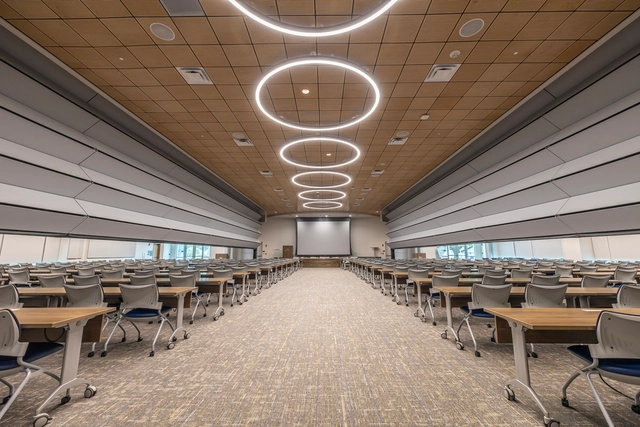
Today, our use of space—and by extension, our built environment—embraces a variety of functions, dimensions, and configurations. However, one key trait stands out: flexibility and multi-purpose design. This marks a shift from the traditional model, where spaces were rigidly defined by function, with distinct areas for working, resting, or socializing, each separated by fixed, solid walls. A key example of this shift is Skyfold's vertically folding retractable walls. With over 10,000 installations, Skyfold's operable walls redefine spatial boundaries and enhances versatility, enabling dynamic adjustments that quickly respond to evolving needs. Their widespread adoption underscores their effectiveness in addressing the challenges of modern interiors and architectural design.
https://www.archdaily.com/1023429/achieving-precision-in-flexible-design-the-path-to-10000-vertically-folding-skyfold-wallsEnrique Tovar