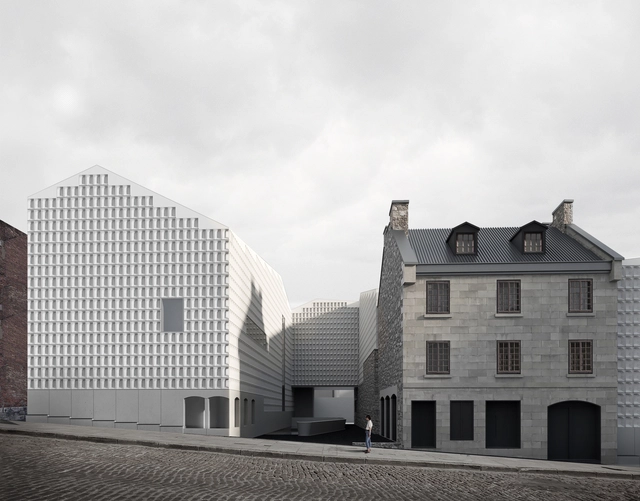
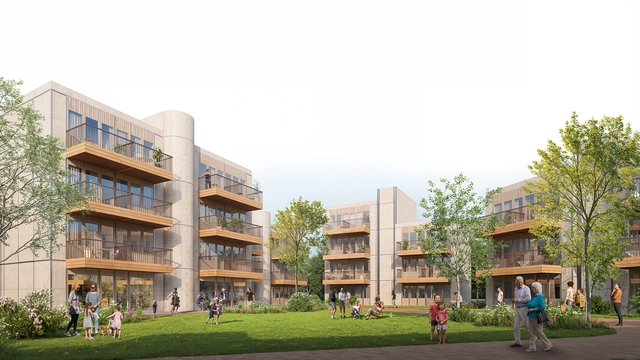
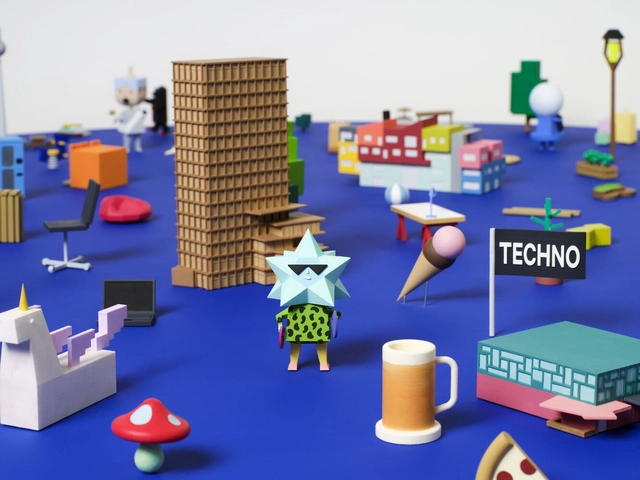
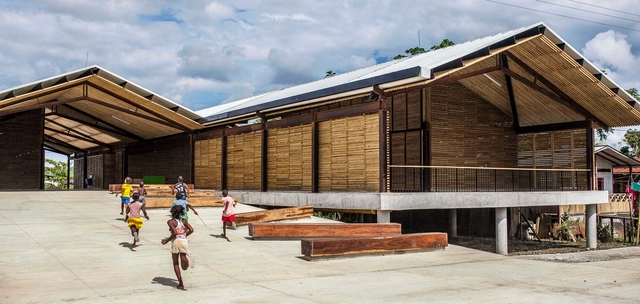
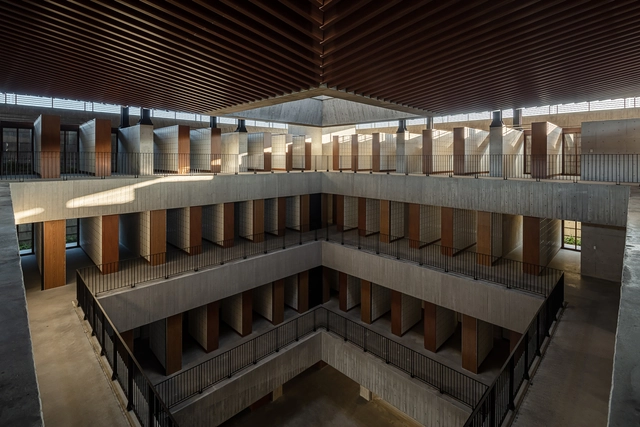
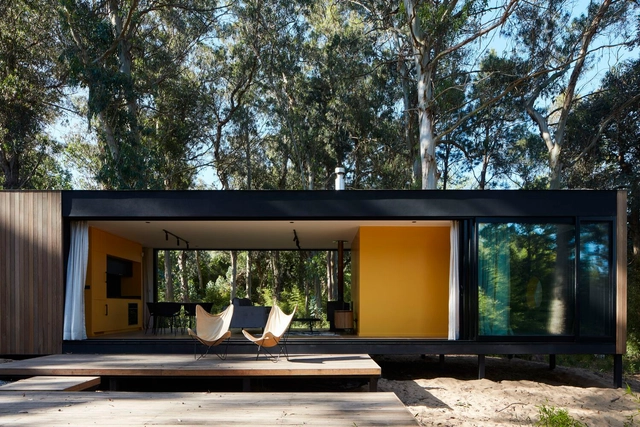
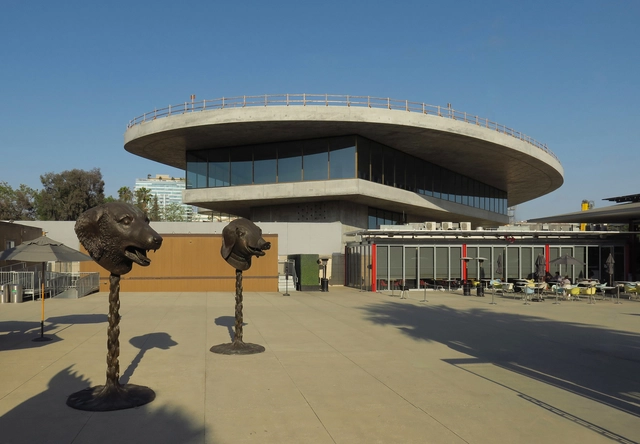
Cultural centers are vibrant places where art, community, and innovation intersect—each uniquely crafted to embody and celebrate its local character. This month's projects, submitted by the ArchDaily community, showcase a diverse array of cultural spaces, from the transformation of a historic townhouse in Montreal to a dynamic creative hub in Riyadh and an eco-conscious visitor center in Tennessee's mountains. Each design offers a new perspective on what a cultural center can be, whether a hub for creativity, a sanctuary for nature, or a bridge to the past.
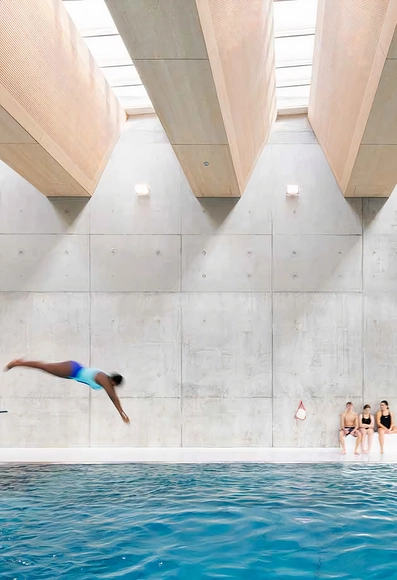
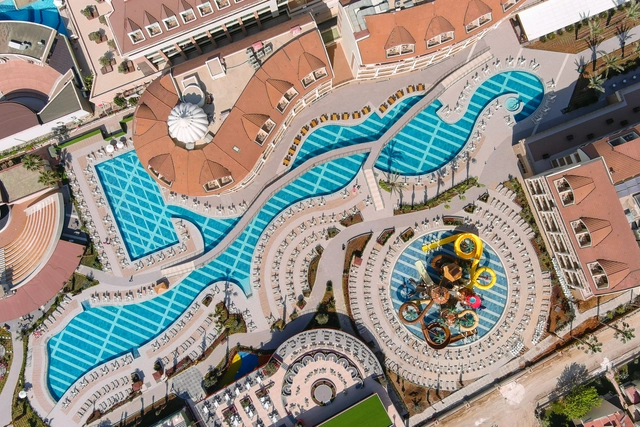
Water and daylight? At first glance, they seem like distant concepts: one is tangible, while the other, —though intangible—, manifests itself through its effects and perceptible qualities. Both are powerful and recurring resources in architectural design, often employed only for compositional purposes. However, in the context of indoor pools, this combination is frequently functionally oriented, prioritizing 'protection' from external stimuli. This one-dimensional approach can restrict the dynamic interaction between water and natural light, leading to aesthetic, functional, and operational challenges.
https://www.archdaily.com/1022632/heres-how-to-level-up-indoor-pools-with-daylight-solutionsEnrique Tovar
"We think we are diverse, and we think we have equality, but is that really the case?"
Highlighting the stories of female architecture shaping the built environment, the documentary "Women in Architecture", by Boris Noir returns for a second chapter. Initiated by Sky-Frame, in collaboration with ArchDaily, this installment of the docu-series delves into the stories of Dorte Mandrup and Tosin Oshinowo, drawing a parallelism between both of their lives and focusing on their distinct paths and challenges. Stay tuned for the online screening on November 12th at 7:30 am EST, 12:30 pm CET on ArchDaily.
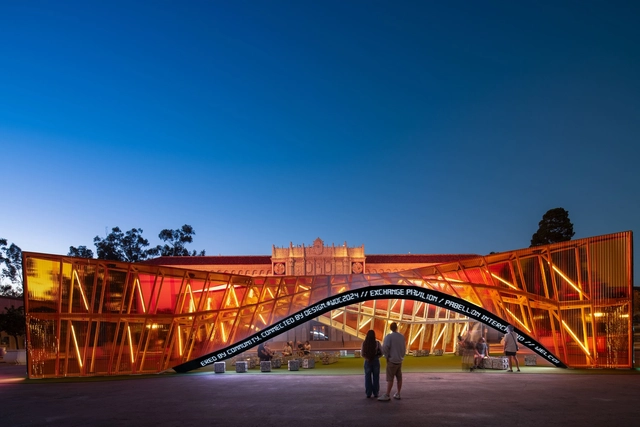
Global conferences, events, and exhibitions have profoundly influenced the evolution of architecture and design, serving as catalysts for innovation, new ideas, and pivotal debates. Some gatherings, like the historic Congrès International d'Architecture Moderne, have impacted the field. In contrast, others, such as the Venice Biennale and the World Design Capital (WDC), continue shaping the architectural landscape through periodic editions. Initiated in Turin, Italy, the WDC celebrates a different city every two years as a hub of design reflection and creativity. In the latest edition, the binational region of Tijuana-San Diego made history as the first cross-border WDC, emerging as a creative epicenter with a rich, innovative program that warrants special attention.
https://www.archdaily.com/1023090/tijuana-san-diego-as-a-creative-beacon-exploring-the-world-design-capitals-growing-influenceEnrique Tovar
Buildner has announced the results of the Kharkiv Housing Challenge, the first competition in a two-part series focused on rebuilding Ukraine. Kharkiv, Ukraine's second-largest city, has been deeply affected by the ongoing conflict, and this competition is part of a broader effort to rebuild its housing and public spaces.
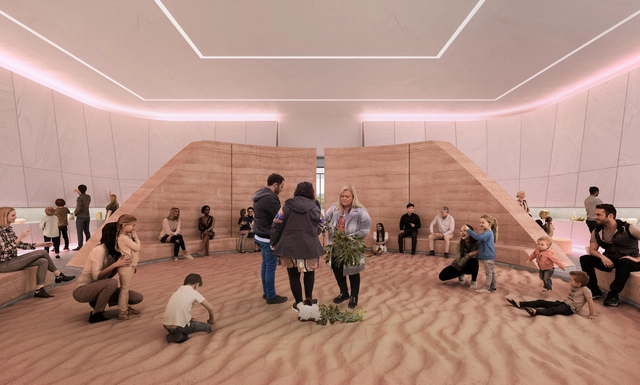
The Australian Institute of Architects has announced the Creative Directors for the Australia Pavilion at the upcoming 19th International Architecture Exhibition - La Biennale di Venezia in 2025. Selected to lead this project, Dr. Michael Mossman, Emily McDaniel, and Jack Gillmer will present "HOME", a pavilion dedicated to Australia's natural environment and Indigenous knowledge systems.
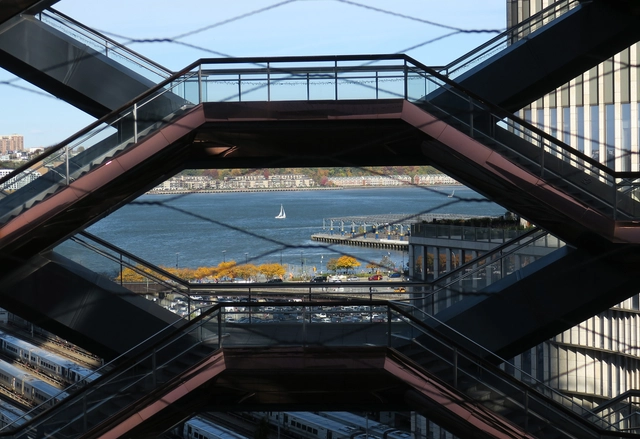
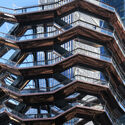
In October 2024, "The Vessel" at Hudson Yards in New York City reopened to the public after being closed for nearly three years due to multiple suicides. Originally designed by Heatherwick Studio and opened in 2019, the 150-foot monumental staircase was closed in January 2021 after four individuals, all under the age of 25, tragically took their own lives within an 18-month span. This photo series by Paul Clemence captures "The Vessel" as it reopens, offering a fresh look at its design and renewed role in the city.
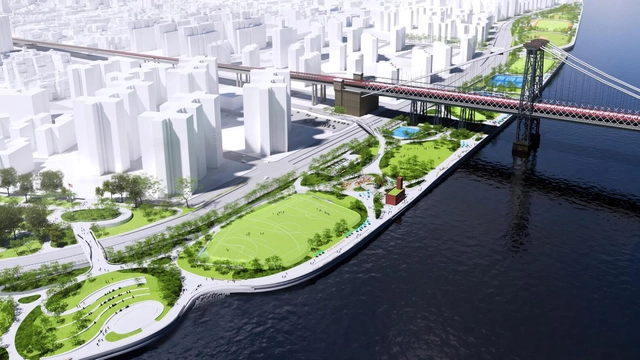
Superstorm Sandy inundated Lower Manhattan, causing billions in property and infrastructure damage. To protect against future flooding, storm surges, and sea level rise, landscape architects are developing an innovative mix of green and grey solutions along the southern coast of Manhattan.
These are not nature-based solutions but forms of armor. And designers are showing how this armature can be woven into the public realm, creating new kinds of infrastructure. Smart design is resulting in retractable gates and walls, landscaped berms, and raised platforms. No concrete walls separating communities from each other or the waterfront here.
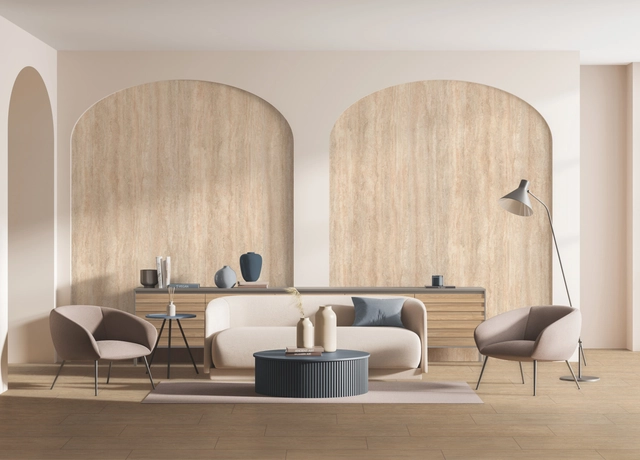
Colors, materials, lighting, and textures are the foundational pillars that shape the mood and atmosphere of an interior space. These elements should work in harmony to create environments that deeply influence how we feel and interact with the space around us. From serene, tranquil homes to dynamic offices or welcoming hospitality spaces, design trends have evolved to meet the specific needs of each setting, while the market offers an abundance of product combinations.
Recent years have seen a transformative shift in these trends, with a growing focus on flexibility, biophilic design, and sustainability. These three approaches are reshaping the way spaces are designed—not just in terms of aesthetics, but also with respect to functionality, well-being, and environmental impact. Mastering the interplay of these elements has become essential to create spaces that resonate with purpose and functionality, offering immersive and meaningful experiences for their intended audience.
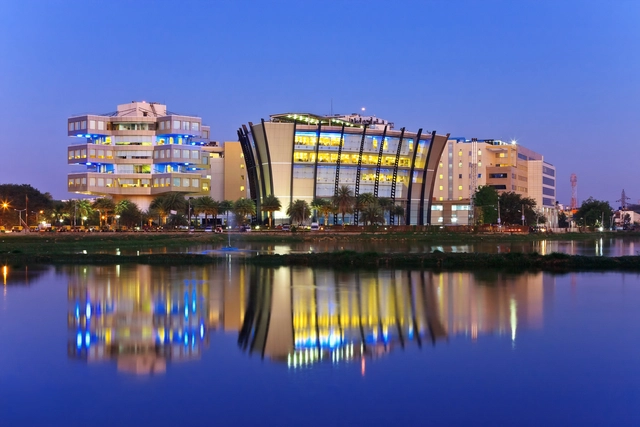
India is often recognized for its thriving technology industry, with a reputation for producing a substantial number of skilled tech professionals each year. This has attracted a dynamic technology ecosystem that increasingly draws global companies to establish operations in the country. The rise of tech parks has become a key strategy for harnessing this talent and resources, cultivating an environment conducive to innovation. What impact do these tech parks have on the urban landscape of Indian cities?
Over the past two decades, the Holcim Foundation Awards has committed USD 20M to spotlight transformative projects by architects, designers, and engineers who pioneer sustainable design and construction practices. To capture these stories, the Foundation launched a short film series titledWords withWinners.
This series provides an in-depth look at award-winning sustainable design projects through exclusive interviews with their creators. It includes one of the first films to showcase the BIG U, also known as the DryLine, in its built form, featuring an exclusive one-on-one with Bjarke Ingels, Creative Director and Founder of Bjarke Ingels Group (BIG).
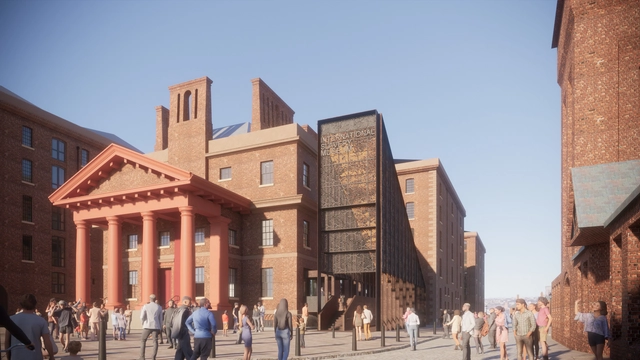
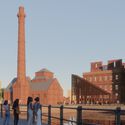
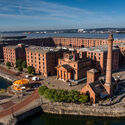
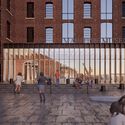
The redevelopment of the International Slavery Museum and Maritime Museum in Liverpool, UK, has been officially approved. Led by Feilden Clegg Bradley Studios, the project titled "Two Museums, One Vision" aims to transform the two venues on Liverpool's waterfront into engaging and welcoming spaces that properly address contemporary issues and reveal untold histories. aims to comprehensively narrate Britain's maritime history alongside its involvement in the transatlantic slave trade. Both venues are set to close early in 2025 for the redevelopment works to begin, according to the National Museums Liverpool. The completion date is scheduled for 2028.
Office ParkScheerbarth, selected as one of ArchDaily's 2024 Best New Practices, was founded in Berlin in 2019 by principals Moojin Park and Benjamin Scheerbarth. Together, they create a synthesis between architecture, urban planning, and social science, drawings on cultural and educational contexts from Korea, the US, and Germany. Their work creates spaces that welcome versatility, challenges, and growth. The duo embodies a fusion of cultures, nationalities, and diverse disciplines, approaching each project from multiple perspectives and emphasizing adaptability, respect for ownership, and the continuous pursuit of knowledge and innovation. Challenging norms and regulations of the built environment, Moojin Park and Benjamin Scheerbarth share a commitment to pushing and exploring design boundaries. They met during their Master's studies in the US, where their shared vision took shape and marked the beginning of their journey together.
On October 24, 2024, the Rogelio Salmona Latin American Architecture Prize award ceremony took place, honoring works that have significantly created meaningful, open, and collective spaces for the public in the region. During the event, held at the Virgilio Barco Public Library auditorium in Bogotá, Colombia, the winners of this prestigious award were announced. This year marked the fourth cycle, titled "Open Spaces/Collective Spaces," with participation from 47 projects.
The jury, composed of international figures such as Sol Camacho (Brazil-Mexico), Nicolás Campodonico (Argentina), Carlos Campuzano (Colombia), and Mauricio Rocha (Mexico), first shortlisted 26 selected works, from which two were awarded the first prize in the Latin America and Colombia categories.
For centuries, burial practices across various cultures have connected honoring the deceased to the earth, with cemeteries firmly grounded in the soil as a symbol of eternal peace. Yet, as discussed in one of our articles, No More Room for the Living or the Dead: Exploring the Future for Burials in Asia, land shortages in densely developed urban areas present significant challenges to traditional burial practices, especially as societies like Japan face an aging population. Given these spatial constraints, how can above-ground cemeteries and columbariums be designed to provide a dignified, tranquil resting place while respecting cultural values?
Serapool, a leading brand in porcelain pool tiles and complementary porcelain products, has been innovating and producing sustainable design solutions for residential, spa and wellness centers, hotels, water parks, and Olympic-size pools globally for 40 years. The brand's holistic approach to pool design has led to a comprehensive porcelain collection that includes pool tiles, stair nosings, pool copings, porcelain pool grates, infinity tiles, concealed overflow handles, terrace nosings, and rain channels. With years of expertise in the industry, the company stands as a leading example of innovation, consistently delivering safe and long-lasting products.
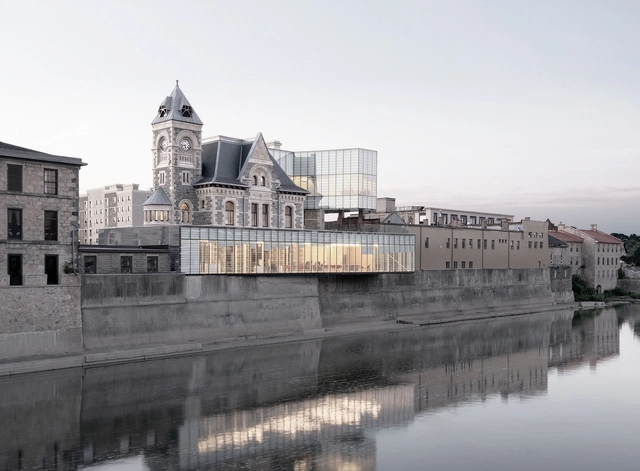
In this context, the adoption of 19th-century Gothic Revival styles and Classical Revival styles of the early 20th century became popular. Today, many of those buildings remain as prominent landmarks across the country and have become integral parts of the urban landscapes. This curated collection explores how Canadians are integrating traditional elements with modern materials like glass and steel. These efforts preserve the historical significance of the buildings while adapting them to meet the functional demands of modern life.
Much of the production of modern architecture on the American continent was based on the model of European architects who, with their works, projected the fundamental premises and ideas for modern living. These pillars of architecture were transferred and consequently adapted to the American territory, introducing, at the same time, their own characteristics according to the territorial, socio-cultural and economic context.
We understand that good architecture is that which serves as a model for solving problems inherent to the discipline of architecture in general. This is why certain references that we consider today as "classics" are examples of good architectural practices that have been appropriated by other architects, taking the pertinent and necessary elements to achieve a result in accordance with the particular context.
The creation of images through artificial intelligence (AI) surprised us a few years ago. Utilizing algorithms such as convolutional neural networks (CNNs), these systems are trained to identify visual patterns in images from the huge database of the internet, interpret them, and generate new compositions. Initially, the results tended to be rudimentary, often distorted and strange, but with the evolution of systems and training methods, AI has started to produce highly detailed and visually impressive images, challenging the limits of digital creativity. In architecture, this has been no different. As architectural design evolves, technologies that allow architects to bring their visions to life are progressing alongside it. AI renderings are transforming the way we visualize and conceptualize spaces, with the potential to significantly reduce costs, increase efficiency, and improve accuracy, especially in terms of scale fidelity and spatial representation.
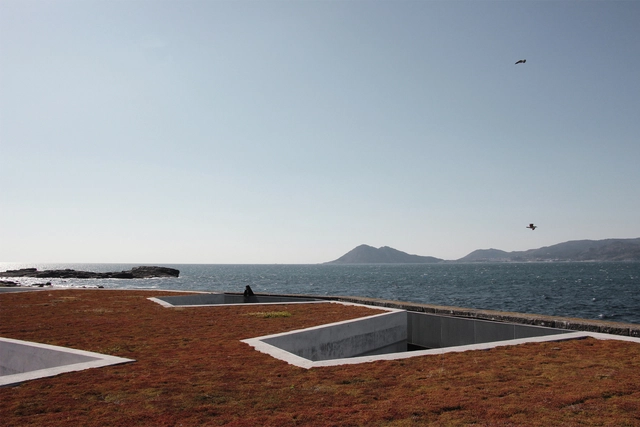
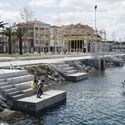
The 2024 European Prize for Urban Public Space has announced the overall winners for the 12th edition: For the General Category, the "Park at the Warsaw Uprising Mound" in Poland by studios topoScape and Archigrest received recognition its ability to honor the site's historical significance; while the Seafront Category prize was given to the "Beach Improvement and Redevelopment of the Harbour Edge" in Porto do Son, Spain, designed by CREUSeCARRASCO and RVR Arquitectos for its careful integration of natural and manmade elements. Selected from a list of 10 finalists, the projects were appreciated for their sensible response to local memory and an understanding of the interplay between various elements that interact with urban life.
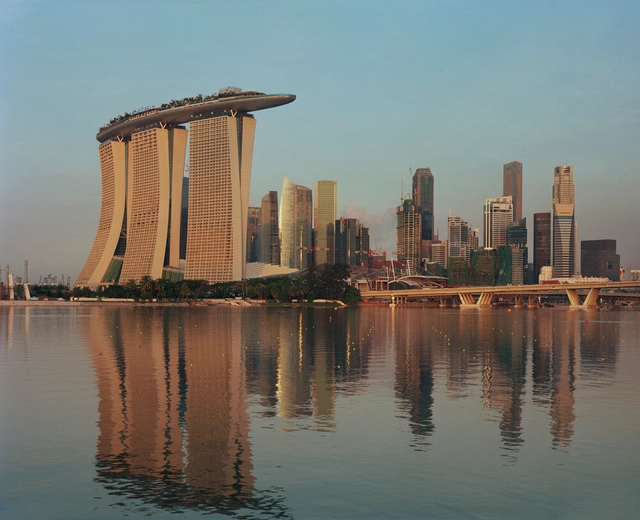
Courtesy of Safdie Architects | Marina Bay Islands
Nestled in the heart of Southeast Asia, Singapore stands as a beacon of sustainable urbanization. According to the 2016 Green City Index, the city-state of Singapore was the greenest city in Asia at one point. Renowned as the "City in a Garden," Singapore has intertwined lush greenery, verdant parks, and new environmental policies into its urban fabric/ After gaining independence in 1965, the city-state stands as a testament to how urban life can integrate with nature.