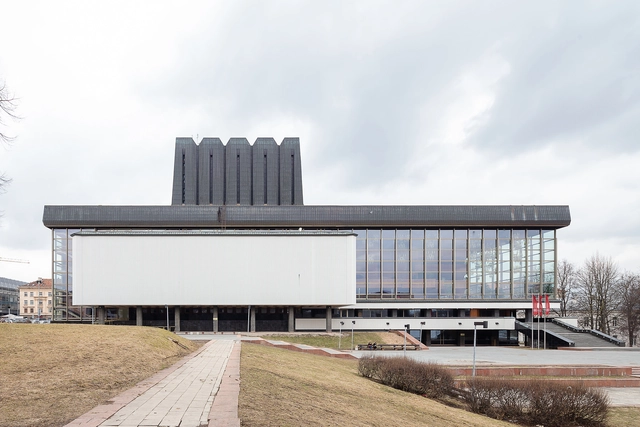
Standing out among the array of cultural programs, the opera and theater typology is often understood as encompassing the luxurious and elitist spirit of a bourgeois society focused on entertainment. Across the Soviet Union, this represented the opposite of the principles to be promoted. However, despite the opposition of the political class, the program remained widely popular. As the historical structures, symbols of the previous regime could no longer be promoted, the search began for a new image of the Opera House, one aligned with Socialist ideals and the concept of "art belonging to the masses."
This is the case of Soviet Lithuania, which, in the 1940s, began the process of developing a new Opera and Ballet Theater in Vilnius to replace the theatre in Pohulianka. The process resulted in an unusual commission, as young architect Elena Nijolė Bučiūtė won the 1960s competition for architectural design, turning the initial socialist realist proposals into a welcoming and expressive design, blending elements of early and late modernism. This also represents a surprising accomplishment for a young architect who was a woman and not a member of the Communist Party. Open House Vilnius featured the project in its program for several editions.
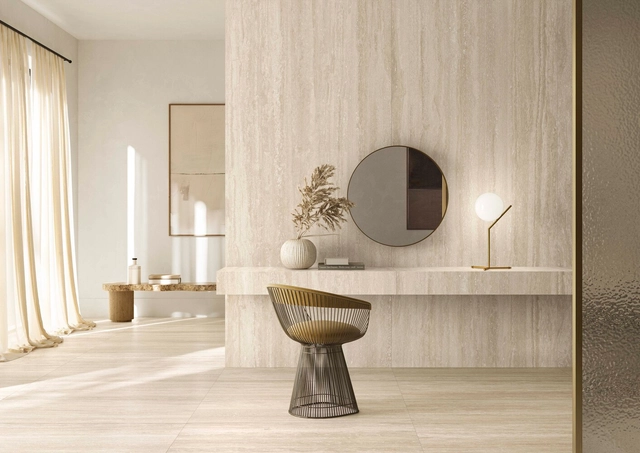
Pietra Tiburtina - Campidoglio. Image Courtesy of Casalgrande Padana
Travertine —known as lapis tiburtinus by the ancient Romans— has endured for centuries as one of the most iconic materials in Italian design heritage. This limestone has left a lasting mark on architectural history, from the monuments of the Roman Empire to contemporary works like the Church of 2000 and the Ara Pacis Museum. Over time, its aesthetic has evolved alongside art and design, adapting to technical advancements while preserving its essence and relevance in modern architecture.
https://www.archdaily.com/1022299/carving-pietra-tiburtina-a-contemporary-approach-to-classic-travertineEnrique Tovar
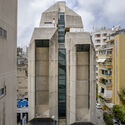
The Tamayouz Excellence Award has announced George Arbid, Lebanese architect and educator, and the founding director of Beirut's Arab Center for Architecture, as the recipient of the prestigious Mohamed Makiya Prize for Architecture 2024. Also known as the Middle Eastern Architectural Personality of the Year Award, this accolade honors Arbid's efforts in documenting, researching, and advocating for the modern architectural heritage of the Arab region. The Mohamed Makiya Prize, established in 2014 to honor the eminent Iraqi architect Dr. Mohamed Saleh Makiya, celebrates those who have profoundly influenced architecture and the built environment across the region.
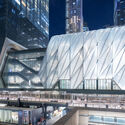
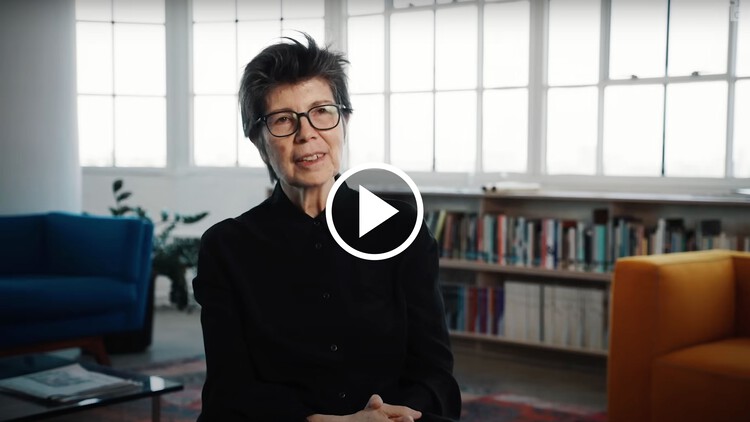
In an interview with Louisiana Channel,Liz Diller, co-founder of the renowned architecture firm Diller Scofidio + Renfro, reflects on her unconventional journey into architecture and her innovative approach to design. Starting her career with aspirations of being an artist, Diller never initially intended to become an architect. Her artistic background, which included painting, sculpture, and filmmaking, continues to influence her work today. What drew her into architecture was a combination of curiosity and practicality, driven in part by concerns about the viability of a career in the arts.
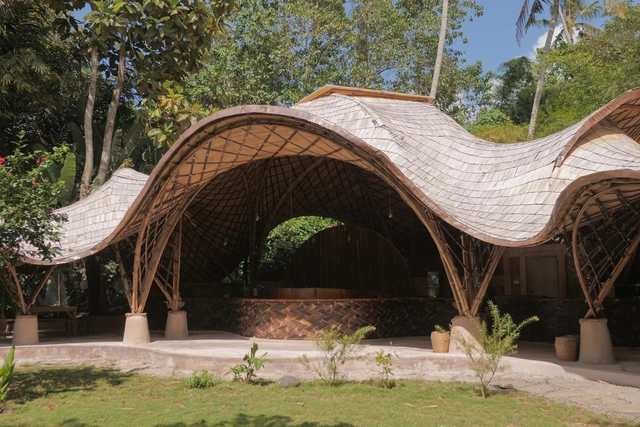
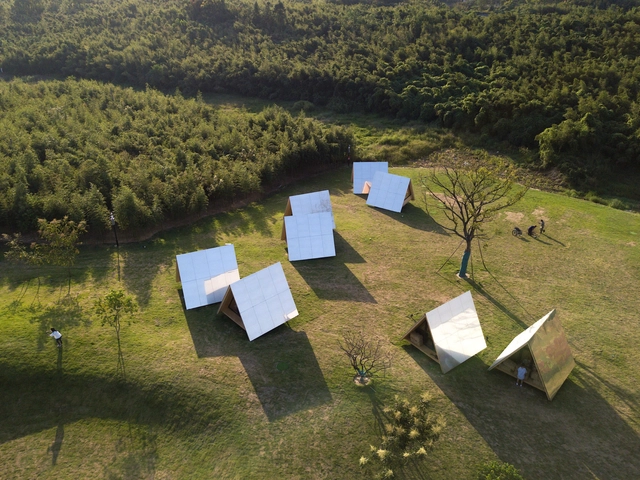
Motivated by the shared goal of creating a better, greener future, architects, designers, and sustainability enthusiasts from all over the world came together to exchange ideas and skills regarding the future of bamboo as a construction material. Titled Bamboo U, the 11-day course included teaching participants how to grow bamboo, treatment methods, bamboo design and model making, engineering, carpentry, and construction. The ArchDaily team participated in the workshop, which ran from August 16 - 27, 2024, and documented the full course from start to finish.
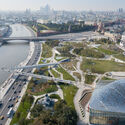
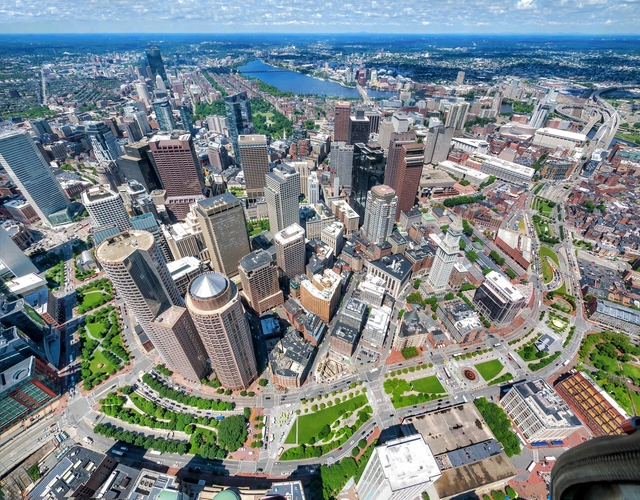
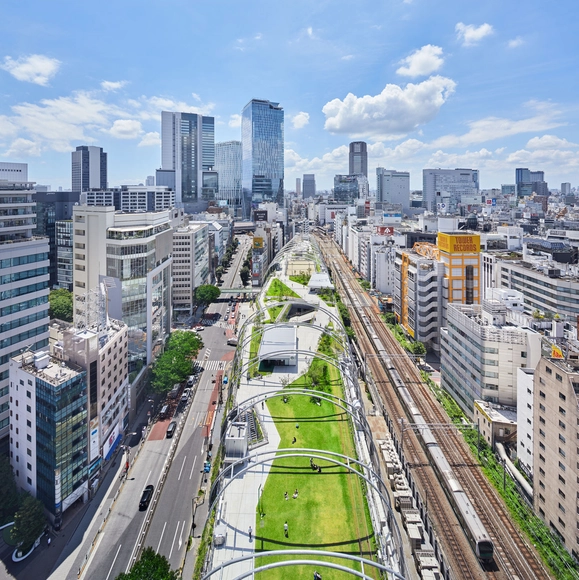
Greenways, as a typology of urban design, have become an essential element in the planning of modern cities. They emerge in response to the increasing fragmentation of urban landscapes by elements such as highways. They usually integrate natural and constructed spaces, providing much-needed connections across various parts of the city. At the same time, they promote pedestrian accessibility, recreation, and social interaction. The Rose Kennedy Greenway in downtown Boston, United States, exemplifies this human-centered approach to design. The project, which began construction in 1991, showcases the potential of greenways to reconnect urban environments and enhance community life. As a series of parks designed by various architecture firms, it aims to create physical links and meaningful spaces that foster social development and a sense of place.
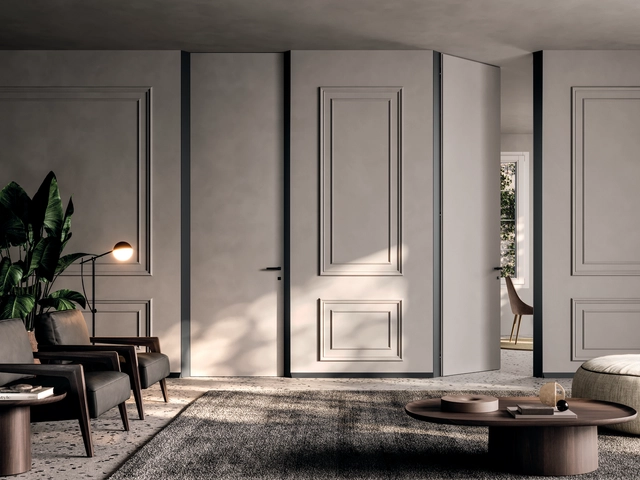
Creating an unbroken line between floor and ceiling is one of the most elegant ways to manipulate the spatial qualities of a contemporary interior. Floor-to-ceiling glass is a recurrent motif in the modern high-rise home, offering views out to some of the most spectacular skylines in the world. Full-height doors, meanwhile, are just as contemporary and sensational, but have more nuance and engineering involved. They don't draw the eye outside and beyond a space; instead, they create an immediate impact when you enter it. Instead of creating a frame to pass through, from room to room, these doors rise vertically and occupy the whole span of a wall. They represent cutting-edge holistic interior architecture, creating a sweeping, art-directed shift as you glide through them.
https://www.archdaily.com/1022530/flush-to-wall-transforming-doors-into-architectural-chameleonsMark C. O'Flaherty
As Kharkiv embarks on the long road to recovery following the devastating conflict in Ukraine, a global design competition has been initiated by the Norman Foster Foundation and Buildner to reimagine one of the city's most significant landmarks—Freedom Square. A symbol of Soviet-era urban planning, the square, along with the Regional Administration Building, was heavily damaged by a missile strike on March 1, 2022. The attack left the building in ruins and the square scarred by conflict.
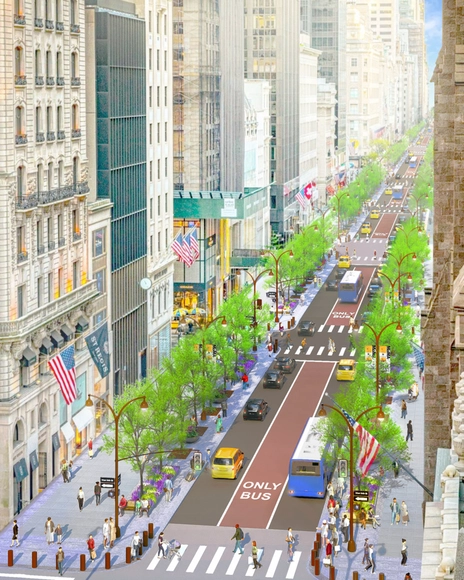
The mayor of New York City, Eric Adams, along with the Future of Fifth Partnership, announced plans to transform Fifth Avenue, between Bryant Park and Central Park, into a pedestrian-centered boulevard. The project includes expanding sidewalks by 46%, reducing traffic lanes, improving pedestrian safety with shorter crosswalks, and adding greenery and lighting. The initiative begun with the Future of Fifth public-private partnership, which selected Arcadis, Sam Schwartz Engineering, and Field Operations to lead the design and study, and schematic design, scheduled to be completed by summer 2025.
Selected as one of ArchDaily's Best New Practices for 2024, Wiki World is pioneering a fresh approach to children's architectural education and community building. This Wuhan-based studio simplifies the concept of architecture, moving beyond grandiose connotations and focusing on 'building a house'—exploring the wisdom and methods of 'ordinary people.' Building, according to Wiki World, is not only a human instinct but also a way to connect with and understand nature. They see an opportunity in the open-source spirit, empowering communities in rural China to design and construct their own creations. By providing the right frameworks, Wiki World is able to scale and make architecture accessible to an increasing number of people. The studio organizes workshops across China, guiding parents and children through one community-building experience after another.
In an interview with ArchDaily, Wiki World shared their approach to workshop design and organizational processes, drawing from both their expertise and the fresh perspectives gained from their young participants. They discussed how their views on nature and community design have shaped their work, their strategies for effective communication, and their current challenges and successes. They also explained how they bridge the gap between different teams to inspire creativity and foster hands-on engagement with users.
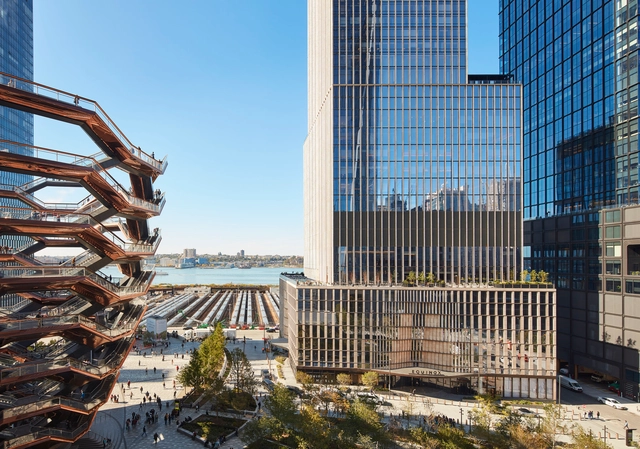
In recent years, Public-Private Partnerships (PPPs) have become a significant model for delivering large-scale infrastructure projects around the world. These partnerships bring together the strengths of both the public sector, represented by governments or municipalities, and the private sector, combining their resources, expertise, and investment power. In the context of architecture and urban development, PPPs are increasingly being used to address the complex needs of growing cities, helping to finance, build, and maintain critical projects that would be difficult for either sector to accomplish alone. But what exactly are PPPs, and how do they function in the built environment? This article explores the concept of PPPs, providing examples from across the globe to illustrate how these partnerships are shaping the future of urban spaces, sometimes beyond commercial gains. Furthermore, by exploring the different projects, the article aims to develop a framework around PPPs' positive and negative potential impacts.
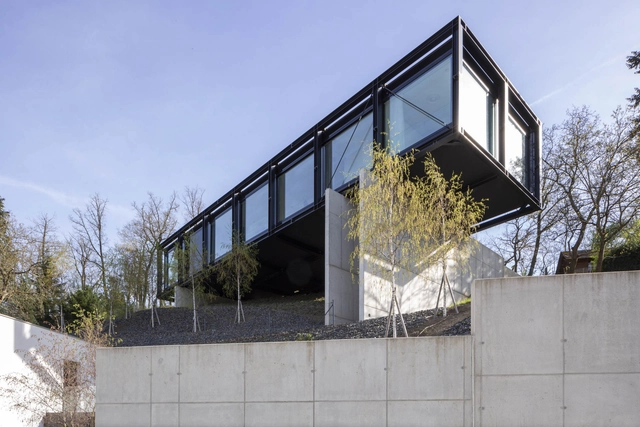
In the Czech river valley of the Berounka near Prague, Stempel & Tesař Architekti have created an extraordinary private residence. The elongated structure is primarily made of steel and glass, featuring oversized air-lux sliding windows. The entire volume juts out into the landscape like a pier.
Villa Sidonius embodies the purest form of view and overview. For good reason—the landscape along the Berounka River is characterized by the flora and fauna of various nature reserves. The town of Černošice, located on the southwestern outskirts of Prague, is also nestled in greenery. This environment inspired Stempel & Tesař to design this single-family home, resembling a pier stretching out into the landscape from a hillside.
From inked drawings on tracing paper, to highly detailed digital 3D models, the role of the architect has evolved, and next-gen design software is empowering today's architects with valuable data and design flexibility. In the past, the work was meticulous and required great manual effort, with every line and detail drawn by hand using rulers and other tools. Over time, programs like Revit revolutionized the field by enabling the creation of precise and digitally organized drawings, simplifying edits and the replication of components.
Over the past twenty years, the Holcim Foundation Awards has committed USD 20M to spotlighting projects from an industry-changing cast of architects, designers, and engineers who champion innovative practices in sustainable design and construction.
To better tell these success stories, the Foundation launched a short film series called 'Words with Winners.' The series includes a conversation with Loreta Castro Reguera, co-founder of Taller Capital in Mexico City, about the design of the highly innovative La Quebradora Waterpark, which received a Holcim Foundation Award in 2018.
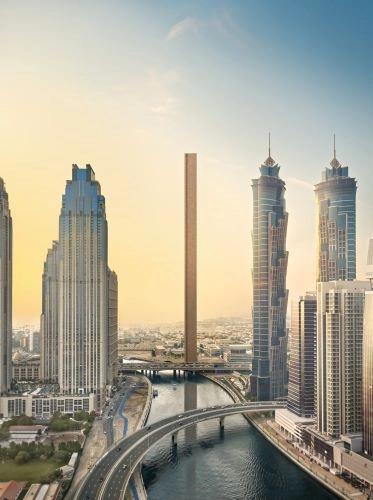
Muraba and RCR Arquitectes, recipients of the 2017 Pritzker Prize, have collaborated on Muraba Veil, a modern architectural project in Dubai that aims to incorporate traditional elements alongside contemporary innovation. This 380-meter-high tower is the latest result of a decade-long partnership between Muraba, a Dubai-based developer, and RCR Arquitectes, a Spanish architectural firm. The project introduces a skyscraper designed to engage with the local environment and culture, seeking to combine modern architectural techniques with regional heritage.
We are thrilled to announce our upcoming November workshops in collaboration with our ArchDaily Plus partner, Parametric Architecture. These workshops have been thoughtfully curated to empower architects, designers, and enthusiasts by providing them with the latest insights and skills in the dynamic realm of parametric design. Guided by industry experts and visionaries, these immersive sessions will explore cutting-edge techniques, innovative tools, and practical applications, creating an inspiring and dynamic learning environment where participants can take their design expertise to unprecedented levels.
https://www.archdaily.com/1022613/parametric-architecture-november-workshopsArchDaily Team
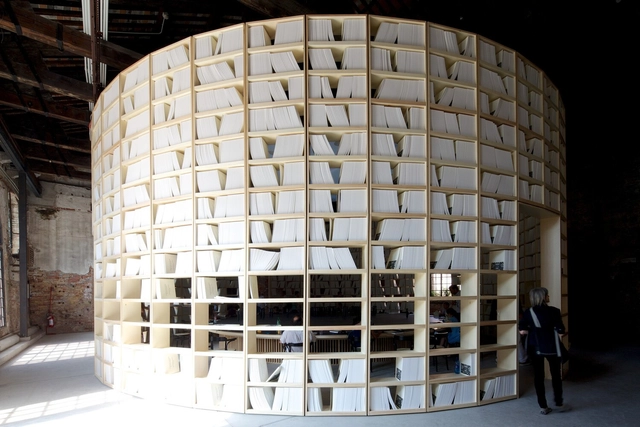
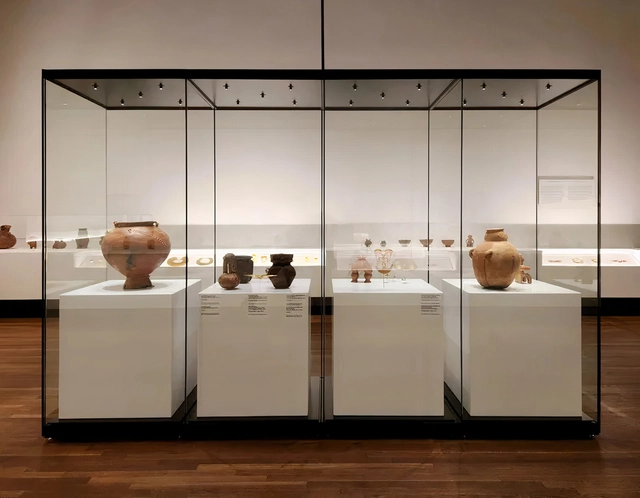
Exhibition spaces convey carefully curated content with the goal of educating, inspiring, and engaging visitors, using objects and displays to tell stories. In addition to promoting education, cultural preservation, and aesthetic appreciation, these environments encourage creativity and interaction. With immersive and interactive experiences, they allow visitors to form meaningful connections with new knowledge, different perspectives, and important cultural heritages, creating both intellectual and emotional engagement.
Prioritizing people and the planet, when it comes to building construction and real estate development, is being seen as more than an ethical mandate - it is a highly profitable approach. Changing market demands, city ordinances, and regulations, and an emphasis on Environmental, Social, and Governance (ESG) factors are all influencing what successful development in the 21st century stands for.
In Toronto, Canada, the ongoing Downsview Airport redevelopment project showcases this mindset in practice. While traditional development has generally focused on maximizing short-term returns, the Downsview project offers a holistic alternative that can invite significant long-term profits, all while addressing broader societal and environmental concerns.
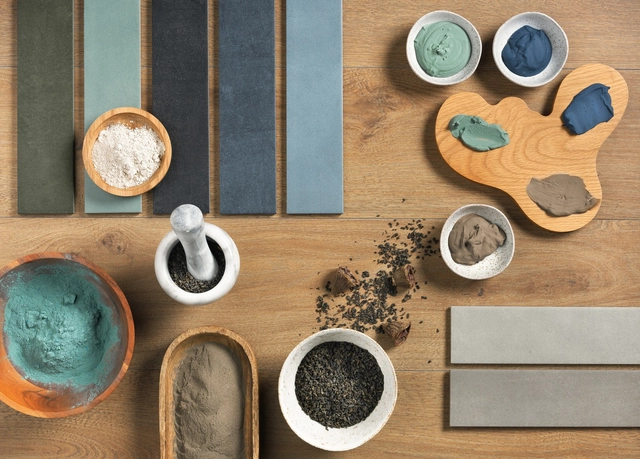
Ceramic tiles are a decorative form almost as old as time—originating in ancient Mesopotamia, where they were first used around 4,000 years ago. Today, they serve as a global motif, both ascetic and pictorial, available in a panoply of colors and textures. Formed from the elemental process of firing clay, minerals and water at high heats, tiles become a robust, hard-wearing material with a myriad of applications.
In what is now Italy, tile use and production proliferated in the Roman era – not least in the form of intricate, technicolor mosaics – and the styles embraced in antiquity were an early precedent for those used today. The use of tiles skyrocketed further in the later Renaissance period, with Italian artisans perfecting the medium as an artistic medium, and the country remains perhaps the consummate producer of ceramic and porcelain tiling.
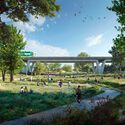
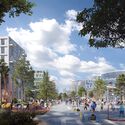
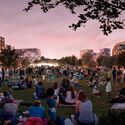
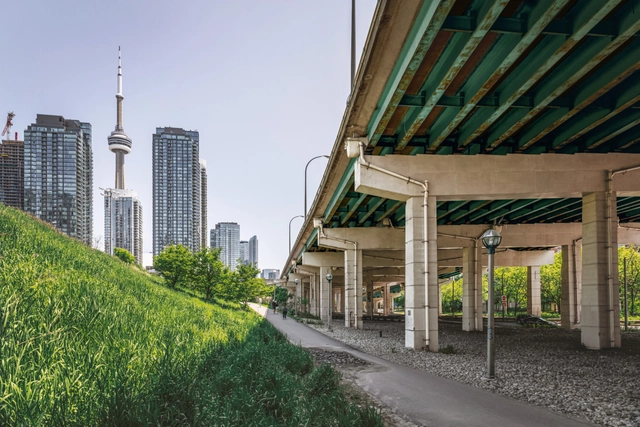
New York-based office Field Operations, renowned for their work on Seattle's waterfront and New York's High Line, along with Toronto's Brook McIlroy, have been tasked with transforming underutilized lands beneath the Gardiner Expressway in Toronto. The project was launched by The Bentway Conservancy, in partnership with the City of Toronto, and represents the second phase of the development aiming to revitalize underutilized spaces along the expressway. The initiative set out to transform three large traffic islands between Dan Leckie Way and Spadina Avenue into an 11,500-square-meter public space for recreation and community activities.
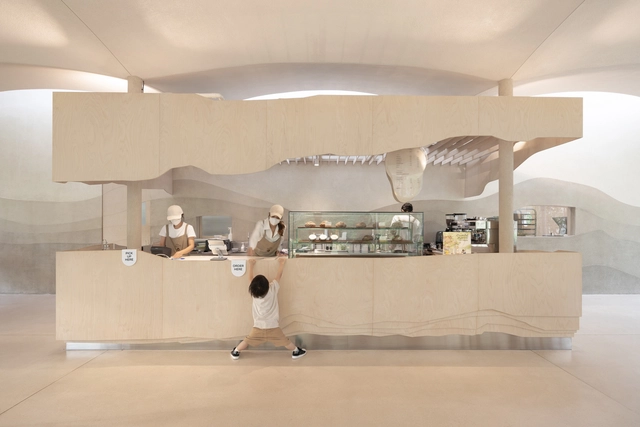
Coffee culture continues to thrive in the contemporary world, with a noticeable shift from the dominance of chains & franchise stores to a growing market for prosumer coffee. As more and more coffee consumers become prosumers, individuals who both produce and consume, they are turning coffee-making into a hobby, even a ritual, and are expecting coffee shops to keep up. Consumers are becoming more knowledgeable, paying close attention to the source and type of beans, brewing methods, and equipment. They also appreciate the design of coffee machinery, not just for its functionality but for its aesthetics, efficiency, and space management. This surge in interest, especially in Asia, has led to changes in coffee shops' operations. Many individual coffee shops, responding to the rise in consumer spending power and interests, are motivated to focus on creating unique, immersive experiences for an ever-growing marketable audience.
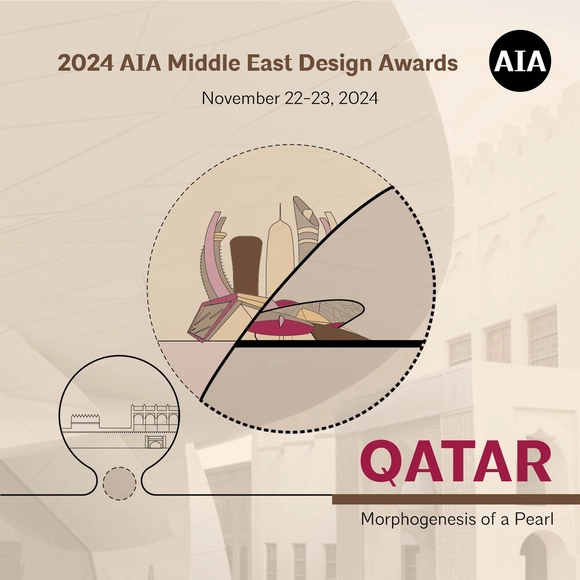
Courtesy of The American Institute of Architects (AIA)
The American Institute of Architects, Middle East Chapter, opens entries for its 11th Year-End Conference and Design Awards, set to take place in the vibrant city of Doha, Qatar, between the 22nd and 23rd of November, 2024. This prestigious event will gather thought leaders, professionals, and enthusiasts to explore the latest trends, innovations, and challenges in the design field with a focus on Qatar's remarkable development.