

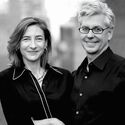
New York architects Marion Weiss and Michael Manfredi founded their studio, Weiss/Manfredi, in 1989 after winning a couple of important competitions—for the Military Women's Memorial at Arlington National Cemetery and Olympia Fields and Community Center near Chicago—both were built in the 1990s. Their most representative built works include the Brooklyn Botanic Garden Visitor Center, Hunter's Point South Waterfront Park, and the Barnard College Diana Center, all in New York City. The architects' Seattle Museum of Art's Olympic Sculpture Park, which won an international competition and was built in 2007, was praised by critics as one of the world's greatest sculpture parks and among the best examples of landscape urbanism.
ArchDaily Interview: The Latest Architecture and News
Part Infrastructure, Part Landscape, Part Architecture: In Conversation with Marion Weiss and Michael Manfredi


https://www.archdaily.com/1025458/part-infrastructure-part-landscape-part-architecture-in-conversation-with-marion-weiss-and-michael-manfrediVladimir Belogolovsky
Creating Architecture in an Uncivil Time: In Conversation with Ali Karimi of Civil Architecture
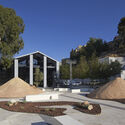
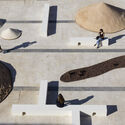
The Arabian Peninsula represents one of the world's leading exporters and users of fossil fuels, an economic reality that influences the area's visions for the future and, implicitly, architecture and urban planning's role in these scenarios. A number of emerging offices are however countering these narratives, turning to contextual research to reframe the area's production of architecture. Among these, cultural practice Civil Architecture has become recognized for its provocative works that explore alternative narratives for the identity of the Middle East. While in Bahrain, ArchDaily's Christele Harrouk had the chance to sit down with Ali Karimi, who, together with Hamed Bukhamseen, co-founded Civil Architecture. In the video interview, they discuss the practice of architecture in the Gulf region and the narrative and research-focused approach of the office.



https://www.archdaily.com/1018996/creating-architecture-in-an-uncivil-time-in-conversation-with-ali-karimi-of-civil-architectureMaria-Cristina Florian
In Conversation with Studio Muoto's Gilles Delalex on Their Architecture of Endless Possibilities
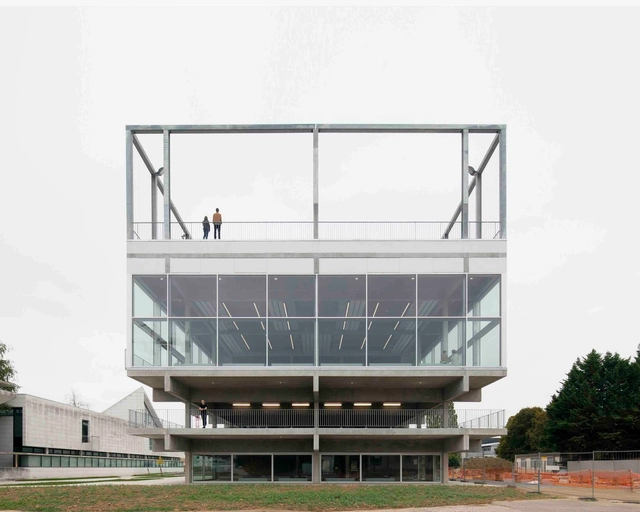
The architecture of Studio Muoto is one that encompasses endless definitions of what architecture should be, but most importantly, of what architecture can become. The scope of work of the Paris-based practice founded in 2003 by Gilles Delalex and Yves Moreau includes projects in the fields of architecture, exhibition design, urban planning, teaching, and research. All of this has led to an architecture of minimal structures that age gracefully, an architecture that evolves and adapts with time, and that is sustainable economically and environmentally.


https://www.archdaily.com/1003274/in-conversation-with-studio-muotos-gilles-delalex-on-their-architecture-of-endless-possibilitiesPaula Pintos
"The Building as a Dance Between Design and Habitation": In Conversation with Níall McLaughlin
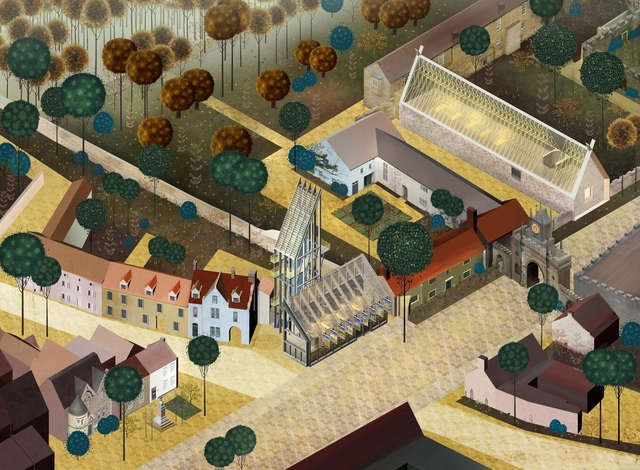
In an era marked by rapid urbanization, climate emergencies, and evolving societal needs, architecture has a complex role to play and a responsibility to engage actively yet sensibly with cultural, political, and economic considerations. In this context, Níall McLaughlin stands out for his balanced approach rooted in historical contexts, yet aware and responsive to contemporary challenges. His studio, Niall McLaughlin Architects, embraces a dialogue-centric approach, fostering a collaborative environment. ArchDaily's senior editor Maria-Cristina Florian had the chance to sit down with Níall McLaughlin and discuss his perspective on the role of architecture in today's society and the emerging challenges of architectural education.


https://www.archdaily.com/1023315/the-building-as-a-dance-between-design-and-habitation-in-conversation-with-niall-mclaughlinMaria-Cristina Florian
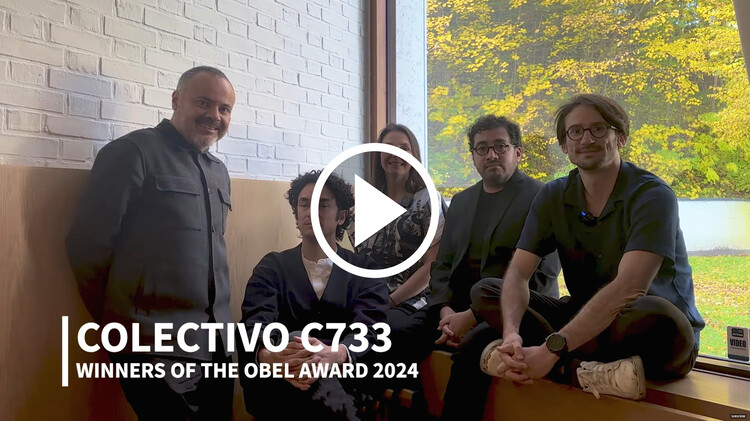
“Architecture is a Work of Generosity:” In Dialogue with Colectivo C733, Winners of Obel Award 2024
Recognized for completing 36 distinct yet cohesive public projects across Mexico in just 36 months, Colectivo C733 showcases the impact of collaborative design on public spaces and communities. The 36 projects were part of a national effort to revitalize vulnerable urban and rural areas in Mexico, earning them the 2024 Obel Award focused on the theme of "Architectures With". The team behind the designs, Colectivo C733, is a collaborative group formed by the joint offices of architects Gabriela Carrillo (Taller Gabriela Carrillo), Carlos Facio, and José Amozurrutia (TO), along with Eric Valdez (Labg), and Israel Espin. In a recent conversation with ArchDaily's Editor-in-Chief, Christele Harrouk, the collective discussed their approach to public architecture, the process of integrating diverse voices, and remaining flexible to the challenges of local conditions.
https://www.archdaily.com/1023225/architecture-is-a-work-of-generosity-in-dialogue-with-colectivo-c733-winners-of-obel-award-2024Maria-Cristina Florian
Beyond Conventional Design: The Unique Approaches of Office ParkScheerbarth

Office ParkScheerbarth, selected as one of ArchDaily's 2024 Best New Practices, was founded in Berlin in 2019 by principals Moojin Park and Benjamin Scheerbarth. Together, they create a synthesis between architecture, urban planning, and social science, drawings on cultural and educational contexts from Korea, the US, and Germany. Their work creates spaces that welcome versatility, challenges, and growth. The duo embodies a fusion of cultures, nationalities, and diverse disciplines, approaching each project from multiple perspectives and emphasizing adaptability, respect for ownership, and the continuous pursuit of knowledge and innovation. Challenging norms and regulations of the built environment, Moojin Park and Benjamin Scheerbarth share a commitment to pushing and exploring design boundaries. They met during their Master's studies in the US, where their shared vision took shape and marked the beginning of their journey together.


https://www.archdaily.com/1023032/beyond-conventional-design-the-unique-approaches-of-office-parkscheerbarthHadir Al Koshta
Sumayya Vally on Incorporating Diverse Knowledge in Contemporary Architecture: The Obel Award 2024 Theme
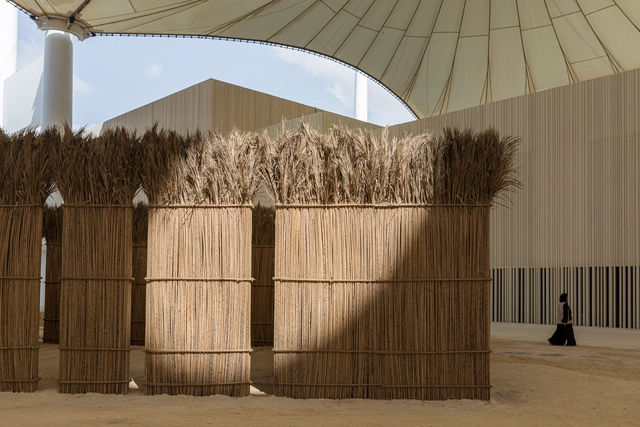
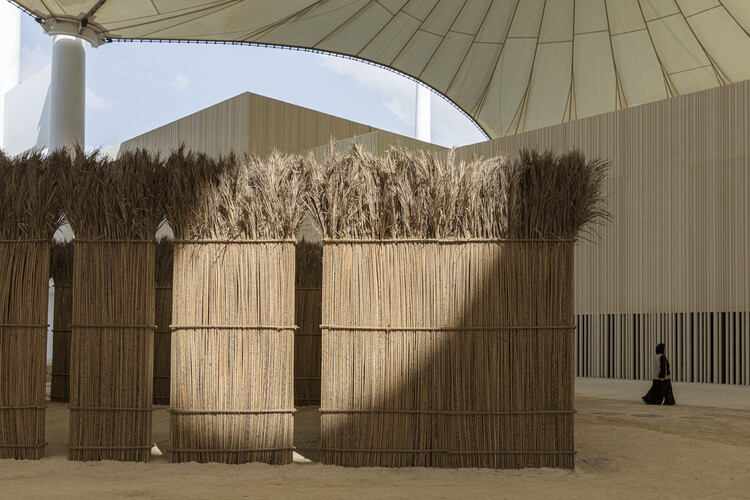
Sumayya Vally, architect, curator, and founder of Counterspace architecture office, joins the jury for the 2024 Obel Award. This international architectural prize, organized by the Henrik Frode Obel Foundation, honors projects that significantly impact people and the planet. The 2024 theme, "Architecture WITH," invites a re-examination of the architectural profession, emphasizing collaborative and co-creative processes that integrate diverse bodies of knowledge into the core of design. Vally's perspective on redefining architectural roles aligns with the theme's focus on non-hierarchical, co-creative approaches.

https://www.archdaily.com/1021680/sumayya-vally-on-incorporating-diverse-knowledge-in-contemporary-architecture-the-obel-award-2024-themeMaria-Cristina Florian
Making Every Part of Architecture Visible: Kim Lenschow Exposes the Hidden Story of Materials
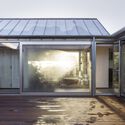
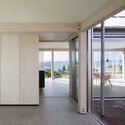
The built environment represents, for most of us, the background of everyday life, and yet, when we look at a building, we rarely understand what it is made of. In doing so, we also fail to understand its impact on us and on the larger systems of nature. Office Kim Lenschow aims to draw attention to this and to provoke critical thinking in relation to architecture and the materials that make it. By focusing on small-scale, mostly residential projects, the office seeks to reveal this hidden narrative of materials and cultivate more awareness and engagement with the structures surrounding us. For their involvement in the exploration of materials and sustainable development, Office Kim Lenschow has been selected as one of the ArchDaily 2023 New Practices. Every year since 2020, ArchDaily has curated and highlighted emerging offices that bring a new perspective to the field of architecture and design.



https://www.archdaily.com/1009356/making-every-part-of-architecture-visible-kim-lenschow-exposes-the-hidden-story-of-materialsMaria-Cristina Florian
"You Can't Do Architecture Just with Architects": In Conversation with Oana Stănescu
Oana Stănescu is a Romanian architect, designer, writer, and educator, based in New York and Berlin, with a diverse portfolio of interventions around the world. Selected as part of 2023 New Practices by ArchDaily, the young architect recognizes the value of architecture as a discipline, but nevertheless acknowledges that architecture cannot single-handedly resolve the complex challenges of our world. “Architecture is most powerful when recognized as part of a larger system, rather than being solely self-serving”, she adds in her conversation with ArchDaily’s Managing Editor, Christele Harrouk. In this way, Oana views architecture as a key player in a broader context, working to address significant societal issues.
With several ongoing projects, from the rehabilitation of an existing industrial infrastructure in Romania, to an integrated house within its natural environment in Canada, Oana’s creative process is centered on a commitment to serve people. Watch the full interview and discover below key insights from the conversation.



https://www.archdaily.com/1007730/you-cant-do-architecture-just-with-architects-in-conversation-with-oana-stanescuChristele Harrouk
Bridging Boundaries: An Interview with Ahmadreza Schricker of ASA North
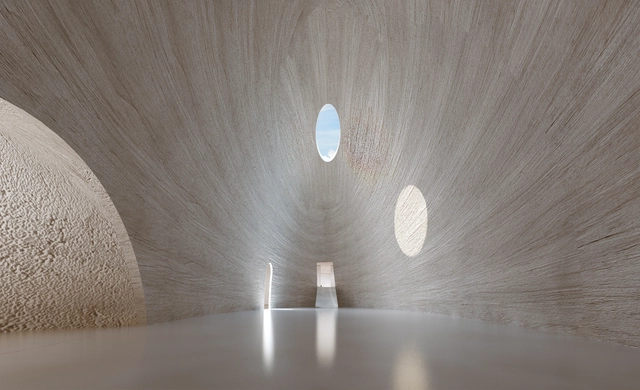
Based between Tehran, Iran, and New York City, ASA North has emerged as an example of an architectural practice based on malleability and adaptability. Chosen by ArchDaily as part of our 2023 New Practices, ASA North stands at the forefront of melting the boundaries between architecture and art. ArchDaily had the chance to interview Ahmadreza Schricker, its founder delving into the evolution of his life, career, and practice.
Ahmadreza Schricker is an architect whose journey was shaped by his work with Herzog & de Meuron and his time with the well-renowned OMA. His studio ASA North, is well known for its award-winning adaptive reuse of the Argo Contemporary Art Museum & Cultural Center, a former distillery that was awarded at the 2020-2022 Aga Khan cycle. It is a testament to the work ASA North does, bridging gaps between past and future, traditional and contemporary. The interview also goes beyond ASA North, looking into its sister company, ASA South. Based in the virtual world, ASA South challenges conventional boundaries and reimagines architectural practice in the digital age.


https://www.archdaily.com/1007005/bridging-boundaries-an-interview-with-ahmadreza-schricker-of-asa-northNour Fakharany
“Everyone Belongs to Everyone Else:” In Conversation with the Curators of the Italian Pavilion at the 2023 Venice Biennale
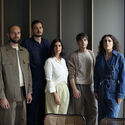
During this year’s edition of the Venice Architecture Biennale, ArchDaily had the chance to discuss with Giacomo Ardesio and Claudia Mainardi of Fosbury Architecture, the curators of the Italian Pavilion together with Alessandro Bonizzoni, Nicola Campri and Veronica Caprino. The curatorial project, titled “Spaziale: Everyone Belongs to Everyone Else,” aims to provide a distinctive and original portrait of Italian architecture within the international context. The curators discussed the origins of their office, their sources of inspiration and the thinking behind the design decisions that led to the creation of the curatorial project for the Italian Pavilion.


https://www.archdaily.com/1006111/everyone-belongs-to-everyone-else-in-conversation-with-the-curators-of-the-italian-pavilion-at-the-2023-venice-biennaleMaria-Cristina Florian
"It’s the People Who Keep Buildings Alive": In Conversation with SO?, Curators for the Pavilion of Türkiye at the 2023 Venice Biennale
During their visit to the 18th International Architecture Exhibition in Venice, ArchDaily had the opportunity to engage in a conversation with Sevince Bayrak and Oral Göktaş, founders of the Istanbul-based studio SO? Architecture and Ideas, curators for the Pavilion of Türkiye. Their exhibition, titled Ghost Stories: Carrier Bag Theory of Architecture, explores the status and hidden potential of abandoned buildings across Türkiye to discover more hopeful proposals for the future. The conversations opened with an exploration of the status of these forgotten structures and their hidden potential, leading into the intentions behind the exhibition in Venice and the curator’s message for the wider audience.


https://www.archdaily.com/1005372/its-the-people-who-keep-buildings-alive-in-conversation-with-so-curators-for-the-pavilion-of-turkiye-at-the-2023-venice-biennaleMaria-Cristina Florian
Unbuild Together: In Conversation with Studio KO, the Curators of the Uzbekistan National Pavilion at the 2023 Venice Biennale
Studio KO’s curation of the Uzbekistan Pavilion for the Venice Biennale is based on research, curiosity, workshopping, and experimenting with the senses. For over two years, the studio has worked alongside the Arts and Cultural Development Foundation, designing the Center for Contemporary Arts and their initiatives to restore and rehabilitate vernacular houses, transforming them into artist residencies. While exploring the 18th International Architecture Exhibition onsite in Venice, ArchDaily had the chance to speak with the founders of Studio KO, Karl Fournier, and Olivier Marty, curators of Uzbekistan National Pavilion. Their exhibition for this year’s theme, “The Laboratory of the Future,” focuses on the country’s rich heritage as a potential tool and inspiration for developing a more sustainable future.


https://www.archdaily.com/1002365/unbuild-together-in-conversation-with-studio-ko-the-curators-of-the-uzbekistan-national-pavilion-at-the-2023-venice-biennaleNour Fakharany
Engaging with Architecture as a Wider Cultural Practice: In Conversation with the Co-Curators of the British Pavilion in Venice
While exploring the 18th International Architecture Exhibition onsite in Venice, ArchDaily had the chance to speak with Jayden Ali and Joseph Henry, two of the co-curators of the British National Pavilion. The exhibition titled “Dancing Before the Moon” was created together with Meneesha Kellay and Sumitra Upham, and features creations from six designers and artists. As the curators explain, the aim of the installations is to expand the general understanding of what architecture is and to integrate it into a wider conversation with fashion, music, art, dance, and performance, rather than separating it as its own class of creativity. On June 20th, a few days after the conversation, the British National Pavilion was awarded a special mention at this year's award ceremony.


https://www.archdaily.com/1001524/engaging-with-architecture-as-a-wider-cultural-practice-in-conversation-with-the-co-curators-of-the-british-pavilion-in-veniceMaria-Cristina Florian
"On Access to Green & Public Space": In Conversation with Co.Creation.Architects and POCAA
When the Aga Khan Award for Architecture (AKAA) announced its winners of the 2022 edition, 20 projects were selected for their excellence in the fields of contemporary design, social housing, community development, and preservation and improvement of the environment. Among them, one project in Jhenaidah, Bangladesh, managed to capitalize on the strength of the local community to reverse the ecological degradation of its riverscape and create a functional and socially inclusive public space along the riverbanks. ArchDaily’s Managing Editor, Christele Harrouk, had the chance to interview Suhailey Farzana, and Khondaker Hasibul Kabir co-founders of Co.Creation.Architects, and Rubaiya Nasrin from Platform of Community Action and Architecture, POCAA, part of the team behind the Co-creation of Urban Spaces by the Nobogonga River, in Bangladesh. The project also won the 5th category of the UIA 2030 Award for the Access to Green and Public Spaces.


https://www.archdaily.com/994251/on-access-to-green-and-public-space-in-conversation-with-creatiorchitects-and-pocaaMaria-Cristina Florian
"Robotic Construction Can Help Us Design Better Buildings": An Interview with HANNAH
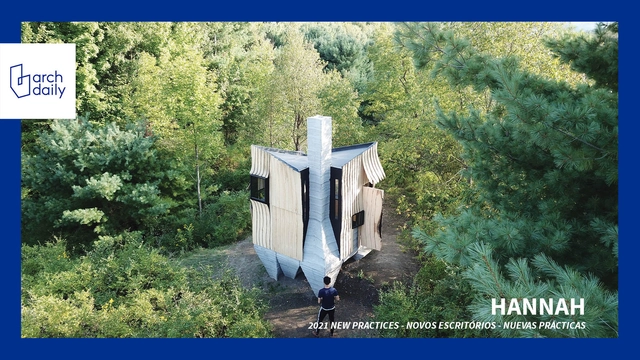
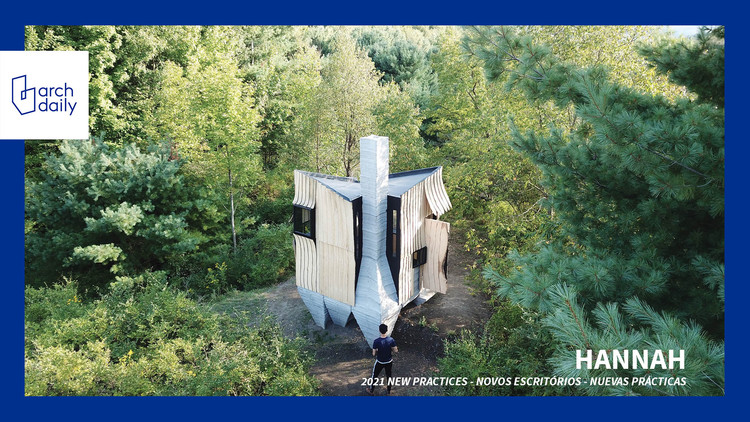
HANNAH Office is a US-based experimental research and design studio whose work focuses on advancing architecture and contemporary construction practices by examining the possibilities of new digital routines and fabrication technologies. Selected as one of Archdaily's Best New Practices of 2021, HANNAH Office was founded in 2012 by Leslie Lok and Sasa Zivkovic and constitutes a platform for exploring technology and material methods across a variety of scales, from furniture to urbanism in search of new design outcomes.


https://www.archdaily.com/976735/robotic-construction-can-help-us-design-better-buildings-an-interview-with-hannahAndreea Cutieru
"It is Important to Give Authorship to the Public": An Interview With Urban Radicals
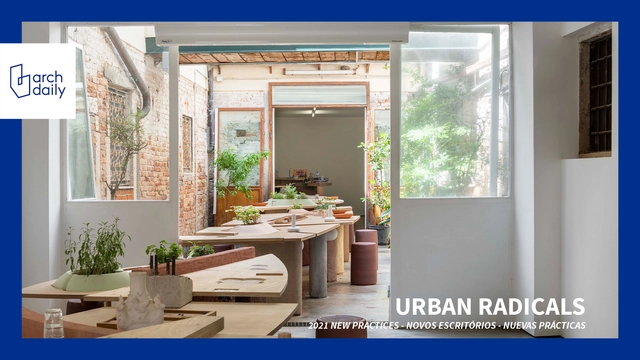
Urban Radicals is a design collective based in London, founded in 2019 by Era Savvides and Athanasios Varnavas. The practice operates at the intersection of multiple disciplines, exploring public space and the notion of collectivity across a variety of scales, contexts and design expressions. One of Archdaily's Best New Practices of 2021, Urban Radicals shrinks and grows organically through the projects, dissolving the boundaries between diverse fields of knowledge and circumventing traditional office structure to integrate a multiplicity of perspectives within architecture.


https://www.archdaily.com/976215/it-is-important-to-give-authorship-to-the-public-an-interview-with-urban-radicalsAndreea Cutieru
"We Still Have Not Built that City of the Future Where I Once Lived": In Conversation with Nishan Kazazian
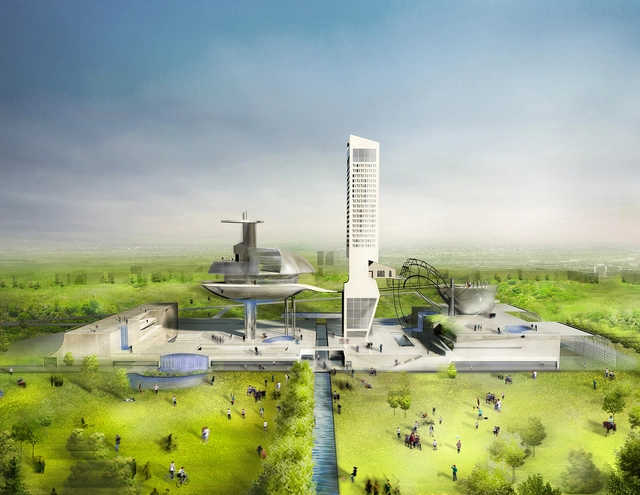
What follows this short introduction is my unusually personal interview with a Lebanese-American architect and artist Nishan Kazazian. His work is inspired by numerous sources that come from many directions such as Kintsugi, the Japanese art of putting broken pottery pieces back together, primary color geometric abstractions evocative of Russian Constructivism, as well as paintings by Piet Mondrian and Paul Klee. Yet, a stronger inspiration comes from his memories of home and family history. Layering and superimposition of cultures and languages were constantly present in his life since childhood and remain guiding forces to Kazazian, who is both a licensed architect and a professional artist.


https://www.archdaily.com/970826/we-still-have-not-built-that-city-of-the-future-where-i-once-lived-in-conversation-with-nishan-kazazianVladimir Belogolovsky