History, Public Space, and Urban Interventions Along the US-Mexican Border

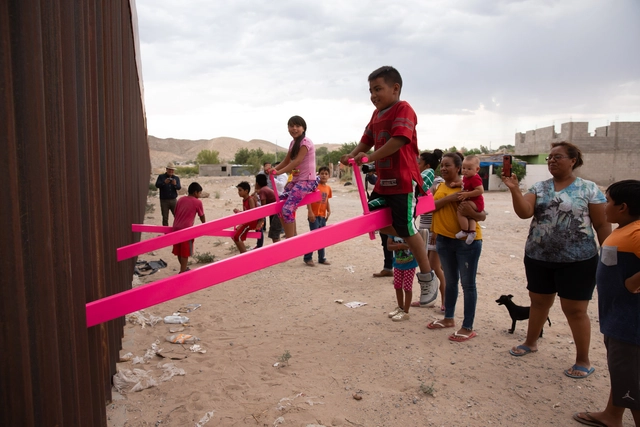
Mexico, a North American country spanning over 1,964,375 km2, features a vast mosaic of different cultures that extends far beyond its geographical boundaries. Nowhere is this diversity more evident than along the 3,141km border stretching from the Gulf of Mexico to the Pacific Ocean, running through 48 counties within the United States and 94 municipalities within the Mexican states.
Shelter Architecture: The Subjective Aspects of Migrant and Refugee Settlement Projects

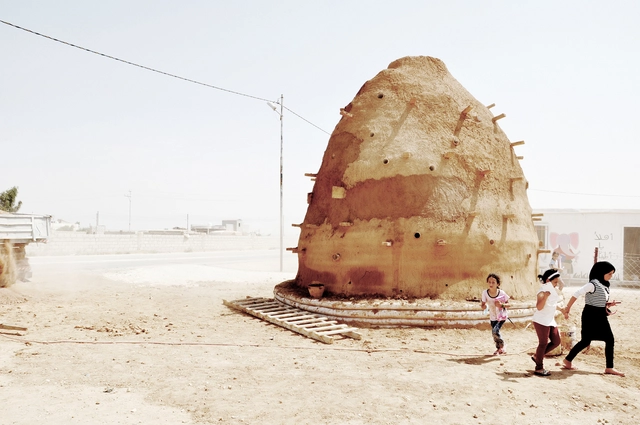
UNHCR, the UN Refugee Agency, estimates that global forced displacement surpassed 80 million in 2020, which is more than one percent of humanity. Five countries account for 67 percent of people displaced across borders: Syria, Venezuela, Afghanistan, South Sudan, and Myanmar. Reasons can vary from war conflicts to economic, political, or environmental conflicts and crises.

Community Kitchens: The Challenge of Generating Roots in Displaced Communities

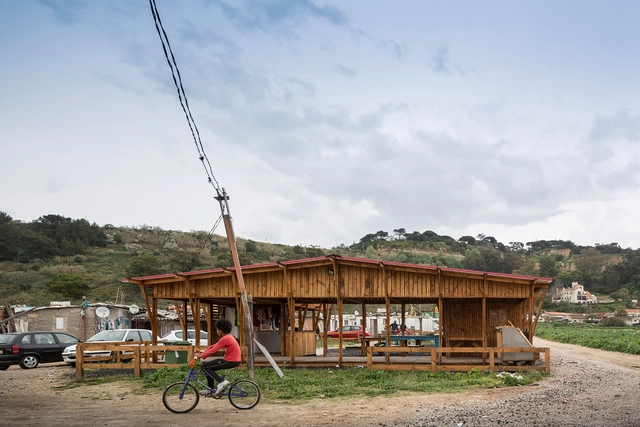
Displacement implies uncertainty, uprooting, and instability, in addition to the loss of community, privacy, and physical and emotional orientation. Addressing these needs through appropriate architectural responses can help displaced communities regain social, economic, and environmental well-being. In this context, community kitchens are designed to help generate a sense of belonging and "normality" in domestic lives.

A Climate Conversation: The Role of Architecture in Shaping a Sustainable African Future

When we think of migration, we think of movement. We think of the movement of people simply looking for greener pastures – a better life for themselves. But we also think of war, of conflict, of an unstable situation in a specific place forcing the hand of a location’s residents to seek safety elsewhere. Historically and into present day, war has been the reason for the increased presence of refugees. Instability in places such as Syria, Iraq, or the Central African Republic have caused millions to flee their homes. Lurking amongst this migration due to conflict, however, is the migration of people at mercy of the changing environmental conditions of the Earth – climate migration.

Material Migration: How Architecture Transforms Between Borders

How materials move shapes both architecture and how we design. While architects often consider both material sourcing and manufacturing, the physical products and assemblies themselves also move and adapt as they cross geographic and national lines. How materials migrate, and in turn design ideas themselves, tells a story of architecture that transcends construction and climate, as well as borders both real and imagined. 

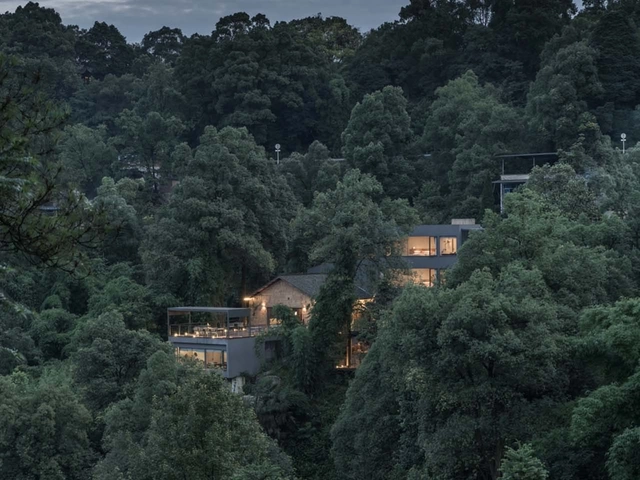
Escaping the Urban Jungle: 10 Exemplary Design of Guesthouses in China

A border city can be classified as an urban agglomeration close to the boundary of two countries, states, or regions. Nowadays, as our cities are rapidly expanding and our transportation modes continually upgrading, the boundary between cities and rural areas has been constantly pushed and redefined.

Invisible Cities: Rethinking the Refugee Crisis Through Design

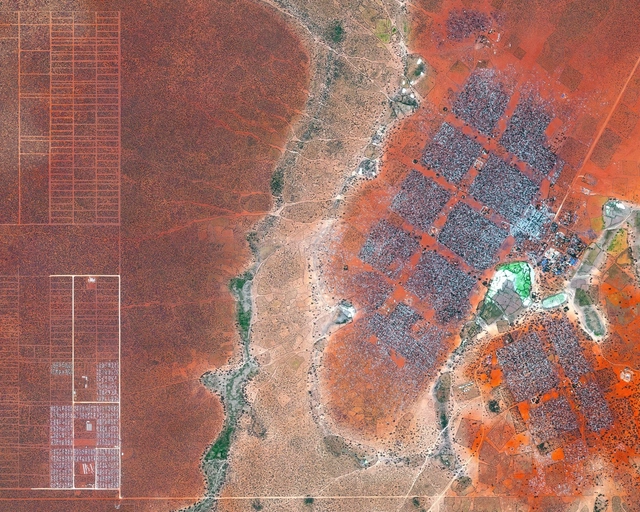
What do Katuma, Hagadera, Dagahaley, Zaatari or Ifo bring to mind? They are truly beautiful names, and could easily belong to Italo Calvino's 55 invisible cities.

Before “Colonial” There Was Immigrant Architecture in North America

There is an architecture of the migrant. It is survivalist, built with what is available, made as quickly as possible, with safety as its core value. Americans romanticize that architecture as “Colonial”: simple timber buildings, with symmetric beginnings, infinite additions, and adaptations. But “Colonial” architecture is not what was built first by the immigrants to a fully foreign land 400 years ago. Like all migrant housing, time made it temporary and forgotten.

The Pervasive Influence of Swahili Architecture

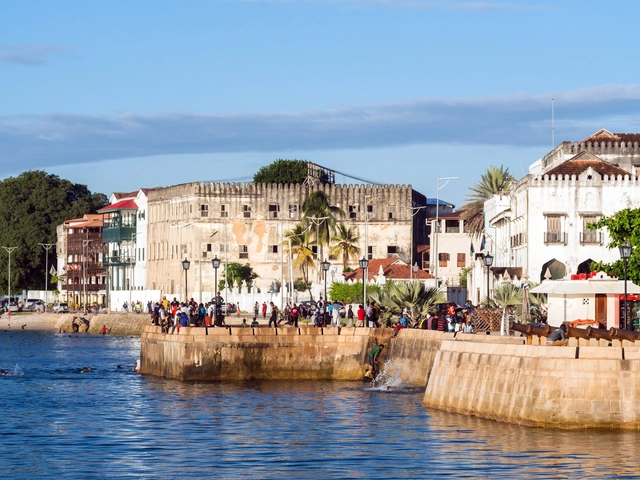
The African continent has been - throughout history – a key player in the ever-evolving story of human migration. Cultures and customs have been shared, adapted, and re-imagined as a result of this movement of populaces, and architectural styles are no exception. In a way, the varied architecture present in Africa is a lens one can look at to understand the intricacies of migration. Present on the continent are ancient indigenous and building typologies born out of the organic assimilation of cultures. Also present are remnants of colonial architecture, a legacy not of voluntary migration, but of forced colonial imposition.

Brain Drain or Brain Gain? How Architecture Has Become a Tool for Migration

Migration across towns, cities, states, countries, and continents is part of everyday life. As we move to seek out new opportunities in our personal and professional lives, our individual choices actually have greater impacts on the large, highly-interconnected socio-economical systems around the globe. Moving from a small farm town into a major metropolis, or from one continent to another comes with more implications than you may think- and architecture, paired with the concept of “Brain Drain”, might be helping to pull the strings behind the scenes, influencing you to go from one place to the next.

Shrinking Cities: The Rise and Fall of Urban Environments

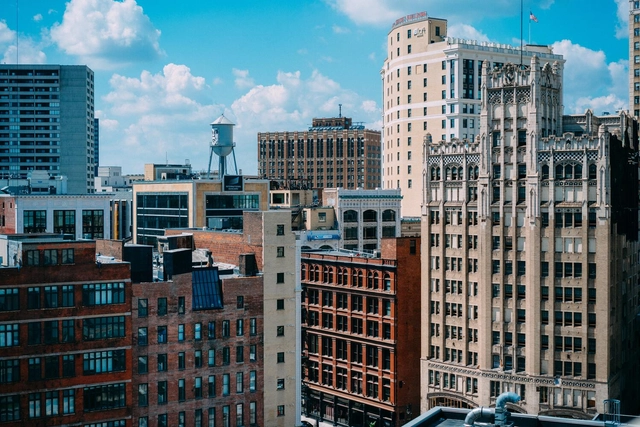
Urban planning is often based on the assumption of ongoing demographic and economic growth, but as some environments face urban shrinkage, a new array of strategies comes into play. The shrinking city phenomenon is a process of urban decline with complex causes ranging from deindustrialization, internal migration, population decline, or depletion of natural resources. Referencing the existing research on the topic, the following showcases approaches to this phenomenon in different urban environments, highlighting the need to develop new urban design frameworks to address the growing challenge.

Cities Within Cities: Chinatown Around The World

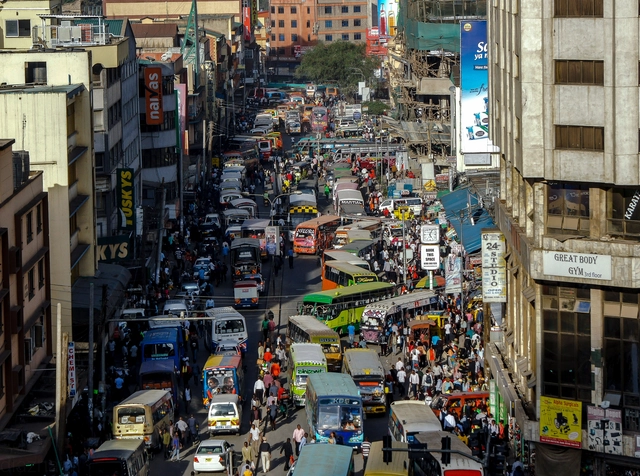
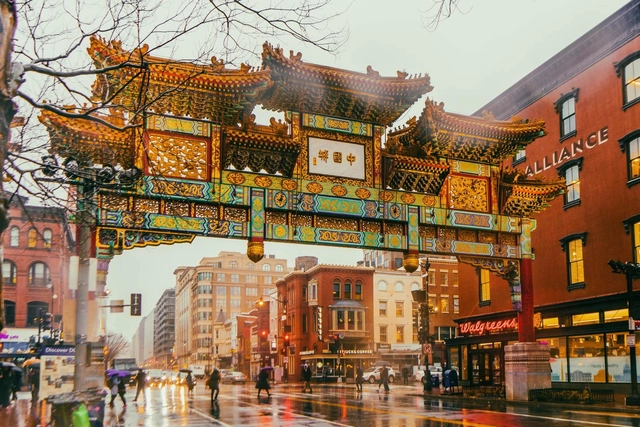
The global landscape of today has been moulded by centuries and centuries of human migration. This movement of people, of individuals and communities travelling far away from their place of origin to eke out better lives for themselves, has seen the evolution of the architectural and urban character of cities – moulded by the diverse influences fuelled by migration. This has meant that around the world, enclaves have popped up in cities, migrants carving out spaces for themselves which have a different character to other areas of a city.

7 National Pavilions at the 2021 Venice Biennale that Explore Migration and its Impact on Built Environments

Several recurring qualities and topics were explored at the 17th Venice Architecture Biennale, answering curator Hashim Sarkis' question of "How Will We Live Together". Sarkis called upon architects “to imagine spaces in which we can generously live together”, spaces that are unbound by spatial or social contracts, and are flexible enough to welcome individuals and make them find a sense of belonging in an entirely different habitat. Unlike decades ago, migration today is no longer considered as relocating from rural areas to cities, where people needed to be in proximity to their workplaces. Technological advancements, new work modules, and most notably the pandemic altered the way people perceive spaces, making it possible to complete at least 85% of day-to-day responsibilities from practically anywhere in the world. What we have learned from previous cases, and what we are observing now, is that the built environment needs to be flexible.

Stay, Fight, or Flee: Considering Climate Migration

This article was originally published on Common Edge as "Considering Climate Migration".

Beyond Refugee Housing: 5 Examples of Social Infrastructure for Displaced People

Throughout human history, the movement of populations–in search of food, shelter, or better economic opportunities–has been the norm rather than the exception. Today, however, the world is witnessing unprecedented levels of displacement. The United Nations reports that 68.5 million people are currently displaced from their homes; this includes nearly 25.4 million refugees, over half of whom are under the age of eighteen. With conflicts raging on in countries like Syria and Myanmar, and climate change set to lead to increased sea levels and crop failures, the crisis is increasingly being recognised as one of the foundational challenges of the twenty-first century.