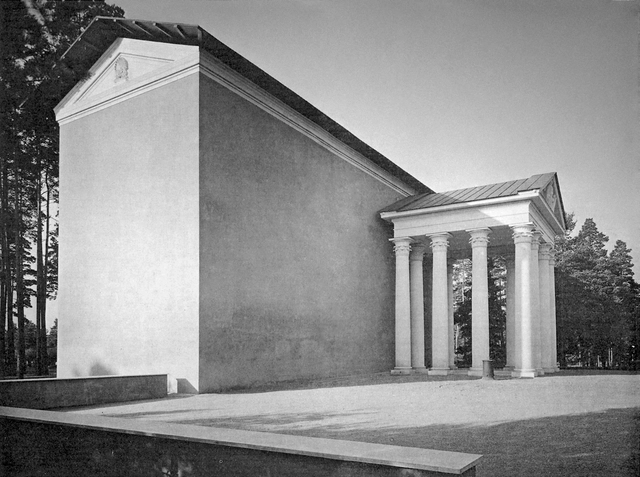
Creating Architectural Value through Aesthetics

Humans try very hard to make the inexplicable understood. Our spirituality becomes religion. Fairness becomes law. And what delights us becomes aesthetics, and aesthetics are dumbed down to “style” in fine arts and architecture. The description, then definition, of aesthetics enables us to judge, and hopefully, control what thrills us: "Styles may change, details may come and go, but the broad demands of aesthetic judgement are permanent". -- Roger Scruton
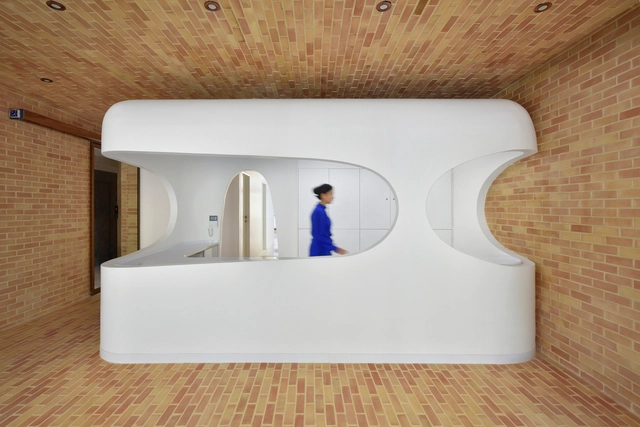
Subverting Traditional Dental Clinic Aesthetics: 9 Projects That Go Beyond Expectations

Just like hospitals and medical offices, dental clinics are places that tend to bring anxiety and anguish to patients, reactions that can be intensified in an unfriendly and unwelcoming environment. White and neutral environments can bring the notion of asepsis and hygiene, essential requirements for hospital architecture. However, the lack of welcoming elements, such as the use of warmer colors and materials, may also be responsible for causing a certain distance between professionals and patients, in addition to reinforcing the stereotypes attributed to dental clinics.

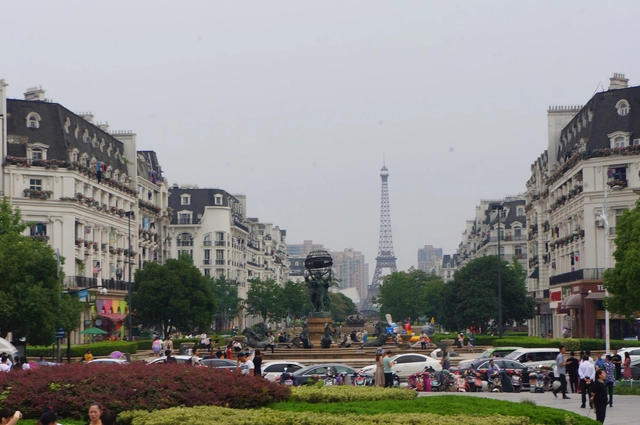
Copycat: Why Is Copying a Style Bad for Cities?

CopyCat is the act of emulating something that's already been created and using it in a different context. Copycats can exist in music, arts and design; but they are not exactly a design inspiration or a style reference, but rather a literal copy with almost no modification of the original work.

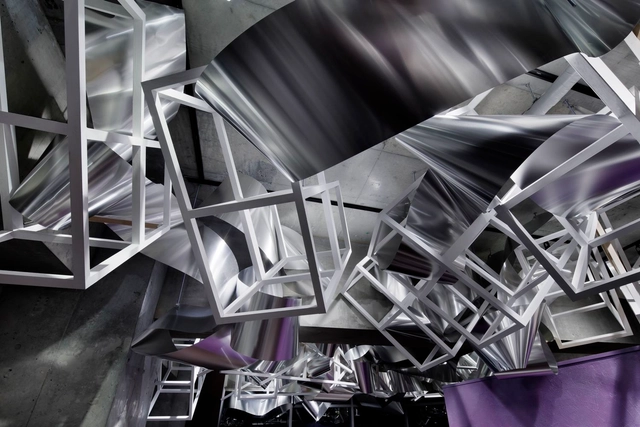
How Lighting Evokes Emotion and Creates Atmospheres: A Focus on Moriyuki Ochiai Architects

Le Corbusier once stated that “Light creates ambiance and feel of a place, as well as the expression of a structure.” Despite other external technicalities and design choices made within public spaces, such as the way the space is constructed and the use of color and materiality, these elements would essentially be rendered useless without the proper use of lighting.

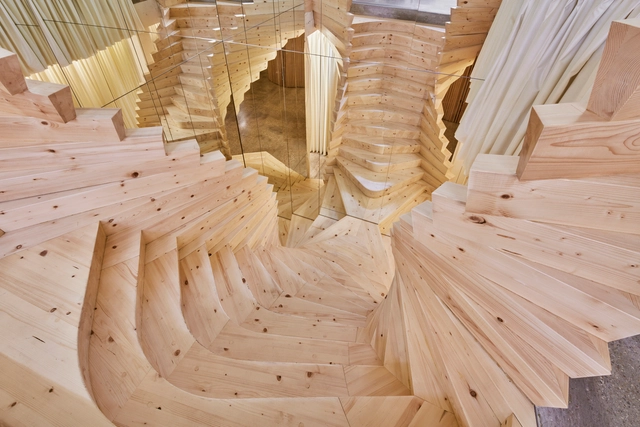
The History of the Penrose Stair and its Influence on Design

Stairs in architecture are oftentimes a design focal point- the heavyhandedness in creating something that moves us from one level to the next, up and down repeatedly, something so simple and familiar with a twist is what makes the experience of traversing a stair so unique. Our obsession with stairs and the level of illusion that they create in architecture perhaps stems from the way that they’re able to twist the optics and perceptions of space. We understand that they transport us in one direction or another, but can stairs ever be circular? Is it possible to go up and down for eternity? 

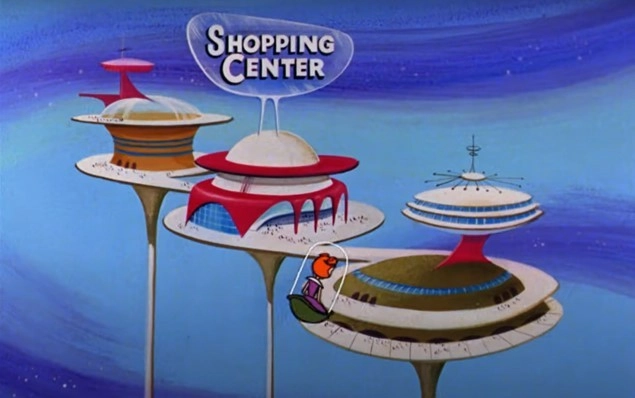
The Space Age Aesthetic: Influencing Architecture and Interiors

The dawn of nuclear power, dramatic advances in rocketry, and the desire to be the first to put men into space and on the moon, kick-started an era known as the ‘Space Age’. Upon the closure of WW2, both the Soviets and the Allies found themselves in a state of antagonism, as they both began to struggle to make advancements in space exploration before the other, a race for space. The era would give way to rapid advancements in technology and huge accomplishments including the moon landing in 1969. The Space Age aesthetic completely changed the way designers visualized the new world and left a dramatic impression on architecture and interiors. A new vision of futurism and prosperity.

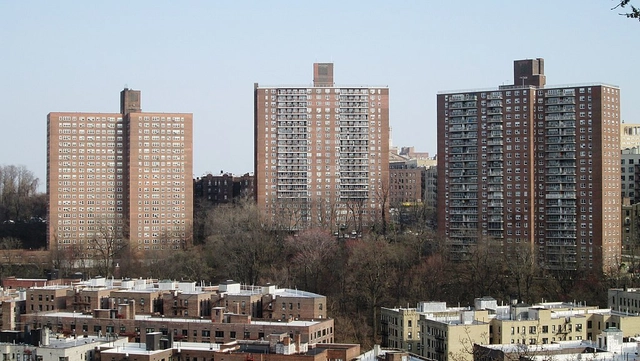
Breaking Down the Stigma Around the Aesthetics of Affordable Housing

In the world of design and urban planning, aesthetics and functionality seem to take the spotlight, especially in how large-scale housing projects are developed. While this can be a good thing that continuously pushes the modern boundary of what we consider to be a dwelling, in some aspects, it has shined a negative light on how we perceive and stigmatize “bad design” in public and affordable housing, the socioeconomic factors that have created the need for it, and the types of residents who benefit most from these types of housing policies.