Defining Afro-Contemporary Homes: The Role of Case Study Houses

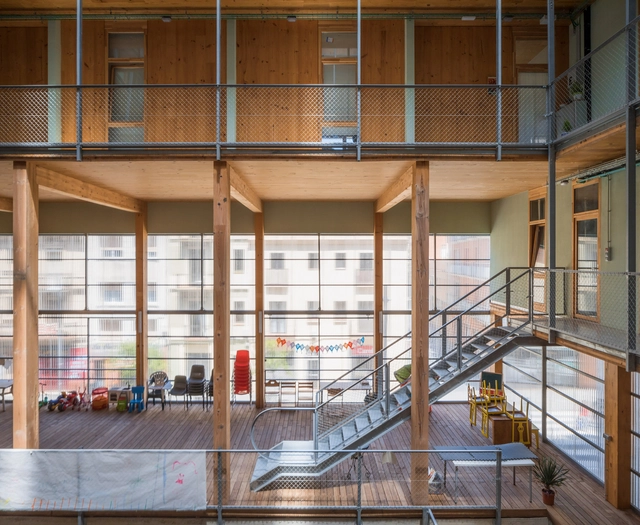
The home is a fundamental expression of architectural movements within the fabric of a city. As one of the smallest typologies, it is the simplest canvas to exhibit the design ethos of any particular era. African cities have continuously negotiated the meaning of their residential dwellings, from traditional architecture to colonial architecture, and the influx of post-colonial modern architecture. Vernacular architecture explored homes with spatial patterns rooted in cultural dexterity, envelopes built with indigenous materials and forms, endowed with traditional motifs. These were in stark contrast to colonial homes that featured a range of imported architectural styles across the continent, neglecting their climatic and cultural contexts while amplifying social class.
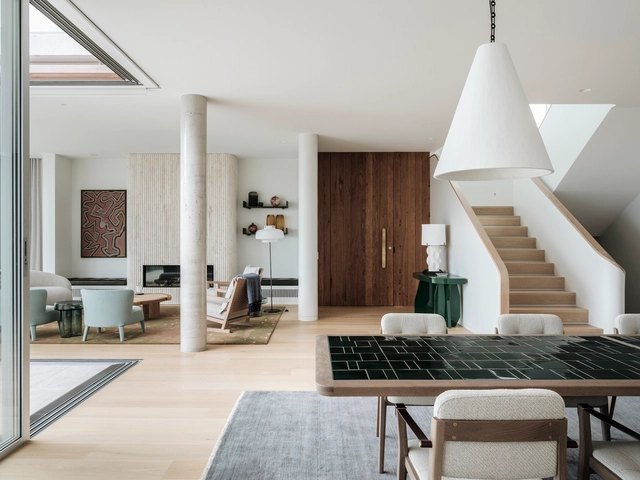
Are Living Rooms Still Relevant? 16 Projects that Explore how these Private Gathering Spaces Adapt to the Contemporary Home

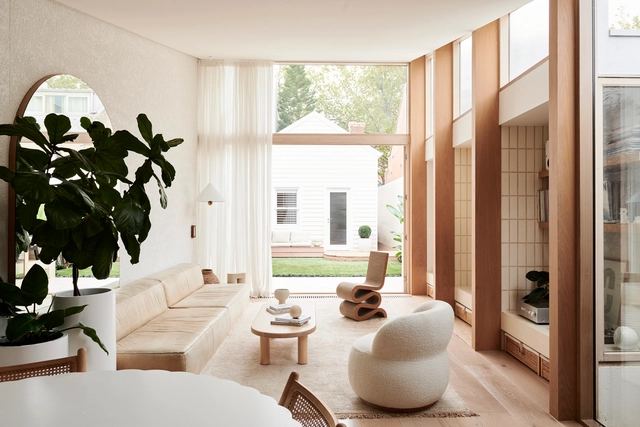
Today, architecture has become - or is in the process of becoming - more flexible and individualistic to accommodate people's diverse lifestyles and spatial needs. With this adaptation, the residential typology has changed and living rooms have become endangered. Many insist on the need of having a space dedicated to relaxation and leisure, while others claim it is simply a waste of space and money. This debate raised an important question: do we still need living/sitting rooms? In this interior focus, we will look at how living rooms evolved through the years, and how architects readapted and integrated the concept of “gathering space” in contemporary residential architecture.

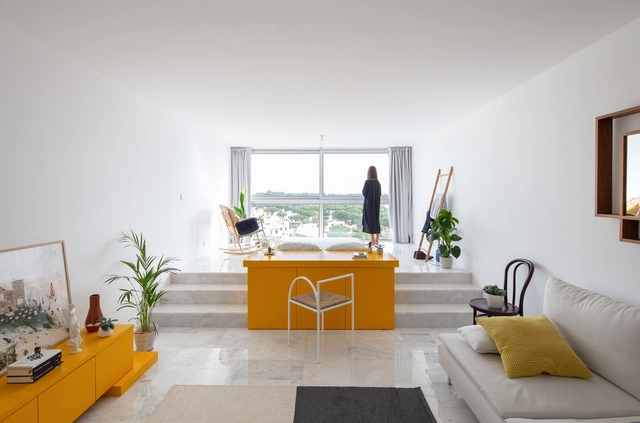
Multifunctional Spaces: Integrating Home Environments With Countertops

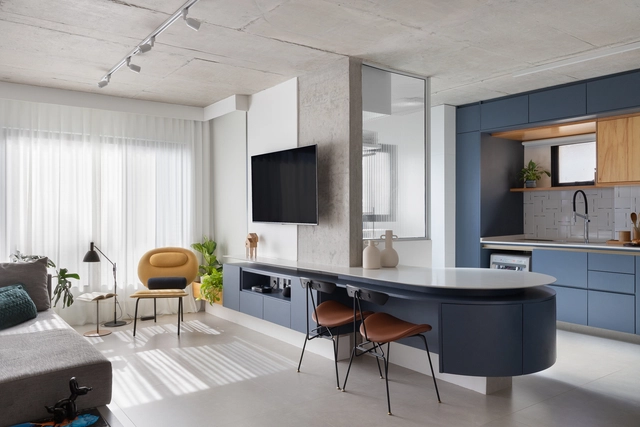
Flexibility and open spaces are themes in contemporary house design. Multifunctional spaces and creative storage solutions are more than welcome when seeking easily adaptable environments to meet owners' constantly changing needs. To give you some fresh inspiration, we have selected ten projects that feature countertops that integrate different programs and serve more than one function in the home.

Finding the Indian in Contemporary Residential Architecture

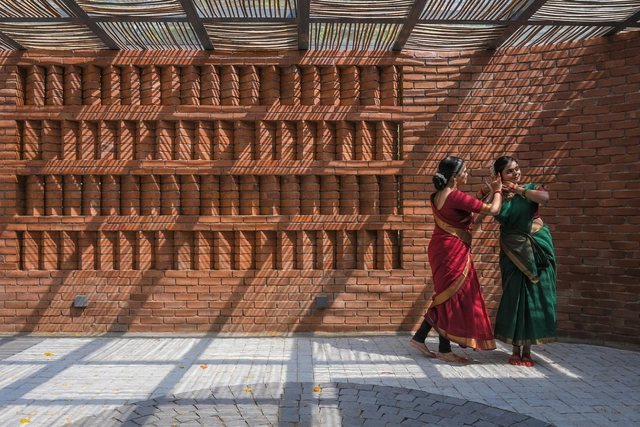
Contemporary Indian design culture can aptly be described with one word - fusion. A close look at the trends in fashion, cinema, music, and art soon reveals the country’s aspirations as a globalized nation. Reveling in a new era, India’s art and design appear as a combination of influences from traditional life and the Western world. A “neo-Indian” image informs multiple forms of cultural expression, including architecture and interior design. As Indians and Indian architecture carve the country's place in the world, a new design trend flourishes - one that is driven by modern lifestyles, international influences, a colonial past, and a desire to stay connected to its roots.

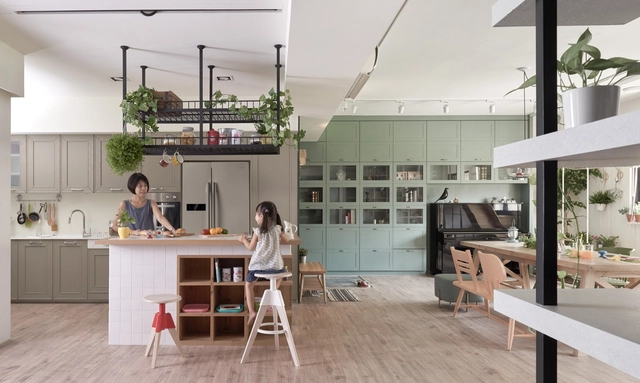
5 Typologies of Multigenerational Family Homes

Rising living costs are relevant hurdles to young people, seeking a place to live, while much older generations might find it more difficult to settle into comfortable post-retirement settings. These general issues have been pushing forth a recurring solution, namely a return to multigenerational family living. 

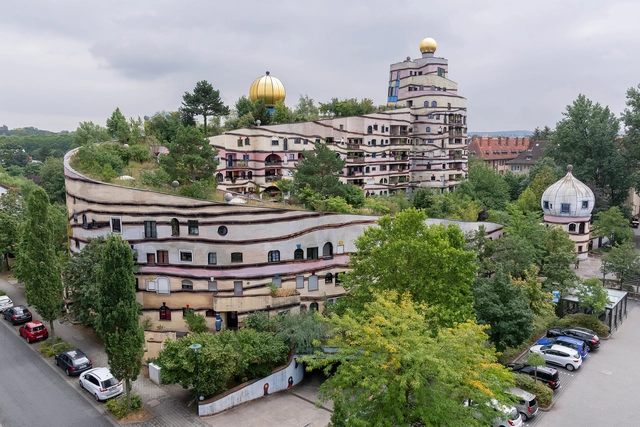
The House as Skin: Bringing Hundertwasser Into the 21st Century

"I am tolerant. But I revolt. I accuse. It is my obligation. I am alone. Behind me there's no dictatorship, no party, no group, nor any mafia — neither a collective intellectual scheme nor an ideology. The green revolution is not a political revolution. The base sustains it and is neither minority nor elitist. It is a creative evolution in harmony with nature and the universe's organic course."

Disruptive Materials and Finishes for Future Home Interiors

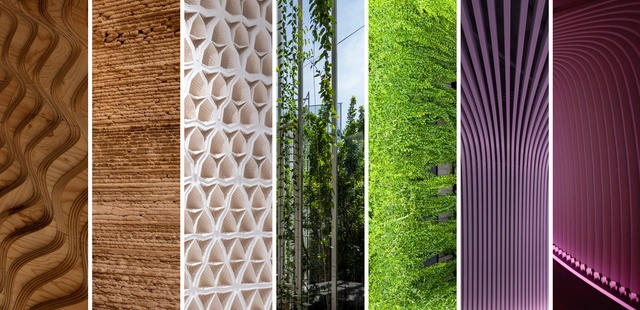
How are contemporary homes pushing the boundaries of innovation for the future? Currently, these spaces tend towards clean lines, neutral colors and flexible spaces, with the integration of technological features and automation. But even though there are certain timeless features that define neutral contemporary interiors, we can begin to identify future trends by analyzing architectural projects that differ from the traditional, recognizing disruptive interior materials and finishes guided by technological advances that are shaping complex and changing homes of the future. The selection of these innovative materials conveys a meticulous decision process in building the structure and identity of a space. Depending on the context and typology of a space, there is a growing awareness of how materials impact an environment, and how new technologies are creating smart solutions that can mitigate their effects indoors.

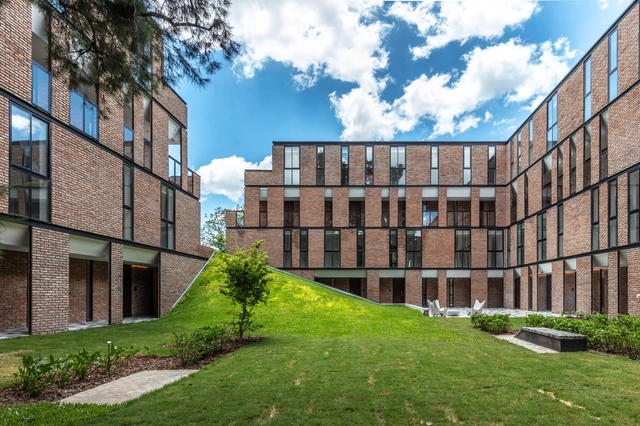
Between Architecture and Landscape: Contemporary Collective Housing in Latin America

What role does landscaping play in contemporary housing? In what ways can architecture and landscaping be integrated into a whole? Considering the incorporation of landscaping from the beginning of the architectural project has become a defining aspect and even a challenge for many architects, aiming to improve the quality of life of their inhabitants and contribute to the protection and care of the environment.

5 Ways Architects and Designers Can Make Modern Homes More Inclusive

Throughout the past decade, human civilization has become so ‘woke’ we’ve administered a new word for it. And while this new-found wokeness derives from the quest to spotlight the inherent, yet previously ignored by many, racial social, and political injustices and behaviors in our lives during the early #blacklivesmatter movement, in more recent times it has come to stand for the calling out of all categories of injustice.

How Does Artificial Intelligence Perceive the Contemporary Home? Different Perspectives from 15 Countries

To think about how we inhabit is to think about architecture. If the primal need for shelter gave rise to the discipline, today, housing remains one of architects' most significant concerns. Providing comfort, seeking innovative materials, respecting memory, transforming culture - multiple layers intersect in a residence's design. Therefore, imagining the synthesis of the contemporary home is a great challenge. In search of new perspectives, we collaborated with Ulises Design Studio to understand how Artificial Intelligence (AI) perceives the contemporary home in the context of 15 different countries. Among data that touches on facts of reality and fiction, the pictures that emerge can bring inspiration and important reflections on spatial practice and the creation of its images.

Evergreen Design Elements that Define Contemporary Interiors: 7 Features that Last the Test of Time

When it comes to forward-thinking interior design, adaptability, and timelessness are two key factors that can guarantee a home will look just as current years from now as it does today. One interior style that makes use of them more than any other is: contemporary. By borrowing elements from several prominent styles and combining them into a harmonic whole, contemporary interiors stay current even as trends move on. But what are the components that remain constant even with this ever-changing fashion? We explore seven evergreen design elements that define contemporary interiors.

All Purpose Homes: Are Residential Spaces Taking Over the Role of First, Second, and 'Third Places'?

Dwellings can be understood as the most significant and primary form of architecture, as the house is intimately related to the idea of shelter, one of humanity’s basic needs. In the words of architect Mario Botta, “As long as there is a man who needs a house, architecture will still exist.” Yet, in spite of its ubiquity, or perhaps because of it, an exact definition of a home is difficult to find. Throughout history, different functions and spaces have been added and subtracted from this unit, reflecting directly the character of the society that produced it.

Light Matters: Richard Kelly, The Unsung Master Behind Modern Architecture’s Greatest Buildings

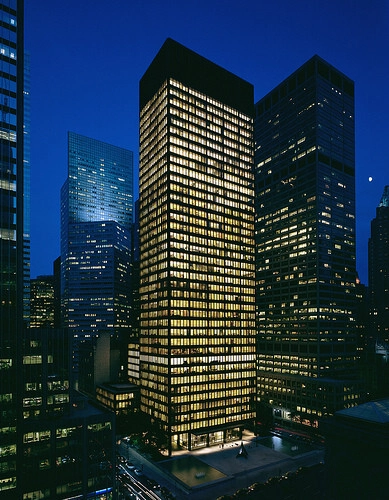
Richard Kelly illuminated some of the twentieth century’s most iconic buildings: the Glass House, Seagram Building and Kimbell Art Museum, to name a few. His design strategy was surprisingly simple but extremely successful.

Design Competitions: A Tool for Shaping the Contemporary Home

 | Sponsored Content

To live in a world surrounded by the constant rise of new challenges calls for adaptability, resilience and continuous learning. As a response, design competitions encourage architects to think outside the box to create innovative solutions. Both for theoretical and practical projects, these competitions provide a collaborative platform to promote innovation and creativity to solve contemporary challenges. Such is the case of Buildner, which develops a space for showcasing open architecture competitions to discover new architectural possibilities.

Branded Co-living: A Space for Community or Conformity?

Dramatic societal transformations- such as pandemics and technological advancements - call for dramatic shifts in lifestyles. Architects keep up by exploring and proposing new models of housing, each iteration catering to society’s latest needs. The co-living model is one such example that has become a roaring success over the past few decades. Redefining the way people live, co-living seeks to provide a form of cost-effective social housing. Although widely targeted at younger generations, the co-living industry is evolving to cater to various niche groups.

Living Small: Furniture and Accessibility

The Youtube channel Never Too Small boasts 2.25 million subscribers — a platform featuring the imaginative manipulation of space in tiny footprints. Videos of micro-apartments, in Paris, London, and beyond, get views in the millions. Clearly, there is a demand for content geared towards living small, as a global housing crisis has precipitated the ever-dwindling availability of affordable, larger-footprint residences in urban areas. Architects, working in this constrained contemporary reality, have been necessitated to make the most out of limited space, configuring sub-40 square-meter floor areas to create a non-claustrophobic spatial experience.

Redefining Domestic Spaces of the Future: 14 Projects in Europe

Unconstrained by the dogmas of established offices, new architectural practices can often challenge building norms and redefine living standards. The Young European Architecture Festival (YEAH!) is an event dedicated to highlighting these new and emerging practices and bringing their contributions to the built environment into focus. Many of these practices are challenging and redefining typologies of residential architecture. They are building upon ideas such as cooperative housing schemes, community-initiated developments, and circular economy. Others are exploring local identities and resources as a way to reinvigorate the profession while creating respectful and regionally relevant works of architecture.