1. ArchDaily
  2. Architecture

Architecture: The Latest Architecture and News

Contemporary Architecture and the Modern City

This article was originally published on Common Edge.

"O beautiful, for spacious skies, for amber waves of grain, has there ever been another place on earth where so many people of wealth and power have paid for and put up with so much architecture they detested as within thy blessed borders today?"

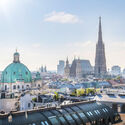
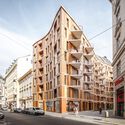
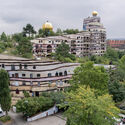
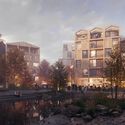
Tom Wolfe wrote this in his 1981 book From Bauhaus to Our House. The conflict between modern and traditional design has barely abated since, as is evident in this recent article. In the U.S., modern buildings are often met with community aversion, for familiar reasons: their perceived coldness and lack of contextual sensitivity, the impact on local character, and the loss of historical continuity. But on another level, the critique against modern design finds even more purchase on the larger scale: the city. Modern U.S. cities reek of traffic congestion and pollution, social inequality and gentrification, a loss of community and cultural spaces, and a lack of usable open space.

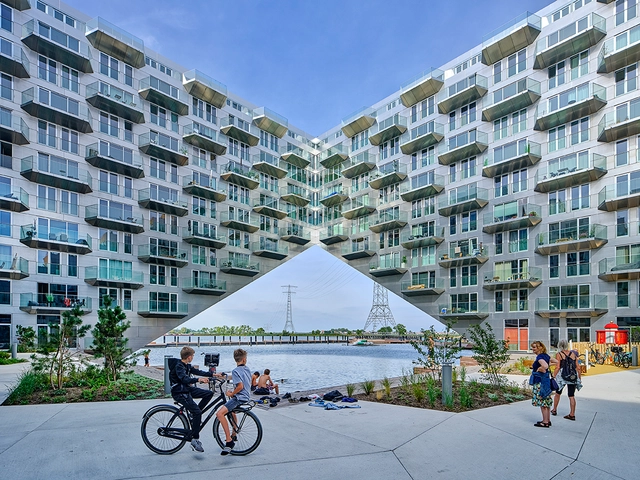
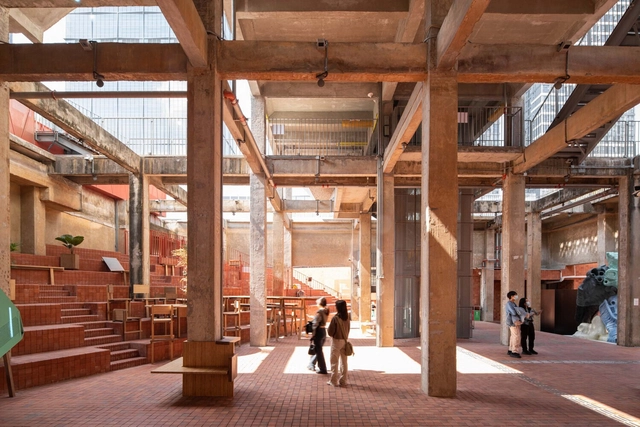
Contemporary Architecture and the Modern City - Image 1 of 4Contemporary Architecture and the Modern City - Image 2 of 4Contemporary Architecture and the Modern City - Image 3 of 4Contemporary Architecture and the Modern City - Image 4 of 4Contemporary Architecture and the Modern City - More Images

AD Classics: Interdesign Building / Khalil Khouri

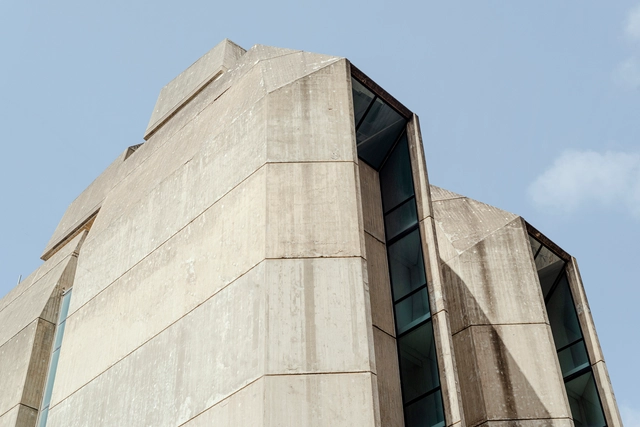
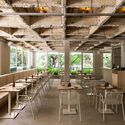
In Beirut, a city marked by transformation, the Interdesign Building echoes the vision of an architect steadfast in his conviction. Designed by Lebanese architect Khalil Khouri in 1973 during a period of economic growth, the building took 23 years to build, a process halted by the onset of the Lebanese Civil War. By the time it was completed in 1996, the urban landscape that surrounded it had changed. The structure has stood largely unused since, as a relic of hopeful modernity. While its design is singular in its narrative and expression, this structure illustrates the tension between aspiration and struggle throughout its complex history.

AD Classics: Interdesign Building / Khalil Khouri - HeritageAD Classics: Interdesign Building / Khalil Khouri - Exterior Photography, Heritage, FacadeAD Classics: Interdesign Building / Khalil Khouri - Interior Photography, Heritage, Stairs, ChairAD Classics: Interdesign Building / Khalil Khouri - Interior Photography, Heritage, Kitchen, FacadeAD Classics: Interdesign Building / Khalil Khouri - More Images+ 26

Foster + Partners Reveals Details of the Euro American Innovation City in Hangzhou, China

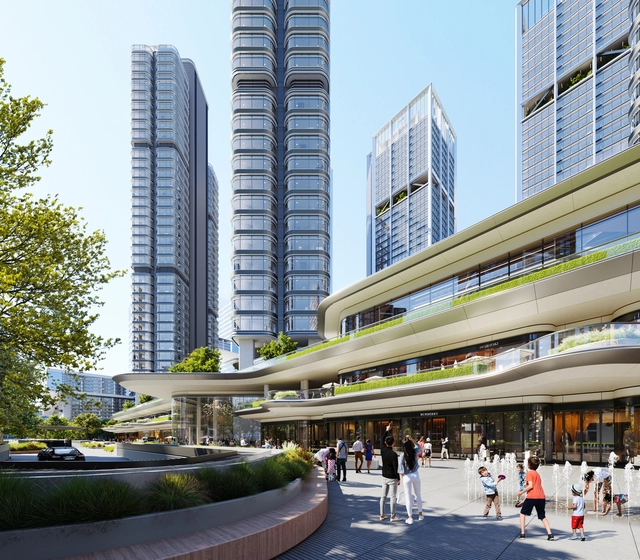
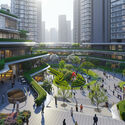
Situated in Hangzhou's Central Business District, the Euro American Innovation City is a mixed-use development designed by Foster+Partners to become a dynamic addition to the city. The 346,450 square-meter project includes two 200-meter-high office towers and four high-rise apartment buildings, complemented by a public plaza, an IT incubator, and a retail mall on the lower levels. Construction is currently progressing in phases, with the first phase nearing completion next month and the second set to finish by year-end, while the entire project aims for completion in September 2025.

Foster + Partners Reveals Details of the Euro American Innovation City in Hangzhou, China - Image 1 of 4Foster + Partners Reveals Details of the Euro American Innovation City in Hangzhou, China - Image 2 of 4Foster + Partners Reveals Details of the Euro American Innovation City in Hangzhou, China - Image 3 of 4Foster + Partners Reveals Details of the Euro American Innovation City in Hangzhou, China - Image 4 of 4Foster + Partners Reveals Details of the Euro American Innovation City in Hangzhou, China - More Images+ 7

KPF Designs 2045 Master Plan for the University of Birmingham Campus in United Kingdom

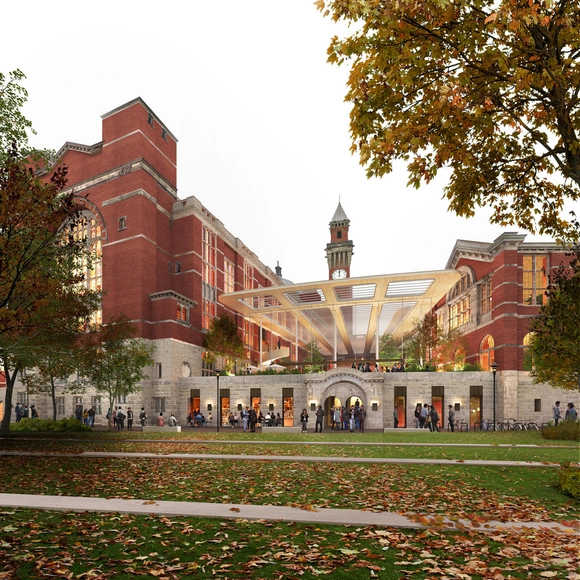
Kohn Pedersen Fox (KPF) has just unveiled its 2045 Campus Vision for the University of Birmingham, a plan designed to shape the future of the institution. This framework evaluates the university’s portfolio of over 300 buildings, identifying areas for retention, refurbishment, transformation, or replacement to support its goal of becoming a net-zero, future-ready university. Developed in collaboration with Ayers Saint Gross, the 2045 Campus Vision leverages data on building conditions, operational costs, environmental performance, and space utilization. In fact, this data-driven approach aims to help the university achieve its long-term objectives while maintaining its historical legacy.

KPF Designs 2045 Master Plan for the University of Birmingham Campus in  United Kingdom - Image 1 of 4KPF Designs 2045 Master Plan for the University of Birmingham Campus in  United Kingdom - Image 2 of 4KPF Designs 2045 Master Plan for the University of Birmingham Campus in  United Kingdom - Image 3 of 4KPF Designs 2045 Master Plan for the University of Birmingham Campus in  United Kingdom - Image 4 of 4KPF Designs 2045 Master Plan for the University of Birmingham Campus in  United Kingdom - More Images+ 5

Revitalizing Urban Ecosystems: 4 Projects Reconnecting Cities with Their Water Heritage

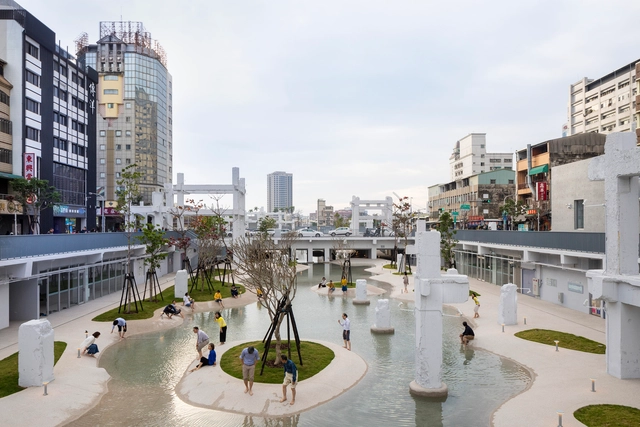
Water architecture has always been important throughout human history. From the aqueducts in ancient Rome to the grand canals of Venice, water has not only sustained life but also played an important role in shaping the urban environment. It has facilitated trade, nourished agricultural lands, and provided a sense of place and identity to different communities. Despite water's historical role, during the 20th century, many cities chose to bury their waterways underground, primarily for safety and hygiene reasons, as these channels often served as open sewers.

In today's rapidly urbanizing world, where cities dominate the landscape, water is being rediscovered as a means of ecological regeneration. There is a growing movement to reopen and re-naturalize urban waterways to restore them as vital ecological corridors within the city. More and more cities are now looking towards the water in an attempt to reconnect with nature and create spaces where urban life and natural ecosystems can coexist harmoniously. This growing trend reflects a deeper understanding of water not just as a resource, but as a bridge to a more sustainable and resilient future for our cities.

Revitalizing Urban Ecosystems: 4 Projects Reconnecting Cities with Their Water Heritage - Image 1 of 4Revitalizing Urban Ecosystems: 4 Projects Reconnecting Cities with Their Water Heritage - Image 2 of 4Revitalizing Urban Ecosystems: 4 Projects Reconnecting Cities with Their Water Heritage - Image 3 of 4Revitalizing Urban Ecosystems: 4 Projects Reconnecting Cities with Their Water Heritage - Image 4 of 4Revitalizing Urban Ecosystems: 4 Projects Reconnecting Cities with Their Water Heritage - More Images

Retrofitting Brazilian Buildings: Sustainability and Innovation in Downtown São Paulo

Subscriber Access | 

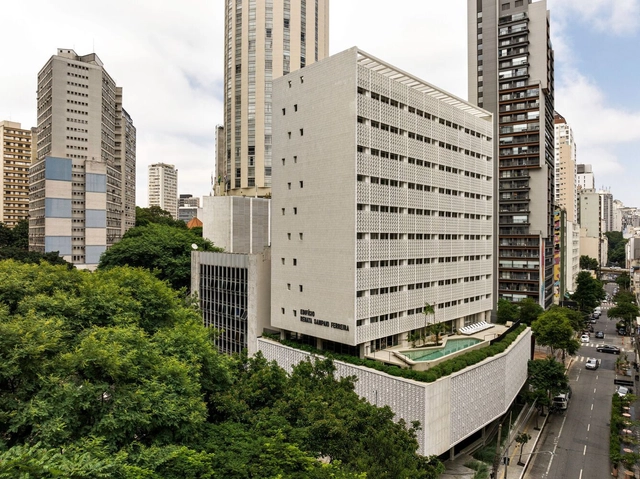
The term "retrofit," unlike rehabilitation or restoration, has been adopted by the market to address technological upgrades in existing buildings. These projects focus on aligning constructions with local technical standards and adapting spaces to be more functional and sustainable, meeting current demands.

Retrofit has become a key practice in contemporary architecture, standing out for its ability to revitalize existing buildings without the need for demolition while offering significant economic and social benefits. This approach is gaining ground in the architectural field, driven by iconic projects and public and private initiatives.

Retrofitting Brazilian Buildings: Sustainability and Innovation in Downtown São Paulo - Image 1 of 4Retrofitting Brazilian Buildings: Sustainability and Innovation in Downtown São Paulo - Image 2 of 4Retrofitting Brazilian Buildings: Sustainability and Innovation in Downtown São Paulo - Image 3 of 4Retrofitting Brazilian Buildings: Sustainability and Innovation in Downtown São Paulo - Image 4 of 4Retrofitting Brazilian Buildings: Sustainability and Innovation in Downtown São Paulo - More Images+ 10

"Embodied Carbon Declared" Platform Exposes CO2 Emissions in Sweden's Construction Industry

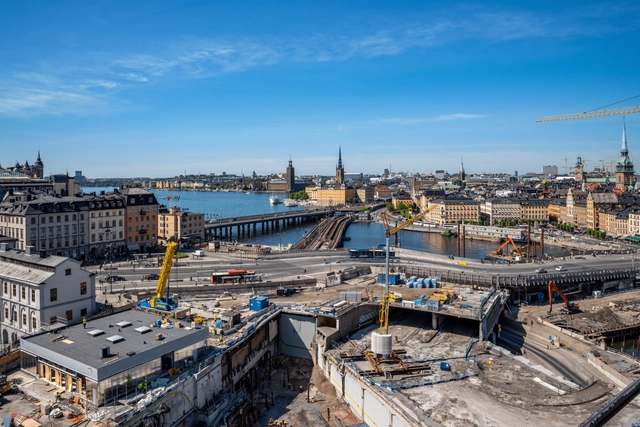
ACAN Sweden, in collaboration with Differ Agency, has launched "Embodied Carbon Declared," an online platform that actively reveals CO2 emissions data from new construction projects across Sweden. The platform categorizes and presents emissions data in four key areas: Projects, Municipalities, Developers, and Building Types. It provides detailed measurements both in total and per square meter, offering an advanced level of transparency in the construction industry.

"Embodied Carbon Declared" Platform Exposes CO2 Emissions in Sweden's Construction Industry - Image 1 of 4"Embodied Carbon Declared" Platform Exposes CO2 Emissions in Sweden's Construction Industry - Image 2 of 4"Embodied Carbon Declared" Platform Exposes CO2 Emissions in Sweden's Construction Industry - Image 3 of 4"Embodied Carbon Declared" Platform Exposes CO2 Emissions in Sweden's Construction Industry - Image 4 of 4Embodied Carbon Declared Platform Exposes CO2 Emissions in Sweden's Construction Industry - More Images

Beyond Green Architecture: 5 Middle Eastern Projects Redefining Landscape Design

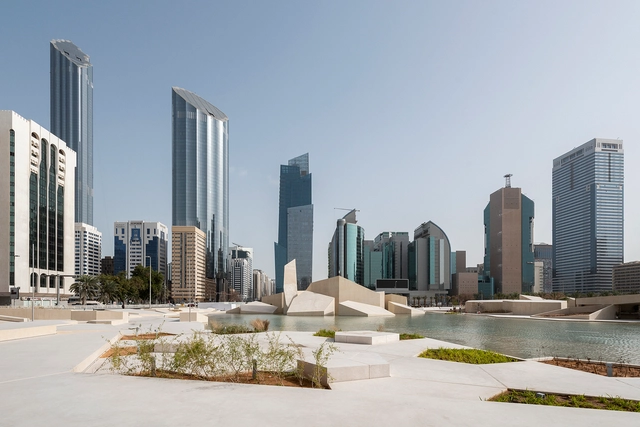
Landscape architecture has traditionally been associated with lush greenery, rooted in the historical development of gardens and parks as spaces that bring nature into urban areas. This connection to greenery is deeply ingrained in the origins of the field, where the creation of verdant retreats was seen as both aesthetically pleasing and beneficial to human well-being. However, in regions like the Middle East, where water scarcity and harsh climates are more prevalent, there is a growing trend toward using local materials such as sand, stone, minerals, and indigenous plants. This shift reflects a more sustainable approach, reimagining landscape architecture to align with the environmental and cultural contexts of the region.

Beyond Green Architecture: 5 Middle Eastern Projects Redefining Landscape Design - Image 1 of 4Beyond Green Architecture: 5 Middle Eastern Projects Redefining Landscape Design - Image 2 of 4Beyond Green Architecture: 5 Middle Eastern Projects Redefining Landscape Design - Image 3 of 4Beyond Green Architecture: 5 Middle Eastern Projects Redefining Landscape Design - Image 4 of 4Beyond Green Architecture: 5 Middle Eastern Projects Redefining Landscape Design - More Images+ 4

Advancements in Gender Equity and Racial Diversity in Architecture: 2024 NCARB Numbers Report Findings

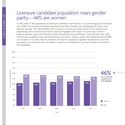
The National Council of Architectural Registration Boards (NCARB) released the 2024 edition of its “NCARB By The Numbers” report, an annual survey of the state of licensure in the United States. The numbers offer an overview of the architectural profession, showing the demographics of candidates pursuing architecture licensure. While the advancements in gender equity and racial diversity have been gradual, they highlight a positive trend supported by initiatives to make licensure more accessible to a diverse demographic, in hopes of promoting a more representative architectural community.

Advancements in Gender Equity and Racial Diversity in Architecture: 2024 NCARB Numbers Report Findings - Image 1 of 4Advancements in Gender Equity and Racial Diversity in Architecture: 2024 NCARB Numbers Report Findings - Image 2 of 4Advancements in Gender Equity and Racial Diversity in Architecture: 2024 NCARB Numbers Report Findings - Image 3 of 4Advancements in Gender Equity and Racial Diversity in Architecture: 2024 NCARB Numbers Report Findings - Image 4 of 4Advancements in Gender Equity and Racial Diversity in Architecture: 2024 NCARB Numbers Report Findings - More Images+ 7

Goettsch Partners Reveals Design for Nashville's Tallest Tower

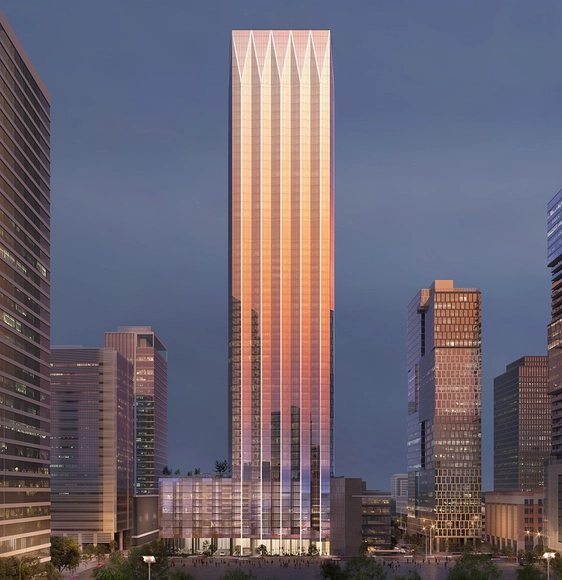
Goettsch Partners has just revealed the design for a new tower in Nashville, United States, which is set to become the city’s tallest structure. The building, named “Paramount,” will reach 750 feet across 60 stories, surpassing the current tallest, the 617-foot AT&T Building. Located in downtown Nashville, the Paramount will include 360 apartments, 140 condominiums, a 517-space parking garage, and a 60,000-square-foot expansion to the neighboring Downtown YMCA.

Goettsch Partners Reveals Design for Nashville's Tallest Tower - Image 1 of 4Goettsch Partners Reveals Design for Nashville's Tallest Tower - Image 2 of 4Goettsch Partners Reveals Design for Nashville's Tallest Tower - Image 3 of 4Goettsch Partners Reveals Design for Nashville's Tallest Tower - Image 4 of 4Goettsch Partners Reveals Design for Nashville's Tallest Tower - More Images+ 6

Mega-cities, Mega-projects, and Mega-slums: Exploring Urbanization in India

Subscriber Access | 

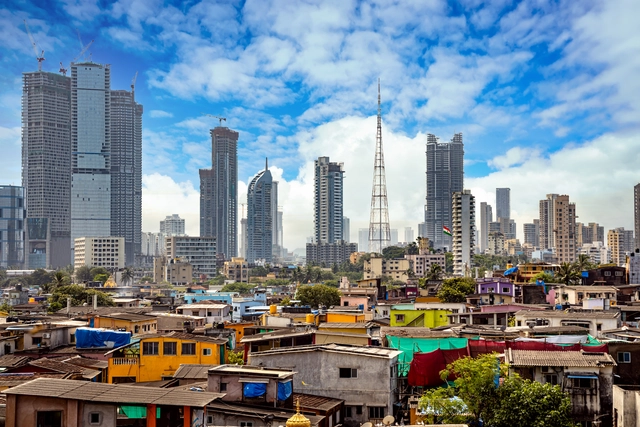
As a result of the nation’s ardent aspirations for growth and development, the social, economic, and physical landscape of India has transformed. A significant portion of the region’s population is of working age and comprises a massive market size, making India a land of opportunity especially in the eyes of foreign investors.

Reflecting this context, multiple mega-cities and mega-projects characterize the built environment and push the nation toward superpower status. On the flip side of the coin, these visionary projects along with the trend of rapid urbanization also bring in a range of side effects - the spread of informal settlements and in turn, the challenges to equitable development.

Mega-cities, Mega-projects, and Mega-slums: Exploring Urbanization in India - Image 1 of 4Mega-cities, Mega-projects, and Mega-slums: Exploring Urbanization in India - Image 2 of 4Mega-cities, Mega-projects, and Mega-slums: Exploring Urbanization in India - Image 3 of 4Mega-cities, Mega-projects, and Mega-slums: Exploring Urbanization in India - Image 4 of 4Mega-cities, Mega-projects, and Mega-slums: Exploring Urbanization in India - More Images+ 2

Sou Fujimoto's Imaginative Structures: A 3D Drawing Exhibition at the Utzon Center, Denmark

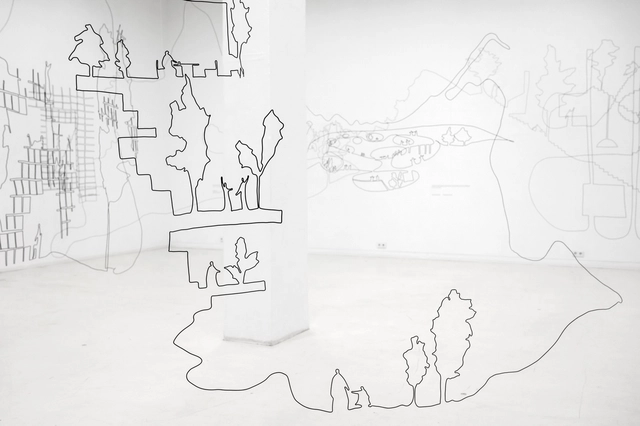
The Utzon Center in Denmark has announced the opening of “Primitive Future: Everything Is Circulating,” a solo exhibition dedicated to exploring the work of renowned Japanese architect Sou Fujimoto. Marking the first time his work is presented in Denmark, this exhibition offers a glimpse into Fujimoto’s vision, waving together the themes of nature and architecture. The exhibition's centerpiece is an expansive 500-meter-long steel wire installation that serves as a three-dimensional sketch, framing 12 of Fujimoto’s architectural projects.

Sou Fujimoto's Imaginative Structures: A 3D Drawing Exhibition at the Utzon Center, Denmark - Image 1 of 4Sou Fujimoto's Imaginative Structures: A 3D Drawing Exhibition at the Utzon Center, Denmark - Image 2 of 4Sou Fujimoto's Imaginative Structures: A 3D Drawing Exhibition at the Utzon Center, Denmark - Image 3 of 4Sou Fujimoto's Imaginative Structures: A 3D Drawing Exhibition at the Utzon Center, Denmark - Image 4 of 4Sou Fujimoto's Imaginative Structures: A 3D Drawing Exhibition at the Utzon Center, Denmark - More Images+ 10

Design Educates Awards Announces 2024 Winners in Architecture and Design

The Design Educates Awards 2024 has just announced the winners of this year’s winners, celebrating projects that excel in addressing complex social and environmental challenges while carrying significant educational value. Held annually, the awards recognize projects that respond to social and environmental issues and promote sustainability, even if the educational impact is gradual. In fact, it aims to highlight projects that offer long-term value and address the complexities of modern life.

Design Educates Awards Announces 2024 Winners in Architecture and Design - Image 1 of 4Design Educates Awards Announces 2024 Winners in Architecture and Design - Image 2 of 4Design Educates Awards Announces 2024 Winners in Architecture and Design - Image 3 of 4Design Educates Awards Announces 2024 Winners in Architecture and Design - Image 4 of 4Design Educates Awards Announces 2024 Winners in Architecture and Design - More Images+ 8

What is Over-Providing? A Strategy for Resilient Architecture

Subscriber Access | 

Over-providing traditionally implies offering more than is necessary, often carrying a negative connotation due to the potential for excess and waste. However, could there be scenarios within the built environment where over-providing proves advantageous? The question critically examines how overprovisioning might enhance a building's flexibility and adaptability to diverse and evolving conditions.

The underlying assumption of accurately providing what is needed for a building is that stakeholders—including owners, architects, and designers—can accurately predict and cater to a structure's current and future needs. This assumption, however, is challenging to realize, as societal, economic, and cultural shifts frequently occur in unpredictable ways. In this context, over-providing emerges as a counterintuitive yet potentially beneficial strategy. As buildings and structures inevitably transform, those designed with inherent adaptability reduce the need for costly renovations or complete rebuilds.

What is Over-Providing?  A Strategy for Resilient Architecture - Image 1 of 4What is Over-Providing?  A Strategy for Resilient Architecture - Image 2 of 4What is Over-Providing?  A Strategy for Resilient Architecture - Image 3 of 4What is Over-Providing?  A Strategy for Resilient Architecture - Image 4 of 4What is Over-Providing?  A Strategy for Resilient Architecture - More Images+ 7

Architecture Beyond Humanity: Designing for Non-Human Species

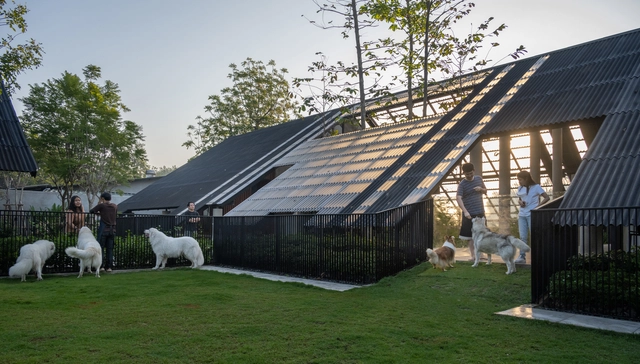
Are humans the only stewards of the built environment? For many architects and planners, spaces are designed with a focus on the needs, comfort, and health of humans. A spatial ordering, in constructed spaces and the urban fabric, designates humans as the default, singular user in this scenario. However, as much as humans have influenced the trajectory of the world, other species play a crucial role in designing, forming, and maintaining the urban landscapes of the twenty-first century.

Architecture Beyond Humanity: Designing for Non-Human Species - Image 1 of 4Architecture Beyond Humanity: Designing for Non-Human Species - Image 2 of 4Architecture Beyond Humanity: Designing for Non-Human Species - Image 3 of 4Architecture Beyond Humanity: Designing for Non-Human Species - Image 4 of 4Architecture Beyond Humanity: Designing for Non-Human Species - More Images+ 30

Architectural Details of the Bauhaus Movement: Revisiting the Glass Corners and Tubular Steel Construction

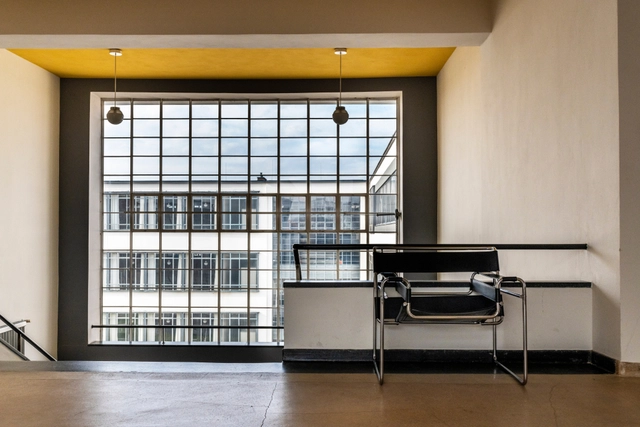
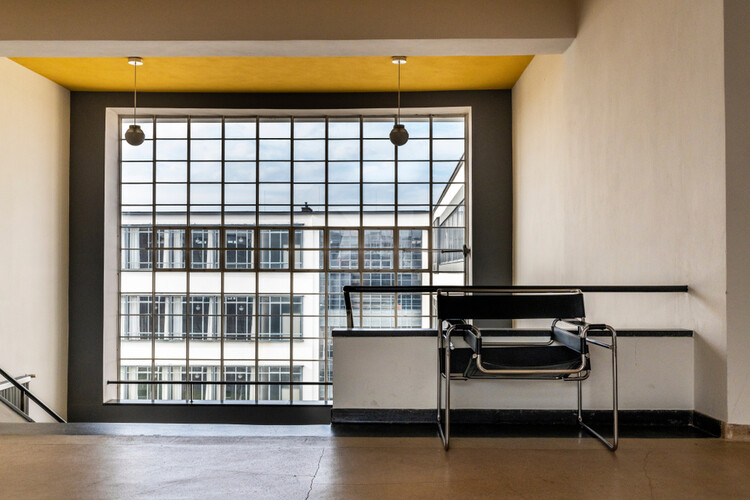
Bauhaus's designs have influenced our contemporary society in obvious and subtle ways. Iconic examples include Marcel Breuer’s Wassily Chair, the B55 Chair, the Bauhaus typeface, and the graphic design principles emphasizing clean lines, primary colors, and geometric shapes. However, the architectural construction details of the Bauhaus movement are much less discussed. While most can readily identify modern or Bauhaus buildings by their geometric forms, functionality, and industrial materials, their architectural details are often overlooked. They not only echo the design language of Breuer’s renowned furniture pieces but also have influenced the much-celebrated architectural glass details of Mies van der Rohe. How were Bauhaus's details executed, and how might they be translated into contemporary details today?

 Architectural Details of the Bauhaus Movement: Revisiting the Glass Corners and Tubular Steel Construction - Image 1 of 4 Architectural Details of the Bauhaus Movement: Revisiting the Glass Corners and Tubular Steel Construction - Image 2 of 4 Architectural Details of the Bauhaus Movement: Revisiting the Glass Corners and Tubular Steel Construction - Image 3 of 4 Architectural Details of the Bauhaus Movement: Revisiting the Glass Corners and Tubular Steel Construction - Image 4 of 4 Architectural Details of the Bauhaus Movement: Revisiting the Glass Corners and Tubular Steel Construction - More Images+ 15

OMA and David Chipperfield Selected Among the 5 Finalists of the British Museum Architecture Competition

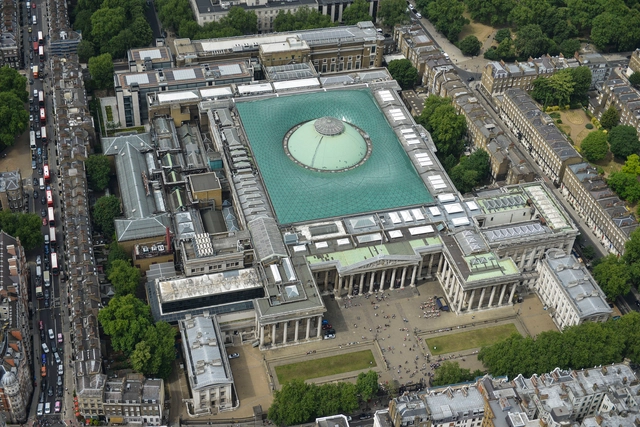
The British Museum has shortlisted five architect-led teams for the final stage of its International Architectural Competition, a significant milestone in the museum's ambitious plan to renovate its Western Range Galleries. The teams—6a Architects, David Chipperfield Architects, Eric Parry Architects and Jamie Fobert Architects, Lina Ghotmeh — Architecture, and OMA—were selected from over 60 global entries and will now compete to reimagine a substantial portion of the museum's gallery space.

OMA and David Chipperfield Selected Among the 5 Finalists of the British Museum Architecture Competition - Image 1 of 4OMA and David Chipperfield Selected Among the 5 Finalists of the British Museum Architecture Competition - Image 2 of 4OMA and David Chipperfield Selected Among the 5 Finalists of the British Museum Architecture Competition - Image 3 of 4OMA and David Chipperfield Selected Among the 5 Finalists of the British Museum Architecture Competition - Image 4 of 4OMA and David Chipperfield Selected Among the 5 Finalists of the British Museum Architecture Competition - More Images+ 1

Designing for Two Worlds: How Space Exploration is Shaping the Future of Architecture on Earth

Subscriber Access | 

Space exploration isn’t merely a testament to human ambition or a quest for new territories and resources. Our ventures beyond Earth’s atmosphere are driven by a deeper purpose: to understand better our place in the cosmos and to pioneer innovations that can transform life on our home planet.


While venturing beyond our planet captures the imagination, the true impact of space exploration may be felt much closer to home. Public perception often frames space exploration as a distant endeavor with limited relevance to terrestrial challenges. However, this perspective overlooks the substantial contributions of space programs to our world. By driving technological innovation, expanding our scientific knowledge, and inspiring future generations, space exploration has proven to be an invaluable catalyst for addressing global issues.
Designing for Two Worlds: How Space Exploration is Shaping the Future of Architecture on Earth - Image 1 of 4Designing for Two Worlds: How Space Exploration is Shaping the Future of Architecture on Earth - Image 2 of 4Designing for Two Worlds: How Space Exploration is Shaping the Future of Architecture on Earth - Image 3 of 4Designing for Two Worlds: How Space Exploration is Shaping the Future of Architecture on Earth - Image 4 of 4Designing for Two Worlds: How Space Exploration is Shaping the Future of Architecture on Earth - More Images+ 30