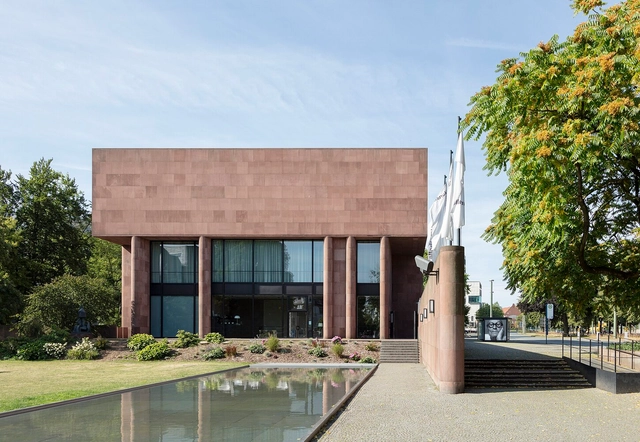
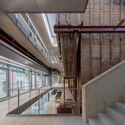
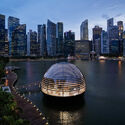
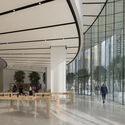
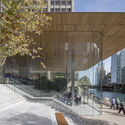
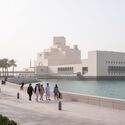
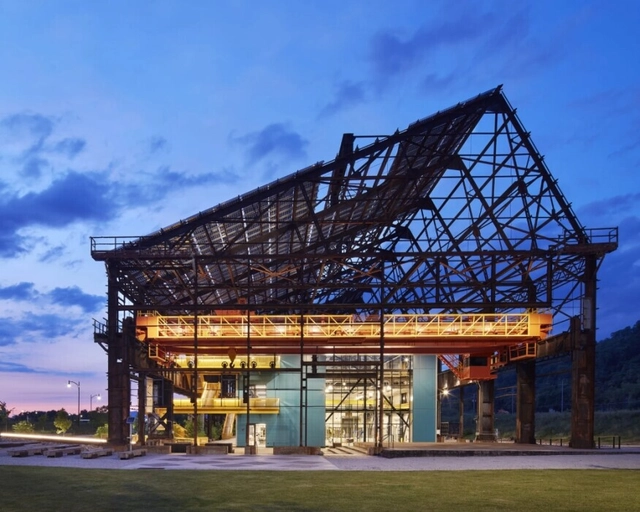
Following an international competition, Caruso St John Architects has been appointed to renovate the iconic Kunsthalle Bielefeld in Northwest Germany. Designed by Philip Johnson and completed in 1968, the structure is Johnson’s only museum in Europe. Despite past maintenance efforts, the building remains largely unchanged from its original state. The renovation aims to modernize the museum’s services, exterior, and interior spaces.
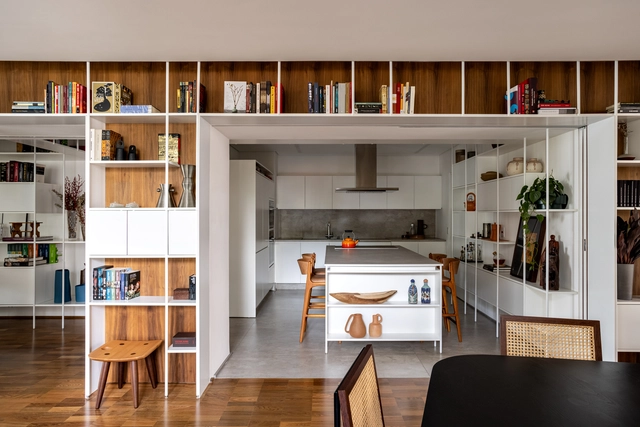
Beyond the wide variety of landscape, environmental, economic, social, and cultural particularities that distinguish each region of Latin America, the renovation of interior spaces that make up domestic life generally focuses on achieving the greatest possible integration of environments along with providing flexibility, spaciousness, and better conditions for ventilation and natural lighting. Seeking to revalue unused spaces and/or give them a second life, renovations aim to transform the ways of living through strategies capable of involving the restoration of materials, the preservation of structures, the maintenance of installations, and more.
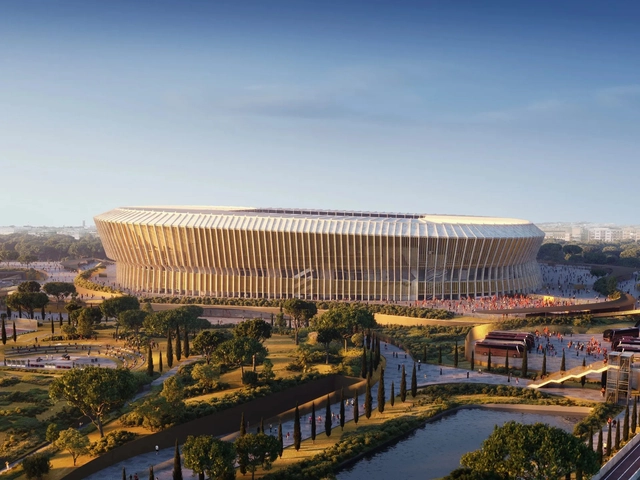
Italian football club A.S. Roma has released images showcasing its project for a new home stadium, designed by sports-focused architecture office Populous. In addition to improving the experience of fans, the design also aims to appeal to the broader community by providing a varied and multifunctional space. The stadium is set to become the permanent home of A.S. Roma, after having shared the Stadio Olimpico with a rival club since 1953.
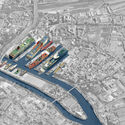
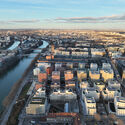
On Friday, July 26th, Paris began the long-awaited Olympic and Paralympic Games. Located in the city’s Seine-Saint-Denis district, Dominque Perrault Architecture designed the master plan for the Athletes Village. Featuring 2,400 housing units and 119,000 square meters of various activities, offices, and services, this master plan has become a significant portion of the legacy of the Paris Games.
In the whirlwind of daily life, a large majority of urban centers transform to accommodate new functions and/or needs demanded by their populations, seeking to improve, renovate, or update the infrastructures, equipment, networks, and spaces that enable community life. Although times change, and with them, many buildings that once served important protective or sheltering functions start to become obsolete. However, the heritage they leave behind reflects the passage of time and provides a living testimony of their history, contributing to the consolidation of identity and the recognition of a sense of belonging.
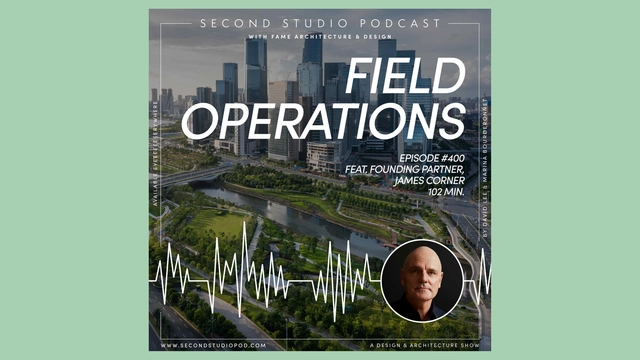
The Second Studio (formerly The Midnight Charette) is an explicit podcast about design, architecture, and the everyday. Hosted by Architects David Lee and Marina Bourderonnet, it features different creative professionals in unscripted conversations that allow for thoughtful takes and personal discussions.
A variety of subjects are covered with honesty and humor: some episodes are interviews, while others are tips for fellow designers, reviews of buildings and other projects, or casual explorations of everyday life and design. The Second Studio is also available on iTunes, Spotify, and YouTube.
This week David and Marina of FAME Architecture & Design are joined by James Corner, Founding Partner of Field Operations to discuss his background; early interests; education in landscape architecture and urban design; the value of urban design; the difference between architecture and landscape architecture; design competitions; Field Operations' practice structure; the Highline Project; and more.
https://www.archdaily.com/1019416/the-second-studio-podcast-james-corner-founding-partner-of-field-operationsThe Second Studio Podcast
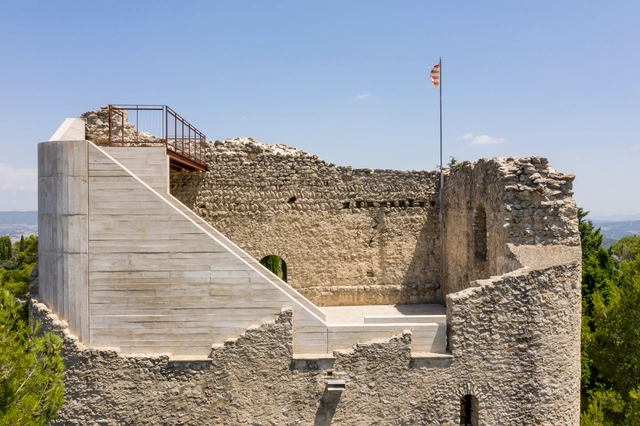
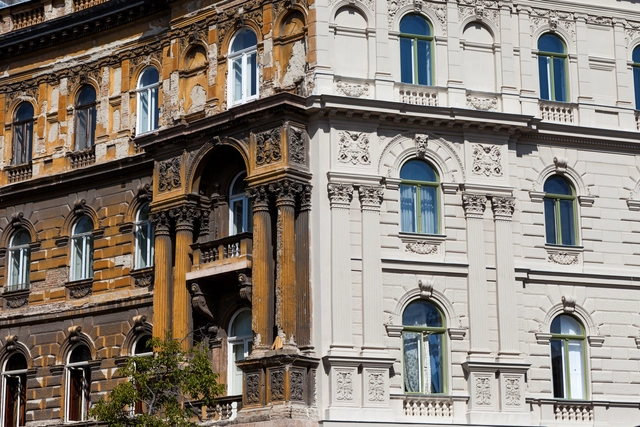
Listed buildings are important architectural testaments to a society's rich and diverse history. Formally recognizing these buildings protects their significant architectural elements from alterations and demolitions while creating socio-economic avenues to aid their conservation. However, these buildings also run at risk of being alienated from new materials and modern building systems that allow them to function optimally today.
Integrating new materials and building services without interfering with the building’s original character is a unique design challenge. Whether adding new materials during structural renovations or integrating modern fire protection systems, there is a need for sensitivity and balance. This applies to various elements of listed buildings, including walls, floors, roofing, and façades, ensuring they are future-proofed for an extended lifespan.
Courtesy of SCHOOL OF ARCHITECTURE AND URBAN PLANNING, NANJING UNIVERSITY
Reading a book is commonly seen as an individual activity, yet libraries have evolved to offer more than just book-lending services in the digital age. Public libraries have transformed into contemporary community centers, offering various social engagement opportunities while utilizing minimal urban space. Emphasizing the importance of building a sense of community, these institutions prioritize connecting individuals with common interests.
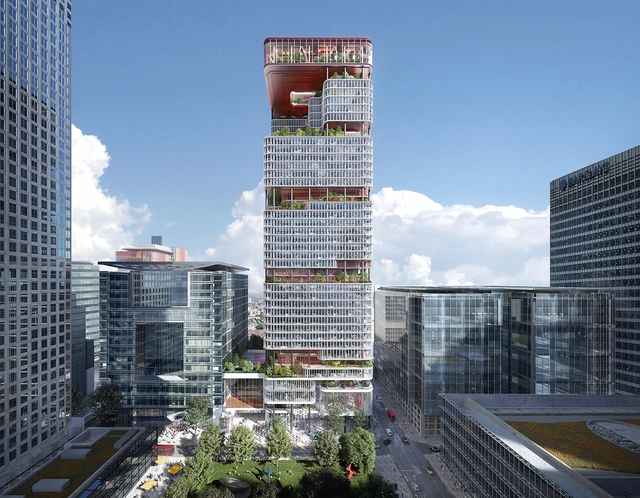
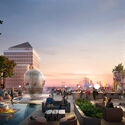
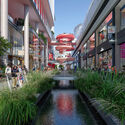
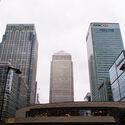
Kohn Pedersen Fox (KPF) has announced an expansive project to redevelop and refurbish the Foster + Partners designed 8 Canada Square building, also known as HSBC Tower, in Canary Wharf, London. Following an international competition, the remodeling plans include removing large parts of the 42-story building to introduce terraces and additional functions. According to Canary Wharf Group and the Qatar Investment Authority, this represents the largest transformation of an office tower into a sustainable mixed-use building. The project is set to begin in 2027, after the expiry of the HSBC lease.
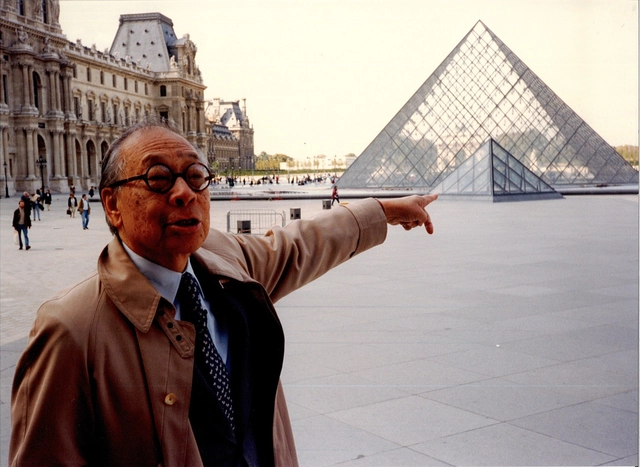
M+ Museum in Hong Kong has unveiled the first full-scale retrospective of the renowned Chinese-American architect leoh Ming Pei (1917-2019), widely known as I. M. Pei. Located in the West Kowloon Cultural District at Asia’s first global museum of contemporary visual culture, the exhibition will be open to the public from June 29, 2024 - January 5, 2025. “I. M. Pei: Life is Architecture” showcases Pei’s career, spanning seven decades across the globe.
The relentless drumbeat of climate disasters in the headlines—scorching heat waves, raging wildfires, historic floods, crippling droughts—are no longer a series of anomalies. As a grim new reality across much of the globe, these extreme weather events, driven by human-induced climate change, are becoming more frequent and severe. In short, they are clearly symptomatic of a broader and more pervasive environmental crisis.
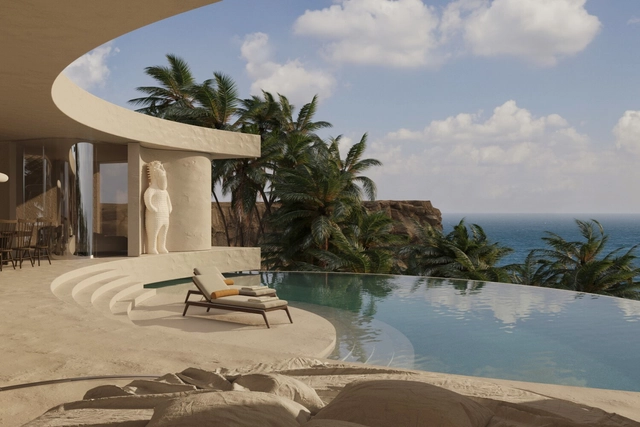
Tourist facilities such as resorts and hotels are often an engaging case study for architects and architecture enthusiasts, as they strive to combine functional and accessible design with locally-influenced cultural expressions. These structures often require unique solutions to meet the diverse needs of guests, including comfort, aesthetics, and functionality. Their design and construction also impact local economies and environments, providing opportunities for architects to contribute to sustainable tourism and community development.
This week's curated selection of Best Unbuilt Architecture highlights projects submitted by the ArchDaily community that offer tourist accommodation in unique settings, including the beaches of the Caribean, the Caucasus mountain range in Georgia, the urban setting of Oslo, or the wine-making region of Puglia in Italy. Featuring projects from emerging and established architectural offices such as WilkinsonEyre, Oppenheim Architecture, Powerhouse Company, or 3GATTI, the selection showcases architectural designs that reimagine tourist facilities and reflect the diversity of their environmental and cultural contexts.
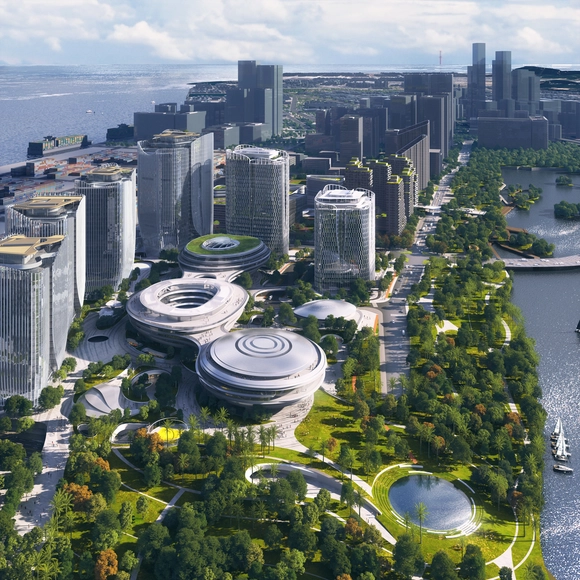
Tencent Shenzhen Headquarter Lot 04 East designed by Ma Yansong/MAD Architects. Image Courtesy of MAD Architects
Tencent is developing its new headquarters campus on five parcels spanning over 80 hectares east of Da Chan Bay Island in Qianhai, Bao'an District, Shenzhen. MAD Architects, led by Ma Yansong, has designed LOT 04 East of Tencent's new headquarters, envisioning two biomorphic office towers, three interconnected buildings, and a raindrop-shaped building. This project covers approximately 72,000 square meters with a Gross Floor Area of 412,000 square meters. Currently under construction, Lot 04 East of the headquarters is expected to be completed and open for users in 2025. Other projects announced for the campus include Büro Ole Scheeren’s swirling design for the Tencent Helix, and MVRDV’s residential complex named Tencent P5.
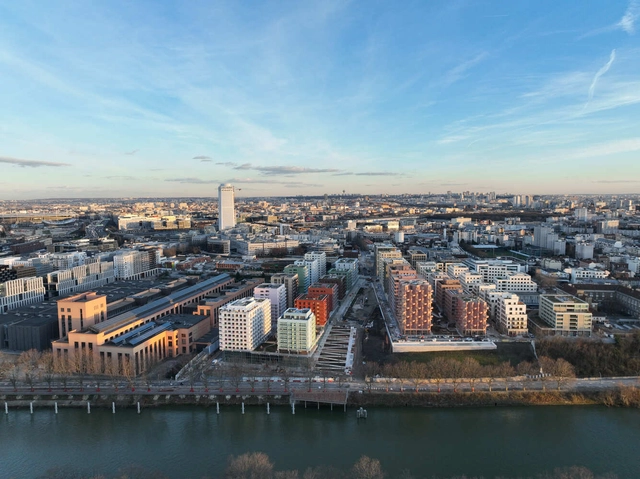
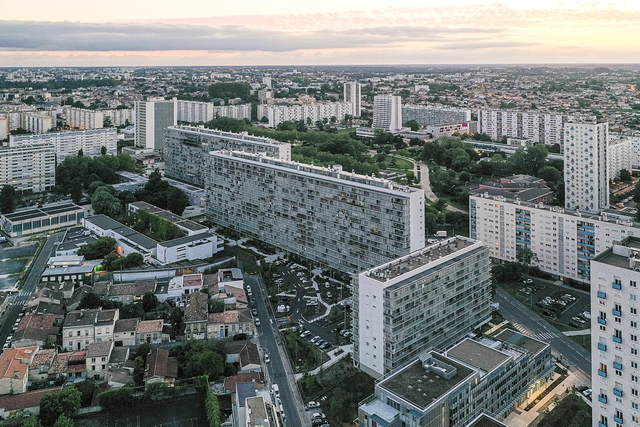
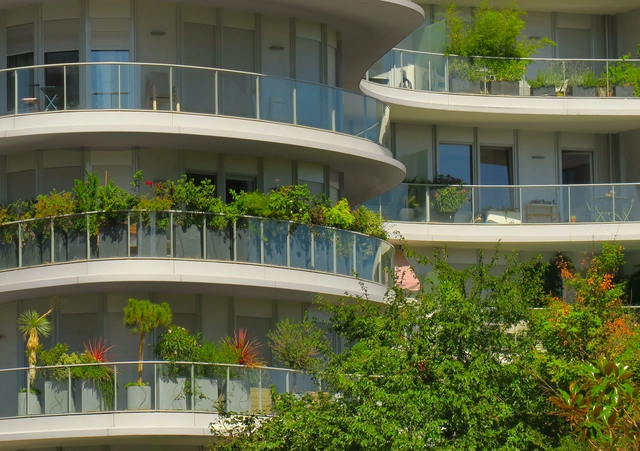
With the 2024 Olympic Games opening ceremony fast approaching, Paris has captured global attention. In addition to the venues being prepared for the Olympics, the city offers a wide range of architectural projects that showcase its efforts to improve the urban environment and promote a greener and more inclusive city. Among these, the new Clichy Batignolles Eco-District in the 17th arrondissement of Paris is a 54-hectare development that set out to transform the former SNCF rail yard into a new neighborhood. The initiative features contributions from internationally recognized architects including MAD Architects, Architect Périphériques, and RPBW, among others. Read on to discover the urban development through the lens of architecture photographer Paul Clemence.
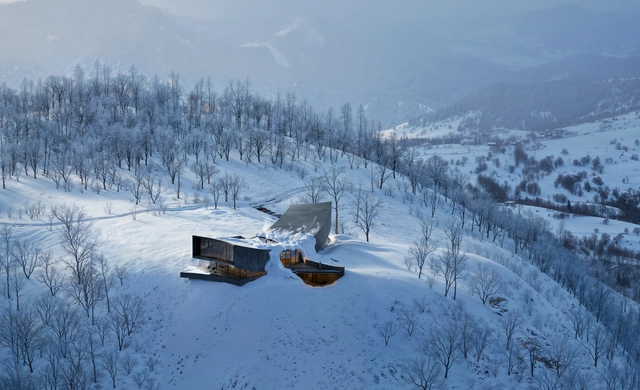
Snøhetta has unveiled a vacation home design nestled within the landscape of Hokkaido Island for the Japanese hospitality group NOT A HOTEL. Situated atop the renowned Rusutsu Resort, the project centers itself around Mount Yotei and provides framed views. The 1200 sqm building’s design aims to be minimal, influenced by the surrounding terrain and defined site boundaries.
The format for Blair Kamin’ latest book, Who Is the City For? is slightly different from typical compilations. Kamin groups his columns thematically (all 55 appeared in the Chicago Tribune, when he served as architecture critic), and then, more often than not, adds a postscript updating or reframing the story for our fraught new normal. One of the recurring themes, both in the stories and in the postscripts, is the issue of design equity. As income inequality, systemic racism, and climate change became central to the cultural and political debates, equity became the critical lens for much design criticism. In our recent conversation, Kamin advocated for a broader definition of the term.
https://www.archdaily.com/1019288/blair-kamin-on-reframing-the-crucial-issue-of-design-equityMartin C. Pedersen