1. ArchDaily
  2. Architecture

Architecture: The Latest Architecture and News

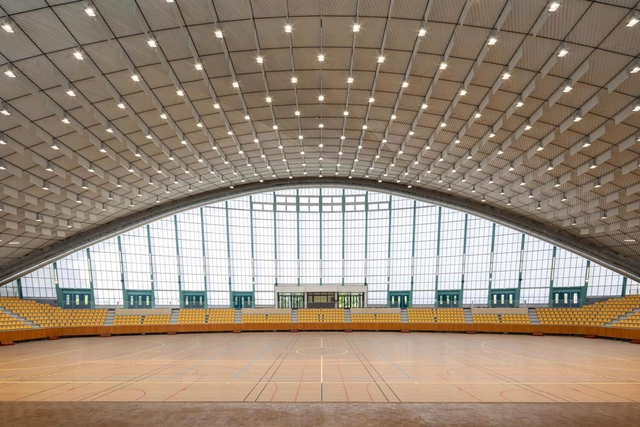
Chatillon Architectes Renovates 1970s Sporting Venue in Paris Ahead of Olympics

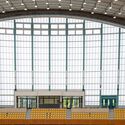
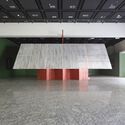
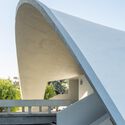
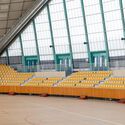
After a seven-year closure, Chatillon Architectes has renovated the Grande New de I’Île-des-Vannes in Paris, France. Transforming the building into an Olympic training site for the upcoming games, the renovation incorporates modern solutions and state-of-the-art facilities. Initially designed by Anatole Kopp, Lucien Metrich, and Pierre Chazanoff in 1971, the structure features a sweeping parabolic roof and striking translucent side paneling. The restoration involves adding contemporary energy solutions, structural repairs, universal accessibility upgrades, acoustic paneling, sports flooring, and enhancing lighting fixtures.
Chatillon Architectes Renovates 1970s Sporting Venue in Paris Ahead of Olympics - Image 1 of 4Chatillon Architectes Renovates 1970s Sporting Venue in Paris Ahead of Olympics - Image 2 of 4Chatillon Architectes Renovates 1970s Sporting Venue in Paris Ahead of Olympics - Image 3 of 4Chatillon Architectes Renovates 1970s Sporting Venue in Paris Ahead of Olympics - Image 4 of 4Chatillon Architectes Renovates 1970s Sporting Venue in Paris Ahead of Olympics - More Images+ 7

Passive Design and Urban Heat Islands: Strategies from the United Arab Emirates and India

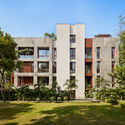
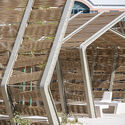
As temperatures rise globally, the impacts of urban heat islands—once considered an invisible threat—are becoming increasingly pronounced and ever more dangerous. Despite this mounting threat, however, the public realm which constitutes about 30% of cities offers immense potential to provide respite from scorching heat and introduce new opportunities to improve urban resilience efforts. As global temperatures rise, cities in regions like the United Arab Emirates and India are facing unprecedented challenges in maintaining livable urban spaces.
Passive Design and Urban Heat Islands: Strategies from the United Arab Emirates and India - Image 1 of 4Passive Design and Urban Heat Islands: Strategies from the United Arab Emirates and India - Image 2 of 4Passive Design and Urban Heat Islands: Strategies from the United Arab Emirates and India - Image 3 of 4Passive Design and Urban Heat Islands: Strategies from the United Arab Emirates and India - Image 4 of 4Passive Design and Urban Heat Islands: Strategies from the United Arab Emirates and India - More Images+ 2

Coping with Extreme Heat: How Cities are Confronting the Heatwave in Eastern and Southern Europe

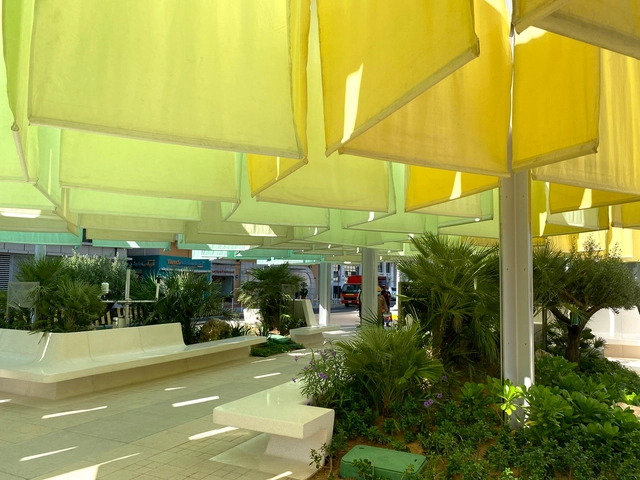
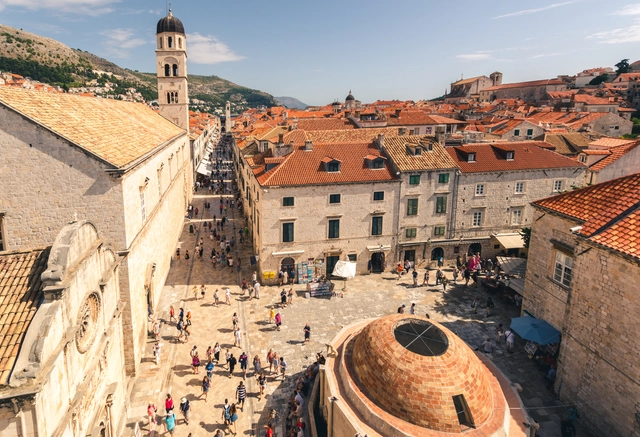
Eastern and Southern Europe is enduring a severe heatwave, with temperatures reaching over 40 degrees Celsius in many countries including Greece, Croatia, Macedonia, and Romania. Driven by hot air from North Africa, this prolonged heatwave has raised significant threats for residents and has strained the cities’ mechanisms for protection and climate mitigation. As the heatwaves expose the vulnerabilities of urban infrastructures, cities across Europe are striving to implement measures to address these challenges.

Coping with Extreme Heat: How Cities are Confronting the Heatwave in Eastern and Southern Europe - Image 1 of 4Coping with Extreme Heat: How Cities are Confronting the Heatwave in Eastern and Southern Europe - Image 2 of 4Coping with Extreme Heat: How Cities are Confronting the Heatwave in Eastern and Southern Europe - Image 3 of 4Coping with Extreme Heat: How Cities are Confronting the Heatwave in Eastern and Southern Europe - Image 4 of 4Coping with Extreme Heat: How Cities are Confronting the Heatwave in Eastern and Southern Europe - More Images

Schmidt Hammer Lassen Wins Competition to Revitalize Former Industrial Urban Neighbourhood in Luxembourg

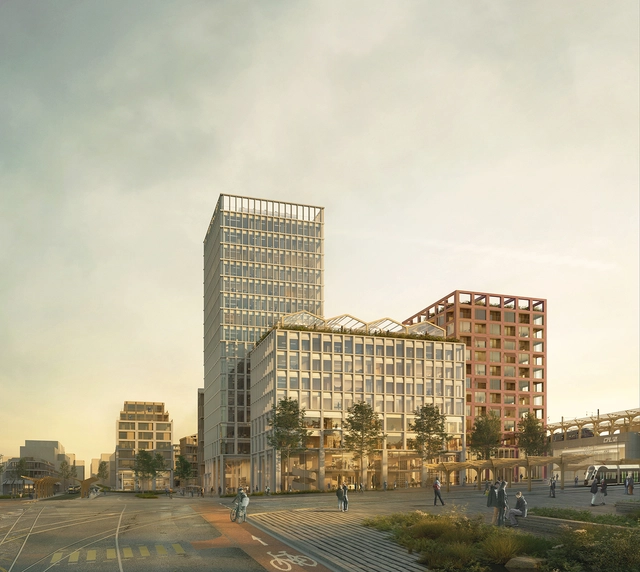
Schmidt Hammer Lassen (SHL) from Denmark and Assar Universum Architects from Luxembourg have collaborated to design a new urban hub for Hollerich in Luxembourg. The new development aims to create a green, vibrant space with mixed uses, transforming the area into an urban destination. Harnessing the city’s distinctive topography, the design integrates a dynamic program of residential, commercial, cultural, and public spaces. The hub, named “NEI HOLLERICH,” is also envisioned as one that addresses the need for affordable housing.
Manifesta 15: Barcelona Metropolitana Confirms its Program and the Complete List of Participants for its Next Edition

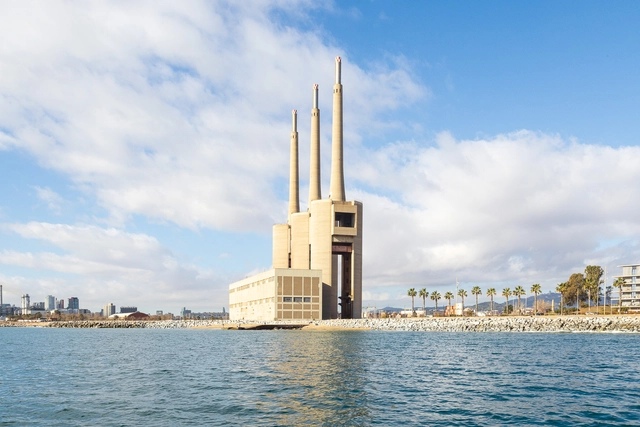
The city of Barcelona and the region are preparing to host Manifesta, the European nomadic biennial of art, architecture, and urbanism, which will celebrate its 15th edition on September 8, 2024. The event will take place in twelve cities over twelve weeks, where an extensive list of participants will materialize projects aimed at reimagining the future through art and architecture.

The first edition of Manifesta took place in Rotterdam in 1996. Over its 14 previous editions across 25 years, it has visited various European cities such as Luxembourg, Ljubljana, Frankfurt, San Sebastián, Trentino-South Tyrol, Murcia, Genk, Saint Petersburg, Zurich, Palermo, Marseille, and Pristina. One of the main pillars of Manifesta is based on critical urban research, promoting the construction of communities and cultural programs with a local identity that act as agents of change. While the nomadic character is a hallmark of the event, each city works with local artistic communities, citizens, and organizations to carry out projects that address issues inherent to the location.

Manifesta 15: Barcelona Metropolitana  Confirms its Program and the Complete List of Participants for its Next Edition - Image 1 of 4Manifesta 15: Barcelona Metropolitana  Confirms its Program and the Complete List of Participants for its Next Edition - Image 2 of 4Manifesta 15: Barcelona Metropolitana  Confirms its Program and the Complete List of Participants for its Next Edition - Image 3 of 4Manifesta 15: Barcelona Metropolitana  Confirms its Program and the Complete List of Participants for its Next Edition - Image 4 of 4Manifesta 15: Barcelona Metropolitana  Confirms its Program and the Complete List of Participants for its Next Edition - More Images+ 3

Countdown to the 2024 Olympics: Paris Gears Up for the Games

Subscriber Access | 

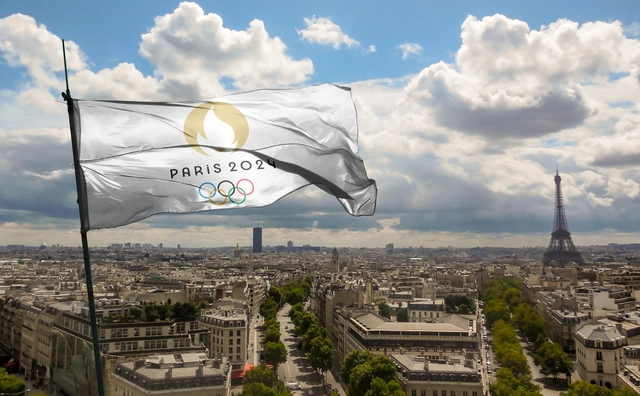
The 2024 Paris Olympics, officially known as the XXXIII Olympiad is scheduled to take place from 26 July to 11 August 2024. The second city to host the Summer Olympics three times, after London, with the first in 1900 and later on in 1924, Paris will showcase its cultural heritage by hosting the 2024 games at iconic landmarks like the Grand Palais, Eiffel Tower, Gardens of Versailles, and La Concorde. On the other hand, the capital of France is also undergoing major renovations to its waterways with a billion-dollar 'Swimming Plan' aimed at transforming the Seine River into a swimmable aquatic route for the Olympic Games, seeking to restore its historical significance as a vibrant urban river.

With the Paris 2024 Olympics fast approaching and right around the corner, ArchDaily has curated a series of articles and news pieces providing comprehensive insights into both the built and unbuilt environments that will serve as hosts for the games.

Countdown to the 2024 Olympics: Paris Gears Up for the Games - Image 1 of 4Countdown to the 2024 Olympics: Paris Gears Up for the Games - Image 2 of 4Countdown to the 2024 Olympics: Paris Gears Up for the Games - Image 3 of 4Countdown to the 2024 Olympics: Paris Gears Up for the Games - Image 5 of 4Countdown to the 2024 Olympics: Paris Gears Up for the Games - More Images+ 8

The Hidden Carbon Cost of Climate Retrofits

Evolving urban conditions call for an evolving builtscape, and retrofits have been a key mechanism to allow buildings to adapt and respond to new needs. Amidst global environmental concerns, climate retrofits have become a popular strategy to upgrade buildings based on improved operational efficiency. Global decarbonization plans have even called for city-wide retrofits, such as in the case of London, to meet civic goals. While such upgrades significantly reduce energy consumption, they often come with a hidden cost - embodied carbon in retrofit materials and the potential for future waste.

The Hidden Carbon Cost of Climate Retrofits - Image 1 of 4The Hidden Carbon Cost of Climate Retrofits - Image 2 of 4The Hidden Carbon Cost of Climate Retrofits - Image 3 of 4The Hidden Carbon Cost of Climate Retrofits - Image 4 of 4The Hidden Carbon Cost of Climate Retrofits - More Images+ 3

From Factories to Workspaces: The Evolution of Industrial Buildings into Modern Offices

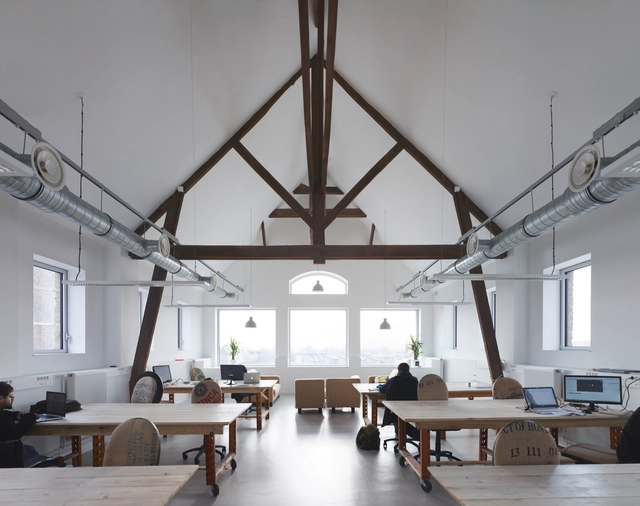
Industrial heritage, once central to urban growth and economic prosperity, is now often neglected and underused. Around the world, various factories, mills, and warehouses sit abandoned, and their distinctive structures fall into disuse. These buildings were typically constructed from materials such as brick, steel, concrete, and large glass windows. Known for their strength and longevity, these materials make the structures ideal candidates for refurbishment, maintaining structural integrity.

From Factories to Workspaces: The Evolution of Industrial Buildings into Modern Offices - Image 1 of 4From Factories to Workspaces: The Evolution of Industrial Buildings into Modern Offices - Image 2 of 4From Factories to Workspaces: The Evolution of Industrial Buildings into Modern Offices - Image 3 of 4From Factories to Workspaces: The Evolution of Industrial Buildings into Modern Offices - Image 4 of 4From Factories to Workspaces: The Evolution of Industrial Buildings into Modern Offices - More Images+ 6

A Look into His Interdisciplinary Creative Universe: Get to Know the Works of Iván Bravo

Subscriber Access | 

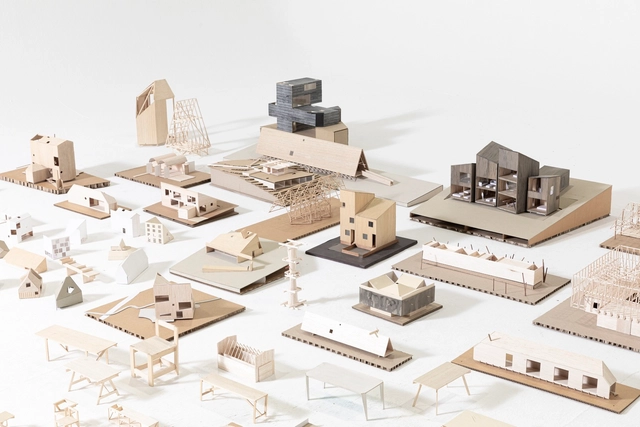
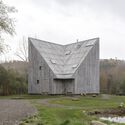
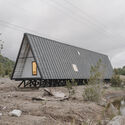
It is fascinating to delve into the practice of Iván Bravo, firstly because the path taken towards his architectural work immerses us in a vast creative universe through the architect's interest and curiosity in various tangential disciplines directly reflected in his built work. A constant reflection on the methodology of the making, the processes, the pieces, the design, and the materiality converges into a noble and honest architecture.

A Look into His Interdisciplinary Creative Universe: Get to Know the Works of Iván Bravo - Image 1 of 4A Look into His Interdisciplinary Creative Universe: Get to Know the Works of Iván Bravo - Image 2 of 4A Look into His Interdisciplinary Creative Universe: Get to Know the Works of Iván Bravo - Image 5 of 4A Look into His Interdisciplinary Creative Universe: Get to Know the Works of Iván Bravo - Image 6 of 4A Look into His Interdisciplinary Creative Universe: Get to Know the Works of Iván Bravo - More Images+ 16

URB Unveils Plans for a 64-Kilometer-Long Green Highway for Dubai

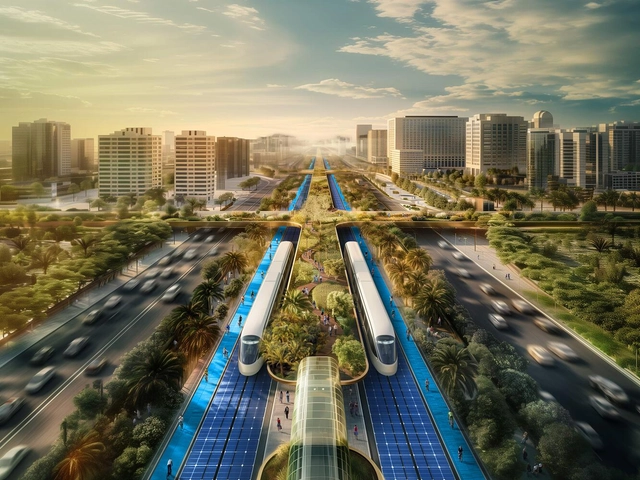
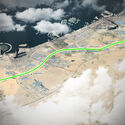
URB has revealed details about the Dubai Green Spine project, an urban development initiative aiming to introduce a 64-kilometer-long green corridor in Dubai. The project, aligned with the Dubai 2040 Urban Master Plan, hopes to improve urban mobility and environmental quality by converting one of the city’s major arterial roads into a multifunctional public space with ample greenery, urban farms, integrated non-motorized transportation infrastructures, and community zones.

URB Unveils Plans for a 64-Kilometer-Long Green Highway for Dubai - Image 1 of 4URB Unveils Plans for a 64-Kilometer-Long Green Highway for Dubai - Image 2 of 4URB Unveils Plans for a 64-Kilometer-Long Green Highway for Dubai - Image 3 of 4URB Unveils Plans for a 64-Kilometer-Long Green Highway for Dubai - Image 4 of 4URB Unveils Plans for a 64-Kilometer-Long Green Highway for Dubai - More Images

Buildings Are Not Sacred, but We Can Find Beauty Through Them

This article was originally published on Common Edge.

What makes something sacred? When does a building mean more to us than nearly all other places, spaces, objects, or activities in our lives? Architects strive to achieve the sacred in buildings, but it’s the rest of us who either sense it or not, whatever the aesthetics may be. I think the meaning of what is sacred to us can be most profoundly seen and felt when things change.

Buildings Are Not Sacred, but We Can Find Beauty Through Them - Image 1 of 4Buildings Are Not Sacred, but We Can Find Beauty Through Them - Image 2 of 4Buildings Are Not Sacred, but We Can Find Beauty Through Them - Image 3 of 4Buildings Are Not Sacred, but We Can Find Beauty Through Them - Image 4 of 4Buildings Are Not Sacred, but We Can Find Beauty Through Them - More Images

Prague Architecture City Guide: 25 Historical and Contemporary Attractions to Explore in Czechia’s City of a Hundred Spires

Subscriber Access | 

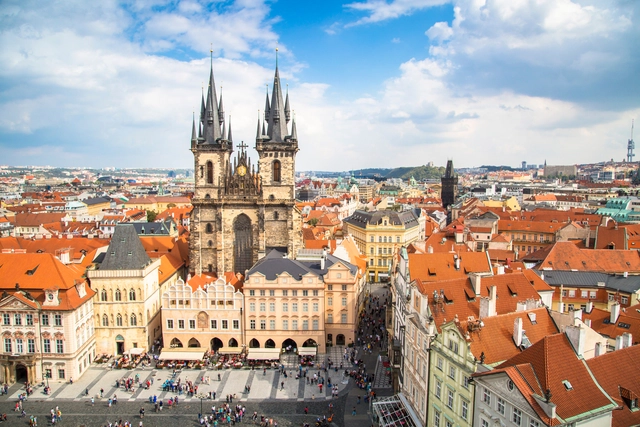
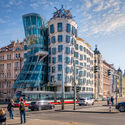
Prague, the capital of the Czech Republic, is one of Europe's best-preserved cities, having miraculously survived the widespread bombings of World War II. As the capital of the Czech Republic, Prague is home to over 1.3 million people and features an architectural heritage spanning centuries, covering a variety of architectural styles from Romanesque, Gothic, Renaissance, Baroque, and Rococo, to Modernist, Deconstructivism, and contemporary tendencies. The Old Town Square, where various architectural styles coexist, is a testament to this diversity. Known as the "Mother of all Cities," “the Golden City and “The City of a Hundred Spires,” Prague blends history and contemporary culture seamlessly. Its origins, steeped in legend, add to the city's charm.

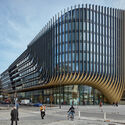
Over the past few years, the city has also seen interest from internationally-recognized architectural offices. Following an international competition, BIG has set out to design a for the Vltava Philharmonic Hall on the riverbanks of the Vltava River, Zaha Hadid has recently completed an office and retail building in the city center, while Henning Larsen has been announced as the winner of the commission to redesign Prague Central Station, Nový Hlavák.

Prague Architecture City Guide: 25 Historical and Contemporary Attractions to Explore in Czechia’s City of a Hundred Spires - Image 1 of 4Prague Architecture City Guide: 25 Historical and Contemporary Attractions to Explore in Czechia’s City of a Hundred Spires - Image 2 of 4Prague Architecture City Guide: 25 Historical and Contemporary Attractions to Explore in Czechia’s City of a Hundred Spires - Image 3 of 4Prague Architecture City Guide: 25 Historical and Contemporary Attractions to Explore in Czechia’s City of a Hundred Spires - Image 4 of 4Prague Architecture City Guide: 25 Historical and Contemporary Attractions to Explore in Czechia’s City of a Hundred Spires - More Images+ 21

ICON Reveals New 3D-Printed Residential Development in Wimberley, Texas

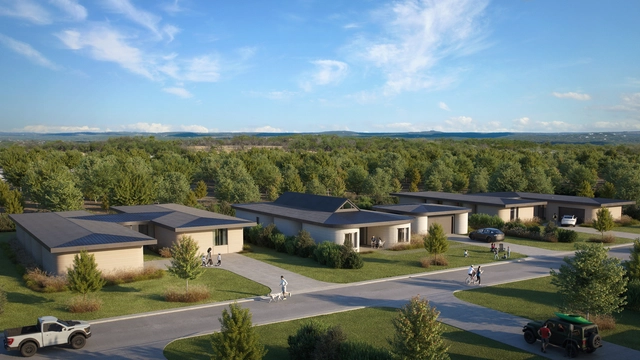
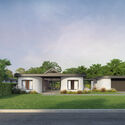
ICON, the office that pioneered large-scale 3D printing, has announced a new residential development of 3D-printed homes to take shape at Wimberley Springs, in Texas, United States. The complex, comprising 8 single-family homes, features designs from ICON’s CODEX Digital Architecture Catalog. The houses, currently under construction and available for sale, leverage ICON’s robotic technologies to create an energy-efficient, low-carbon construction process.

ICON Reveals New 3D-Printed Residential Development in Wimberley, Texas - Image 1 of 4ICON Reveals New 3D-Printed Residential Development in Wimberley, Texas - Image 2 of 4ICON Reveals New 3D-Printed Residential Development in Wimberley, Texas - Image 3 of 4ICON Reveals New 3D-Printed Residential Development in Wimberley, Texas - Image 4 of 4ICON Reveals New 3D-Printed Residential Development in Wimberley, Texas - More Images+ 3

Büro Ole Scheeren Reveals Design for New Shenzhen Headquarters in China

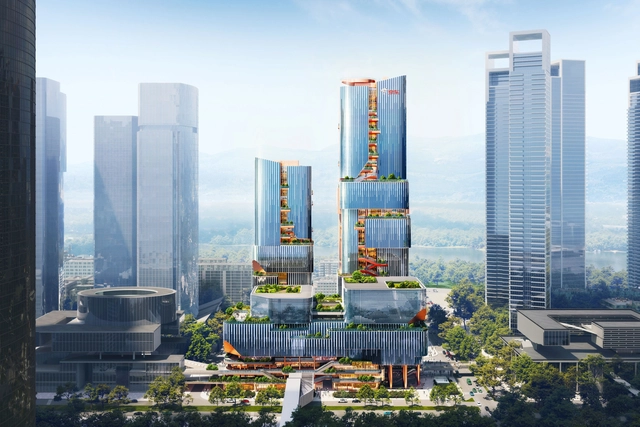
Büro Ole Scheeren’s latest project, Scenic City Towers, is currently under construction in the Shenzhen Bay Super Headquarters Base in China. This design for JD.com's new offices seeks to emphasize “in-between” spaces that blend the social fabric of urban life with nature, proposing a new model for working. Situated in Shenzhen’s Nanshan district, a booming business and financial area, the headquarters will join a community of global corporations around it.

"Architecture Aims to Give Order to the Territory and Habitability to the Environment": In Conversation with Tomás Bravo

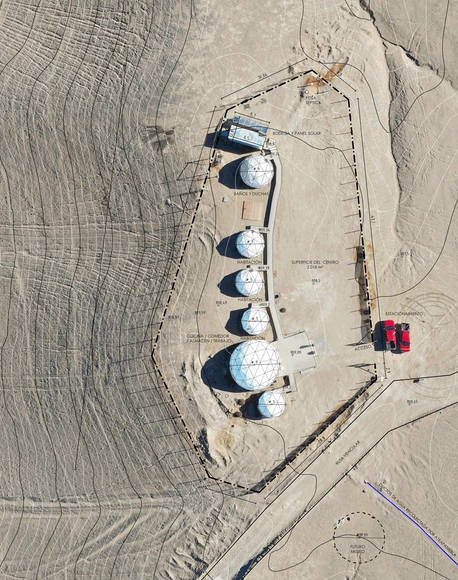
Tomás Bravo has been selected to be part of the ArchDaily's 2024 Best New Practices, highlighting his work about the dialogue between architecture and territory, and the use of advanced technologies to analyze nature and heritage through a process that involves a project in itself. Originating from Chile's diverse and complex geography, he proposes using classical architectural representation in combination with technological tools and measurement methodologies to bring the territory and heritage closer to architecture professionals and their clients.

AI and the Human Vector in Architecture: Embracing Emotional Engagement and Empathy

This article is the tenth in a series focusing on the Architecture of the Metaverse. ArchDaily has collaborated with John Marx, AIA, the founding design principal and Chief Artistic Officer of Form4 Architecture, to bring you monthly articles that seek to define the Metaverse, convey the potential of this new realm as well as understand its constraints. In this feature, architect John Marx questions the limits and capabilities of AI in architecture and in creating buildings that resonate deeply with people and communities.

AI and the Human Vector in Architecture: Embracing Emotional Engagement and Empathy - Image 1 of 4AI and the Human Vector in Architecture: Embracing Emotional Engagement and Empathy - Image 2 of 4AI and the Human Vector in Architecture: Embracing Emotional Engagement and Empathy - Image 3 of 4AI and the Human Vector in Architecture: Embracing Emotional Engagement and Empathy - Image 4 of 4AI and the Human Vector in Architecture: Embracing Emotional Engagement and Empathy - More Images+ 6

The European Prize for Urban Public Space 2024 Reveals 10 Finalists

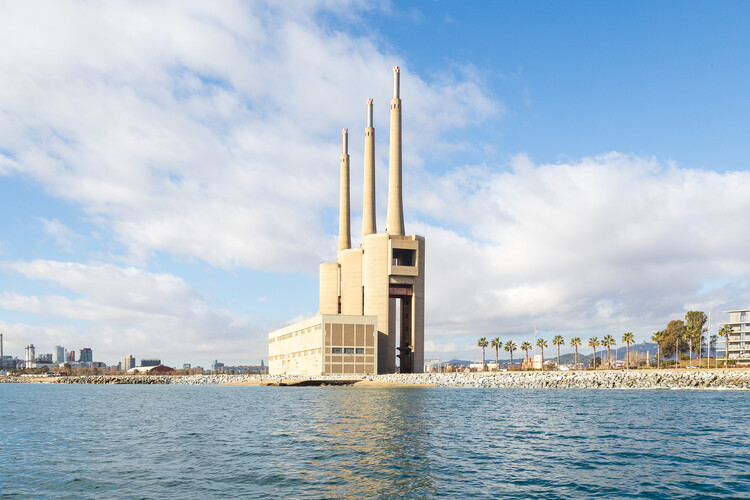
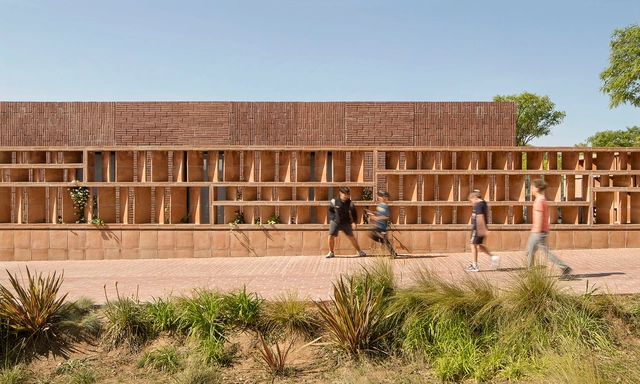
The Centre de Cultura Contemporània de Barcelona (CCCB) has announced the finalists for the European Prize for Urban Public Space 2024. Selected from a total of 297 projects corresponding to 35 European countries, the 2024 edition nominates 5 finalists in the General category, promoting quality public spaces throughout the European territory, and 5 in the Seafronts category, addressing coastal cities' climate vulnerabilities. The European Prize for Urban Public Space is an honorary biennial competition aiming to highlight best practices and innovations in the creation, transformation, and recovery of public spaces in European cities.

As the first edition to include a dedicated category for Seafronts, this year’s awards recognize the importance and particular challenges faced by coastal cities. This is aligned with the Cultural Regatta, a schedule of activities running parallel to the America's Cup sailing competition in Barcelona. For this edition, the International Jury was presided over by the urbanist architect, landscape, and industrial designer Beth Galí, and made up of Sonia Curnier, Fabrizio Gallanti, Žaklina Gligorijević, Beate Hølmebakk, Manon Mollard, Francesco Musco, and Lluís Ortega. The winners of the 12th European Prize for Urban Public Space will be announced during a ceremony at CCCB on October 29, 2024.

The European Prize for Urban Public Space 2024 Reveals 10 Finalists - Image 1 of 4The European Prize for Urban Public Space 2024 Reveals 10 Finalists - Image 2 of 4The European Prize for Urban Public Space 2024 Reveals 10 Finalists - Image 3 of 4The European Prize for Urban Public Space 2024 Reveals 10 Finalists - Image 4 of 4The European Prize for Urban Public Space 2024 Reveals 10 Finalists - More Images+ 31

Foster + Partners Unveils "Land of Tomorrow" Master Plan in Larnaka, Cyprus

Foster + Partners has started the design work for the initial phase of the “Land of Tomorrow” master plan in Larnaka, Cyprus. Aiming to transform Larnaka’s seafront into a vibrant, sustainable community, the first phase focuses on residential developments. Featuring commercial shops, including shops, offices, and restaurants, the master plan focuses on seamless integration with the seafront and emphasizes connections to natural surroundings.

Foster + Partners Unveils "Land of Tomorrow" Master Plan in Larnaka, Cyprus - Image 1 of 4Foster + Partners Unveils "Land of Tomorrow" Master Plan in Larnaka, Cyprus - Image 2 of 4Foster + Partners Unveils "Land of Tomorrow" Master Plan in Larnaka, Cyprus - Image 3 of 4Foster + Partners Unveils "Land of Tomorrow" Master Plan in Larnaka, Cyprus - Image 4 of 4Foster + Partners Unveils Land of Tomorrow Master Plan in Larnaka, Cyprus - More Images+ 1