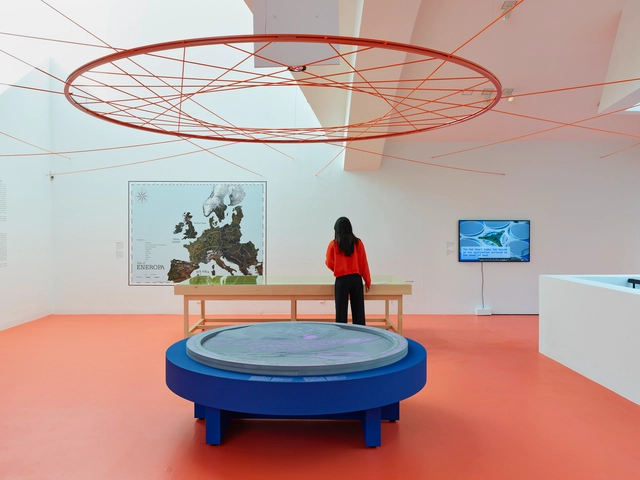
The Vitra Design Museum presents 'Transform! Designing the Future of Energy', an exhibition running from March 23rd to September 1st, 2024. As energy stands as the cornerstone of modern society, the subject encompasses political, social, and environmental dimensions. The exhibition aims to highlight design’s role in the effort to transform the energy sector into a more efficient, reliable, and sustainable one, relying more on renewable sources, smart mobility systems, and moving towards self-sufficient cities.
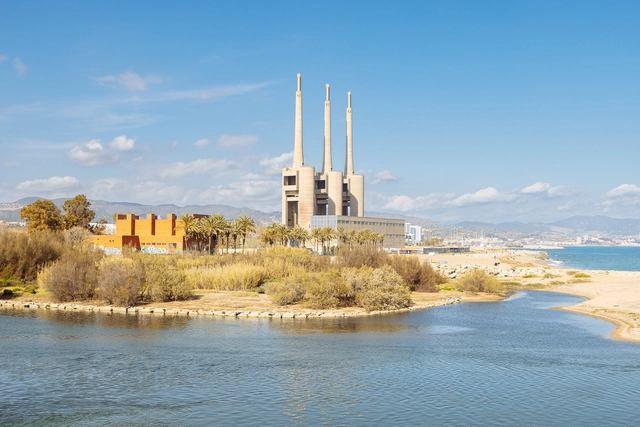
Courtesy of Manifesta 15 Barcelona Metropolitana | Photo by Helena Roig | The Three Chimneys
Manifesta 15 Barcelona Metropolitana has unveiled a decentralized biennial event spanning across the landscape of Barcelona. Taking place from September 8th to November 24th, this edition of Manifesta, the European Nomadic Biennial, introduces a regionalized strategy. Famous for its avant-garde exploration of global challenges through cultural lenses, the approach aims to empower citizens in catalyzing a socio-ecological transformation across Catalonia. The event aims to reimagine the role of culture in societal transformation through art, dialogue, and collective action.
As construction materials costs increase, builders and developers are seeking alternatives to traditional home construction methods to address housing shortages. In response, an expanding construction technology field is the 3D printing sector. This technology promises quicker, cheaper construction and the potential to extrude local and recycled materials. However, due to the slow-changing nature of the construction industry, a radical shift involving large-scale 3D-printing machines on-site and a complete overhaul of the construction process seems unlikely shortly.
Prefabricated 3D printing modular housing offers a compelling solution, providing the benefits of 3D printing advancements while leveraging standard construction machinery and labor. In off-site 3D-printed construction, there is no need to transport massive 3D-printing machines on-site. Instead, components are printed in a controlled environment and then assembled on-site. These types of 3D-printed residential modular kits of parts are already being manufactured and are attracting significant investment.
“The Mindfulness City will be a sustainable city. To be mindful is to be aware — to perform best,” said Giulia Frittoli, partner and head of landscape at BIG. The Kingdom of Bhutan is a landlocked Buddhist country in the eastern Himalayas, nestled between China and India. It covers 14,000 square miles and has a population of nearly 800,000.
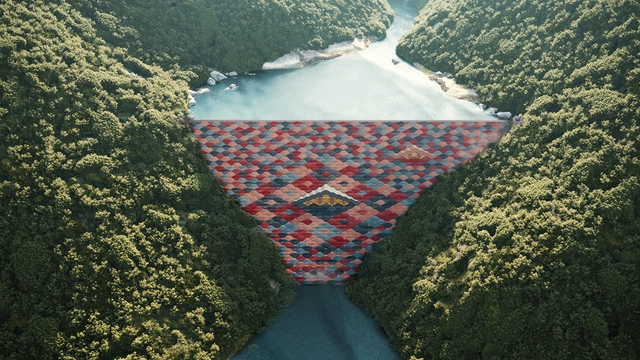
The Royal Office of Bhutan asked BIG, Arup, and Cistri to develop a plan for a new Mindfulness City in Gelephu in southern Bhutan, near the border with India. The city will span 386 square miles and include a new international airport, railway connections, hydroelectric dam, university, spiritual center, and public spaces.
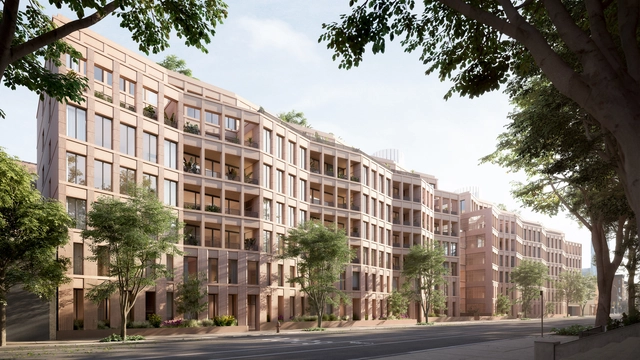
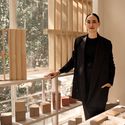
Taller Frida Escobedo has unveiled a new residential project to take shape in Brooklyn, New York. The 209,000-square-foot project titled after its location, Boerum Hill – Bergen, aims to become a contextual addition to the neighborhood, adapting its materiality and scale to the surrounding context. The developers, Avdoo & Partners, also enlisted Workstead for interior design, DXA for master planning, and DXA and Patrick Cullina for landscape design. The project is scheduled for completion in 2025.
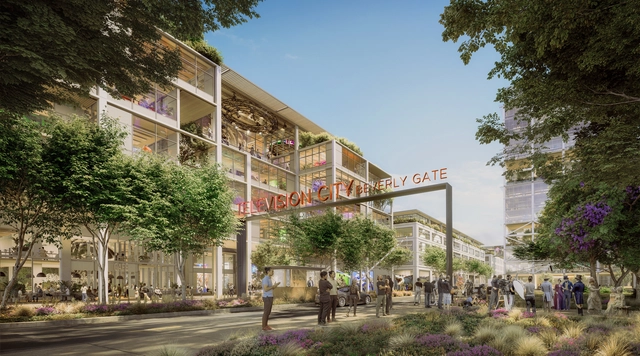
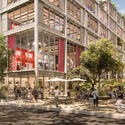
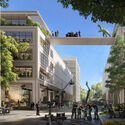
Foster + Partners, led by Normal Foster, has just been selected to reimagine the Television City studio complex in Los Angeles, following a global competition. The project involves the restoration of William Pereira’s iconic 1952 buildings and the transformation of the 25-acre site into a low-rise multi-modal campus and draws inspiration from the Los Angeles’ renowned Case Study Houses. The campus will feature new sound stages, production offices, creative workspace, and retail surrounding its perimeter.
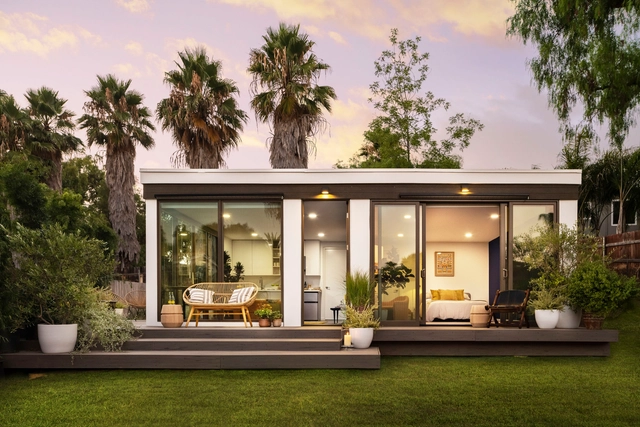
Modular homes are houses either partially or fully constructed in a factory. This process involves creating a series of three-dimensional 'modules' delivered to a site in a predetermined spatial pattern and assembled into a complete product. These homes have become popular solutions to housing crises as they can be produced 50% faster and emit half as much pollution.
However, the locality of the materials used is a significant factor that gives homes their character. It conveys a sense of place, culture, construction history, and local craftsmanship. This raises questions about its role in modular housing: Can local materials be used in the factory production of homes? Can they be combined with a modular framework and temporary connections? What are the limitations of building modular homes in the local contexts of the Global South?
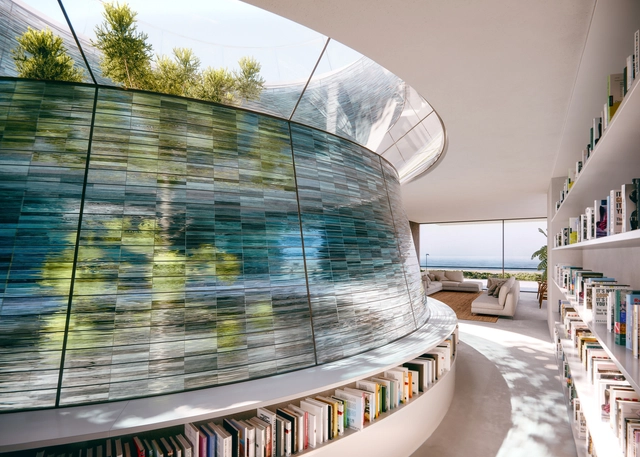
Foster + Partners has just begun construction on “The Edge,” its inaugural project in Uruguay. Situated along the Rambla Tomas Berreta in Montevideo’s Carrasco neighborhood, the scheme extends along the coastline to the eastern borders. Encompassing 60 meters of shoreline, the development includes eight residential units that form around a circular courtyard enclosed in glass, each offering unique views of the water.
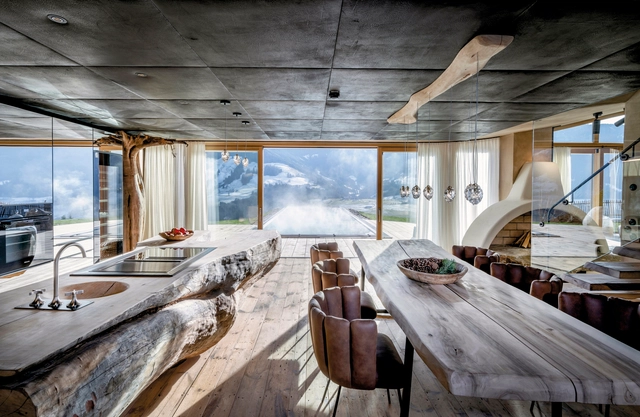
Located in the municipality of Leogang in the Salzburgerland province, Austria, the Priesteregg Premium Eco Resort resides on a plateau at a height of 1100 meters. Opened in 2009, the resort comprises 15 chalets and three villas, and is surrounded by lush mountain pines, Alpine roses, and bilberry bushes. This setting offers relaxation and breathtaking views of the Leogang Steinberg Mountains, the Steinernes Meer with the Hochkönig, and Kitzbühl Schieferalpen.
The resort's development has been influenced by traditional agricultural land use, leading to a conservationist approach. This includes sustainable energy concepts, support for regional producers, and the use of natural materials in the entire resort. In the three villas, the W2 Manufaktur studio and architect Ulrich Stöckl have curated interiors that blend rustic Alpine style with modern luxury, featuring products from Dornbracht. Each villa uniquely combines natural materials, natural features, and a variety of the brand's fittings and fixtures.
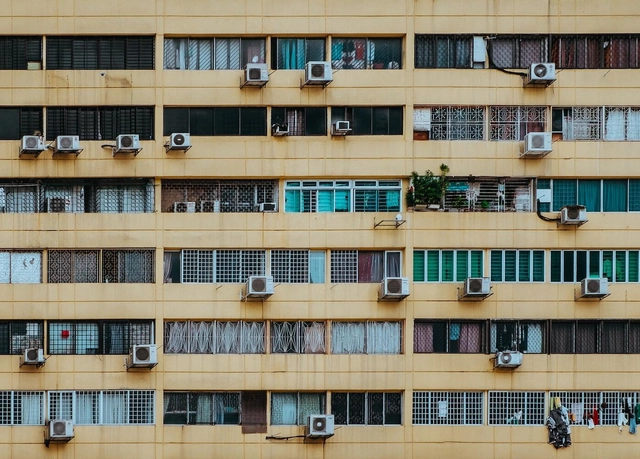
Between now and 2050, worldwide installation of cooling appliances, like air conditioning, is projected to triple, resulting in a twofold increase in energy consumption. This reliance on such devices, often seen as exacerbating global warming, poses a paradox: how can we fightrising temperatures in cities while simultaneously contributing to them through our dependence on these solutions?
The Second Studio (formerly The Midnight Charette) is an explicit podcast about design, architecture, and the everyday. Hosted by Architects David Lee and Marina Bourderonnet, it features different creative professionals in unscripted conversations that allow for thoughtful takes and personal discussions.
A variety of subjects are covered with honesty and humor: some episodes are interviews, while others are tips for fellow designers, reviews of buildings and other projects, or casual explorations of everyday life and design. The Second Studio is also available on iTunes, Spotify, and YouTube.
This week David and Marina of FAME Architecture & Design discuss architecture program. The two cover what program in architecture means, why it is important, how it is developed and implemented, and examples of leveraging program for creative design.
https://www.archdaily.com/1015372/the-second-studio-podcast-program-as-the-secret-to-great-architectureThe Second Studio Podcast
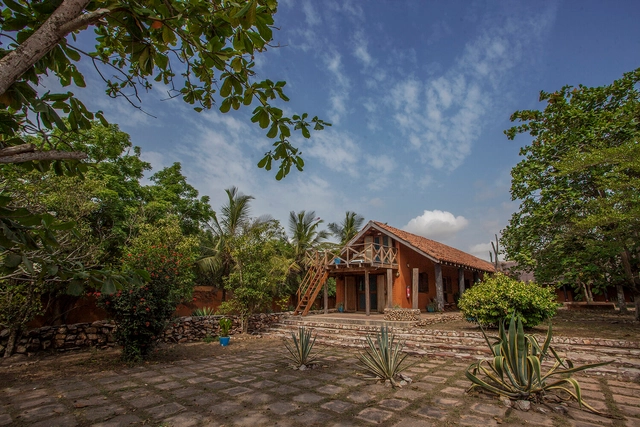
Alero Olympio (1959-2005) was an architect and builder known for an intimately ecological approach to architecture. Born in Ghana, she divided her practice between Ghana and Scotland. She focused on work that prioritized people and was sincerely committed to social and environmental sustainability, prioritizing using locally sourced materials.
Her work legacy includes physical buildings like the Kokrobitey Institute, her advocacy for earthen constructions, research on sustainable forestry products, and so much more. However, a gap exists in the institutionalized archives of her work, leading to the current ongoing efforts to build a comprehensive archive of her contributions. The 2024 Womxn in Design and Architecture (WDA) annual conference organized by Princeton University School of Architecture made a significant contribution. It featured exhibitions, seminars, and panel discussions that reflected on Alero Olympio's legacy and examined the architectural insights her work continues to offer.
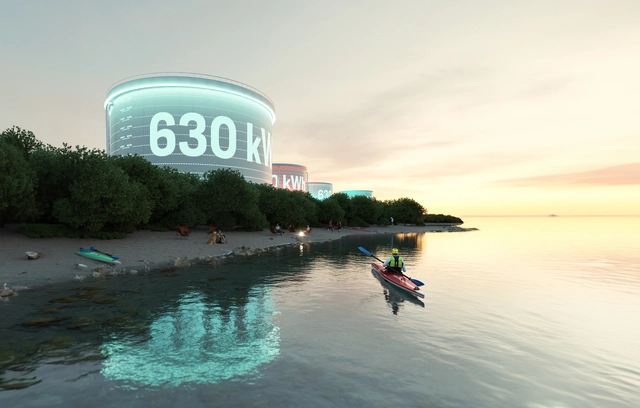
Courtesy of Carlo Ratti Associati | Water Battery Park
Carlo Ratti Associati has just revealed its designs for a waterfront green energy park in Trieste, Italy. Initially a disused petroleum refinery, the initiative seeks to bridge the gap between the city’s industrial past and a sustainable future by repurposing oil storage tanks into renewable energy solutions. Dubbed “water batteries,” the repurposed oil storage tanks are linked to the Adriatic Sea.
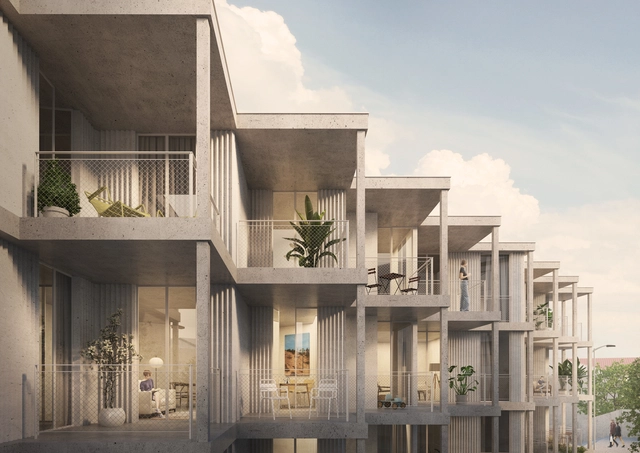
Almada Housing Plot C - Icaro / MASSLAB. Image Courtesy of MASSLAB
In every city, urban housing projects represent most of the built environments, reflecting an intricate weave of societal needs and architectural visions. This roundup of unbuilt projects submitted by the ArchDaily Community offers a lens into the dynamic interplay between design constraints and creative opportunities. From the revitalization of urban fragments to the exploration of innovative construction methods, architects navigate a terrain shaped by sustainability imperatives, community inclusivity, and evolving urban dynamics.
The diversity of unbuilt urban housing projects showcased here underscores the breadth of architectural interventions, featuring commitments to sustainability and inclusivity. From projects featuring new building materials such as wooden construction systems to those created to maximize sunlight or engage the larger community, this week’s curated selection showcases unbuilt collective housing projects from around the world.
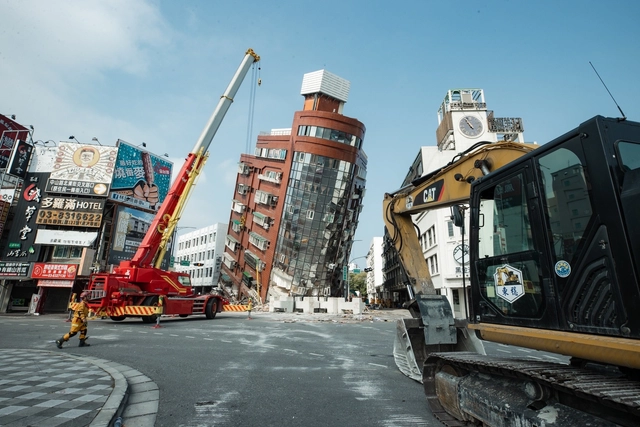
On April 3, Taiwan was hit by a 7.4 magnitude earthquake, the strongest one in 25 years. According to the latest reports, nine people have been killed, and at least 900 others have been injured by damaged buildings and landslides on the island. The seism was centered off the eastern coast of Hualien County, severely damaging buildings, some leaning at severe angles. However, the country’s strict building codes, developed in the past two decades in response to the area’s intense seismic activity, have prevented even more extensive damage and loss of life.
Italian architect and industrial designer Gaetano Pesce has passed away at the age of 84, as announced today on the creator's official Instagram page. Known for the famous UP5 Chair (2000) by B&B Italia which can be compressed like a sponge, and the Organic Building in Osaka, Japan (1993), with a vertical garden irrigated by a complex, computer-controlled hydration system, Pesce dedicated over six decades to his craft, accumulating a portfolio that spanned architecture, product design, and art.
During Milan Design Week 2024, a monographic exhibition titled "Nice to See You" showing at Biblioteca Ambrosiana, is set to feature unreleased works of Gaetano Pesce. Additionally, Gaetano was presenting "L’Uomo Stanco" an outdoor installation in Piazza San Pio XI.
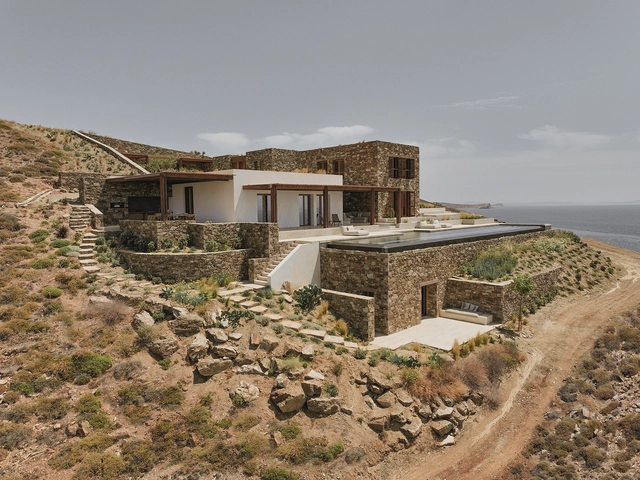
Sloped terrain offers a tantalizing prospect for developers. With breathtaking views over either natural or urban landscapes, often without the realistic possibility of being overlooked by future development, a parcel of land on a slope provides a high reward. However, whether it’s the extra excavation involved to cut and fill or cantilever out on a flat surface, the complications of water drainage, or the loss of light and difficulty of access at the front of the property, building on sloped terrains is not without its difficulties.
But it’s not necessarily the angle of the site that’s most at fault, it’s the shape of the building. By splitting up a multi-story structure and repositioning – possibly even disconnecting – each level, projects designed to comply with the existing topography by applying multiple ground levels can reduce the amount of excavation required. The split floor plan can also help to improve access and natural light and increase both interior and exterior space.