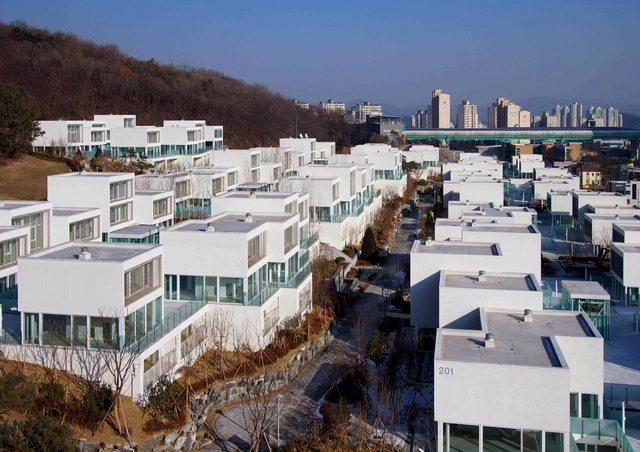
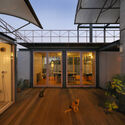
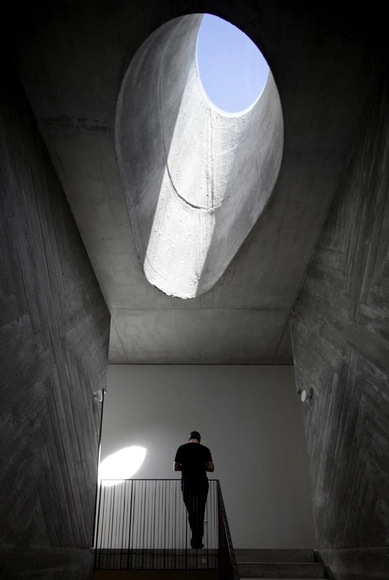
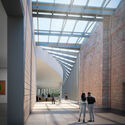
For most people, modern living requires spending most of the day in interior spaces - in fact, according to a report by the Environmental Protection Agency, the average person spends around 90% of their life indoors. As a result, this implies missing out on health benefits associated with sunlight exposure, such as vitamin D absorption, regulation of circadian rhythms, higher energy levels and even improved mood. Thus, one option is to increase the amount of time we spend outdoors. But because most daily functions are carried out inside buildings, it is crucial to incorporate and prioritize natural lighting in interiors.
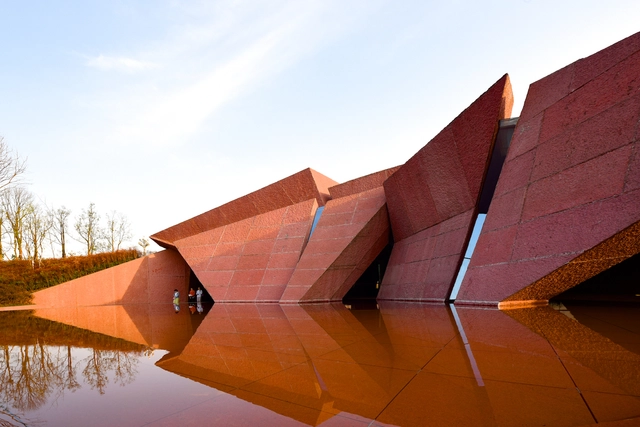
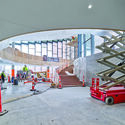
Luxe Lakes Arts Center, Chengdu, China. . Image Courtesy of Wide Horizons Development
Internationally recognized architect, writer, and professor Antoine Predock passed away in Albuquerque, New Mexico, on March 2, 2024, at the age of 87. Throughout his career, Predock developed a unique style, working outside of urban centers and seeking to find a connection between the landscapes and the human experience of space. In addition to serving as a long-term faculty member at the University of New Mexico, he is also the architect behind some well-known projects, including the Nelson Fine Arts Center, the Tang Teaching Museum and Art Gallery at Skidmore College, and the Canadian Museum for Human Rights in Winnipeg, Manitoba.
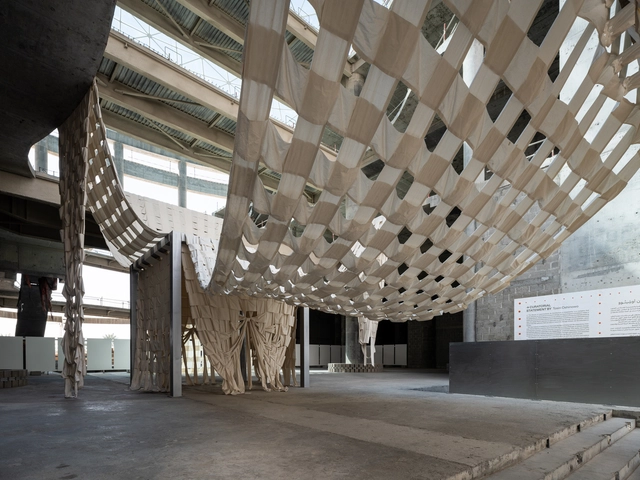
Running from November 11, 2023 until March 10, 2024, The Sharjah Architecture Triennial celebrates innovations in the built environment, particularly in the global south. The main goal of the display is to draw attention to sustainable, accessible, and equitable futures while highlighting the value of alternative responses to resource constraints. As the event draws to a close, ArchDaily explores 10 architectural installations that respond to the overarching theme through various mediums.
Curated by Tosin Oshinowo under the theme “The beauty of Impermanence: An Architecture of Adaptability,” the triennial has contributions from 29 architects and studios across 25 countries. From 51-1 Arquitectos transforming an unapproachable place into a dynamic play space featuring popular board games from various regions to Al Borde redefining a space with a custom-designed shading structure made with natural materials, the Sharjah Architecture Triennial presents a diverse array of architectural interventions. WaiWai's showcase spotlights three instances of modern architecture in Tashkent, Uzbekistan, highlighting their significant evolution. DAAR's "Concrete Tent" combines elements of a mobile tent and concrete house, exploring the concept of "permanent temporariness.” These installations offer innovative perspectives on adaptability, sustainability, and cultural significance within the architectural landscape.
Videos
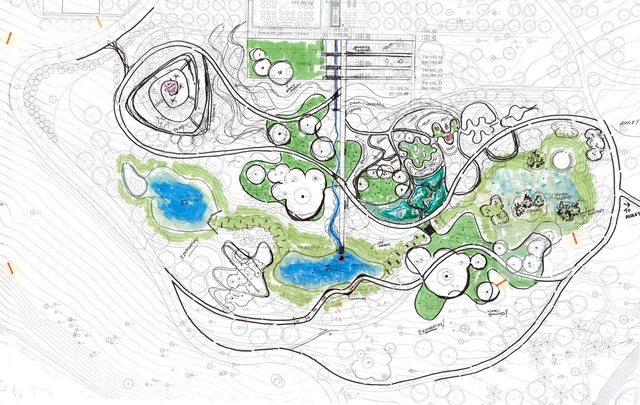
Sketch of Bonnet Springs Park / Sasaki. Image Courtesy of Sasaki
“Landscape architects have started conversations about embodied carbon. There is a realization that we can no longer ignore the grey parts,” said Stephanie Carlisle, Senior Researcher, Carbon Leadership Forum and the University of Washington, during the first in a series of webinars organized by the ASLA Biodiversity and Climate Action Committee.
The grey parts are concrete, steel, and other manufactured products in projects. And the conversations happening are laying the foundation for a shift away from using these materials. The landscape architect climate leaders driving these conversations are offering practical ways to decarbonize projects and specify low-carbon materials.
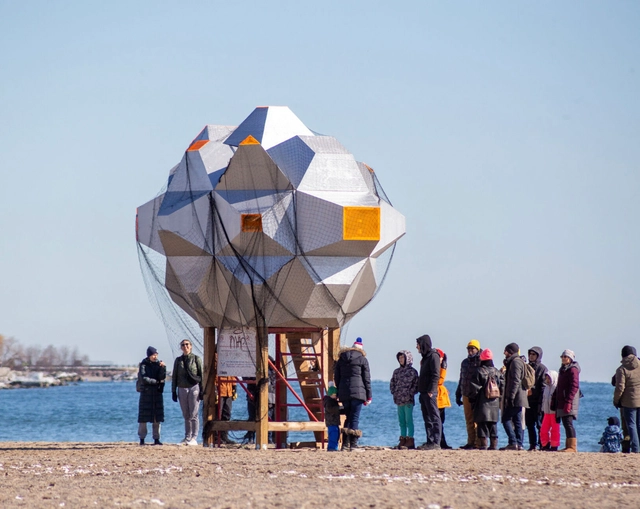
We Caught A UFO! by Xavier Madden and Katja Banovic, Croatia and Australia. Image Courtesy of Winter Stations
Winter Stations, now in its 10th year, has unveiled the winning designs selected from a pool of hundreds of submissions worldwide. Following an international design competition launched in November 2023, designers, artists, and architects contributed with bold proposals to reimagine the lifeguard stations along Toronto’s east-end beaches for the winter. Launched by RAW Design, Ferris + Associates, and Curio in 2014, the event aims to gather an international design and art community to join in this playful exercise of rethinking public spaces through bold temporary interventions. The winning designs were realized with the support of Anex Works, a Toronto-based fabrication group, and will be on display until the end of March.
For its 10th anniversary edition, the chosen theme for this year is “Resonance,” hoping to challenge designers to reflect on the artistic legacy and enduring impact of the Winter Stations and to embark on a journey of reinvention and reimagination. The projects were invited to recreate and reinvent installations from previous Winer Stations editions, offering moments of contemplation and remembrance. The event also continues the tradition of the Lifeguard Sands, inviting designers to incorporate them into their designs without structurally altering the stands in any manner.
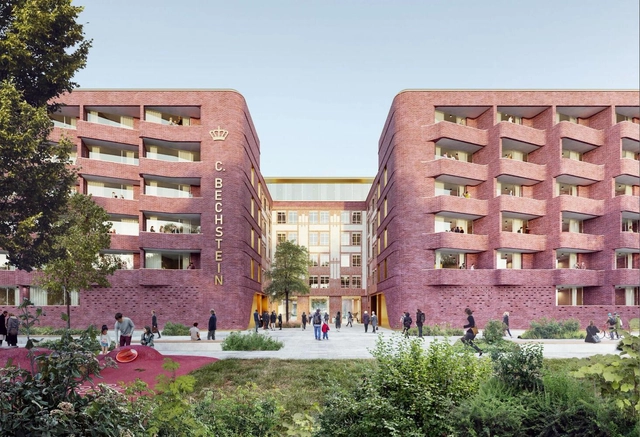
GRAFT Architects has just won the competition to design the new Carl Bechstein Music Campus. Located centrally in Berlin, the Carl Bechstein Foundation’s main goal with the campus is to create a cultural hub entirely devoted to piano music. Serving as a focal point for the Bechstein Brand, established in 1853 and known for its variety of Bechstein pianos, this campus will serve as a focal point and a new headquarters for the foundation.
Four years after the onset of the COVID-19 pandemic, its effects are still felt in the construction and real estate sectors in the United States. Accelerated remote work and hybrid schedules are leading to a sharp decline in demand for traditional office space in cities across America. In major metros like New York and San Francisco, occupancy rates have dropped, property values have diminished and rents have fallen significantly. As architects design for the future of work, the real estate market faces divided perspectives on whether to invest in the country's growing inventory of vacant office buildings.
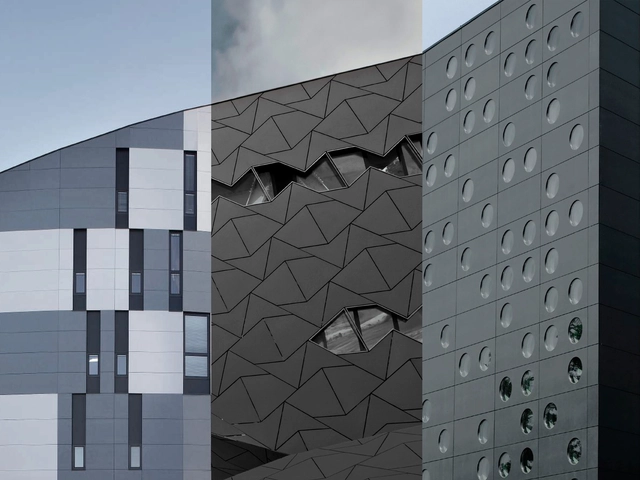
The manipulation and combination of materials are ongoing pursuits in architecture. This has not only broadened the possibilities for construction but also enabled the creation of distinctive shapes and aesthetics by using the same materiality. An example of this is Portland cement, an essential element in the mixture of water and aggregates that make concrete, which allows the creation of both load-bearing and decorative elements. In parallel, as a result of the exploration of innovative materials, fiber cement emerged (invented by Ludwig Hatschek) at the end of the 19th century, combining Portland cement, mineral-based materials, and cellulose fibers.
Nowadays, fiber cement —distinguished by its key technical qualities of slenderness, lightness, durability, and flexible aesthetics— has stood out in various applications associated with design, ranging from furnishings to facade systems. It is in the latter where it has adopted notable expressions due to its textures, incombustibility, rain resistance, and malleability. For this reason, we have developed a design guide that addresses the use of fiber cement, exploring the principles that should be considered when designing the facade, regarding its materiality, dimensions, layout, details, and special applications.
https://www.archdaily.com/1011851/design-guide-working-with-fiber-cement-facadesEnrique Tovar
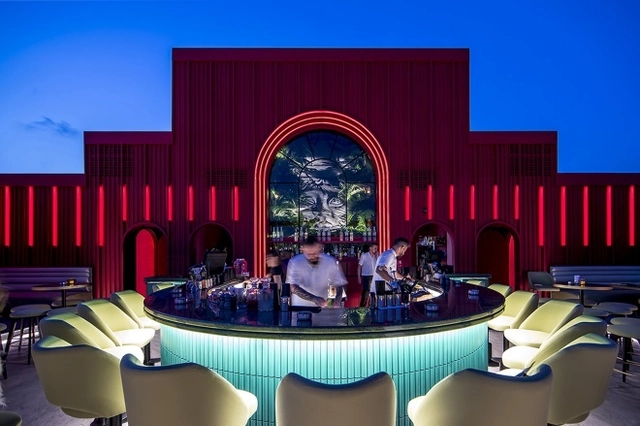
For decades, cities around the world have been promoting their nightlife scene and the designed spaces in which these activities occur. Occasionally hidden away from the hustle and bustle, offering a sort of escapism from the day-to-day-routine behind red velvet ropes and intense security measures, or sometimes proudly on display for people from all walks of life to congregate and spend the evening under the glisten of a disco ball or flashing lights, nightclubs are an example of how fashion, culture, and societal norms influence an often overlooked and underground side of architecture.
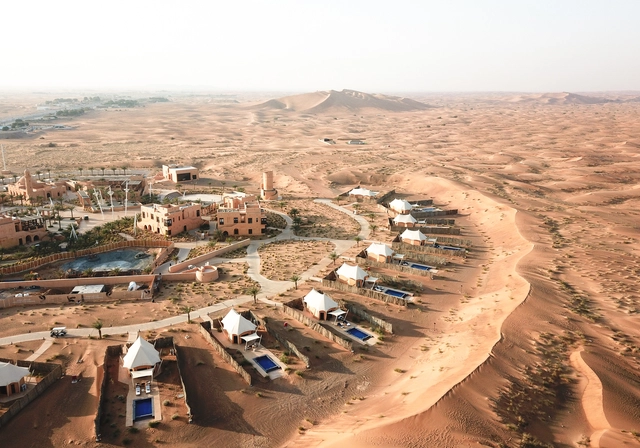
The Mysk Al Badayer Retreat in the desert outside Dubai, United Arab Emirates. Image Courtesy of Mysk Al Badayer Retreat
Set deep within some of the most isolated desert landscapes across the Middle East and further afield, these desert camp hotels offer a way to connect with their surroundings through the solitary experience of open and expansive scenery.
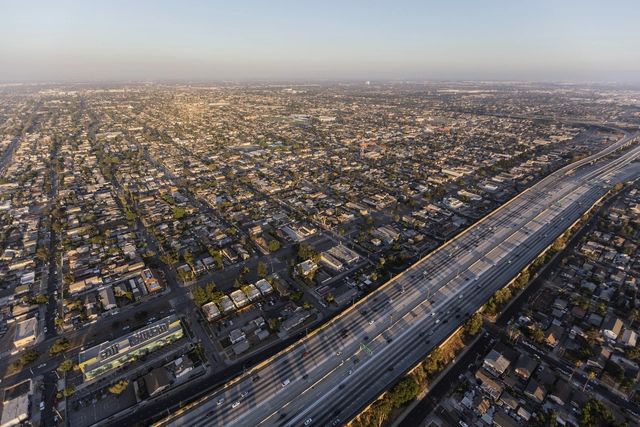
Los Angeles Aerial. Image via trekandshoot / Shutterstock
Cities in the United States are short of millions of housing units. Compounded by other factors, this shortage is radically increasing the cost of both renting and buying houses. Los Angeles is no exception; with 74% of its land zoned exclusively for single-family homes, multifamily housing construction is limited to an extremely small swath of the city, making the construction of new affordable housing difficult. Complex multi-year permit approval processes often make these projects even less feasible.
That's why, in December 2022, Mayor Karen Bass took a drastic approach by declaring a state of emergency to speed up approval for affordable housing projects, allowing developers to expedite rent-stabilized projects through fast permitting times and exemptions from zoning rules. Executive Direction (ED1) created a surge of affordable housing applications, surprisingly not just from developers using public money but from private ones.
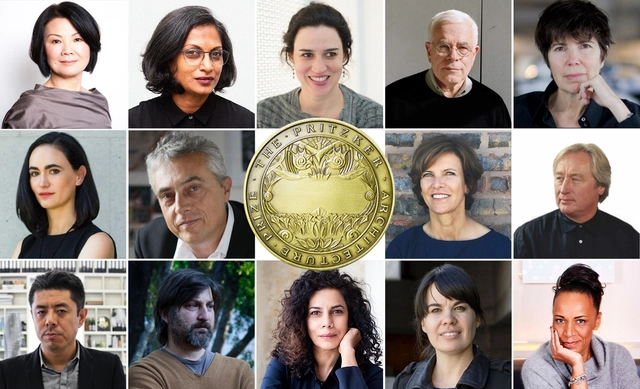
As part of our yearly tradition, we have asked our readers who should win the 2024 Pritzker Prize, the most esteemed accolade in the realm of architecture.
Established by Jay Pritzker and administered by the Hyatt Foundation in the United States, the Pritzker Prize honors living architects, irrespective of nationality, whose architectural contributions "have produced consistent and significant contributions to humanity through the art of architecture."
The field of architecture and design is a dynamic one, often managing large-scale investments and involving a wide array of professionals. It stands to reason that, in this type of environment, success is not simply defined by just the quality of the completed structures, but also by the internal ability of architecture firms to effectively manage their business operations. For architects and designers, measuring performance goes beyond financial metrics; it encompasses a diverse range of factors that reflect the firm's efficiency, creativity, and impact within the industry.
Several key metrics can be measured, from financial goals to client relationship management, innovation, influence, and professional development, all helping architects and designers gauge their performance from different perspectives. As the famous saying goes, “What gets measured gets managed.” To help in this effort, Monograph's 2024 Architecture Business Benchmarks Report offers a thorough examination of five key metrics.
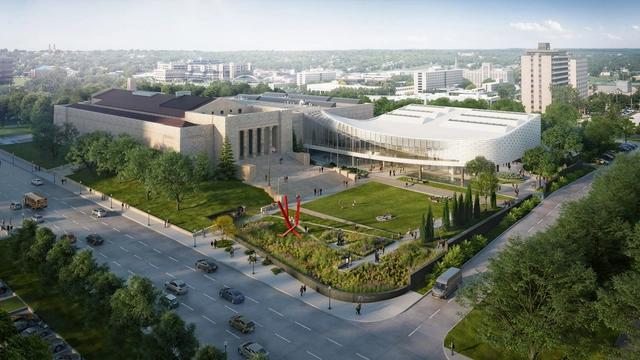
The Joslyn Art Museum in Nebraska announced that the restoration and expiation works led by Snøhetta and Alley Poyner Macchietto Architecture (APMA) are nearing completion, as the transformed institution is scheduled to reopen on September 10, 2024. The new 42,000-square-foot Rhonda & Howard Hawks Pavilion, designed by Snøhetta and APMA will add new gallery spaces to Nebraska’s largest art museum, becoming the centerpiece of the large-scale project for reimagining the visitor experience.
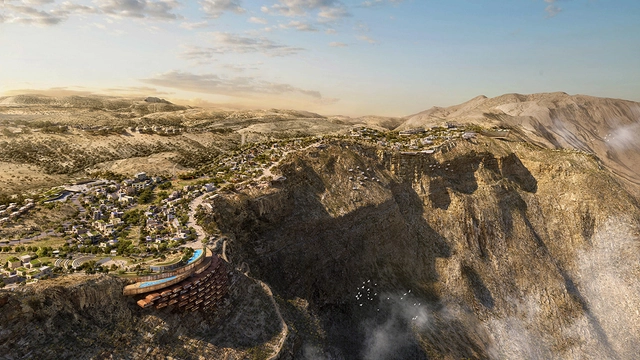
Oman has just announced plans for a $2.4 billion mixed-use project, the new Omani Mountain Destination on Jabal al Akhdar. Masterplanned by AtkinsRéalis, the scheme aims to attract sustainable development opportunities, hoping to "operate as Net Zero Carbon and striving to use 100% renewable energy." The project is in alignment with Oman Vision 2040, seeking a developed, diversified, and sustainable economy;, featuring residences, hotels, and a health village.
Many buildings often fall into disuse due to our cities' constant economic, social, and technological changes. The programmatic inconsistency of current times demands great versatility and adaptability from our infrastructures, increasingly leading projects to become uninhabited, and left to abandonment and decay.
Next, we present a series of 20 Latin American projects in which old warehouses, homes, prisons, mills, and markets were recovered and transformed into Cultural Centers, Museums, and Galleries.