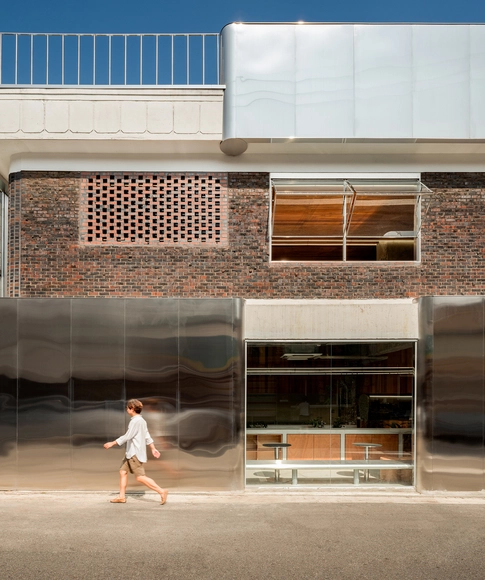
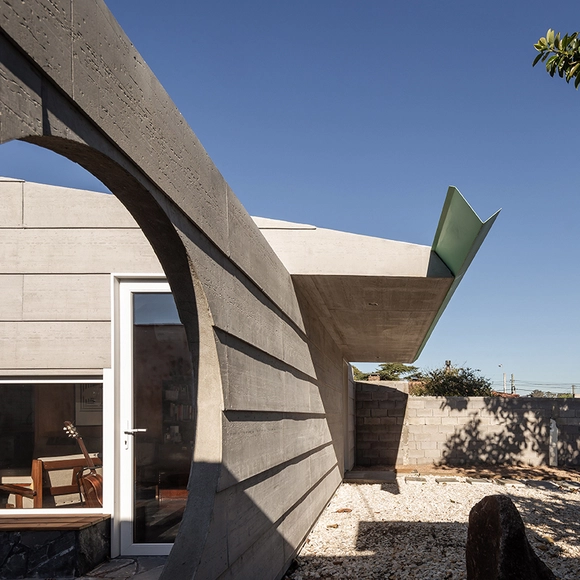
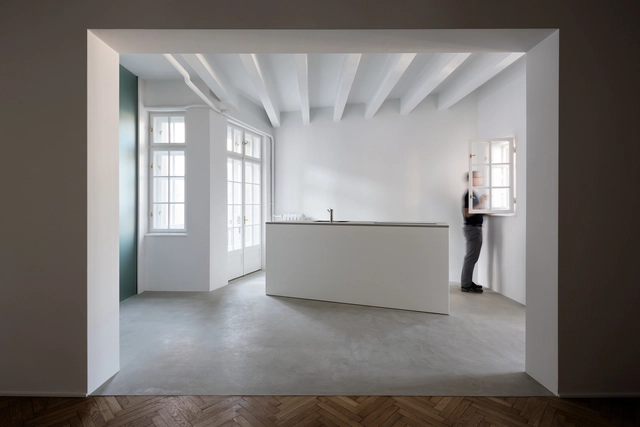
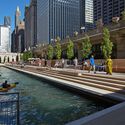
In recent decades, the term "adaptive reuse" has gained tremendous popularity as an eco-friendly construction approach. But what if there was something more poetic about reframing a space and its stories for new users? These architects show that once-deemed disposable facades, walls, and textures can obtain new meaning through bold and clever juxtapositions. These adaptations proudly display their conversions and layers of historical patina under them as a batch of honor and speak to the permanence of buildings and their impermanence in use and interpretation. Through subtle formal moves and daring material choices, they transformed structures that would have been otherwise demolished and reimagined them in new and intriguing ways.
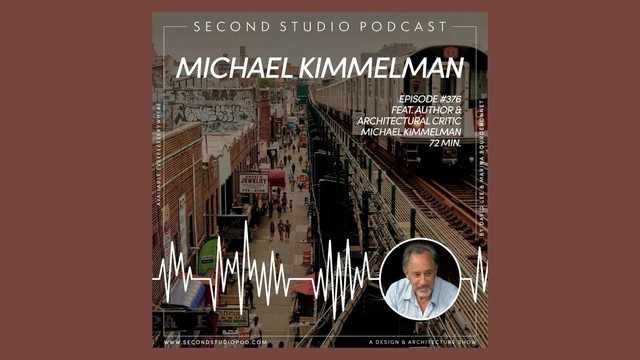
The Second Studio (formerly The Midnight Charette) is an explicit podcast about design, architecture, and the everyday. Hosted by Architects David Lee and Marina Bourderonnet, it features different creative professionals in unscripted conversations that allow for thoughtful takes and personal discussions.
A variety of subjects are covered with honesty and humor: some episodes are interviews, while others are tips for fellow designers, reviews of buildings and other projects, or casual explorations of everyday life and design. The Second Studio is also available on iTunes, Spotify, and YouTube.
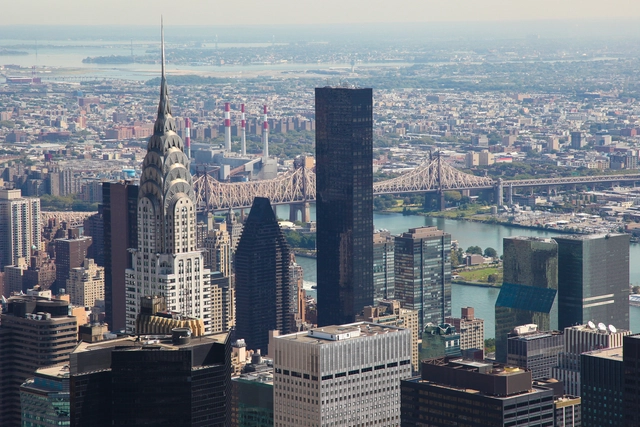
This week David and Marina of FAME Architecture & Design are joined by architecture critic of The New York Times, Michael Kimmelman, to discuss his background; the role of a critic; New York City; the evolution of the profession; the housing crisis; social housing; the value of architecture; and more!
https://www.archdaily.com/1013752/the-second-studio-podcast-interview-with-michael-kimmelmanThe Second Studio Podcast
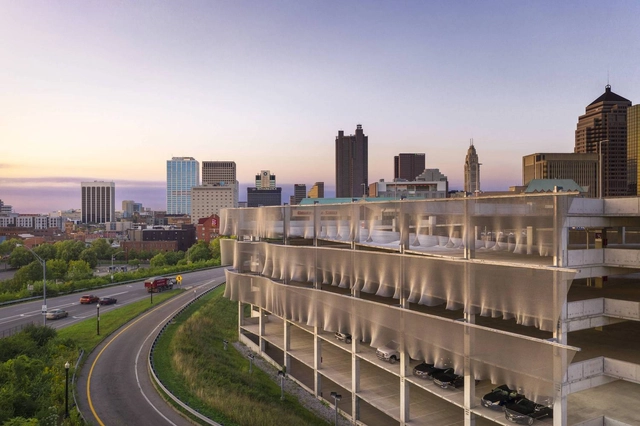
The urban heat island effect occurs when pavements, roads, and buildings absorb the sun's heat and radiate it back, causing the temperature to increase and preventing the city from cooling down. With the growing reliance on cars in cities, the number of urban car park spaces is also increasing to accommodate buildings. This has resulted in the conversion of large areas of pervious land covered with vegetation into impervious hard surfaces for more car parks. The use of materials like asphalt, combined with the lack of shade, reflective steel surfaces of parked cars, and loss of greenery in these extensive car parks, contributes to the amplification of high-temperature effects and extreme heat events, making urban spaces uncomfortable. This transformation is impacting the climate of car-dependent regions and calls for collaborative ideas and efforts to mitigate the negative effects of rising heat.
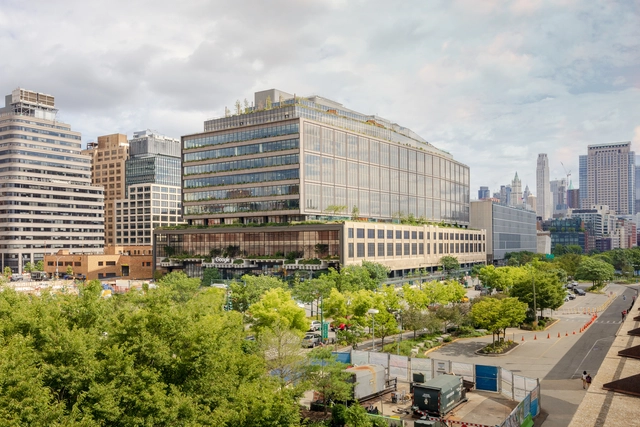
Google’s newest headquarters in New York, situated within the St. John’s Terminal, will open its doors on February 26th, marking a milestone for the company’s presence in the city. Designed by COOKFOX Architects, in collaboration with Gensler, the headquarters is constructed atop the original 1930s rail terminal and adapted to become a vibrant hub for over 14,000 Googlers. The terminal, formerly the endpoint of the iconic High Light, now serves as a testament to the company’s innovative approach, rapid growth, and lifelong commitment to New York.
As commonly understood, gutters are elements installed along the edges of roofs and balconies to channel rainwater. Their primary function is to collect water flowing over the roof's surface and direct it to the appropriate downspouts. Proper sizing is crucial regardless of the material—whether aluminum, PVC, concrete, galvanized steel, or others. Depending on the climate in which the project is situated, the damages caused by incorrect application can be considerable.
Recently I visited Pittsburgh for a fascinating hand-drawing conference at Carnegie Mellon’s superb school of architecture, which to my knowledge is not among the top 10 in U.S. News and World Report. I wonder why? The curriculum is cutting-edge, the faculty world-renowned, and the students well-grounded and talented. More people of color are in the design community at CMU than at Princeton, SCI-Arc, or Harvard.
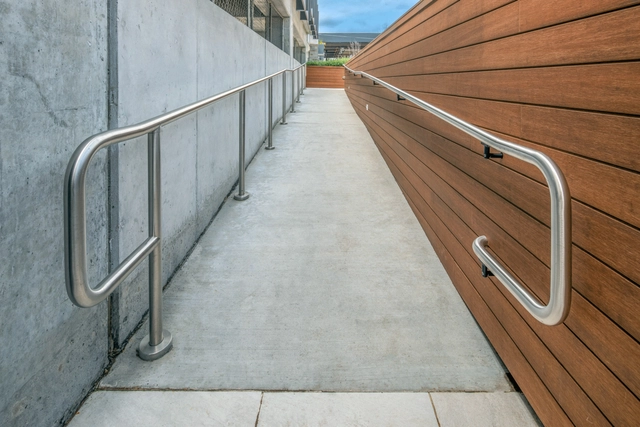
Courtesy of Hollaender Manufacturing Co – Cincinnati, OH
Architectural design is a discipline that spans a wide range of scales, from macro scales involving the design of master plans or large urban complexes to micro scales, where it focuses on specific elements such as fixtures and fittings. Regardless of scale, careful attention to the design of each component of the built environment plays a critical role in how people experience architecture.
At the architectural micro-scale, railings and handrails play specific roles but are often confusing. While railings are designed to enclose spaces and prevent falls, handrails function as support elements, offering orientation and stability to avoid accidents and injuries. It is in the latter aspect that a stronger connection to accessibility becomes evident. For this reason, it is essential to have handrails, wall railings, and assist railings that meet ADA standards, such as those developed by Hollaender Manufacturing Co. These elements adapt to various design conditions, facilitating the movement of individuals who may encounter barriers in the physical environment.
https://www.archdaily.com/1010525/handrails-and-accessibility-101-ensuring-safe-usage-in-architectural-projectsEnrique Tovar
During the period 1925–1975, Danish society underwent significant changes. As a result, the architects were called upon to help shape the daily lives of the citizens in modern Denmark. The role of women was also changing, following the 1915 constitutional amendment that gave women the right to vote. In the following years, the first generations of women completed their educations within the design disciplines. During 1925-1975, women have had an important, if other overlooked impact, shaping the everyday environment by designing and reimagining kitchens, public buildings, housing, landscapes, and urban areas, among other things.
The Women in Danish Architecture project aims to offer a more complete understanding of Danish architecture history and to present it in a more engaging and inclusive way. The aim is to contribute to an understanding of architectural history as not created by great individuals but through mutual and creative collaborations. The project is anchored in the Section for Landscape Architecture and Planning at the Department of Geosciences and Natural Resource Management, University of Copenhagen.
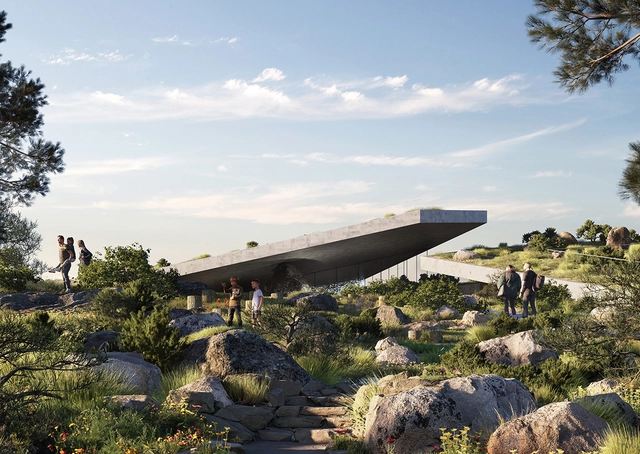
Established in 2023 to protect nearly 13,000 hectares of the Vjosa River Region Park, the Vjosa National Park Europe’s first “wild river national park.” Danish architecture CEBRA has been selected to design a multifunctional visitor center and information center in the newly protected space. Located in Përmet, Tepelenë, and Vlorë in Southern Albania, the Vjosa Wild River National Park features a 190-kilometer-long free-flower river. CEBRA’s design supports conservation efforts and investigates how visitors can engage with their respective ecosystems.
Multifaceted and filled with complexities, the landscape of architecture and urbanism in Latin America unveils specific nuances and challenges in light of the issues faced by various countries, such as social inequality, violence, and rapid urban growth. Within this context, architectural practice assumes a significant role in crafting feasible and appropriate solutions tailored to each reality, emphasizing the importance of reaffirming local references and narratives in this process.
In the face of the established hegemony, particularly by North America and Europe, which often marginalizes Latin American architectural and urban achievements, especially those not even recognized as such, the appreciation of this diversity and complexity becomes imperative for any consideration and intervention in the region. Below, we have selected six interviews that aid in understanding the architecture of Latin America and contribute to a more contextualized and sensitive approach to its needs, potential, and richness.
In an effort to find effective strategies to mitigate the adverse effects of climate change, the Biden-Harris administration has released a draft of a new legislative initiative that strives to impose a National Definition for Zero Emissions Buildings. Overseen by the U.S. Department of Energy (DOE), the draft proposes a standardized and verifiable base for defining the common minimum conditions for such buildings, as well as pathways for transparent verifications by public and private entities. DOE has now launched a ‘request for information' asking for feedback from industry, academia, research laboratories, and other stakeholders before finalizing the document.
Courtesy of Thom Mayne | Constructing the Spontaneous
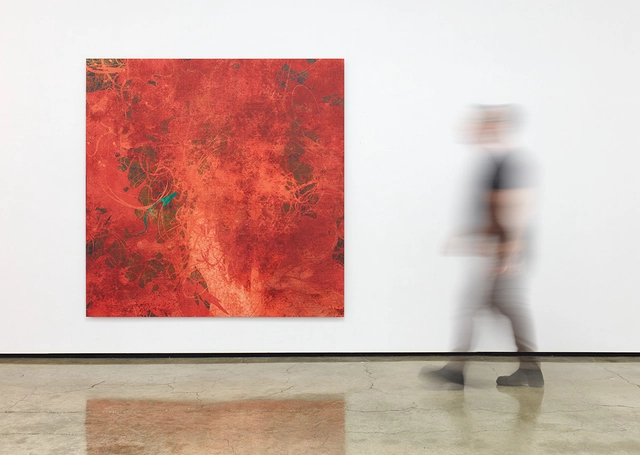
The Pritzker-winning architect Thom Mayne is presenting his display “Constructing the Spontaneous” in the Paul Kyle Gallery in Vancouver, Canada. Known for his contributions to architecture and design, the architect founded Morphosis in 1972, embodying his philosophy of architecture as an ever-evolving, dynamic process. Mayne’s latest display features his artworks, diving into the intricate relationship between cutting-edge technology and timeless human expression.
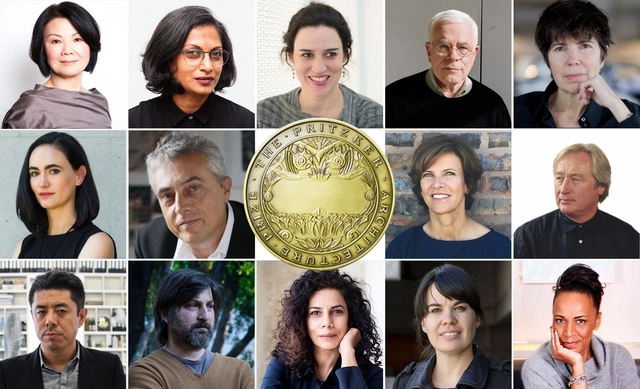
After the Hyatt Foundation announced that the 2024 Pritzker Prize be revealed on March 5 at 9 am EST, speculation has ignited regarding which architect or architects will receive architecture's most prestigious award. The Pritzker Architecture Prize, considered to be "the profession’s highest honor," has been granted annually, since 1979, by a jury, to a living architect or architects with significant achievements to humanity and the built environment.
A correctly sized kitchen island is more than just a functional architectural element—it's a key component of kitchen design. Beyond its primary functions, a well-sized kitchen island can serve as a versatile space adaptable to various household needs by enhancing workflow efficiency, providing additional storage, fostering social interaction, and contributing to the overall space aesthetics.
Whether utilized as a breakfast bar for quick meals, a study area for children's homework, or a hub for entertaining guests, its flexibility enhances the functionality and livability of any kitchen environment. Determining the appropriate size for a kitchen island, however, demands a meticulous approach, blending spatial considerations, workflow requirements, and design sensibilities.
Selected by the jury comprising 7 members: Frédéric Druot, Martin Braathen, Pippo Ciorra, Tinatin Gurgenidze, Adriana Krnáčová, Sala Makumbundu, and Hrvoje Njiric, from a list of 362 nominees, the "7 finalist works promote local policy references and can become global European models since all of them create inclusive and high-quality living environments."
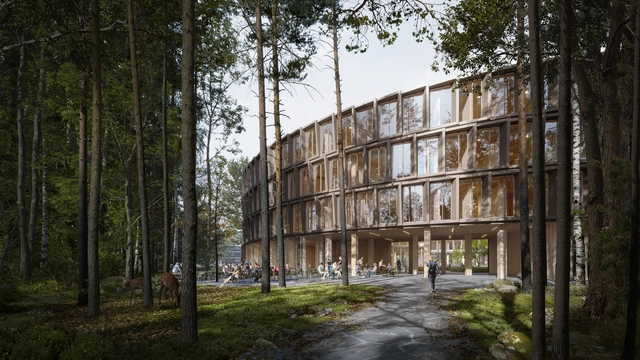
Henning Larsen and Ramboll have won the competition to design the new campus for the prestigious scientific research center,CERN. Designed to integrate science and nature, the B777 building uses biogenic materials and low-carbon methods to reimagine traditional laboratory settings. Situated on the border of France and Switzerland, in CERN’s Prévessin Campus, the scheme aims to foster a sense of community, collaboration, and well-being.
Urban mobility in the United States has seen a radical transformation with the introduction of ridesharing services in the late 2000s. The widespread adoption of services such as Uber and Lyft has altered the way citizens move around cities, offering convenience, flexibility, and accessibility like never before. The innovative business model that excels at designing for individual users failed to foresee larger implications at the scale of the city - congestion, public transit systems, and car ownership. While European countries such as Brussels have pledged to encourage public transportation to curb traffic congestion issues, American cities hunt for solutions of their own.
Sumaya Dabbagh, the founder of Dabbagh Architects, based in the UAE, stands at the forefront of architectural innovation with a focus on identity and connection to place. Her recent participation in the Sharjah Architecture Triennial’s second edition “Earth to Earth" is a showcase of cumulative ideas that Dabbagh Architects has been fostering through their projects. Onsite in Sharjah, ArchDaily had the chance to speak to the architect about her exploration at the Triennial, as well as her broader architecture practice and its impact on the Global South.