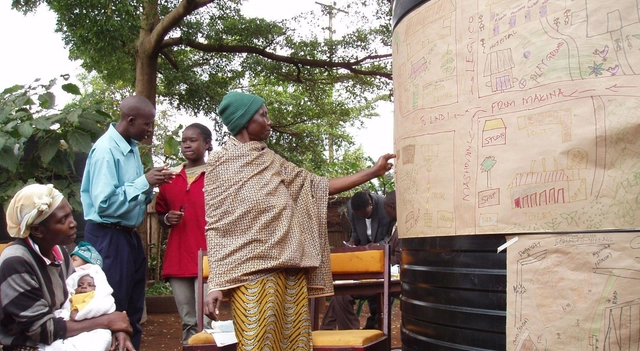
Women-led community planning session in Kibera, Nairobi, Kenya / Kounkuey Design Initiative (KDI). Image Courtesy of The Dirt
"We are focused on creating a just public realm," said Chelina Odbert, Hon. ASLA, CEO and founding principal of Kounkuey Design Initiative (KDI), at the National Building Museum in Washington, D.C. And by just, "we mean free, inclusive, accessible, unbiased, and equitable". A "just public realm is open to everyone.” There is unlimited access to streets and public spaces so people can travel to school and work and be full members of their communities.
Unfortunately, the public realm is instead often “intimidating, exclusionary, inaccessible, unjust, and inequitable” for many women, LGBTQIA+ people, people with disabilities, and people of color. Landscape architects, planners, and others need to understand who feels safe and comfortable in public spaces or there is a risk of perpetuating inequalities, Odbert argued.
https://www.archdaily.com/1012717/designing-spaces-that-are-good-for-women-and-everybody-elseJared Green
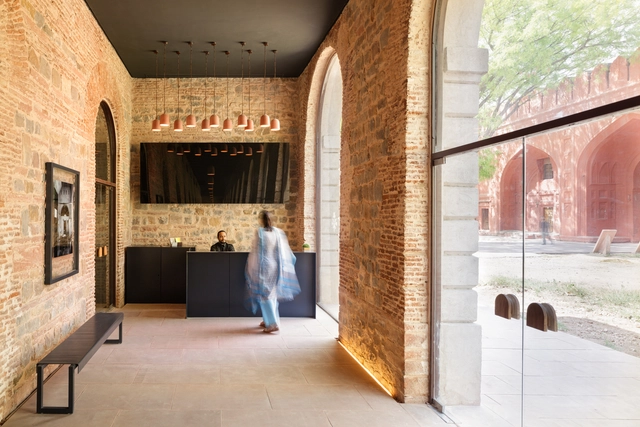
The Indian built environment constantly negotiates ancient traditions, diverse population, and globalized ambitions. When it comes to heritage preservation, these forces often converge to create a distinctive approach to conservation efforts in the country. Beyond the conventional models seen in many parts of the world, India's conservation projects intertwine historical practices, community engagement, and a reverence for the living essence of buildings.
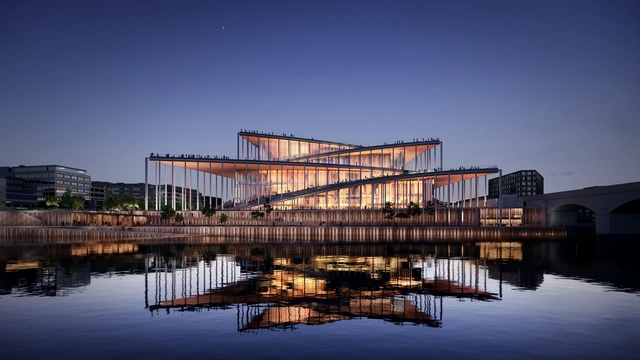
After winning the international competition for the design of the Vltava Philharmonic Hall in May 2022, Danish studio BIG-Bjarke Ingels Group has now developed the design into a detailed architectural study. The project continues the central concept of the competition, that of connecting the riverbank with the venue’s rooftop via a meandering path that expands the public space and invites visitors to engage with the new building. Construction is expected to start in 2027, after completing the project documentation for the building permit and selecting a contractor. The Philharmonic Hall is expected to open in 2032.
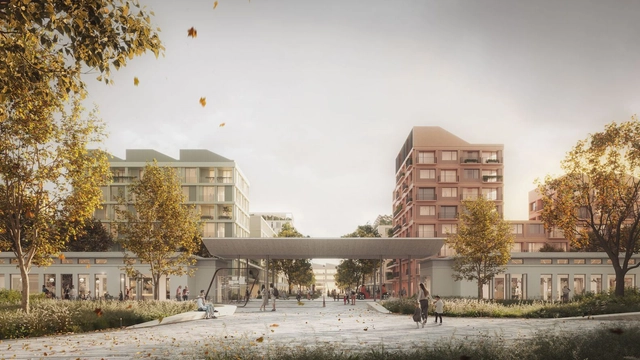
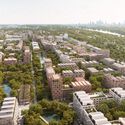
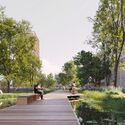
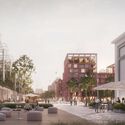
Last week, WXCA Architects unveiled the design for a new “green district of the future,” to be developed on a former FSO car factory site in Warsaw. Covering over 60 hectares, the project aims to accommodate more than 17,000 residents and provide employment for approximately 13,000 individuals by 2050. The Polish automotive FSO factory will be transformed, outlined in a master plan envisioning a multi-functional and environmentally conscious district.
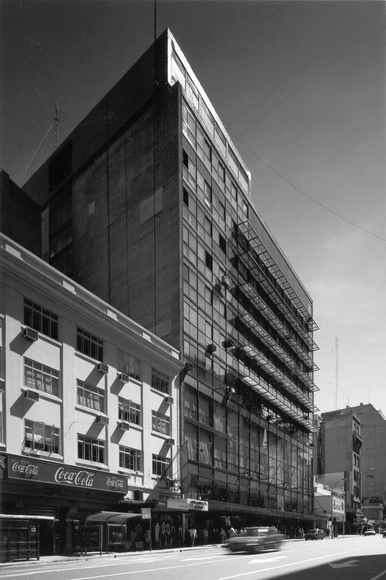
On Avenida Corrientes, the Teatro Municipal General San Martín (TGSM) rises between party walls in the heart of downtown Buenos Aires. Designed by Mario Roberto Álvarez and Macedonio Oscar Ruiz in 1954, this building comes to address an artistic and cultural issue common to the large cities of America. It stands as one of Argentina's most important theaters, providing spaces for theatrical and cinematic performances as well as art exhibitions. Spanning 30,000 square meters, it constitutes a theater complex alongside the General San Martín Cultural Center, operating independently.
Courtesy of New Murabba Development Company | Riyadh
Saudi Arabia, a country going through a tremendous transition, is not only changing its skyline but also redefining its identity on a global level. As part of their 2030 Vision serving as the compass, the kingdom is moving toward new developments, aiming to revive culture and diversify the economy. In fact, the capital, Riyadh, is leading the transformation by hosting the 2030 World Expo. Representing the country’s dedication to advancement, several mega projects are taking place and transforming the kingdom's fabric.
Amidst the various projects, many world-renowned firms are working on these mega projects at many different scales. For example, the cultural renaissance is shown through Snøhetta’s Opera House in Diriyah, while the Jeddah Tower is on a trajectory that will overtake the Burj Khalifa. In the meantime, Heatherwick Studio’s conversion of a Jeddah desalination plant into a thriving cultural center showcases their repurposing of industrial spaces. From coastal projects by Foster + Partners to city center skyscrapers that are redefining the skyline, the country is undergoing significant transformations in its built environment.
The Second Studio (formerly The Midnight Charette) is an explicit podcast about design, architecture, and the everyday. Hosted by Architects David Lee and Marina Bourderonnet, it features different creative professionals in unscripted conversations that allow for thoughtful takes and personal discussions.
A variety of subjects are covered with honesty and humor: some episodes are interviews, while others are tips for fellow designers, reviews of buildings and other projects, or casual explorations of everyday life and design. The Second Studio is also available on iTunes, Spotify, and YouTube.
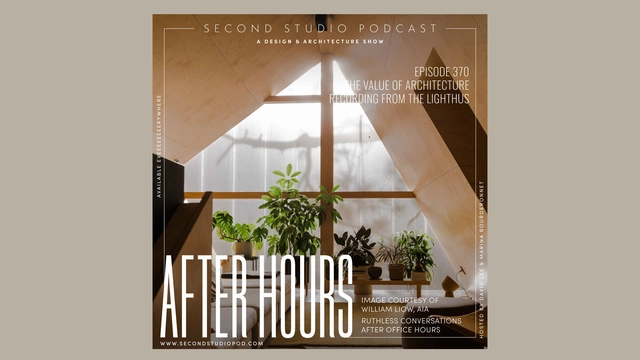
This week David and Marina of FAME Architecture & Design discuss their stay at the Lighthus, a vacation rental home designed by Peripherie Design Studio's William Liow, AIA. The two cover the design of the home, the value of architecture, communicating to clients, what architects do, and more.
https://www.archdaily.com/1012125/the-second-studio-podcast-value-of-architectureThe Second Studio Podcast
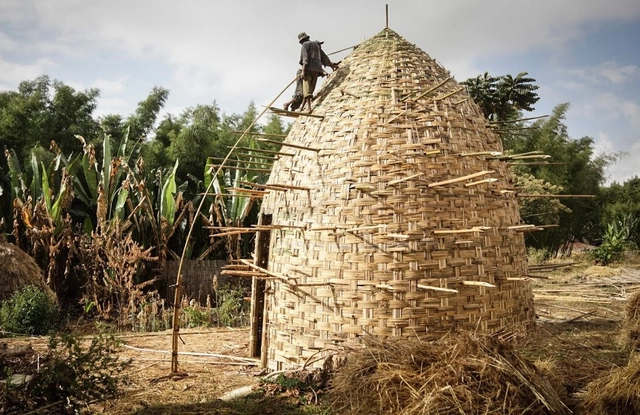
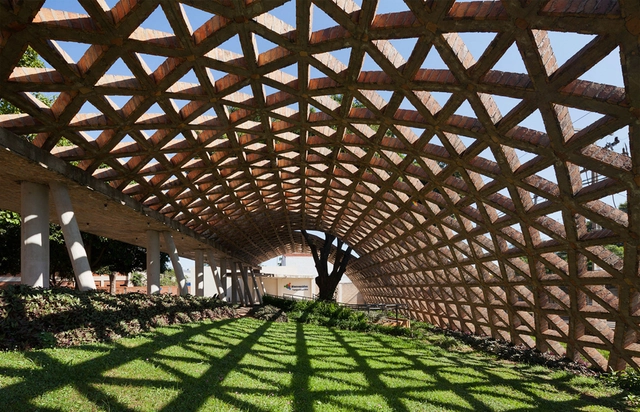
Weaving is not only a technical craft but also a way to design material experiences. Engaging in the process of weaving allows us to structure, communicate, reflect on, and connect with our designs. By experimenting with different fabric structures, we gain insight into how materials behave under tension and compression. This understanding helps us push the boundaries of textiles and their limitations, resulting in designs that stretch and test the properties of the materials.
In architecture, the construction mechanism of weaving centers the shelter to the building process. In this sense, shelter becomes a direct manifestation of material production. Additionally, weaving offers numerous environmental and social benefits by creating shelters that actively engage with materials, tools, technologies, and creative potentials, thereby supporting placemaking.
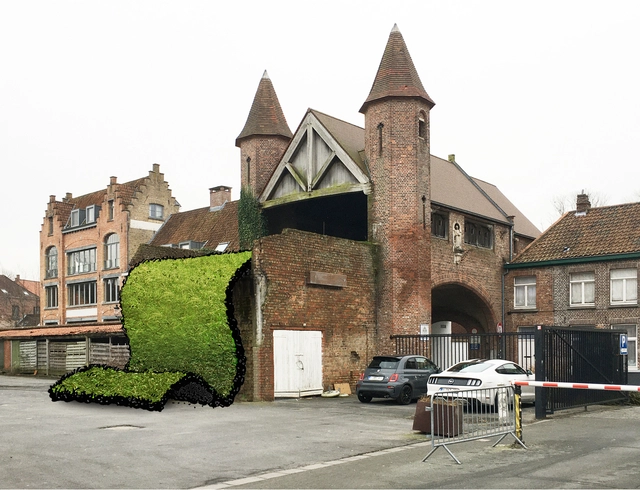
The Bruges Triennial 2024 has announced its theme, “Space of Possibility,” along with a list of participating artists and architects and the locations of the 12 installations. Running from Saturday 13 April to Sunday 1 September 2024, the event will take over the streets and historic center of Bruges. Belgium, showcasing contemporary art and architectural interventions. The curators of this edition, Shendy Gardin and Sevie Tsampalla, have selected a list of 12 artists and architects who will challenge the existing locations within the city’s quarters in response to the theme which asks them to seek to reveal the hidden potential of the city.
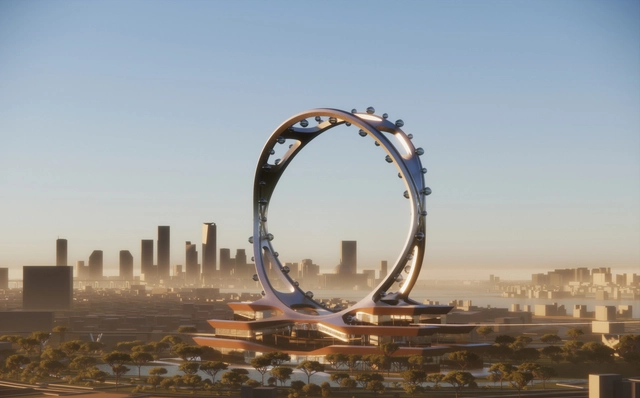
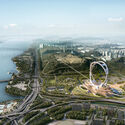
UNStudio, in collaboration with Arup and local firm Heerim Architecture, has unveiled the proposal for the “Peace Park Wheel.” Designed as a landmark at Sangam World Cup Park in Seoul, UNStudio successfully won the preliminary competition and is set to partner with Seoul Housing & Community Corp. The ferris wheel proposal is part of the mayor’s vision: “Han River with a Thousand Sunsets,” aiming to establish numerous public spaces along the Han River for the city’s residents.
The relationship between architecture and the environment is multifaceted. It involves a dynamic interaction between built spaces and the surrounding natural context. It shapes how buildings and cities function, impacts ecosystems, and influences the well-being of inhabitants.
Many factors link architecture and the environment. They span from practical considerations such as natural materials and renewable energy sources to broader aspects like integrating and appreciating local culture. Within this wide range of possibilities, we have selected five interviews that showcase different approaches to this theme. These interviews stimulate essential reflections on the contemporary architectural context.
Science Forest / ADAT Studio. Image Courtesy of ADAT Studio
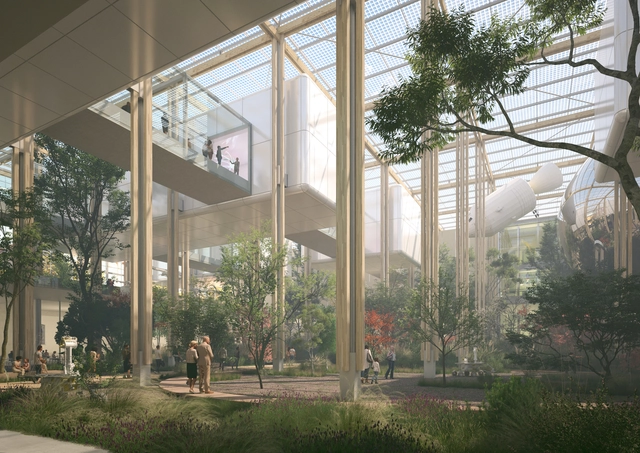
In the contemporary context, museums face contradictory sets of ideas: becoming attractions on and of themselves but presenting an understated image that shifts the attention to the exhibits, creating a safe and protected environment for the artifacts, yet opening them up to the public, becoming repositories of history yet catalysts for innovation. Searching for the balance between all of these constraints has resulted in the flourishing of diverse types of museums and cultural institutions, from those dedicated to the remembrance of a single event or persona to temporary homes for cultural events or spaces that expand their cultural offering beyond exhibition areas.
This curated selection of Best Unbuilt Architecture highlights projects submitted by the ArchDaily community that demonstrate the fusion of art, technology, and innovation within the realm of museums and cultural centers. Among the featured designs are works from renowned architectural offices, including CAA architects, NextOffice – Alireza Taghaboni, and Fentress Architects, along with several emerging firms. Ranging from a sculptural art museum in Dubai to a local cultural and recreational complex in Senegal, or an immersive science museum in Rome, Italy, this diverse compilation strives to showcase the spectrum of scales and purposes of cultural institutions.
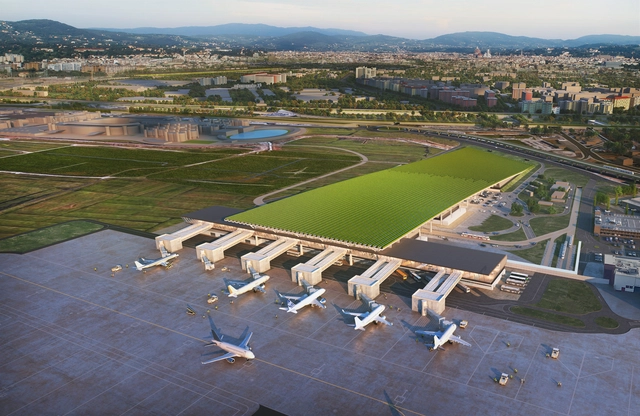
Rafael Viñoly Architects has released new renderings of their design for the new international terminal at Aeroporto Amerigo Vespucci in Florence, Italy. According to the architects, upon completion, the new terminal is expected to welcome over 5.9 million passengers a year, becoming one of the largest airports in the Tuscany region of Italy. In a nod to the Tuscan traditions of winemaking, the terminal’s rooftop features a 19-acre productive vineyard. The project is divided into two construction phases, with the first one scheduled to be completed in 2026, and the second in 2035.
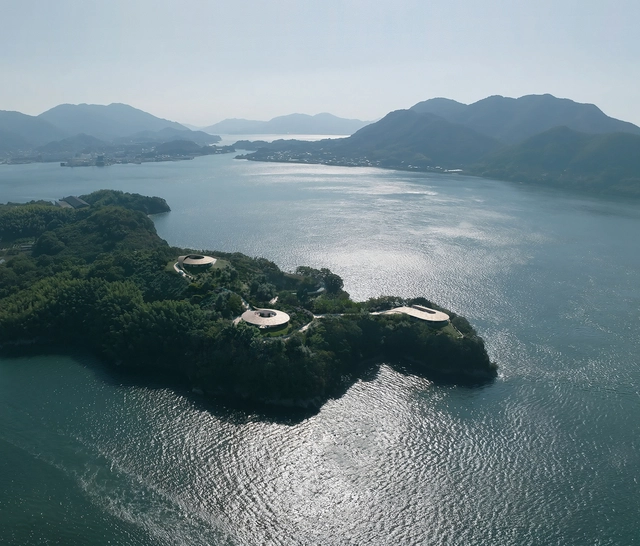
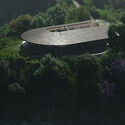
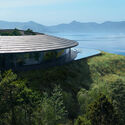
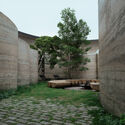
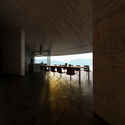
BIG has released sneak peek images into their “Not A Hotel Setouchi” project in Japan. The scheme draws inspiration from the surrounding beauty and Japanese landscape artworks, situated in the southwest cape of Sagi Island, overlooking the Seto Inland Sea. Consisting of three distinct holiday villas, Not A Hotel aims to blend Japanese and Danish architectural influences.
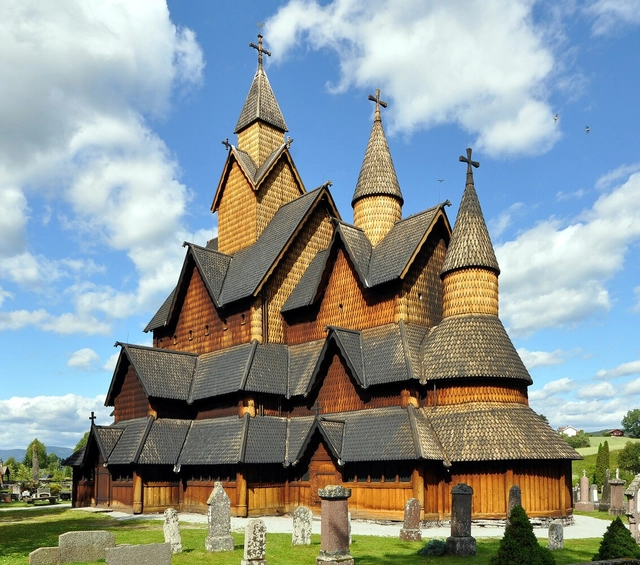
In Norway, the Medieval Churches, known as "StavKirker" (in Norwegian, "Stav" refers to a type of wooden column, and "Kirker" means church), stand out as iconic structures. They emerged in the 11th century following the country's conversion to Christianity, reflecting Norwegian expertise in ship carpentry inherited from the Vikings. This expertise transformed wooden construction, innovating woodcraft techniques and turning these buildings into aesthetically significant compositions.
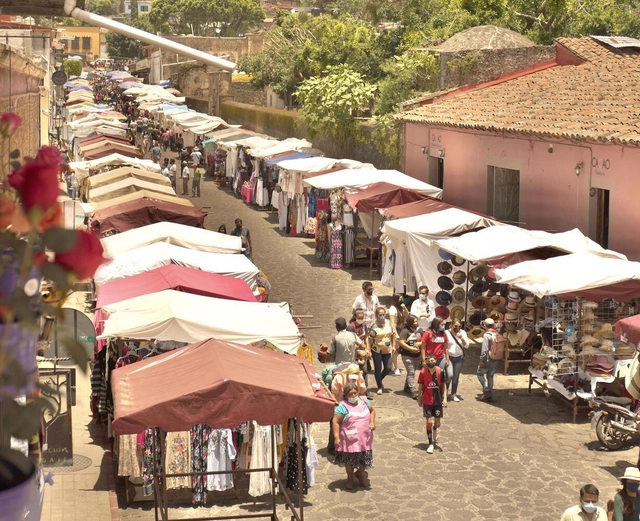
via Unsplash | Street fair in Tepoztlán, Mexico. Photo by Karo Kujanpaa
Usually defined by their open-air settings, diverse offerings, local and independent sellers, temporary nature, and acting as social hubs, street markets have been around for thousands of years. From the days of the Roman Forum to the Silk Road and the markets of ancient Greece, they are undoubtedly essential parts of urban life, or “the center of all that is unofficial.” Mostly categorized under the informal economy due to lack of regulations and authorization, street markets in the global south have often been seen as a threat to urban development. However, these erratic and adaptive urban spaces serve core functions in any developing city, acting as pillars of community in many different facets of society.
Policymakers and city officials have long struggled with informality, considering it the “antithesis of modernity.” Conventionally, the informal economy consists of activities with market value but are not formally registered, often unregulated, undocumented, and operating outside the incentive system offered by the state. Street vendors, specifically in the global south, constitute a substantial portion of the informal economy. Moreover, as cities grow and approach development, public spaces become more contested and privatized, leading to an overall mission to remove street markets or push them into formalization.
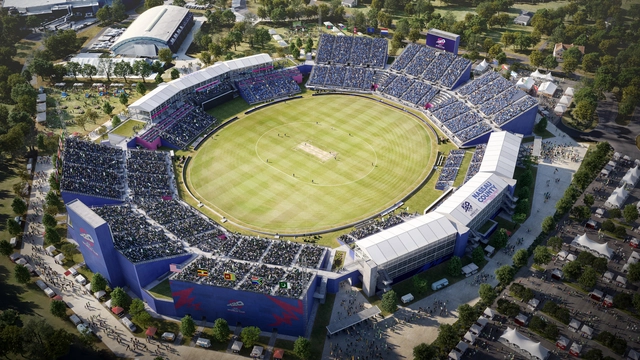
Nassau County International Cricket Stadium / Populous. Image Courtesy of Populous
Designed by the sports and entertainment-focused architecture office Populous, the Nassau County International Cricket Stadium will be located in Eisenhower Park, 30 miles east of Manhattan, and is planned to host eight matches during the ICC Men’s T20 World Cup 2024. The stadium, having a capacity of 34,000 seats with additional VIP and hospitality units, is scheduled to be completed within 3 months. The accelerated process is made possible by the modular system, typically employed in other sports such as Formula 1, Golf, and the Olympic Games.