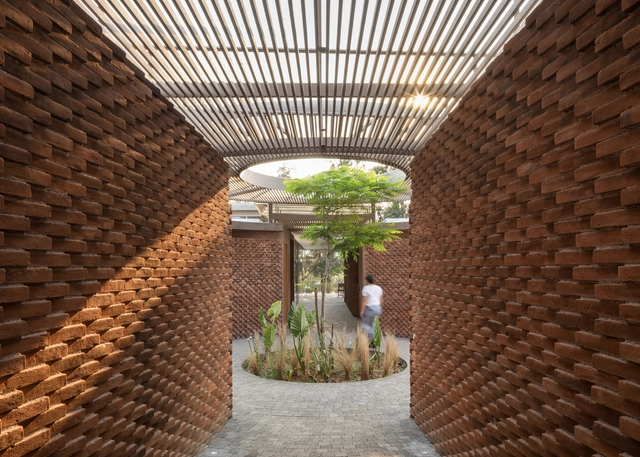
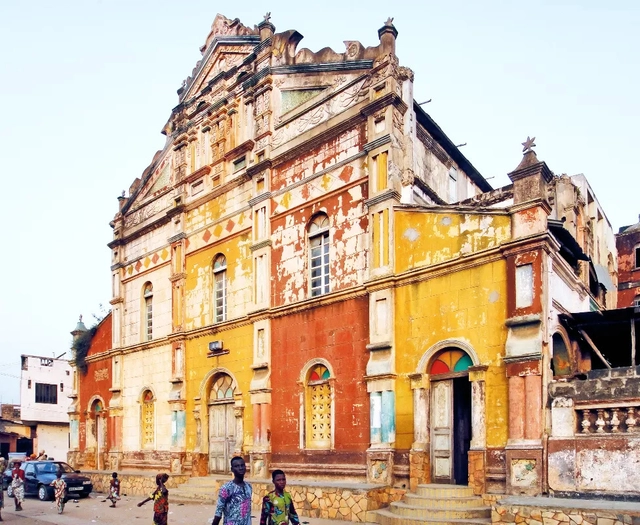
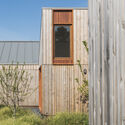
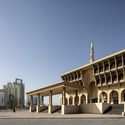
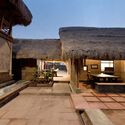
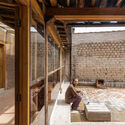
Watch live the Holcim Awards 2023 Ceremony on November 18, broadcasted from Venice, Italy during the final weeks of the Biennale Architettura 2023 - 18th International Architecture Exhibition, to discover the winners and the ranking of the nominees. Consisting of five independent expert panels from around the globe, the jury has chosen projects that demonstrate contextual and practical approaches to sustainable construction, divided into regional categories: Asia-Pacific, Europe, Latin America, Middle East and Africa, and North America.
Founded in 2004 by the Holcim Foundation for Sustainable Construction," the Holcim Awards for Sustainable Construction are the world’s most significant competition for sustainable design - showcasing projects that contribute to the transformation of the building sector." The Awards recognize projects that integrate sustainable design and construction with architectural excellence. Serving as a catalyst for innovators, these awards have granted so far over 320 prizes.
The term brick is often used as a synonym for common clay solid blocks, but there's more to it. Bricks are perhaps the most elementary of building materials and can be used to design modular, optimized, and most importantly, versatile buildings. This article explores the most popular types of bricks according to their use in construction.
Buildings that are designed to layer stories and memories, evoke a sense of aspiration, define cultural narratives, and build a national identity will always be important in all societies. When buildings have this power to shape communities, make an impact on a city’s image, and change the course of socio-economic growth, then they can be identified as iconic. Though the term “iconic” is subjective, it is one that pushes the boundaries of architecture in any context. It calls for spatial originality, proposes innovative material technology, and necessitates a radical socio-economic investment to be realized.
However, since the economies of developing countries in the global south cannot meet the requirements of these architectural structures, is there a more suitable socio-economic model for monumental structures in this context? Can the incremental principles of small adaptable changes and growth be applied to the finite iconic aspiration of this architecture?
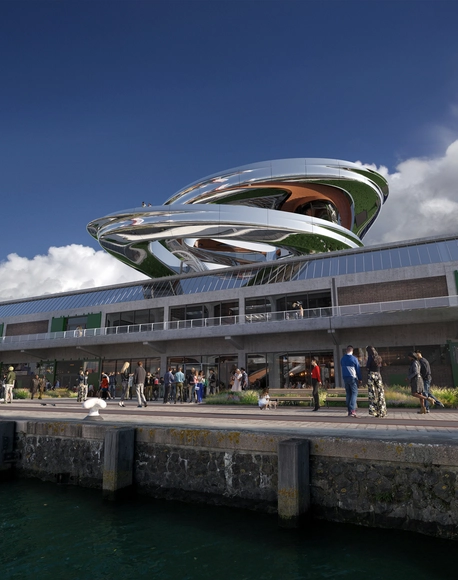
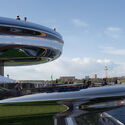
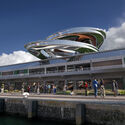
Designed by MAD Architects, the FENIX Museum of Migration is set to be inaugurated in 2025 in Rotterdam’s City Harbor. The purpose of the institution is to showcase and highlight the stories of global migration through encounters with art, architecture, photography, and history. The museum broke ground in 2020 when the first images of the proposal were also released. MAD Architects is working with Bureau Polderman for the restoration of the historic warehouse dating back to 1932, which now represents the base and starting point for the museum experience.
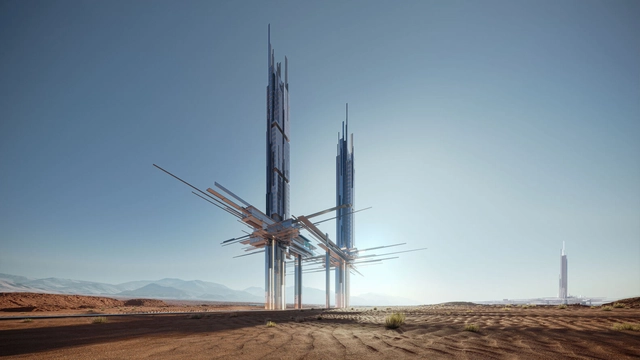
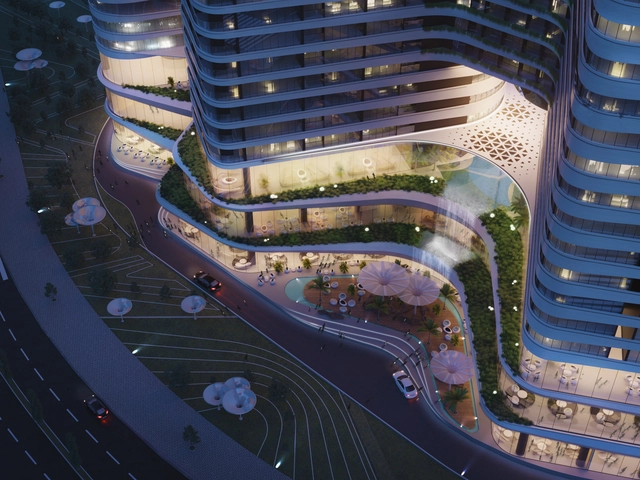
NEOM, Saudi Arabia’s Mega Project, has just announced a new upscale coastal destination within the sustainable regional development in northwest Saudi Arabia. Positioned along the Gulf of Aqaba, Epicon aims to redefine hospitality and architecture standards. Featuring two pointed skyscrapers, it features a prominent hotel and luxury apartments.
The scheme compromises two towers at 225 meters and 275 meters, respectively, housing a premium 41-key hotel and 14 suites and apartments. Nearby, the Epicon resort includes 120 rooms and 45 beach villas, blending coastal living with luxury amenities. Epicon is designed to be a haven from everyday life, providing experiences varying from high-end cuisine to water sports.
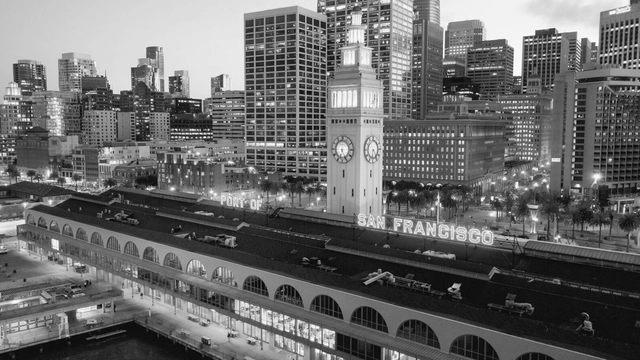
Can telling the story of one building tell a larger story about the city it’s a part of? That’s the central premise of John King’s engaging new book, Portal: San Francisco’s Ferry Building and the Reinvention of American Cities (W.W. Norton). The long-time urban design critic for the San Francisco Chronicle has written a brisk, lively history of this beloved edifice, which opened in 1898 and served as the principal gateway to the city until the emergence of the automobile (and the bridges that served them).
For decades it sat largely empty and neglected, cordoned off by the Embarcadero Freeway. After the Loma Prieta earthquake in 1989, the damaged highway was eventually removed, freeing up the Ferry Building, which was given new life as a transportation hub, food hall, and office building. Last week I talked to King about the genesis for the book, the terminal’s seminal importance to the city of San Francisco, and the threat it faces from rising sea levels.
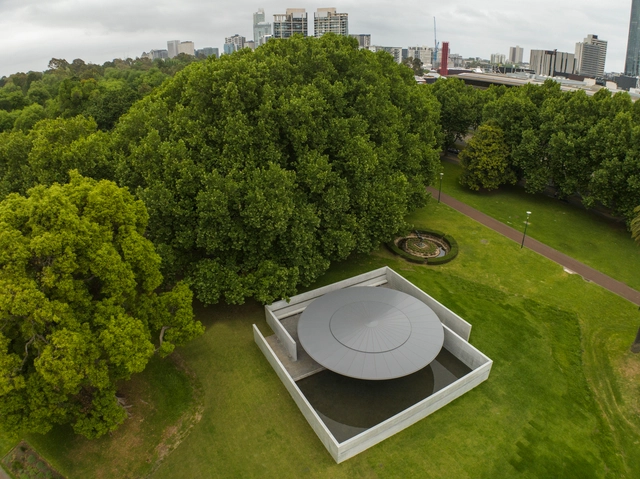
The tenth edition of the MPavilion opens in Queen Victoria Gardens in Melbourne, Australia. The structure was designed by Pritzker Prize-winner Tadao Ando, marking the architect’s first built project in Australia. The pavilion follows his signature use of geometric shapes in harmony with the natural landscape and the precise use of exposed concrete. On November 16, 2023, the official opening inaugurates the space with a public celebration and a wide array of art commissions selected by the Naomi Milgrom Foundation. The MPavilion will remain free and open to the public from 16 November to 28 March 2024, inviting visitors to engage with its diverse cultural program and find opportunities for contemplation and tranquility in its spaces.
As tragic as they may be, crises often foster adaptability and resilience. In architecture, they challenge professionals to adapt their production to smaller and less frequent orders. That is the case of Diogo Aguiar Studio, a Portuguese studio based in Porto founded in 2016, in the recovery from a profound economic crisis, which, since its emergence, has been forced to reinvent ways of operating within the field of architecture.
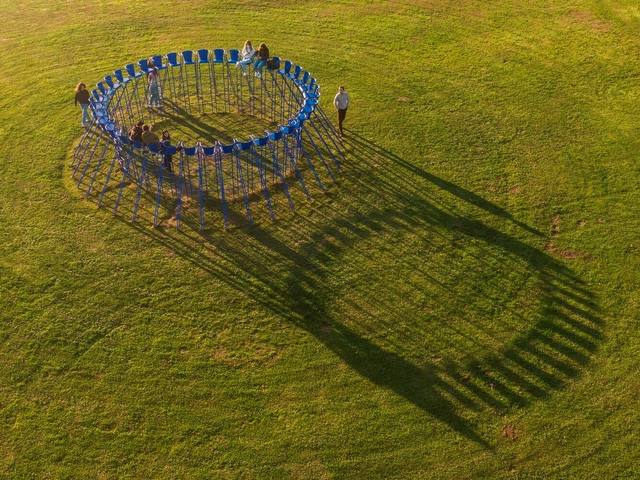
Interested in varied scales and typologies, the studio works between the fields of architecture and art, carrying out small-scale architectural projects and spatial installations, temporary or not, for public spaces. Formed by Diogo Aguiar, Daniel Mudrák, Adalgisa Lopes, João Teixeira, Cláudia Ricciuti, and Marta Bednarczyk, the studio bases its practice on the belief that "there are no small projects and, above all, that there are no smaller projects." The ability to respond inventively to diverse demands and contexts earned the studio a place on ArchDaily's 2023 Best New Practices list.
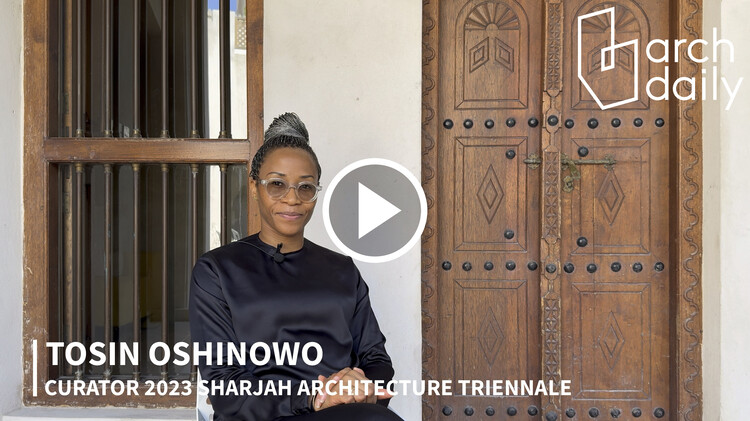
The Sharjah Architecture Triennial 2023 opened on November 11, 2023, with a wide program focused on the overarching theme of The Beauty of Impermanence: An Architecture of Adaptability. While on-site in Sharjah, the ArchDaily team had the chance to sit down with curator Tosin Oshinowo and discuss her curatorial view, the development of the main themes of the program, and the larger principles and intentions behind the event. Informed by her experience growing up in Lagos, Oshinowo has focused the Triennale on the celebration of places that thrive under conditions of scarcity and the alternative models that the Global South can provide in working towards a more equitable and livable future.
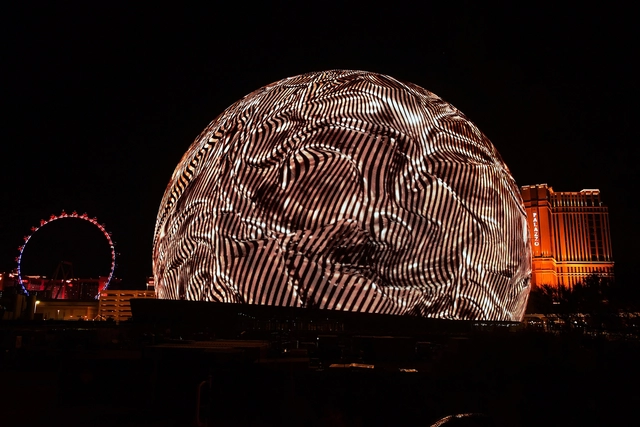
In July, Las Vegas unveiled an extravagant spectacle - a colossal LED-wrapped spherical structure, standing 366 feet tall and 516 feet wide. This entertainment event venue instantly captured the public's gaze, becoming a local landmark and attracting global attention through extensive news coverage. Similar spherical concepts have been proposed in London and at a smaller scale in Los Angeles. These massive display structures open up questions about facades as digital canvases. What role can architecture take as an urban canvas other than as a billboard? And what are different ways for architecture to engage the public through digital art besides gigantic LED spheres?
Tadao Ando has revealed the designs for a new performing arts center in Sharjah’s Aljada. “II Teatro” is a 2000-seat auditorium with a gallery and an event space and will serve as a focal point within the Aljada master plan. Dedicated to art, culture, and design, the Naseej district will house the theater with a multi-layered cultural plaza. In collaboration with local developer Arada, The scheme is expected to be completed in 2027, acting as a true reflection of Tadao Ando’s architectural simplicity.
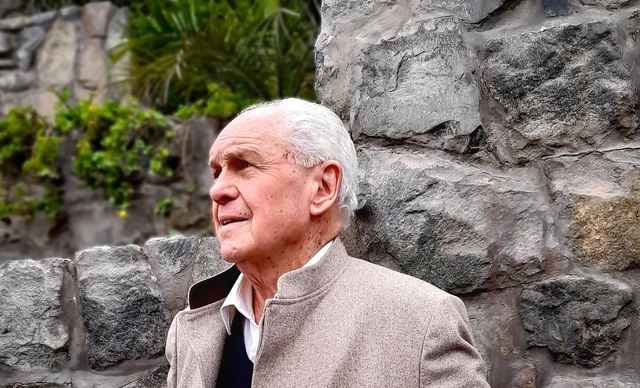
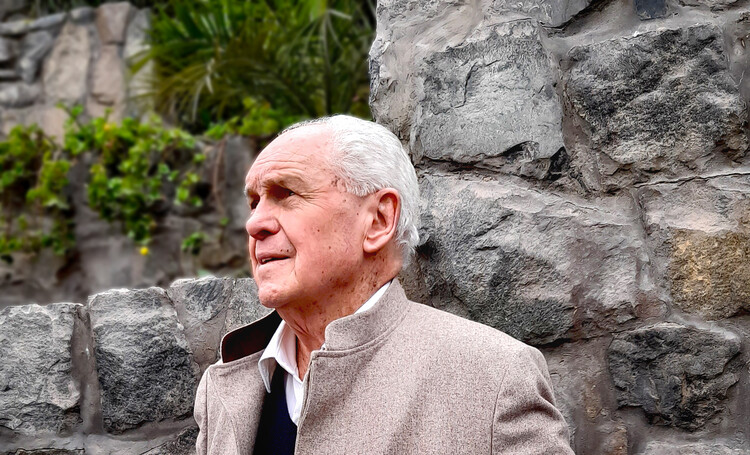
With an air of simplicity and wisdom, engineer Julio Vargas Neumann welcomes us. His two dogs accompany us as we descend after the necessary ascent to enter, and we are also accompanied by the stone walls defining the lot. We sit down and begin - or continue - the interview and conversation regarding the value of 'shicras', local materials, and earth construction. We also discuss criticisms of cement, aluminum, and steel, as well as perspectives on the future of materials in Peru and the world. Likewise, we delve into the long-neglected and recurrent rural problem in South America, discussing the inexorable need to change paradigms and priorities.
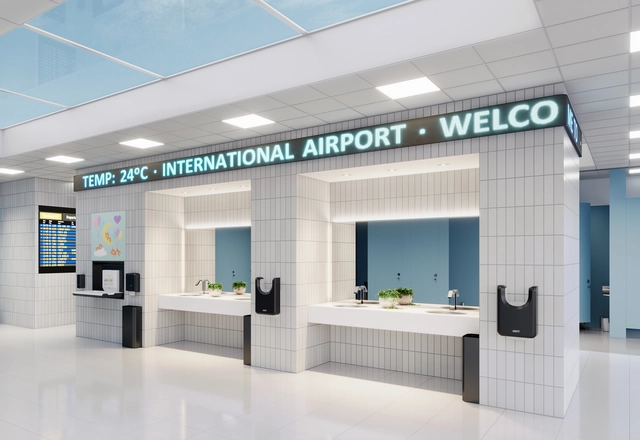
Although considered common practice today, the concept of hand hygiene was not initially deeply ingrained in society. It wasn't until 1847 when the Hungarian physician Ignaz Semmelweis, supported by scientific evidence, proposed that hand washing was a hygienic measure with a direct impact on people's health. From this point on, the rest is history. Hand hygiene has become a widespread practice, ranging from washing to drying, accompanied by various accessories that play specific roles in the process.
In contemporary environments, especially in the context of collective well-being, public restrooms have become a focal point. This shift in focus is, in part, a response to the post-pandemic emphasis on hygiene and the role of restroom accessories in these settings. Among the accessories available, hand dryers have garnered significant importance, even transcending their primary function. In light of this, Mediclinics has innovated by introducing a new hand dryer concept that places a strong emphasis on enhancing the user experience while offering innovative restroom equipment with a distinctive U-shaped design.
https://www.archdaily.com/1009500/hands-in-to-hands-through-a-new-generation-of-hygienic-and-aesthetic-hand-dryersEnrique Tovar
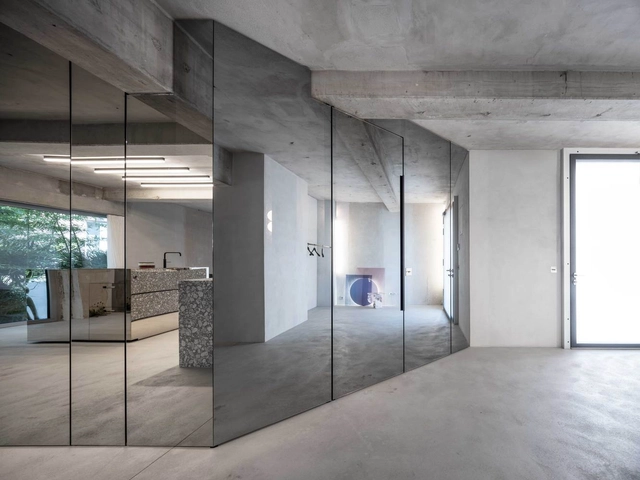
Humans have always been fascinated by reflections. Although they are no more than light bouncing back after striking a surface, there will always be something mystical and fascinating about them –whether it be a lake mirroring a beautiful landscape or a small hand mirror reflecting our face. This explains why some ancient cultures considered mirrors to be sacred objects with magical powers, while others associated them with portals leading to an unknown world. Since then, mirrors have evolved to adopt many valuable functions that are indispensable in everyday life, being found in cars, medical equipment and, of course, in countless architectural applications, especially in interiors. Experimenting with the reflection and perception of space has become an easy way for architects, designers and homeowners to transform any room. And when looking to maximize this impact, the power of exceptionally large mirrors is unparalleled. After all, the bigger the mirror, the bigger the impact.
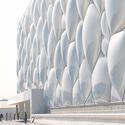
Chris Bosse started LAVA, Laboratory for Visionary Architecture, with his partners Tobias Wallisser and Alexander Rieck the year Watercube, the Aquatics Centre for the 2008 Beijing Summer Olympics was completed. Bosse was one of the leading designers of Watercube when he worked at PTW Architects in Sydney. Now LAVA employs about 100 people in four offices in Ho Chi Minh City,Sydney, Stuttgart, and Berlin. There are also two satellite offices in Honduras and Parma, Italy, led by former associates. Projects range from furniture to houses and hotels to master plans, urban centers, and airports in the Middle East, Central America, Europe, Australia, and Vietnam.