Colors have played an essential role in the history of modern architecture - from Le Corbusier's theory of polychromy to the aesthetic conceptions of the Bauhaus. However, we find ourselves at the beginning of an era where the interpretation and implementation of colors in architecture are undergoing a transformation based on their impact on the built environment.
Throughout the month, we conducted an open call to listen and learn from our readers, exploring their predictions and thoughts related to the future of colors in architecture. After reviewing an immense number of comments and opinions, it was surprising to discover commonalities regarding the importance of considering energy efficiency in color choices. Check out the main viewpoints below.
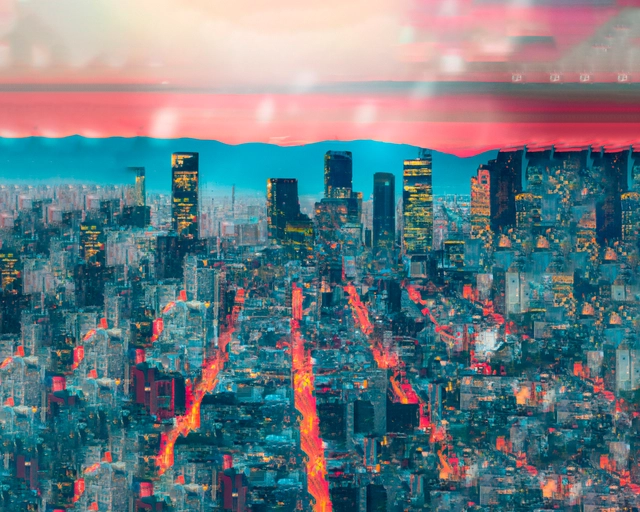
Image created using AI under the prompt: A sober and captivating visual representation of an urban environment that flawlessly captures the essence of anime and architecture. Image via DALL·E 2
World War II left a profound influence on the evolution of society, introducing significant changes in the fields of urban planning and architecture. During the 1930s, the Congrès Internationaux d'Architecture Moderne (CIAM) promoted modernism on an international scale. After the war, this architectural movement became firmly established as the dominant one, driven by the imperative of reconstruction and technological advancements. Influential figures like Le Corbusier and Alvar Aalto spearheaded this movement.
In 1959, the same year as the final CIAM meeting, Japanese architects like Kenzō Tange, Kishō Kurokawa —the designer of the Nakagin Capsule Tower—, and Kiyonori Kikutake began to explore new approaches to urban design and architecture, known as the Metabolist movement. This exploration was particularly significant in the context of Tokyo's rapid repopulation after the war and the scarcity of resources for reconstruction. Innovative concepts such as Marine City, The City in the Air, and the 1960 plan for Tokyo emerged, which proposed the city as a constantly evolving organism and emphasized the relationship between humans and their built environment. These ideas shaped the concept of "megacities" and reflected Japan's creative response to its challenging postwar situation.
https://www.archdaily.com/1007021/textures-skyscrapers-and-urban-landscapes-when-anime-meets-architectureEnrique Tovar
The window for solving climate change is narrowing; any solution must include embodied carbon. TheSixth Assessment Report published by the IPCC (Intergovernmental Panel on Climate Change) concludes that the world can emit just500 gigatonnes more of carbon dioxide, starting in January 2020, if we want a 50 percent chance of staying below 1.5 degrees. In 2021 alone, the world emitted about36.3 gigatonnes of carbon, the highest amount ever recorded. We’re on track to blow through our carbon budget in the next several years. To quote the IPCC directly: “The choices and actions implemented in this decade will have impacts now and for thousands of years (high confidence).”
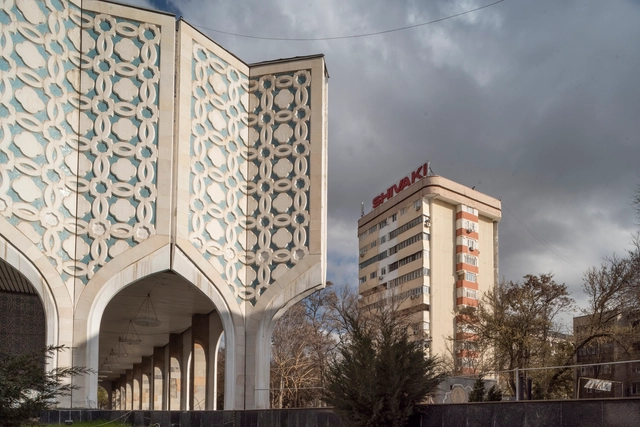
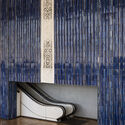
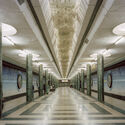
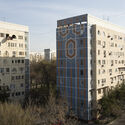
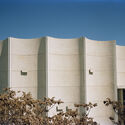
Exhibition Hall of the Union of Artists, Tashkent, Uzbekistan, 2022. Image Courtesy of Armin Linke
Tashkent, the capital city of Uzbekistan, stands as one of the most populous cities in Central Asia. Situated in the northeastern part of the country, near the border with Kazakhstan, Tashkent has been profoundly shaped and influenced by diverse cultures throughout its history. The most significant transformation of its urban landscape occurred during the Soviet era when the city was rebuilt as a model Soviet city, following the 1966 earthquake that caused substantial damage. During this reconstruction, architects from various regions of the Soviet Union collaborated with local experts, resulting in a unique form of architectural modernism that harmoniously integrated elements of Islamic architecture, indigenous creativity, and cutting-edge engineering achievements of that era. At that time, Tashkent held the esteemed status of a prominent international city in the East.
On Wednesday, October 4, the fifteenth edition of the Architecture Film Festival Rotterdam (AFFR) will start. The program involves an extensive list with almost 100 films about architecture and the city, with prominent figures like Rem Koolhaas, Inez Weski, and Martin Koolhoven joining as guests. The festival includes film premiers, classic screenings, masterclasses, excursions, and short programs. Combining the film and built environment worlds, the event will be taking place from 4 to 8 October 2023.
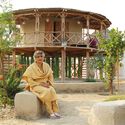
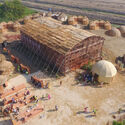
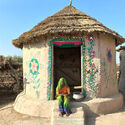
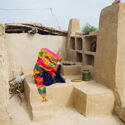
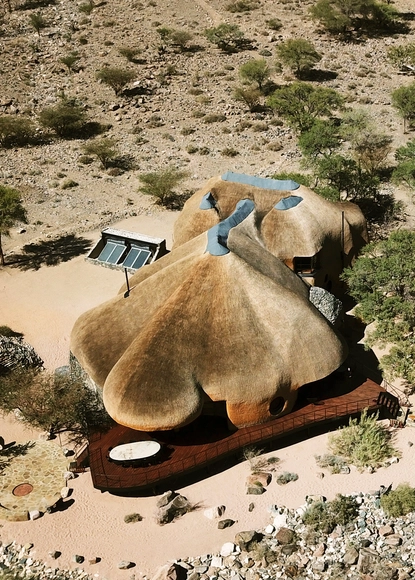
Nowadays, when we imagine enclosed spaces, concrete slab roofs often come to mind. However, the use of concrete in construction now raises concerns due to its documented contributions to climate change and environmental harm. In response, it is necessary to incorporate vernacular and traditional techniques into our architectural toolkit. In this context, natural coverings emerge as an excellent solution. Despite their alignment with numerous desirable project attributes, these materials, which have sheltered humans for centuries, are still underutilized in contemporary construction. Natural roofs offer biodegradable materials, making them a more sustainable option with an aesthetic appeal and enhanced thermal comfort.
Photo by Marlene González y Edgar Macías. Image via Tecnológico de Monterrey
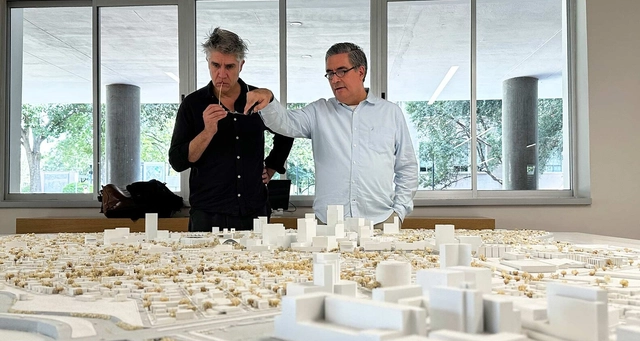
Through a statement from Tecnológico de Monterrey in Mexico, it has been announced that the Chilean architect Alejandro Aravena will construct a new facility on the Monterrey campus, named "Aulas 10." This facility will house the School of Architecture, Art, and Design (EAAD) with the goal of becoming a space that fosters creativity and knowledge.
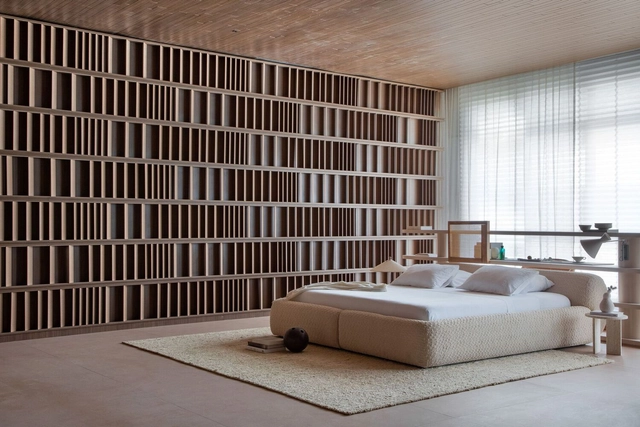
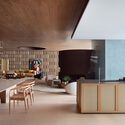
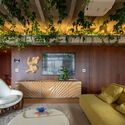
Almost half of Brazil is covered in forest, producing nearly 150 million cubic meters a year. Thanks to the large country’s wide range of tree species, Brazilian designers looking for natural, locally sourced materials have a lot of wood to choose from. Unsurprisingly, wood is a common feature in both traditional and contemporary Brazilian homes, both in construction and when creating decorative surfaces.
The aesthetic beauty of wood’s grain pattern, combined with the warm, rich, and varying color palettes on offer, means that while achieving the strength and stability required for flooring and construction, wood is also a perfect material to form interior surfaces. Its natural color and aesthetic allow for a simple, minimalist form, giving spaces a timeless mid-century feel.
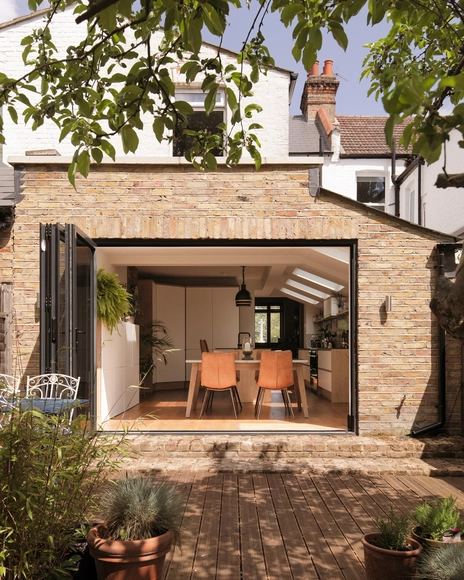
What is architecture? Is it grand designs with complex structures, defying the laws of physics? Is it simple, everyday buildings that, when put together, create the urban fabric? In the mid-18th century, Laugier introduced the concept of the Primitive Hut, a structure, essentially a home, designed and built to meet the primitive man’s basic needs: shelter from the elements and nature. Any structure that meets these requirements would be considered authentic architecture. However, since then, our needs have evolved and are much more elaborate, especially when it comes to our homes. They need to provide shelter, security, thermal comfort, and space. Our homes have to be economical, environmentally friendly, and have access to the internet, among many other prerequisites. So what would the ideal modern human’s home, and thus true architecture, look like?
The Science of a Happy Home Report, carried out by Resi first in 2020 and then again in post-pandemic 2023, sought to discover exactly what elements people believed made up the ultimate happy home. The results were six prominent qualities: a home that is adaptable to meet our changing needs, a home that allows us to connect and build relationships, a home that mirrors our personality and values, a nourishing home that provides the conditions we need to thrive (i.e. air quality), a home that helps us relax, and a home that offers security and makes us feel safe. These needs, however, aren't being met for the majority of UK homes, and that's where Resi comes in.
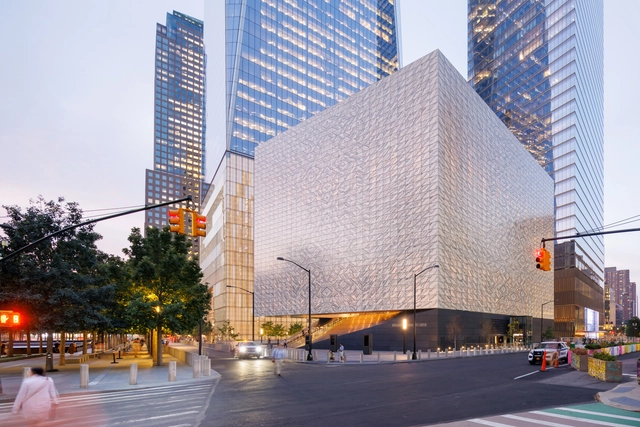
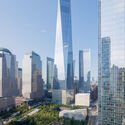
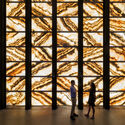
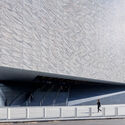
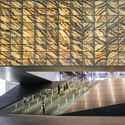
After over two decades in the making, the Perelman Performing Arts Center opened to the public on September 19, 2023. The luminous cube-shaped building was designed by the architecture firm REX, led by Joshua Ramus, to become one of New York City’s cultural keystones and the final piece in the 2023 Master Plan for the rebuilding of the 16-acre World Trade Center site. The inaugural season will feature commissions, world premieres, co-productions, and collaborative work across theater, dance, music, opera, film, and more. While only eight stories high, the venue stands out due to its monolithic façade composed of translucent veined Portuguese marble.
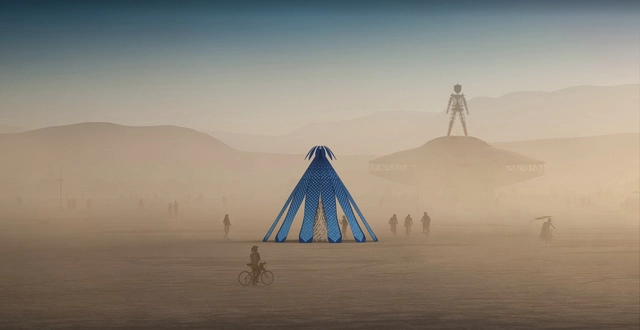
Once a year, in the vast and unforgiving Black Rock Desert of Nevada, a city arises. Thousands of people unite to form a temporary metropolis with a collective spirit. Burning Man 2023 removes all restrictions on expressing oneself, allowing forms to be unexpected. This year, Burning Man Festival’s theme was Anamilia, transforming The Black Rock Desert into a blank canvas for creation, a playground for self-discovery, and a haven for radical self-expression.
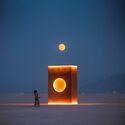
The topic "ANIMALIA," encouraged participants to set off on a voyage that blurred the line between reality and fantasy. ANIMALIA pays tribute to the animal kingdom's diversity, from the animals that live in the transitional areas of the desert to the mythical and fictitious animals that appear in our dreams. Inspired by the sea, the sand, the sky, and the imaginative, this year’s installations and pavilions range from a fish installation representing fresh waters to a living knit work pavilion that takes form with textiles, to a geometric structure showcasing a cube’s potential.
When you’ve made a mess, it’s often easier to hold up your hands and start again from scratch. But while it might be a harder way to do it, adaptive reuse – when architecture takes something old and broken and brings it back to life – can have benefits all around.
When planning much-needed social and cultural buildings for public use, instead of using new, virgin materials (or even recycled materials that need to be collected, stripped, reformatted, and transported), there are plenty of pre-made sites already in place. All we have to do is see them.
These adaptive reuse projects take disused buildings, forgotten projects, and unloved environments and transform them into something new, bringing life, positivity, and purpose.
The Farmhouse / Studio Precht. Image Courtesy of Precht
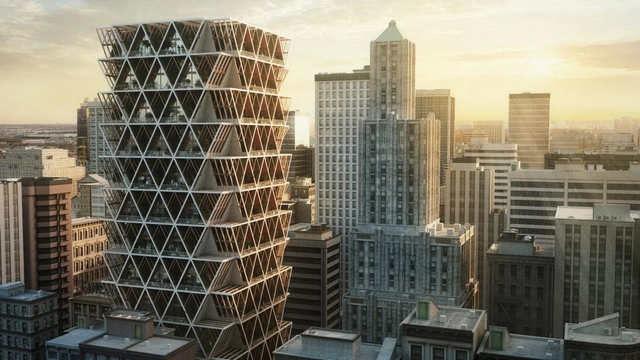
Wood, an age-old building material, has left its mark on the history of architecture. Structures like townhouses and ancient cathedrals have seen usage and innovation with wood as a primary material. As technology evolves and urban landscapes grow skyward, wood has emerged as a strong contender to steel and concrete in the area of skyscraper design. Recent advances in engineering, materials science, and construction techniques have welcomed a new era of experimentation, enabling the construction of timber skyscrapers across the world. Timber skyscrapers signify a departure from traditional construction methods, seamlessly blending aesthetics, functionality, and ecological consciousness. Wood as a material, with its inherent strength and impressive fire resistance, presents hope to an industry in pursuit of a more sustainable future.
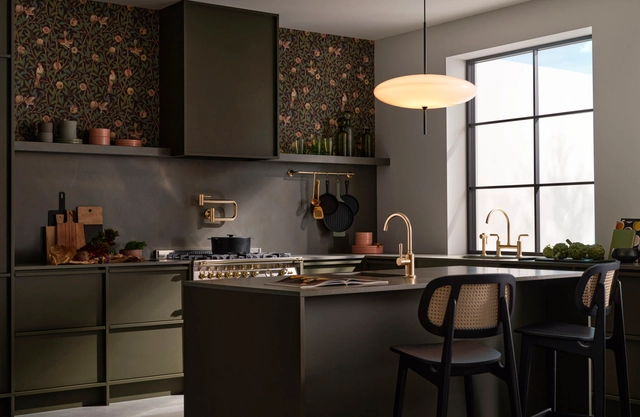
VAIA - Brushed Durabrass (23kt Gold). Image Courtesy of Dornbracht
Arguably, kitchens are spaces in which the interplay of elements establishes a delicate balance in their composition; design, materials, and fittings, all of which collaboratively shape the interior environment. It is, therefore, not surprising that they often become the focus of ongoing discussions. The cultural and utilitarian role of kitchens in our lives is so important that their influence transcends mere architecture, becoming an object of artistic and historical exploration. In this way, both kitchens and the elements that comprise them have evolved and changed in style—from the robust kitchens of the 19th century to the innovations that originated in the Frankfurt kitchen in the 20th century.
The domestic landscape can transform on a daily basis, and fittings are no exception as they adapt to changing stylistic influences and needs. Today, kitchens incorporate both, traditional and contemporary elements within the same space, creating a language that connects and seamlessly transitions between these influences, thereby enhancing one another. In this context, Dornbracht has conceived VAIA, a series of fittings developed by Sieger Design, which fuses tradition and modernity in contemporary kitchens through fine lines, stylized silhouettes, and flowing transitions.
https://www.archdaily.com/1006333/classic-and-avant-garde-kitchen-fittings-that-balance-tradition-and-modernityEnrique Tovar
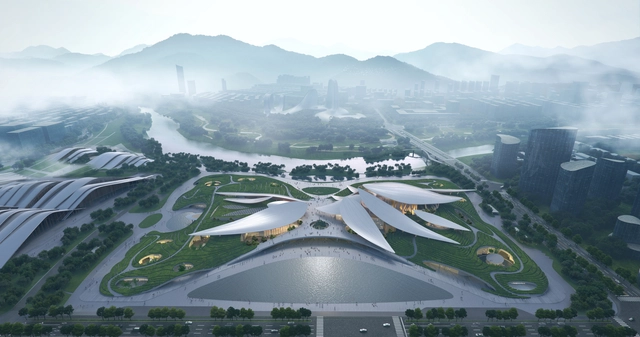
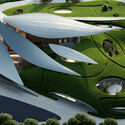
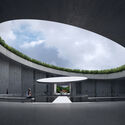
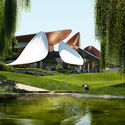
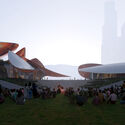
Anji Culture and Art Center . Image Courtesy of MAD Architects
Led by Ma Yansong, MAD Architects has revealed the design of the Anji Culture and Art Center in the Zhejiang Province in southeast China. The new center, covering a site area of about 149,000 square meters, features six event venues: a Grand Theater, a Conference Center, a Leisure Center, a Sports Center, a Youth Activity Center, and an Art Education Center. All functions are spread out beneath bamboo-leaves-inspired roofs, referencing the Anji area, known as the ‘bamboo and white tea’ town of China. Construction of the center has begun and is expected to be completed and in use by 2025.
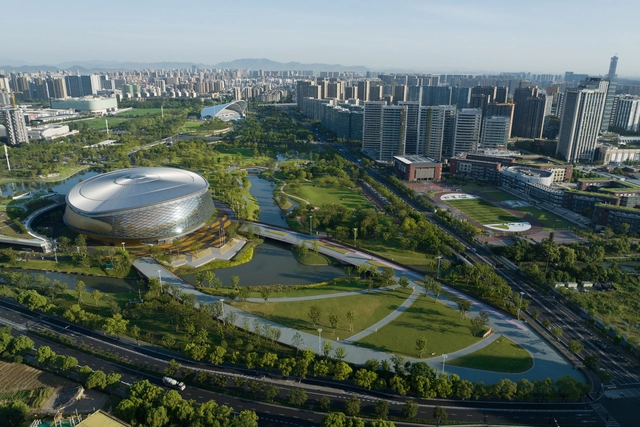
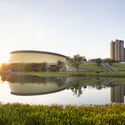
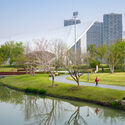
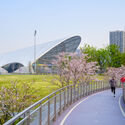
In 2018, Archi-Tectonics NYC and !Melk were announced as the winners of a competition to develop a masterplan transformation for the Hangzhou Asian Games Park 2022. Spanning 116 Acres, the now-completed project includes an expansive Eco Park and seven buildings. Although its initial purpose was to serve as a venue for the Hangzhou Asian Games 2022, the team extended its vision far beyond this event, charting a new path for the city’s environmental future.