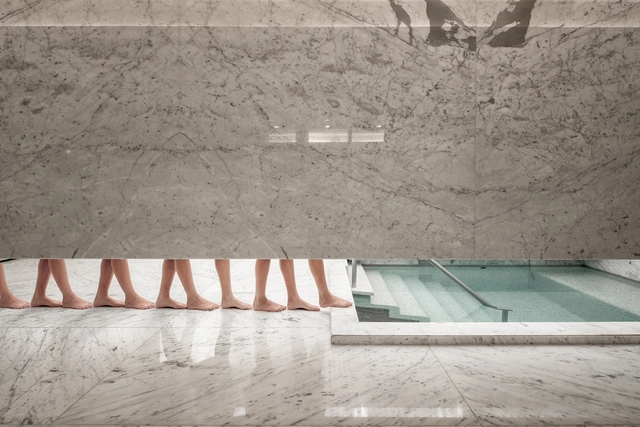
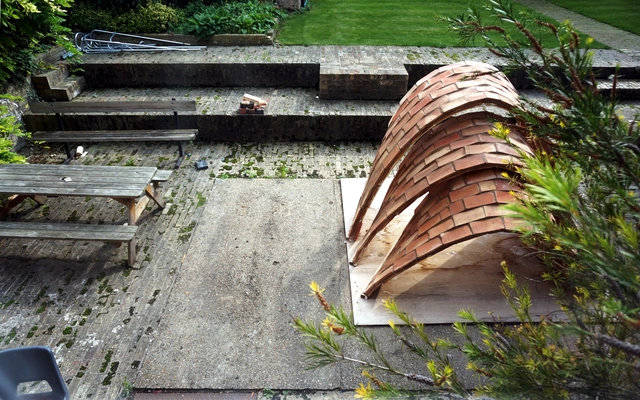
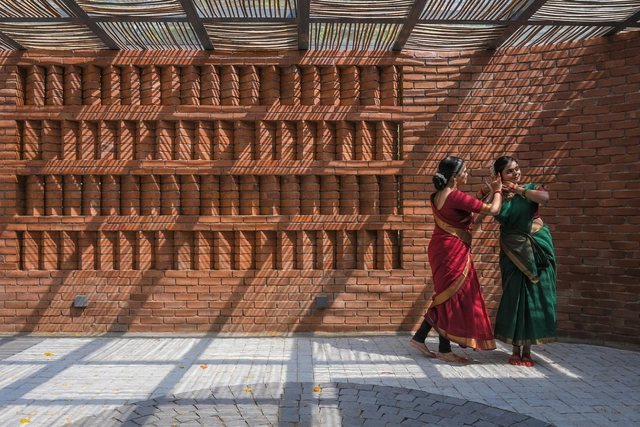
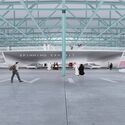
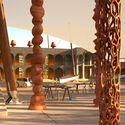
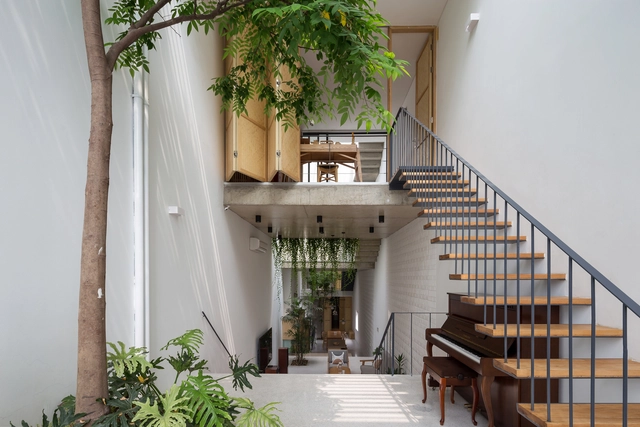
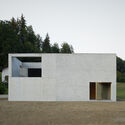
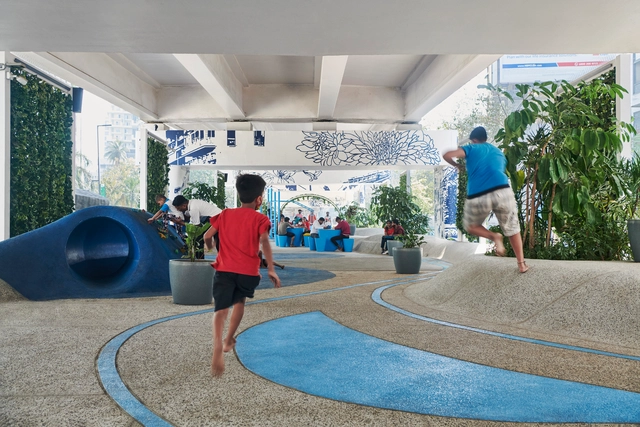
The skin absorbs matter, and the world is contemplated, touched, heard, and measured through our bodily existence. Juhani Pallasmaa, a Finnish architect known for propagating sensory architecture, defends the notion that, unlike vision, touch is the sense of proximity, becoming a main axis by covering the entire body. It is a fact that, when speaking of touch, the first image that comes to mind is usually contact with hands. However, there are other ways to feel architecture that can be developed in projects, such as the touch of bare feet on a particular surface.
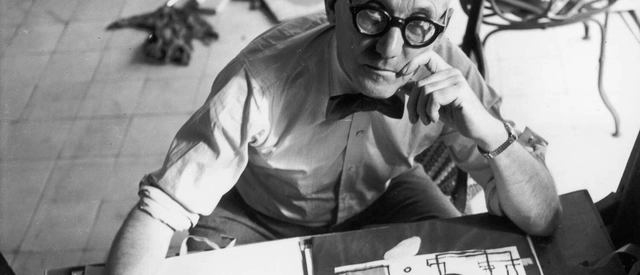
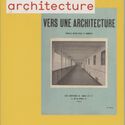
This year marks the centennial of the first edition of Vers Une Architecture, Le Corbusier’s epoch-making book. Though a new English translation appeared in 2007 to much acclaim, most other practicing architects read the first English edition that appeared in 1928, entitled Towards a New Architecture. Comparing the three editions is instructive, particularly in one crucial respect: the insertion of the word “new” in the title. The book wasn’t really about new architecture, because very little of it showed buildings in the International Style. Instead, it was in many respects a clever diatribe intended to convince Europeans that they had no choice but to renounce every kind of architecture that had been built before the Great War and begin anew. It was remarkably successful in fulfilling that aim.
https://www.archdaily.com/1000499/away-from-old-architecture-what-le-corbusier-really-meantMark Alan Hewitt
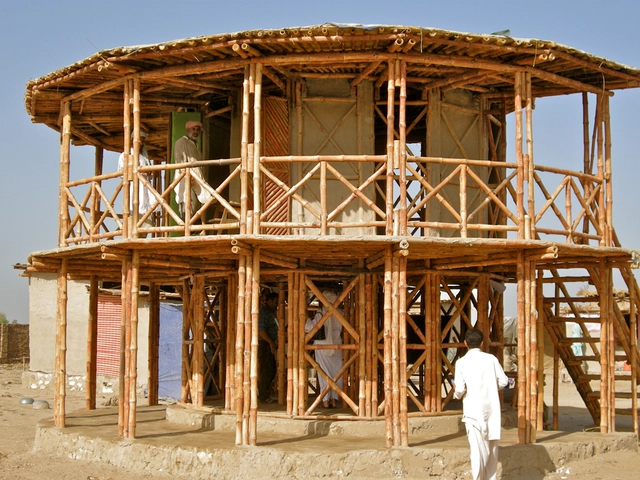
Yasmeen Lari, recognized as the first female architect in Pakistan, has had a significant impact both in her home country and internationally due to her innovative and socially conscious approach to architecture. Through a systemic approach, Lari’s work takes into consideration local culture, site-specific opportunities, and challenges. Born in Pakistan in 1941, Yasmeen Lari moved to London with her family at the age of 15. After graduating from Oxford Brooks School of Architecture, she returned to Pakistan at the age of 23 to establish Lari Associates with her husband, Suhail Zaheer Lari. The couple settled in Karachi. Here, she began to study Pakistan’s ancient towns and the vernacular architecture of earth buildings, igniting her interest in the architectural heritage and traditional techniques of her country. In 1980, she co-founded the Heritage Foundation of Pakistan with her husband, becoming instrumental in the preservation of her country’s rich cultural heritage.
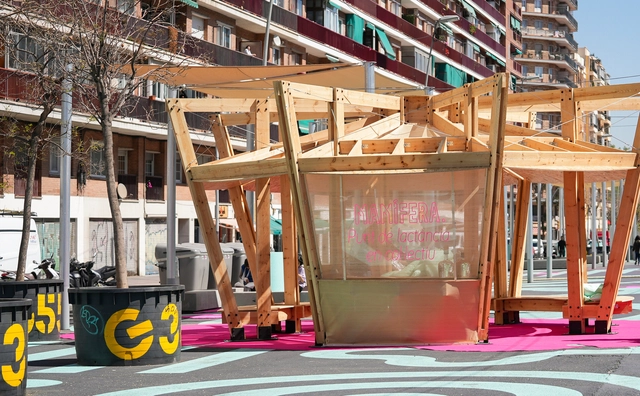
From April 20 to 30, the second edition of the Model: Festival d'Arquitectures de Barcelona took place, debuting a new theme, Radical Empathy, and a new location, the surroundings of the new Parque de las Glorias. This year, managed by the Fundació Mies van der Rohe, the event turned the city into a laboratory of experimentation and dissemination of architectural and urban thought, providing an opportunity to rethink new models and new imaginations of the city.
During the 10 days of the festival, 5 temporary installations were presented as a tool to build a more sustainable, fraternal, and fair city. Among the proposals, we could find a breastfeeding area designed by Equal Saree, the roof of a parking lot transformed into a mushroom structure by Harrison Atelier, and a surface that provides information about the benefits and disadvantages of the city's air created by Daryan Knoblauch, among others. At the same time, a series of 4 digital architectures and augmented realities were added, incorporating new experiences and technologies.
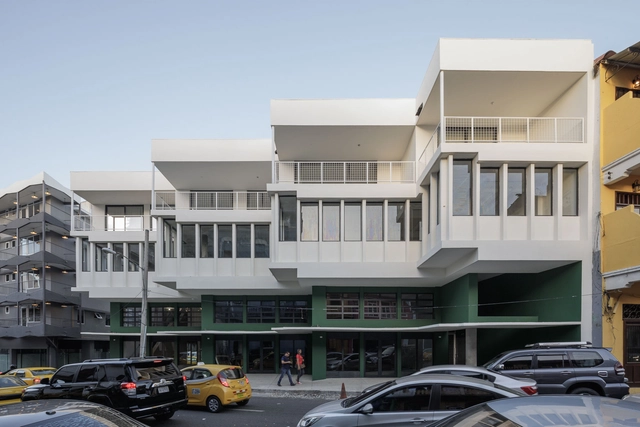
The city of Panama has been experiencing an architectural rebirth. Buildings that have become outdated and deteriorated over time are now being renovated, restored, and modernized - and one of the main offices carrying out this task is Sketch, an architecture studio that defines itself as "energetic, multidisciplinary, and a firm believer that design should be both smart and fun."
Their renovation and remodeling projects, such as the STEPS Dance Academy, the DiabloRosso Gallery, and the mixed-use building La Moderna, are clear indications of this transformative spirit that revolves around efficiency and relevance. Learn about these projects in detail below.
Contemporary Indian design culture can aptly be described with one word - fusion. A close look at the trends in fashion, cinema, music, and art soon reveals the country’saspirations as a globalized nation. Reveling in a new era, India’s art and design appear as a combination of influences from traditional life and the Western world. A “neo-Indian” image informs multiple forms of cultural expression, including architecture and interior design. As Indians and Indian architecture carve the country's place in the world, a new design trend flourishes - one that is driven by modern lifestyles, international influences, a colonial past, and a desire to stay connected to its roots.
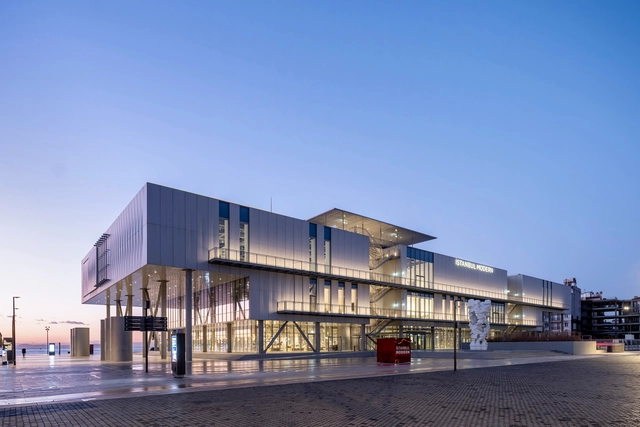
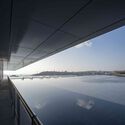
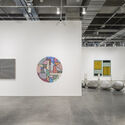
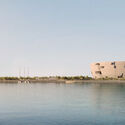
Designed by Renzo Piano Building Workshop, a new building for Istanbul Modern, Türkiye’s first museum of modern and contemporary art, will open to the public on May 4th, 2023. The official opening ceremony of the museum is set to take place at a later date. The museum, measuring over 10,500 square meters, is located on the Karaköy waterfront, a historic district at the intersection of the Bosphorus and Golden Horn. The new building offers spaces for temporary exhibitions, interdisciplinary educational programs, film screenings, and an extensive art collection.
ELEMENTAL, Herzog & de Meuron, Office for Metropolitan Architecture (OMA), Philippe Starck, and UNStudio are just a few of the internationally renowned architectural firms working with Qatar Museums to establish five new cultural facilities in Qatar. The new constructions will be overseen by Qatar Museums, tasked with maintaining and expanding Qatar's cultural assets through managing the nation's expanding network of museums, heritage sites, festivals, and public art installations.
Dismantling the system of slave and child labor in the architecture and construction industry does not seem like a simple task, especially on a global scale. However, this is precisely the mission of the Design for Freedom (DFF) initiative, created by CEO and founder of the Grace Farms Foundation, Sharon Prince, along with Bill Menking, professor and editor-in-chief of The Architect's Newspaper.
Through events and freely available tools, Design for Freedom seeks to "raise awareness and inspire responses to halt forced labor in the construction materials supply chain," offering paths to ensure transparency and ethics in the architectural production process.
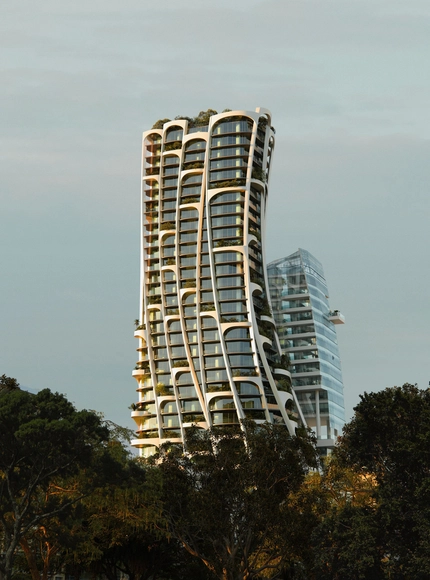
The architecture firm MAD Architects, based in Beijing, China, has presented the design of its first project in South America, the mixed-use "Qondesa" tower in Quito, Ecuador, which will soon become the tallest building in the city.
Following findings from a study published in the Nature Ecology & Evolution journal this April, it has become public knowledge that the phenomenon dubbed the Great Pacific Garbage Patch (an area of 620,000 square miles between California and Hawaii) is serving as host to an entire coastal ecosystem. Marine wildlife is using the massive area compiled of human plastic waste as a floating habitat, and scientists are shocked at the number of species that have managed to establish life in this otherwise hostile environment.
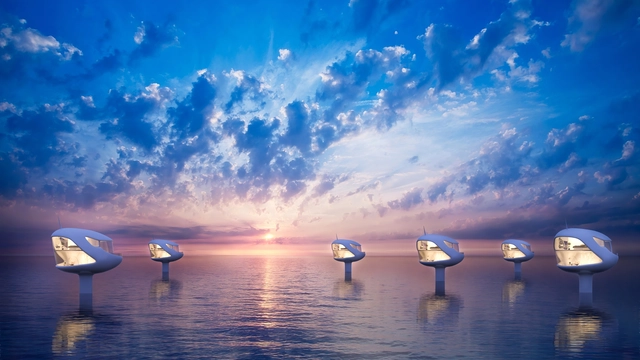
The news once again brings into sharp focus not only pressing issues of climate change and ocean pollution but also the question of environmentally-induced migration, even at a microbial level. Architecture is moving into more and more experimental realms when it comes to considering locations for the communities of our future – and rising sea levels have promoted water to the top of the list. But these deliberations are not as recent as one might think: floating cities have been around for centuries and individual homes on water are common in areas of Benin, Peru or Iraq, among others.
Courtesy of Practise for Architecture and Urbanism
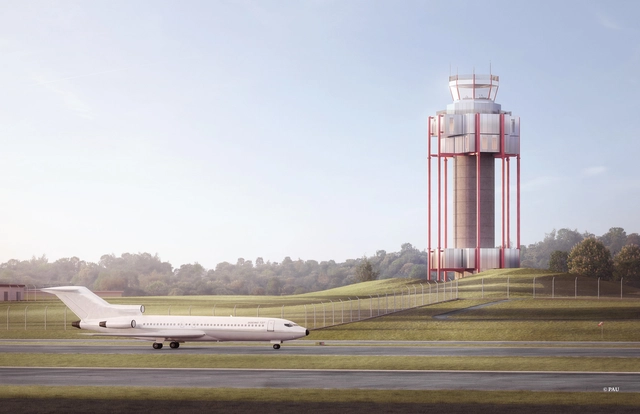
The Federal Aviation Administration has chosen the New York-based Practice for Architecture and Urbanism (PAU) studio to design the country's newest air traffic control towers. I.M. Pei's iconic mid-century towers will be replaced by PAU's adaptable and highly sustainable prototype, which offers a unique architectural solution that combines form and function for the twenty-first century. The new towers are vital to U.S. Transportation Secretary Pete Buttigieg's goal to reach net-zero greenhouse gas emissions from the U.S. aviation sector by 2050. They have been updated to reflect aviation technology, safety development, and changing environmental and climatic conditions.
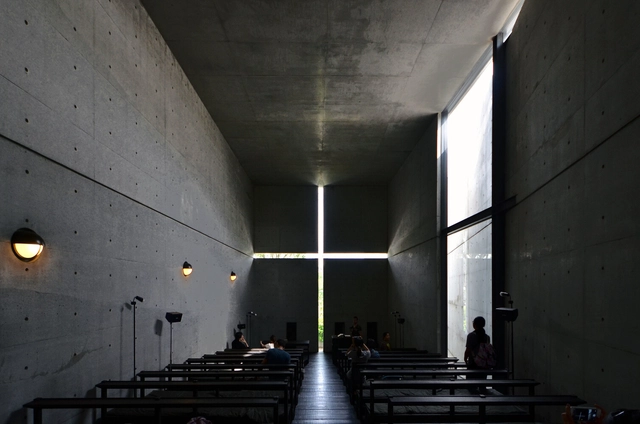
Igreja da Luz. Image by hetgallery, via Visualhunt.com
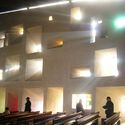
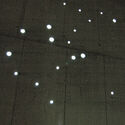
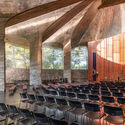
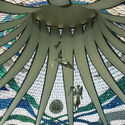
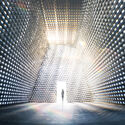
The use of light in religious constructions as an element of association with the divine has been present throughout the history of humanity. Historically, a series of temples from various religions have used this technique as an attempt to visually and perceptibly approach humans to a sacred and intangible dimension. Light is often given a spiritual connotation and significant symbolic force, capable of modifying people's relationships, perceptions, and experiences with their surroundings. Thus, it is an element that has been, and still is, used by architecture to create scenarios and effects in many religious spaces, especially churches.
“Can you help me design my residential tower? It's 30 stories and located in Brooklyn, New York.” ChatGPT’s response may be surprising. Given that the bot has no architectural experience, and is certainly not a licensed architect, it was quick to rattle off a list of considerations for my building. Zoning codes, floor plan functionality, building codes, materiality, structural design, amenity spaces, and sustainable measures were just a few of the topics ChatGPT shared information about.
Rising living costs are relevant hurdles to young people, seeking a place to live, while much older generations might find it more difficult to settle into comfortable post-retirement settings. These general issues have been pushing forth a recurring solution, namely a return to multigenerational family living.
While communal living concepts and developments had been adopted in recent years, familial involvement is proving to be a financially, legally, and emotionally viable alternative.
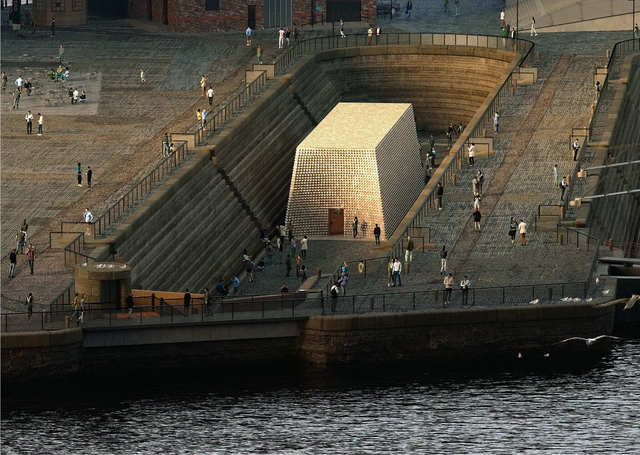
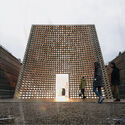
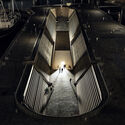
National Museums Liverpool (NML) has revealed a revised version of the redevelopment of the city’s waterfront, led by architect Asif Khan and artist Theaster Gates. The plans include the redesign of the public spaces at Canning Dock, a historical area central to the Liverpool docks. As part of the Waterfront Transformation Project, the interventions aim to create accessible public spaces to better serve the community and to create a link between the surrounding museums. The preliminary proposal is now open for public consultation.
Playful cities promote play, leisure, and creativity in their public spaces and architecture. It offers opportunities for gatherings that help develop communities socially and culturally, improving the quality of life and providing essential elements for healthier and more balanced habits. They directly influence citizens' cognitive and emotional development by stimulating creativity and imagination through spaces designed for fun.