No matter how long, how far, or how restful a trip away is, one of the most relaxing moments of any vacation is when you get home. When every muscle in the body relaxes as you collapse into your own chair, greeted by the comforting features of a home you didn’t previously realize you missed.
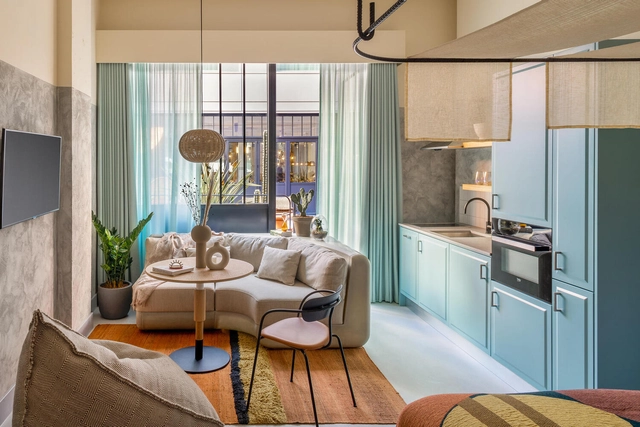
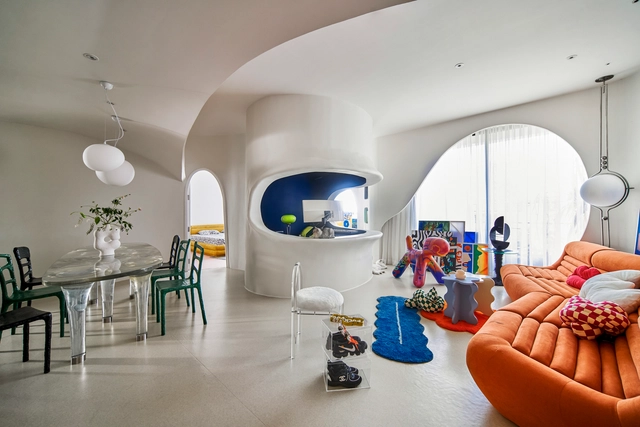
After the rise of Airbnb and other likeminded travel accommodation sites and services, providing real homes –or at least characterful spaces dressed up as them– to travelers searching for more familial home comforts, hoteliers, designers, and architects are taking note, and implementing features that turn the hotel room into a home away from home.
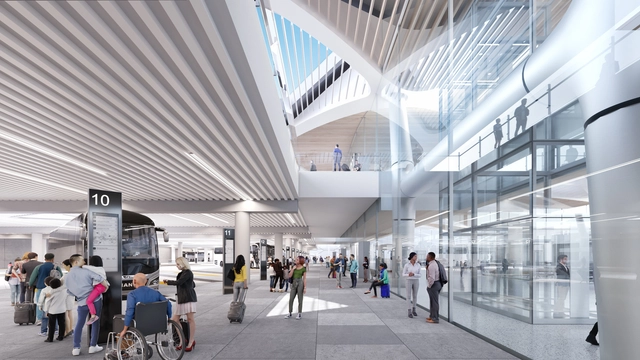
Union Station Expansion Design. Image Courtesy of Grimshaw
Cities that rely on the use of private cars experience a variety of problems- long commutes to and from work, endless traffic jams, and an increase in pollution. While it seems like cars are the most reliable option to take us from place to place, city planners are frequently promoting the benefits of public transit, and the development of communities that are centered around many forms of public transportation. Many cities are growing faster than they were initially planned. As a result, roadways have expanded, land is being transformed into massive parking lots, and connections between communities are growing farther apart.
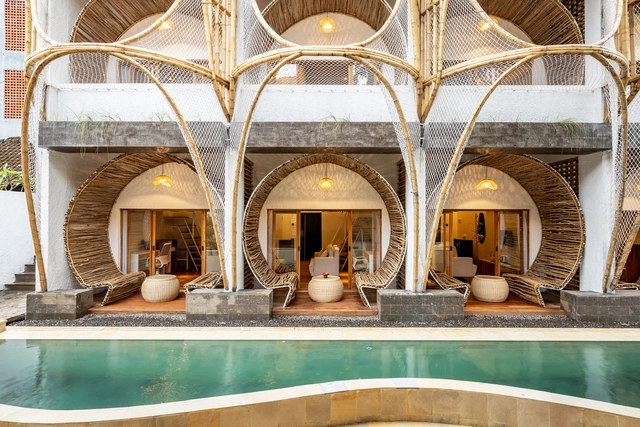
Dramatic societal transformations- such as pandemics and technological advancements - call for dramatic shifts in lifestyles. Architects keep up by exploring and proposing new models of housing, each iteration catering to society’s latest needs. The co-living model is one such example that has become a roaring success over the past few decades. Redefining the way people live, co-living seeks to provide a form of cost-effective social housing. Although widely targeted at younger generations, the co-living industryis evolving to cater to various niche groups.
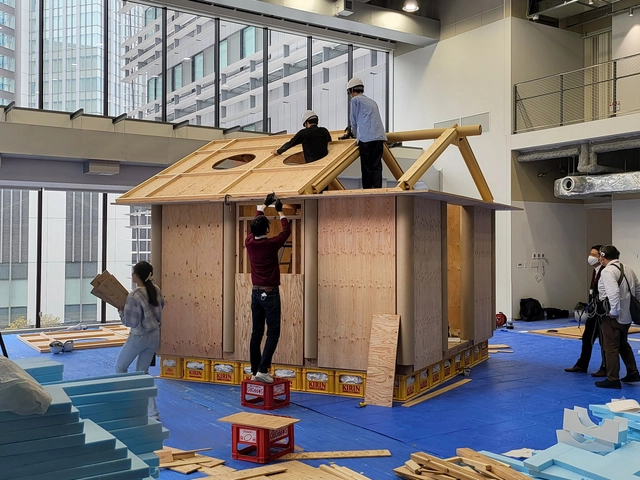
Shigeru Ban Architects, in collaboration with Voluntary Architects’ Network, has developed an improved version of the temporary housing developed to help those affected by the recent Turkey-Syria earthquake. The new prototype represents an upgrade of the paper tube system deployed in northwestern Turkey after the 1999 earthquake. This new version takes into consideration matters of efficiency and the need to minimize construction time on site.
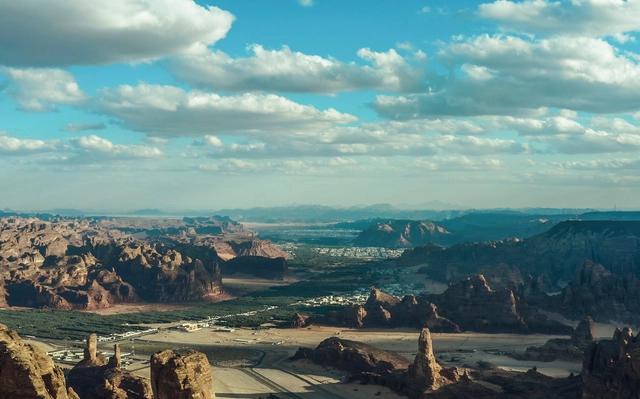
AlUla Oasis. Image Courtesy of Royal Commission of AlUla
The Centre Pompidou is an arts and culture institution that has been present in Paris since the late 1970s. It houses the Public Information Library, the largest museum for modern art in Europe, and a center for musical research. This month, the institution signed a partnership agreement to create a museum of contemporary art in Saudi Arabia with the Royal Commission of AlUla (RCU). Additionally, the establishment signed a similar partnership agreement to develop a modern and contemporary museum in Seoul, South Korea, with the Hanwha Culture Foundation.
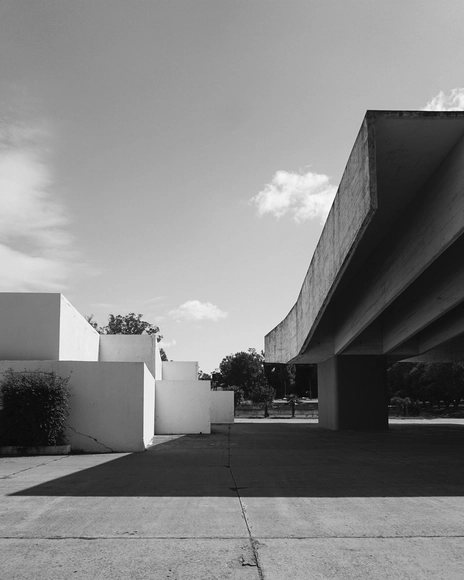
Mar del Plata is an obligatory reference to the Modern Movement in Argentina. Not only for being the scene of some architectural classics such as the House on the River, the Parador Ariston, or the Terrace Palace but also for the Cementerio Parque designed by Horacio Bucho Baliero and Carmen Córdova in the 1960s.
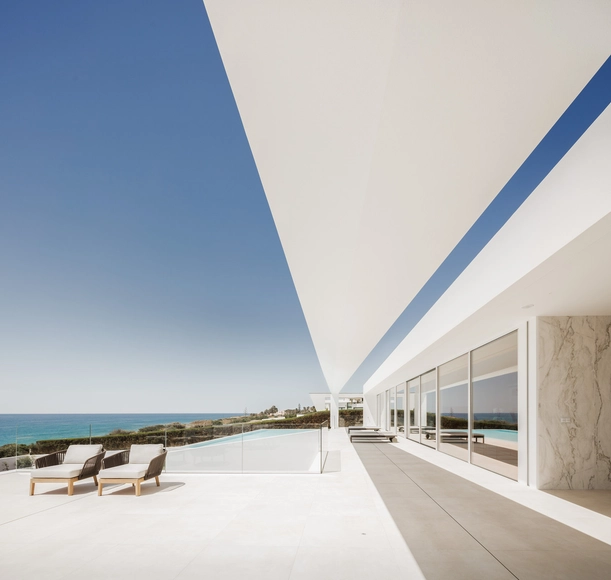
With a coastline of 832 kilometers facing the Atlantic Ocean, Portugal has a long and deep relationship with the sea, which was for many centuries considered the country's main means of communication with the rest of the world. Today, the Portuguese coast attracts millions of tourists every year from across Europe and around the world, who arrive in search of warm weather and beautiful seaside scenery. The main destinations are the southern beaches which are warmer than in the North however, the number of tourists has increased throughout the entire country over the past decade.
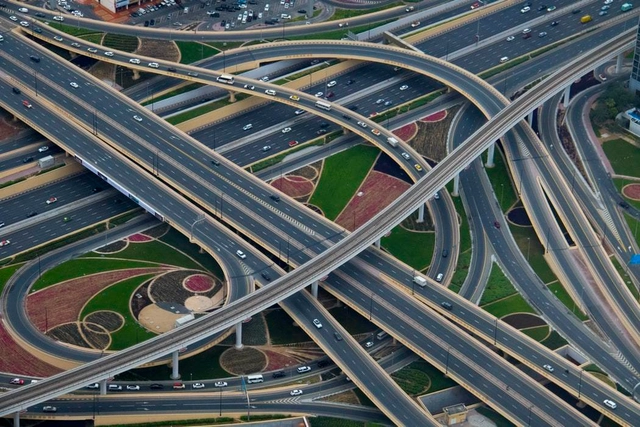
Countries around the world have urban, suburban, and rural problems- and it’s all connected by the problem itself. There are too many highway systems. In some cities that are notoriously known for their traffic jams, like Los Angeles, Minneapolis, and Atlanta, there are almost five miles of road per every 1000 residents. This has also impacted how some forms of public transit, like rail cars and busses, operate, significantly reducing their efficiency. So why do we build these superhighways, and how can we fix their congestion?
When you come to think of it, most of the food on your plate has a history behind it - a long journey that we are unable to describe. In her book Food Routes: Growing Bananas in Iceland and Other Tales from the Logistics of Eating (2019), Robyn Shotwell Metcalfe refers to the paradox of fish being caught in New England, exported to Japan, and then shipped back as sushi, revealing a large and complex network that nobody can see when they buy takeout Japanese food at the local grocery store.
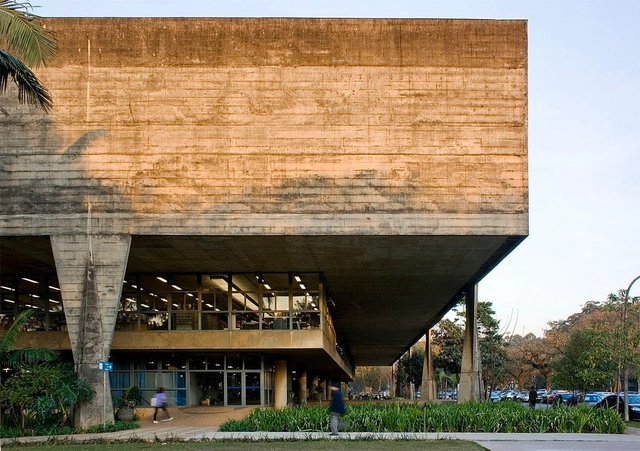
Architectural education has always been fundamentally influenced by whichever styles are popular at a given time, but that relationship flows in the opposite direction as well. All styles must originate somewhere, after all, and revolutionary schools throughout centuries past have functioned as the influencers and generators of their own architectural movements. These schools, progressive in their times, are often founded by discontented experimental minds, looking for something not previously nor currently offered in architectural output or education. Instead, they forge their own way and bring their students along with them. As those students graduate and continue on to practice or become teachers themselves, the school’s influence spreads and a new movement is born.
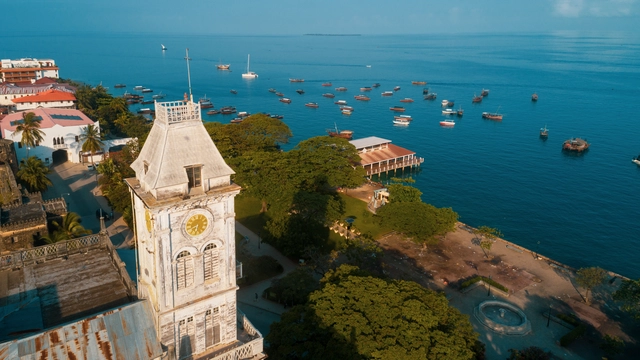
Light — how we perceive the world around us — is an integral, emotive architectural element. Access to light is enhanced and limited in an architectural capacity globally, with architects of expensive tropical dwellings celebrating sunny vistas with expansive glazing, while a wide range of art galleries reject light in its natural form, eliminating it in adherence to the sensitive exhibit requirements of art pieces. Light in an architectural and urban sense is also highly symbolic, evident in the many metropolises of our world, but where this symbolism takes on an interesting dimension is in the archipelago of Zanzibar.
Heatherwick Studio has revealed their first public library design, planned for Howard County Libraries in Maryland, United States. The building will serve as a community center and was designed to reflect the changing and complex role of libraries within cities. The program expands beyond book lending services, providing spaces for cultural events, collective learning, workshops and lending of objects of use. Construction is expected to begin in 2024, and the library is scheduled to open to the public in 2027.
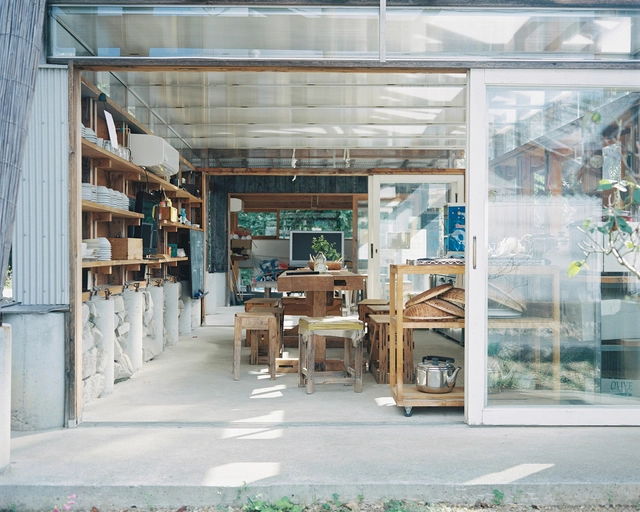
A place where “to create” and “to use” are united as one, Umaki Camp. Image Courtesy of dot architects, Yuma Harada
Japan's Pavilion has announced its exhibition “Architecture, a place to be loved – when architecture is seen as a living creature” curated by Maki Onishi, for the 18thInternational Architecture Exhibition – La Biennale di Venezia. Centered around our post-pandemic reality of faceless developments taking over cities globally, the intervention's main question explores how people can once more find amazement in architecture and joy in shared physical spaces.
“How to give your home: Dark Academia vibes” reads the title of a popular YouTube video targeted at homeowners fascinated by the aesthetics relating to liberal education and the arts. A subculture born in the age of social media, Dark Academia is one of many internet aesthetics that have gained prevalence in the last decade. Image-based platforms like Tumblr, Instagram, Pinterest, and TikTok have amplified internet aesthetics, especially during the COVID-19 pandemic. Social media allows users to support and create their own trends that rapidly amass a following. Today, the creation of aesthetic trends lies in the hands of the general public and will dictate the way interior design trends develop.
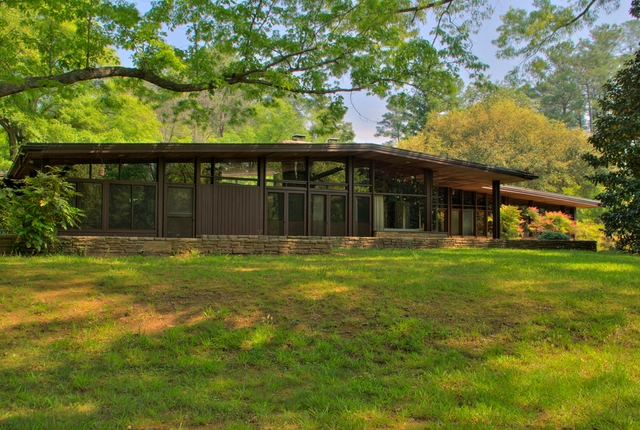
George Smart is an unlikely preservationist, almost an accidental one. The founder and executive director of USModernist, a nonprofit dedicated to the preservation and documentation of modern houses, Smart worked for 30 years as a management consultant. “I was doing strategic planning and organization training,” he says. “My wife refers to this whole other project as a 16-year seizure.” Recently I spoke with Smart about his two websites, the podcast, the house tours his organization conducts, and why documentation is such a power preservation tool.
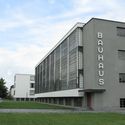
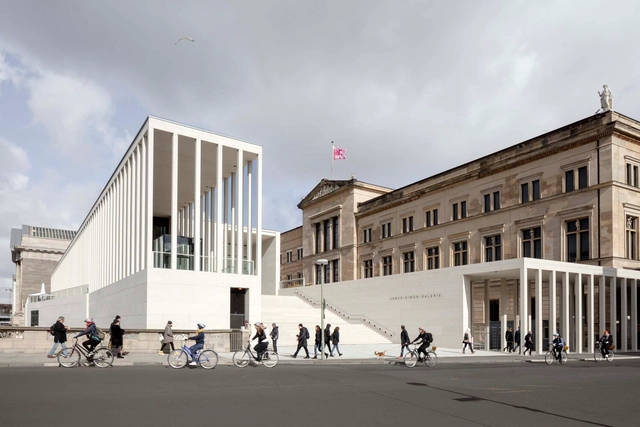
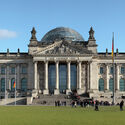
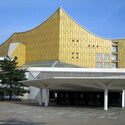
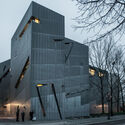
While the city of Berlin has a long history, dating back to the 13th century, its architecture and urban fabric has undergone the most significant changes during the last century, reflecting the impact of major historical events that took place in the German capital. During the early 20th century, Berlin transformed into a modern metropolis, marked through the construction of grand buildings and imposing structures to demonstrate the city’s growing economic and political power. The 1920s and 1930s saw the emergence of the Modernist movement, which, together with the Bauhaus school of architecture founded in 1919, influenced the image and urban fabric of Berlin.
During the Second World War the city was heavily bombed, resulting in the destruction of many historical buildings. During the post-war period, reconstruction efforts focused on rebuilding infrastructure and housing, while the city remained divided until 1989, with the fall of the Berlin wall. After this period, Berlin witnessed a renewed interest in architecture and urban design. Interventions such as David Chipperfield’s Neues Museum aimed to rebuild historical monuments without erasing the markings of their difficult past. Other projects such as the renovation of the Reichstag had a different purpose. Norman Foster’s intervention intended to keep the image of this building but change its symbolism from a structure representative for the Nazi regime to one embracing the ideals of democracy and equality.
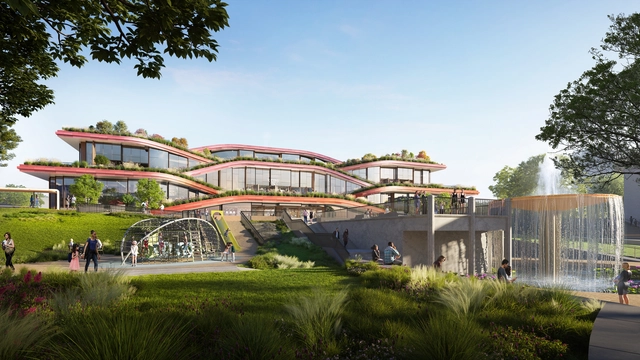
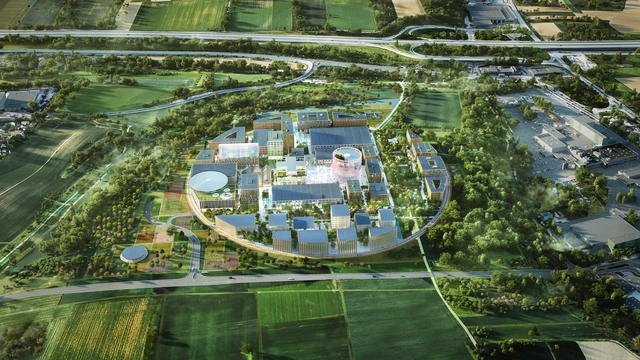
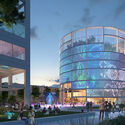
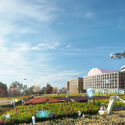
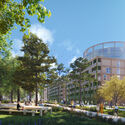
Innovation Park Artificial Intelligence Campus. Image Courtesy of MVRDV
MVRDV has won a competition to design the Innovation Park Artificial Intelligence (IPAI) Campus in Heilbronn,Germany. The campus will be transformed into a world-leading site for developing AI technologies. The design will include a variety of business campus laboratories, a startup innovation center, housing, a communication center, and many amenities, such as a restaurant and a kindergarten. Moreover, the scheme also embeds interactive touchpoints for curious visitors to see the development of these world-changing technologies firsthand and interact with the minds behind their creations.