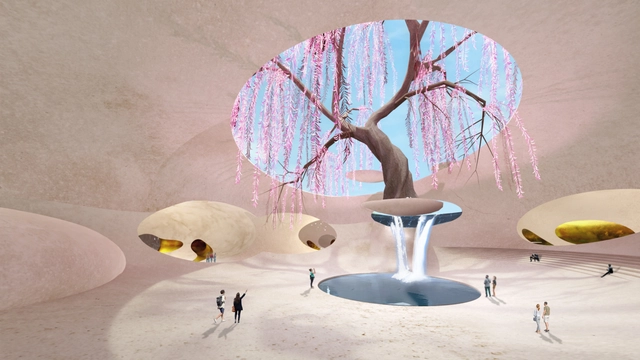
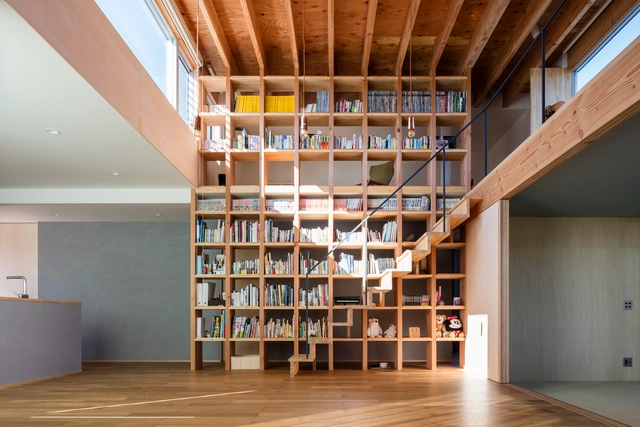
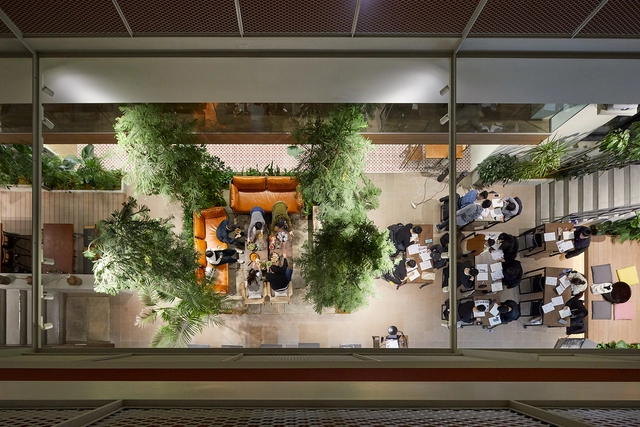
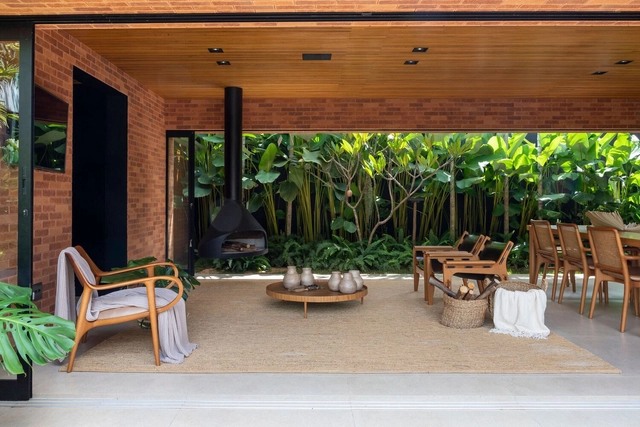
The search for outdoor spaces in dense city dwellings has become for some a necessity and for others a requirement to be fulfilled. In short, it is one of the most sought-after commissions that architects around the world receive on a daily basis. Beyond the fact that this phenomenon has been accentuated during the Covid-19 pandemic, since their origins, these expansion spaces have been conceived not only to increase the use of natural lighting and ventilation but also to promote the indoor-outdoor relationship, giving the possibility to accommodate various uses and functions even when square meters are scarce or when the connection with nature is glimpsed far over the horizon.
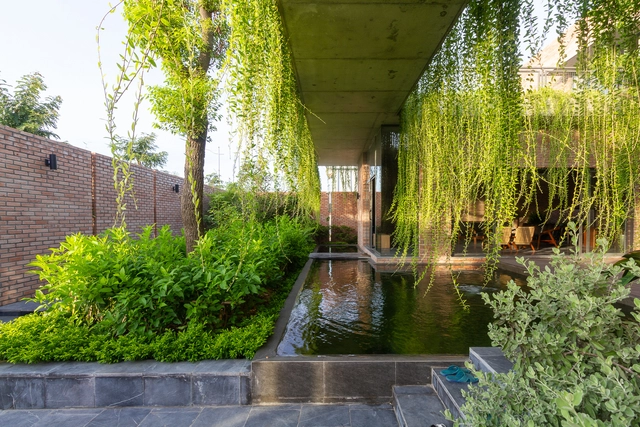
The connection between interior and exterior is one of the most desired qualities in architectural projects. Such feature appears in several architectural narratives, and it is achieved with distinction. It appears in unusual places such as bathrooms or kitchens, but it gains greater magnitude in living and meeting spaces.
Most architects can relate to the feeling of being plunged into a deep devotion toward architecture. What starts out as a dream career becomes a nightmare for many. After a rigorous education, the experience of a tumultuous career journey can dishearten professionals. Twitter threads and LinkedIn posts have widely debated topics of long work hours and disparate pay, with not many solutions. Architects are constantly at war between profession and passion, a juxtaposition of love and despair. Perhaps, at the root of these problems is the colloquial definition of the noun ‘architect’.
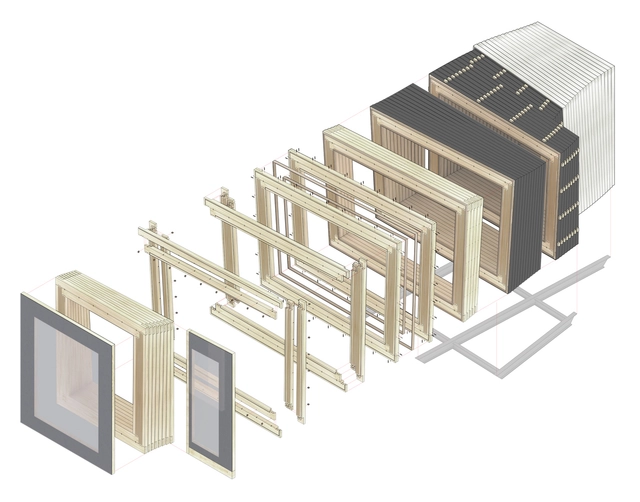
IBA Timber Prototype House / ICD University of Stuttgart. Image Courtesy of ICD University of Stuttgart
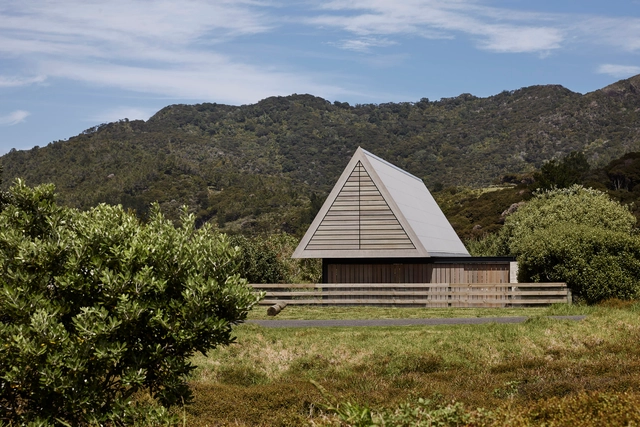
While the traditional image of the cabin is one of a rustic wooden home located far away from any trace of society, architects have been experimenting with these conventions alongside newer material and technological considerations to push the boundaries of the ‘cabin’ today. Whether it is by reimagining the aesthetics of the cabin, utilizing advanced fabrication techniques to modernize the rustic, or even reconfiguring the log cabin for the city setting, architects and designers have utterly transformed traditional cabin architecture for a more contemporary existence. Below, we consider 10 innovative cabins that achieve this transformation through experiments with different materials and construction technologies. While each explore different strategies and functions, many share similarities in their use of prefabrication systems, their dedication to sustainability, and their close attention to and optimization of specific material properties.
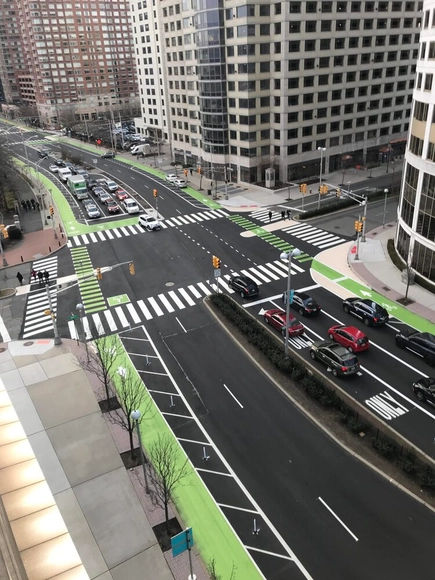
Once a 6-lane thoroughfare, Washington Boulevard underwent an initial "quick-build" transformation in 2019, adding painted protected bike lanes, curb extensions, pedestrian refuge islands, and boarding islands allowing for in-lane bus boarding/alighting. The physical protection for cyclists was upgraded further in 2022. Image Courtesy of Street Plans
Covid has been particularly hard on cities: downtown business districts are still struggling due to the shift to remote work; some cities have seen population declines; and crime has spiked virtually everywhere. In addition, the pandemic pushed more people into cars, setting back the safe streets movement. After years of progress, cities like New York City saw big increases in pedestrian deaths. This is a nationwide problem—with one notable exception: Jersey City recently announced that no one died on its city streets in 2022, meeting its Vision Zero plan for the city. The milestone was the result of years of work by the city and its collaborator, Street Plans, a planning firm founded by Mike Lydon and Anthony Garcia. Lydon, a DPZ alum and co-author of the 2015 book Tactical Urbanism (currently being updated), began working with Jersey City on a whole raft of initiatives six years ago. I spoke with Lydon last week and asked him, specifically, how the city and he did it.
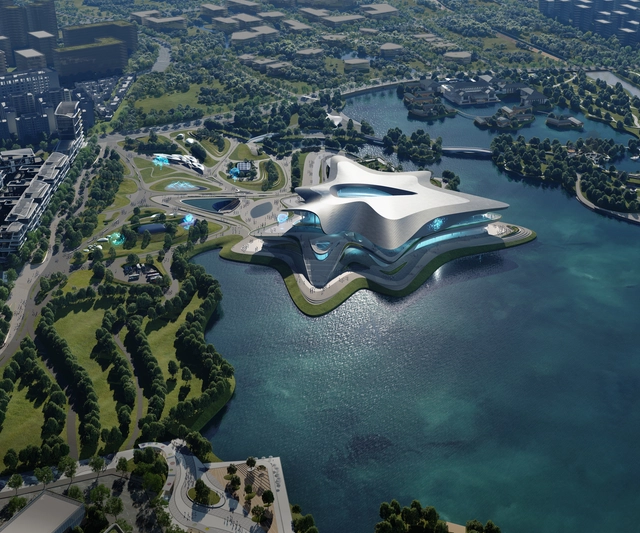
The world’s largest science fiction event Worldcon will take place in the Chengdu Science Fiction Museum, designed by Zaha Hadid Architects. Under construction, the 59,000 sq. m venue that will host the 81st annual World Science Fiction Convention and the Hugo Awards, is set to become a vibrant center of innovation and gathering place for the “leading incubator of science fiction writing in China”. In fact, the city of Chengdu, home to over 20 million residents, is transforming into an important global center of scientific innovation and research.
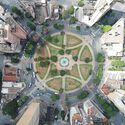
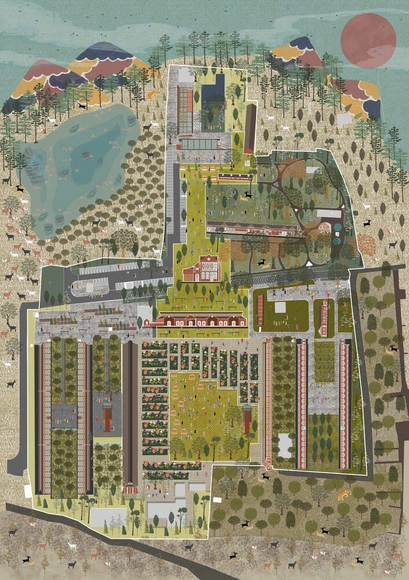
Master plans, or large-scale urban planning projects, are one of the main tools for shaping and structuring land use and development to ensure that the built environment is coherent and functional. The interventions vary in scope and approach. While some projects are extending the buildable area by creating floating neighborhoods off the coast of Florida, others are reusing the existing spaces and heritage to reimagine the future of their communities.
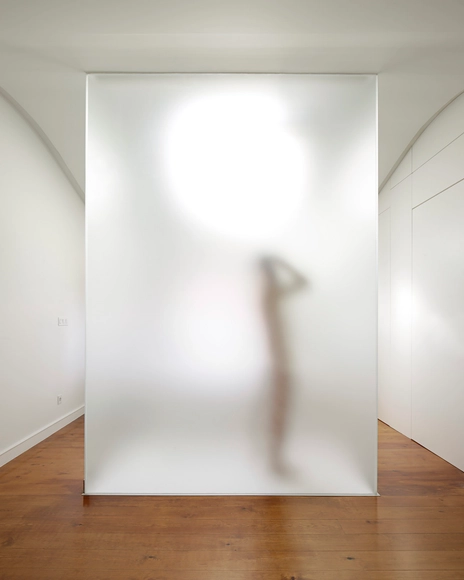
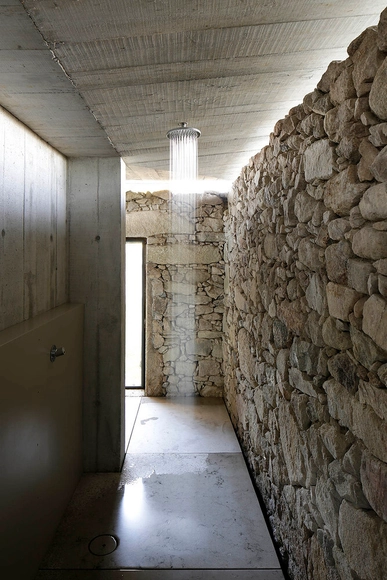
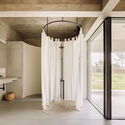
In a world that increasingly demands more from us, for many people the bath goes beyond a moment of hygiene. It can give you a few minutes to relax after a long day at work and recharge your batteries. Therefore, more and more people are looking for spaces that escape the usual when it comes to bathroom design. Showering can become a pleasurable experience that allows a momentary escape from everyday tasks, as the projects selected below can demonstrate.
If ancient Hellenic sources are to be believed, hanging gardens have existed at least since antiquity when the famous Hanging Gardens of Babylon were described by writers such as Herodotus and Philo of Byzantium. Today, vertical gardens have proliferated alongside the interest in indoor plants and gardens, especially in suitable climates. This trend in architecture reflects a simultaneous uptick in interest toward sustainability and a more pastoral, back-to-nature lifestyle. In the projects listed below, several of the architects mention moving forward from an industrial past—with its concomitant environmental effects—toward a better future, or at least a secluded, fresh, and natural outpost amidst the chaos of modern city life. Indoor gardens, and the visual allure of hanging plants and climbing vines, provide the setting for such a life. These vertical designs simultaneously conserve space and embed the plants within the atmosphere of the house, ensuring the space feels as much like a garden as it does a comfortable home.
The new metaverse platform pax.world, set to launch in early 2023, has announced its collaboration with global architecture offices Grimshaw, HWKN, Farshid Moussavi, and WHY to create “Metaserai,” a vast social and cultural hub envisioned as the core of the new virtual community. The hubs are designed to host virtual cultural, social, and educational events such as concerts, theatre shows, digital art galleries, markets, lectures, parties, and festivals.
The pax.world platform aims to develop into a fully functioning society governed by a Decentralized Autonomous Organization, also known as a DAO. The virtual space will be divided into privately-owned plots of land punctuated by Metaserai communal hubs. These take inspiration from the Caravanserai of the ancient Silk Road, which became hubs for commerce and cultural exchange. Each of the architects is designing their own interpretation of Metaserai.
Home spaces filled with clutter and mess can be mentally exhausting, making it impossible to relax with the weight of life visually bearing down on an interior. ‘Tidy space, tidy mind’ as the idiom instructs, and home environments that focus on clean lines – either with a minimalist lifestyle, decluttering, or expansive and well-organized storage systems – cultivate a more meditative mindset. Perhaps, however, the demonization of clutter and these are, characterless spaces it creates, can get a little, well, boring.
So-called ‘clutter’ can still spark joy when given an opportunity, however. So whether they hold treasured memories in photo frames, bookcases of stories not just in print, proud achievements, inspiring equipment, or functional items kept close to hand, open storage elements like shelving, doorless cabinetry, or hanging hooks and pegs can create decorative, textured and, most importantly, personalized surfaces.
The interest in co-living is on the rise, a direction emphasized by the merger between the largest co-living operator in the US, Common, and their European equivalent, Habyt. The two companies manage more than 4,000 apartments in the US and 7,000 apartments in Europe and Asia, as reported by The Wall Street Journal. The term co-living refers to a modern form of group housing where residents share communal spaces for socializing, cooking, and gathering, and have access to shared amenities such as cleaning services or dog walking.
At a historical moment when industrialization and urbanization are continuing at a fast and predatory pace, we need to design and produce spaces that can adapt to new realities. Based on this need, concepts that can guide the transformation and production of future cities emerge.
Recent surveys have revealed the average frequency of daily baths in some countries. While in Latin America, led by Brazil, Mexico and Colombia, people take 8 to 12 baths a week, in the vast majority of countries affected, the average is around 6 to 8. Bathing, throughout human history, involves health, religious, spiritual and even social aspects.
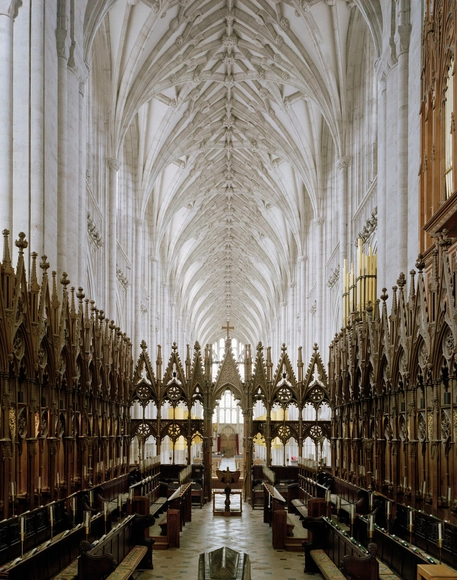
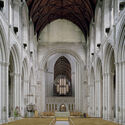
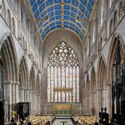
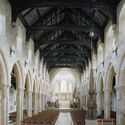
Using only natural light to document English cathedrals can turn into a logistical and technical challenge. However, Peter Marlow's photography has resulted in a remarkable series of iconic spiritual sites whose contemplative atmosphere is rarely accessible to others. Looking east with the camera towards the nave as the dawn light streamed through the main window opens a purist and mystical perspective to the time when these sacred structures were erected.
Cities are inseparable from fast-paced lifestyles. Rising rents and “not-that-small” apartments characterize urban environments, perpetuating the chase for “bigger, faster, and more”. As economies develop and human needs grow, buildings are erected at alarming rates to rush toward progress. The risks of urban living are gradually being exposed, raising questions about more intentionally-driven actions. One way to return to slower lifestyles is by returning to slow architecture.
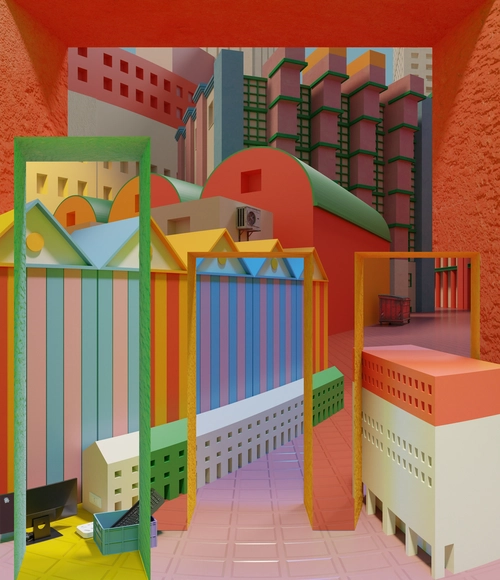
Through the “Search History” exhibition at MAXXI Museum in Rome, Lara Lesmes and Fredrik Hellberg, directors of the architecture and art studio Space Popular, set out to explore the work of Also Rossi and to translate his notions of “urban fact” and “analogous city” to the virtual realm. The installation is a reflection on the proliferation of metaverse platforms and the concept of virtual urbanism. The exhibition is part of the fifth edition of Studio Visit, a partnership between Alcantara and the MAXXI Museo nazionale delle arti del XXI secolo, which challenges designers to put forward a personal reinterpretation of the works of the masters in the MAXXI Architecture Collections.
As human beings we cannot live without stories, we need them to fill those gaps in our reality, to live in our imagination those thousands of lives that are different from ours and, in some cases, impossible.
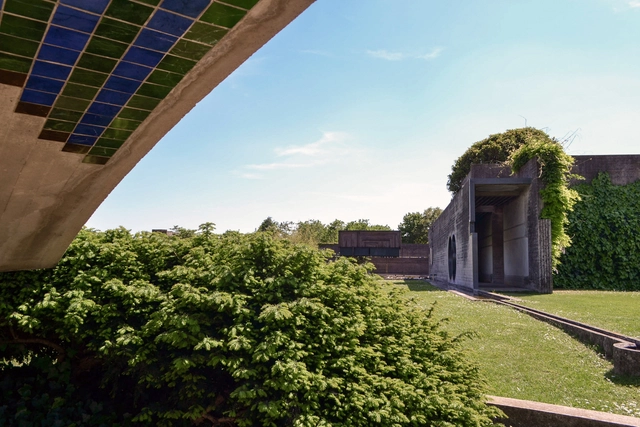
Could we qualify as "good architecture" that which has a story, or several stories, to tell us? That which is a story in itself? Such a subjective question undoubtedly generates different answers, but one possible answer is "yes". And one example is the Brion Tomb project, one of Venetian architect Carlo Scarpa's major masterpieces.


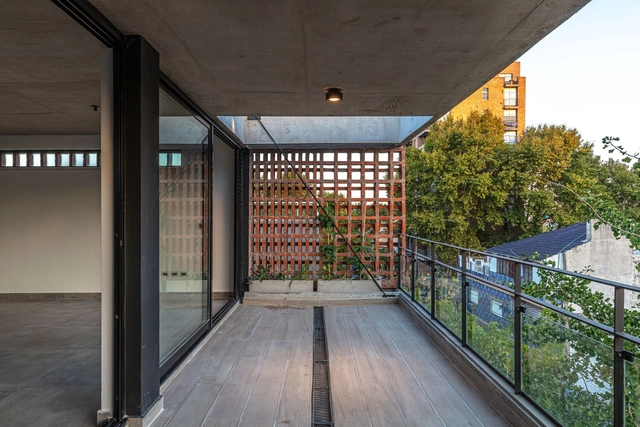


















_-18.02.2020-.jpg?1609783836 "Ster House / DELUTION. Image Courtesy of Delution Architect")