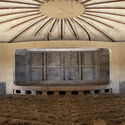
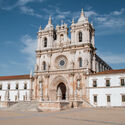
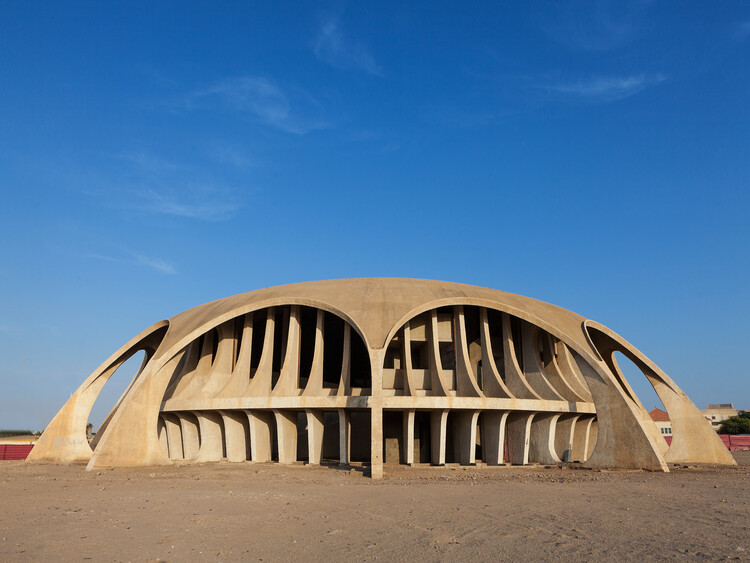
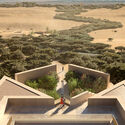
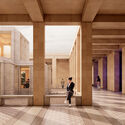
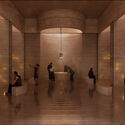
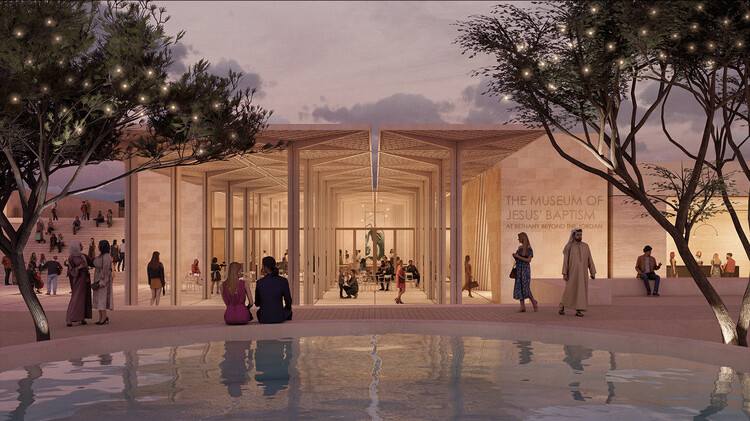
World Monuments Fund (WMF) is an independent organization dedicated to safeguarding treasured places around the world that enrich lives and foster mutual understanding across cultures and communities. On February 10, WMF announced a $7 million commitment to support 21 heritage preservation projects launching in 2026. These investments advance work at sites included on the 2025 World Monuments Watch, WMF's nomination-based advocacy program, while also supporting new phases of conservation, planning, and training at additional heritage sites across five continents. The selected sites reflect a wide chronological and geographic range, from ancient cultural landscapes to modern architectural landmarks. The projects highlight the diversity of global heritage, spanning Mughal gardens and Ottoman religious complexes to modernist cinemas, industrial mining landscapes, Indigenous cultural routes, and sacred shrines, and point to the long-term cultural knowledge embedded in its preservation.
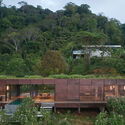
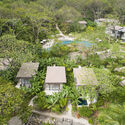
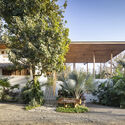
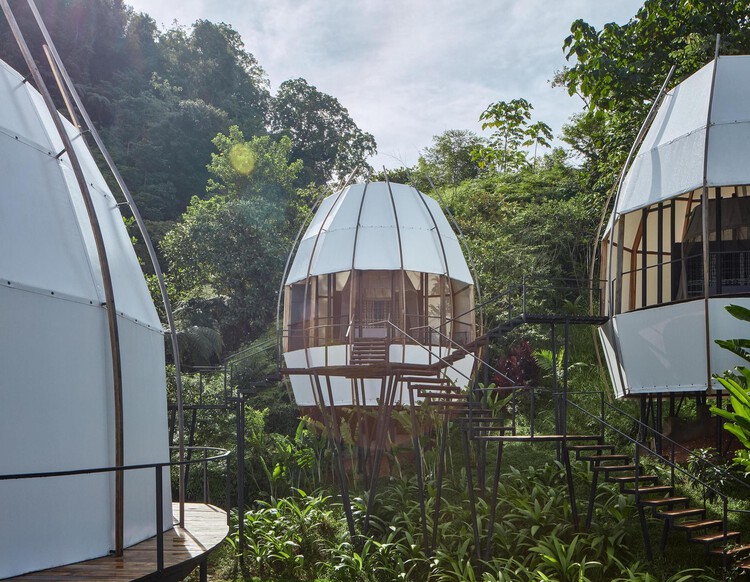
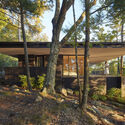
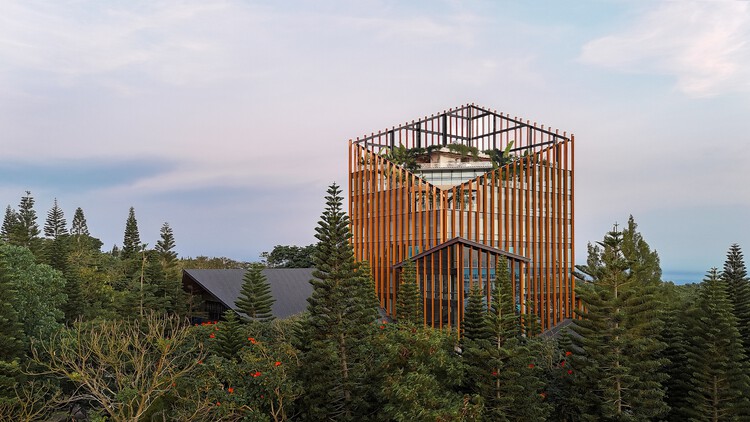
In the coastal and jungle regions of Costa Rica, high humidity and intense solar radiation dictate an architectural strategy centered on permeability rather than enclosure. Unlike the airtight envelopes required in cold climates to retain heat, Costa Rican architecture uses the building envelope as a climatic filter to maximize air exchange. The primary mechanism for managing these thermal gradients seems to be the oversized roof overhang. By extending the roof plane significantly beyond the floor plate, architects create a permanent buffer of deep shade that reduces solar gain and lowers the ambient temperature before air enters the structure. This strategy, combined with permeable or non-existent walls, allows for constant airflow. This is a critical technical requirement for humidity control and the prevention of material degradation through mold and rot.
Preserving historic buildings requires simultaneously addressing technical, environmental, and regulatory demands while maintaining the material, cultural, and symbolic continuity of what already exists. As the understanding consolidates that the most sustainable building is the one that is already standing, and that preservation also involves construction knowledge, material traditions, and the social fabrics from which they emerged, these same buildings are increasingly confronted with more rigorous contemporary parameters. Energy efficiency, safety, carbon emission reduction, and regulatory compliance have become unavoidable references, placing architecture before a central tension: how to update what already exists without breaking the continuity that sustains its heritage value.
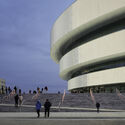
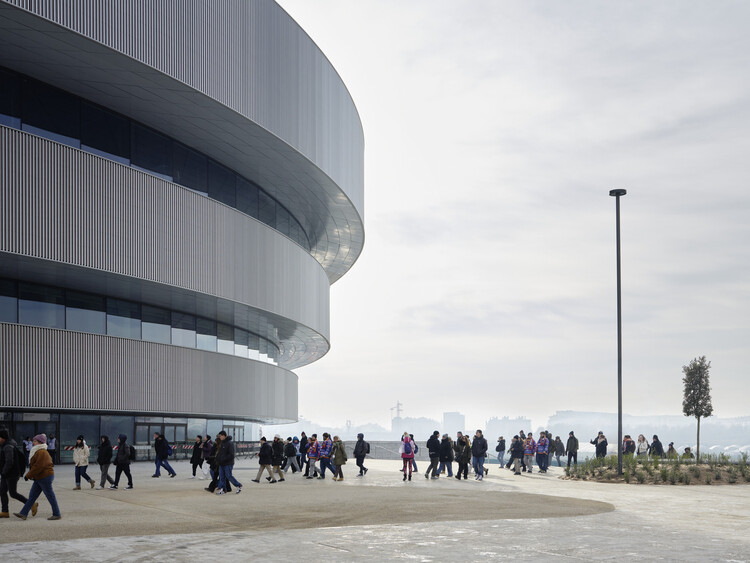
The Milano Cortina 2026 Winter Olympics officially opened on Friday, February 6, with a ceremony staged across four locations in northern Italy. The main opening event took place at San Siro Stadium, one of Milan's most significant modernist landmarks, and combined dance and performing arts, referencing Italian culture with performances by international artists, including pop star Mariah Carey. Although several competitions had already begun on February 4, the opening ceremony marked the start of a broader programme of sporting, social, and cultural events distributed across Milan and the three Alpine host areas: Cortina d'Ampezzo, Valtellina, and Val di Fiemme. The Games are scheduled to run until February 22, concluding with a closing ceremony at the Verona Arena, ahead of the Paralympic Games, which will take place from March 6 to 15. As a large-scale international event, the Olympics place significant demands on sports infrastructure, transportation networks, accommodation, and tourism capacity, offering early indications of the longer-term urban, architectural, and territorial impacts the Games may leave behind.
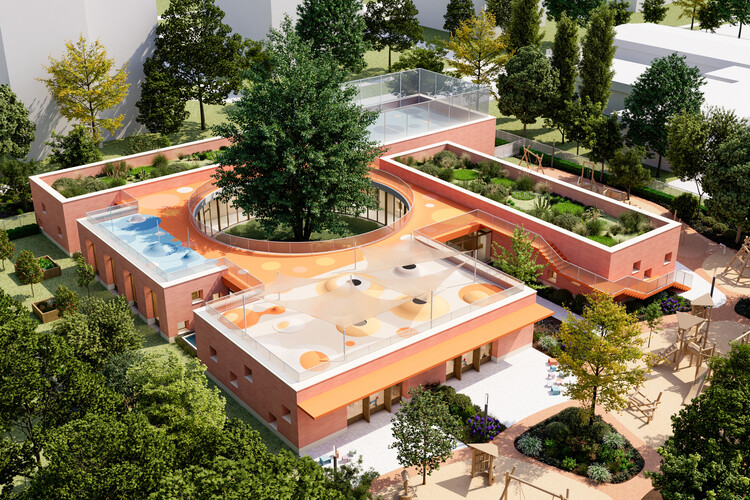
Educational architecture remains an exploratory ground for unbuilt exploration, offering insight into how learning environments can evolve alongside changing social, ecological, and pedagogical values. In this Unbuilt edition, submitted by the ArchDaily community, the selected projects bring together a range of proposals that examine schools, libraries, nurseries, and academic centers as spatial frameworks for care, knowledge, and collective growth. Rather than treating education as a fixed program housed within singular buildings, these projects approach learning spaces as adaptive environments shaped by landscape, climate, and human interaction.
Across varied geographies, from Mediterranean hillsides and Central European courtyards to tropical cities and distributed campus models, the proposals explore diverse architectural responses to contemporary education. They range from child-scaled kindergartens organized around trees and cloisters to libraries conceived as civic landscapes, biodiversity-centered academic buildings, and schools imagined as walkable urban systems.
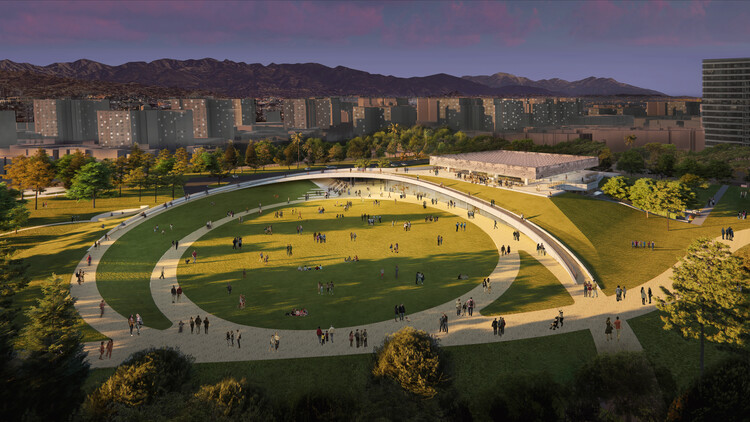
New renderings released by WEISS/MANFREDI reveal updated plans for the ongoing transformation of the La Brea Tar Pits in Los Angeles, a comprehensive redesign that integrates the museum, landscape, and active excavation areas into a continuous public and research-oriented campus. Alongside the design update, the Natural History Museums of Los Angeles County (NHM) has announced the creation of the Samuel Oschin Global Center for Ice Age Research, a new initiative supported by the Samuel Oschin Family Foundation, which advances the site's long-term redevelopment. The transformation project is led by WEISS/MANFREDI as design lead for the museum and park, with Gruen Associates serving as executive architect and landscape architect, and Kossmanndejong (KDJ)responsible for exhibition design. Fundraising efforts are ongoing, with the project positioned for completion ahead of the 2028 Olympic Games in Los Angeles.
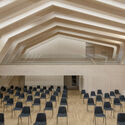
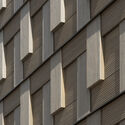
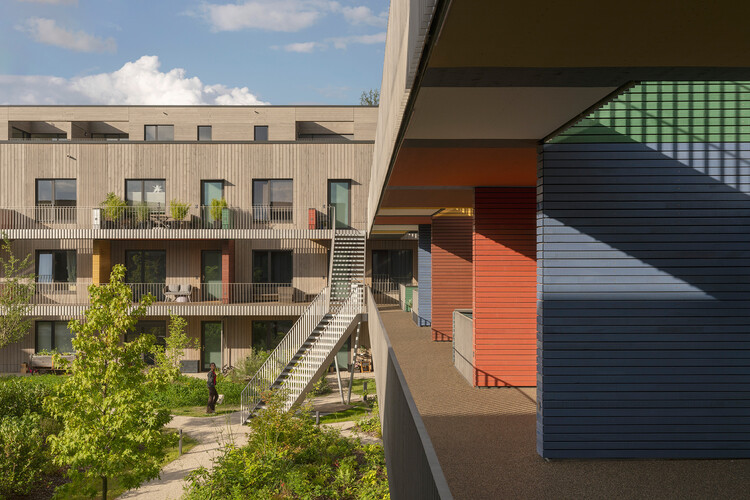
The recently inaugurated exhibition matière en résonance ("resonant matter") brings together a wide range of models and a curated selection of photographs to present sauerbruch hutton's ongoing exploration of timber. The exhibition starts from the premise that while the age of concrete defined the twentieth century, the early twenty-first century has seen a worldwide resurgence of timber, a much older building material. Timber is presented as offering "a different version of modernity" and as the subject of renewed interest that reawakens long-standing collective imaginaries. Over more than two decades, the Berlin-based architecture practice has explored the possibilities of timber construction, from façade elements to load-bearing structures and modular systems. The exhibition reflects the results of this sustained investigation, reinforcing both technical innovation and the embodied qualities of timber across a diverse range of European contexts. The exhibition will be on view from 3 to 28 February 2026 at the Galerie d'Architecture de Paris.
Cities around the world share a common goal: to become healthier and greener, supported by civic infrastructure that restores ecosystems and strengthens public life. The question is how to reach this. Global climate targets, local building codes, and municipal standards increasingly guide designers and planners toward better choices. Still, many cities struggle to translate these frameworks into everyday, street-level comfort and long-term ecological protection. What happens if the city is no longer treated as a traditional city, but as a national park?
National parks operate through systems of protection that treat land as a network of ecological relationships rather than a collection of isolated sites. They establish a shared baseline for what must be preserved, maintained, and made accessible over time. When this logic is applied to the urban environment, success can inspire pride and a sense of shared responsibility among designers, policymakers, and residents, fostering a collective commitment to health, habitat, and civic infrastructure.
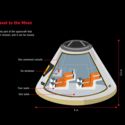
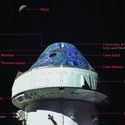
Artist representation of Orion's lunar flyby. Image via NASA under license CC BY-NC-ND 2.0
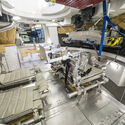
It was July 1969, and people on planet Earth were about to witness a historical moment for humanity: the first time a human being stepped on the surface of the Moon aboard the Apollo 11 mission. After this event, NASA landed five more times on the lunar surface, with the last one being Apollo 17 in 1972. Since then, humans have not attempted to return to the Moon until this year, 2026, when they will launch the Orion spacecraft as part of the Artemis II Mission. Planned to set off between February and April 2026, Orion will not yet land people on the Moon, instead it will make a flyby, in order to allow testing of the software and systems. This will set the base for an actual human landing on the Moon's South Pole as part of Artemis III sometime between 2027 and 2028, eventually opening a brand new era in Extraterrestrial architectural design.
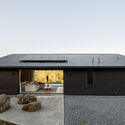
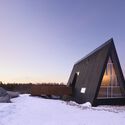
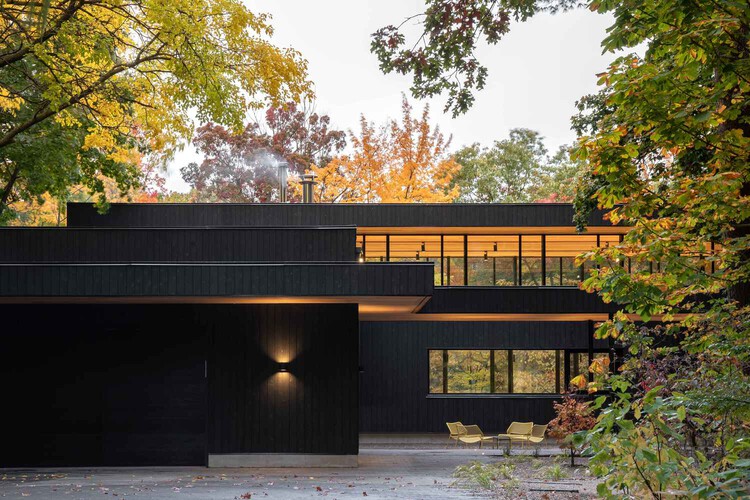
Shou Sugi Ban is a traditional Japanese technique for wood preservation that involves charring the surface of timber to create a protective layer. While its origins are rooted in practical durability, the method has been widely adapted into the modern built environment and shapes a unique and distinctive aesthetic. It is a material of contradiction: it remains bold in its visual language due to its dark tones, yet it simultaneously borrows from and complements its natural surroundings, allowing houses to settle quietly into their sites.
The charred finish among the 22 residences featured here across Canada and the United States serves as a common thread for navigating extreme climates. From humid lakefronts to dense forests, the carbonized skin acts as a resilient shield against diverse conditions. Beyond mere protection, these houses demonstrate how the material's texture changes with exposure to light, transforming from a flat matte in the shade to a silver-flecked, shimmering surface in direct sun. These projects also showcase the technique's ability to define architectural volumes, using the dark cladding to create sharp, monolithic silhouettes or to highlight the voids in a building's mass, such as recessed entryways and sheltered terraces.
Across history, the relocation of capital cities has often been associated with moments of political rupture, regime change, or symbolic nation-building. From Brasília to Islamabad, new capitals were frequently conceived as instruments of centralized power, territorial control, or ideological projection. In recent decades, however, a different set of drivers has begun to shape these decisions. Rather than security or representation alone, contemporary capital relocations are increasingly tied to structural pressures such as demographic concentration, infrastructural saturation, environmental risk, and long-term resource management. As metropolitan regions expand beyond their capacity to sustain population growth and administrative functions, governments are turning to spatial reconfiguration as a means of addressing systemic urban imbalance.
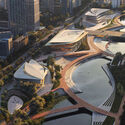
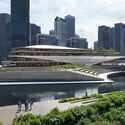
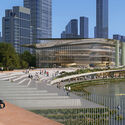
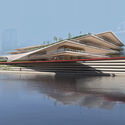
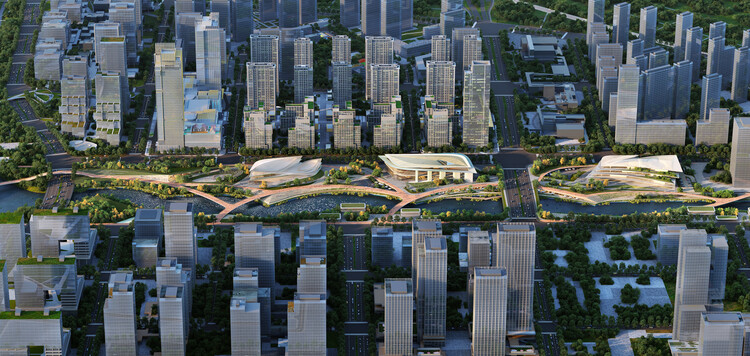
Zaha Hadid Architects has released images of its design for the redevelopment of the waterfront along the Zhedong Canal in Hangzhou's Xiaoshan District, China. The Qiantang Bay Central Water Axis project envisions a sequence of landscaped parklands, terraces, and gardens along the canal basin, proposing the transformation of former industrial areas into a green corridor extending toward the city center. The proposal adds to other recent design initiatives in the area, including Snøhetta's Qiantang Bay Art Museum, planned at the confluence of the Qiantang River and the Central Water Axis, as well as Zaha Hadid Architects' Grand Canal Gateway Bridge, a pedestrian bridge intended to connect the firm's 800,000-square-meter Seamless City masterplan on the east and west banks of the Grand Canal.
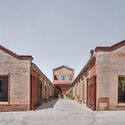
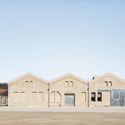
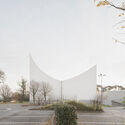
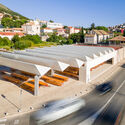
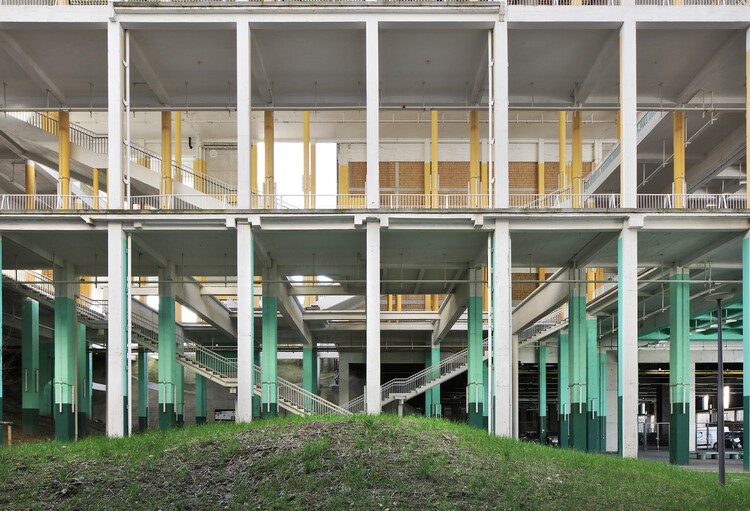
The European Commission and the Fundació Mies van der Rohe have announced the seven finalist projects for the 2026 European Union Prize for Contemporary Architecture - Mies van der Rohe Awards, supported by the European Union's Creative Europe programme. The selection follows the announcement of 410 nominated works in November and a shortlist of 40 projects revealed in early January. Of the seven finalists, five have been selected in the Architecture category and two in the Emerging category. According to the jury chaired by Smiljan Radić, the finalist projects are exemplary contributions to the future of European architecture, demonstrating how the discipline can respond simultaneously to specific local conditions and broader social, cultural, and environmental challenges. The selected works range from interventions in former industrial sites, small villages, and peripheral urban areas to carefully calibrated projects within larger cities. Across these varied contexts, the projects show how architecture can transform overlooked or ordinary settings into inclusive, high-quality spaces for living, learning, and social exchange.
Tagaytay City Hall / WTA Architecture and Design Studio. Image Courtesy of WTA Architecture and Design Studio
This week's architecture news brings together a series of announcements that reflect how the discipline is engaging with larger structural and institutional frameworks. The OBEL Foundation's introduction of Systems' Hack as the theme for its 2026 cycle foregrounds architecture's relationship to the systems that organize contemporary life, from infrastructure to resource flows. At the scale of the design industry, Salone del Mobile.Milano's outline of its 2026 framework, including OMA's involvement in the Salone Contract master plan, signals an evolving understanding of major fairs as long-term cultural and economic infrastructures rather than standalone events. Running alongside these agenda-setting developments, the final days of nominations for the 2026 ArchDaily Building of the Year Awards underscore the role of collective evaluation and public participation in shaping contemporary architectural discourse.
Architectural heritage is often described as what survives time. Yet survival does not explain why certain buildings are preserved while others disappear. Many works now protected as cultural heritage were once criticized, contested, or openly rejected; they were accused of being socially misguided, materially flawed, or symbolically excessive. Over time, however, these same shortcomings have become central to their meaning as heritage emerges as a slow and unstable process of interpretation.
Contemporary architecture operates under intense scrutiny, pressured by environmental responsibility, social equity, economic volatility, and accelerated technological change. Buildings are expected to perform ethically, efficiently, and symbolically, often simultaneously. As a result, architectural failure is no longer an exception but an increasingly common condition. Projects age faster, materials reveal limitations sooner, and urban strategies quickly fall out of sync with shifting political, social, and environmental realities.
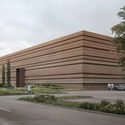
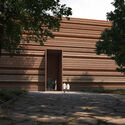
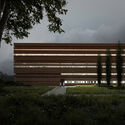
Sordo Madaleno, in collaboration with építész stúdió and Buro Happold, has been selected to design the 43,000-square-meter New Debrecen Collection Center for the Hungarian Museum of Natural History. Debrecen, Hungary's second-largest city, is currently the focus of significant urban and university-related development, including plans to relocate the Hungarian Museum of Natural History from Budapest to the edge of Debrecen's Great Forest. The proposed Collection Center is conceived as a facility dedicated to the controlled storage and study of more than 11 million objects, drawing conceptual inspiration from traditional Hungarian clay vessels, structures historically used to protect and preserve. The project would mark the first European cultural commission for the Mexican architecture practice, which operates studios in London and Mexico City.
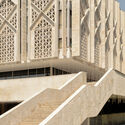
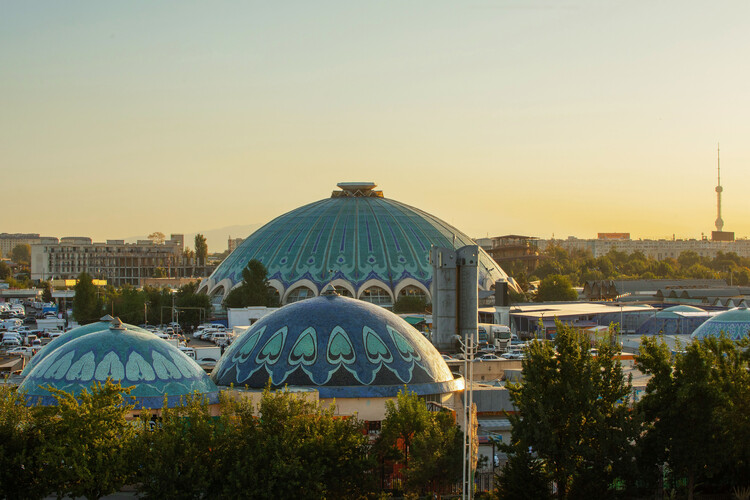
Situated along the historic Silk Road in Central Asia, Tashkent is a city with a long history spanning thousands of years. Its historic architecture is known for its courtyards, domes, and blue ceramics, typical of its Timurid heritage. The capital of Uzbekistan today, it was absorbed into the Russian Empire in the 19th century, before becoming a Soviet republic. While part of the Soviet Union, the city became an example of modernization, celebrating socialist achievements in Asia. A devastating earthquake in 1966 accelerated this modernization as the city was reconstructed, leading to many of the modernist monuments for which Tashkent is known today.