As democratizing catalysts, educational spaces play a fundamental role in shaping individuals and entire communities. These places, where students spend a significant amount of time developing their capabilities, skills, and competencies, are more than a background for the promotion of a fundamental right, they are key elements to providing equal opportunities for all.
Open and common facilities, such as schoolyards, courtyards, and auditoriums are great examples of how spaces can encourage students, teachers, parents, and community members to learn with each other in an active dialogue. Flexibility and accessibility are two other key points to promote the democratization of both design and education, as seen in programs that go beyond school time and encourage communities to participate, for example.
Netherlands-based architecture, urban planning, and research firm Waterstudio.NL in collaboration with Dutch Docklands and the Government of The Maldives have revealed the design of Maldives Floating City (MFC), a first-of-its-kind “island city” that offers a new approach to modern sustainable living on the Indian Ocean. The project has been in development for over a decade, and will feature thousands of residences, floating along a flexible, functional grid across a 200-hectare lagoon.
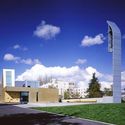
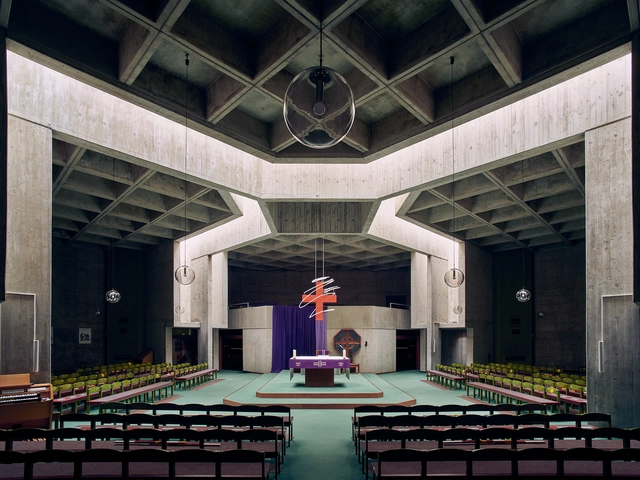
The Chapel of St. Ignatius in Seattle, designed by Steven Holl Architects, has been honored by the American Institute of Architects (AIA) with its Twenty-five Year Award. AIA’s award is conferred on a building that has set a precedent, stood the test of time for 25 to 35 years and continues to set standards of excellence for its architectural design and significance. The Chapel of St. Ignatius finished in 1997, reflects the ideal of the Jesuit practice, a religious order of the Catholic Church, in which no single method of worship is prescribed. Instead, the sect recognizes that “different methods helped different people.” That idea is reflected in the Chapel of St. Ignatius, Seattle University’s main chapel, where differences in light unify to support the worship and ritual needs of the university community.
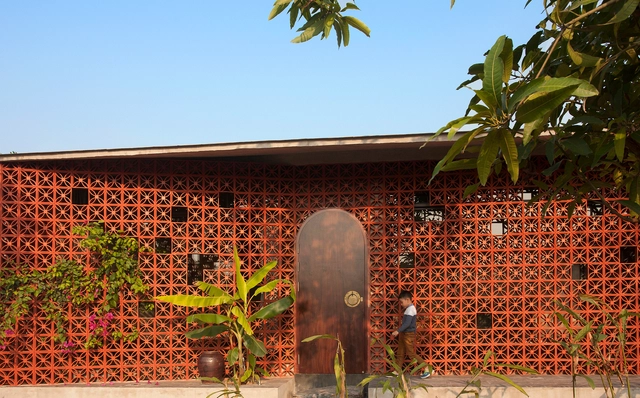
Ceramic fragments and figures found at the Neolithic site of Mureybet, in Syria's Middle Euphrates valley, indicate that clay and fire work date back to the 7th millennium BC. This means that dealing with ceramics is one of the oldest activities in human history. More than 9,000 years later, ceramic, and all its derivatives, has become one of the most used materials in construction, being used at different times, from structure to finishes.
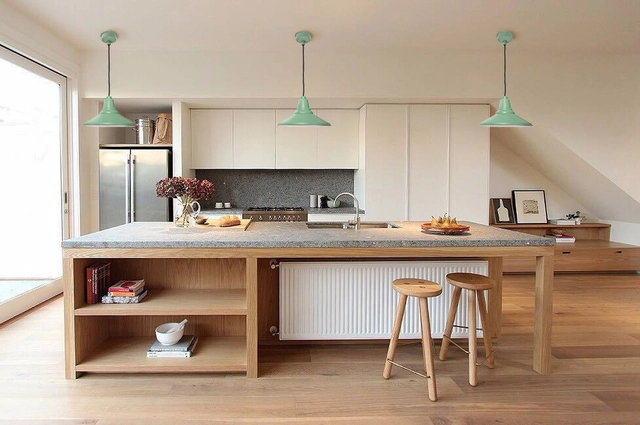
Calla Pendant Ceiling Lights. Image Courtesy of Cocoweb
Characterized by a simple structure and a gable roof, the traditional barnyard typology responds to its original function: sheltering farm products and livestock. In recent years, however, the barn aesthetic has evolved tremendously, sparking the interest of designers with its enduring rustic charm, minimalistic shape, refined ornamentation and modularity – qualities that have long made it popular in countryside hideaways. Reinterpreted to fit a contemporary style, the vintage typology has conquered modern projects that seek to offer an escape from the fast-paced, dense reality of urban life. Whether refurbishing historic farms or building new homes designed to resemble barns, architects have drawn inspiration from the industrial origins of traditional barnyards, but adding a modern twist.
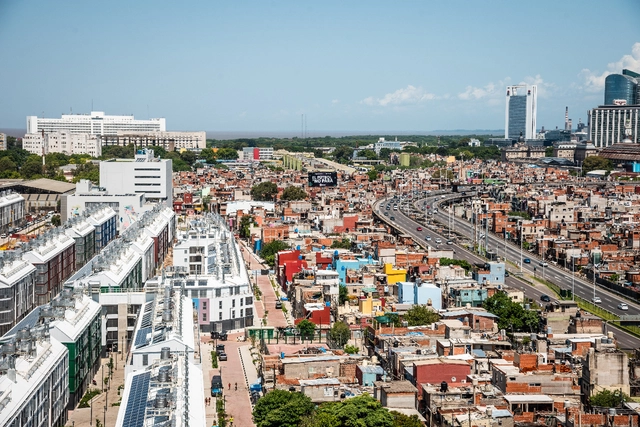
Housing Upcycle Program, Barrio Mugica of Buenos Aires. Image Courtesy of Special Project Unit Barrio Padre Carlos Mugica, Buenos Aires City Government
Organized under six categories: Open Category, Improving Energy Efficiency, Adequate, Safe & Affordable Housing, Participatory, Land-Use Efficient & Inclusive Planning, Access to Green & Public Space, and Utilizing Local Materials, the jurors picked a winner per section, yet were unable to identify an overall winner in the open category and chose instead to recognize six projects as Highly Commended, honoring in total 5 laureates and 15 commendations.
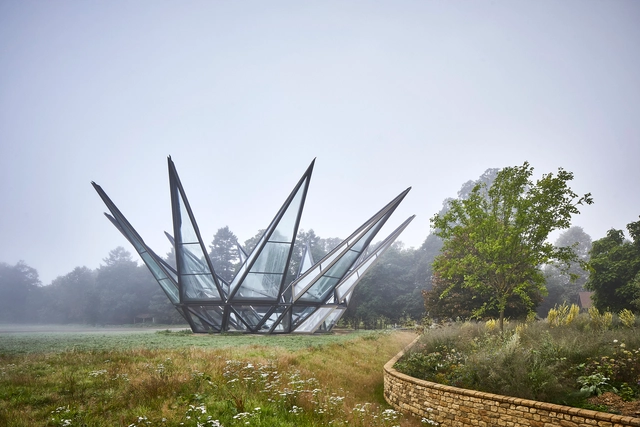
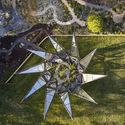
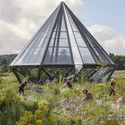
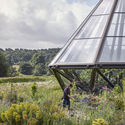
Heatherwick Studio, in collaboration with The Woolbeding Charity and the National Trust, have unveiled their latest project, a kinetic Glasshouse and Silk Route Garden set on the edge of Woolbeding Gardens, a historic estate in West Sussex. The unfolding structure serves as a focal point to a new garden that highlights how ancient Silk Route has influenced English gardens of today. The structure features ten steel ‘sepals’ with a glass and aluminum façade, which creates a 141 sqm space in the shape of a crown once it opens.
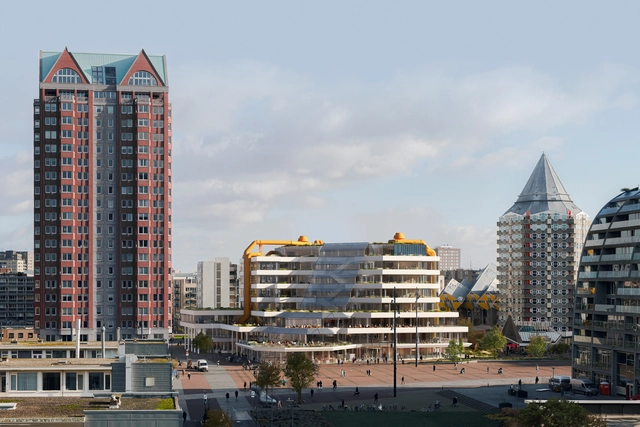
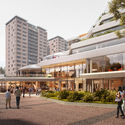
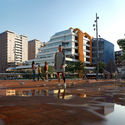
The City of Rotterdam has selected Powerhouse Company, Atelier Oslo, Lundhagem to renew and extend the city’s Central Library, a landmark building from the early 1980s designed by Van den Broek & Bakema. The new design adopts the concept of radical reuse in order to transform a 1980s building into a contemporary library, well-adapted to the necessities of modern users. The team combines the expertise of Powerhouse Company, Atelier Oslo, and Lundhagem, the latter two offices being awarded in 2021 with the Public Library of the Year Award for their design of Oslo!s Deichman library. Construction is expected to begin in 2025 and be completed by the end of 2028, the year marking the building!s 45th anniversary.
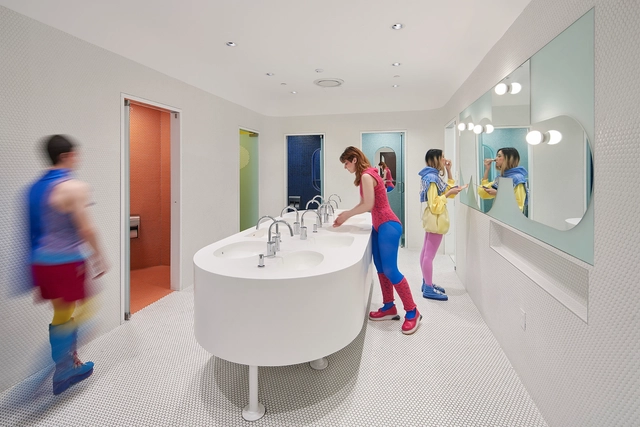
“Creating an equitable city implies that every citizen has their needs met”, states architect Wanda Dalla Costa at a time when metropolises were noticing change. Architects and the public have started to acknowledge the gender-driven design of public spaces. Across the world, urban areas have been a site of discrimination and danger to the LGBTQ+ community. Gender is demonstrated in public zones that promote visibility and interaction between people. An arduous challenge lays upon architects and planners to design fair environments and equitable spaces.
If one were asked to picture a Catholic Church, the first image to come to mind would probably resemble a medieval gothic cathedral with buttresses, pointed arches, and a spire pointing toward the sky. On second thought, many more styles could easily be identified as catholic architecture: the simple yet grandiose structures of the Romanesque or maybe the ornate styles of Baroque and Rococo. An image more difficult to associate with sacred architecture is that of Modernism. The Roman Catholic Church is a particularly conservative establishment. Modernism, on the other hand, is revolutionary; it is rational, functional, and technical; it rejects ornaments and embraces innovation. Surprisingly, in the years after the end of the Second World War, places of worship defied expectations. Blocks of concrete, raw materials, angular shapes, and exposed structures have all been employed to break from tradition and create churches that barely resemble a church. This article will explore Modernist mid-century Church architecture with the support of images from Jamie McGregor Smith.
This year's architectural contributions, which were on display across the busy streets of Milan, Brera design district and botanical garden, Alcova, BASE, and other cultural venues, highlighted this year's Milan Design Week theme of sustainability and environmental awareness with respect to furniture production.
Alphabet of light by BIG x Artemide. Image Courtesy of Artemide
Following two years of delays and cancellations, this year's Milan Design Week saw thousands of designers, artists, and craftsmen put their skills on display and present different solutions for the future of manufacturing, interior design, materials, and the environment. As every year, renowned architects also took part of the week-long event, using products, furniture pieces, and installations to share their professional angle and answer some of the biggest questions of the practice, showcasing how it can contribute to the betterment of the environment and society as a whole.
Focusing on sustainability and environmental awareness with respect to furniture production, this year's architectural contributions at Salone del Mobile saw innovative takes on “inclusive” design.
El proceso de HerCity usando la herramienta MethodKit en GoDown, Nairobi, Kenia. Image Cortesía de ONU-Habitat
Many of us agree that design is still not considered for everyone. That is why we must ask ourselves what is truly democratic in the matters of design - in order to define our vision toward a more just society. From the perspective of architecture and urbanism, we can look at this democratization from different angles, including citizens in participatory processes, in order to find answers to our constant search to improve habitability and accessibility.
The design and functionality of public spaces in cities are always under scrutiny. Whether its accessibility to public parks and green spaces, the distance people live from public transportation, or the ways that spaces can be designed to make city life more safe and equitable. But now a new issue and one that lives at a smaller scale is starting to arise- where did all of the public seats go?
HeartFelt® Multipanel. Image Courtesy of Hunter Douglas Architectural
Known as the “fifth wall,” a ceiling is the interior overhead surface that covers the upper limit of a room. Unlike decor, wallpaper, furniture and other pieces that define indoor ambiance, it is not usually emphasized as a crucial design component, often resulting in the classic plain white shade that continues to be the norm in many, if not most, interior spaces. Nonetheless, ceilings can serve multiple purposes in any architectural project. For example, they provide comfort, act as protective surfaces for other building systems, conceal structural elements, and add layers of texture, movement and color. They also allow the enclosure or separation of spaces and contribute to sound diffusion, hence reducing noise transfer between rooms.
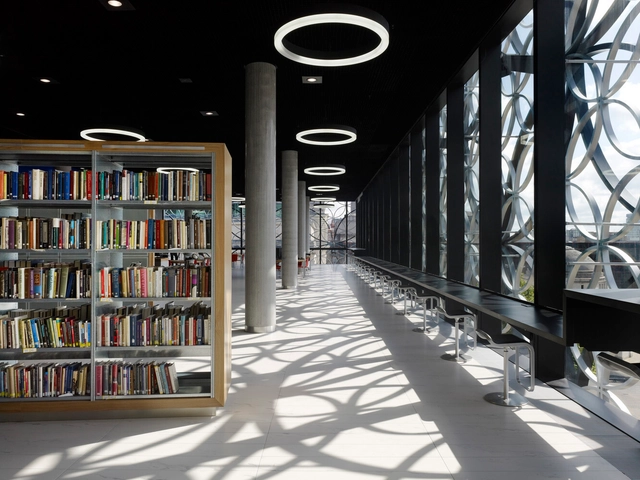
As gateways to knowledge and culture, libraries play a fundamental role in society. Foundational in creating opportunities for learning, as well as supporting literacy and education, the resources and services each library offers all work towards helping to shape new ideas that are central to building a creative and innovative society.
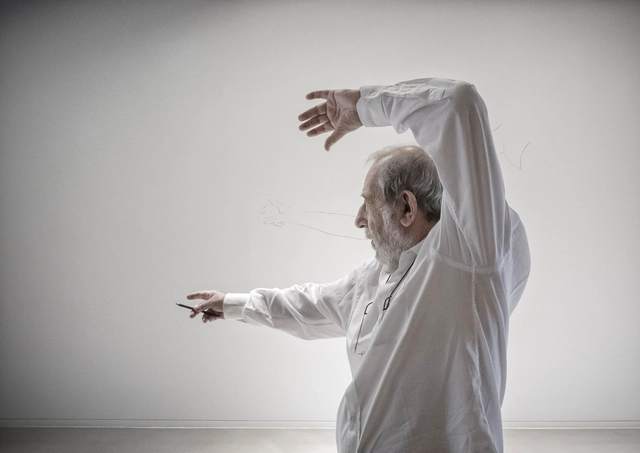
Álvaro Joaquim de Melo Siza Vieira, or simply Álvaro Siza, was born in Matosinhos, Portugal, on June 25, 1933. His first work – four houses in Matosinhos – was built in 1954, even before completing his studies at the School of Fine Arts from the University of Porto (current Faculty of Architecture of the University of Porto – FAUP), which happened a year later.
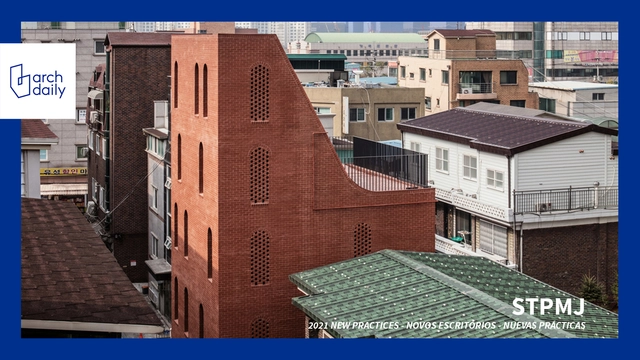
Seoul, similar to numerous large cities across the globe, are characterized by land scarcity, overpopulation, staggering real estate prices, and urban segregation. These living conditions forced architects and urban planners to pursue alternatives, (re)introducing new models of co-living, low-cost housing in suburban areas, and mixed-use developments. However, proximity to work, educational, commercial, health facilities, and public transportation, as well as optimized infrastructure and better governance have sustained living within compact city boundaries desirable. Tucked within the busy streets of Gangseo-gu, Five Story House by stpmj is a project that explores the relationship between single-family housing and dense urban contexts beyond investment value and contextual constraints.








.jpg?1656484624&format=webp&width=640&height=580)
.jpg?1656484650 "© Paul Warchol Photography")
.jpg?1656484668 "© Paul Warchol Photography")
.jpg?1656484634 "© Paul Warchol Photography")
.jpg?1656484624)


.jpg?1656364895 "Co-creation of Urban Spaces by the Nobogonga River. Image Courtesy of Co.Creation.Architects, Jhenaidah Citywide People's Network, Platform of Community Action and Architecture (POCAA), Community Architects Network (CAN)")











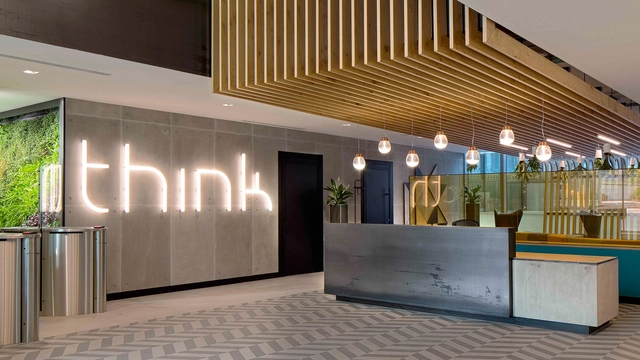
.jpg?1656316588 "MVRDV x Delta Light. Image © Valerie Clarysse")
.jpg?1656315984 "Node+ by UNStudio. Image Courtesy of UNStudio")
.jpg?1656315920 "Soliscape by UNStudio. Image Courtesy of UNStudio")
.jpg?1656315918 "Soliscape by UNStudio. Image Courtesy of UNStudio")

.jpg?1655403902&format=webp&width=640&height=580)
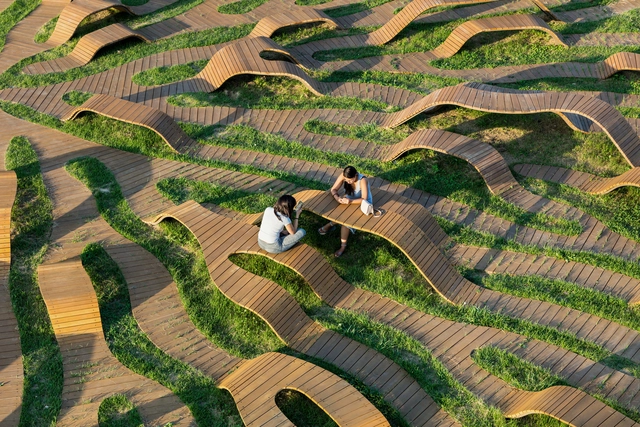
_Evgeny_Evgrafov_02.jpg?1655225292 "© Evgeny Evgrafov")



.jpg?1649785401&format=webp&width=640&height=580)




.jpg?1656064406 "© Bae Jihun")


