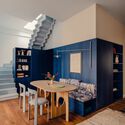
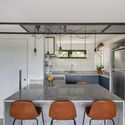
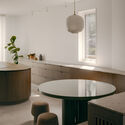
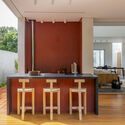
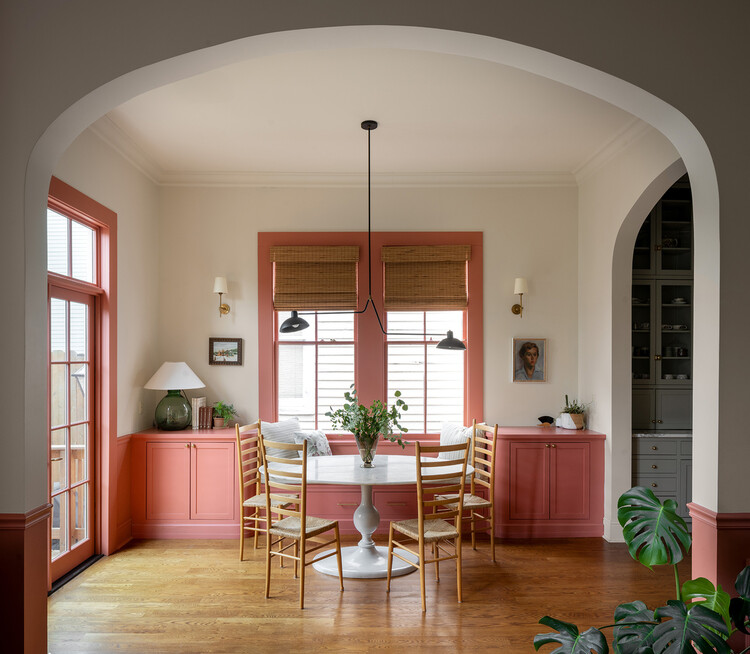
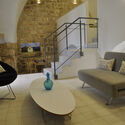
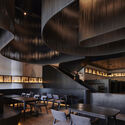
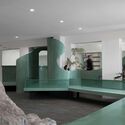
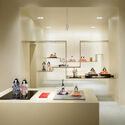
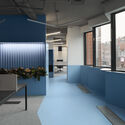
Breakfast nooks emerged in the early twentieth century in response to increasing domestic density and shifting ideas about everyday life. Rooted in the American Arts and Crafts movement and popularized through bungalow housing of the 1910s and 1920s, they evolved from the more formal Victorian breakfast room into compact, built-in spaces embedded within the kitchen. As houses grew smaller and more economical, architects and millwork companies used fixed benches and tables to occupy corners, alcoves, and bay windows that might otherwise be inefficient. These light-filled enclosures provided an affordable means of concentrating daily activities while preserving comfort and spatial clarity.
Snøhetta, in collaboration with the Beijing Institute of Architectural Design (BIAD), has won the international competition to design the Beijing Art Museum in Tongzhou District, Beijing. The project officially broke ground on December 31, 2025, with completion and public opening anticipated in 2029. Conceived as a new landmark for the eastern part of the city, the museum will form part of Tongzhou's cultural and civic development strategy as Beijing's sub-center. The commission marks Snøhetta's second major cultural project in the Chinese capital, following the Beijing Library, which opened to the public in 2023 and has since become a key reference for contemporary civic architecture in the city.
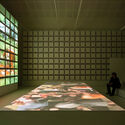
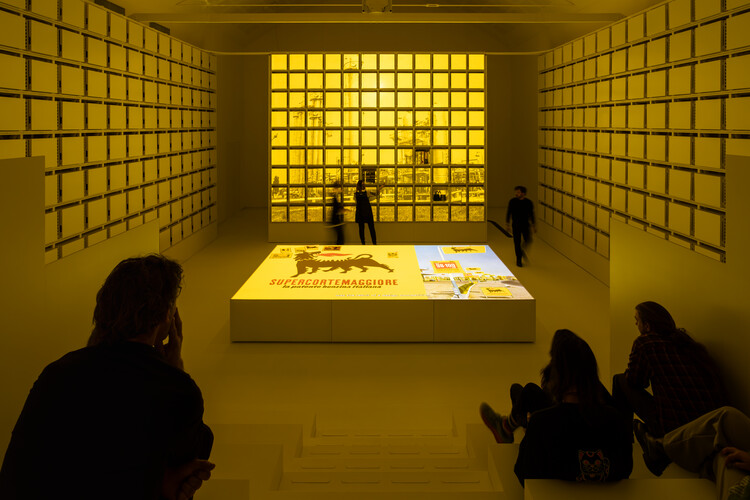
A new museum dedicated to the science of carbon fiber opened in Fiorenzuola d'Arda, Italy, on December 17, 2025. The project dates back to 2021 and was designed by CRA–Carlo Ratti Associati in collaboration with the late Italian architect Italo Rota. Commissioned by MAE, a manufacturer of equipment for carbon fiber production, the project transforms one of the world's largest archives on carbon fiber into a dynamic museum, uniting research with archival preservation and turning the archive into a space for interactive exploration. The project is described by its designers as a "living museum," a place to read, inquire, and connect ideas.
Having explored adaptability at the city scale, we are now zooming in on the building itself—and, crucially, on practice. How can architects, developers, and consultants embed adaptability as a measurable, mainstream outcome? This question will be on the agenda at the Adaptable Building Conference (ABC) on January 22 at the Nieuwe Instituut in Rotterdam, where architects, engineers, policymakers, and industry leaders will explore the potential of adaptable buildings—and how to deliver them at scale.
In a balance of aesthetics, performance, and versatility, HIMACS shows a solid surface material of choice for many architects and designers. Taking a further step forward, the entire range of standard HIMACS sinks and basins is now officially SCS certified, containing a minimum of 8% pre-consumer recycled content. This certification enhances the material's technical and visual appeal by providing a more sustainable option without compromising quality or functionality.
From bathroom vanities with integrated basins to kitchen islands with flush-mounted sinks, HIMACS shapes offer a seamless balance of style and function. Each component integrates effortlessly with the surrounding HIMACS surface, creating a continuous, grout-free finish that is both elegant and easy to maintain.
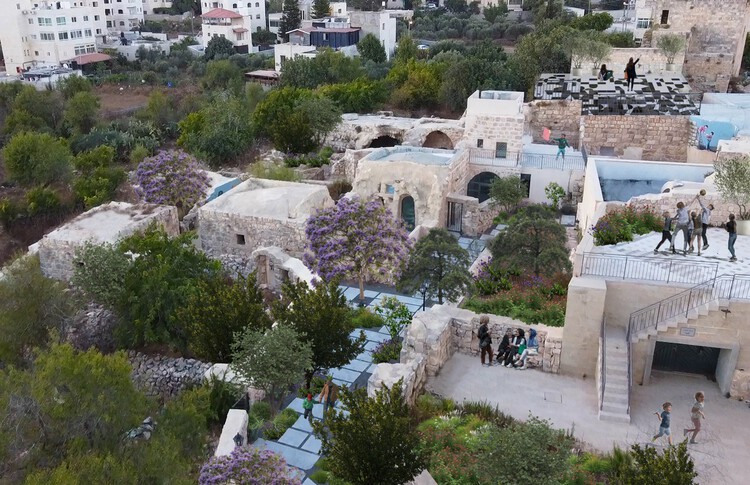
Qalandiya Rendering. Image Courtesy of RIWAQ – Centre for Architectural Conservation
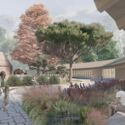
Qalandiya: the Green Historic Maze, developed by RIWAQ – Centre for Architectural Conservation, has been awarded the Grand Prize at the Holcim Foundation Awards 2025, recognizing its sensitive and deeply contextual approach to heritage conservation in Palestine, selected among the 20 winners of this year's edition. Located in Qalandiya, north of Jerusalem, the project reactivates a historic village center long affected by political fragmentation, neglect, and spatial disconnection. Through an incremental rehabilitation strategy, the project restores deteriorated structures using traditional knowledge, local stone masonry, and native materials, transforming abandoned fabric into active public spaces while reinforcing environmental resilience through passive climate strategies and landscape-based infrastructure.
Malabo served as the capital city of Equatorial Guinea from the country's independence from Spain on October 12, 1968, until January 2, 2026, when a decree issued by President Teodoro Obiang Nguema Mbasogo officially transferred the capital to Ciudad de la Paz ("City of Peace"), located in Djibloho Province. Obiang formalized the move as part of a long-planned territorial reorganization. While the former capital remains an important economic center on Bioko Island, Ciudad de la Paz was conceived as a planned capital on Africa's mainland. The initiative to relocate the capital dates back to 2008, with construction beginning in 2011. The new capital, also referred to as Djibloho, after the province, or Oyala, has been framed by the government as a decentralization effort aimed at improving national accessibility.
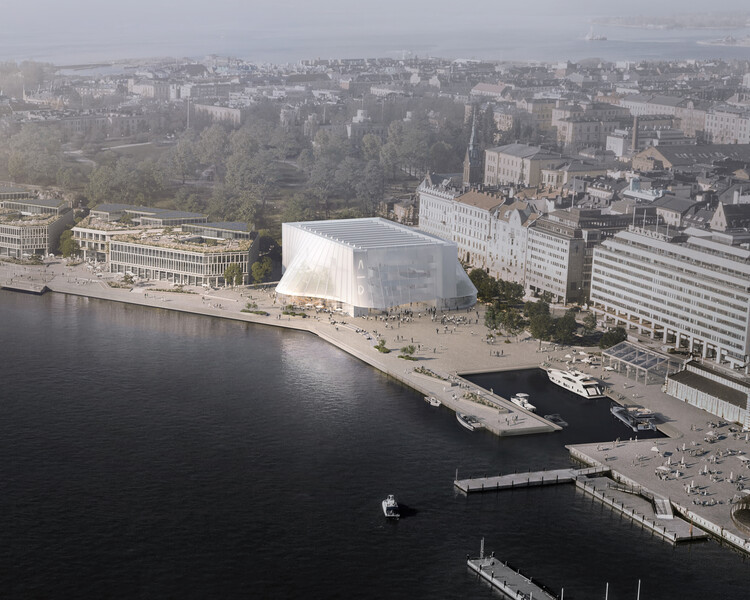
Cultural institutions represent an active field for unbuilt architectural exploration, reflecting how architects continue to question the role of public buildings in shaping urban life. In this Unbuilt edition, submitted by the ArchDaily community, the selected proposals bring together a range of projects that engage with museums, exhibition centers, and diplomatic buildings as sites of public encounter. Rather than treating these programs as fixed types, these projects approach them as evolving spatial settings through which cities engage with history, knowledge, and representation.
Across varied geographies, from Wenzhou and Helsinki to Belgrade, Debrecen, Mexico City, and Nürnberg, the proposals explore different responses to contemporary cultural architecture. They range from adaptive reuse of industrial and ideological structures to new buildings embedded in waterfronts, parks, and residential neighborhoods. While some emphasize continuity with historical contexts, others experiment with lighter structures, environmental strategies, or new relationships between interior programs and the public realm. Together, they offer a snapshot of how cultural institutions are being reimagined in diverse urban conditions.
The 2026 Color of the Year selections show a shift toward nuanced, layered palettes and understated spatial calm, moving beyond the saturated earth tones of previous forecasts. Pantone's Cloud Dancer, a soft white, sets a foundation of clarity and simplicity, while Sherwin-Williams and C2 Paint highlight the versatility of mid-tone neutrals and soft ochres, emphasizing material authenticity and adaptability across different interior surfaces and lighting conditions. Benjamin Moore and Graham & Brown explore deeper, atmospheric hues that balance warm and cool undertones, and Behr, Valspar, and AkzoNobel introduce muted greens and blue-based tones aimed at creating restorative, composed, and visually engaging interiors.
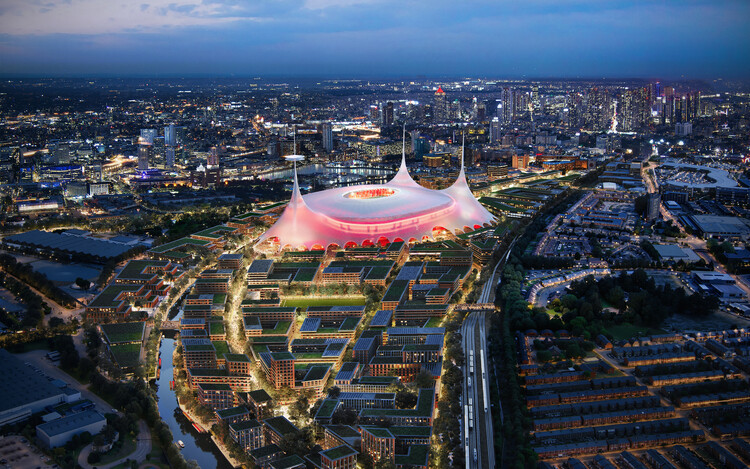
New Manchester United Stadium aerial render. Image Courtesy of Foster + Partners
During 2025, several sports infrastructure projects were announced that remain on our radar, most of which are scheduled for completion between 2028 and 2030. Located across Asia, Europe, Africa, the Middle East, and North America, these projects reflect contemporary masterplan strategies for the transformation of large sports venues within their urban contexts. Many of the stadiums are planned as part of broader redevelopment frameworks that include new public spaces, mixed-use programs, event facilities, and mobility upgrades, rather than as isolated structures. Designs led by international offices such as Populous, Foster + Partners, Heatherwick Studio, OMA, Gensler, AFL Architects, and VUILD illustrate a range of architectural, urban, and infrastructural responses to the evolving role of large sports facilities.
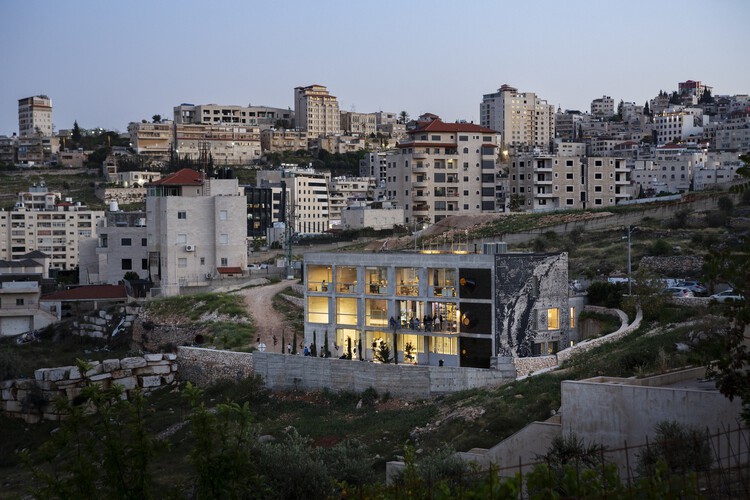
Wonder Cabinet / AAU ANASTAS. Image Courtesy of AAU ANASTAS
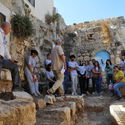
Among the 2025 Aga Khan Award winners is AAU Anastas and their project, Wonder Cabinet in Palestine, whose central aim is to serve as a haven for culture and creativity and a bridge between design and production. Beyond this meaningful project, AAU Anastas—working from offices in Bethlehem, Palestine, and Paris, France—has built a broad portfolio since 2015. Notable works include Dar Al Majous, a restoration in Bethlehem that challenges the boundary between domestic and public realms; the Tulkarm Courthouse (2015), one of their first projects that redefined civicness and social gathering on a prominent corner site in Tulkarm; and The Flat Vault, a commercial intervention that adds a juxtaposed stone vault to an existing monastery shop associated with a church built in the 12th century by the Crusaders.
Among these compelling works, Wonder Cabinet likely drew the jury's attention not only for its refined execution and layered spatial complexity, but also for how it operates as a socially generative platform—dissolving the boundary between social infrastructure and architecture. Conceived to support culture, creativity, design, and production, the building aspires to host architects, designers, chefs, artisans, and sound and visual artists, among others. In no small way, it advances the spirit articulated by the 2025 judges, who characterized this cycle as a year of fostering resilience and optimism through design, by demonstrating how architecture can catalyze community and enterprise simultaneously.
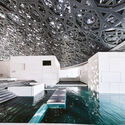
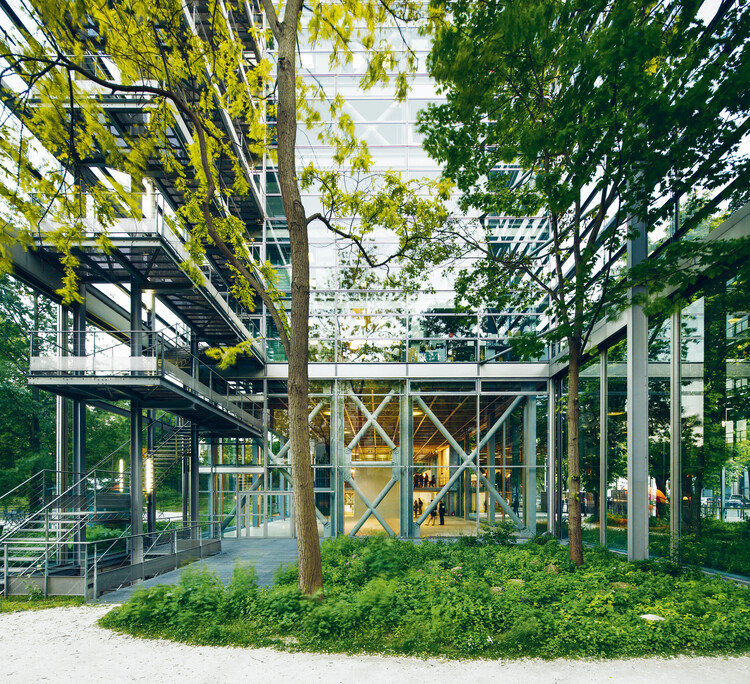
The opening of the new Fondation Cartier pour l'Art Contemporain in Paris last October sparked renewed questions around the role, form, and future of museums. As cultural institutions continue to proliferate worldwide in this digital era, the museum itself appears increasingly in need of redefinition. Rather than offering a single model or solution, Architecture for Culture: Rethinking Museums, written by architectural historian and curator Béatrice Grenier, argues for a more contextual and plural understanding of what a museum can be: an institution shaped by its environment, its public, and the specific cultural questions it seeks to address.
ArchDaily had the opportunity to discuss these ideas with the author against the backdrop of the Fondation Cartier's newly inaugurated home on Rue de Rivoli. Housed within a restored Haussmannian building that once accommodated the Grands Magasins du Louvre, the space has been radically reimagined by Jean Nouvel as a dynamic, transformable architecture.
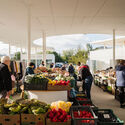
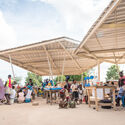
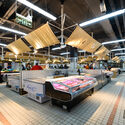
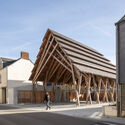
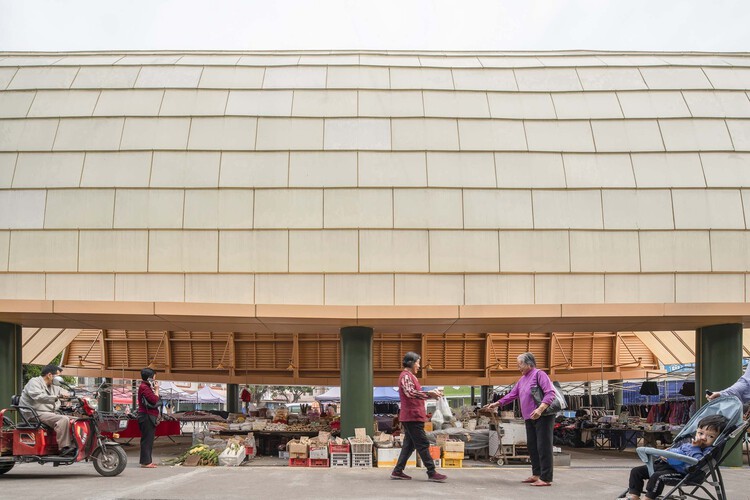
The making of a place is not a difficult thing in principle; it is enough for people to come together in a regular set location for a purpose or activity, and a space becomes. This does not disregard the fact that a physical element needs to accompany this gathering for a space to become sheltering, accommodating, and alluring. This idea of the space that emerges from intent can most definitely be seen in one of the most ancient of functions, which is food or produce markets.
For a market to become, the architectural element can be as simple as a light roof, which would harbor merchants and offer a non-spoken boundary to the place, or it can be as resourceful as adaptively reusing an existing building or site to fit new needs. Finally, it can be a temporary and lightweight structure pitched for certain events or needs and then removed to be used elsewhere, or for other means.
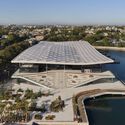
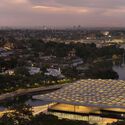
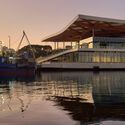
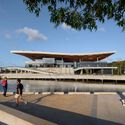
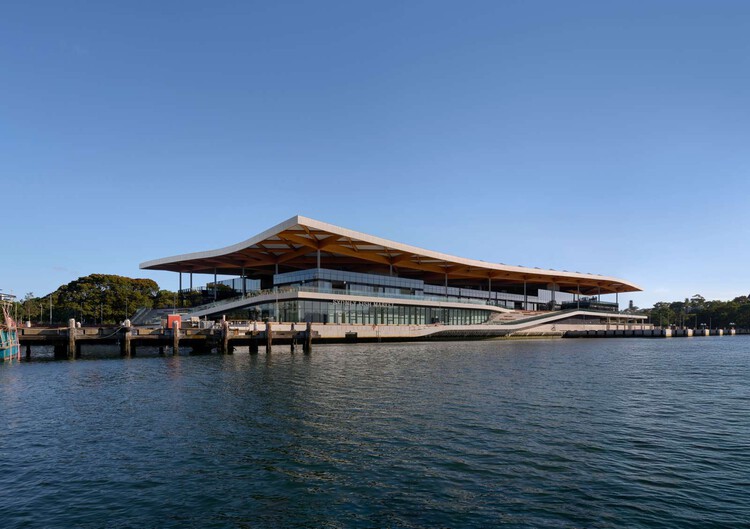
Set to open on January 19, 2026, the Sydney Fish Market marks the first completed project within the broader renewal of Blackwattle Bay on Sydney's inner harbour. Designed by 3XN in collaboration with BVN and Aspect Studios, and delivered by Multiplex, the purpose-built facility replaces the former market with a contemporary structure that combines an operating wholesale fish market with retail, dining, and publicly accessible waterfront spaces. Positioned approximately one mile southwest of Sydney's central business district, the project reframes one of the world's largest fish markets by volume as both working infrastructure and a civic destination.
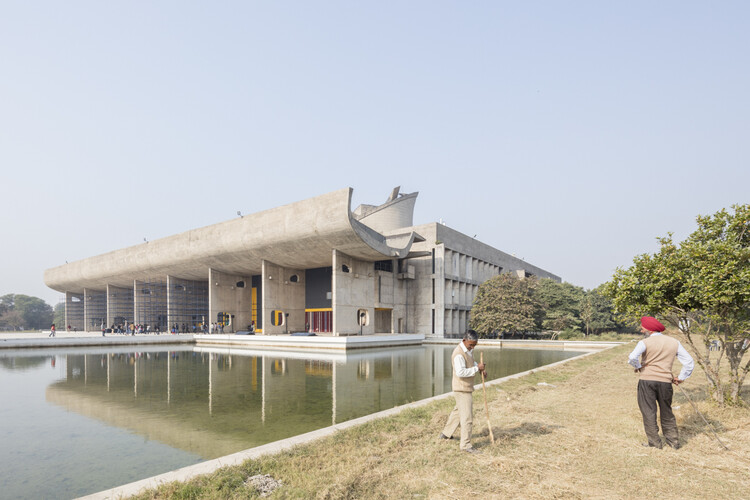
Indian modernism is often narrated through a narrow lens: a handful of iconic institutions, master architects, and formally radical experiments that came to symbolize the nation's post-Independence aspirations. Yet this version of history overlooks the far larger body of modernist architecture that quietly shaped everyday life across the country. Beyond celebrated campuses and canonical buildings exists a vast, dispersed landscape of housing blocks, offices, hostels, hospitals, markets, and townships — structures that were designed to function and endure.
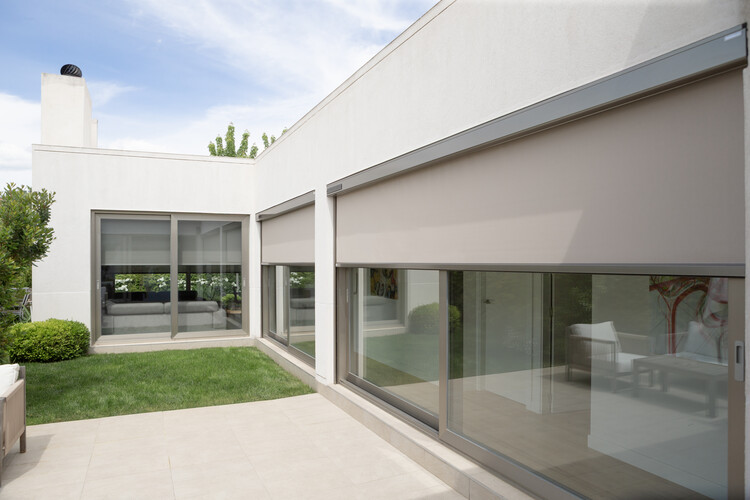
Taking a deeper look at the interplay of light and shadow in architecture seems to be a recurring topic on the agenda of many professionals in the field. Spaces of light and darkness are conceived to enhance circulation and spatial directionality, as well as to highlight the colors, textures, and forms of specific architectural elements. That said, the impact of natural light on building facades reveals the need to develop strategies that support energy savings, improve the thermal and visual comfort of interior spaces, and promote the reduction of carbon emissions. Considering light as another material in architecture, in what ways could its power contribute to the architectural experience?
The past year marked a defining moment in ArchDaily's evolution: a year of recalibration, intention, and renewed editorial purpose.
In an increasingly fast-moving and saturated media landscape, we took the opportunity to ask the fundamental questions: What does architectural media need to be today? What responsibilities do we carry as a global platform? And how can we contribute meaningfully to a profession navigating social, environmental, and cultural transformation?
And by engaging deeply with these reflections, we stepped fully into our role, bringing greater definition to who ArchDaily is and how it operates.