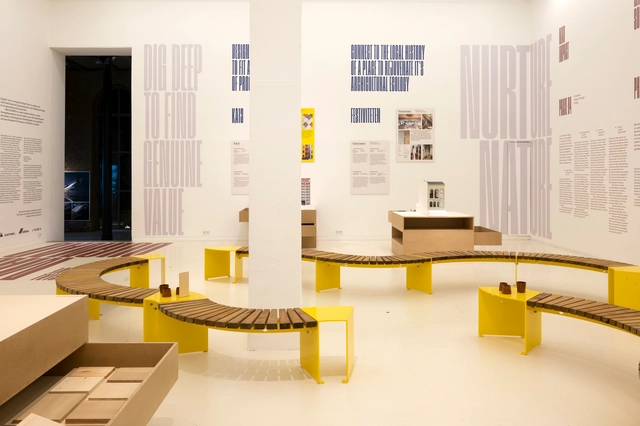
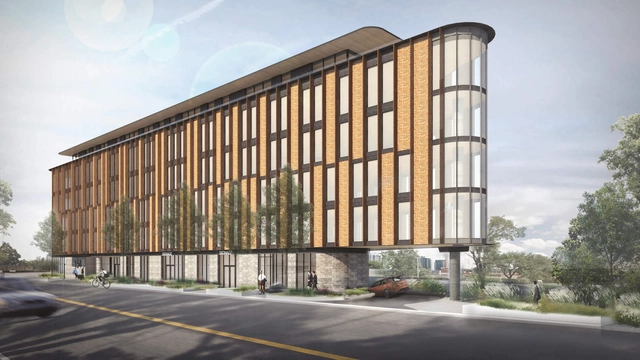
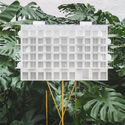
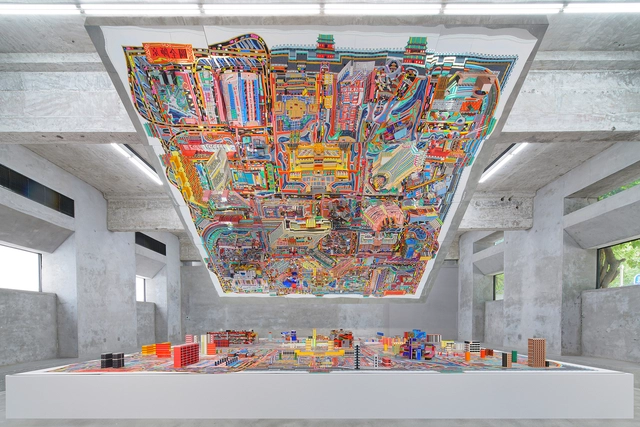
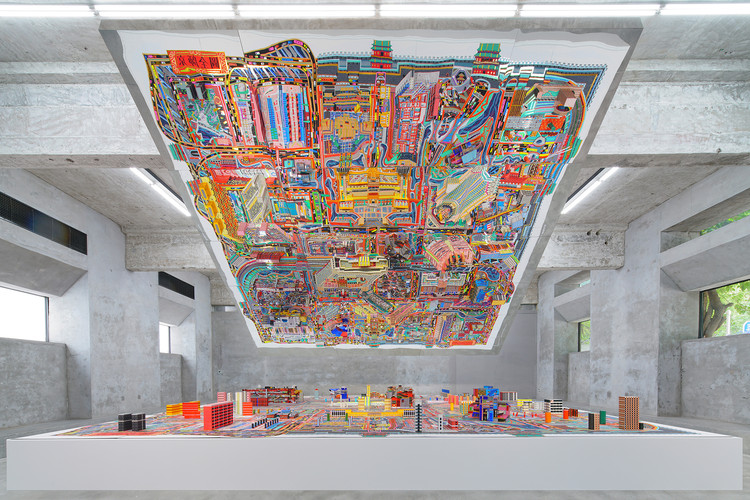
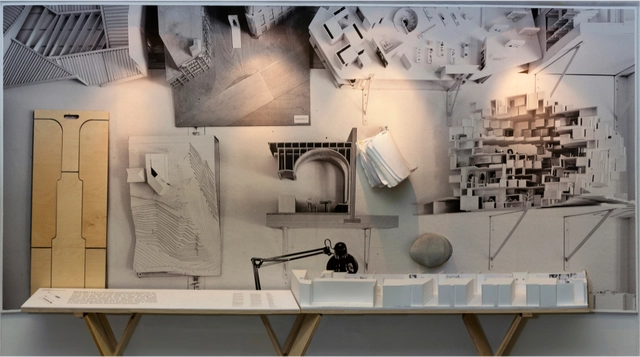
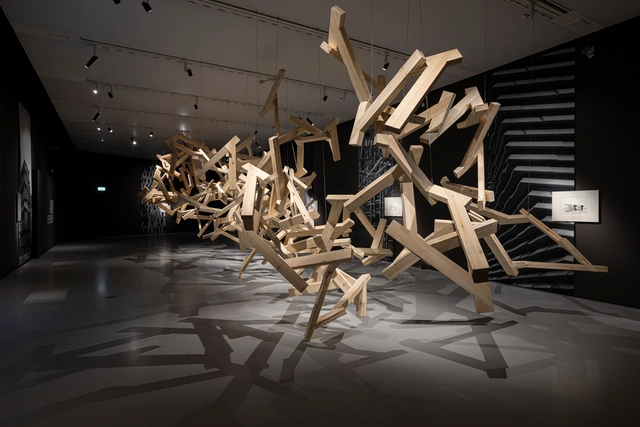
In a new exhibition at AEDES Architecture Forum in Berlin, Norwegian architecture firm Mad arkitekter showcases four examples of sustainable architecture, stressing the importance of collaboration and cross-disciplinary for achieving climate goals. On view through until March 10, Mad About Dugnad – Work Together, Build Better echoes the Norwegian tradition of "dugnad", which refers to community solidarity towards achieving a common goal, a key concept in creating solutions for a sustainable future.
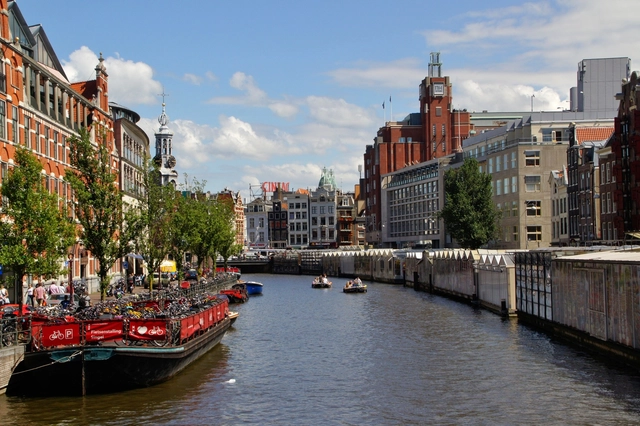
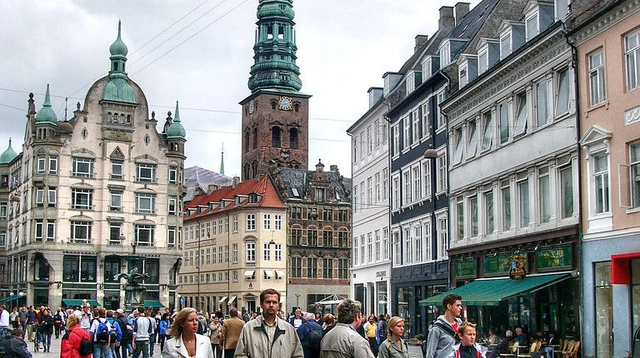
Compact city refers to the urban model associated with a more densified occupation, with consequent overlapping of its uses (homes, shops and services) and promotion of the movement of pedestrians, cyclists and public transport users. Amsterdam and Copenhagen are known examples of such a model.
The glass-shatter sound effect has been a mainstay of classic comedy routines for a long time. Whenever a lightweight prop object flies off-screen or stage, it inevitably smashes through glass a beat later. Right now, it’s still amusing, if harmlessly ludicrous, but before long, the idea of a rogue schoolchild’s rogue football shattering through a neighbor’s window will be met only with query and disdain.
Canada suffers no shortage of flatiron buildings, with historic examples dotting the provinces from Toronto to Vancouver to Lacombe, Alberta, and beyond. Canada also enjoys its status as a hotbed of mass timber construction with Quebec serving as an epicenter of sorts for the movement. However, these two things—flatiron building design and the use of engineered wood products—have never yet been combined.
''A Building that Should Address our own Fragility'' says Dorte Mandrup in conversation with Louisiana Channel, in regards to her recent work, the Ilulissat Icefjord Center, in Greenland. An exhibition house in its own right, this powerful filmography explores the surrounding environment, offering insight into the changes seen on the ice and the harmonious relationship between the structure itself and the glacial landscape.
Dorte Mandrup was interviewed by Marc-Christopher Wagner in her studio in the Spring of 2021. Regarded as Humanist, Mandrup has been heavily influenced by medicine, sculpture and ceramics, creating engaging and evocative architectural form. As part of her philanthropic work the center is set to tell a narrative of evolution, human history and the secrets of the ice.
Michael Sorkin used to regard criticism as "a service profession", highlighting the field's ability to shape public opinion and the direction of architecture at large. Intellectually expansive architecture criticism not only evaluates the merits and shortcomings of a project but reveals how buildings are situated in relation to history and theory and how they contribute to current economic, social and environmental dilemmas. The following explores the field of architecture criticism, highlighting some of its key figures while reflecting on how this role has changed with the emergence of digital media.
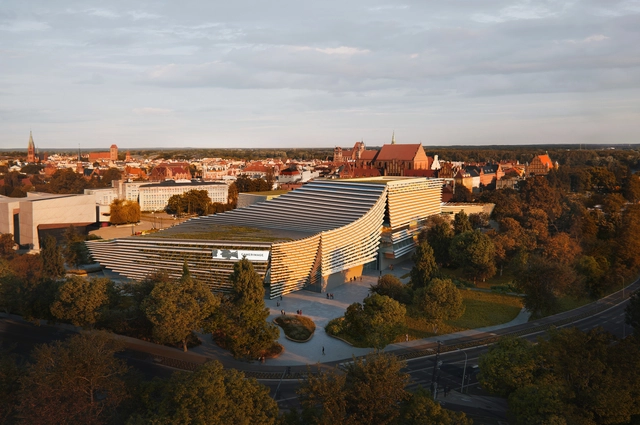
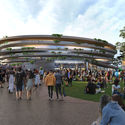
As part of the Architectural Competition For European Film Center CAMERIMAGE Building, Kengo Kuma & Associates and Ingarden & Ewý Architects proposed a new iconic landmark that celebrates film and architecture as "universal forms of expression", in the center of Toruń, Poland. The design, which ranked in second place, illustrates metaphorical falling curtains through the dynamic movement of the structure's organic forms, and offers artists, visitors, and locals a unique space infused with musical and visual experiences.
Momoyo Kaijima and Yoshiharu Tsukamoto of Atelier Bow-Wow and Elizabeth Diller are this year’s Architecture laureates of the Wolf Prize, an annual award highlighting scientists and artists for “their achievements in the interest of mankind”. One of Israel’s most prestigious international awards, the prize’s art categories include painting and sculpting, music and architecture, accompanied by the scientific categories of medicine, agriculture, mathematics, chemistry and physics. The jury commended the three architects’ notable work at the confluence of research, pedagogy and practice, influential for advancing the practice of architecture.
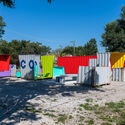
In a tour of the layout of Buenos Aires, around 500 passages are distributed throughout the city. Regardless of the neighbourhood in which they are located, they represent postcards of contemporary urban architecture with a tinge of improvisation. However, they bear witness to the organisation of Buenos Aires, which aspired to a checkerboard regularity.
On many occasions, it is difficult to tell the difference between the passage, the cut-off and the dead-end street, but they are all part of the urban space, that place of exchange, of encounter, of signs, symbols and words where people live, play and learn at the same time.
There is a group of young Chinese architects that define themselves in their own unique way and inform the public about the "new generation" of architects. They do not adhere to the definition and break the regulations. They think what they think and do in accordance with their beliefs. Besides from just being architects, they are also artists, painters, sculptors, and researchers. Identity is no longer unique among the new generation; the way they work is determined by what they pursue; and remaining on the route they choose will lead them to a new direction and a new life.
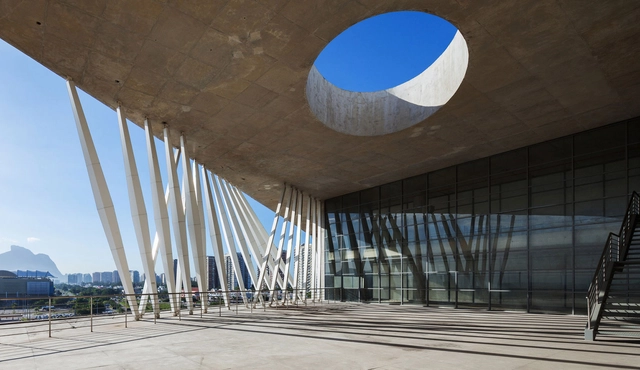
Few cultural events bring the world together like the Olympics. Today, athletes from around the world continue to participate in a variety of competitions after the covid-19 pandemic. The Olympic Games are considered the world's foremost sports competition with more than 200 nations participating. In turn, they bring to question the role of architecture and design in each host city's urban evolution.
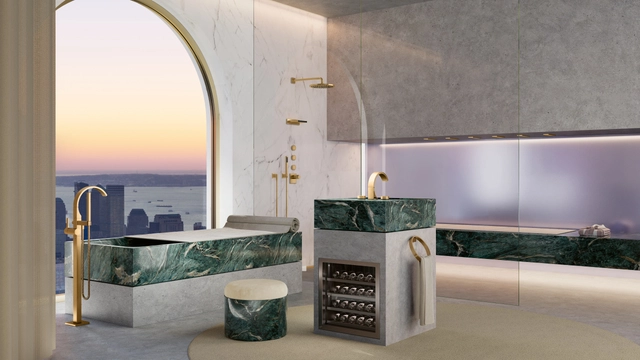
CYO Metropolitan bathroom. Image Courtesy of Dornbracht
As cities become denser and the pandemic continues to shape living and working patterns, people have become well aware that the space they inhabit greatly influences their physical and mental well-being. As a result, the interior design of homes has focused on promoting sensitivity, comfort and calmness as a way of escaping the uncertain outside world. As a safe space where we practically start and end each day, the modern bathroom has also adapted accordingly, taking on a key role as an environment dedicated to relaxation and self-care. Hence, what used to be a purely functional zone is now perceived as an energizing personal retreat and flexible living space that can even adopt other functions – from a gym to a private spa.
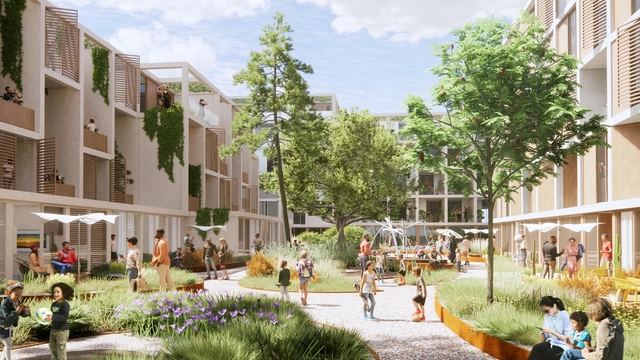
3XN I GXN, Gehl Architects, and ConAm Management Corporation have been selected for the second phase of a new masterplan in San Diego, California. Titled Neighborhood Next, the 15-minute community proposes 5,000 homes for residents of all income levels, with cultural, commercial, and recreational spaces all weaved within green promenades and public parks.
The Architectural League of New York announced the 2022 Emerging Voices, highlighting eight new practices that show “the potential to influence the disciplines of architecture, landscape design, and urbanism.” One of the most prominent accolades in North American architecture, the Emerging Voices program reviews the design and academic accomplishments of individuals and firms based in the United States, Canada, and Mexico, selecting the best work through a juried, invited portfolio competition. This year’s winners showcase a wide range of preoccupations and design approaches that they explore through various mediums, thus illustrating a whole new spectrum of architectural inquiry.
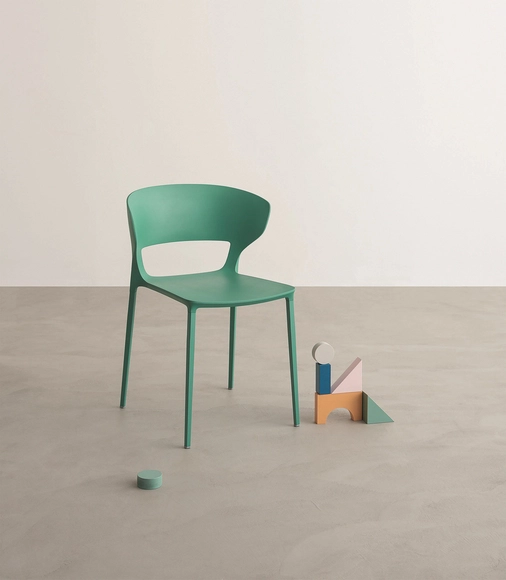
During their university years, architects acquire a wide range of skills apart from learning to design buildings. Some of these include creative problem solving, project management, high attention to detail, coordinating teams and accurately responding to consumer needs. Therefore, a degree often provides the necessary tools to design at any scale – from urban to product design – and to explore other creative fields, such as art, photography, journalism or industrial design. Of the many possibilities that open up, it is especially common for many to make the leap towards furniture design, particularly chair design, instead of following the traditional route.
Metropolitans take pride in their storied cultural venues, the chroniclers of intellectual acumen and architectural achievement. While these icons revel in their ornate design, immersive grandiosity, and dramatic acoustics, the pandemic has introduced numerous challenges to the rules of assembly.
Recognizing changes in the rituals of attending a show—from procession and gathering to engagement—architects and cultural leaders are designing the next generation of performance venues while asking the question: How does architecture solve issues raised by a building’s inherent purpose? Is it possible to maintain the essence of a venue through gentle yet effective changes in people’s habits? The answers seem to rely on updating the auditorium culture (which dates as far back as the Colosseum) with contemporary design solutions rooted in new technologies.
https://www.archdaily.com/976581/what-will-post-pandemic-performance-venues-look-likeOsman Can Yerebakan
The Manggha Museum of Japanese Art and Technology in Cracow, Poland, is holding an exhibition titled “Kengo Kuma, Experimenting with Materials”, which features a selection of Kengo Kuma & Associates projects, mock-ups, and installations shipped from the firm's office in Tokyo, along with a large "cloud-like" wooden pavilion designed by the architecture office and the Faculty of Architecture and Fine Arts of the Andrzej Frycz Modrzewski Krakow University. The exhibition is open to visitors until May 2022.