1. ArchDaily
  2. Architecture

Architecture: The Latest Architecture and News

The CCA Launches a Comprehensive Research Initiative and Exhibition on Modern Architecture in China

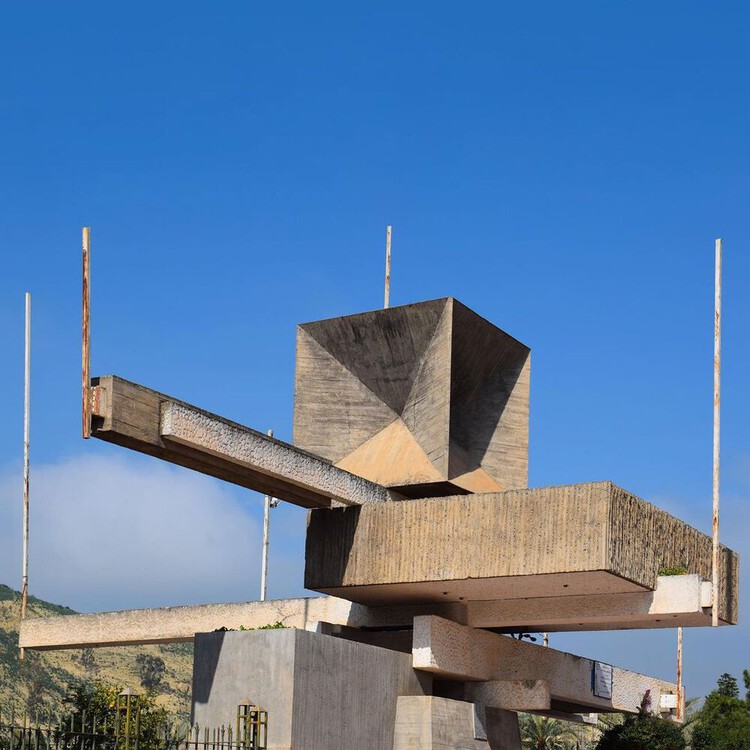
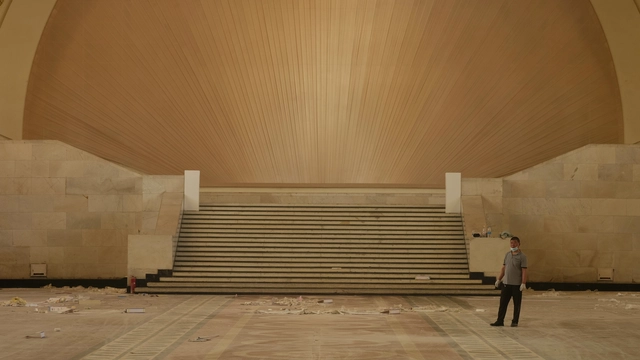
The Canadian Centre for Architecture (CCA) recently launched a new research project and institutional collaboration with M+ in Hong Kong titled How Modern: Biographies of Architecture in China 1949–1979. The project unfolds through an exhibition presented in the CCA's Main Galleries from 20 November 2025 to 5 April 2026, a series of commissioned films and oral history videos by artist Wang Tuo, online editorial content, public programming, and a companion book co-published by the CCA and M BOOKS. This collection of content seeks to reframe architectural histories of modernism in the first three decades of the People's Republic of China, revealing how design operated under shifting ideologies and socioeconomic pressures through the perspectives and experiences of architects, institutions, and residents. The project aligns with the CCA's ongoing interest in producing new readings of modern architecture across different sociopolitical contexts and geographical frameworks, including Architecture in Uniform: Designing and Building for the Second World War (2011) and Building a new New World: Amerikanizm in Russian Architecture (2020).
The CCA Launches a Comprehensive Research Initiative and Exhibition on Modern Architecture in China - Image 1 of 4The CCA Launches a Comprehensive Research Initiative and Exhibition on Modern Architecture in China - Image 2 of 4The CCA Launches a Comprehensive Research Initiative and Exhibition on Modern Architecture in China - Image 3 of 4The CCA Launches a Comprehensive Research Initiative and Exhibition on Modern Architecture in China - Image 4 of 4The CCA Launches a Comprehensive Research Initiative and Exhibition on Modern Architecture in China - More Images+ 16

Architecture for Everyone: Reflecting on Accessibility on the International Day of Persons with Disabilities

Every year on 3 December, the International Day of Persons with Disabilities brings renewed attention to the need for inclusive, equitable environments, both socially and spatially. The 2025 theme, "Fostering disability inclusive societies for advancing social progress," highlights how persistent barriers in employment, social protection, and access to services continue to affect more than one billion people worldwide. Within this broader context, the built environment plays a decisive role: architecture can either reinforce exclusion or open pathways toward autonomy, dignity, and participation in daily life.

Architecture for Everyone: Reflecting on Accessibility on the International Day of Persons with Disabilities - Image 1 of 4Architecture for Everyone: Reflecting on Accessibility on the International Day of Persons with Disabilities - Image 2 of 4Architecture for Everyone: Reflecting on Accessibility on the International Day of Persons with Disabilities - Image 3 of 4Architecture for Everyone: Reflecting on Accessibility on the International Day of Persons with Disabilities - Image 4 of 4Architecture for Everyone: Reflecting on Accessibility on the International Day of Persons with Disabilities - More Images+ 4

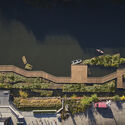
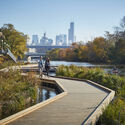
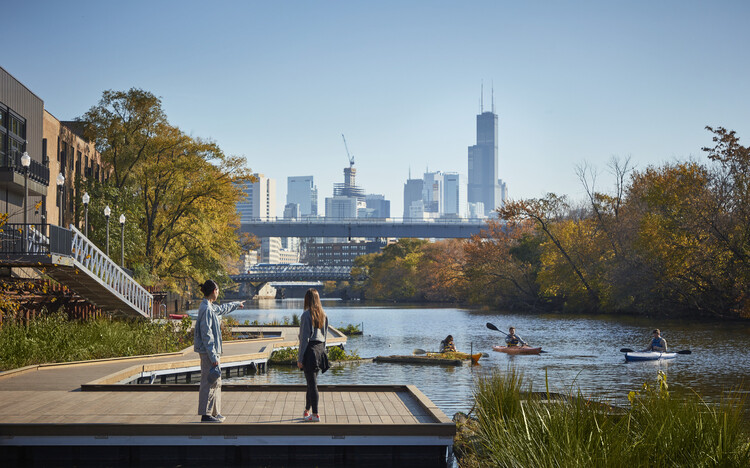
Local Knowledge and Ecological Context: City Making Lessons from Chicago’s Wild Mile

Subscriber Access | 

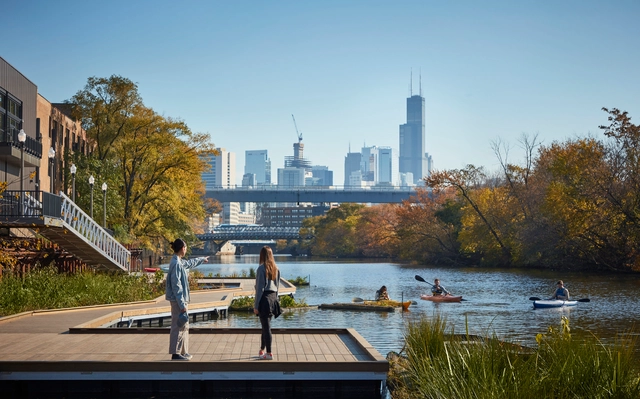
For more than a century, residents of growing American cities reshaped their rivers to serve industrial and manufacturing needs. Waterways were straightened, deepened, paved, or buried to support shipping routes and to move materials efficiently across regions. These transformations created an urban landscape in which rivers were treated as productive infrastructure rather than as living ecological systems.

This approach left a lasting imprint. Riparian habitats disappeared, water quality declined, regional biodiversity grew vulnerable, and communities grew accustomed to river corridors dominated by steel walls and concrete channels. The industrial reshaping of rivers in places such as Chicago, Los Angeles, and the Mississippi basin created durable patterns of development that still influence how cities function today.

Local Knowledge and Ecological Context: City Making Lessons from Chicago’s Wild Mile - Image 1 of 4Local Knowledge and Ecological Context: City Making Lessons from Chicago’s Wild Mile - Image 2 of 4Local Knowledge and Ecological Context: City Making Lessons from Chicago’s Wild Mile - Image 3 of 4Local Knowledge and Ecological Context: City Making Lessons from Chicago’s Wild Mile - Image 4 of 4Local Knowledge and Ecological Context: City Making Lessons from Chicago’s Wild Mile - More Images+ 7

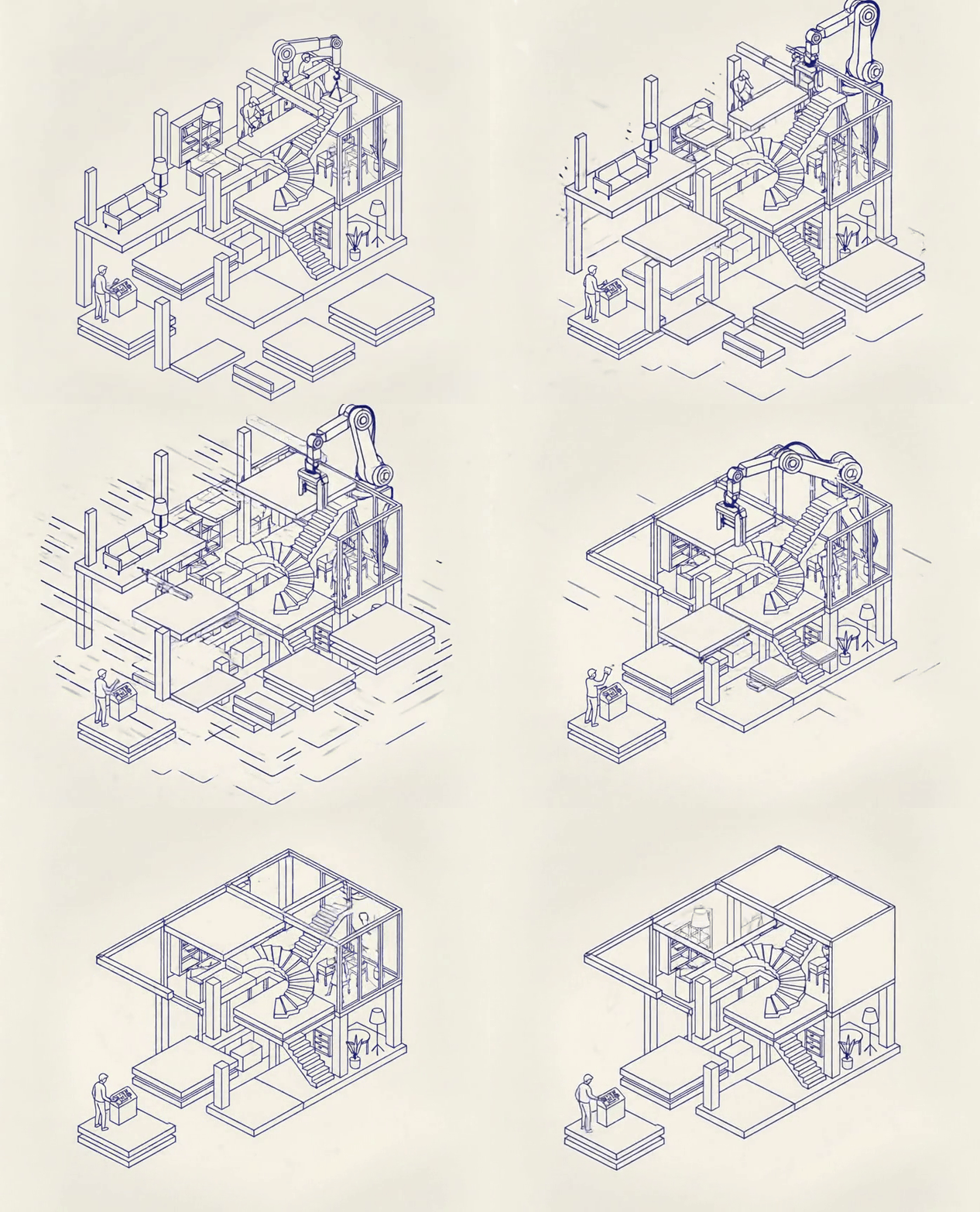
Rethinking Prefabrication From Standardization to Design Freedom

Generative AI (Gemini / Google DeepMind). Concept: Eduardo Souza / ArchDaily

Once synonymous with monotony, “prefabricated” buildings often bring to mind the gray, repetitive housing blocks of the postwar era. But that image no longer fits today’s reality. Powered by digital design, robotics, and advanced materials, prefabrication has evolved into a language of innovation and precision. Far from uniform, it now enables flexible, efficient, and sustainable spaces that reflect the individuality of contemporary architecture.
Urban Regeneration in Greece: The Ellinikon Master Plan and Beyond

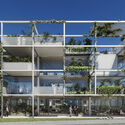
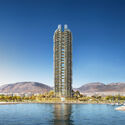
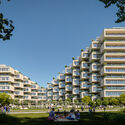
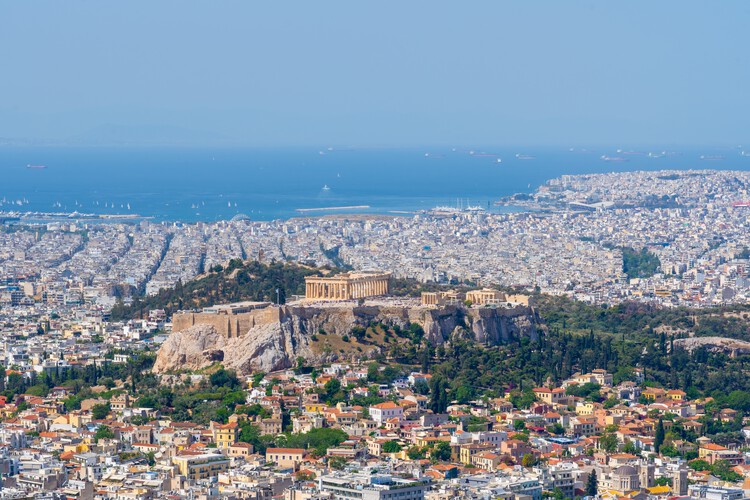
Greece's built environment is shaped by the coexistence of multiple architectural layers, where historic structures, modern interventions, and evolving urban systems intersect. Classical landmarks and their surrounding urban fabrics continue to inform the spatial character of cities, while postwar developments, infrastructural upgrades, and contemporary projects add new dimensions to the country's architectural landscape. This continuity between past and present provides the foundation for current design approaches, which increasingly focus on balancing heritage, environmental considerations, and contemporary urban needs.

Urban Regeneration in Greece: The Ellinikon Master Plan and Beyond - Image 1 of 4Urban Regeneration in Greece: The Ellinikon Master Plan and Beyond - Image 2 of 4Urban Regeneration in Greece: The Ellinikon Master Plan and Beyond - Image 3 of 4Urban Regeneration in Greece: The Ellinikon Master Plan and Beyond - Image 4 of 4Urban Regeneration in Greece: The Ellinikon Master Plan and Beyond - More Images+ 6

UNS Designs a 10-Minute Walkable City Master Plan for Multigenerational Living in Seoul, South Korea

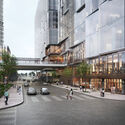
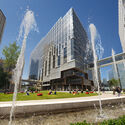
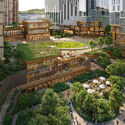
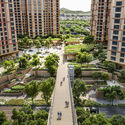
UNS has revealed images of SeoulOne, a master plan designed for Hyundai Development Company (HDC) in Seoul, South Korea, intended as a new model for multigenerational living. The project, already under construction on a brownfield site in the northeast of the city, reimagines an existing industrial site and railway area as a 405,000 m² car-free neighborhood for a multigenerational community. A never-sleeping, green master plan for Seoul, SeoulOne is envisioned as a mixed-use mini-city where all essential services for people of all ages are available within a 10-minute walk. The design includes 24/7 residential towers, retail spaces, offices, a hotel, sports facilities, daycare centers, senior living facilities, and a medical center, offering permanent services within walking distance. More than 30% of the site is dedicated to vegetation, including pocket parks, roof gardens, water gardens, and a forest walk, creating a year-round green village.

UNS Designs a 10-Minute Walkable City Master Plan for Multigenerational Living in Seoul, South Korea - Image 1 of 4UNS Designs a 10-Minute Walkable City Master Plan for Multigenerational Living in Seoul, South Korea - Image 2 of 4UNS Designs a 10-Minute Walkable City Master Plan for Multigenerational Living in Seoul, South Korea - Image 3 of 4UNS Designs a 10-Minute Walkable City Master Plan for Multigenerational Living in Seoul, South Korea - Image 4 of 4UNS Designs a 10-Minute Walkable City Master Plan for Multigenerational Living in Seoul, South Korea - More Images+ 6

From Tirana to Monterrey: 8 Unbuilt Housing Projects Reimagining Collective Living

Subscriber Access | 

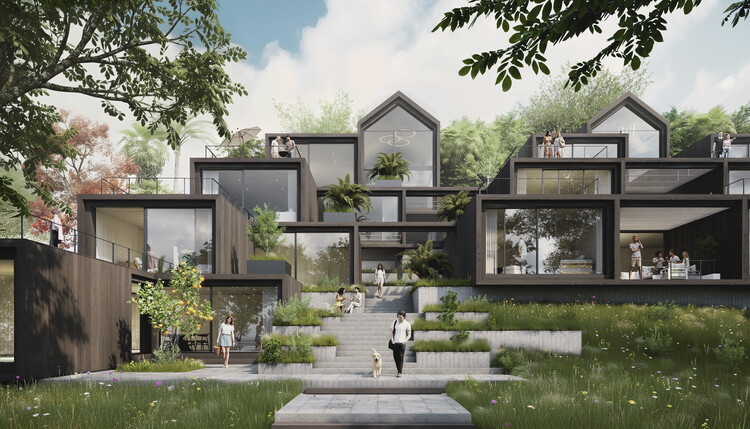
Collective housing remains one of the most active areas for unbuilt architectural exploration, revealing how architects are rethinking domestic life, density, and shared living across different cultural and environmental contexts. In this curated Unbuilt edition, submitted by the ArchDaily community, the selected proposals investigate new forms of dwelling that span mobile units, vertical developments, adaptive reuse, and landscape-driven residential clusters. Rather than treating housing as a purely functional container, these projects position it as a social and spatial framework that shapes everyday life, community ties, and long-term urban resilience.

Across varied geographies, from Tirana and Athens to Monterrey, Chaloos, Roatán, Bhola, and the DRC, these proposals explore multiple approaches to collective living: transforming industrial shells into residential structures, extending existing masterplans through landscape integration, reimagining verticality in dense urban centers, and developing modular prototypes that can adapt to changing climates or patterns of mobility. Some projects prioritize ecological strategies and local materials, while others test new models for accessibility, community well-being, or incremental urban growth. Together, they reflect a broad spectrum of architectural responses to contemporary housing pressures.

From Tirana to Monterrey: 8 Unbuilt Housing Projects Reimagining Collective Living - Image 7 of 4From Tirana to Monterrey: 8 Unbuilt Housing Projects Reimagining Collective Living - Image 17 of 4From Tirana to Monterrey: 8 Unbuilt Housing Projects Reimagining Collective Living - Image 37 of 4From Tirana to Monterrey: 8 Unbuilt Housing Projects Reimagining Collective Living - Image 10 of 4From Tirana to Monterrey: 8 Unbuilt Housing Projects Reimagining Collective Living - More Images+ 44

Jakarta Becomes the World’s Most Populous City, According to New UN Data

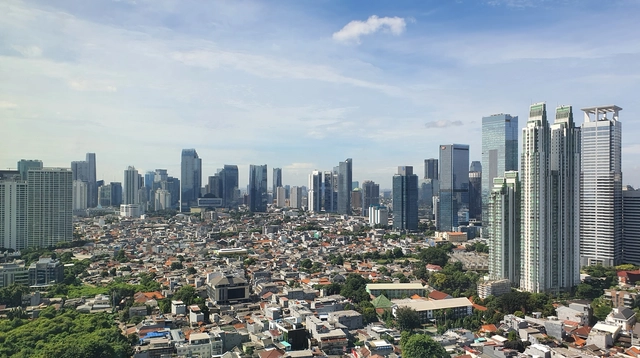
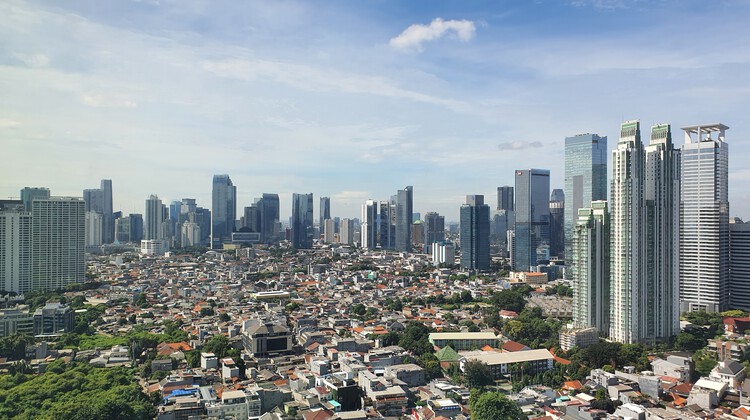
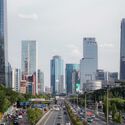
Jakarta has become the world's most populous city, according to the World Urbanization Prospects 2025 released by the United Nations Department of Economic and Social Affairs (UN DESA). Using an updated and harmonized method for defining urban areas, the report estimates Jakarta's population at nearly 42 million, placing it ahead of Dhaka, which is about 40 million, and Tokyo, 33 million. The revised ranking illustrates how updated measurement criteria and continued demographic growth are reshaping understandings of urban scale in Asia and globally.

Jakarta Becomes the World’s Most Populous City, According to New UN Data - Image 1 of 4Jakarta Becomes the World’s Most Populous City, According to New UN Data - Image 2 of 4Jakarta Becomes the World’s Most Populous City, According to New UN Data - Image 3 of 4Jakarta Becomes the World’s Most Populous City, According to New UN Data - Image 4 of 4Jakarta Becomes the World’s Most Populous City, According to New UN Data - More Images

MVRDV’s Schieblocks Office Complex Moves Forward with Construction Approval in Rotterdam

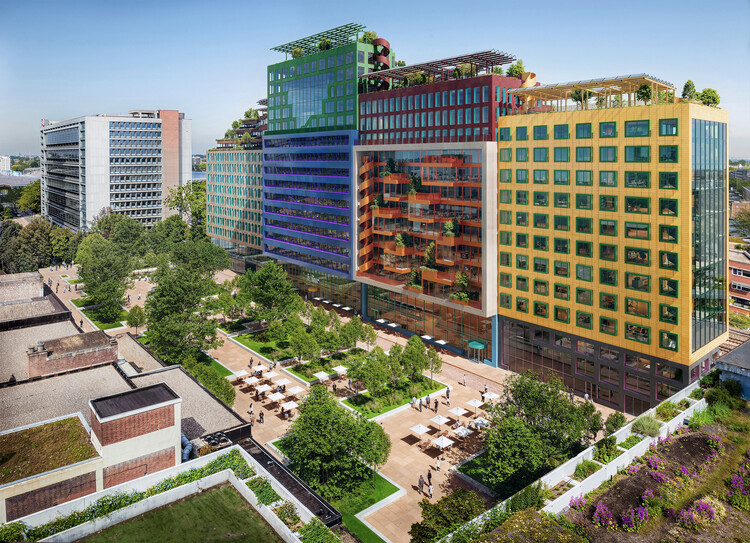
MVRDV and SYNRG have received approval to construct Schieblocks, a 47,000-square-metre office building in Rotterdam, the Netherlands. Designed for developer LSI, who markets the project as The Bluezone Offices, the building will occupy a narrow site along the railway line, reaching 61 metres in height and extending almost 150 metres in length. The programme includes commercial spaces at ground level, offices throughout, and a restaurant and event venue on the upper floors. Conceived as a "3D neighbourhood," the design breaks the large volume into a series of colourful, distinct blocks that incorporate numerous references to Rotterdam's architectural character.

MVRDV’s Schieblocks Office Complex Moves Forward with Construction Approval in Rotterdam - Image 1 of 4MVRDV’s Schieblocks Office Complex Moves Forward with Construction Approval in Rotterdam - Image 2 of 4MVRDV’s Schieblocks Office Complex Moves Forward with Construction Approval in Rotterdam - Image 3 of 4MVRDV’s Schieblocks Office Complex Moves Forward with Construction Approval in Rotterdam - Image 4 of 4MVRDV’s Schieblocks Office Complex Moves Forward with Construction Approval in Rotterdam - More Images+ 13

Ornamentation in the Age of Algorithms and Robotics: Can Technology Bring Back Architectural Detail?

Subscriber Access | 

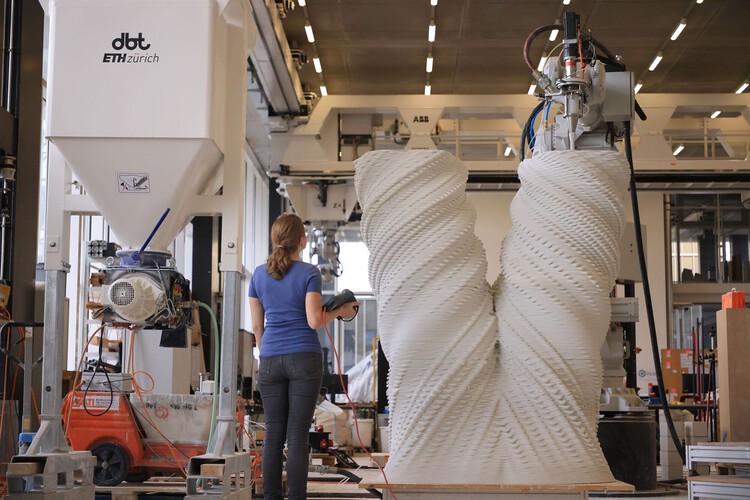
Architectural ornamentation has been a recurrent subject of debate across the industry for decades. A practice that was largely abandoned during the Modernist movement could now be standing on a platform that might, again, allow its resurgence, due to the current convergence of robotics, artificial intelligence (AI), and digital fabrication. Technology has seemingly removed the primary obstacle to decorative detail: the high cost of skilled manual labor. However, this new technical capacity demands a critical examination: What does ornamentation truly represent, and what do we gain or lose by resurrecting it through algorithmic design?

Ornamentation in the Age of Algorithms and Robotics: Can Technology Bring Back Architectural Detail? - Image 1 of 4Ornamentation in the Age of Algorithms and Robotics: Can Technology Bring Back Architectural Detail? - Image 2 of 4Ornamentation in the Age of Algorithms and Robotics: Can Technology Bring Back Architectural Detail? - Image 5 of 4Ornamentation in the Age of Algorithms and Robotics: Can Technology Bring Back Architectural Detail? - Image 3 of 4Ornamentation in the Age of Algorithms and Robotics: Can Technology Bring Back Architectural Detail? - More Images+ 3

Cities Need Care, Not Perfection: Rethinking How We Build the Urban Future

Subscriber Access | 

What does optimism feel like in cities that can no longer rely on perfection as their ultimate ambition? Across the world, urban environments bear the weight of overlapping pressures: climate volatility, spatial inequality, political fragmentation, public distrust, and chronic infrastructural disinvestment. These realities render the idea of an ideal city increasingly detached from lived experience. Yet the hope for building better systems persists. While utopian visions may seem like an escape from the growing complexities of the modern world, the greater challenge for contemporary city-making is to confront those complexities rather than avoid them.

Cities Need Care, Not Perfection: Rethinking How We Build the Urban Future - Image 1 of 4Cities Need Care, Not Perfection: Rethinking How We Build the Urban Future - Image 2 of 4Cities Need Care, Not Perfection: Rethinking How We Build the Urban Future - Image 3 of 4Cities Need Care, Not Perfection: Rethinking How We Build the Urban Future - Image 4 of 4Cities Need Care, Not Perfection: Rethinking How We Build the Urban Future - More Images+ 16

From Legal Constraint to Local Craft: Four Adaptive Projects by messina | rivas in Cunha

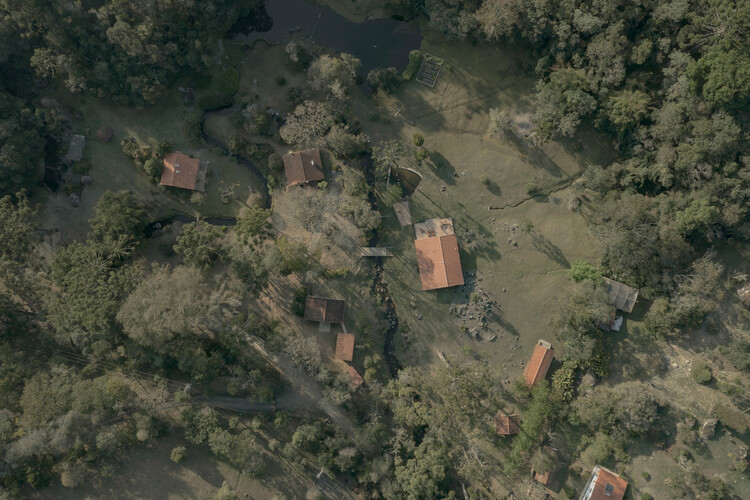
The municipality of Cunha, located in the state of São Paulo, Brazil, is a region known for its inland landscape, hilly terrain, and, especially, a major production of nationally renowned ceramics. It is within this context that the office messina | rivas has been working since 2017, with a set of projects located on a farm. Their work, which integrates design and construction in an indissociable manner, results in interventions that reveal a sensitive approach to pre-existing conditions and their surrounding environment.

The relationship between the office, led by architects Francisco Rivas and Rodrigo Messina, and the site began with a small renovation of a guest house for hosting friends. The project resulted in the transformation of two existing bedrooms into suites and the creation of an external kitchen. Since then, growing demands and the need to adapt existing buildings have driven the design of other projects distributed across the same site.

From Legal Constraint to Local Craft: Four Adaptive Projects by messina | rivas in Cunha - Image 1 of 4From Legal Constraint to Local Craft: Four Adaptive Projects by messina | rivas in Cunha - Image 2 of 4From Legal Constraint to Local Craft: Four Adaptive Projects by messina | rivas in Cunha - Image 3 of 4From Legal Constraint to Local Craft: Four Adaptive Projects by messina | rivas in Cunha - Image 4 of 4From Legal Constraint to Local Craft: Four Adaptive Projects by messina | rivas in Cunha - More Images+ 9

Robert A.M. Stern, Influential American Architect and Educator, Passes Away at 86

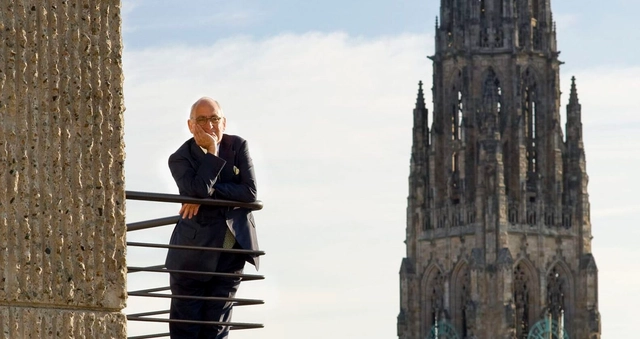
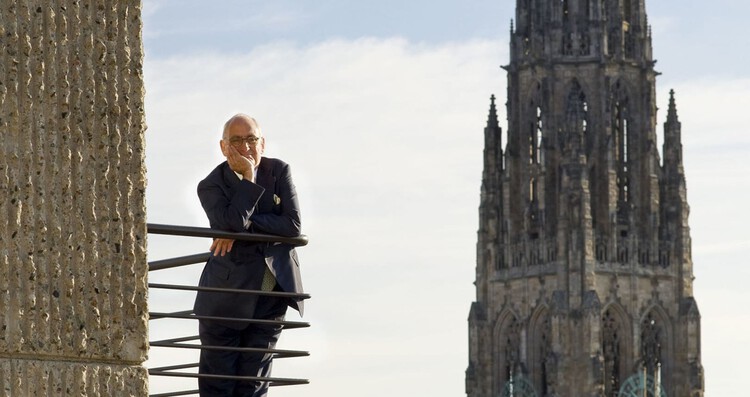
Robert A.M. Stern, the American architect, educator, and historian whose work shaped both the physical and intellectual landscape of contemporary architecture, has died at the age of 86. His passing was confirmed by Robert A.M. Stern Architects (RAMSA), the New York-based practice he led for more than five decades. Known for advancing a contextual, historically informed approach during decades dominated by modernist and high-tech architecture, Stern remained a prominent voice advocating for continuity, urban civility, and an understanding of architecture as part of a longer cultural lineage.

Robert A.M. Stern, Influential American Architect and Educator, Passes Away at 86 - Image 1 of 4Robert A.M. Stern, Influential American Architect and Educator, Passes Away at 86 - Image 2 of 4Robert A.M. Stern, Influential American Architect and Educator, Passes Away at 86 - Image 3 of 4Robert A.M. Stern, Influential American Architect and Educator, Passes Away at 86 - Image 4 of 4Robert A.M. Stern, Influential American Architect and Educator, Passes Away at 86 - More Images

Frank Lloyd Wright’s Fountainhead Residence Purchased by the Mississippi Museum of Art and Prepared for Public Tours

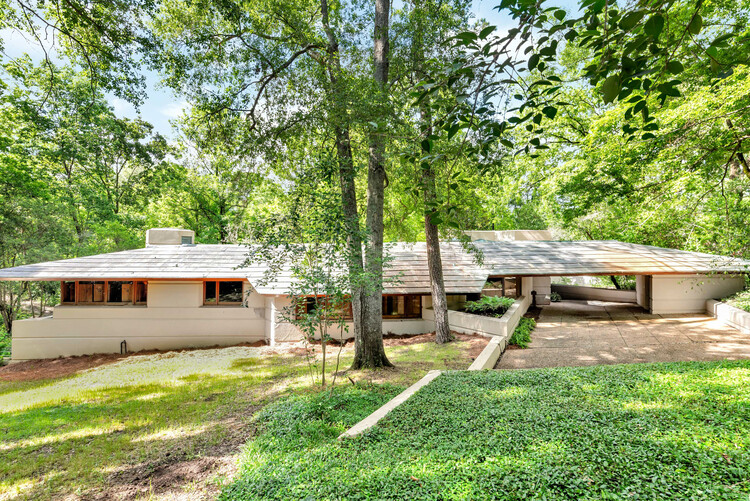
On November 20, 2025, the Mississippi Museum of Art (MMA) confirmed the purchase of Fountainhead, a house designed by Frank Lloyd Wright in 1948 and completed in 1954. The renowned modernist architect designed the residence and its furnishings for oil businessman J. Willis Hughes, who lived there with his family until 1980. Established in 1911, the MMA is the largest art museum in the state of Mississippi, offering exhibitions, public programs, artistic and community partnerships, educational initiatives, and opportunities for exchange year-round through a permanent collection of paintings, photography, multimedia works, and sculpture. The purchase is part of the Museum's goal to embed itself in neighborhoods across the city in ways that support its community-building priorities, making the architectural landmark available to the public for tours with reservations. The initiative is inspired by institutions such as the Crystal Bridges Museum of American Art, which acquired the Wright-designed Bachman-Wilson House in 2015.

Frank Lloyd Wright’s Fountainhead Residence Purchased by the Mississippi Museum of Art and Prepared for Public Tours - Image 1 of 4Frank Lloyd Wright’s Fountainhead Residence Purchased by the Mississippi Museum of Art and Prepared for Public Tours - Image 2 of 4Frank Lloyd Wright’s Fountainhead Residence Purchased by the Mississippi Museum of Art and Prepared for Public Tours - Image 3 of 4Frank Lloyd Wright’s Fountainhead Residence Purchased by the Mississippi Museum of Art and Prepared for Public Tours - Image 4 of 4Frank Lloyd Wright’s Fountainhead Residence Purchased by the Mississippi Museum of Art and Prepared for Public Tours - More Images+ 65

The Story of Miyashita Park: Resistance, Partnership, and Publicness

Subscriber Access | 

Urban renewal is inherently fraught—financially complex, politically exposed, stakeholder-dense, and almost guaranteed to leave someone dissatisfied. Precisely for these reasons, many cities default to inertia rather than risk the upheaval that comes with reworking entrenched urban fabrics, their residences, and their dynamics; once the "sleeping bear" is prodded, unexpected complications tend to multiply.

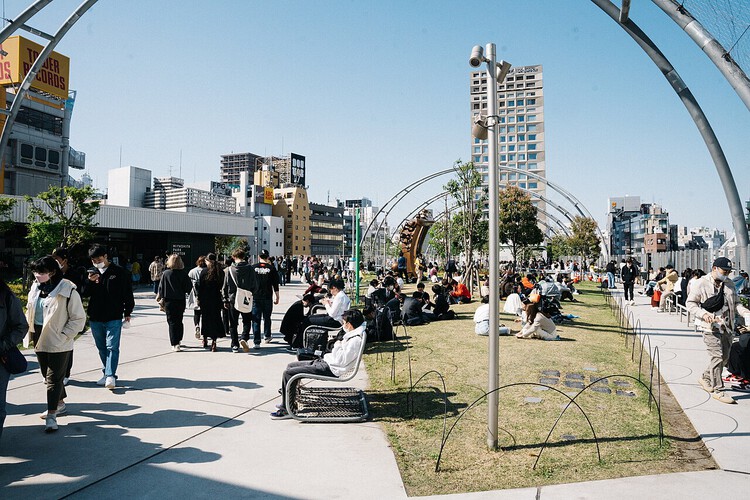
Miyashita Park (Miyashita Kōen), located in Shibuya, Tokyo, crystallizes this dilemma. Its current form—a layered, mixed-use complex balancing commercial activity with a publicly accessible park—emerged from years of negotiation, critique, and recalibration. The result is a distinctive example of a public-private partnership that seeks to align urban amenity, everyday leisure, and economic viability, producing a new piece of city that hosts public life while underwriting its own upkeep.

The Story of Miyashita Park: Resistance, Partnership, and Publicness - Image 1 of 4The Story of Miyashita Park: Resistance, Partnership, and Publicness - Image 2 of 4The Story of Miyashita Park: Resistance, Partnership, and Publicness - Image 3 of 4The Story of Miyashita Park: Resistance, Partnership, and Publicness - Image 4 of 4The Story of Miyashita Park: Resistance, Partnership, and Publicness - More Images+ 24

MVRDV Clads ADDP Architects' Modular Residential Towers with a Pixelated Facade in Singapore

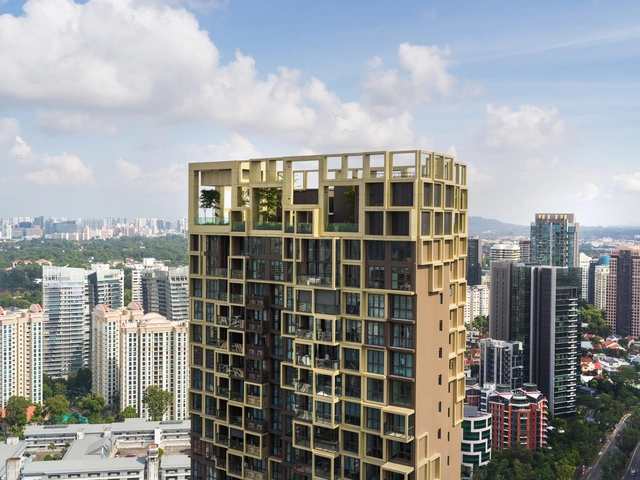
Two 36-storey residential towers have been completed on Irwell Bank Road in Singapore, featuring a pixelated facade designed by MVRDV. The scheme builds on the modular system developed by ADDP Architects, who designed the buildings using Prefabricated Prefinished Volumetric Construction (PPVC). MVRDV's facade introduces variation across the elevations and marks the locations of the communal green spaces on the 24th floor and the rooftop. Irwell Hill Residences, developed by City Developments Limited (CDL), is MVRDV's debut collaboration on a building in Singapore's urban core.

MVRDV Clads ADDP Architects' Modular Residential Towers with a Pixelated Facade in Singapore - Image 1 of 4MVRDV Clads ADDP Architects' Modular Residential Towers with a Pixelated Facade in Singapore - Image 2 of 4MVRDV Clads ADDP Architects' Modular Residential Towers with a Pixelated Facade in Singapore - Image 3 of 4MVRDV Clads ADDP Architects' Modular Residential Towers with a Pixelated Facade in Singapore - Image 4 of 4MVRDV Clads ADDP Architects' Modular Residential Towers with a Pixelated Facade in Singapore - More Images+ 22

Global Urban Transformation and Climate-Responsive Design from Venice to Rio: This Week’s Review

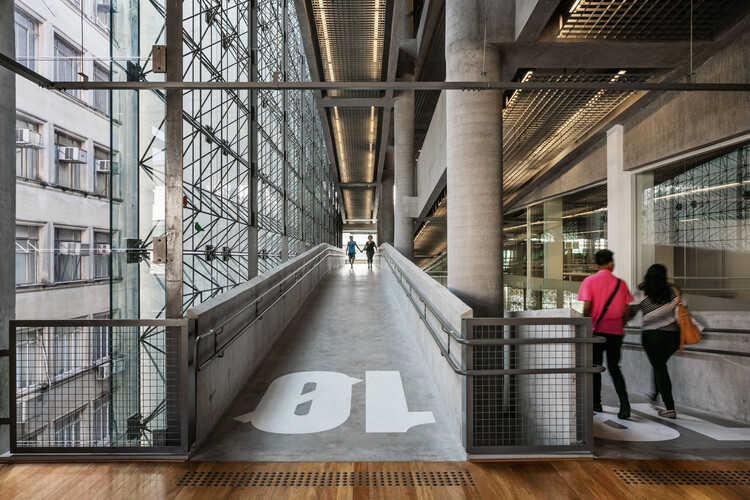
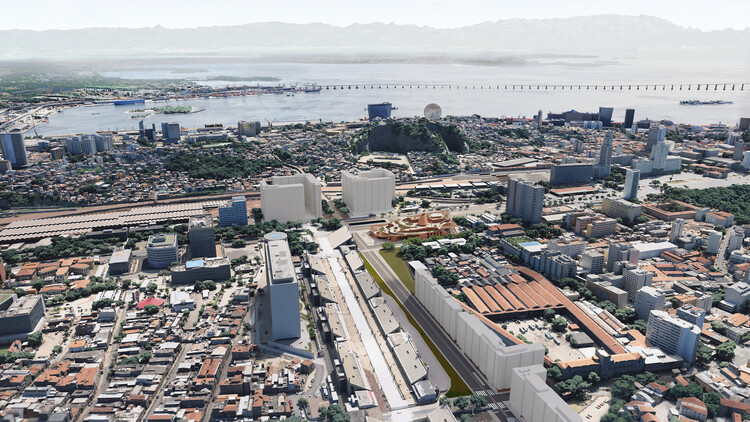
Amid ongoing global discussions on climate adaptation and resilient urban development brought into sharper focus by the outcomes of COP30, this week's architecture news illustrates how cities worldwide are rethinking their built environments. From Venice, where the 19th Architecture Biennale concluded with debates on material use and long-term cultural impact, to international awards foregrounding regenerative and socially responsive design, the conversation around architecture is increasingly intertwined with planetary priorities. Major urban interventions, from Thessaloniki's seafront redevelopment and Rio de Janeiro's new public library, to Abu Dhabi's Natural History Museum and a civic stadium in Birmingham, demonstrate how multiple cities are addressing mobility, heritage, density, and climate resilience. Additional plans, such as Mantua's ecological urban strategy, Utrecht's elevated landscape above transport networks, and Amsterdam Airport Schiphol's redesigned landside mobility system, further reflect a transition toward integrated, people-centred urban frameworks that prioritize environmental performance, public space, and long-term territorial stewardship.

Global Urban Transformation and Climate-Responsive Design from Venice to Rio: This Week’s Review - Image 1 of 4Global Urban Transformation and Climate-Responsive Design from Venice to Rio: This Week’s Review - Image 2 of 4Global Urban Transformation and Climate-Responsive Design from Venice to Rio: This Week’s Review - Image 3 of 4Global Urban Transformation and Climate-Responsive Design from Venice to Rio: This Week’s Review - Image 4 of 4Global Urban Transformation and Climate-Responsive Design from Venice to Rio: This Week’s Review - More Images+ 24

Moroccan Modern: The Architecture of Jean-François Zevaco

Subscriber Access | 

Modernism has a long history in Morocco. Being close to Europe and under French Protectorate rule, it kept pace with architectural developments in the movement. Its relative peace after the Second World War further strengthened its role as some European architects sought a hub for new ideas. Architects in independent Morocco adopted Modernism as they were tasked to build the infrastructure of a new nation. The architect Jean-François Zevaco, born in Morocco to French parents, practiced across these formative periods, developing his own expressive version of modern architecture.

Moroccan Modern: The Architecture of Jean-François Zevaco - Image 1 of 4Moroccan Modern: The Architecture of Jean-François Zevaco - Image 2 of 4Moroccan Modern: The Architecture of Jean-François Zevaco - Image 3 of 4Moroccan Modern: The Architecture of Jean-François Zevaco - Image 4 of 4Moroccan Modern: The Architecture of Jean-François Zevaco - More Images+ 13