1. ArchDaily
  2. ArchDaily Topic 2021 The Future of Cities

ArchDaily Topic 2021 The Future of Cities: The Latest Architecture and News

Industrial or Natural Future: Is It Possible to Create Organic Cities Shaped by Technology?

In Her, a 2013 film directed by Spike Jonze, a lonely writer develops a love affair with the virtual assistant of an operating system. Brave New World, a book written in 1932 by the English author Aldous Huxley, fabricates a dystopian society whose cult of efficiency and rationality creates a humanity that ignores hardship and pain but also represses love and freedom. In Mary Shelley's 1818 book Frankenstein, considered the first science fiction novel, a life is artificially created, producing a monster with human characteristics: wills, wishes, and fears. Whether describing the fear of artificial intelligence, the uncertainty produced by industrialization, or the limits of science, science fiction works reveal less about the future and much more about the moment in which they were created; they speak of the fears and hopes of their own time.

When we explore urban visions of the past anticipating the future, it is common to find exaggerated and even funny predictions. As for the promises of architecture and, consequently, of our cities, it is not an easy task to predict future developments clearly either. By looking at industry trends and using all of our imaginations, could we tell what cities will be like in tens or hundreds of years? Their materials, their appearance, their way of building and thinking? Will it be a more pristine and minimalist future or a more organic and complex future? How will new technologies and building materials affect the shape, aesthetics, and prosperity of the cities of tomorrow?

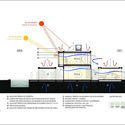
Bio-climatic Fixtures in Buenos Aires' Houses as Seen In Floor Plans and Layout

Subscriber Access | 

Bio-climatic Fixtures in Buenos Aires' Houses as Seen In Floor Plans and Layout - Image 1 of 4Bio-climatic Fixtures in Buenos Aires' Houses as Seen In Floor Plans and Layout - Image 2 of 4Bio-climatic Fixtures in Buenos Aires' Houses as Seen In Floor Plans and Layout - Image 3 of 4Bio-climatic Fixtures in Buenos Aires' Houses as Seen In Floor Plans and Layout - Image 4 of 4Bio-climatic Fixtures in Buenos Aires' Houses as Seen In Floor Plans and Layout - More Images+ 15

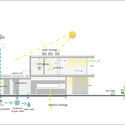
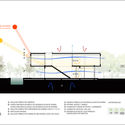
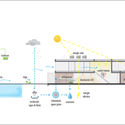
The principles of bio-climatic architecture, when applied with an understanding of the surrounding climate and geography, can simultaneously increase a building's efficiency and create a more comfortable living space. Passive measures like solar panels, rainwater and grey water harvesting, openings for natural light, and cross-ventilation are all low-cost, high yield methods of increasing a home's thermal comfort and efficiency and decreasing its carbon footprint.

How Can Green Cities Create Equitable Futures?

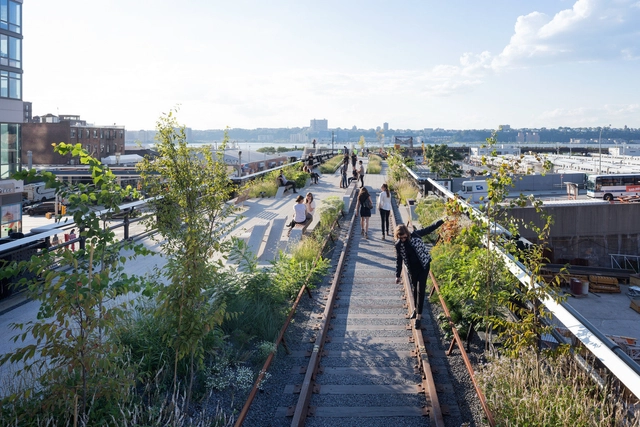
Understanding what drives economic, social, and educational disparities between communities is one of urbanism’s most critical and highly-discussed topics. It’s an increasingly complex issue, with many factors at play- one of them being the design and location of desirable urban green spaces. While sometimes they are a tool that helps to bolster underserved communities in terms of health and economic benefits, safety, and climate resistance, other times they can actually drive out the residents that they are created to serve. Now, the challenge lies in how to design these recreational sites to create better futures for all.

Endless “Sustainable” Growth is an Oxymoron

This article was originally published on Common Edge

In a Common Edge article, I briefly discussed a concept that I call the “Triple Bottom Lie,” which posits that more people, plus more consumption by each person, plus an economic system completely dependent on the aforementioned items, can just keep working forever, without consequences. Historically, the United States has accepted the economic shibboleth of endless growth because it reduced class conflict; a rising tide (supposedly) lifted all boats, rafts and yachts included. We are, however, approaching the limits of growth, from both a resource standpoint (we’re running out of raw materials) and a technological standpoint (our inventions are progressively less revolutionary).

Concrete Pipes Transformed Into Architectural Elements and Living Spaces

Subscriber Access | 

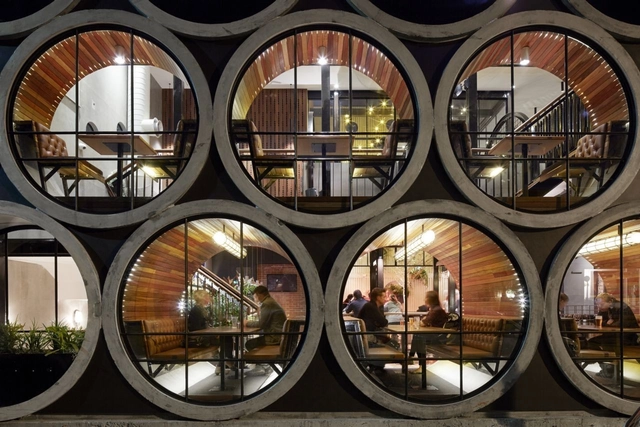
Urban infrastructures provide comfort to inhabitants and mitigate the risks of disasters such as flooding. Underground systems specifically conceal urban infrastructures from public view and are configured as real mazes under the streets. The distribution of drinking water, urban drainage, sewage, and even electrical wiring and fiber optics in some cases, pass under our feet without us noticing. To this end, the industry developed precast concrete parts for about 100 years that provided construction speed, adequate resistance to force, and durability against time. Concrete pipes with circular sections, in many diverse diameters, are perhaps the most used conduits and are ubiquitous around the world. But there are also those who use these apparently functional elements in creative architectural contexts as well.

2020 Grand Prix Award: Lenka Petráková Designs a Floating Research Station to Clean Oceans

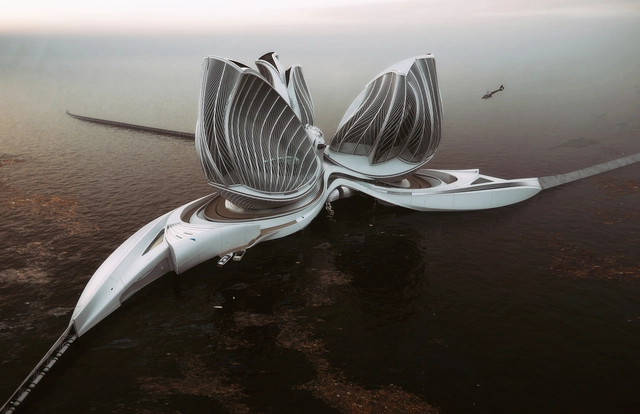
Slovak designer Lenka Petráková has won the 2020 Grand Prix Award for an ocean-cleaning research facility in the Pacific. The "8th Continent" project is a floating station that restores the marine environment by collecting plastic debris from the surface and breaking it down to recyclable material. The plastic recycling center connects with a research and education facility to create an interdisciplinary and sustainable platform for the future.

2020 Grand Prix Award: Lenka Petráková Designs a Floating Research Station to Clean Oceans - Image 1 of 42020 Grand Prix Award: Lenka Petráková Designs a Floating Research Station to Clean Oceans - Image 2 of 42020 Grand Prix Award: Lenka Petráková Designs a Floating Research Station to Clean Oceans - Image 3 of 42020 Grand Prix Award: Lenka Petráková Designs a Floating Research Station to Clean Oceans - Image 4 of 42020 Grand Prix Award: Lenka Petráková Designs a Floating Research Station to Clean Oceans - More Images+ 9

Diller Scofidio + Renfro, GB+P and B720 Arquitectos to Transform Azca Financial District in Madrid

A design team comprised by Diller Scofidio + Renfro, Gustafson Bowman + Porter y B720 Fermín Vázquez Arquitectos has been chosen to lead the transformation of Madrid’s AZCA district.

The City as a Tile-Based Game

Subscriber Access | 

Alterity is essential to human development. If deprived of a variety of stimuli, the brain is unable to develop, losing plasticity and deteriorating like an atrophied muscle. This reasoning is widely accepted when it comes to social relations or cognitive and physical activities. But what about the stimuli promoted by the built environment?

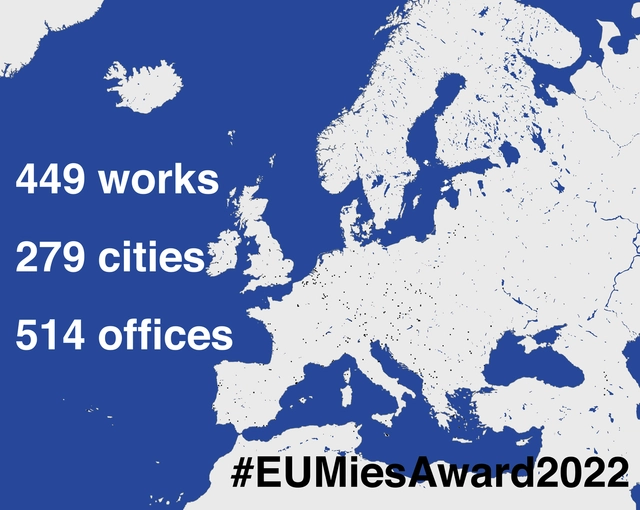
The 2022 Edition of the EU Mies van der Rohe Award Reveals First 449 Nominated Works

The European Union Prize for Contemporary Architecture, the Mies van der Rohe Award has just announced the first 449 works competing in its 2022 edition. Selected from 279 cities in 41 countries, the projects have been nominated by European independent experts, the national architecture associations, and the Prize Advisory Committee.

The 2022 Edition of the EU Mies van der Rohe Award Reveals First 449 Nominated Works - Image 1 of 4The 2022 Edition of the EU Mies van der Rohe Award Reveals First 449 Nominated Works - Image 2 of 4The 2022 Edition of the EU Mies van der Rohe Award Reveals First 449 Nominated Works - Image 3 of 4The 2022 Edition of the EU Mies van der Rohe Award Reveals First 449 Nominated Works - Image 4 of 4The 2022 Edition of the EU Mies van der Rohe Award Reveals First 449 Nominated Works - More Images+ 10

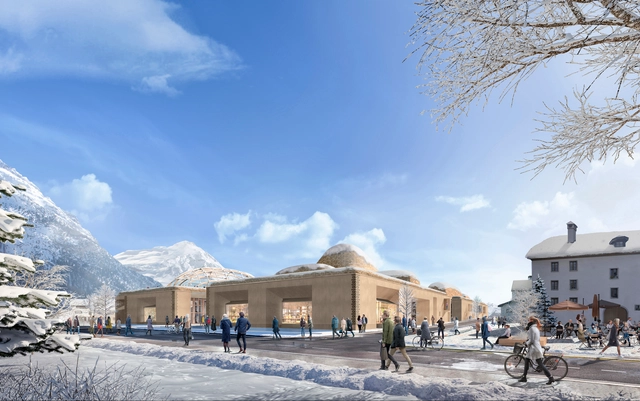
Foster + Partners Imagines an Innovation and Community Center in the Swiss Alps

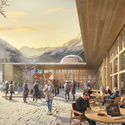
Foster + Partners has revealed images of InnHub La Punt, a new center for innovation in the heart of the Engadin valley, in the Swiss Alps. The 6,000-square-metre project, set for completion in 2022, is comprised of a 3-story building encompassing work and seminar spaces, sports facilities, retail shops, and a restaurant. Based on the idea of the ‘third place’, the intervention creates a space for collaboration and creativity.

Foster + Partners Imagines an Innovation and Community Center in the Swiss Alps - Image 1 of 4Foster + Partners Imagines an Innovation and Community Center in the Swiss Alps - Image 2 of 4Foster + Partners Imagines an Innovation and Community Center in the Swiss Alps - Image 3 of 4Foster + Partners Imagines an Innovation and Community Center in the Swiss Alps - Image 4 of 4Foster + Partners Imagines an Innovation and Community Center in the Swiss Alps - More Images

Sydney Harbor Pavilion Will be Built with Recycled Oyster Shells

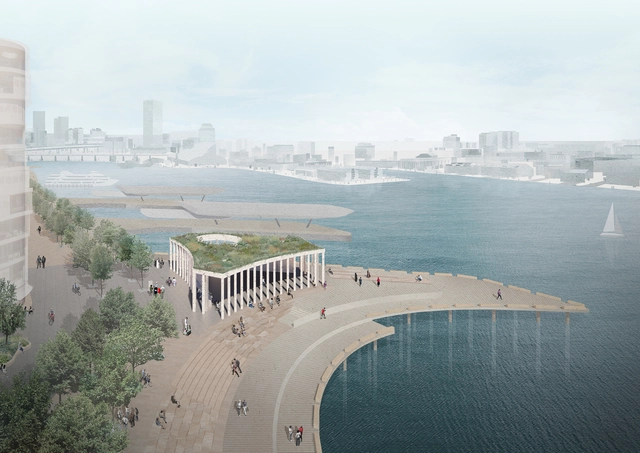
SPRESSER and Peter Besley have won the Sydney Pier Design Competition and will create a pavilion made of recycled oyster shells. As the team explains, the Pavilion references human gathering by the sea; it is designed as a democratic gathering space under a landscape canopy for meetings and events. The Pavilion aims to celebrate elements that compose the site: land, sea and sky.

Sydney Harbor Pavilion Will be Built with Recycled Oyster Shells - Image 1 of 4Sydney Harbor Pavilion Will be Built with Recycled Oyster Shells - Image 2 of 4Sydney Harbor Pavilion Will be Built with Recycled Oyster Shells - Image 3 of 4Sydney Harbor Pavilion Will be Built with Recycled Oyster Shells - Image 4 of 4Sydney Harbor Pavilion Will be Built with Recycled Oyster Shells - More Images+ 7

Urban Planning and Water Bodies: Florida’s Aquatic Land Cover

Subscriber Access | 

Urban Planning and Water Bodies: Florida’s Aquatic Land Cover - Image 1 of 4Urban Planning and Water Bodies: Florida’s Aquatic Land Cover - Image 2 of 4Urban Planning and Water Bodies: Florida’s Aquatic Land Cover - Image 5 of 4Urban Planning and Water Bodies: Florida’s Aquatic Land Cover - Image 6 of 4Urban Planning and Water Bodies: Florida’s Aquatic Land Cover - More Images+ 3

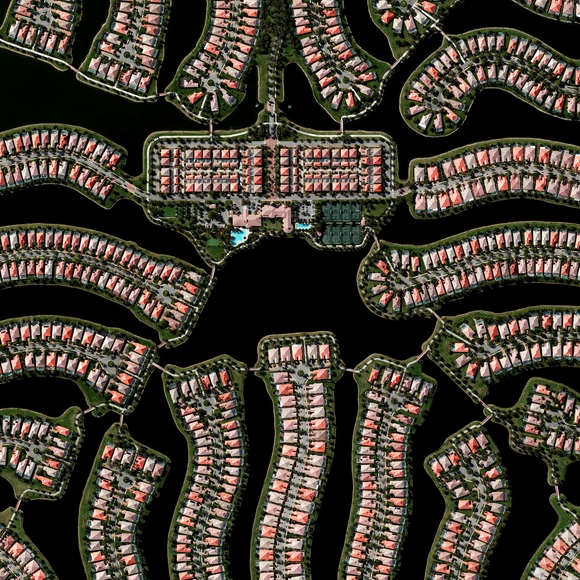
The state of Florida, in the United States, is bordered to the south, east, and west by the Atlantic Ocean, with a coastline of over two thousand kilometers in length, and is characterized by extensive areas of lakes, rivers, and ponds. Land booms during the early and mid-20th century resulted in the development of new communities and the expansion of low-density suburbia across many parts of the state, which frequently incorporated the abundant water resources, sometimes failing in their efforts.

What Chicago Loses When It Loses an Architecture Critic

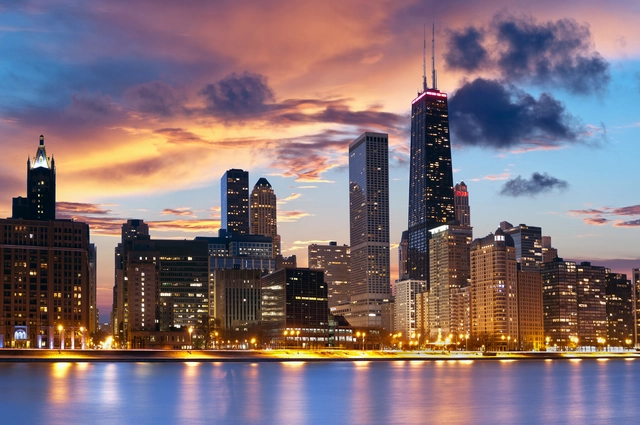
Chicago architecture is empty without Chicago architectural journalism. From the 1880s launch of the black-and-white publication Inland Architect, which covered the rebuilding after the Great Chicago Fire, to a 1985 critique of the James R. Thompson Center by Paul Gapp in the Chicago Tribune titled “Masterpiece or Ego Trip?” which set the course for the public reception of the building, coverage, and criticism of architecture in local newspapers and architecture publications has provided a critical link to how Chicago maintains its reputation as a city of extraordinary architecture. Architectural criticism and journalism have and continue to help Chicago understand how we arrived at this built environment and what the future holds.

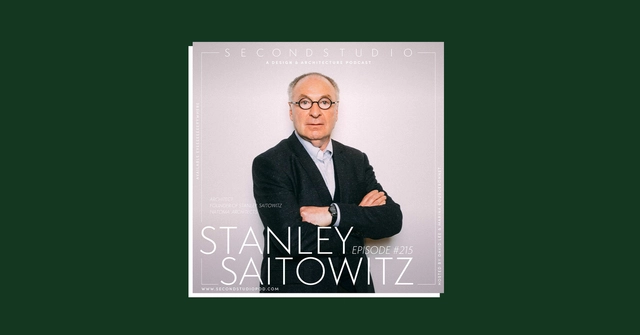
Stanley Saitowitz: "Architecture Is Not All About My Taste Versus Yours"

The Second Studio (formerly The Midnight Charette) is an explicit podcast about design, architecture, and the everyday. Hosted by Architects David Lee and Marina Bourderonnet, it features different creative professionals in unscripted conversations that allow for thoughtful takes and personal discussions.

A variety of subjects are covered with honesty and humor: some episodes are interviews, while others are tips for fellow designers, reviews of buildings and other projects, or casual explorations of everyday life and design. The Second Studio is also available on iTunes, Spotify, and YouTube.

This week David and Marina are joined by architect Stanley Saitowitz to discuss his design philosophy, office, upbringing in South Africa, and education and how he ended up in San Francisco, why the practice of architecture is much more challenging today, how architecture relates to cities, and more. Enjoy!

Studio Symbiosis Rehabilitates ID Origins Headquarters in Mumbai's City Center

Subscriber Access | 

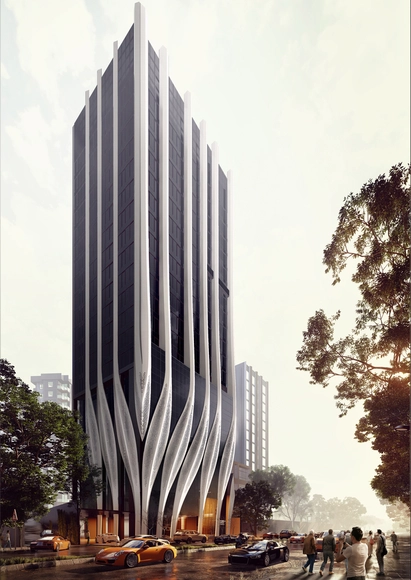
In the dense urban fabric of India’s Mumbai, Studio Symbiosis upgraded the ID Origins Headquarters into a new visual marker of the city, using organic strokes to merge old and new into one revitalized project. The HQ has been under construction since October 2019 and is a historic landmark for the company, as it was where the owners first initiated their business in the 1980s. The 18,750 sqm project was awarded the WA World Architecture Community Awards for its unique design approach.

Studio Symbiosis Rehabilitates ID Origins Headquarters in Mumbai's City Center  - Image 1 of 4Studio Symbiosis Rehabilitates ID Origins Headquarters in Mumbai's City Center  - Image 2 of 4Studio Symbiosis Rehabilitates ID Origins Headquarters in Mumbai's City Center  - Image 3 of 4Studio Symbiosis Rehabilitates ID Origins Headquarters in Mumbai's City Center  - Image 4 of 4Studio Symbiosis Rehabilitates ID Origins Headquarters in Mumbai's City Center  - More Images+ 5

Would You Live Here? Exploring What Makes A City Desirable

As long as cities have been around, there’s been one pressing question central to their future: “What makes urban areas desirable?” Over half of the world’s inhabitants live in cities and that number is projected to climb over the next decade with more than 5 billion people inhabiting urban cores globally. To prepare for this demand, cities are finding ways to be more desirable, draw in talent, and entice both big and small businesses, all while finding more ways to create equitable living opportunities for all.

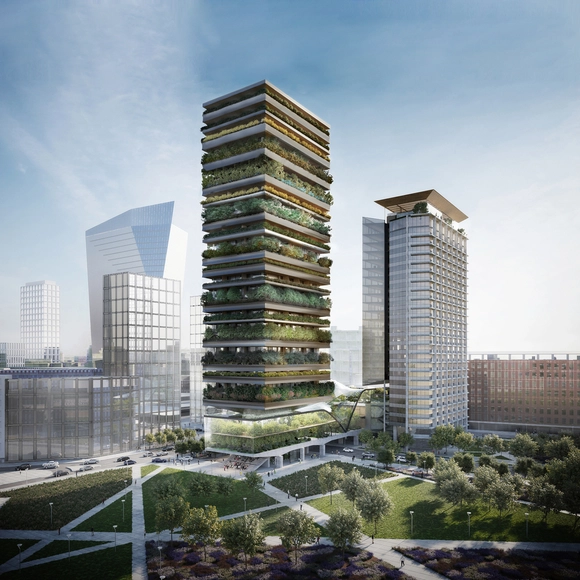
Diller Scofidio + Renfro And Stefano Boeri Architetti to Regenerate Abandoned Buildings in Via Pirelli 39 in Milan, Italy

Diller Scofidio + Renfro (DS + R) and Stefano Boeri Architetti have won the international architectural competition for the renovation of Pirelli 39 in Milan. Launched on 25 November 2019, the contest organized by COIMA SGR and the municipality of Milan, gathered 70 submissions made up of 359 studios from 15 countries.

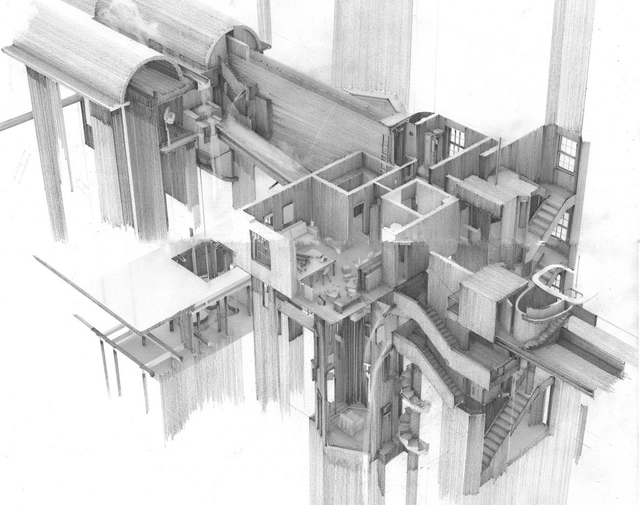
2020 Architecture Drawing Prize Winners Announced

The World Architecture Festival has announced the winners of the Architecture Drawing Prize 2020. Entries were chosen in the Digital, Hand-drawn and Hybrid categories. The contest included 165 entries from 30 countries, and the 2020 competition also introduced the ‘Lockdown Prize’ focusing on the global pandemic, awarded to a drawing related to the architectural changes brought by the coronavirus.