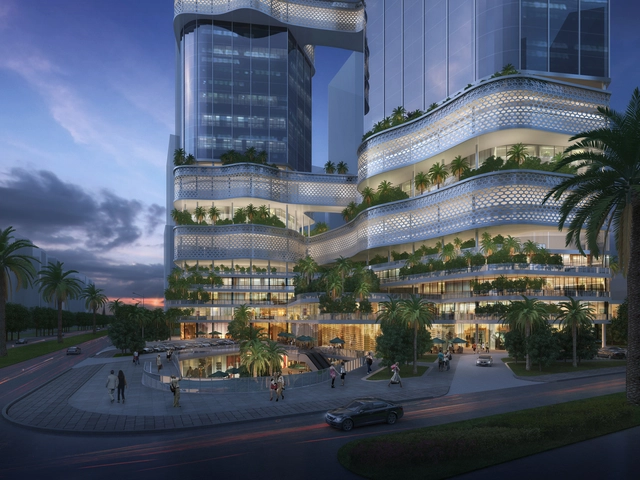
Australia-based GroupGSA’s recent design for iCarbonX’s Super Headquarters in Shenzhen, China has been dubbed “outstanding” by the competition’s jurors. The firm was invited to submit an entry which explored iCarbonX’s goal to “build an ecosystem of digital life based on a combination of an individual’s biological, behavioral and psychological data, the Internet, and artificial intelligence.”
Though the understated Swiss and British Pavilions were the big (and perhaps overly literal) winners at this year’s Venice Architecture Biennale investigating Freespace, it was the Chinese that put their relentless architectural progress on display. Nestled in the back of the Arsenale, the Chinese Pavilion presented dozens of built works all around Chinese countryside, each project demonstrating a meaningful social impact through the involvement of villagers in the production process. Among the most visible Chinese architects presenting at the pavilion was Shanghai-based educator and practitioner Philip Yuan, whose office Archi-Union Architects has become a major voice in the already-distinctive contemporary Chinese architecture scene.
Light is an important, if complex, tool in architecture. Not only does it lend atmosphere, texture, and vibrancy, but it is increasingly essential in an age where technology alienates us from nature. In this excerpt from Mary Guzowski's new book, The Art of Architectural Daylighting, she introduces the science and art of daylighting - and details six ways the masters approach the challenge.
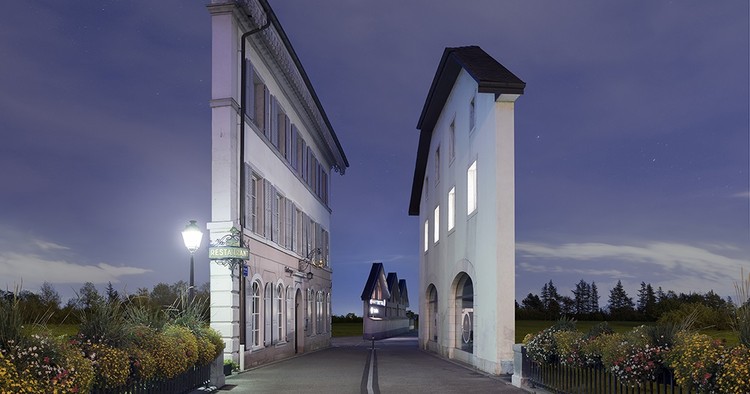
In his ongoing photo-series "Façades," French photographer Zacharie Gaudrillot-Roy a series of images in which he removes the mass and depth of buildings, and leaves behind the mere fragments of exterior skin. The photos, which resemble deserted Hollywood sets, illustrate roadways, towns, apartment complexes, and other environments without giving away the ideas of anything beyond the superficial image of the facade—leaving much to the imagination.
Summer. Vacation. Two magic words that will certainly ease all the pain and exhaustion of working/studying full-time. Now that it is that time of year, most people are busy planning their travel itineraries. Whether it’s a city trip to Paris to see the Eiffel Tower and the Louvre, or a journey to walk on China’s Great Wall, the majority of travelers will choose to cross iconic landmarks off their bucket lists. However, there is a lot more to London than the London Bridge and Buckingham Palace, and there is a lot more to Barcelona than Gaudí. There are, in fact, hundreds of underrated, exquisite structures that go unnoticed.
If you are planning a getaway soon, here is a list of hidden architectural gems that are worth the visit.
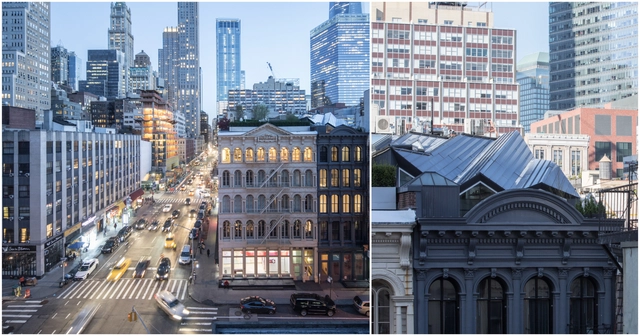
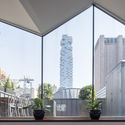
At first glance, The Stealth Building looks like a pristinely-restored cast iron apartment building. That’s because technically, it is. But upon closer inspection, the Lower Manhattan building is rife with innovative restoration and renovation practices by WORKac.
Black Spectacles, in collaboration with the American Institute of Architecture Students (AIAS), has released a new guide called How To Get A Job In Architecture, in order to help recent architecture graduates navigate through the process of finding their first job. The free 17-page guide is filled with helpful hints on how to apply, tricks to landing your first offer, and even advice from architects and HR professionals at some of the top firms in the world including Cannon Design, Adrian Smith + Gordon Gill, and Gensler.
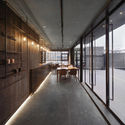
Woods Bagot have announced that they will be leading a redesign effort for the abandoned Hongqi Zhen Sugar Factory in Zhuhai’s Jinwan District. Due to be completed in three phases over the next ten years, their master plan for the almost 80,000 square meter site includes designs that will revitalize the area and transform it into an integrated tourism, cultural and leisure park.
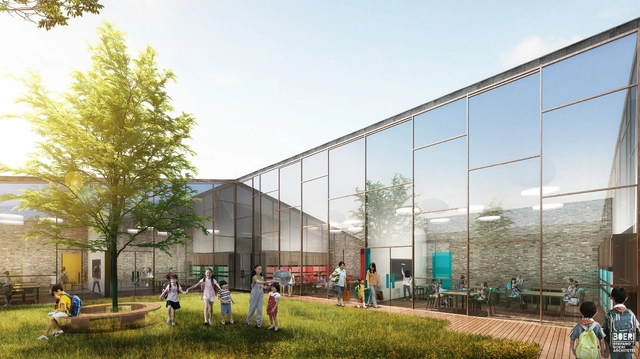
School Exterior Visualization. Image Courtesy of Stefano Boeri Architetti
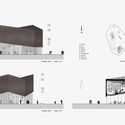
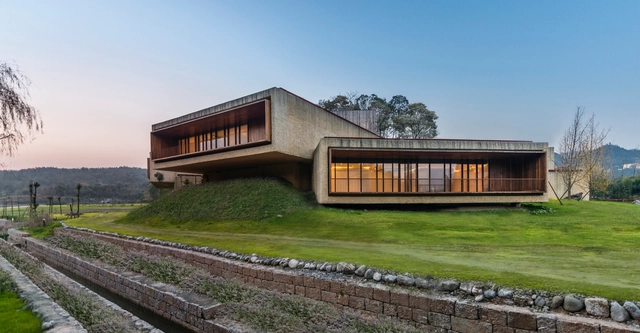
For the 2018 Venice Biennale, Stefano Boeri Architetti presents Slow Food Freespace, the first Slow Village to be constructed in Sichuan, China. Made in collaboration with Slow Food Movement, speakers Stefano Boeri and Carlo Petrini discussed the project at the event “Across Chinese Cities - The Community.”
For the Slow Food China project, Stefano Boeri Architetti has designed a school, a library and a small museum for the villages involved, free of charge. The program attempts to encourage millions of Chinese farmers to stay in their rural districts, combatting the unprecedented emigration to cities which has grown in the last few years. By offering educational facilities and cultural landmarks to these rural communities, it inspires the preservation of local culture and acknowledges the importance of the agricultural economy.


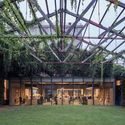
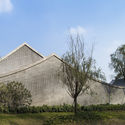

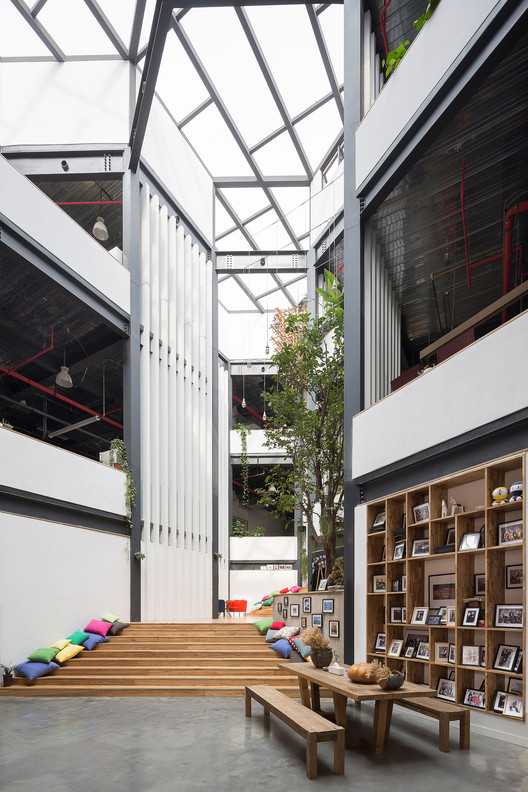





















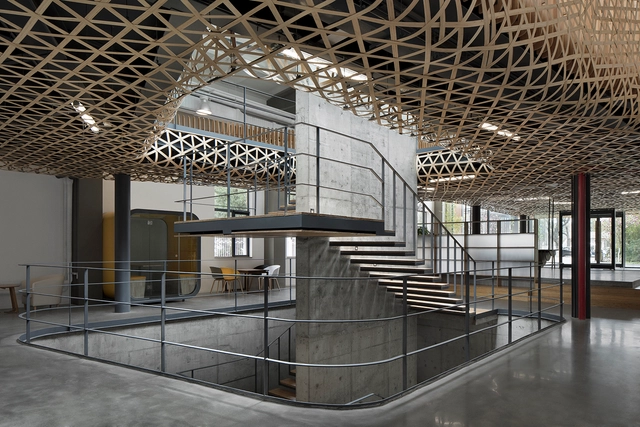









.jpg?1527838125 "Atrium. Image © Schran Image")


_Woods_Bagot.jpg?1527649361&format=webp&width=640&height=580)


.jpg?1527163240 "Masterplan. Image Courtesy of Stefano Boeri Architetti")