1. ArchDaily
  2. Architecture

Architecture: The Latest Architecture and News

MVRDV Advances Urban Densification with The Sax Residential Towers in Rotterdam

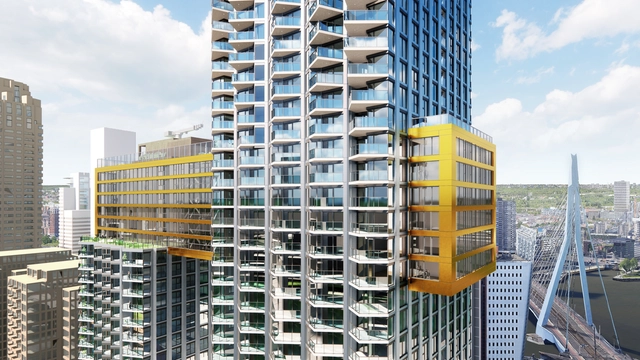
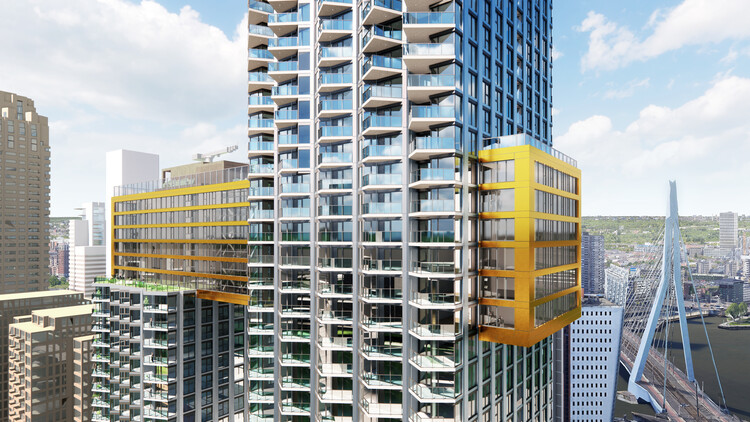
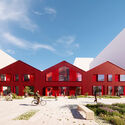
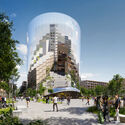
The City of Rotterdam, developers BPD and Synchroon, and architecture firm MVRDV have officially begun construction on The Sax, a major residential project located on Rotterdam's Wilhelminapier. Designed to contribute to the city's ongoing densification efforts, the development will deliver 916 apartments within two interconnected towers. Once completed, The Sax will make Wilhelminapier the most densely populated area in the Netherlands, making the project an example of compact urban growth. The design comprises two towers, combining a wide mix of housing types and shared amenities with strong connections to public transport and sustainable mobility solutions, including parking for 1,800 bicycles and a fully automated car garage. With its silver façade and undulating balconies, the building's form echoes the shape of a saxophone, reflecting the character of Rotterdam.

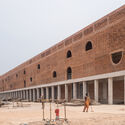
MVRDV Advances Urban Densification with The Sax Residential Towers in Rotterdam - Image 1 of 4MVRDV Advances Urban Densification with The Sax Residential Towers in Rotterdam - Image 2 of 4MVRDV Advances Urban Densification with The Sax Residential Towers in Rotterdam - Image 3 of 4MVRDV Advances Urban Densification with The Sax Residential Towers in Rotterdam - Image 4 of 4MVRDV Advances Urban Densification with The Sax Residential Towers in Rotterdam - More Images+ 18

Refurbishing Theater Spaces: Adapting Cultural Landmarks for Modern Audiences

Subscriber Access | 

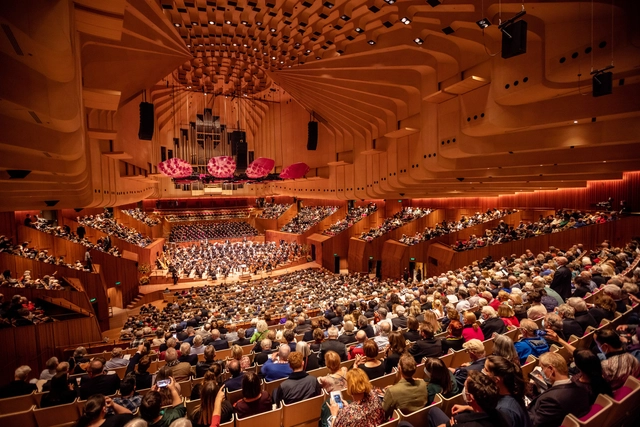
Theaters serve as cultural and social institutions, shaping society by providing spaces where stories of identity, race, and justice are brought to life. These venues foster community through shared, live experiences, sparking conversations that resonate beyond the stage. Architecturally, theaters are more than performance spaces—they are landmarks that embody both the history and future of the arts. Their design often reflects the cultural importance of storytelling, while their refurbishments ensure they remain relevant in a modern context.

In this week's AD Interior Focus, ArchDaily explores how the refurbishment of iconic theaters like the Royal Opera House in London, United Kingdom, and Sydney Opera House in Australia goes beyond modernizing comfort and accessibility. It delves into how these projects preserve the architectural integrity of these historic landmarks, ensuring their design continues to serve as a backdrop for both artistic expression and social discourse.

Refurbishing Theater Spaces: Adapting Cultural Landmarks for Modern Audiences - Image 1 of 4Refurbishing Theater Spaces: Adapting Cultural Landmarks for Modern Audiences - Image 2 of 4Refurbishing Theater Spaces: Adapting Cultural Landmarks for Modern Audiences - Image 3 of 4Refurbishing Theater Spaces: Adapting Cultural Landmarks for Modern Audiences - Image 4 of 4Refurbishing Theater Spaces: Adapting Cultural Landmarks for Modern Audiences - More Images+ 12

Seven Finalist Designs Revealed for the Museum of Jesus’ Baptism in Jordan

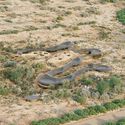
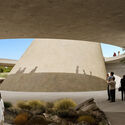
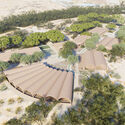
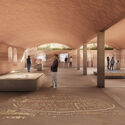
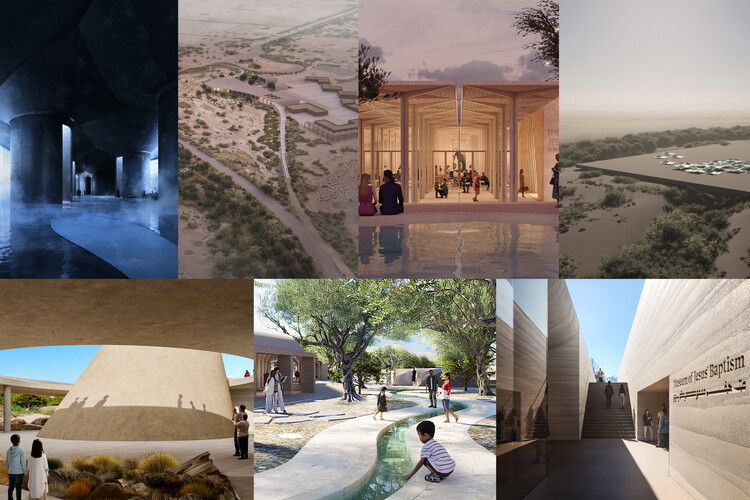
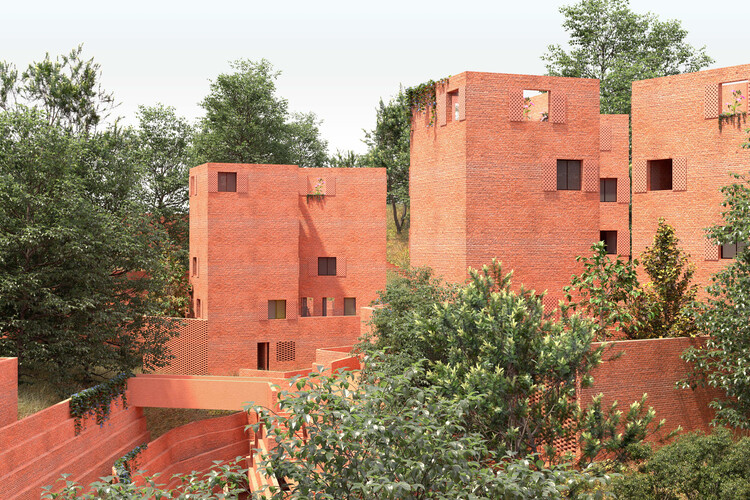
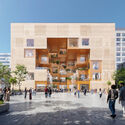
The Foundation for the Development of the Lands Adjacent to the Baptism Site has unveiled seven shortlisted concept designs for the new Museum of Jesus' Baptism at Bethany, Jordan. The proposals, now available in an online gallery, were developed by internationally recognized multidisciplinary teams led by AAU Anastas, heneghan peng architects, Níall McLaughlin Architects, Studio Anne Holtrop, Tatiana Bilbao ESTUDIO, Toshiko Mori Architect, and Trahan Architects. Managed by Malcolm Reading Consultants, the invited competition seeks an architect-led multidisciplinary team to design a museum and garden that responds to the sacred character of the site. The project is planned to open in 2030, marking the bimillennial of Christ's baptism, and aims to create a space of reflection, learning, and cultural exchange.

Seven Finalist Designs Revealed for the Museum of Jesus’ Baptism in Jordan - Image 1 of 4Seven Finalist Designs Revealed for the Museum of Jesus’ Baptism in Jordan - Image 2 of 4Seven Finalist Designs Revealed for the Museum of Jesus’ Baptism in Jordan - Image 3 of 4Seven Finalist Designs Revealed for the Museum of Jesus’ Baptism in Jordan - Image 4 of 4Seven Finalist Designs Revealed for the Museum of Jesus’ Baptism in Jordan - More Images+ 40

Architecture of Wine: 15 Contemporary Wineries Around the World

Subscriber Access | 

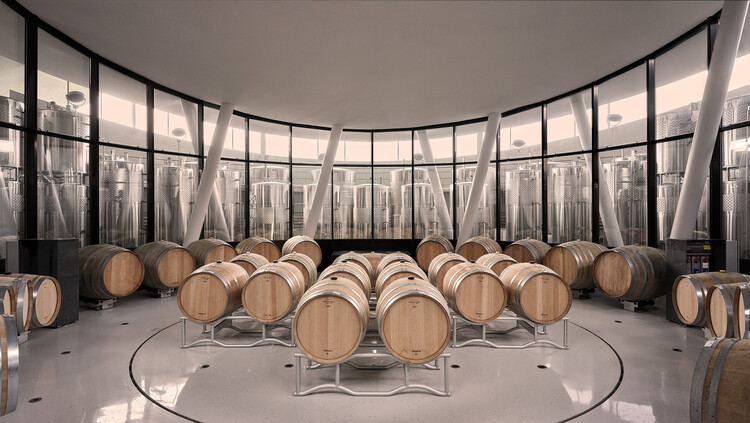
Wine production has long been tied to place, climate, and culture, and in recent decades, architecture has become a central part of this relationship. Wineries are no longer understood only as functional facilities for fermentation, storage, and distribution, but also as spaces where landscape, materiality, and visitor experience intersect. From subterranean cellars hidden beneath fields to sculptural landmarks rising in rural territories, these buildings shape the identity of winemaking regions while offering visitors a carefully choreographed encounter with the process of production.

At the intersection of agriculture, tourism, and culture, wineries present architects with unique opportunities to merge technical requirements with a spatial narrative. They must respond to environmental conditions, manage temperature and humidity with precision, and integrate with delicate ecosystems, while also providing spaces for tasting, gathering, and celebration. As a result, the typology has given rise to a wide range of architectural solutions. Some are rooted in tradition and local craft, others are exploring advanced technologies and contemporary forms.

Architecture of Wine: 15 Contemporary Wineries Around the World - Image 1 of 4Architecture of Wine: 15 Contemporary Wineries Around the World - Image 2 of 4Architecture of Wine: 15 Contemporary Wineries Around the World - Image 3 of 4Architecture of Wine: 15 Contemporary Wineries Around the World - Image 4 of 4Architecture of Wine: 15 Contemporary Wineries Around the World - More Images+ 45

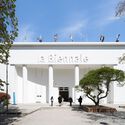
The Latvian Pavilion at the 2025 Venice Architecture Biennale Invites Critical Dialogue on the Spatial Impact of Conflict

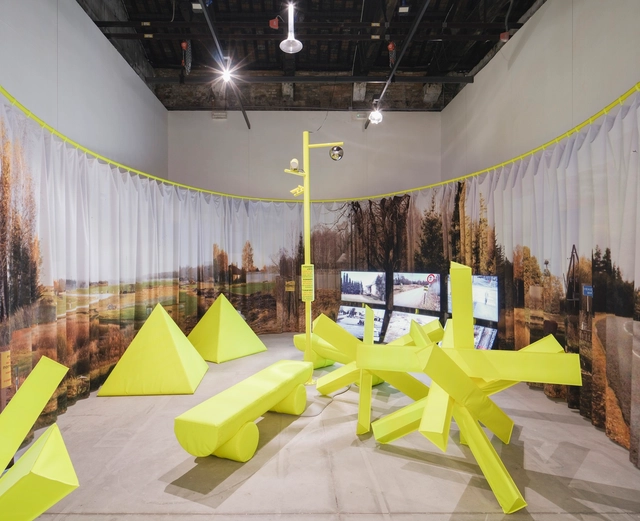
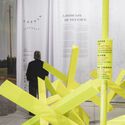
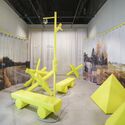
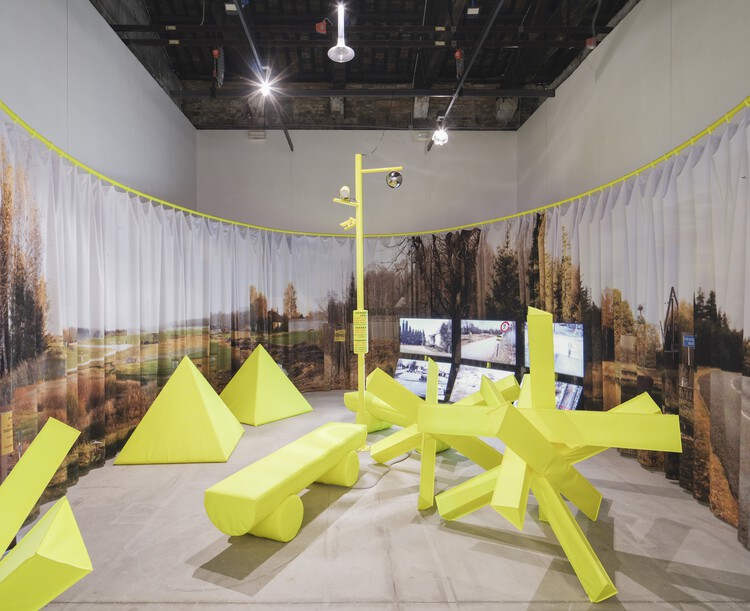
The Latvian Pavilion at the 19th International Architecture Exhibition – La Biennale di Venezia, commissioned by Jānis Dripe and curated by Liene Jākobsone and Ilka Ruby, explores the impact of military defense on the country's border landscape. The exhibition was designed by SAMPLING and Nomad Architects to highlight how geopolitical tensions shape both territory and daily life. In times of escalating international warfare, the curatorial team poses the question of what it means to live on NATO's external border in times of geopolitical conflict.

The Latvian Pavilion at the 2025 Venice Architecture Biennale Invites Critical Dialogue on the Spatial Impact of Conflict - Image 1 of 4The Latvian Pavilion at the 2025 Venice Architecture Biennale Invites Critical Dialogue on the Spatial Impact of Conflict - Image 2 of 4The Latvian Pavilion at the 2025 Venice Architecture Biennale Invites Critical Dialogue on the Spatial Impact of Conflict - Image 3 of 4The Latvian Pavilion at the 2025 Venice Architecture Biennale Invites Critical Dialogue on the Spatial Impact of Conflict - Image 4 of 4The Latvian Pavilion at the 2025 Venice Architecture Biennale Invites Critical Dialogue on the Spatial Impact of Conflict - More Images+ 14

The Final Weeks of the Venice Architecture Biennale and New Projects Breaking Ground: This Week’s Review

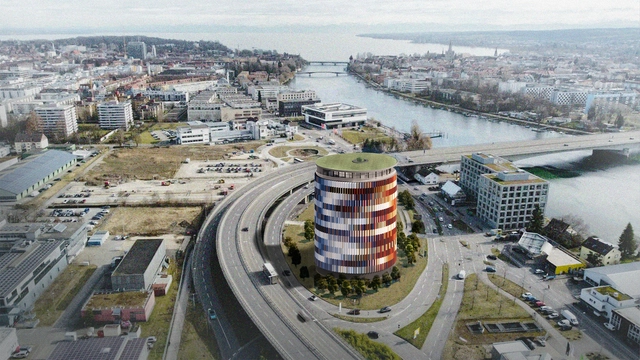
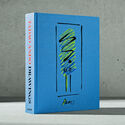
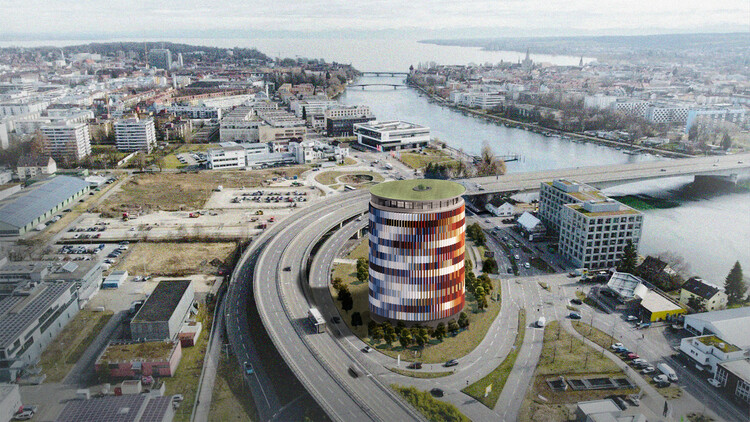
As the 19th Venice Architecture Biennale enters its concluding weeks, the global architecture scene continues to unveil significant projects and recognitions. This week's highlights include Studio Libeskind's residential complex in Prague; sauerbruch hutton's Panorama Constance exhibition building in Germany, and CRA–Carlo Ratti Associati's digitally fabricated bivouac for the upcoming Milano Cortina 2026 Winter Olympics. In New York, Venezuelan artist Miguel Braceli designed a major public artwork for the city's waterfront, addressing themes of migration, diversity, and the complexities of geopolitical identity. The week also brought recognition to sustainable and creative achievements, from the Holcim Foundation's regional awards for sustainable construction to the publication of Tadao Ando. Sketches, Drawings, and Architecture by Taschen, celebrating nearly five decades of the architect's design process.

The Final Weeks of the Venice Architecture Biennale and New Projects Breaking Ground: This Week’s Review - Image 1 of 4The Final Weeks of the Venice Architecture Biennale and New Projects Breaking Ground: This Week’s Review - Image 2 of 4The Final Weeks of the Venice Architecture Biennale and New Projects Breaking Ground: This Week’s Review - Image 3 of 4The Final Weeks of the Venice Architecture Biennale and New Projects Breaking Ground: This Week’s Review - Image 4 of 4The Final Weeks of the Venice Architecture Biennale and New Projects Breaking Ground: This Week’s Review - More Images+ 25

Meet the Category Winners of the 2025 Architecture Drawing Prize

The eighth edition of The Architecture Drawing Prize has revealed its 15 winners, following a radical restructuring of its judging criteria to reflect the evolving landscape of architectural representation. For the first time, the competition assessed all entries together, rather than by category, embracing the growing influence of digital and AI-assisted tools in the creative process.

Launched in 2017 and co-curated by Make Architects, Sir John Soane's Museum, and the World Architecture Festival (WAF), the Prize celebrates the art and skill of architectural drawing across multiple modes of creation. Sponsored by Iris Ceramica Group and supported by ArchDaily as media partner, this year's edition attracted a record number of more than 200 submissions from around the world. Drawings were evaluated for their technical skill, originality, and capacity to convey architectural ideas through diverse techniques, ranging from traditional hand drawings to complex hybrid compositions.

Meet the Category Winners of the 2025 Architecture Drawing Prize - Image 1 of 4Meet the Category Winners of the 2025 Architecture Drawing Prize - Image 2 of 4Meet the Category Winners of the 2025 Architecture Drawing Prize - Image 3 of 4Meet the Category Winners of the 2025 Architecture Drawing Prize - Image 4 of 4Meet the Category Winners of the 2025 Architecture Drawing Prize - More Images+ 1

From Coast to Countryside: 15 Rural Hotels in Portugal

Subscriber Access | 

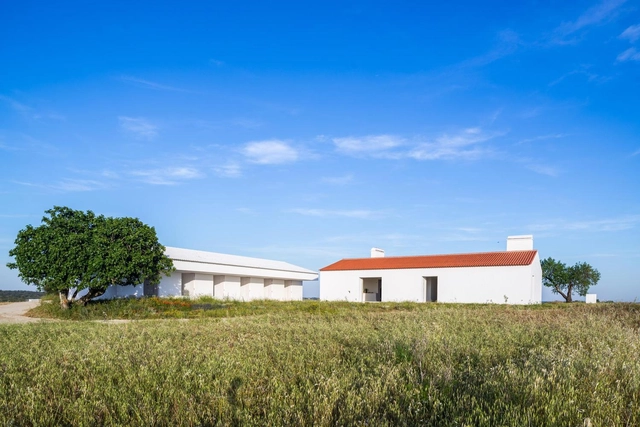
Tourism in Portugal began to develop in the late 1950s, initially centered on key destinations such as the Algarve coast, Lisbon, and the religious hub of Fátima. This focus made tourism largely a coastal activity. However, rapid growth and overburdened infrastructure in these areas led to saturation and a crisis in the sector. To address this, efforts were made to promote alternative destinations, appealing to a new wave of tourists looking for more sustainable, authentic, and locally immersive experiences.

From Coast to Countryside: 15 Rural Hotels in Portugal - Image 1 of 4From Coast to Countryside: 15 Rural Hotels in Portugal - Image 2 of 4From Coast to Countryside: 15 Rural Hotels in Portugal - Image 3 of 4From Coast to Countryside: 15 Rural Hotels in Portugal - Image 4 of 4From Coast to Countryside: 15 Rural Hotels in Portugal - More Images+ 20

What If Buildings Evolved Instead of Being Rebuilt?

 | Sponsored Content

Buildings must change faster than they were built to. Shifting tenant needs, tightening climate policies, and rising office vacancies expose the cost of static stock: waste, noise, downtime, and—in the worst case—stranded assets. The consequence is clear: buildings across typologies must be designed to adapt over time. The inaugural Adaptable Building Conference (ABC), taking place on January 22, 2026, at the Nieuwe Instituut in Rotterdam, brings the industry together to turn adaptability from principle into practice.

CRA–Carlo Ratti Associati Designs Self-Sufficient Bivouac Pavilion for the 2026 Milano Cortina Winter Olympics

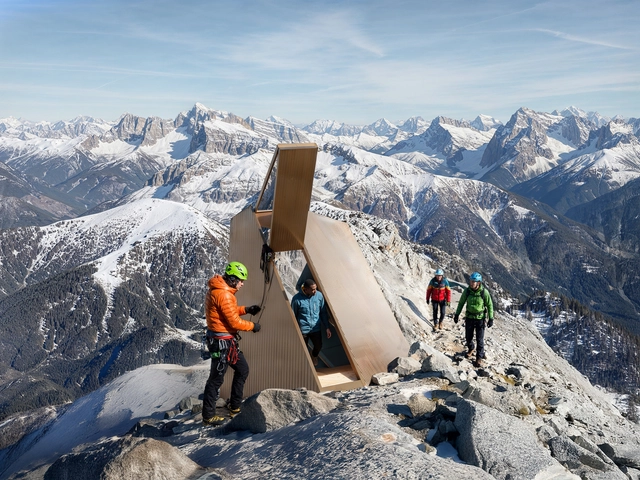
CRA–Carlo Ratti Associati, in collaboration with Salone del Mobile.Milano, recently unveiled the design of a digitally fabricated bivouac set to debut as an urban pavilion during the 2026 Winter Olympics in Milan. The digitally fabricated wooden structure is designed to be self-sufficient, incorporating systems for energy production and storage, as well as water harvesting through air condensation. After its debut at Milano Cortina 2026, the structure is planned to be airlifted by helicopter to its permanent high-altitude location in the Italian Alps, where it will serve as a refuge for mountaineers.

CRA–Carlo Ratti Associati Designs Self-Sufficient Bivouac Pavilion for the 2026 Milano Cortina Winter Olympics - Image 1 of 4CRA–Carlo Ratti Associati Designs Self-Sufficient Bivouac Pavilion for the 2026 Milano Cortina Winter Olympics - Image 2 of 4CRA–Carlo Ratti Associati Designs Self-Sufficient Bivouac Pavilion for the 2026 Milano Cortina Winter Olympics - Image 3 of 4CRA–Carlo Ratti Associati Designs Self-Sufficient Bivouac Pavilion for the 2026 Milano Cortina Winter Olympics - Featured ImageCRA–Carlo Ratti Associati Designs Self-Sufficient Bivouac Pavilion for the 2026 Milano Cortina Winter Olympics - More Images+ 1

Holcim Foundation for Sustainable Construction Reveals 20 Winning Projects of the 2025 Holcim Awards

The Holcim Foundation for Sustainable Construction has announced the 20 winning projects of the 2025 Holcim Foundation Awards, recognizing contributions to sustainable design and construction across five regions: Asia Pacific, Europe, Latin America, the Middle East and Africa, and North America. This year's selection spans a broad range of scales, from a 200-square-meter semi-permanent school in a Kenyan forest to major urban regeneration initiatives in Madrid, Dhaka, and Shenzhen, reflecting the diversity and reach of sustainable architecture today. This year introduces a new Grand Prize format, replacing the traditional Gold, Silver, and Bronze rankings. Each region will now honor one Grand Prize winner, emphasizing excellence without comparison and acknowledging the diverse approaches to sustainability.

Holcim Foundation for Sustainable Construction Reveals 20 Winning Projects of the 2025 Holcim Awards - Image 1 of 4Holcim Foundation for Sustainable Construction Reveals 20 Winning Projects of the 2025 Holcim Awards - Image 2 of 4Holcim Foundation for Sustainable Construction Reveals 20 Winning Projects of the 2025 Holcim Awards - Image 3 of 4Holcim Foundation for Sustainable Construction Reveals 20 Winning Projects of the 2025 Holcim Awards - Image 4 of 4Holcim Foundation for Sustainable Construction Reveals 20 Winning Projects of the 2025 Holcim Awards - More Images+ 17

Beyond Disaster Relief: The Evolution of Super-Adobe Into Permanent Structures in Hormuz, Iran

Subscriber Access | 

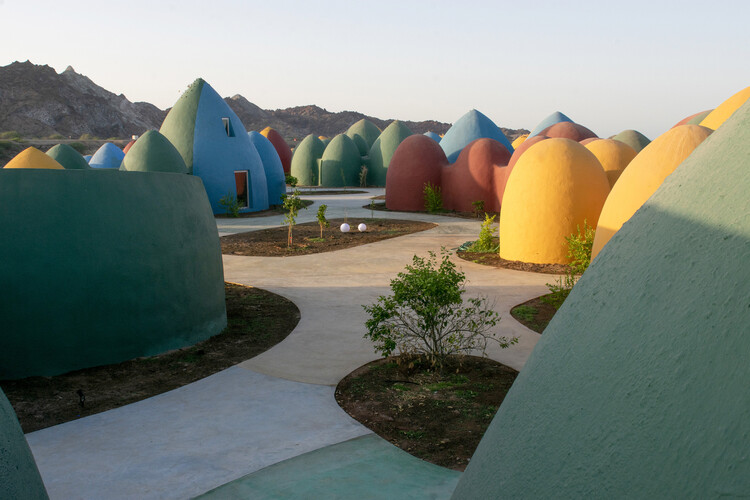
Hormuz Island, located in Iran, was a strategically significant port in the Persian Gulf, characterized by its landscape of colorful mountains. Despite its tourist appeal, the island faces significant socio-economic problems, with the local population having historically faced economic hardship. In response, the Majara Complex by ZAV Architects was conceived not merely as a building but as a deliberate architectural intervention designed to give control, opportunity, and economic benefit directly to the local community. To do this, the project channeled investment into local human resources and prioritized accessible construction techniques, creating a pathway for localized wealth creation. This allowed the Majara Complex to be one of the recipients of the Aga Khan Award for Architecture in 2025.

Beyond Disaster Relief: The Evolution of Super-Adobe Into Permanent Structures in Hormuz, Iran - Image 1 of 4Beyond Disaster Relief: The Evolution of Super-Adobe Into Permanent Structures in Hormuz, Iran - Image 2 of 4Beyond Disaster Relief: The Evolution of Super-Adobe Into Permanent Structures in Hormuz, Iran - Image 3 of 4Beyond Disaster Relief: The Evolution of Super-Adobe Into Permanent Structures in Hormuz, Iran - Image 4 of 4Beyond Disaster Relief: The Evolution of Super-Adobe Into Permanent Structures in Hormuz, Iran - More Images+ 4

Oman’s First-Ever Pavilion at the Venice Architecture Biennale 2025 Explores the Communal Sablah as a Model for the Future

The Sultanate of Oman has made its first appearance at the 19th International Architecture Exhibition - La Biennale di Venezia, presenting its debut national pavilion titled Traces. Curated by Omani architect Majeda Alhinai and commissioned by Sayyid Saeed bin Sultan bin Yarub Al Busaidi, Undersecretary of the Ministry of Culture, Sports and Youth for Culture, the pavilion is part of the exhibition's central theme, "Intelligens. Natural. Artificial. Collective." It will be on view until 23 November 2025 at the Arsenale in Venice, Italy.

Oman’s First-Ever Pavilion at the Venice Architecture Biennale 2025 Explores the Communal Sablah as a Model for the Future - Image 1 of 4Oman’s First-Ever Pavilion at the Venice Architecture Biennale 2025 Explores the Communal Sablah as a Model for the Future - Image 2 of 4Oman’s First-Ever Pavilion at the Venice Architecture Biennale 2025 Explores the Communal Sablah as a Model for the Future - Image 3 of 4Oman’s First-Ever Pavilion at the Venice Architecture Biennale 2025 Explores the Communal Sablah as a Model for the Future - Image 4 of 4Oman’s First-Ever Pavilion at the Venice Architecture Biennale 2025 Explores the Communal Sablah as a Model for the Future - More Images+ 23

Designing in Harmony with Nature: Architecture in Urban Wetlands and the Pursuit of Territorial Well-Being

Subscriber Access | 

What does it mean to design while considering the rhythms and cycles of nature? What social relationships and connections with the natural environment can cities foster today and in the future? In the face of a triple environmental crisis driven by climate change, biodiversity loss, and pollution, along with zoonotic pandemics, increasing mental and emotional health issues, and digital hyperconnectivity, Fundación Cosmos proposes to explore learnings, experiences, and tools aimed at connecting people with their territories. Through nature-based urban planning, the intervention in urban wetlands presents an opportunity to enhance, learn from, and conserve natural and cultural heritage in pursuit of a sustainable and resilient future.

Designing in Harmony with Nature: Architecture in Urban Wetlands and the Pursuit of Territorial Well-Being - Image 1 of 4Designing in Harmony with Nature: Architecture in Urban Wetlands and the Pursuit of Territorial Well-Being - Image 2 of 4Designing in Harmony with Nature: Architecture in Urban Wetlands and the Pursuit of Territorial Well-Being - Image 3 of 4Designing in Harmony with Nature: Architecture in Urban Wetlands and the Pursuit of Territorial Well-Being - Image 4 of 4Designing in Harmony with Nature: Architecture in Urban Wetlands and the Pursuit of Territorial Well-Being - More Images+ 37

Scaling the Threshold: When Community Architecture Becomes Too Large

Subscriber Access | 

When Hudson Yards opened in Manhattan in 2019, it promised a new urban neighborhood built from scratch. 16 towers with 4,000 residential units were erected in hopes of creating a strong community. Despite its lavish amenities and lofty public plazas, a peculiar emptiness persisted. The development felt anonymous, speaking to a fundamental truth about human social capacity.

Scaling the Threshold: When Community Architecture Becomes Too Large - Image 1 of 4Scaling the Threshold: When Community Architecture Becomes Too Large - Image 2 of 4Scaling the Threshold: When Community Architecture Becomes Too Large - Image 3 of 4Scaling the Threshold: When Community Architecture Becomes Too Large - Image 4 of 4Scaling the Threshold: When Community Architecture Becomes Too Large - More Images+ 2

MVRDV Breaks Ground on the Innovation Park Artificial Intelligence Campus in Heilbronn, Germany

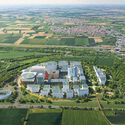
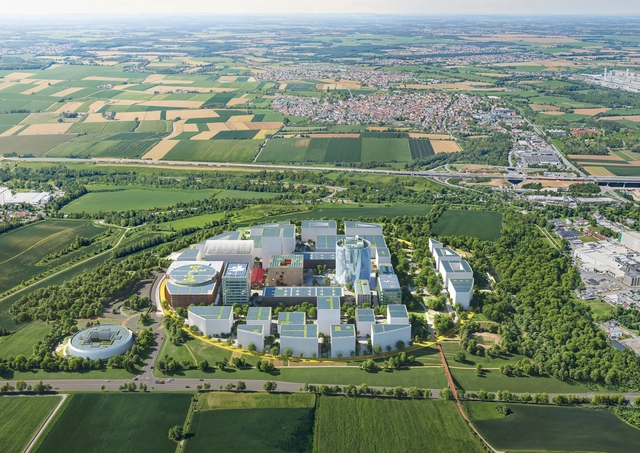
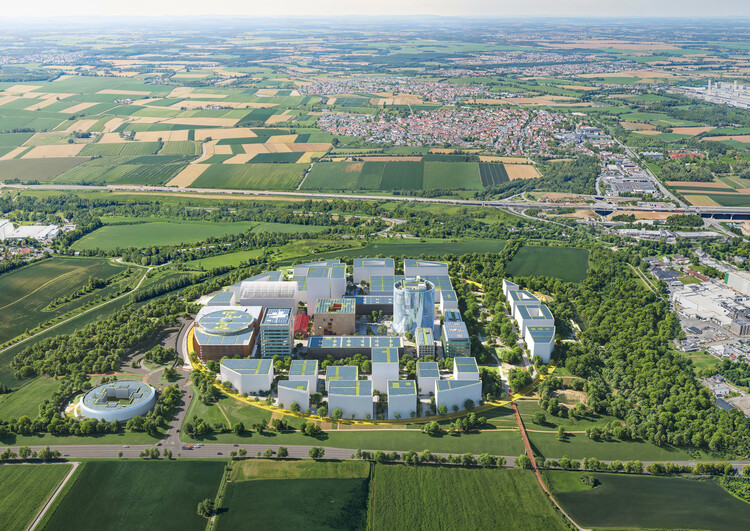
Construction began on the Innovation Park Artificial Intelligence (IPAI) Campus in Heilbronn, Germany, designed by the Dutch architectural firm MVRDV. Developed by the IPAI Konsortium, which includes the State of Baden-Württemberg, the Dieter Schwarz Foundation, Schwarz Gruppe, and the City of Heilbronn, the 30-hectare campus is envisioned as an international hub for over 5,000 professionals advancing innovative and responsible AI solutions. Centered on principles of openness, collaboration, and sustainability, the project aims to integrate workplaces, public spaces, and research facilities, establishing a setting where technology and human interaction coexist.

MVRDV Breaks Ground on the Innovation Park Artificial Intelligence Campus in Heilbronn, Germany - Image 1 of 4MVRDV Breaks Ground on the Innovation Park Artificial Intelligence Campus in Heilbronn, Germany - Image 2 of 4MVRDV Breaks Ground on the Innovation Park Artificial Intelligence Campus in Heilbronn, Germany - Image 3 of 4MVRDV Breaks Ground on the Innovation Park Artificial Intelligence Campus in Heilbronn, Germany - Image 4 of 4MVRDV Breaks Ground on the Innovation Park Artificial Intelligence Campus in Heilbronn, Germany - More Images+ 12

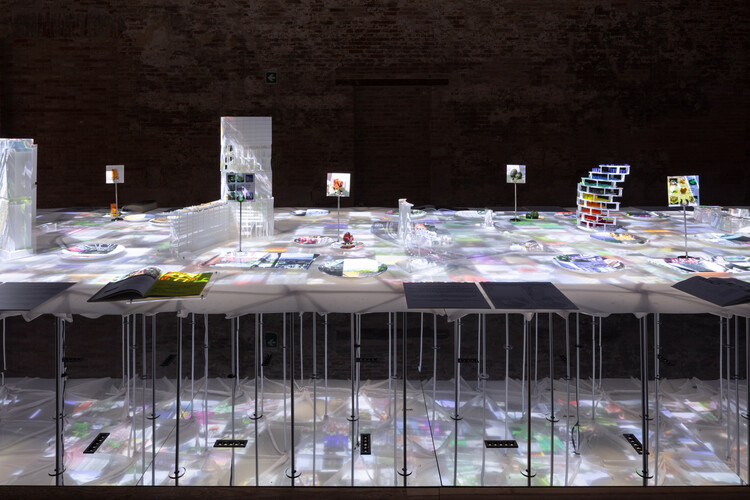
The Singapore Pavilion at the Venice Architecture Biennale Reimagines the City-State as a Dining Table

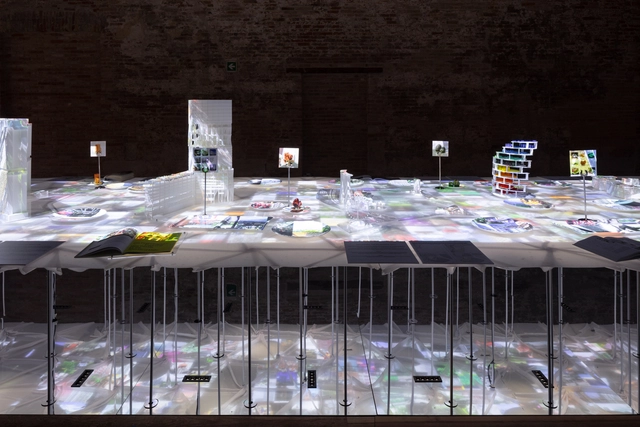
2025 marks the 60th anniversary of Singapore's independence, commemorating its separation from Malaysia on August 9, 1965. The occasion is celebrated in the country's national pavilion at the 19th Venice Architecture Biennale with a multisensory installation that honors Singapore's diversity and reimagines city-making through food, culture, and collective design. Titled RASA–TABULA–SINGAPURA, the installation invites visitors to take a seat at the Table of Superdiversity: an enticing reimagining of city-making and nation-building through the universal act of dining. According to the curatorial team from the Singapore University of Technology and Design (SUTD), the purpose of the installation is to showcase how the convergence of multicultural differences, collective histories, design, and new technology creates opportunities for more inclusive and adaptive urban futures.

The Singapore Pavilion at the Venice Architecture Biennale Reimagines the City-State as a Dining Table - Image 1 of 4The Singapore Pavilion at the Venice Architecture Biennale Reimagines the City-State as a Dining Table - Image 2 of 4The Singapore Pavilion at the Venice Architecture Biennale Reimagines the City-State as a Dining Table - Image 3 of 4The Singapore Pavilion at the Venice Architecture Biennale Reimagines the City-State as a Dining Table - Image 4 of 4The Singapore Pavilion at the Venice Architecture Biennale Reimagines the City-State as a Dining Table - More Images+ 20

The Spatial Agency Gap: Rethinking Public Space through Co-Designing with Foreign Domestic Workers

Subscriber Access | 

Domestic workers in Hong Kong and Singapore are the city's quiet infrastructure. In Hong Kong alone, there are a total of roughly 300,000 domestic workers, serving a portion of the approximate 2.7 million households. Their care labor sustains dual-income family routines: childcare, eldercare, cooking, cleaning, and the everyday logistics that make professional life possible. Yet the people who hold this balance together remain largely invisible in policy—and, crucially, in space.

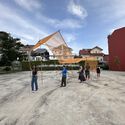
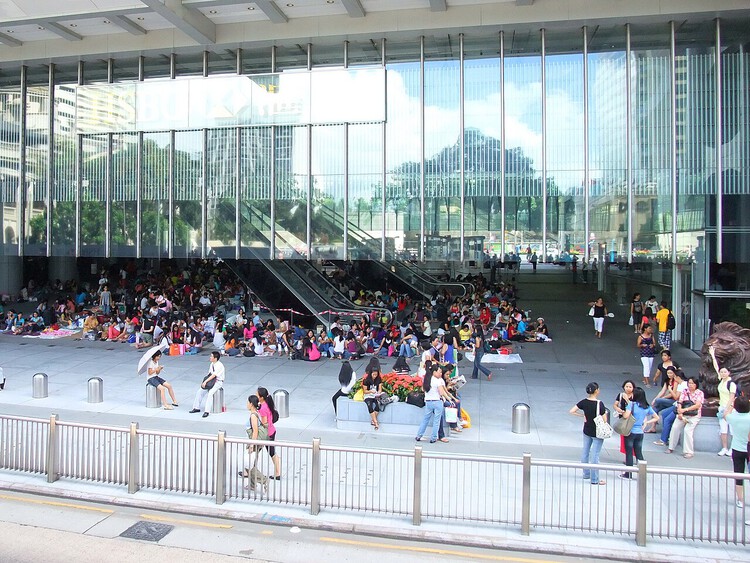
On Sundays in Hong Kong's financial district, that invisibility becomes visible. Elevated walkways and podium forecourts—underused on weekends—turn into ad-hoc commons. With cardboard mats, small tents, towels, food and water, and a music speaker or two, domestic workers assemble places to sit, rest, and socialize. These improvised rooms in the city are often their only chance to exercise spatial agency—something they rarely have in the homes they maintain or in formal public infrastructure. In the absence of sanctioned, serviced places for rest, quieter bridges and passages become practical stand-ins.


The Spatial Agency Gap: Rethinking Public Space through Co-Designing with Foreign Domestic Workers - Image 1 of 4The Spatial Agency Gap: Rethinking Public Space through Co-Designing with Foreign Domestic Workers - Image 2 of 4The Spatial Agency Gap: Rethinking Public Space through Co-Designing with Foreign Domestic Workers - Image 3 of 4The Spatial Agency Gap: Rethinking Public Space through Co-Designing with Foreign Domestic Workers - Image 4 of 4The Spatial Agency Gap: Rethinking Public Space through Co-Designing with Foreign Domestic Workers - More Images+ 17