1. ArchDaily
  2. Architecture

Architecture: The Latest Architecture and News

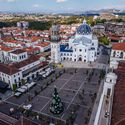
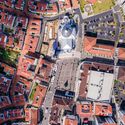
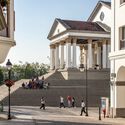
The Corporate City: Three Models of Company Town Design

Subscriber Access | 

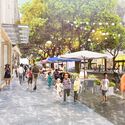
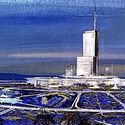
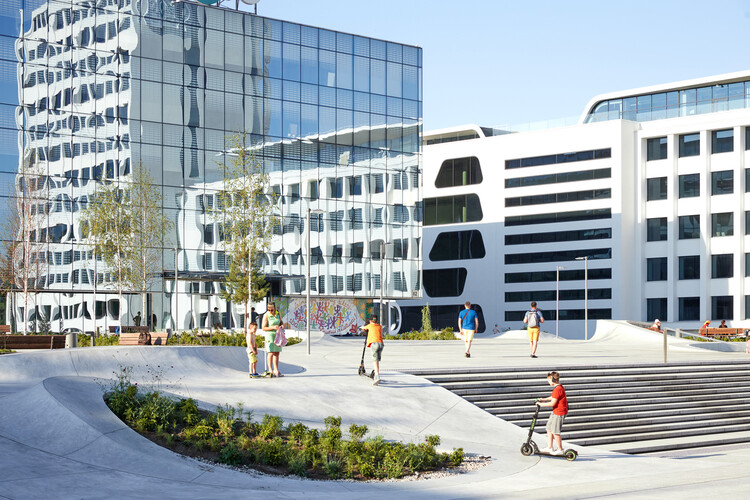
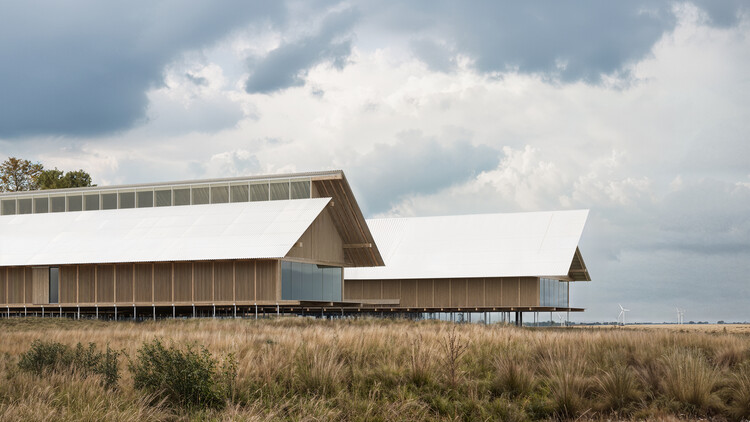
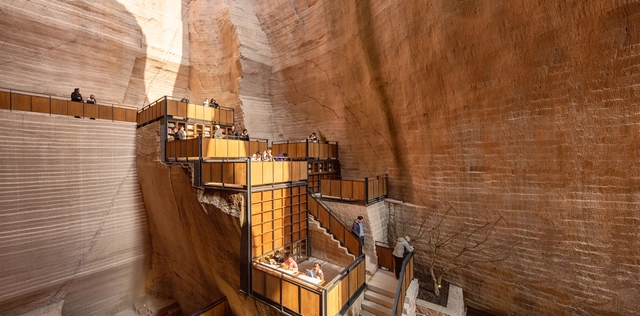
For over a century and a half, corporations have periodically taken on the role of city builders. Neighborhoods or even entire settlements that exist at the intersection of commerce and civic life, "company towns" are recurring urban types. The corporate city has long reshaped itself to match the spirit of each era, whether through the pastoral idealism of industrial England or the cinematic optimism of mid-century America. In its latest guise, the mixed-income campus district, architecture becomes a language of belonging, branding, and quiet persuasion.

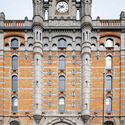
The Corporate City: Three Models of Company Town Design - Image 1 of 4The Corporate City: Three Models of Company Town Design - Image 2 of 4The Corporate City: Three Models of Company Town Design - Image 3 of 4The Corporate City: Three Models of Company Town Design - Image 4 of 4The Corporate City: Three Models of Company Town Design - More Images+ 3

Belgium’s Architecture Offices Through the Lens of Marc Goodwin

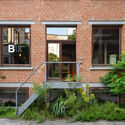
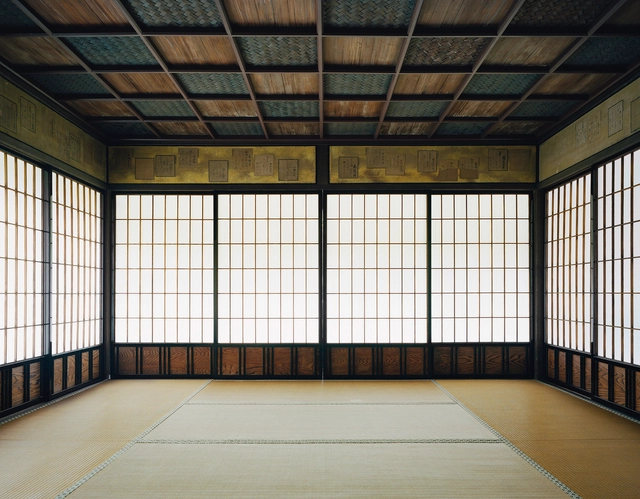
Photographer Marc Goodwin has extended his Atlas of Architectural Atmospheres to Belgium, capturing the workspaces of architecture studios in Antwerp, Brussels, and Ghent. The series includes large offices such as B-architecten, POLO, and Binst Architects, alongside smaller-scale practices like Studio Okami, Stand Van Zaken, and Bruno Spaas Architectuur. Many of them occupy buildings with layered pasts from former workshops, to cinemas, and from storage facilities, to waterfront structures.

In addition to photographing the studios, Goodwin asked each practice the same question: "What makes for a good office space and office culture for you?" Their responses accompany the images, offering insight into how architects define the atmosphere of their workplaces. Studio Okami describes its workplace as a "home office away from home," while Brut highlights the role of shared meals and greenery in softening their penthouse space.

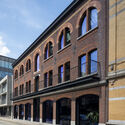
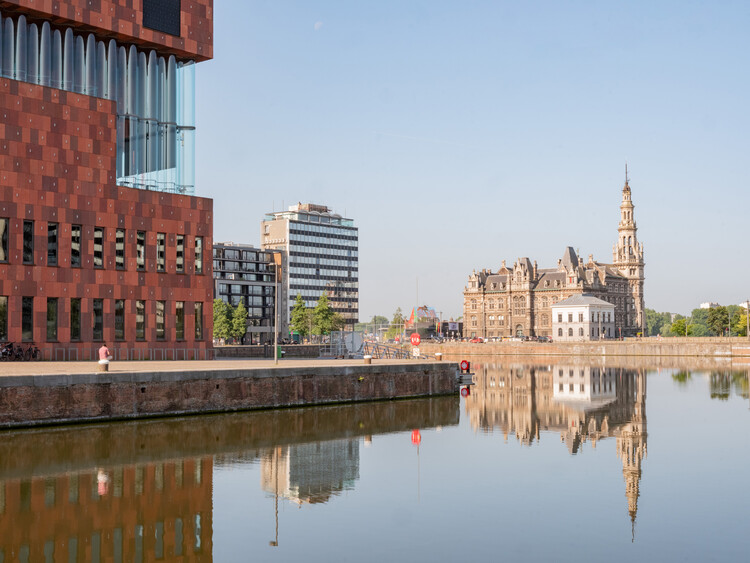
Belgium’s Architecture Offices Through the Lens of Marc Goodwin - Image 1 of 4Belgium’s Architecture Offices Through the Lens of Marc Goodwin - Image 2 of 4Belgium’s Architecture Offices Through the Lens of Marc Goodwin - Image 3 of 4Belgium’s Architecture Offices Through the Lens of Marc Goodwin - Image 4 of 4Belgium’s Architecture Offices Through the Lens of Marc Goodwin - More Images+ 23

Fondation Cartier Reopens in Jean-Nouvel-Designed Paris Building With Exhibition by Formafantasma

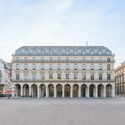
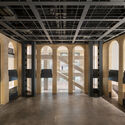
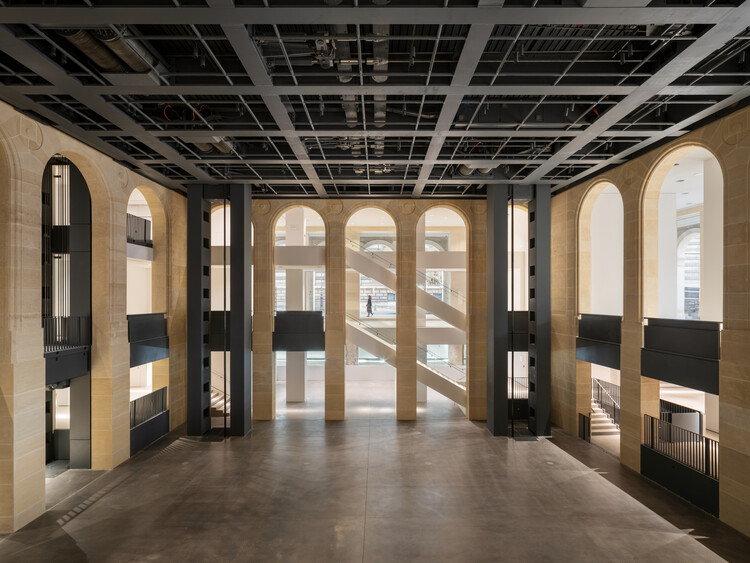
On October 25, 2025, the Fondation Cartier Pour l'Art Contemporain will open its new premises to the public with an inaugural exhibition drawn from its own Collection, entitled Exposition Générale. Located in the heart of Paris, the new space occupies a Haussmannian building that once housed the Grands Magasins du Louvre, recently reimagined by Jean Nouvel. Conceived as a dynamic architecture with five mobile platforms, the building was designed to expand the possibilities of a traditional exhibition venue. These mechanisms aim to accommodate all forms of visual expression, including photography, cinema, the performing arts, science, and craft, within a space that resonates with the urban life of Paris and engages with questions of urban planning and ecology. Within these parameters, the inaugural exhibition brings together more than 600 works by over 100 artists in a contemporary scenography designed by Formafantasma.

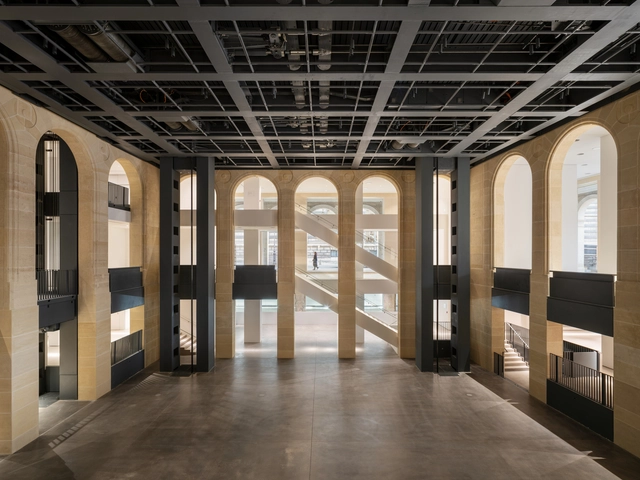
Fondation Cartier Reopens in Jean-Nouvel-Designed Paris Building With Exhibition by Formafantasma  - Image 1 of 4Fondation Cartier Reopens in Jean-Nouvel-Designed Paris Building With Exhibition by Formafantasma  - Featured ImageFondation Cartier Reopens in Jean-Nouvel-Designed Paris Building With Exhibition by Formafantasma  - Image 2 of 4Fondation Cartier Reopens in Jean-Nouvel-Designed Paris Building With Exhibition by Formafantasma  - Image 3 of 4Fondation Cartier Reopens in Jean-Nouvel-Designed Paris Building With Exhibition by Formafantasma  - More Images+ 36

Guesthouses and Lessons in Generosity: Spaces of Hospitality in Rural America

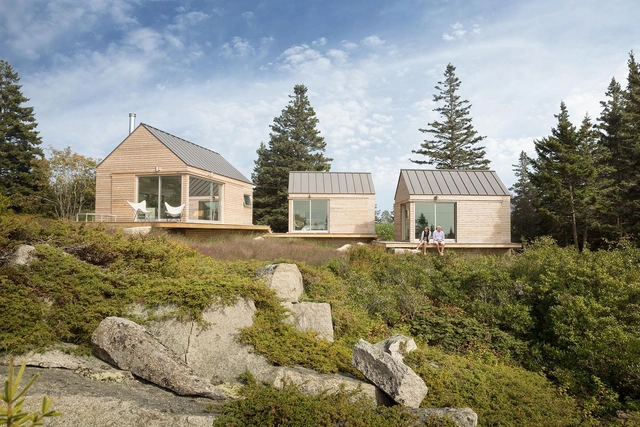
Spaces of hospitality are a mirror to how different cultures articulate generosity, care, belonging, and identity. In busy city settings, this is reflected in hotels, service systems, and curated amenities that directly shape the visitor experience. These spaces translate care into measurable forms, where success is correlated with efficiency, luxury, and brand identity.

In rural America, hospitality operates with a different logic. In these environments, care is grounded in labor and community, while directly responding to the specific ecological and cultural geographies. Distance, limited infrastructure, and close social networks demand forms of architecture that are flexible and self-sufficient. Designs respond to shifting weather, local materials, and a culture where support often begins with neighbors. In this landscape, architectural thresholds of hospitality emerge in responsive, yet unexpected, ways.

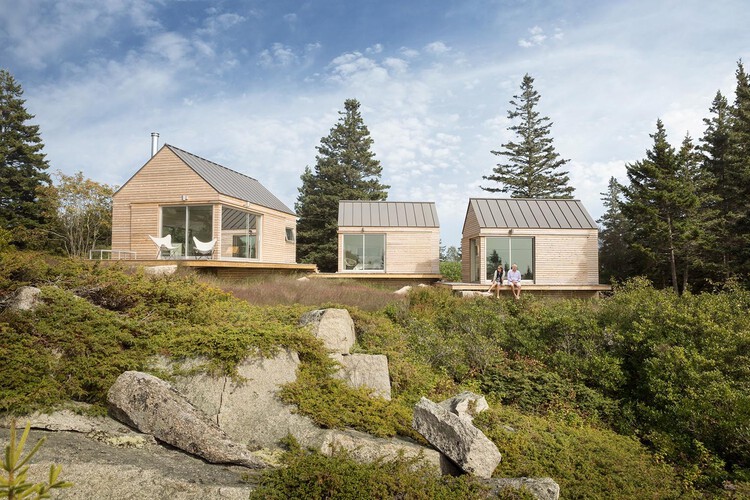
Guesthouses and Lessons in Generosity: Spaces of Hospitality in Rural America - Image 1 of 4Guesthouses and Lessons in Generosity: Spaces of Hospitality in Rural America - Image 3 of 4Guesthouses and Lessons in Generosity: Spaces of Hospitality in Rural America - Image 2 of 4Guesthouses and Lessons in Generosity: Spaces of Hospitality in Rural America - Image 4 of 4Guesthouses and Lessons in Generosity: Spaces of Hospitality in Rural America - More Images+ 39

Architecture as Soft Power: Cultural Diplomacy and Its Role in Shaping Architectural Production

Cultural diplomacy refers to the use of cultural expression and creative exchange to foster understanding and build relationships between nations. In this context, architecture has long played a distinctive role. Beyond its functional and aesthetic dimensions, it serves as a medium of communication, a language through which countries express identity, values, and ambition on the global stage.

Architecture operates as a form of soft power — persuasive rather than coercive — enabling nations to project influence through material presence. From modernist embassies in the post-war era to monumental pavilions at world expositions, governments and institutions have recognized the built environment's potential to shape perception. By commissioning prominent architects and adopting specific design languages, countries have used architecture to signal modernity, tradition, innovation, or stability.

Architecture as Soft Power: Cultural Diplomacy and Its Role in Shaping Architectural Production - Image 1 of 4Architecture as Soft Power: Cultural Diplomacy and Its Role in Shaping Architectural Production - Image 2 of 4Architecture as Soft Power: Cultural Diplomacy and Its Role in Shaping Architectural Production - Image 3 of 4Architecture as Soft Power: Cultural Diplomacy and Its Role in Shaping Architectural Production - Image 4 of 4Architecture as Soft Power: Cultural Diplomacy and Its Role in Shaping Architectural Production - More Images+ 20

Tola Ojuolape: Weaving Culture and Narrative into Interior Architecture

 | Sponsored Content

In the world of interior architecture, where creativity and culture intersect, Tola Ojuolape stands as a designer whose work is a testament to personal narrative. From her early studies in art and construction to her degree in interior architecture, Tola's career has been shaped by a deep connection to her Nigerian heritage, discovered during her travels back to the African continent. This journey has profoundly influenced her design philosophy, creating a process tightly woven with history, culture, and a sense of place.

Appleby Blue Almshouse by Witherford Watson Mann Architects Wins RIBA Stirling Prize 2025

The RIBA Stirling Prize 2025 has been awarded to Appleby Blue Almshouse by Witherford Watson Mann Architects, a new social housing development for older residents in London. Presented annually by the Royal Institute of British Architects (RIBA) since 1996, the prize recognizes the UK's best new building, celebrating architectural excellence, innovation, and social impact. This marks the second Stirling Prize win for Witherford Watson Mann Architects, following their 2013 recognition for Astley Castle, and continues their trajectory as a practice that engages deeply with social and cultural contexts. The firm was also shortlisted in 2019 and 2023.

Appleby Blue Almshouse by Witherford Watson Mann Architects Wins RIBA Stirling Prize 2025 - Image 1 of 4Appleby Blue Almshouse by Witherford Watson Mann Architects Wins RIBA Stirling Prize 2025 - Image 2 of 4Appleby Blue Almshouse by Witherford Watson Mann Architects Wins RIBA Stirling Prize 2025 - Image 3 of 4Appleby Blue Almshouse by Witherford Watson Mann Architects Wins RIBA Stirling Prize 2025 - Image 4 of 4Appleby Blue Almshouse by Witherford Watson Mann Architects Wins RIBA Stirling Prize 2025 - More Images

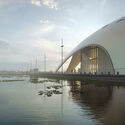
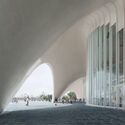
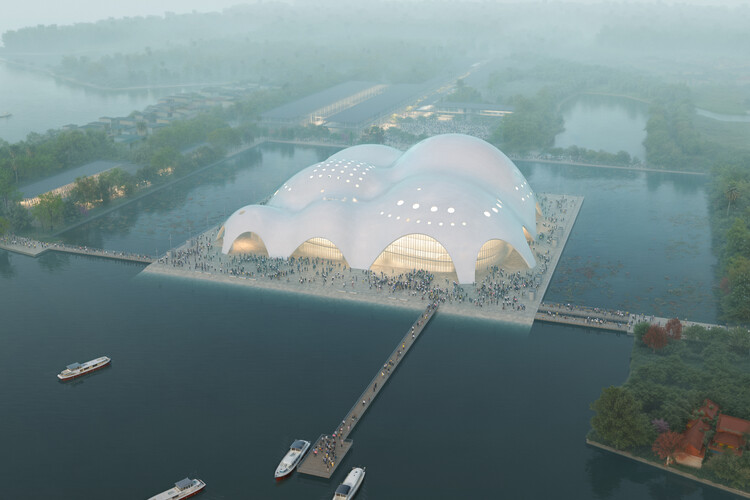
Renzo Piano Building Workshop Designs Curved Concrete Opera Hall Rising from Hanoi’s West Lake

Renzo Piano Building Workshop (RPBW), in collaboration with Sydney and Hanoi-based PTW Architects, has begun construction of the Isola della Musica, a new opera house and convention center in Hanoi, Vietnam. Commissioned by Sun Group, the project was first conceived in 2017 and forms part of a broader masterplan that reshapes the existing boundary between West Lake and Đầm Trị Lake. Inspired by the region's history of pearl cultivation, the building features a series of curved concrete shells whose forms and surfaces evoke the texture and luminosity of mother-of-pearl.

Renzo Piano Building Workshop Designs Curved Concrete Opera Hall Rising from Hanoi’s West Lake - Image 1 of 4Renzo Piano Building Workshop Designs Curved Concrete Opera Hall Rising from Hanoi’s West Lake - Image 2 of 4Renzo Piano Building Workshop Designs Curved Concrete Opera Hall Rising from Hanoi’s West Lake - Image 3 of 4Renzo Piano Building Workshop Designs Curved Concrete Opera Hall Rising from Hanoi’s West Lake - Image 4 of 4Renzo Piano Building Workshop Designs Curved Concrete Opera Hall Rising from Hanoi’s West Lake - More Images+ 6

The Safari Lodge: An Overlooked Typology with Social and Environmental Potential

Subscriber Access | 

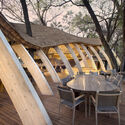
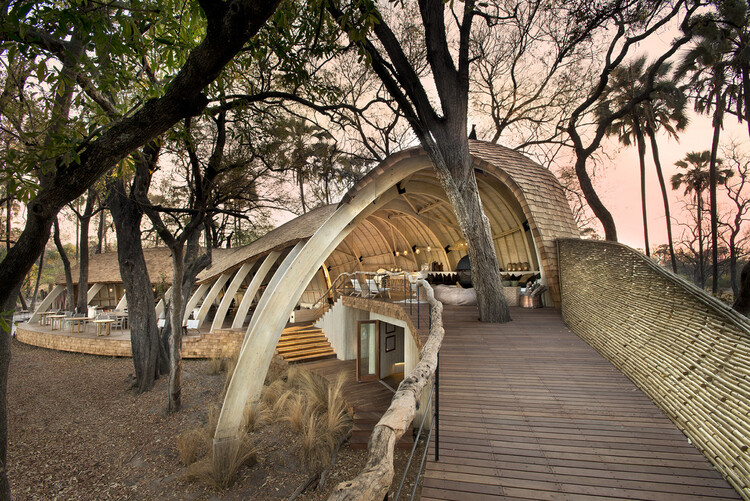
In Eastern and Southern Africa, safari lodges attract tourists from around the world wishing to witness the landscapes and fauna of the natural world. Usually situated in national parks and game reserves, their remote locations make for costly journeys and are therefore suitable for luxury stays. Often overlooked as an architectural typology, many lodges risk falling into the trap of being contextually insensitive or crudely mimicking vernacular building methods, resulting in pastiche. On the other hand, the safari lodge sits at the intersection of the man-made and natural worlds, bringing together rural dwellers and townfolk, wealth and poverty, wildlife and humans. Thus, it can be an opportunity to design with the highest social and environmental responsibility.

The Safari Lodge: An Overlooked Typology with Social and Environmental Potential - Image 1 of 4The Safari Lodge: An Overlooked Typology with Social and Environmental Potential - Image 2 of 4The Safari Lodge: An Overlooked Typology with Social and Environmental Potential - Image 3 of 4The Safari Lodge: An Overlooked Typology with Social and Environmental Potential - Image 4 of 4The Safari Lodge: An Overlooked Typology with Social and Environmental Potential - More Images+ 9

Frankfurt Architecture City Guide: 20 Projects Tracing a Skyline Between History and Modernity

Subscriber Access | 

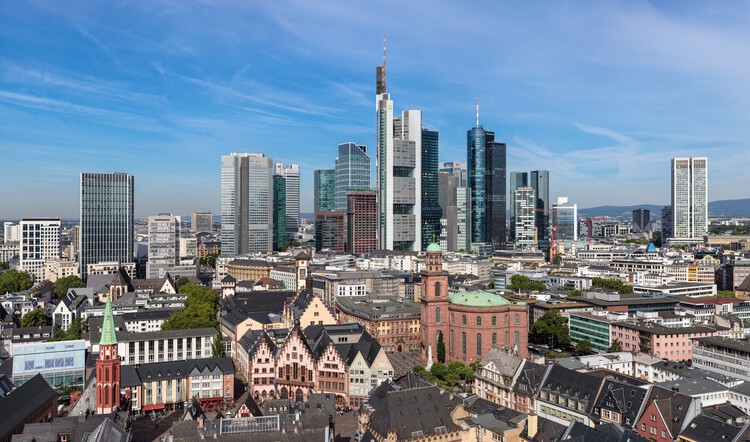
Frankfurt is often recognised for its distinctive skyline, a rare feature in European cities. Towering glass skyscrapers mark its role as a global financial hub, yet beneath this vertical image lies a city layered with centuries of history, destruction, and reconstruction. From medieval timber-framed houses to post-war modernism and contemporary high-rises, Frankfurt has consistently reinvented itself through architecture, producing a built environment where different periods coexist in dialogue.

The city's transformation accelerated after World War II, when much of its historic core was destroyed and planners sought to balance rapid economic growth with the need for cultural reconstruction. Landmarks such as the Römerberg square were meticulously rebuilt, while modernist interventions and infrastructural projects introduced new scales and languages. More recently, projects by internationally renowned offices have reshaped the riverfront and business districts, adding architectural icons that express Frankfurt's global role.

Frankfurt Architecture City Guide: 20 Projects Tracing a Skyline Between History and Modernity - Image 1 of 4Frankfurt Architecture City Guide: 20 Projects Tracing a Skyline Between History and Modernity - Image 2 of 4Frankfurt Architecture City Guide: 20 Projects Tracing a Skyline Between History and Modernity - Image 3 of 4Frankfurt Architecture City Guide: 20 Projects Tracing a Skyline Between History and Modernity - Image 4 of 4Frankfurt Architecture City Guide: 20 Projects Tracing a Skyline Between History and Modernity - More Images+ 23

Cobe Unveils Design for Museum Wegner in Tønder, Denmark

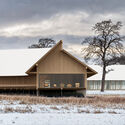
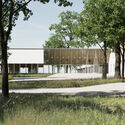
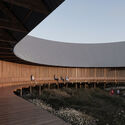
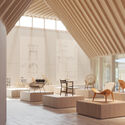
Cobe has revealed the design for Museum Wegner in Tønder, Denmark, a new cultural institution dedicated to the life and work of renowned Danish designer Hans J. Wegner. The museum will be located at Hestholm, a historic farm dating back to 1445, and will combine the adaptive reuse of existing structures with a contemporary extension. Selected as the project architect in February 2024 following a competitive interview process, Cobe is now moving the design toward realization with strong local and national support.

Cobe Unveils Design for Museum Wegner in Tønder, Denmark - Image 1 of 4Cobe Unveils Design for Museum Wegner in Tønder, Denmark - Image 2 of 4Cobe Unveils Design for Museum Wegner in Tønder, Denmark - Image 3 of 4Cobe Unveils Design for Museum Wegner in Tønder, Denmark - Image 4 of 4Cobe Unveils Design for Museum Wegner in Tønder, Denmark - More Images+ 2

Expo Gold for Bahrain and Dubai's Gateway Metro: This Week's Review

This week in architecture, global recognitions and new unveilings underscored the field's growing commitment to climate awareness, cultural continuity, and adaptive reuse. From Expo 2025 Osaka's closing ceremonies to international award announcements, the focus turned to architects and designers redefining the relationship between place, material, and community. Alongside these recognitions, major new projects, from Dubai to California, illustrated how design continues to evolve across scales: shaping cities, preserving heritage, and addressing urgent global challenges through context-driven architecture.

Expo Gold for Bahrain and Dubai's Gateway Metro: This Week's Review - Image 1 of 4Expo Gold for Bahrain and Dubai's Gateway Metro: This Week's Review - Image 2 of 4Expo Gold for Bahrain and Dubai's Gateway Metro: This Week's Review - Image 3 of 4Expo Gold for Bahrain and Dubai's Gateway Metro: This Week's Review - Image 4 of 4Expo Gold for Bahrain and Dubai's Gateway Metro: This Week's Review - More Images+ 15

Climate, Craft, and Continuity: Behind the Global Recognition of Bahrain’s Architecture

Bahrain's architectural participations in the international exhibitions have gained increasing global recognition, marked most recently by major awards at Expo 2025 Osaka and the Venice Architecture Biennale. These milestones reflect a broader trajectory in which the country's design culture, rooted in climatic intelligence and cultural continuity, has become a prominent voice in international conversations on context-driven architecture.

This growing visibility builds upon a deep architectural lineage. Bahrain's identity has long been shaped by its position as a maritime crossroads of the Arabian Gulf, where the legacy of pearling settlements and the compact urban fabric of Muharraq and Manama reveal a dialogue between local traditions and global exchange. Today, that dialogue evolves through practices that merge preservation with experimentation, translating heritage into a contemporary architectural language that is both place-specific and forward-looking.

Climate, Craft, and Continuity:  Behind the Global Recognition of Bahrain’s Architecture - Image 1 of 4Climate, Craft, and Continuity:  Behind the Global Recognition of Bahrain’s Architecture - Image 2 of 4Climate, Craft, and Continuity:  Behind the Global Recognition of Bahrain’s Architecture - Image 3 of 4Climate, Craft, and Continuity:  Behind the Global Recognition of Bahrain’s Architecture - Image 4 of 4Climate, Craft, and Continuity:  Behind the Global Recognition of Bahrain’s Architecture - More Images+ 4

Mexican Architect Mario Schjetnan and Grupo de Diseño Urbano Awarded the 2025 Oberlander Prize for Landscape Architecture

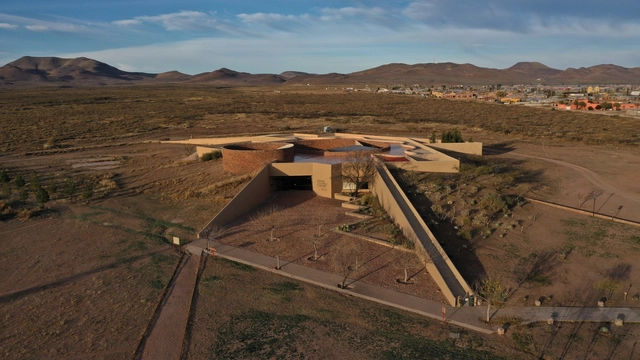
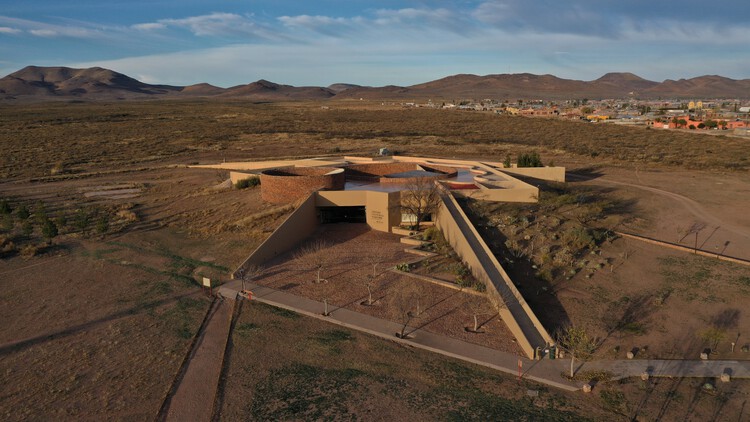
The biennial Cornelia Hahn Oberlander International Landscape Architecture Prize was established to increase the visibility, understanding, appreciation, and dialogue around landscape architecture. The creation of the Oberlander Prize began in 2014, and the most recent laureate was landscape architect Kongjian Yu, the pioneer of the "Sponge City" concept. This year, The Cultural Landscape Foundation (TCLF) announced that Mexico City-based landscape architect Mario Schjetnan and his firm Grupo de Diseño Urbano (GDU) are the recipients of the 2025 Oberlander Prize. According to TCLF, Schjetnan belongs to a generation of landscape architects, architects, and urbanists who became aware of the environmental impacts of urban development and their consequences for life, the planet, and its inhabitants. He and the GDU team are the first Latin Americans to be awarded the Oberlander Prize laureate.

Mexican Architect Mario Schjetnan and Grupo de Diseño Urbano Awarded the 2025 Oberlander Prize for Landscape Architecture - Image 1 of 4Mexican Architect Mario Schjetnan and Grupo de Diseño Urbano Awarded the 2025 Oberlander Prize for Landscape Architecture - Image 2 of 4Mexican Architect Mario Schjetnan and Grupo de Diseño Urbano Awarded the 2025 Oberlander Prize for Landscape Architecture - Image 3 of 4Mexican Architect Mario Schjetnan and Grupo de Diseño Urbano Awarded the 2025 Oberlander Prize for Landscape Architecture - Image 4 of 4Mexican Architect Mario Schjetnan and Grupo de Diseño Urbano Awarded the 2025 Oberlander Prize for Landscape Architecture - More Images+ 7

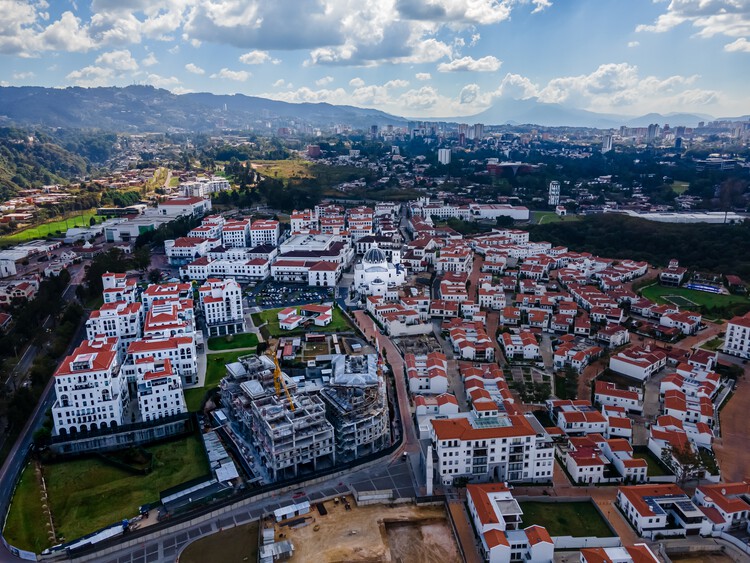
The Cayala Paradox: How Are Private Districts Shaping Public Space Design in Guatemala?

Subscriber Access | 

Ciudad Cayalá, a privately developed, mixed-use community on the outskirts of Guatemala City, is often described as a "theme park" of white lime-washed walls, red tiles, and cobbled plazas. A closer examination, however, reveals a more complex urban narrative. Its significance, however, lies in its capacity to create a safe and well-managed public space, proposing a modern reinterpretation of historic urban principles that mark the region's architectural and urban heritage. Behind the Antigua-style façades lies an urban experiment: a modern re-engagement with architectural elements like arcades, courtyards, and open plazas, which propose a privately-managed public space as a solution to urban challenges in the region.

The Cayala Paradox: How Are Private Districts Shaping Public Space Design in Guatemala? - Image 2 of 4The Cayala Paradox: How Are Private Districts Shaping Public Space Design in Guatemala? - Image 1 of 4The Cayala Paradox: How Are Private Districts Shaping Public Space Design in Guatemala? - Image 3 of 4The Cayala Paradox: How Are Private Districts Shaping Public Space Design in Guatemala? - Image 6 of 4The Cayala Paradox: How Are Private Districts Shaping Public Space Design in Guatemala? - More Images+ 5

From Overlooked Waste to Circular Opportunity: Plastics in Construction

Subscriber Access | 

Like the famous Russian Matryoshka doll, opening a package often feels like uncovering endless layers. Inside a cardboard box, there might be molded Styrofoam, then several plastic air pillows, and finally, individual plastic wrapping around each piece. Even a small product can leave behind a trail of plastic waste far larger than its size. Now imagine this logic applied to a construction site where every component, every delivery of materials, often arrives wrapped in multiple layers of protection. What already seems excessive in retail becomes monumental when repeated daily on large construction projects.

From Overlooked Waste to Circular Opportunity: Plastics in Construction - Image 1 of 4From Overlooked Waste to Circular Opportunity: Plastics in Construction - Image 2 of 4From Overlooked Waste to Circular Opportunity: Plastics in Construction - Image 3 of 4From Overlooked Waste to Circular Opportunity: Plastics in Construction - Image 4 of 4From Overlooked Waste to Circular Opportunity: Plastics in Construction - More Images+ 3

BIG Reveals “The Sail” Congress Center on the Seine Riverfront in France

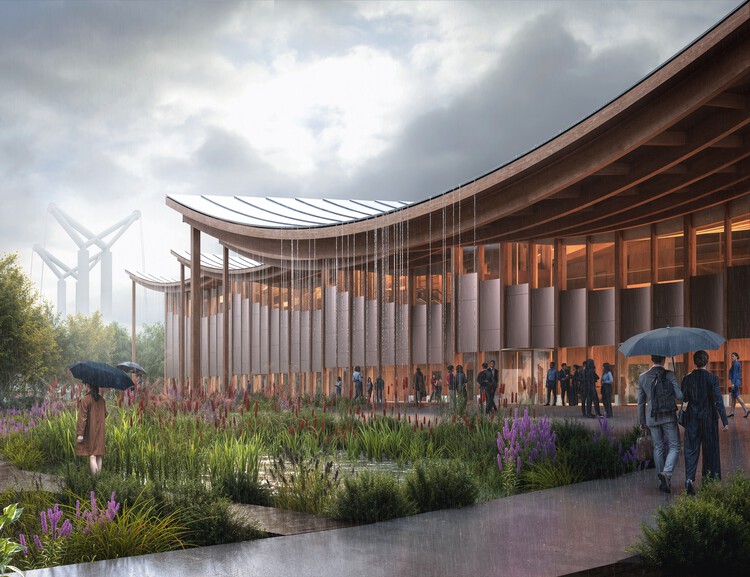
Bjarke Ingels Group (BIG) has unveiled the design for a new congress center in Rouen, France, featuring a distinctive sweeping timber roof that reflects the city's long-standing relationship with the water. Located along the Seine riverfront, the building, nicknamed "The Sail," is envisioned as a public gathering place that reconnects the city with its waterfront while offering new cultural and civic amenities. Designed for the Rouen Normandy Metropolis, the project combines contemporary architectural expression with references to Rouen's maritime and urban heritage.

BIG Reveals “The Sail” Congress Center on the Seine Riverfront in France - Image 1 of 4BIG Reveals “The Sail” Congress Center on the Seine Riverfront in France - Featured ImageBIG Reveals “The Sail” Congress Center on the Seine Riverfront in France - Image 2 of 4BIG Reveals “The Sail” Congress Center on the Seine Riverfront in France - Image 3 of 4BIG Reveals “The Sail” Congress Center on the Seine Riverfront in France - More Images+ 12

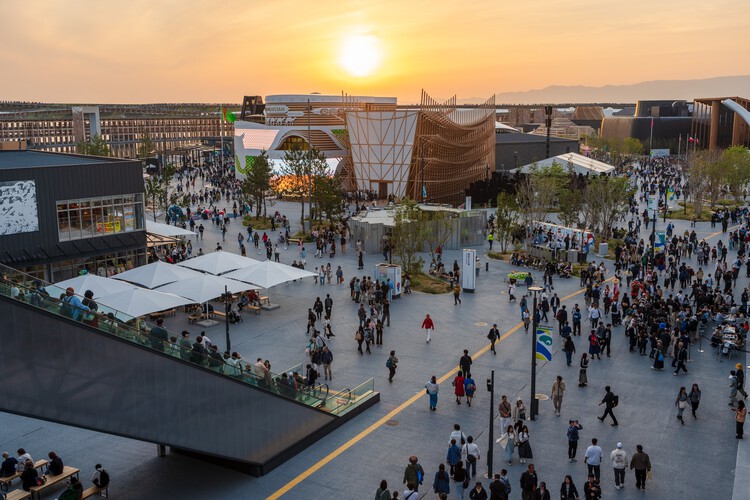
Expo Osaka 2025 Concludes After Six Months of Discussions on Saving, Empowering, and Connecting Lives

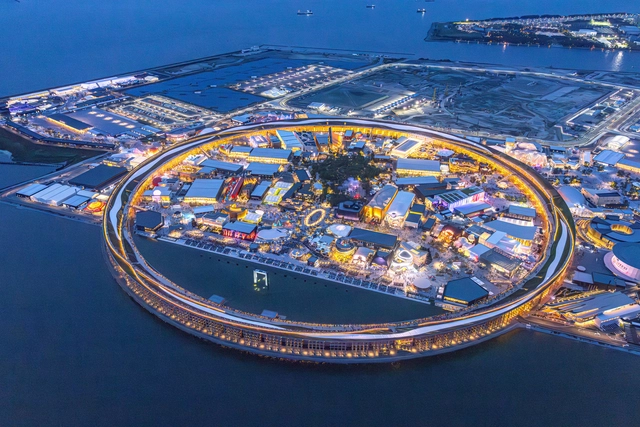
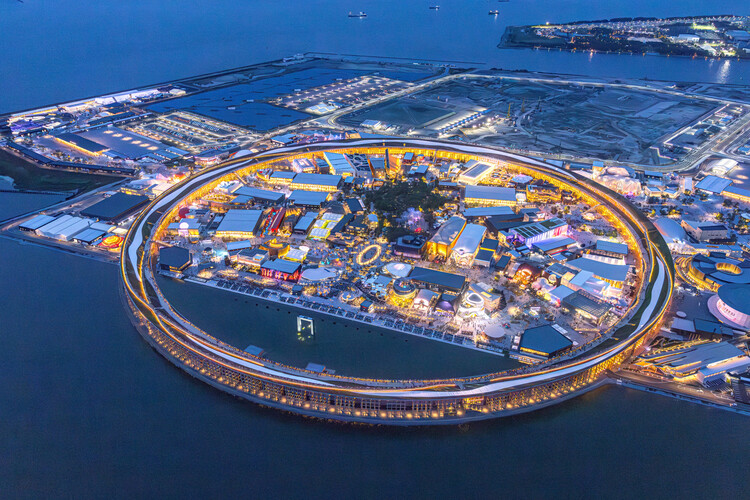
Monday, October 13th, marked the conclusion of Expo Osaka 2025. The exhibition gathered representatives from 165 countries and international organizations and welcomed around 28 million visitors to Yumeshima, a reclaimed site in Osaka Bay. The site was reimagined through a masterplan and bounded by a Guinness World Record-breaking wooden circular structure, both designed by Sou Fujimoto Architects. Over 184 days, participants were able to visit the self-built, modular, and shared pavilions, national exhibitions, and public activities organized under the overarching theme "Designing Future Society for Our Lives." During its six-month run, the Expo set out to explore three pivotal subthemes, Saving Lives, Empowering Lives, and Connecting Lives, as an invitation to bring together new perspectives for our built and social ecosystem.


Expo Osaka 2025 Concludes After Six Months of Discussions on Saving, Empowering, and Connecting Lives - Image 1 of 4Expo Osaka 2025 Concludes After Six Months of Discussions on Saving, Empowering, and Connecting Lives - Image 2 of 4Expo Osaka 2025 Concludes After Six Months of Discussions on Saving, Empowering, and Connecting Lives - Image 3 of 4Expo Osaka 2025 Concludes After Six Months of Discussions on Saving, Empowering, and Connecting Lives - Image 4 of 4Expo Osaka 2025 Concludes After Six Months of Discussions on Saving, Empowering, and Connecting Lives - More Images+ 5