1. ArchDaily
  2. Architecture

Architecture: The Latest Architecture and News

Zaha Hadid Architects and Bureau Cube Partners Design Mixed-Use Alta Bank Tower in New Belgrade, Serbia

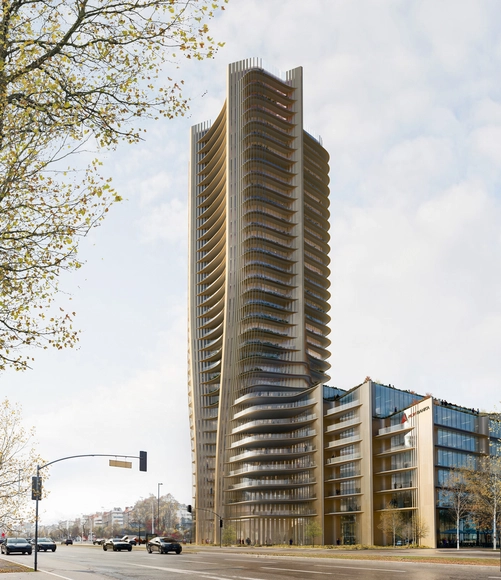
Zaha Hadid Architects, in collaboration with Bureau Cube Partners, have won an international competition to design a new tower for Alta Bank in New Belgrade, Serbia. Conceived as a mixed-use development, the project integrates the bank's new headquarters with residential units, rental office spaces, and retail and dining areas within a public plaza. The design aims to provide a future-oriented base of operations that reflects evolving patterns of work and urban life, continuing the collaboration between the two firms following their winning proposal for the new Nikola Tesla Museum in Belgrade in 2025.

Ancient Wisdom Meets Urban Reality: Vastu’s Role in Contemporary Indian Cities

Subscriber Access | 

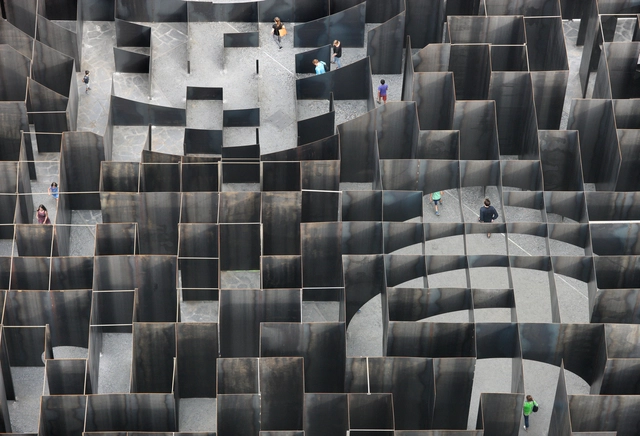
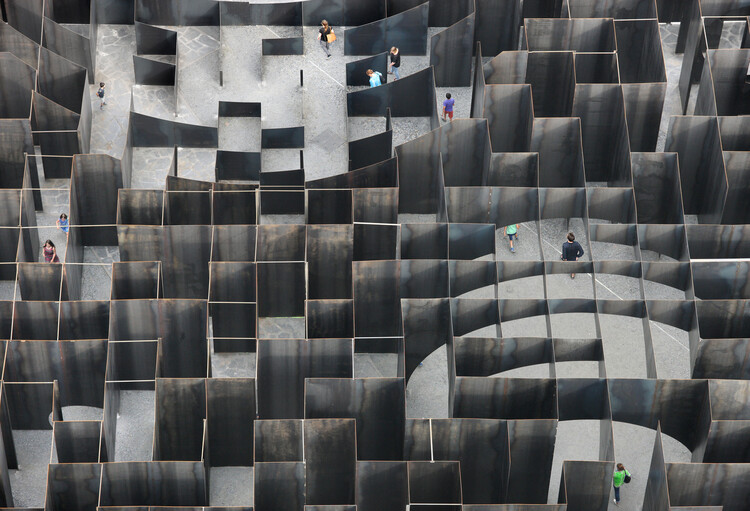
India carries an ancient lineage of tradition that has long shaped the very conception and crafting of its cities. Vastu Shastra is one such tradition, more a science than a belief, intimately woven into the principles of architectural design. The practice remains widespread and highly regarded, with 93% of homes designed to align with Vastu principles. As India urbanizes at an unprecedented pace, projected to add 416 million city dwellers by 2050, Vastu Shastra continues to influence billions of real estate decisions amid the trials of modern city living. How might an 8,000-year-old spatial science evolve to guide the design of cities housing millions?

Ancient Wisdom Meets Urban Reality: Vastu’s Role in Contemporary Indian Cities - Image 1 of 4Ancient Wisdom Meets Urban Reality: Vastu’s Role in Contemporary Indian Cities - Image 2 of 4Ancient Wisdom Meets Urban Reality: Vastu’s Role in Contemporary Indian Cities - Image 3 of 4Ancient Wisdom Meets Urban Reality: Vastu’s Role in Contemporary Indian Cities - Image 4 of 4Ancient Wisdom Meets Urban Reality: Vastu’s Role in Contemporary Indian Cities - More Images+ 2

World Architecture Day 2025: How We Design for Strength in an Age of Crisis

Today, on the first Monday of October, we celebrate World Architecture Day. This year, the International Union of Architects (UIA) has set the theme "Design for Strength," a powerful call to action that resonates deeply with the UN's focus on urban crisis response. In a world facing unprecedented environmental and social disruptions, this theme challenges us to move beyond temporary fixes. It asks: How can our buildings and cities not only withstand shocks but also foster equity, continuity, and resilience?

While the concept of strength in architecture can easily evoke images of reinforced concrete and steel, a more profound interpretation is emerging, one that defines strength not as mere rigidity, but as a holistic capacity to endure and adapt. This includes many facets, from ecological resilience and stewardship to long-lasting concepts of social resilience or the long-lasting conservation of existing urban structures, all contributing to a built environment more able to respond to the multitude of crises faced by cities worldwide.

World Architecture Day 2025: How We Design for Strength in an Age of Crisis - Image 1 of 4World Architecture Day 2025: How We Design for Strength in an Age of Crisis - Image 2 of 4World Architecture Day 2025: How We Design for Strength in an Age of Crisis - Image 3 of 4World Architecture Day 2025: How We Design for Strength in an Age of Crisis - Image 4 of 4World Architecture Day 2025: How We Design for Strength in an Age of Crisis - More Images+ 20

OUALALOU+CHOI Wins Competition for the New Casa Sud Train Station in Casablanca

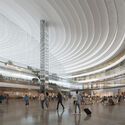
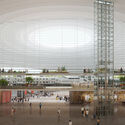
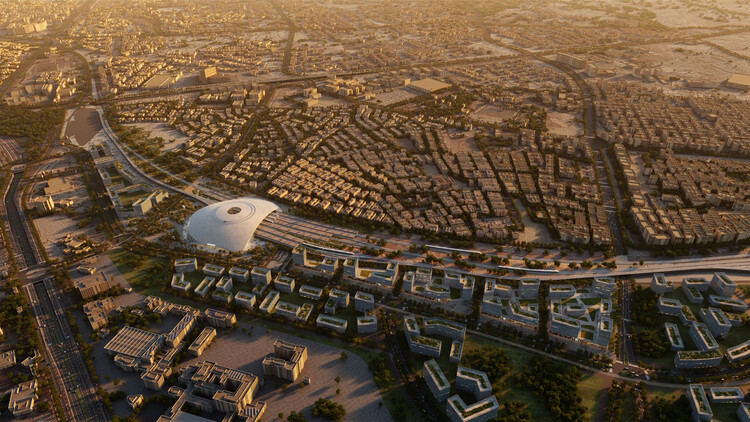
OUALALOU+CHOI has won the international competition for the design of the new Casa Sud Train Station in Casablanca, Morocco. Based in Paris and Casablanca, the architecture and urban design practice led by Tarik Oualalou and Linna Choi is recognized for its work exploring the relationship between architecture, infrastructure, and public life. The winning proposal envisions the new station as both an infrastructural hub and a civic landmark, addressing the needs of a rapidly expanding metropolis while contributing to the urban and social fabric of Morocco's economic capital.

OUALALOU+CHOI Wins Competition for the New Casa Sud Train Station in Casablanca - Image 1 of 4OUALALOU+CHOI Wins Competition for the New Casa Sud Train Station in Casablanca - Image 2 of 4OUALALOU+CHOI Wins Competition for the New Casa Sud Train Station in Casablanca - Image 3 of 4OUALALOU+CHOI Wins Competition for the New Casa Sud Train Station in Casablanca - Image 4 of 4OUALALOU+CHOI Wins Competition for the New Casa Sud Train Station in Casablanca - More Images+ 2

Foster + Partners and MANICA to Design New Stadium as Milan Approves Sale of San Siro

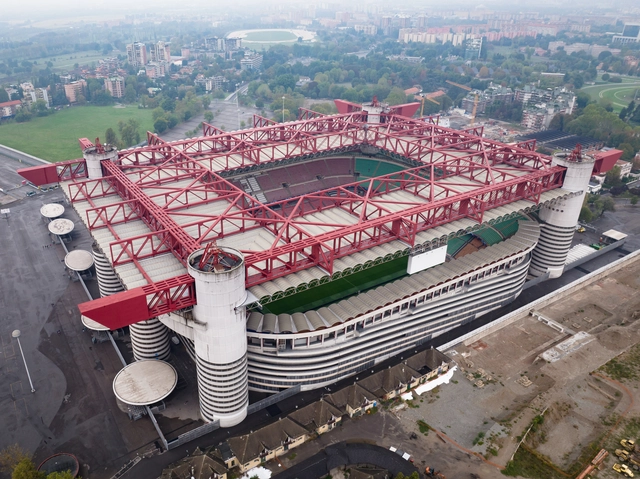
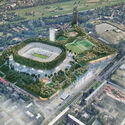
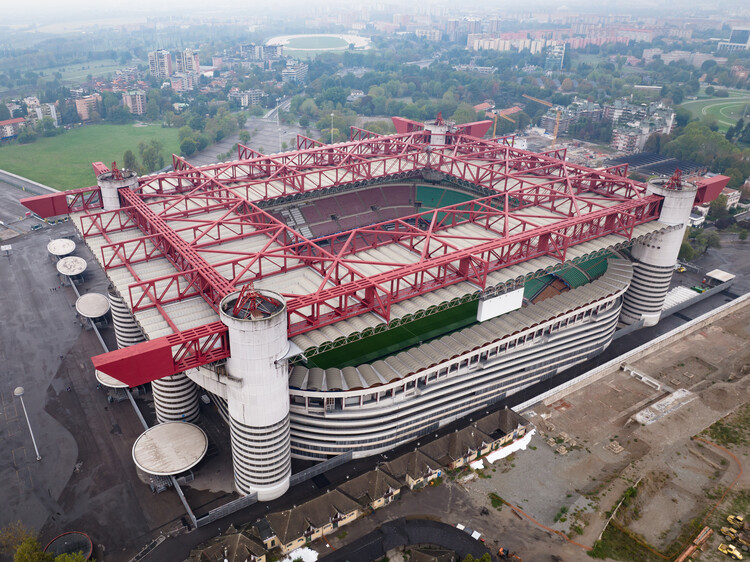
On September 30, 2025, AC Milan and Internazionale Milano football clubs announced that the Milan City Council had given preliminary approval for the sale of San Siro Stadium, officially named the Giuseppe Meazza Stadium, one of the city's most recognized sports venues. Located about six kilometers from central Milan, the stadium is among the largest in Europe and was spared from demolition in 2023 after the Regional Commission for the Cultural Heritage of Lombardy recognized its cultural significance.

According to the clubs' joint statement, the City Government's latest decision will enable the design of a new international-standard stadium alongside an urban regeneration project for the surrounding area, reportedly led by Foster + Partners and MANICA. The announcement comes only months before the Milano-Cortina 2026 Winter Olympics, an event that will initiate the farewell period for San Siro as an active venue.

Foster + Partners and MANICA to Design New Stadium as Milan Approves Sale of San Siro - Image 1 of 4Foster + Partners and MANICA to Design New Stadium as Milan Approves Sale of San Siro - Image 2 of 4Foster + Partners and MANICA to Design New Stadium as Milan Approves Sale of San Siro - Image 3 of 4Foster + Partners and MANICA to Design New Stadium as Milan Approves Sale of San Siro - Image 4 of 4Foster + Partners and MANICA to Design New Stadium as Milan Approves Sale of San Siro - More Images

Reclaiming the Narrative: A New Generation of Museums in West Africa

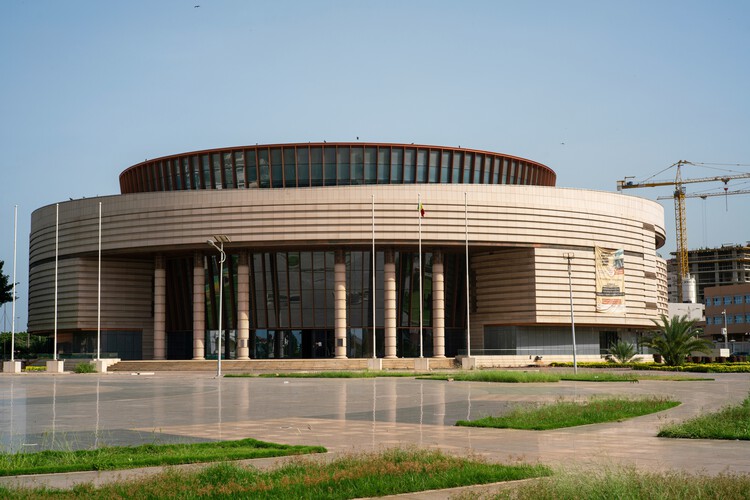
As countries in Africa emerged from colonialism in the mid-twentieth century, many expressed their independent identities through architecture. This process continues several decades later, exemplified by several new museums in West Africa, recently completed or in planning. Although varying in purpose and form, they have some common goals: addressing the need for restitution of many artifacts taken during colonialism and mostly kept in European museums; and defining a museum with local identity as opposed to a non-contextual import.

Reclaiming the Narrative: A New Generation of Museums in West Africa - Image 1 of 4Reclaiming the Narrative: A New Generation of Museums in West Africa - Image 2 of 4Reclaiming the Narrative: A New Generation of Museums in West Africa - Image 3 of 4Reclaiming the Narrative: A New Generation of Museums in West Africa - Image 4 of 4Reclaiming the Narrative: A New Generation of Museums in West Africa - More Images+ 12

Behind the Scenes, On Display: Self-Curated Journeys through the Museum Archive

The museum and gallery visit has long been a highly curated experience. Visitors are guided through a carefully orchestrated sequence of rooms, with hand-picked works arranged to tell a specific narrative, supported by signage, graphics, scenography, and calibrated lighting. Even the rarely changed exhibitions - the permanent collections, also typically rely on a strong curatorial voice— led by noted artists or curators—to set institutional stance and shape interpretation.

At the same time, storage areas for museums and galleries are typically kept separately—often within the same building but under tightly controlled access, and not infrequently off-site in dedicated facilities, such as the Louvre Conservation Centre. These zones have long been understood as highly controlled spaces not only in terms of access, but also in relation to climate, humidity, archival order, handling protocols, maintenance, and repair. For fear of thefts and that the spatial, environmental, and sequencing requirements of the archive could be disturbed, storage has traditionally been somewhat secretive and primarily serves academic researchers and art practitioners by request. Rarely does the general public gain a comprehensive picture of the works safeguarded by any given institution.

Behind the Scenes, On Display: Self-Curated Journeys through the Museum Archive - Image 1 of 4Behind the Scenes, On Display: Self-Curated Journeys through the Museum Archive - Image 2 of 4Behind the Scenes, On Display: Self-Curated Journeys through the Museum Archive - Image 3 of 4Behind the Scenes, On Display: Self-Curated Journeys through the Museum Archive - Image 4 of 4Behind the Scenes, On Display: Self-Curated Journeys through the Museum Archive - More Images+ 27

Raw Interiors: 35 Projects that Use Exposed Wood and Concrete

Subscriber Access | 

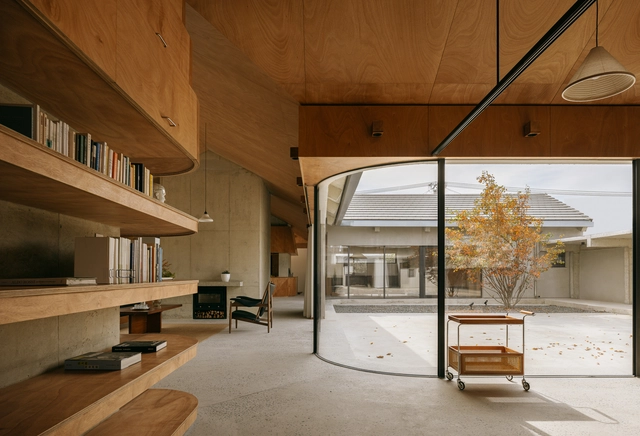
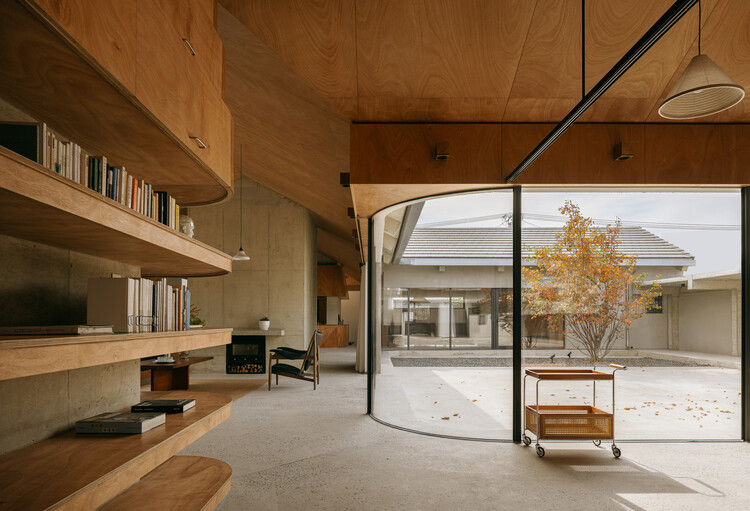
Interior design has been characterized by infinite alternatives in coatings, finishes, and furniture to achieve unique and unrepeatable spaces. Designers are constantly coming up with innovative solutions and materials specifically created for a distinctive spatial perception. However, there is also a trend that seeks the warmth of the interior spaces by exposing the raw building materials as they are. The richness of materials such as wood and concrete gives that feeling of durability and low maintenance that, combined with an attention-to-detail design, makes spaces look warm yet stay true in essence. See below for 35 examples of interior spaces where concrete and wood appear in their almost purest state.

Raw Interiors: 35 Projects that Use Exposed Wood and Concrete - Image 1 of 4Raw Interiors: 35 Projects that Use Exposed Wood and Concrete - Image 2 of 4Raw Interiors: 35 Projects that Use Exposed Wood and Concrete - Image 3 of 4Raw Interiors: 35 Projects that Use Exposed Wood and Concrete - Image 4 of 4Raw Interiors: 35 Projects that Use Exposed Wood and Concrete - More Images+ 32

“It Takes a Lifetime to Build a City”: In Conversation With Mads Birgens From Cobe Architects

Subscriber Access | 

Founded in 2006 in Copenhagen, Cobe Architects has become known for its focus on public life, urban transformation, and strategic master planning. From cultural buildings and public spaces to large-scale urban developments, the office has played a central role in shaping Copenhagen's contemporary identity, particularly through its work on harbor regeneration. Among these, the Nordhavn master plan stands out as one of Europe's most ambitious waterfront redevelopments. During the Copenhagen Architecture Biennial, ArchDaily's Editor-in-Chief, Christele Harrouk, met with Mads Birgens, Head of Urbanism at Cobe, at the firm's office in Nordhavn. In the conversation, Birgens reflected on the evolution of the project since the office first won the open international competition in 2008, and on the broader lessons of designing cities for proximity, diversity, and long-term adaptability.

“It Takes a Lifetime to Build a City”: In Conversation With Mads Birgens From Cobe Architects - Image 1 of 4“It Takes a Lifetime to Build a City”: In Conversation With Mads Birgens From Cobe Architects - Image 2 of 4“It Takes a Lifetime to Build a City”: In Conversation With Mads Birgens From Cobe Architects - Image 3 of 4“It Takes a Lifetime to Build a City”: In Conversation With Mads Birgens From Cobe Architects - Image 4 of 4“It Takes a Lifetime to Build a City”: In Conversation With Mads Birgens From Cobe Architects - More Images+ 6

Henning Larsen Wins Competition to Design Timber-Structured Centralbadet Swimming Center in Gothenburg, Sweden

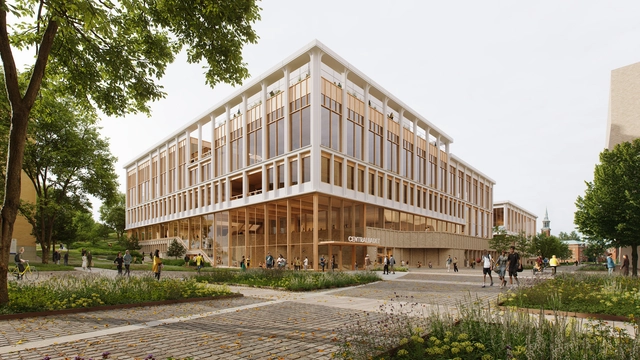
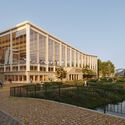
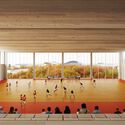
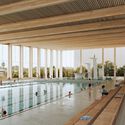
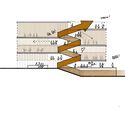
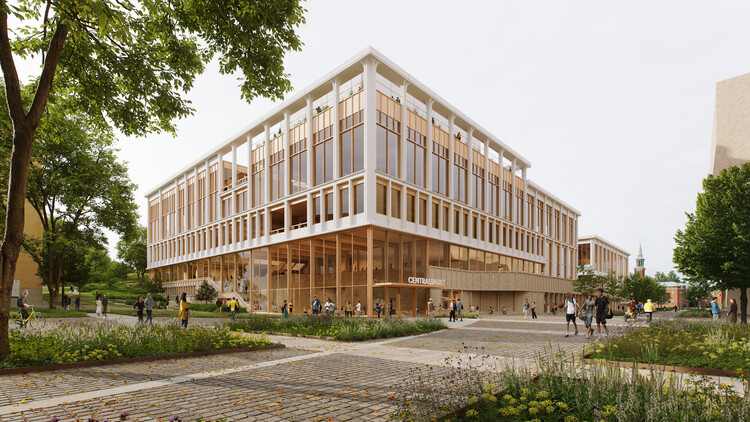
Henning Larsen has been selected to design Gothenburg's new Centralbadet, a public swimming and sports facility intended to strengthen the city's network of community and health-oriented spaces. The winning team includes Winell & Jern Architects, Ramboll, and John Dohlsten, Sports Science Lecturer at the University of Gothenburg. Organized by the City of Gothenburg, the competition included teams such as BIG and Wingårdh Arkitektkontor. The new center is planned as a multifunctional public facility that supports both everyday recreation and organized sport for residents of all ages.

Henning Larsen Wins Competition to Design Timber-Structured Centralbadet Swimming Center in Gothenburg, Sweden - Image 1 of 4Henning Larsen Wins Competition to Design Timber-Structured Centralbadet Swimming Center in Gothenburg, Sweden - Image 2 of 4Henning Larsen Wins Competition to Design Timber-Structured Centralbadet Swimming Center in Gothenburg, Sweden - Image 3 of 4Henning Larsen Wins Competition to Design Timber-Structured Centralbadet Swimming Center in Gothenburg, Sweden - Image 4 of 4Henning Larsen Wins Competition to Design Timber-Structured Centralbadet Swimming Center in Gothenburg, Sweden - More Images+ 19

Hilversum Town Hall: Willem Dudok’s Monument to Civic Architecture

Subscriber Access | 

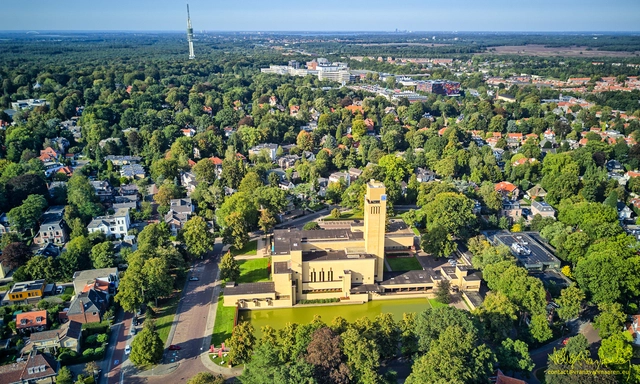
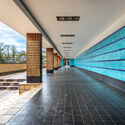
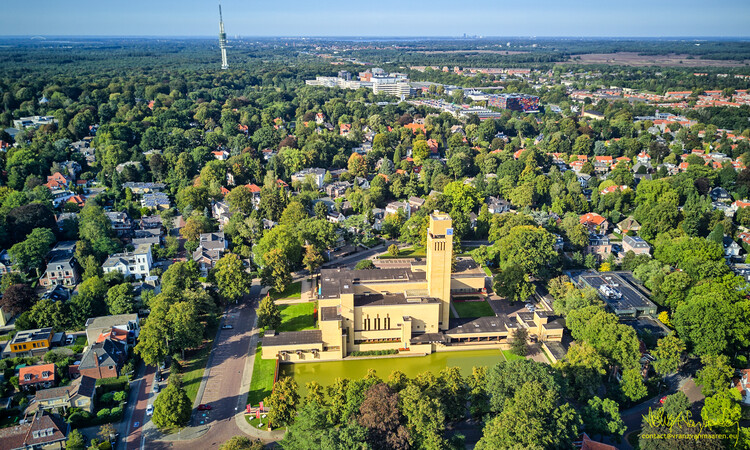
In the Dutch city of Hilversum, a municipal building completed in 1931 redefined the very idea of what a town hall could be. More than a house for local administration, the Hilversum Town Hall became the architectural expression of a community in transformation. With its tower rising above reflective ponds, its brick masses composed around courtyards, and its carefully detailed interiors, the building asserted that civic architecture could unite function with symbolism, efficiency with ceremony.

The architect behind this vision, Willem Marinus Dudok, was not only responsible for individual buildings but for the broader shaping of Hilversum itself. As a city architect and planner, he designed schools, housing districts, and parks, developing a language that fused Dutch craftsmanship with Modernist clarity. The town hall represented the culmination of this trajectory: a civic centerpiece where urban ambition, material refinement, and human scale converged in a single, coherent form.

Hilversum Town Hall: Willem Dudok’s Monument to Civic Architecture - Image 1 of 4Hilversum Town Hall: Willem Dudok’s Monument to Civic Architecture - Image 2 of 4Hilversum Town Hall: Willem Dudok’s Monument to Civic Architecture - Image 3 of 4Hilversum Town Hall: Willem Dudok’s Monument to Civic Architecture - Image 4 of 4Hilversum Town Hall: Willem Dudok’s Monument to Civic Architecture - More Images+ 24

Lina Ghotmeh Named to TIME100 Next 2025 as One of the World’s Most Influential Rising Stars

French-Lebanese architect Lina Ghotmeh has been recognized on the TIME100 Next 2025 list, an annual ranking of emerging leaders and innovators across disciplines. Known for her sensitive approach to context and materiality, Ghotmeh has built an international portfolio that bridges tradition and modernity. In her TIME profile, written by Danish architect Bjarke Ingels, Ghotmeh is praised for combining historical awareness with forward-looking experimentation. The acknowledgment positions her as the only architect on this year's list, highlighting the continued presence of design voices in a ranking that typically spans entertainment, politics, science, and business.

Lina Ghotmeh Named to TIME100 Next 2025 as One of the World’s Most Influential Rising Stars - Image 1 of 4Lina Ghotmeh Named to TIME100 Next 2025 as One of the World’s Most Influential Rising Stars - Image 2 of 4Lina Ghotmeh Named to TIME100 Next 2025 as One of the World’s Most Influential Rising Stars - Image 3 of 4Lina Ghotmeh Named to TIME100 Next 2025 as One of the World’s Most Influential Rising Stars - Image 4 of 4Lina Ghotmeh Named to TIME100 Next 2025 as One of the World’s Most Influential Rising Stars - More Images+ 11

The Industrial Skyline: Transforming China's Decommissioned Factories into Cultural Venues

Across China, a legacy of vast industrial structures stands decommissioned, as a direct result of the nation's economic shift to different forms of industry. These buildings are defined by their colossal height and deep structural capacity. Today, they present an architectural challenge for contemporary urban renewal and a new topic for heritage preservation. As they become absorbed by growing urban developments, architects are tasked with translating them into functional, public-facing assets. Thus, recent interventions are capitalizing on defining elements such as furnaces and chimneys to help reposition these massive complexes as critical urban landmarks.

The Industrial Skyline: Transforming China's Decommissioned Factories into Cultural Venues - Image 1 of 4The Industrial Skyline: Transforming China's Decommissioned Factories into Cultural Venues - Image 2 of 4The Industrial Skyline: Transforming China's Decommissioned Factories into Cultural Venues - Image 3 of 4The Industrial Skyline: Transforming China's Decommissioned Factories into Cultural Venues - Image 4 of 4The Industrial Skyline: Transforming China's Decommissioned Factories into Cultural Venues - More Images+ 5

Milan’s 2026 Olympic Village by SOM Completed Ahead of Winter Games

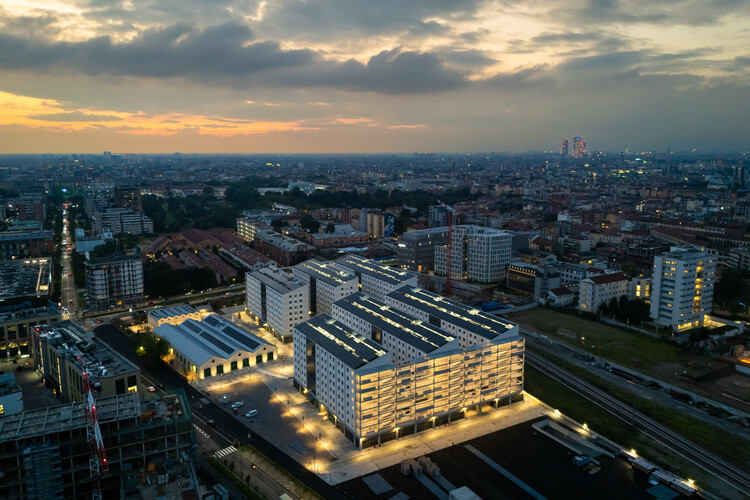
The first images have been released of the completed Athletes' Village for the 2026 Winter Olympics in Milan, following its official handover to the Milano Cortina Foundation ahead of the Games in February. Developed by COIMA and designed by Skidmore, Owings & Merrill (SOM), the project has been envisioned as both a temporary residence for athletes and a long-term urban asset for the city. Delivered in 30 months and ahead of schedule, the Village is located within the Porta Romana railway yard, and comprises six new residential buildings and the restoration of two historic structures: the former Squadra Rialzo locomotive workshop and the Basilico building. Together, they provide housing for athletes during the Games, along with 40,000 square meters of community spaces, landscaped courtyards, and three sports courts.

Milan’s 2026 Olympic Village by SOM Completed Ahead of Winter Games - Image 1 of 4Milan’s 2026 Olympic Village by SOM Completed Ahead of Winter Games - Image 2 of 4Milan’s 2026 Olympic Village by SOM Completed Ahead of Winter Games - Image 3 of 4Milan’s 2026 Olympic Village by SOM Completed Ahead of Winter Games - Image 4 of 4Milan’s 2026 Olympic Village by SOM Completed Ahead of Winter Games - More Images+ 7

UNESCO Launches New Restoration Projects in Beirut Following the 2020 Explosion

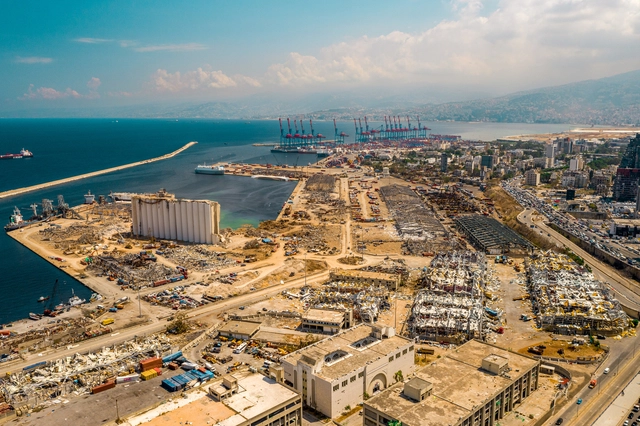
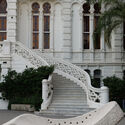
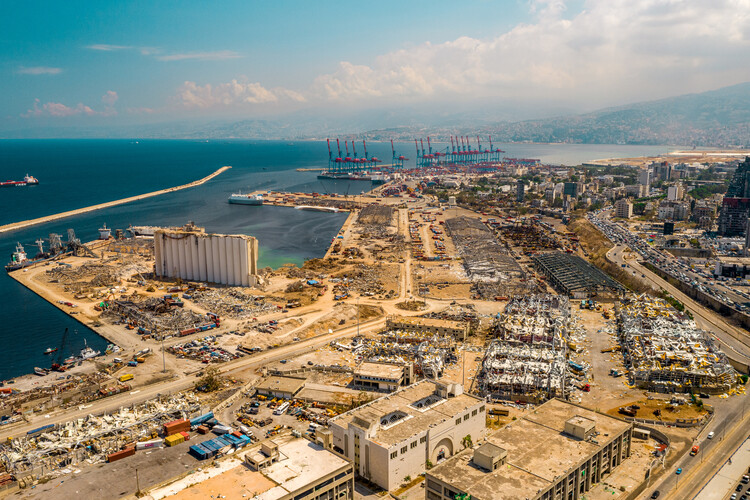
A blast destroyed 40% of the city of Beirut on August 4, 2020. Five years after the port explosions, the UNESCO Director-General visited Lebanon to assess the institution's work in the capital city. UNESCO's efforts have been based on the recognition that the explosion destroyed numerous buildings and historic neighborhoods that were home to a community of cultural professionals, leaving a void in the city's cultural landscape and economy. The organization mobilized international efforts to restore, reactivate, and safeguard Beirut's heritage buildings, schools, museums, and cultural institutions, seeking to provide a comprehensive response to protect the city's cultural fabric. During the visit in September, new restoration and reconstruction programs were announced, including the rehabilitation of the Mar Mikhael train station and Beirut's Grand Theatre, as well as support for cultural industries in Tyre and Baalbek.

UNESCO Launches New Restoration Projects in Beirut Following the 2020 Explosion - Image 1 of 4UNESCO Launches New Restoration Projects in Beirut Following the 2020 Explosion - Image 2 of 4UNESCO Launches New Restoration Projects in Beirut Following the 2020 Explosion - Image 3 of 4UNESCO Launches New Restoration Projects in Beirut Following the 2020 Explosion - Image 4 of 4UNESCO Launches New Restoration Projects in Beirut Following the 2020 Explosion - More Images+ 6

Rethinking Urban Cooling: A Case for Low-Energy Radiant Technology

Subscriber Access | 

When exposed to heat, the body activates several physiological mechanisms to maintain thermal homeostasis. However, these natural defenses are often overwhelmed in our modern cities. In an urban environment defined by heat-absorbing asphalt, concrete, and a lack of green spaces, these mechanisms become inefficient. If the surroundings are excessively hot, humid, or poorly ventilated—conditions amplified by the Urban Heat Island effect—the core body temperature begins to rise, and the risk of serious complications increases, ranging from cramps and exhaustion to potentially fatal heat strokes.

Rethinking Urban Cooling: A Case for Low-Energy Radiant Technology - Image 1 of 4Rethinking Urban Cooling: A Case for Low-Energy Radiant Technology - Image 2 of 4Rethinking Urban Cooling: A Case for Low-Energy Radiant Technology - Image 3 of 4Rethinking Urban Cooling: A Case for Low-Energy Radiant Technology - Image 4 of 4Rethinking Urban Cooling: A Case for Low-Energy Radiant Technology - More Images+ 14

The 5th Seoul Biennale of Architecture and Urbanism Opens With Thomas Heatherwick as General Director

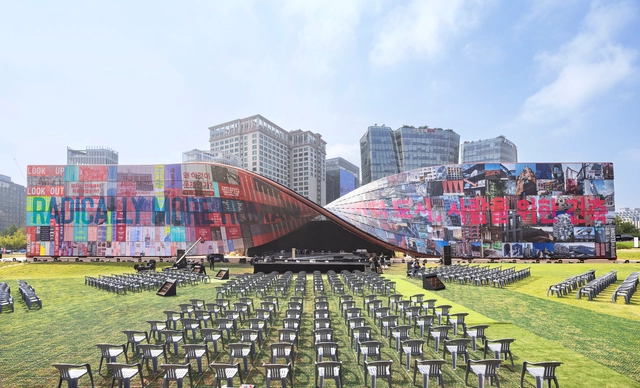
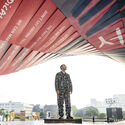
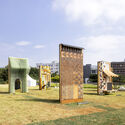
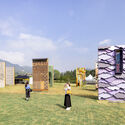
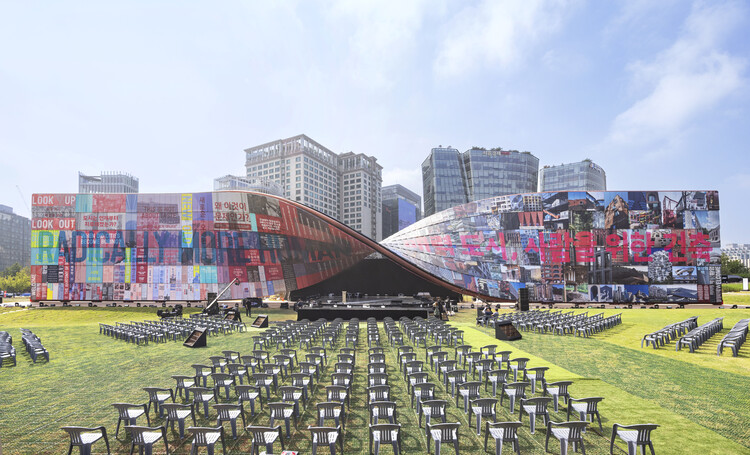
The 5th Seoul Biennale of Architecture and Urbanism opened on September 26 at Songhyeon Green Plaza in central Seoul. Recognized as the largest public architecture festival in Asia, this year's edition is directed by Thomas Heatherwick under the curatorial theme of how cities can become "radically more human." Running through November 18, the Biennale brings together exhibitions, global forums, and citizen-led projects to examine the role of architecture in shaping more inclusive and enduring urban environments.

The 5th Seoul Biennale of Architecture and Urbanism Opens With Thomas Heatherwick as General Director - Image 1 of 4The 5th Seoul Biennale of Architecture and Urbanism Opens With Thomas Heatherwick as General Director - Image 2 of 4The 5th Seoul Biennale of Architecture and Urbanism Opens With Thomas Heatherwick as General Director - Image 3 of 4The 5th Seoul Biennale of Architecture and Urbanism Opens With Thomas Heatherwick as General Director - Image 4 of 4The 5th Seoul Biennale of Architecture and Urbanism Opens With Thomas Heatherwick as General Director - More Images+ 3

British Post-Modernist Architect Terry Farrell Passes Away at 87

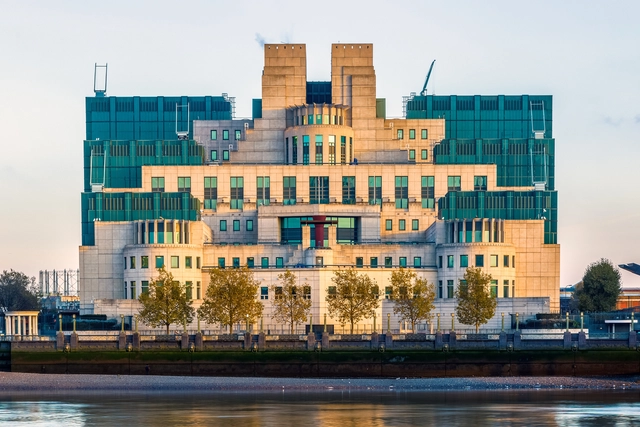
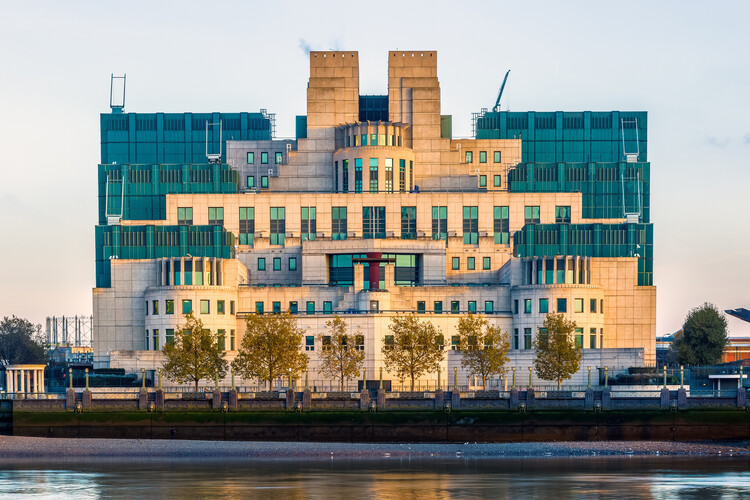
Farrells, the London-based architecture and urban design practice, announced earlier today the death of its founder, architect Sir Terry Farrell. The firm highlighted Farrell's commitment to questioning architectural convention and his advocacy for more responsible, contextual, and community-driven approaches to urban development, seeking creative alternatives to wholesale demolition and rebuild. His death follows that of his early collaborator Nicholas Grimshaw, with whom he founded the Farrell/Grimshaw Partnership in 1965. Together they produced functionalist, modern buildings defined by their structural clarity, before Farrell established his independent voice as one of the leading figures of British Post-Modernism, designing some of the movement's most recognisable works, including London's MI6 Building and the TV-am studios in Camden.


British Post-Modernist Architect Terry Farrell Passes Away at 87 - Image 1 of 4British Post-Modernist Architect Terry Farrell Passes Away at 87 - Image 2 of 4British Post-Modernist Architect Terry Farrell Passes Away at 87 - Image 3 of 4British Post-Modernist Architect Terry Farrell Passes Away at 87 - Image 4 of 4British Post-Modernist Architect Terry Farrell Passes Away at 87 - More Images