1. ArchDaily
  2. Architecture

Architecture: The Latest Architecture and News

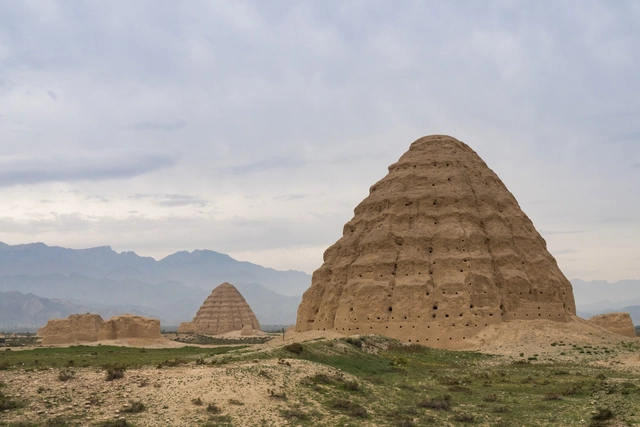
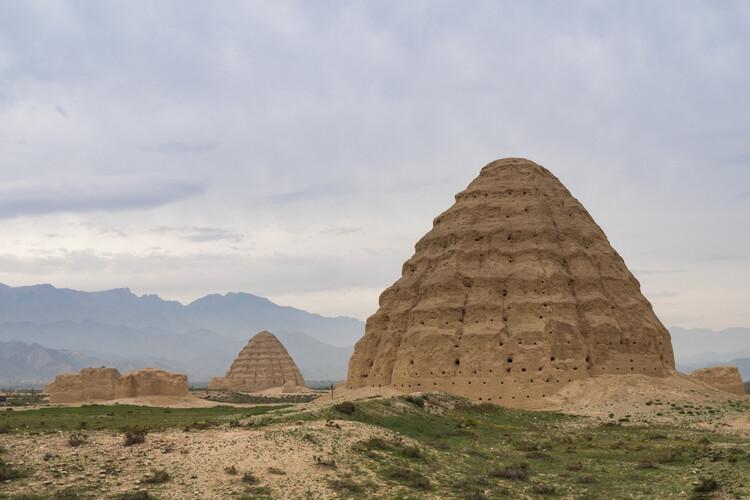
UNESCO Adds 26 New World Heritage Sites Highlighting African Heritage and Shared Prehistory

During the 47th session of the World Heritage Committee, held from July 6 to 16, 2025, at UNESCO Headquarters in Paris, France, 26 new properties were inscribed on the World Heritage List. In addition to examining new nominations, the Committee reviewed the conservation and management of existing sites, addressed the impact of climate change on heritage, and approved the extension of two existing sites to create new transboundary natural parks. According to UNESCO, the session placed the work of local communities at the center of safeguarding policies, reinforced efforts to preserve African heritage, and acknowledged the growing recognition of remembrance sites and the protection of humanity's shared prehistory. These 26 properties, located across 26 countries, now benefit from the highest level of international heritage protection.

UNESCO Adds 26 New World Heritage Sites Highlighting African Heritage and Shared Prehistory - Featured ImageUNESCO Adds 26 New World Heritage Sites Highlighting African Heritage and Shared Prehistory - Image 1 of 4UNESCO Adds 26 New World Heritage Sites Highlighting African Heritage and Shared Prehistory - Image 2 of 4UNESCO Adds 26 New World Heritage Sites Highlighting African Heritage and Shared Prehistory - Image 3 of 4UNESCO Adds 26 New World Heritage Sites Highlighting African Heritage and Shared Prehistory - More Images+ 1

World Photography Day: 25 Rising Architectural Photographers to Watch in 2025

Subscriber Access | 

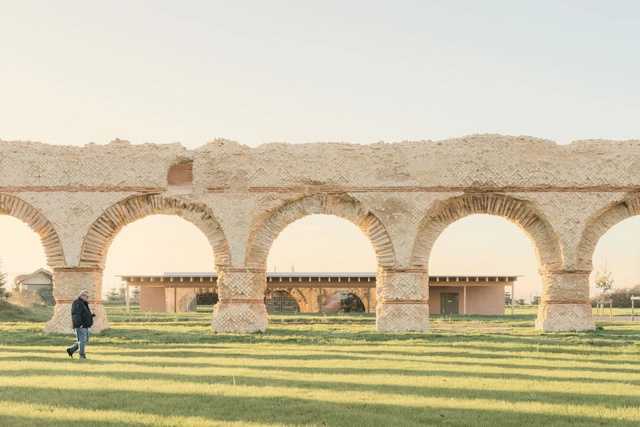
Architectural photography provides a window into the built world, making significant structures more accessible to people who may never have the chance to visit them. A good architectural photograph captures more than just the physical structure; it conveys the mood, scale, and context of a space. Each photograph is unique and shaped by the photographer's eye, which conveys their sensitivity and perception of the built environment through their lens.

World Photography Day: 25 Rising Architectural Photographers to Watch in 2025 - Image 1 of 4World Photography Day: 25 Rising Architectural Photographers to Watch in 2025 - Image 2 of 4World Photography Day: 25 Rising Architectural Photographers to Watch in 2025 - Image 3 of 4World Photography Day: 25 Rising Architectural Photographers to Watch in 2025 - Image 4 of 4World Photography Day: 25 Rising Architectural Photographers to Watch in 2025 - More Images+ 21

Reflecting on Territory, Topography, and Landscape: Discover WHALE!’s Projects in Chile

Subscriber Access | 

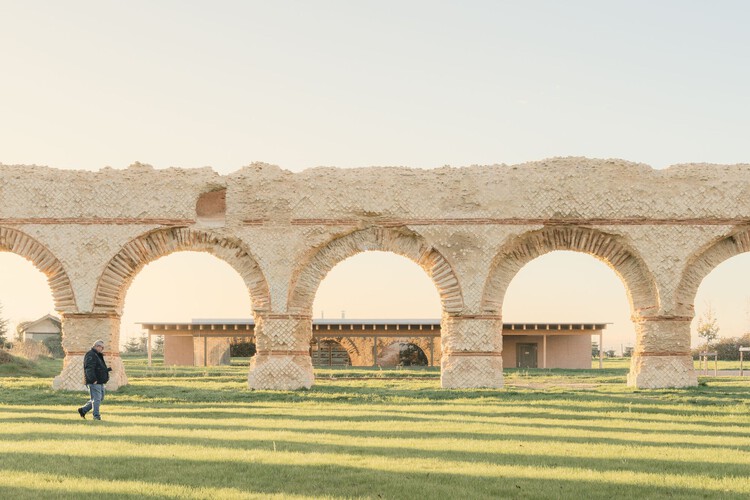
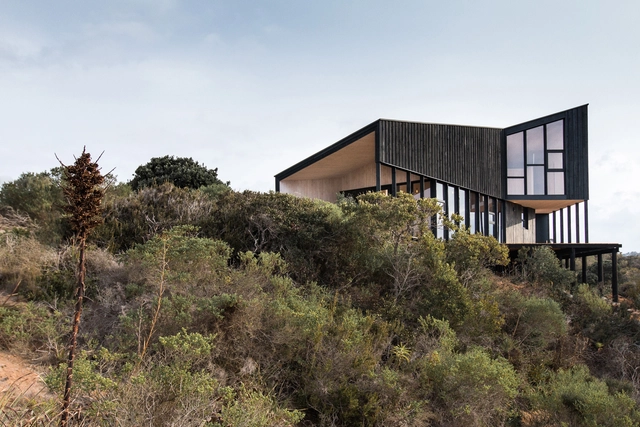
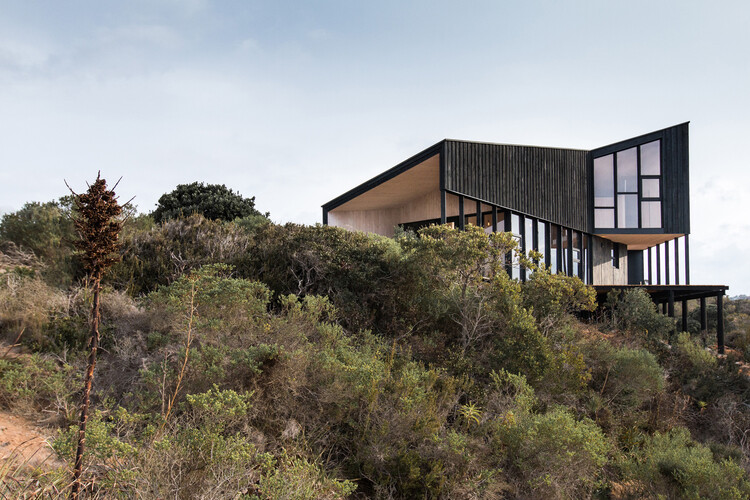
What logics and dynamics are involved in conceiving an architecture in dialogue with the territory and the landscape? How does topography determine the design and development process of architectural projects? Founded in Santiago, Chile, around 2012, the architecture firm WHALE! works with the concepts of territory and landscape as key axes of study and reflection in the pursuit of understanding how architecture is not only capable of designing spaces, but also of shaping the way human beings live, feel, and relate to the world.

Reflecting on Territory, Topography, and Landscape: Discover WHALE!’s Projects in Chile - Image 1 of 4Reflecting on Territory, Topography, and Landscape: Discover WHALE!’s Projects in Chile - Image 2 of 4Reflecting on Territory, Topography, and Landscape: Discover WHALE!’s Projects in Chile - Image 3 of 4Reflecting on Territory, Topography, and Landscape: Discover WHALE!’s Projects in Chile - Image 4 of 4Reflecting on Territory, Topography, and Landscape: Discover WHALE!’s Projects in Chile - More Images+ 56

From Scaffolds to Structures: India’s Unfinished Journey with Bamboo

Subscriber Access | 

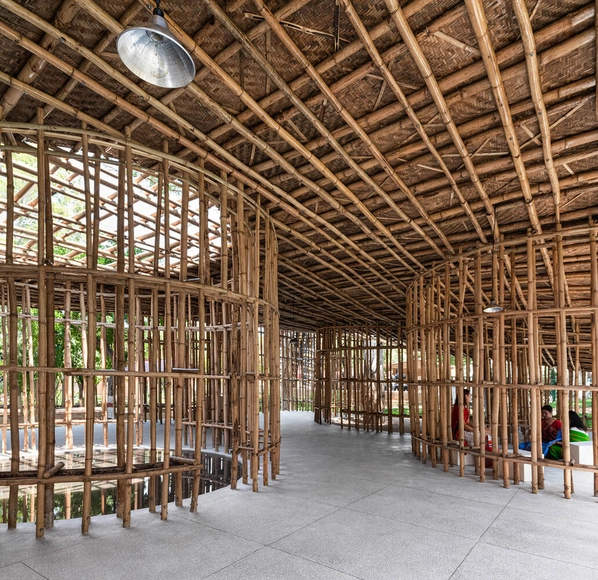
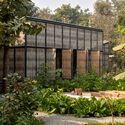
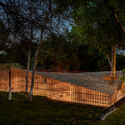
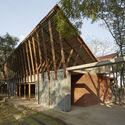
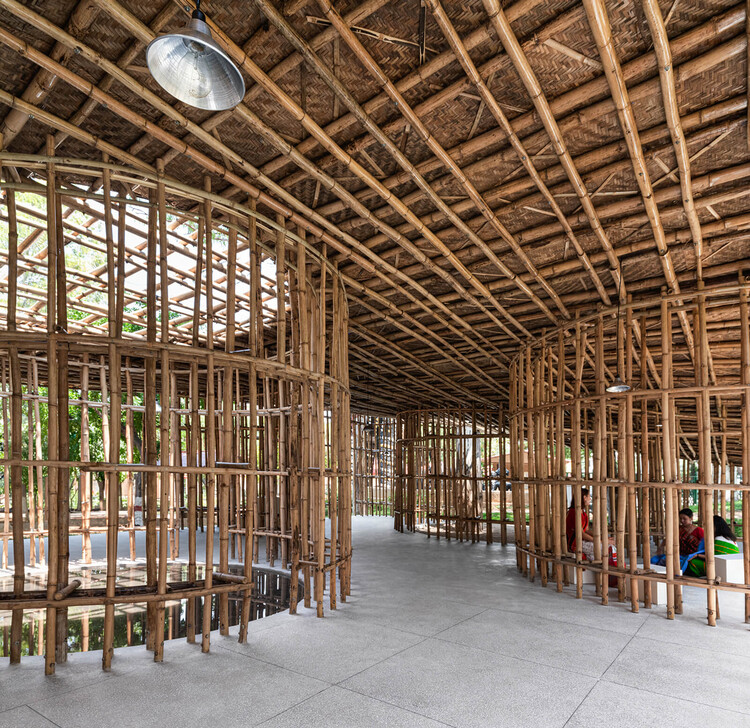
Across Asia, bamboo scaffolding has symbolized an intersection of traditional knowledge and modern construction. Hong Kong's skyline is shaped by intricate bamboo scaffolding, yet this time-honored craft is steadily vanishing from the region. Moving east, Indian cities still utilize bamboo scaffolding on building sites throughout the subcontinent, revealing a different kind of paradox.

From Scaffolds to Structures: India’s Unfinished Journey with Bamboo - Image 1 of 4From Scaffolds to Structures: India’s Unfinished Journey with Bamboo - Image 2 of 4From Scaffolds to Structures: India’s Unfinished Journey with Bamboo - Image 3 of 4From Scaffolds to Structures: India’s Unfinished Journey with Bamboo - Image 4 of 4From Scaffolds to Structures: India’s Unfinished Journey with Bamboo - More Images+ 4

The Why, What, and How of Human-Centered and Successful Playground Design

 | Sponsored Content

By Jeanette Fich Jespersen, MA, Head of the KOMPAN Play Institute, Head of the steering committee of the World Playground Research Institute, University of Southern Denmark, Vice-president of International Play Association, Denmark.

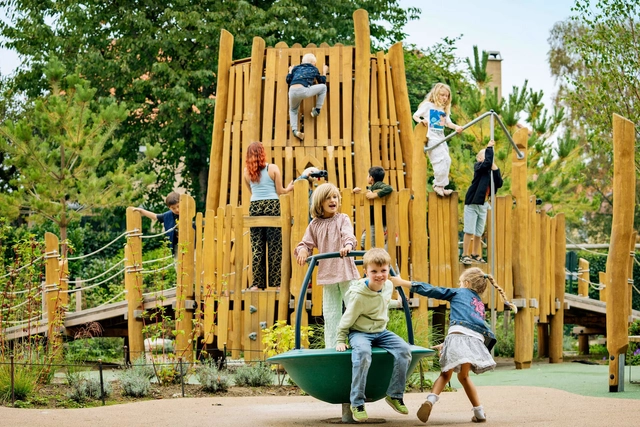
"No, I don't want to go to that playground. It is boring!" This may sound like something no child would ever utter. But children do have strong opinions on what playgrounds they like, from quite early on. The reason why not only parents and caregivers but also city planners and architects should listen and adjust is more critical than ever.

LAGI 2025 Fiji Highlights Participatory Design in Renewable Infrastructure

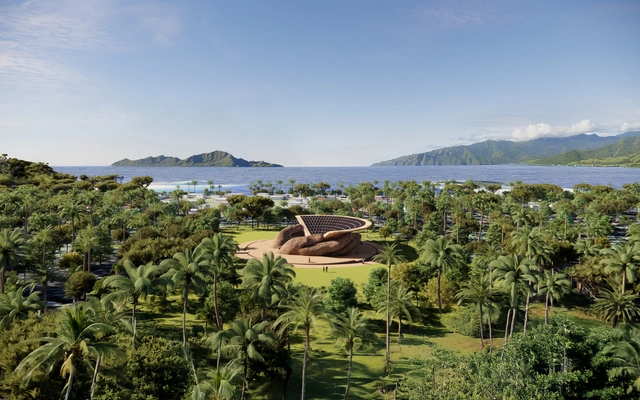
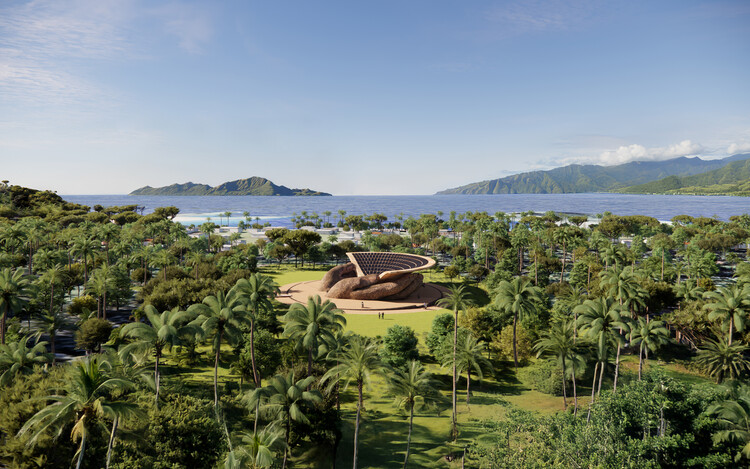
The Land Art Generator Initiative (LAGI) has announced the winners of its 2025 competition in Marou Village, Fiji. Developed in partnership with the local community and supported by the Fiji Department of Energy, the Fiji Rural Electrification Fund, and the United Nations Development Program, LAGI 2025 invited designers from around the world to envision renewable energy and water systems that could also serve as cultural and social spaces. From over 200 entries representing 45 countries, two projects were selected: The O by Alberto Roncelli and Ligavatuvuce by Young Kang.

LAGI 2025 Fiji Highlights Participatory Design in Renewable Infrastructure - Image 1 of 4LAGI 2025 Fiji Highlights Participatory Design in Renewable Infrastructure - Image 2 of 4LAGI 2025 Fiji Highlights Participatory Design in Renewable Infrastructure - Image 3 of 4LAGI 2025 Fiji Highlights Participatory Design in Renewable Infrastructure - Image 4 of 4LAGI 2025 Fiji Highlights Participatory Design in Renewable Infrastructure - More Images+ 2

Foster + Partners Reveals Design for Mixed-Use Development in Central Seoul, South Korea

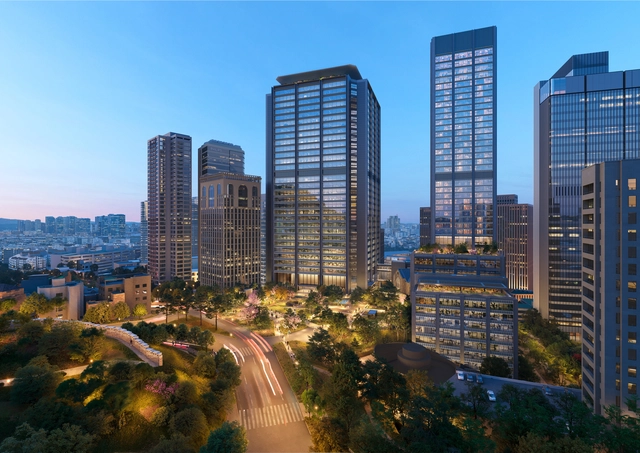
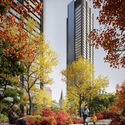
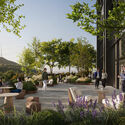
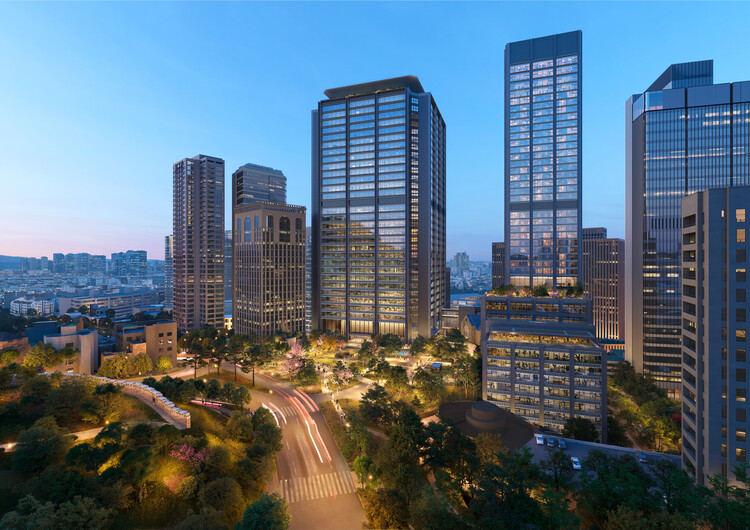
Foster + Partners has released images of the proposed design for IOTA Seoul I, a mixed-use development in Seoul, South Korea. The project would be located between Seoul Station and Namsan, a 270-meter-high peak in the Jung-gu district in the south-central part of the city. The site has been described by the architects as a landmark location due to its historical significance as one of Seoul's gateways for travelers arriving by train.

Foster + Partners Reveals Design for Mixed-Use Development in Central Seoul, South Korea - Image 1 of 4Foster + Partners Reveals Design for Mixed-Use Development in Central Seoul, South Korea - Image 2 of 4Foster + Partners Reveals Design for Mixed-Use Development in Central Seoul, South Korea - Image 3 of 4Foster + Partners Reveals Design for Mixed-Use Development in Central Seoul, South Korea - Image 4 of 4Foster + Partners Reveals Design for Mixed-Use Development in Central Seoul, South Korea - More Images+ 2

Of a Feather: The Hidden Architecture of Bird Watching

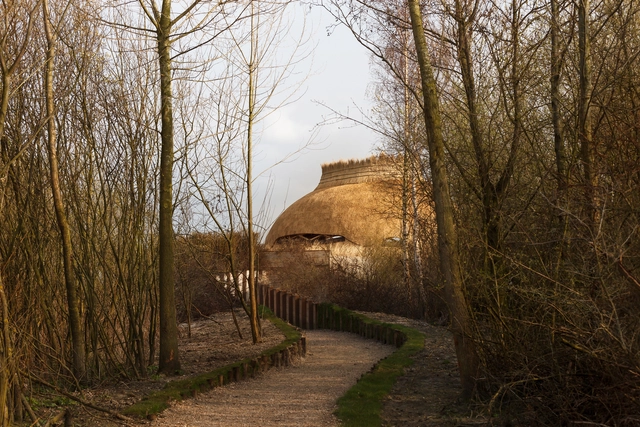
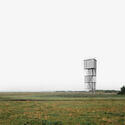
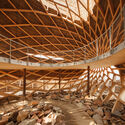
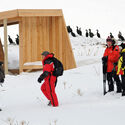
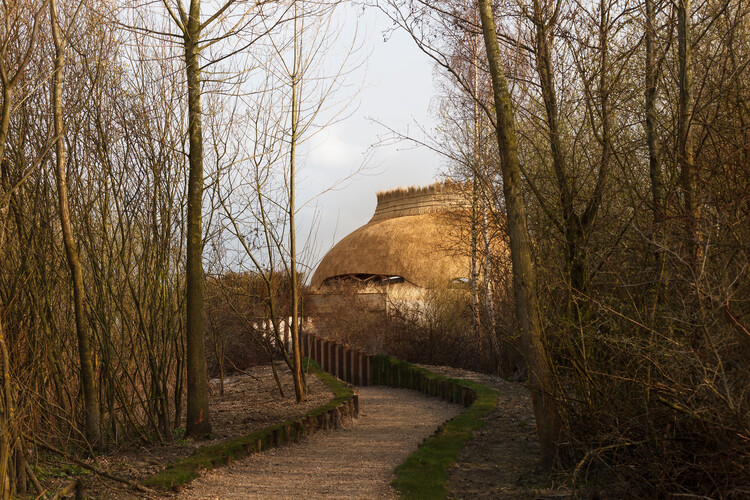
Around the world, a passionate community of bird watchers, from novice observers to seasoned ornithologists, is drawn to the subtle movements, distinct calls, and remarkable migrations of birds. This global fascination has led to the creation of thoughtfully designed spaces by architects and designers, enhancing the bird-watching experience while respecting the ecological landscapes in which they are placed.

Of a Feather: The Hidden Architecture of Bird Watching - Image 1 of 4Of a Feather: The Hidden Architecture of Bird Watching - Image 2 of 4Of a Feather: The Hidden Architecture of Bird Watching - Image 3 of 4Of a Feather: The Hidden Architecture of Bird Watching - Image 4 of 4Of a Feather: The Hidden Architecture of Bird Watching - More Images+ 25

Beyond the Dropped Ceiling: 10 Interior Projects for Making Services and Conduits Part of the Architecture

Subscriber Access | 

In contemporary interior architecture, service provisionsmechanical, electrical, HVAC, plumbing—are almost always treated as elements to be concealed. Thickened wall cavities, extensive dropped ceilings, and, in regions where solid construction such as brick or concrete prevails, furred-out walls are routinely employed to hide these systems. This approach has become so normalized that it often forms the starting assumption for spatial planning, inherently constraining imagination and reducing the range of spatial possibilities. The priority shifts towards covering-up, rather than exploring how these systems might coexist visibly within a design language.

Beyond the Dropped Ceiling: 10 Interior Projects for Making Services and Conduits Part of the Architecture - Image 1 of 4Beyond the Dropped Ceiling: 10 Interior Projects for Making Services and Conduits Part of the Architecture - Image 2 of 4Beyond the Dropped Ceiling: 10 Interior Projects for Making Services and Conduits Part of the Architecture - Image 3 of 4Beyond the Dropped Ceiling: 10 Interior Projects for Making Services and Conduits Part of the Architecture - Image 4 of 4Beyond the Dropped Ceiling: 10 Interior Projects for Making Services and Conduits Part of the Architecture - More Images+ 35

Evolving Urban Playgrounds: 5 Design Strategies and 31 Projects Around the Globe

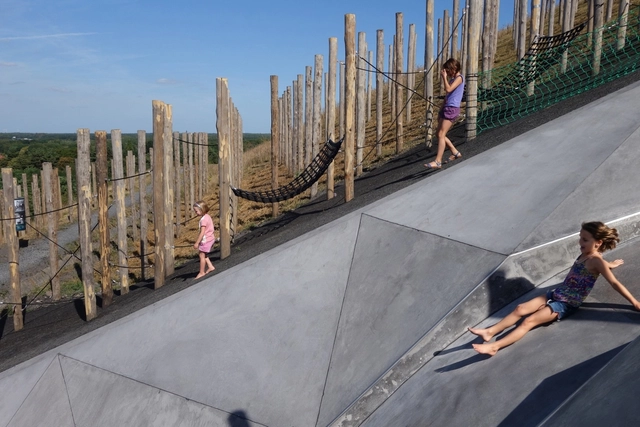
Urban playgrounds are evolving from simple swing sets and slides into dynamic, multi-faceted urban landscapes. These new designs are more than just places to play; they are thoughtfully integrated spaces that address urban challenges, promote community, and inspire creativity. A key trend is the intentional use of color and pattern. Designers are utilizing vibrant color zones to segment different functional areas, creating a visually dynamic experience that contrasts with natural surroundings. This approach can also be used to establish a cohesive urban identity, with thoughtful color palettes that complement the existing cityscape.

Evolving Urban Playgrounds: 5 Design Strategies and 31 Projects Around the Globe - Image 1 of 4Evolving Urban Playgrounds: 5 Design Strategies and 31 Projects Around the Globe - Image 2 of 4Evolving Urban Playgrounds: 5 Design Strategies and 31 Projects Around the Globe - Image 3 of 4Evolving Urban Playgrounds: 5 Design Strategies and 31 Projects Around the Globe - Image 4 of 4Evolving Urban Playgrounds: 5 Design Strategies and 31 Projects Around the Globe - More Images+ 34

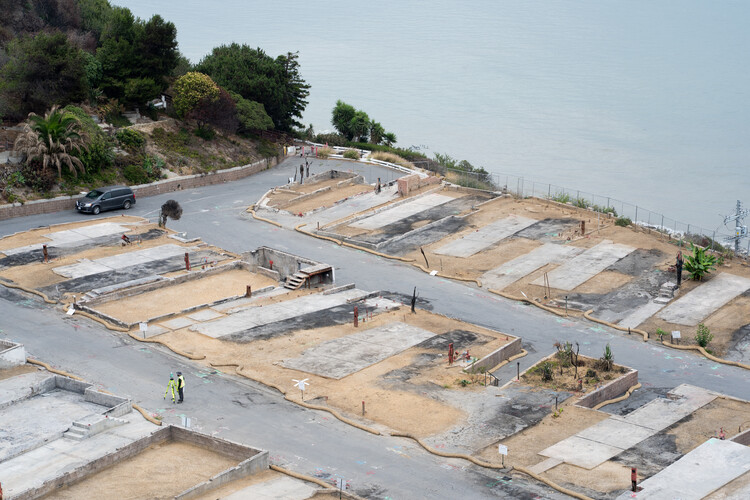
AI-Powered Robotics Support Rebuilding Homes in Los Angeles Fire Zones

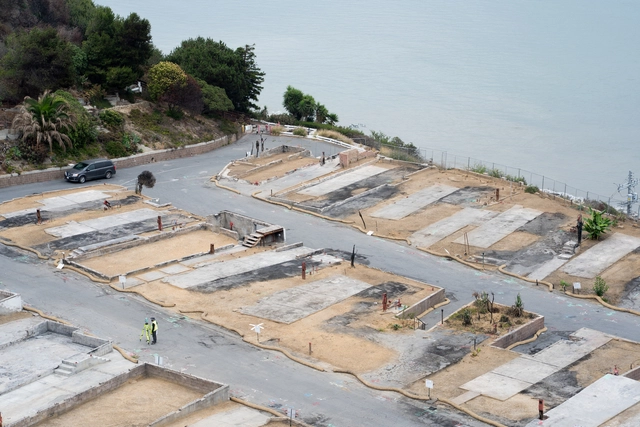
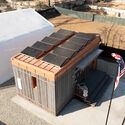
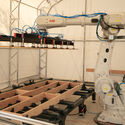
ABB Robotics and US-based construction technology company Cosmic Buildings have deployed a mobile robotic microfactory in Pacific Palisades, California, to support the rebuilding of homes destroyed by the 2025 Southern Californian wildfires. Designed as a temporary, on-site manufacturing facility, the system aims to reduce construction time, costs, and material waste while producing housing that meets high standards of safety and sustainability. By combining AI-powered automation with modular construction techniques, the collaboration demonstrates how robotic manufacturing can be adapted to remote and disaster-affected locations. The companies suggest that such approaches could become a key tool in delivering resilient, affordable housing on a large scale.

AI-Powered Robotics Support Rebuilding Homes in Los Angeles Fire Zones - Image 1 of 4AI-Powered Robotics Support Rebuilding Homes in Los Angeles Fire Zones - Image 2 of 4AI-Powered Robotics Support Rebuilding Homes in Los Angeles Fire Zones - Image 3 of 4AI-Powered Robotics Support Rebuilding Homes in Los Angeles Fire Zones - Image 4 of 4AI-Powered Robotics Support Rebuilding Homes in Los Angeles Fire Zones - More Images+ 11

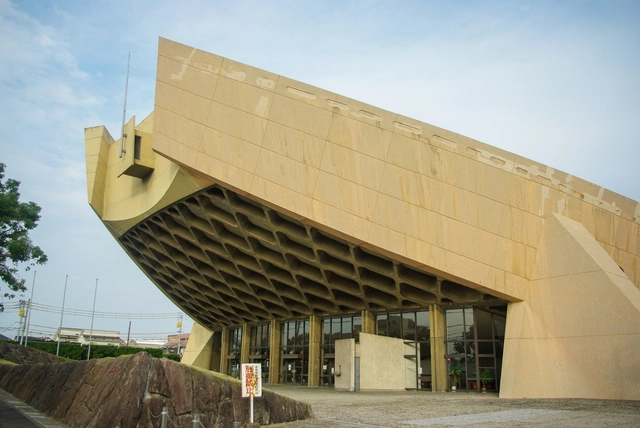
Citizen-Led Campaign Proposes New Use for Kenzo Tange's Kagawa Gymnasium, Facing Demolition

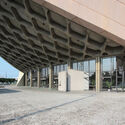
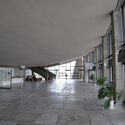
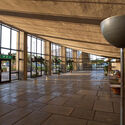
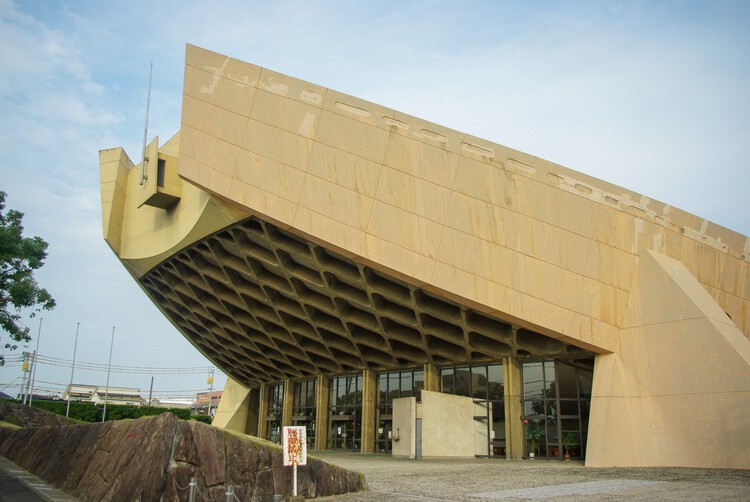
In February 2023, the governor of Kagawa Prefecture, Japan, announced the planned demolition of the Kagawa Prefectural Gymnasium, designed by Pritzker Prize-winning architect Kenzo Tange. Discussion surrounding its fate dates back to its permanent closure in 2014, after a roof leak caused structural problems in the ceiling boards. Since then, several organizations have worked to save the building, including a petition by the World Monuments Fund and an effort by a promotional council to nominate it as a UNESCO World Cultural Heritage site in 2021. Despite these initiatives, on August 7, 2025, the Kagawa Prefectural Government officially announced a public competitive bidding process to select a contractor for the demolition, something the Former Kagawa Prefectural Gymnasium Regeneration Committee is determined to prevent.

Citizen-Led Campaign Proposes New Use for Kenzo Tange's Kagawa Gymnasium, Facing Demolition - Image 1 of 4Citizen-Led Campaign Proposes New Use for Kenzo Tange's Kagawa Gymnasium, Facing Demolition - Image 2 of 4Citizen-Led Campaign Proposes New Use for Kenzo Tange's Kagawa Gymnasium, Facing Demolition - Image 3 of 4Citizen-Led Campaign Proposes New Use for Kenzo Tange's Kagawa Gymnasium, Facing Demolition - Image 4 of 4Citizen-Led Campaign Proposes New Use for Kenzo Tange's Kagawa Gymnasium, Facing Demolition - More Images+ 1

From Vietnam to Poland: 6 Unbuilt Residences Immersed in Nature

Subscriber Access | 

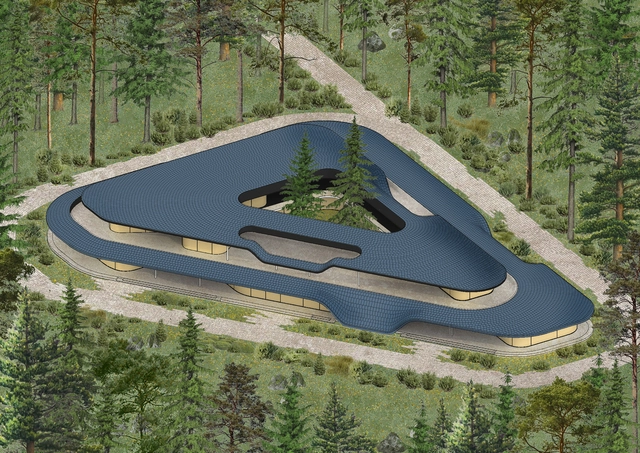
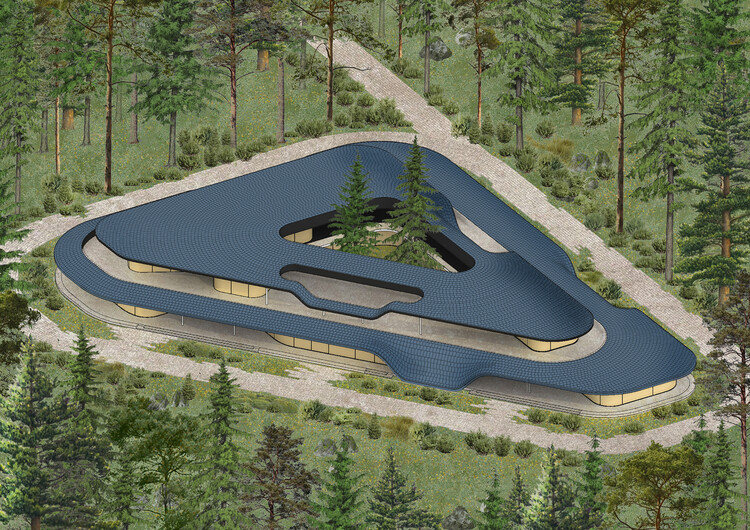
Across diverse climates and landscapes, architects are reimagining the home as a place deeply rooted in its surroundings, where architecture and environment work together to nurture well-being. This curated selection of unbuilt residences, submitted by the ArchDaily community, are conceived as sanctuaries, offering respite from the pace of urban life and drawing on the restorative qualities of greenery, water, and open air. Nature is utilized as an active presence, shaping courtyards, guiding circulation, and influencing the choice of materials and colors.

From Vietnam to Poland: 6 Unbuilt Residences Immersed in Nature - Image 14 of 4From Vietnam to Poland: 6 Unbuilt Residences Immersed in Nature - Image 23 of 4From Vietnam to Poland: 6 Unbuilt Residences Immersed in Nature - Image 26 of 4From Vietnam to Poland: 6 Unbuilt Residences Immersed in Nature - Image 5 of 4From Vietnam to Poland: 6 Unbuilt Residences Immersed in Nature - More Images+ 30

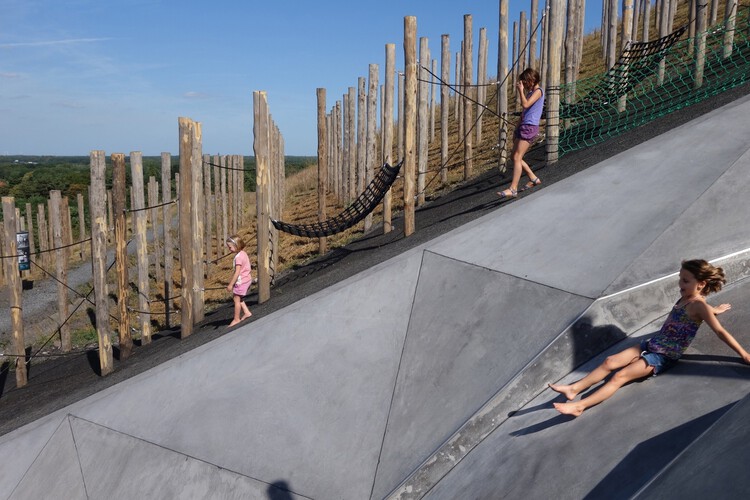
Playgrounds as Political Spaces: Negotiating Risk, Space, and Childhood

Playgrounds are spatial instruments through which society projects its expectations on childhood, testing the boundaries between control and autonomy, exposure and protection. They regulate how children relate to space, to others, and their bodies — encoding, often invisibly, social norms, fears, and aspirations. In this sense, playgrounds are not peripheral spaces of leisure; they are political constructs shaped by specific ideologies about what childhood is and how it should unfold. Since 1989, the right to play has been formally recognised in the United Nations Convention on the Rights of the Child, affirming that play is a fundamental part of human development. To design a playground is not only to draw lines on a plan or to install equipment in a park; it is to define the conditions under which play is permitted, imagined, or constrained.

Playgrounds as Political Spaces: Negotiating Risk, Space, and Childhood - Image 1 of 4Playgrounds as Political Spaces: Negotiating Risk, Space, and Childhood - Image 2 of 4Playgrounds as Political Spaces: Negotiating Risk, Space, and Childhood - Image 3 of 4Playgrounds as Political Spaces: Negotiating Risk, Space, and Childhood - Image 4 of 4Playgrounds as Political Spaces: Negotiating Risk, Space, and Childhood - More Images+ 21

Seven International Design Teams Shortlisted for Museum of Jesus’ Baptism in Jordan

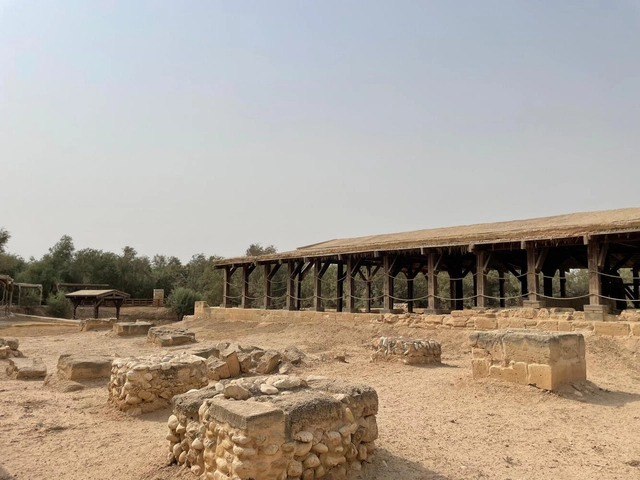
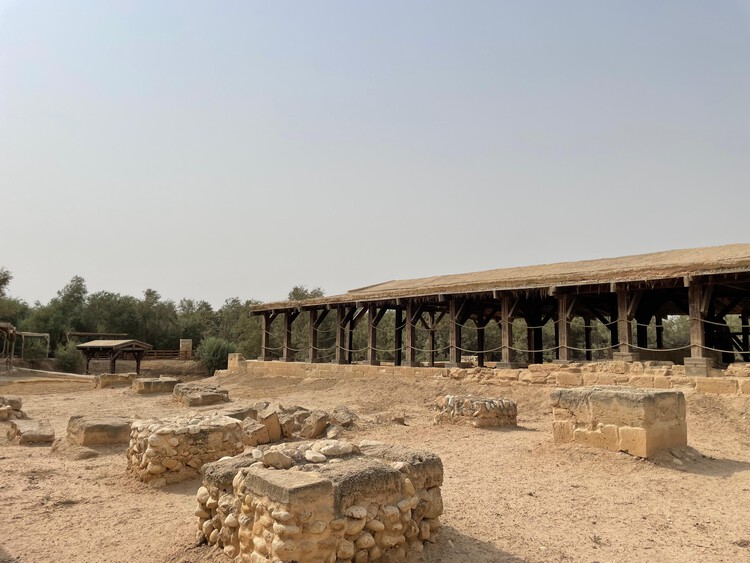
Seven international design teams have been shortlisted for the "Museum of Jesus' Baptism" at Bethany, Jordan, a cultural and spiritual landmark scheduled to open in 2030 to mark the bimillennial of Christ's baptism. Endorsed by His Majesty King Abdullah II bin Al-Hussein and led by the Foundation for the Development of the Lands Adjacent to the Baptism Site, the project is managed by London-based Malcolm Reading Consultants (MRC). The museum will be situated adjacent to the UNESCO World Heritage Site of "Bethany Beyond the Jordan" on the east bank of the Jordan River, a place of Christian pilgrimage for centuries.

Seven International Design Teams Shortlisted for Museum of Jesus’ Baptism in Jordan - Image 1 of 4Seven International Design Teams Shortlisted for Museum of Jesus’ Baptism in Jordan - Image 2 of 4Seven International Design Teams Shortlisted for Museum of Jesus’ Baptism in Jordan - Image 3 of 4Seven International Design Teams Shortlisted for Museum of Jesus’ Baptism in Jordan - Image 4 of 4Seven International Design Teams Shortlisted for Museum of Jesus’ Baptism in Jordan - More Images+ 9

Carlo Ratti Associati Presents New Cultural Center and Open-Air Stage in Addis Ababa, Ethiopia

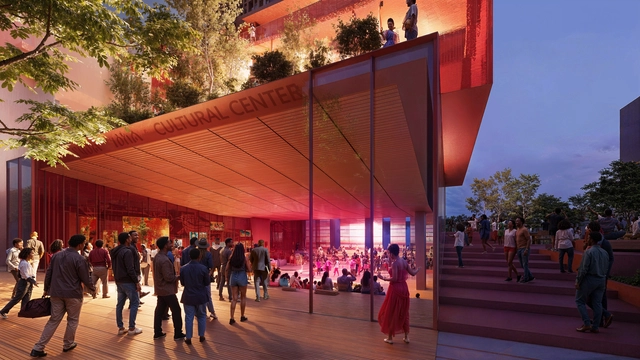
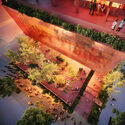
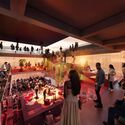
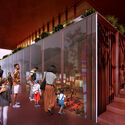
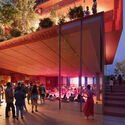
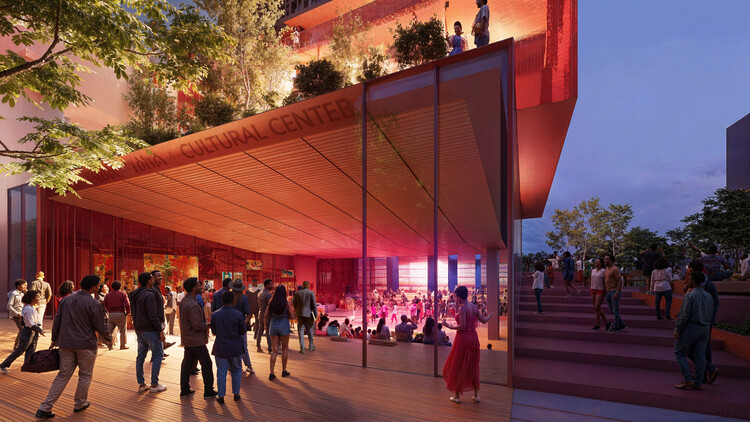
CRA-Carlo Ratti Associati has unveiled images of its design for a new cultural center in Addis Ababa, the capital of Ethiopia. The project is located in Kazanchis, a cultural, musical, and historic neighborhood currently undergoing transformation as part of a government-led urban renewal program focused on corridor development. This neighborhood was home to the traditional compound of the Fendika Cultural Center, a hub for Ethiopia's traditional and experimental arts, which was demolished on October 23, 2024, after the site was designated for redevelopment as part of the systematic clearing of the area. In recognition of Fendika's cultural significance, the Addis Ababa Municipality offered the institution the opportunity to remain on-site and rebuild in a way that aligned with the city's plans for the neighborhood. CRA's project responds to this context with an open stage and a four-story civic space.

Carlo Ratti Associati Presents New Cultural Center and Open-Air Stage in Addis Ababa, Ethiopia - Image 1 of 4Carlo Ratti Associati Presents New Cultural Center and Open-Air Stage in Addis Ababa, Ethiopia - Image 2 of 4Carlo Ratti Associati Presents New Cultural Center and Open-Air Stage in Addis Ababa, Ethiopia - Image 3 of 4Carlo Ratti Associati Presents New Cultural Center and Open-Air Stage in Addis Ababa, Ethiopia - Featured ImageCarlo Ratti Associati Presents New Cultural Center and Open-Air Stage in Addis Ababa, Ethiopia - More Images

From Tradition to Innovation: How Modern Technologies are Transforming the Potential of Wood

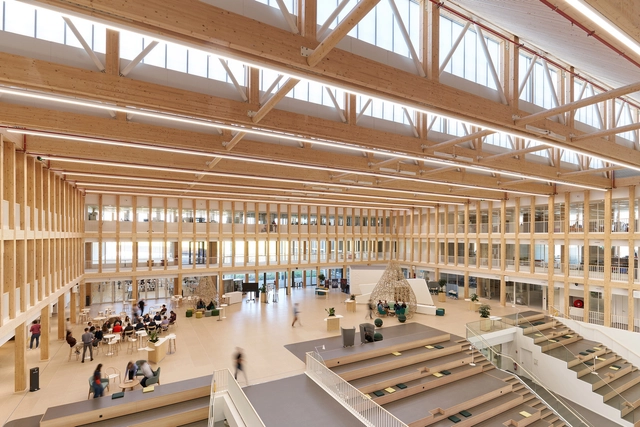
Wood, one of the oldest building materials, has been continuously reinvented throughout history. As contemporary architecture becomes more and more concerned with sustainability and environmental responsibility, the popularity of the material has also increased. As trees absorb carbon dioxide during their growth, their wood stores that carbon, keeping it out of the atmosphere. The materials derived from wood are thus associated with less greenhouse gas emissions on the condition of trees being harvested from sustainably managed forests. But in order to capture the full potential of this material, a plethora of techniques and modifications have evolved with the purpose of adapting and customizing wood's characteristics to the demands of modern design and construction. From thermal modification to engineered wood or versatile particle boards, these methods not only enhance wood's suitability for the rigors of contemporary architecture but also expand the usability of this sustainable material to an unprecedented scale.

From Tradition to Innovation: How Modern Technologies are Transforming the Potential of Wood - Image 1 of 4From Tradition to Innovation: How Modern Technologies are Transforming the Potential of Wood - Image 2 of 4From Tradition to Innovation: How Modern Technologies are Transforming the Potential of Wood - Image 3 of 4From Tradition to Innovation: How Modern Technologies are Transforming the Potential of Wood - Image 4 of 4From Tradition to Innovation: How Modern Technologies are Transforming the Potential of Wood - More Images+ 5

BIG’s Mesquit Street Mixed-Use Complex is Approved by Los Angeles City Council

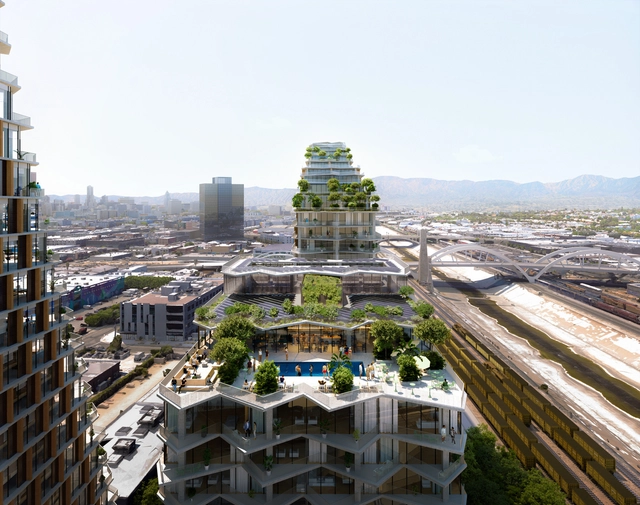
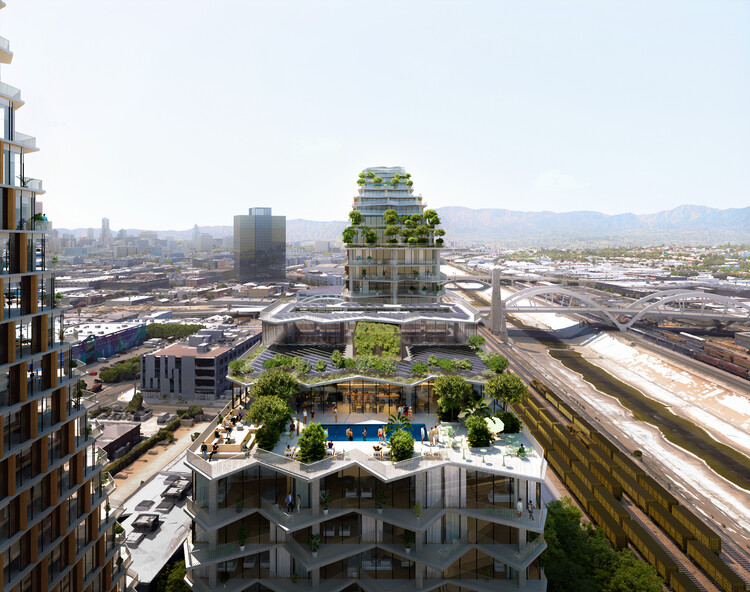
In December 2016, BIG unveiled the first images of a concrete superstructure for Los Angeles' Arts District. The project, a mixed-use complex called 670 Mesquit, was originally projected to cover 2.6 million square feet (242,000 square meters) and include office space, residential units, and two hotels, marking BIG's first project in Los Angeles. In July 2025, nearly nine years after the original proposal, the Los Angeles City Council approved the project to be eventually built in multiple phases.


BIG’s Mesquit Street Mixed-Use Complex is Approved by Los Angeles City Council - Image 1 of 4BIG’s Mesquit Street Mixed-Use Complex is Approved by Los Angeles City Council - Image 2 of 4BIG’s Mesquit Street Mixed-Use Complex is Approved by Los Angeles City Council - Image 3 of 4BIG’s Mesquit Street Mixed-Use Complex is Approved by Los Angeles City Council - Image 4 of 4BIG’s Mesquit Street Mixed-Use Complex is Approved by Los Angeles City Council - More Images+ 12