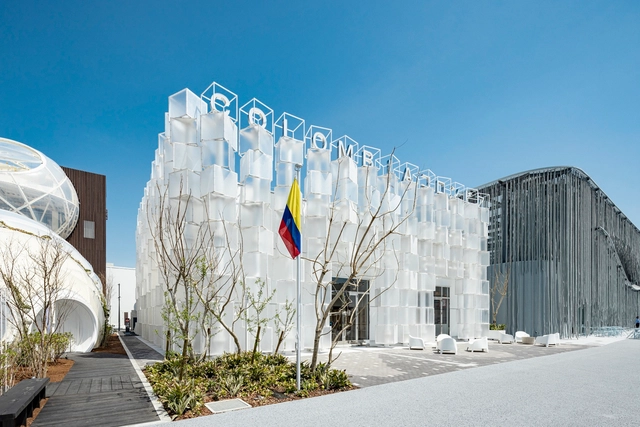
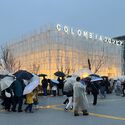
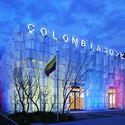
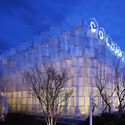
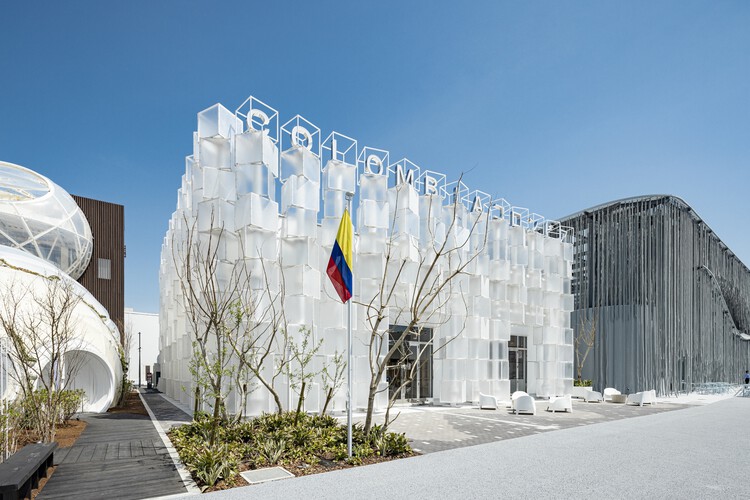
The Colombia Pavilion at the Expo Osaka 2025 adopts the theme "ICE CUBE," inspired by the scene in Gabriel García Márquez's One Hundred Years of Solitude where a young boy encounters ice for the first time. Translating this literary reference into built form, the pavilion presents a facade of translucent cubes set at varying angles, creating a sense of movement and articulation. Designed by MORF Inc., with Karim Chahal as Project Director and Ko Oono as Principal Architect, the exterior is composed of semi-transparent polycarbonate panels integrated with color-controlled lighting, allowing the facade to transform in appearance throughout the day and night.
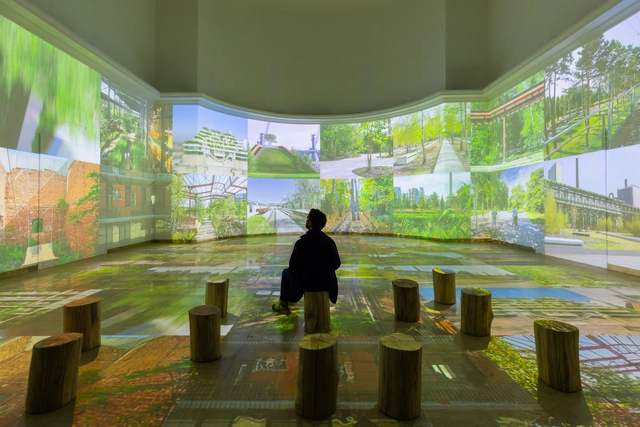
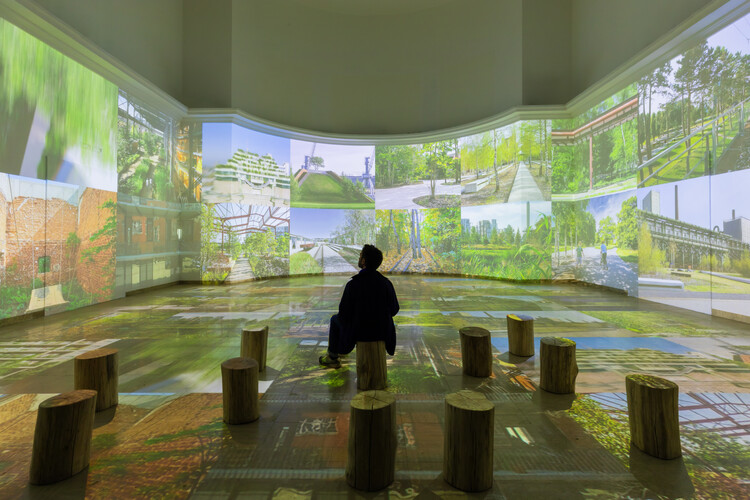
The Belgian Pavilion at the Venice Architecture Biennale 2025 presents a prototype that integrates landscape architecture into architectural interiors. Designed by Bas Smets in collaboration with Stefano Mancuso, the exhibition transforms the pavilion into a microclimate modeled after the understory of a subtropical forest, creating an indoor jungle that actively regulates temperature and humidity. The curatorial concept, supported by the Flanders Architecture Institute and its director, Dennis Pohl, promotes landscape thinking as an active design force rather than exterior decoration. In this video interview from Venice, Bas Smets and Dennis Pohl explain to ArchDaily editors how the project positions architecture as a platform for climate resilience and proposes a shift in design paradigms, from static images to evolving, living processes.
This curated selection of projects from the 2025 Venice Architecture Biennale explores regeneration as a deliberate, intelligent process rooted in the specific conditions of a place. For decades, the Biennale has been a testing ground for architecture's most urgent ideas, allowing designers, researchers, and institutions to present visions that address evolving environmental, cultural, and social challenges. This year's projects reveal how regeneration, whether of an entire coastal city, a disused industrial site, or a neglected public space, requires more than replacing the old with the new. It calls for a precise reading of existing contexts, the preservation of embedded knowledge, and the careful integration of contemporary needs.
The eight selected works show that regeneration can emerge from multiple starting points: reactivating heritage through adaptive reuse, restoring ecological systems as part of urban planning, developing open and modular strategies for social housing renewal, or layering technological innovation onto historically rooted practices. While the scale of intervention varies, each project demonstrates a sensitivity to what is already there and existing, be it material resources, urban patterns, or cultural memory, and a willingness to work with these assets as catalysts for transformation. Together, they suggest that regeneration must start somewhere, and that its success lies in balancing innovation with the intelligence of what already exists.
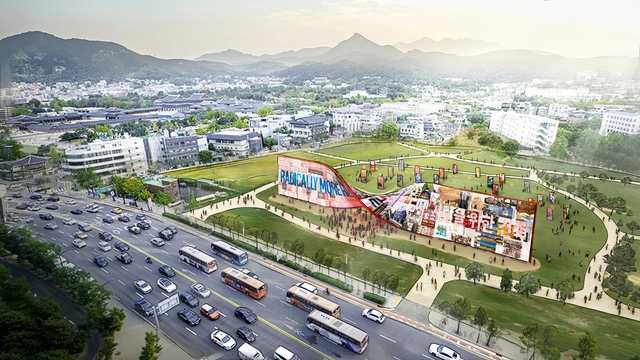
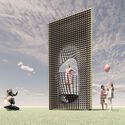
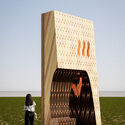
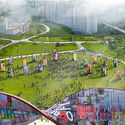
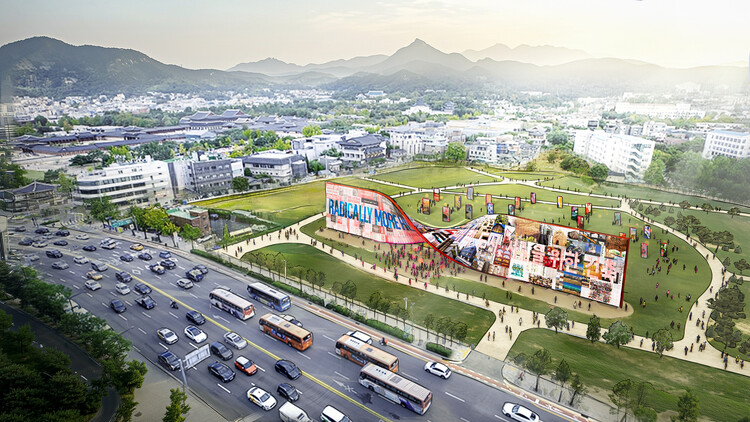
The 2025 edition of the Seoul Biennale of Architecture and Urbanism has announced the 24 designers commissioned to create the Walls of Public Life, a collective installation that explores how the exteriors of buildings can become more expressive, engaging, and emotionally resonant. Each contributor will produce a 2.4 by 4.8-meter building fragment, offering a reimagining of the architectural wall not as a backdrop, but as an active participant in public life. Installed along the north side of Songhyeon Green Plaza in central Seoul, the walls will form part of a larger urban intervention that includes the Humanise Wall, a four-storey, 90-meter-long installation to the south of the park.
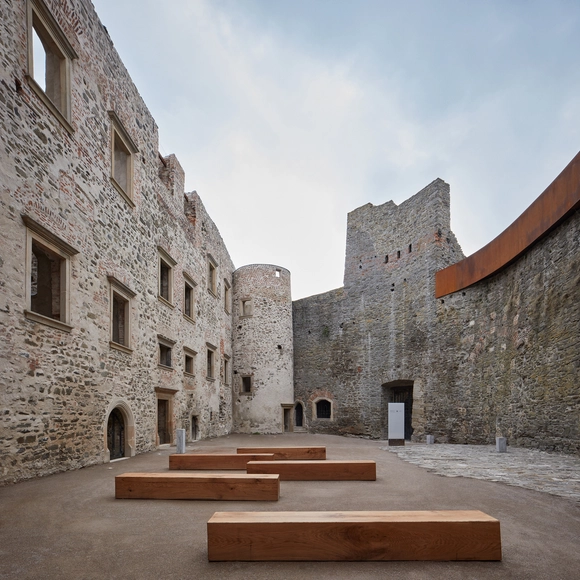
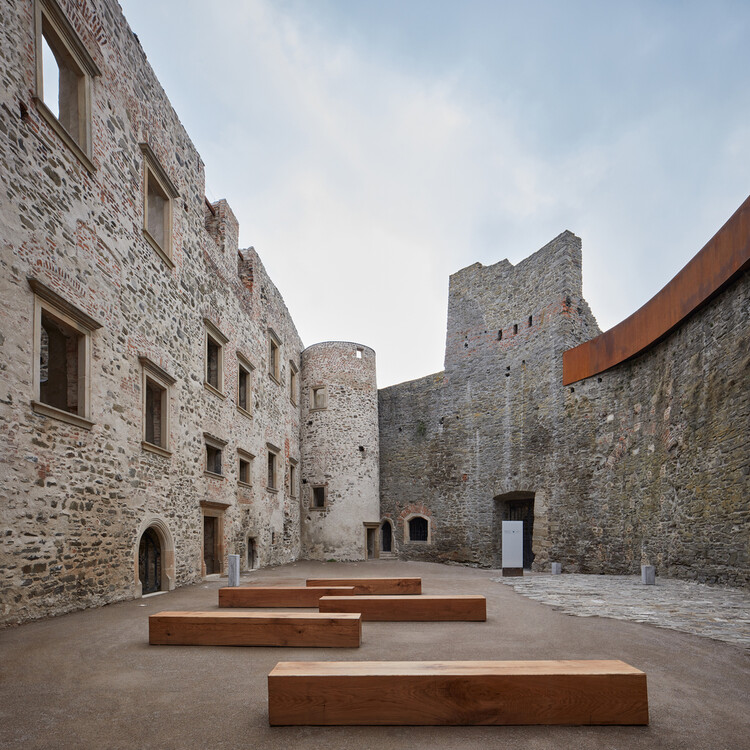
To recover, revitalize, convert—these actions have become increasingly present in contemporary cities, where architecture takes on the role of stitching together the overlapping layers of time that make up the urban fabric. Faced with this task, architects have explored a range of design strategies. Among them, one material in particular has stood out for how frequently—and effectively—it appears in interventions on historic buildings and contexts: corten steel. With its rusted surface, rich in texture and tone, it seems to offer a compelling answer to the challenging question of how to insert the new into the old. But what makes this material so recurrent in these situations? Is it simply its durability and versatility, or is there something deeper in its visual and symbolic presence?
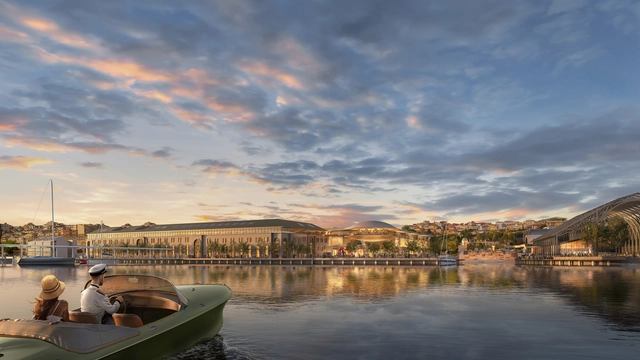
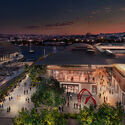
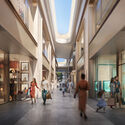
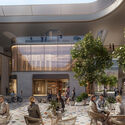
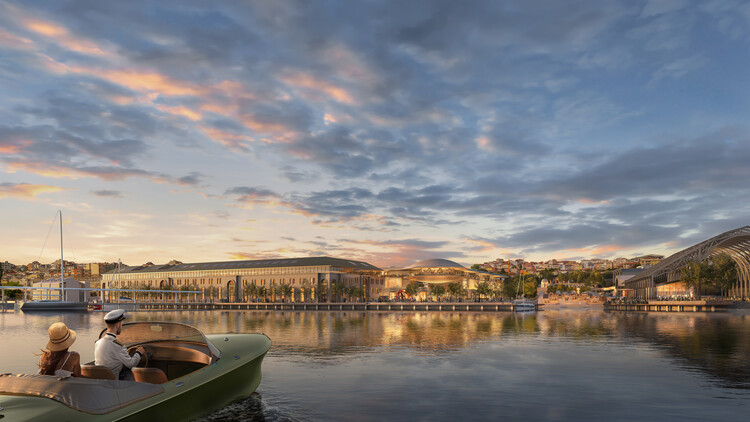
Foster + Partners has revealed designs for a retail plaza located on the northern bank of the Golden Horn in Istanbul, Türkiye. The project forms part of the larger Tersane master plan, which proposes to redevelop 1.6 kilometers of previously underutilized waterfront. The master plan integrates a mix of retail, residential, hospitality, cultural buildings, and landscaped public spaces, aiming to enhance access along the shoreline. The plaza sits within close proximity to several of Istanbul's historiclandmarks, drawing on the area's maritime and industrial heritage. The design's scale and material choices reflect this context, seeking to align with the site's historic layers while introducing a contemporary retail environment.
Returning for his second interview with ArchDaily, Sir Peter Cook sat with Editor in Chief, Christele Harrouk, at the World Architecture Festival 2025. While the first conversation focused on his advice for young architects, this one followed his presentation during WAF on the forthcoming book, Archigram Ten, an editorial project reviving the spirit of the original magazine with founding members and contemporary designers. Building on those themes, he reflects on artificial intelligence, the impact of COVID-19 on his own practice, and current architectural pedagogies.
Contemporary Mexican market architecture frequently draws inspiration from its pre-Hispanic precedents. The Tlatelolco Market in ancient Tenochtitlan, for example, featured a large, stone-paved open square with designated "streets", which were divided into sections for specific goods, serving as a significant gathering point for social and economic exchange. Similarly, the tradition of the Tianguis, an ephemeral market typology within the broader Mesoamerican tradition, also arranged stalls in aisles within a public plaza, reflecting organizational principles seen in Tlatelolco. These historical models established a base for the tradition of marketplaces in Mexico and the countries in Central America, where they merge public space and structured layouts for commerce. Today, even though many of Mexico's commercial spaces, notably Mexico City's Central de Abasto and other markets such as the Jamaica, Merced, and San Juan Markets, have taken on a stationary approach to serving their communities, tianguis maintain their foothold in Mexican society.
A project can be drawn in broad strokes, but it's built in details. Simple as it may seem, a staircase involves a significant degree of engineering. Some are noticeably more tiring, or more difficult to climb and descend. To address this, in the 17th century, architect François Blondel proposed a formula to ensure the ideal proportion between riser and tread, an equation that, when respected, offers a comfortable path. But there's another equally decisive factor: all steps must be identical. This may sound trivial and logical, yet executing anything with precision is always a construction challenge. Our bodies quickly adapt to the dimensions of the steps, and any variation (even minimal) can lead to repeated stumbles or missteps. A seemingly insignificant detail, when poorly resolved, can compromise the well-being and safety of an entire building.
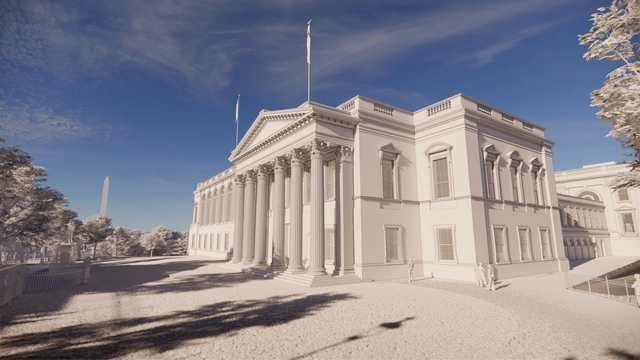
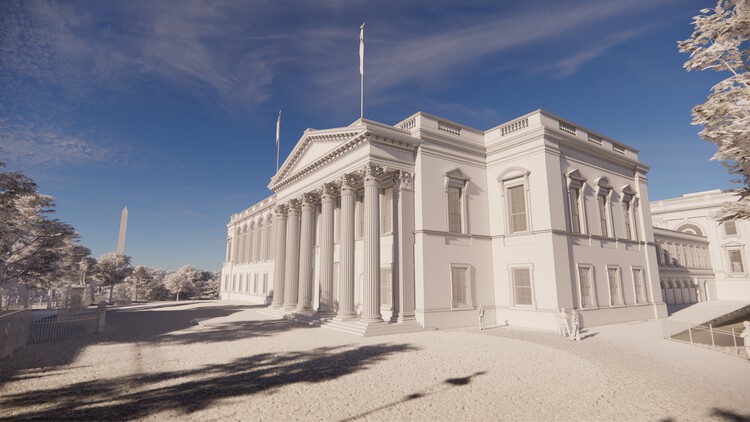
The White House has unveiled plans for a new permanent event space on its historic grounds. Intended to address long-standing spatial limitations for large-scale ceremonial functions, the proposed White House State Ballroom will provide a venue with an expanded capacity. McCrery Architects, a Washington-based firm recognized for its work in classical architecture, was initially appointed as lead architect. Clark Construction will oversee the build, with engineering support provided by AECOM. The construction is scheduled to begin in September 2025, with completion planned within the current administration.
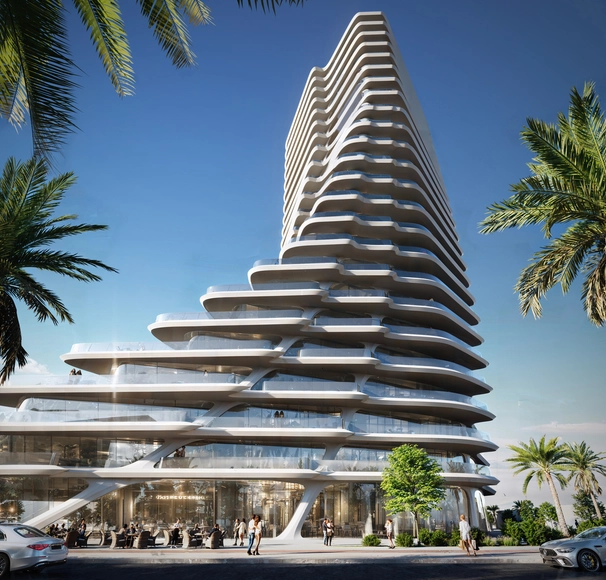
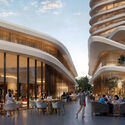
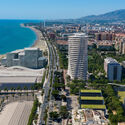
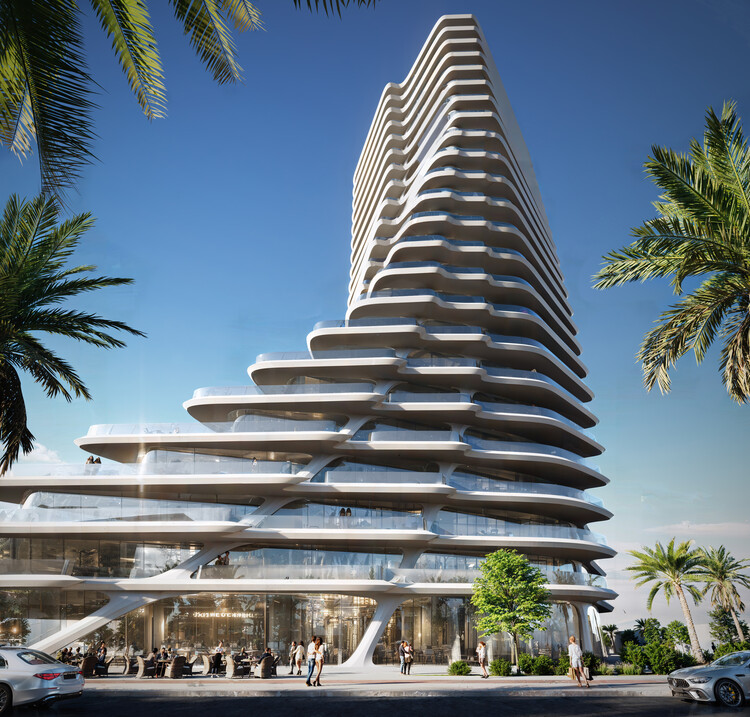
Sierra Blanca Estates, a real estate development firm, has officially announced plans to build a new residential neighborhood in the coastal city of Málaga, Spain. According to the developers, the proposal is intended to address the city's growing demand for housing in the capital of the Andalucía autonomous community, located along the Mediterranean Sea in the southern Iberian Peninsula. The new neighborhood is planned for the El Bulto area and would include a 21-storey building designed by Zaha Hadid Architects.
The 19th International Architecture Exhibition of La Biennale di Venezia features a notable presence from the SCI-Arc community, including students, alumni, and faculty. Their work appears across a range of contexts—from national pavilions to independent installations and research projects—engaging critically with this year's theme, Intelligens. The exhibition offers a compelling platform for exploring questions central to SCI-Arc's pedagogy: the future of design, the role of technology, and the possibilities of architectural experimentation.
Germany's contribution to the 19th Venice Architecture Biennale 2025 exposes visitors physically and psychologically to the future urban climate: a STRESSTEST that makes the need for immediate action palpable. The exhibition takes a clear stance: climate change is an unstoppable reality, and the measures taken so far are inadequate. It presents a scenario in which climate change manifests globally through rising temperatures, extreme weather, and sea level rise, with its effects directly felt at a local level: urban spaces suffering from heat stress. Curators Nicola Borgmann, Elisabeth Endres, Gabriele G. Kiefer, and Daniele Santucci have designed an exhibition to highlight the impacts of global warming on urban life in an urgent call to action, emphasizing that this reality threatens urban social life, productivity, and the health and survival of citizens.
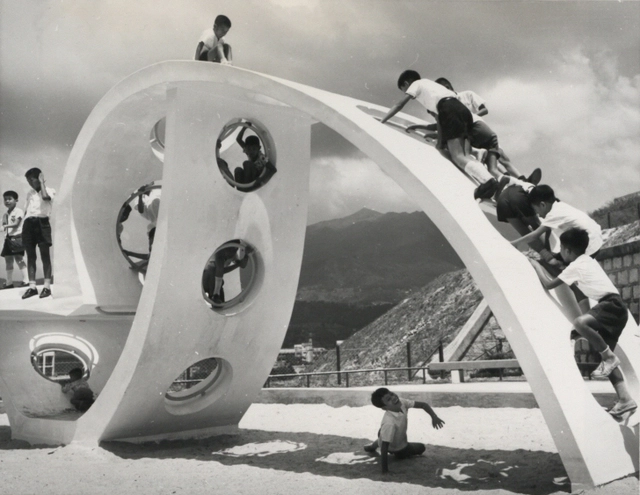
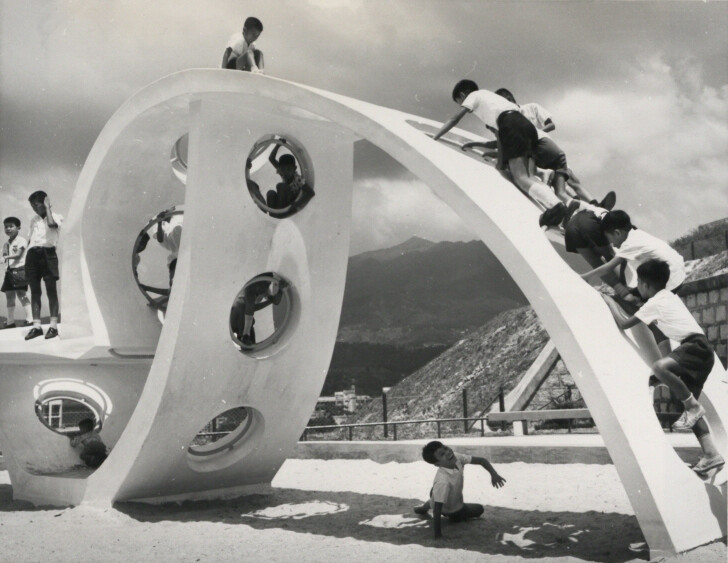
When we think about cities and urban life, we often focus on infrastructure, culture, commerce, nightlife, and density. In metropolises where there seems to be an endless array of activities—especially for adults—play rarely enters the conversation. Yet, the act of playing should be considered a vital part of urban life. Play directly influences how we shape our future cities—starting with how children engage with their environments. The experience of play, and more specifically, the design and presence of playgrounds, leaves lasting impressions on how young people grow up in cities. These spaces form a child's first, physical connection to the urban landscape. In this way, play deserves far more attention in conversations around urban wellness, livability, and the design of public space.
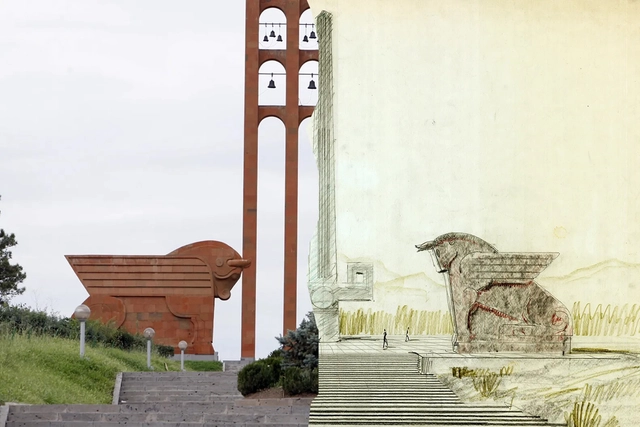
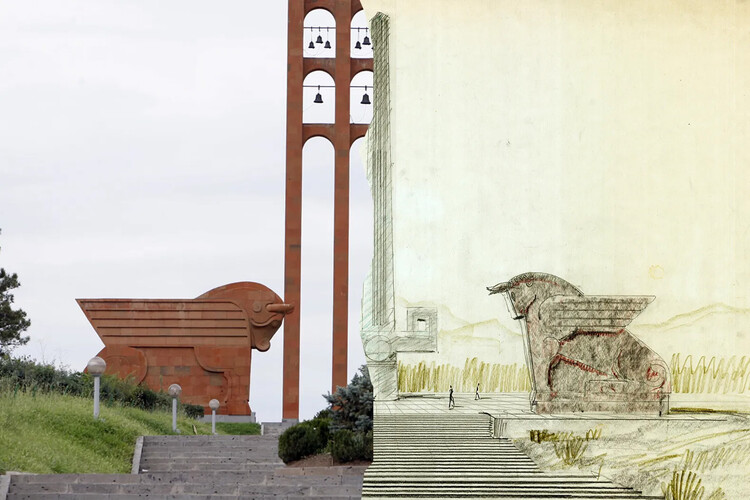
The Sardarapat Memorial and the architect's original sketch. Image via risraelyan.com/en/, courtesy of Aram Ghanalanyan
In a time when much global architecture can feel disconnected from local identity, the work of Rafayel Israelyan stands out for being rooted in place, culture, and memory. Working in mid-20th-century Armenia, Israelyan created architecture that is more than functional or monumental; it is culturally resilient. His use of traditional Armenian motifs, materials, and symbolic forms gave his designs a second life after the fall of the Soviet Union, when many buildings across post-Soviet states were abandoned or demolished. Armenia, by contrast, preserved many of his works, likely because their design approach not only served a specific moment in time, but also told a larger story. Long before concepts like sustainability or critical regionalism became popular, Israelyan understood that buildings gain meaning and endurance when they reflect the specific identity and characteristics of their place.
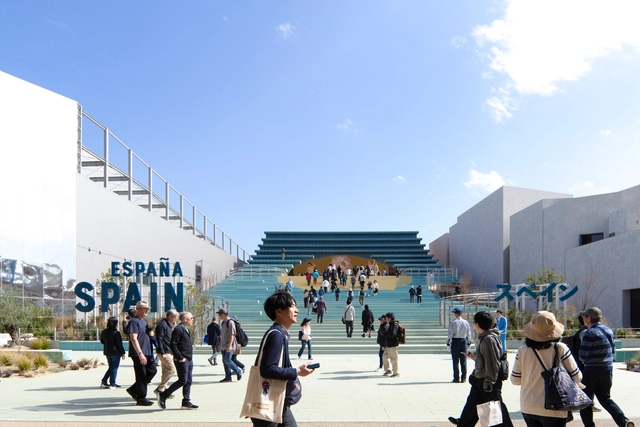
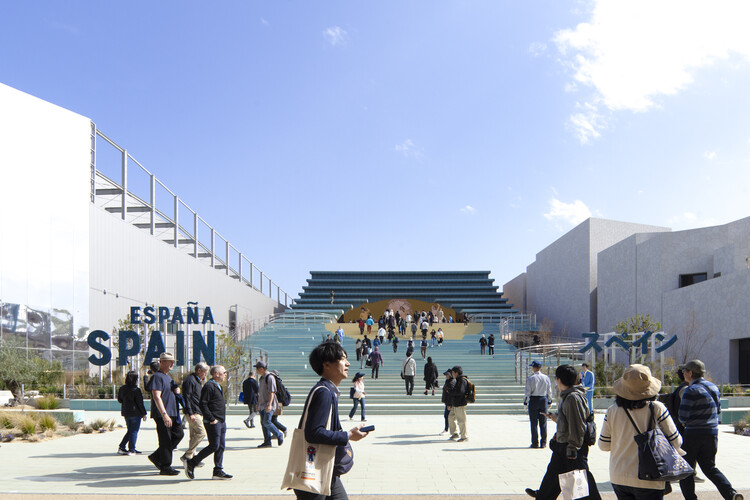
Since its opening in April, Expo Osaka has welcomed millions of visitors from around the world, standing as a true showcase of innovation, architecture, and design. Among its highlights is the Grand Ring, designed by Japanese architect Sou Fujimoto, considered the largest timber architectural structure in the world. Under the theme of Expo 2025 — “Designing Future Society for Our Lives”, along with Saving Lives, Empowering Lives, and Connecting Lives — more than 150 countries have used their pavilions to address key topics in contemporary architecture, such as circular construction, cultural memory, and innovation and technology aimed at shaping a sustainable built environment for the future.