1. ArchDaily
  2. Architecture

Architecture: The Latest Architecture and News

“Architecture and Energy” at DAM Explores the Climate Impact of the Built Environment

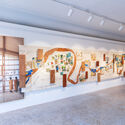
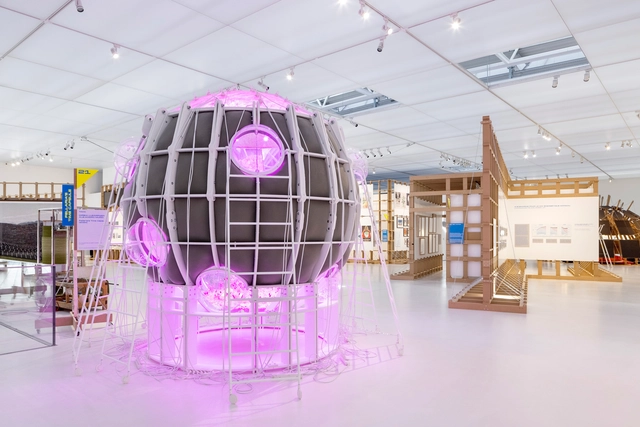
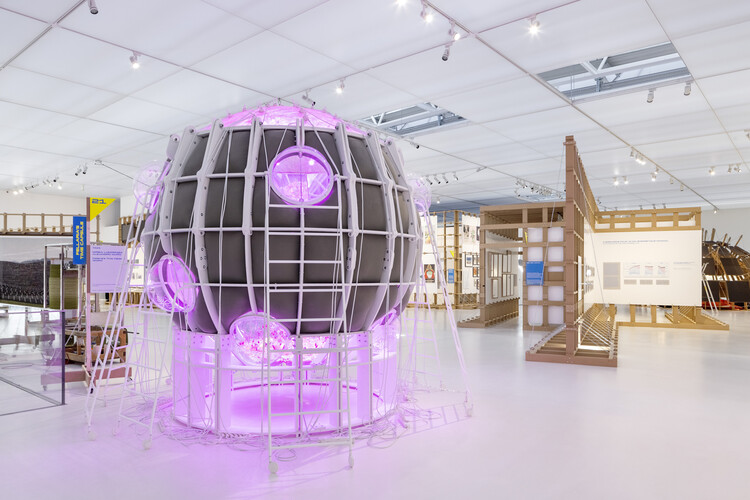
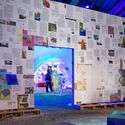
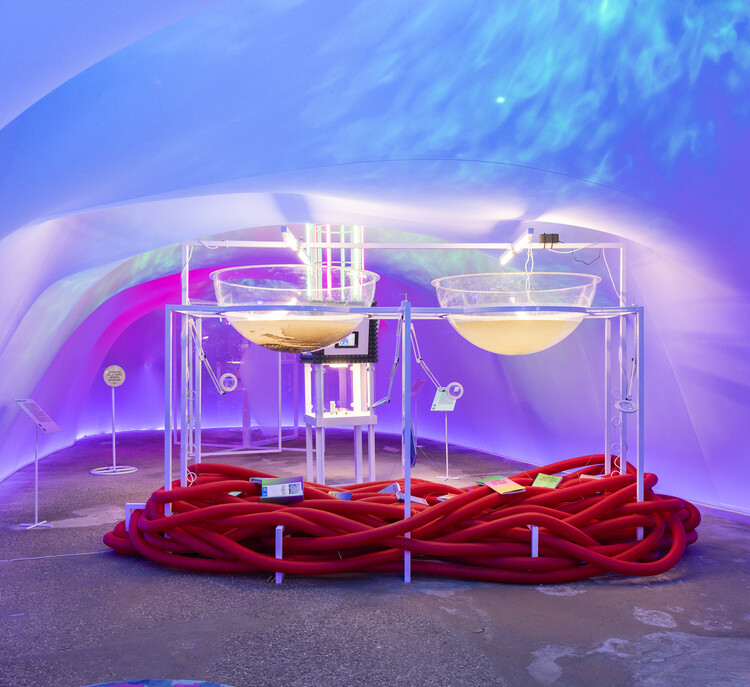
The Deutsches Architekturmuseum (DAM) in Frankfurt has launched its new exhibition Architecture and Energy: Building in the Age of Climate Change on June 14, which will be open to visitors until October 5, 2025. Developed in collaboration with engineer and sustainability advocate Werner Sobek, the exhibition explores the intersections of architecture, energy, and climate, focusing on the environmental impact of the built environment and the role of architecture in mitigating climate change. By framing architecture as both a challenge and an opportunity in the context of the climate crisis, the exhibition seeks to contribute to a broader shift in thinking, one that positions design as a vital component of a sustainable future.

“Architecture and Energy” at DAM Explores the Climate Impact of the Built Environment - Image 1 of 4“Architecture and Energy” at DAM Explores the Climate Impact of the Built Environment - Image 2 of 4“Architecture and Energy” at DAM Explores the Climate Impact of the Built Environment - Image 3 of 4“Architecture and Energy” at DAM Explores the Climate Impact of the Built Environment - Image 4 of 4“Architecture and Energy” at DAM Explores the Climate Impact of the Built Environment - More Images+ 8

Conserving Black Modernism: The Getty Foundation Adds Five U.S. Landmarks to its 2025 Grant Program

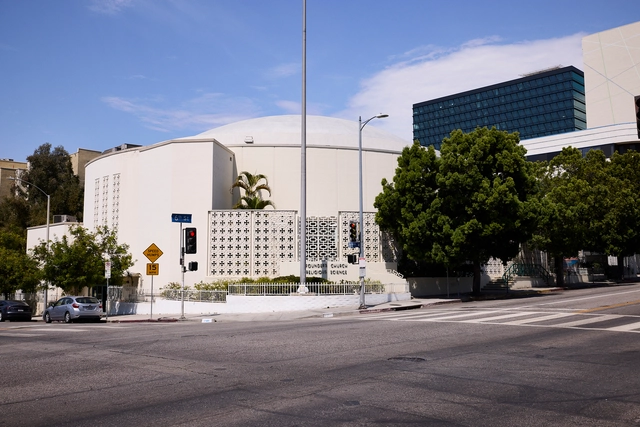
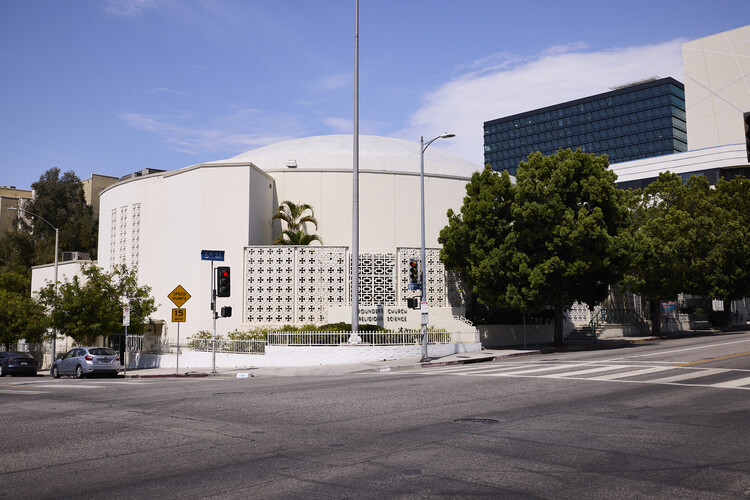
The Getty Foundation's Conserving Black Modernism initiative was launched in 2022 as a grant program to preserve and ensure the legacy of African American architects within the Modernist movement across the United States. In partnership with the National Trust for Historic Preservation's African American Cultural Heritage Action Fund, it supports conservation efforts, training, and educational initiatives to address the historical oversight of significant architectural landmarks and their designers' contribution. For its third funding cycle in 2025, five new buildings will receive critical support, expanding the initiative's reach into new communities with the first projects in Chicago and the Pacific Northwest.

Conserving Black Modernism: The Getty Foundation Adds Five U.S. Landmarks to its 2025 Grant Program - Image 1 of 4Conserving Black Modernism: The Getty Foundation Adds Five U.S. Landmarks to its 2025 Grant Program - Image 2 of 4Conserving Black Modernism: The Getty Foundation Adds Five U.S. Landmarks to its 2025 Grant Program - Image 3 of 4Conserving Black Modernism: The Getty Foundation Adds Five U.S. Landmarks to its 2025 Grant Program - Image 4 of 4Conserving Black Modernism: The Getty Foundation Adds Five U.S. Landmarks to its 2025 Grant Program - More Images+ 29

A Different Type of Rurality: Designs for Post-Industrial Heritage Transformation

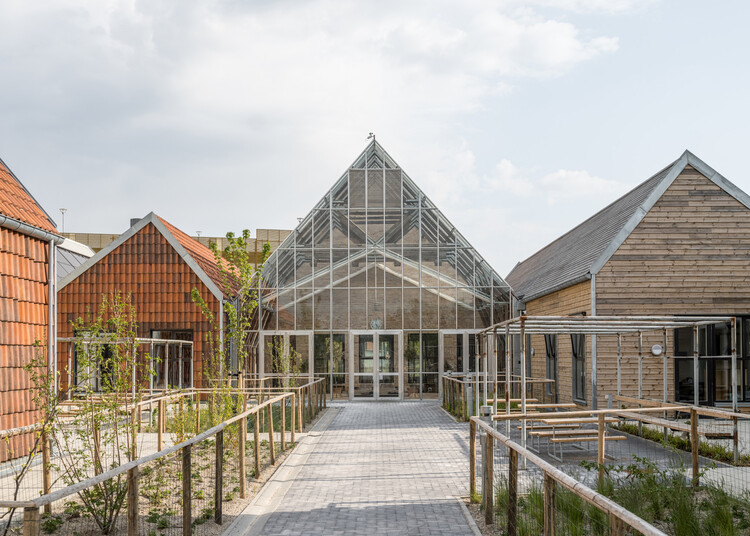
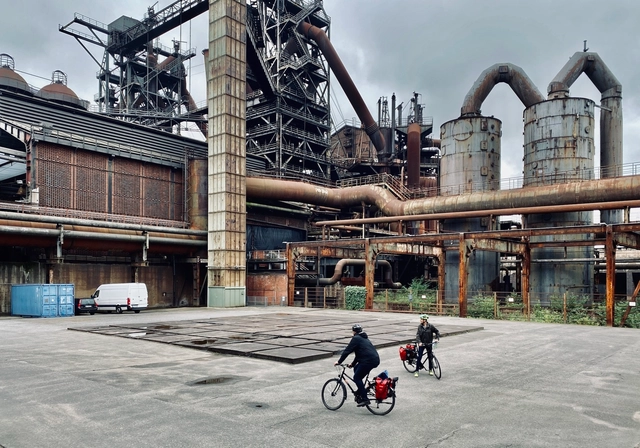
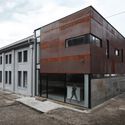
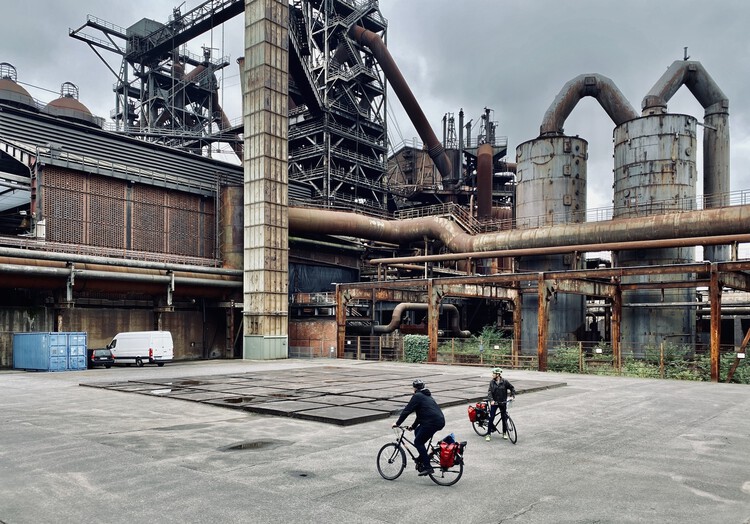
Across the rural terrains of North America and Western Europe, traces of past industry remain embedded in the land: mills rusting in meadows, smokestacks punctuating quiet townscapes, the skeletons of once-thriving economies. For decades, these sites have signified decline through the remnants of an extractive era that has shaped the environment and local identity. The challenges of remediation often encompass technical, environmental, and cultural aspects that require creativity, precision, and sensitivity.

A Different Type of Rurality: Designs for Post-Industrial Heritage Transformation - Image 1 of 4A Different Type of Rurality: Designs for Post-Industrial Heritage Transformation - Image 2 of 4A Different Type of Rurality: Designs for Post-Industrial Heritage Transformation - Image 3 of 4A Different Type of Rurality: Designs for Post-Industrial Heritage Transformation - Image 4 of 4A Different Type of Rurality: Designs for Post-Industrial Heritage Transformation - More Images+ 36

The Economics of Authenticity: Heritage Preservation in Mumbai as a Business Model

Subscriber Access | 

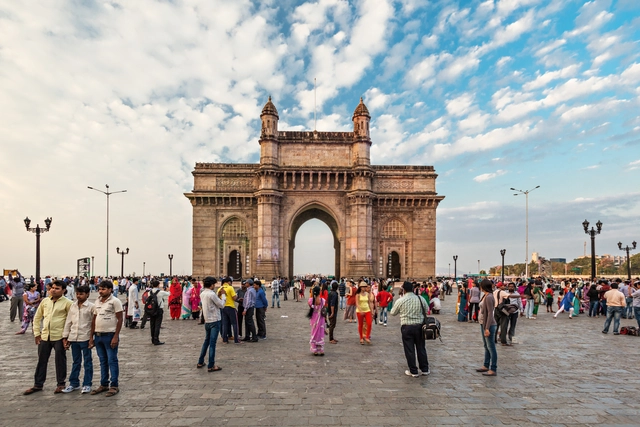
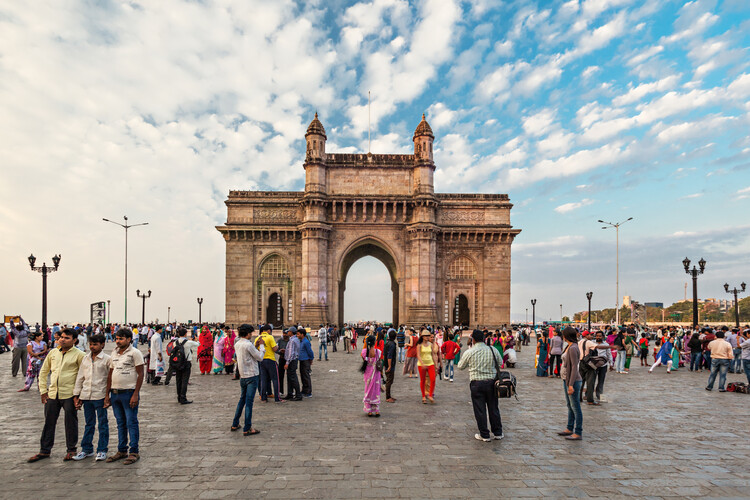
Heritage preservation and economic viability have long been treated as competing priorities in urban development. Architects typically face a stark choice - to design for community continuity or design for financial returns. Contemporary projects in Mumbai render this binary false. Through strategic programming, material choices, and spatial organization, architects enable buildings to generate sustainable revenue while strengthening, rather than displacing, existing communities.

The Economics of Authenticity: Heritage Preservation in Mumbai as a Business Model - Image 1 of 4The Economics of Authenticity: Heritage Preservation in Mumbai as a Business Model - Image 2 of 4The Economics of Authenticity: Heritage Preservation in Mumbai as a Business Model - Image 3 of 4The Economics of Authenticity: Heritage Preservation in Mumbai as a Business Model - Image 4 of 4The Economics of Authenticity: Heritage Preservation in Mumbai as a Business Model - More Images+ 2

Halfway Through Expo 2025 Osaka: 10 Must-Visit Pavilions

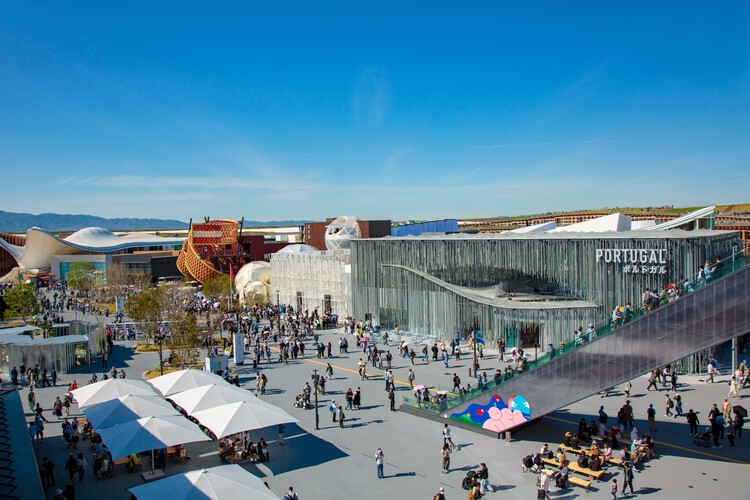
As Expo 2025 Osaka passes the midpoint of its six-month duration on July 13, the international exposition continues to serve as a global platform for architectural experimentation, cultural exchange, and technological innovation. Officially opened on April 13 on the reclaimed island of Yumeshima, the event is organized under the theme "Designing Future Society for Our Lives," and has already welcomed more than 13 million visitors as of late July. Conceived as a space for collaboration across disciplines and borders, the Expo brings together more than 150 national, thematic, and corporate pavilions.

Halfway Through Expo 2025 Osaka: 10 Must-Visit Pavilions - Image 1 of 4Halfway Through Expo 2025 Osaka: 10 Must-Visit Pavilions - Image 2 of 4Halfway Through Expo 2025 Osaka: 10 Must-Visit Pavilions - Image 3 of 4Halfway Through Expo 2025 Osaka: 10 Must-Visit Pavilions - Image 4 of 4Halfway Through Expo 2025 Osaka: 10 Must-Visit Pavilions - More Images+ 6

Tradition in Clay: Vietnam's Architectural Exploration with Traditional Tiles

Subscriber Access | 

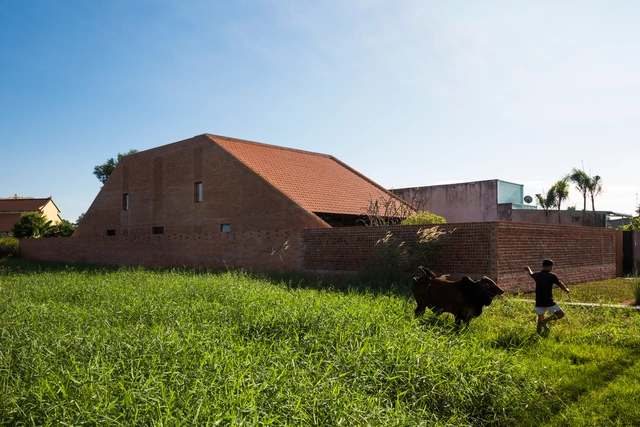
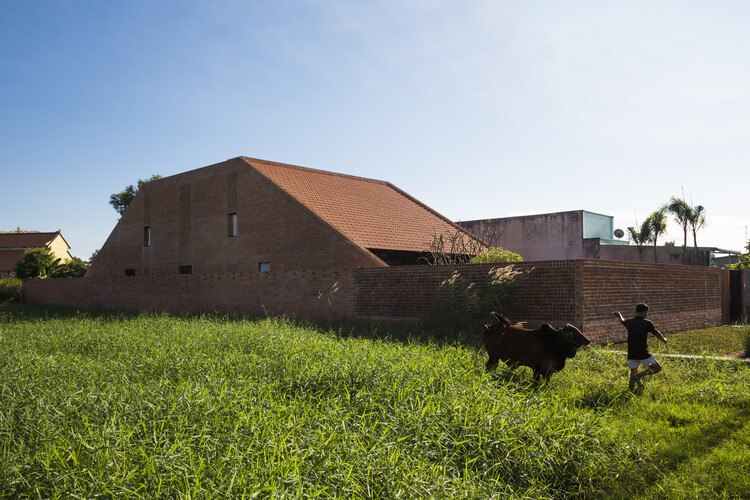
Red clay roof tiles appear in many architectural traditions around the world, despite the cultures being geographically or historically distant. However, this isn't necessarily surprising. Clay is an abundant and accessible building material worldwide, with some studies and other sources suggesting it comprises approximately 10-13% of the Earth's soils. Red tiles, in particular, are often a product of the local soil's mineral content and the firing process. Their widespread use across unrelated regions is less about shared cultural influence and more about material logic: clay is cheap, durable, and easy to work with using simple tools and techniques. In Vietnam, for example, there is a unique and visible tradition of clay tile use that dates back centuries. Regions like Vinh Long, nicknamed the "kingdom of red ceramics", have an abundance of this material, supporting a long history of tile-making. In some parts of Vietnam, these tiles are known as Yin-Yang tiles, due to the concave and convex shape in which they are formed during production.

Tradition in Clay: Vietnam's Architectural Exploration with Traditional Tiles - Image 1 of 4Tradition in Clay: Vietnam's Architectural Exploration with Traditional Tiles - Image 2 of 4Tradition in Clay: Vietnam's Architectural Exploration with Traditional Tiles - Image 3 of 4Tradition in Clay: Vietnam's Architectural Exploration with Traditional Tiles - Image 4 of 4Tradition in Clay: Vietnam's Architectural Exploration with Traditional Tiles - More Images+ 2

Longevity Through Renewal: The Enduring Wisdom of Hong Kong's Water Villages

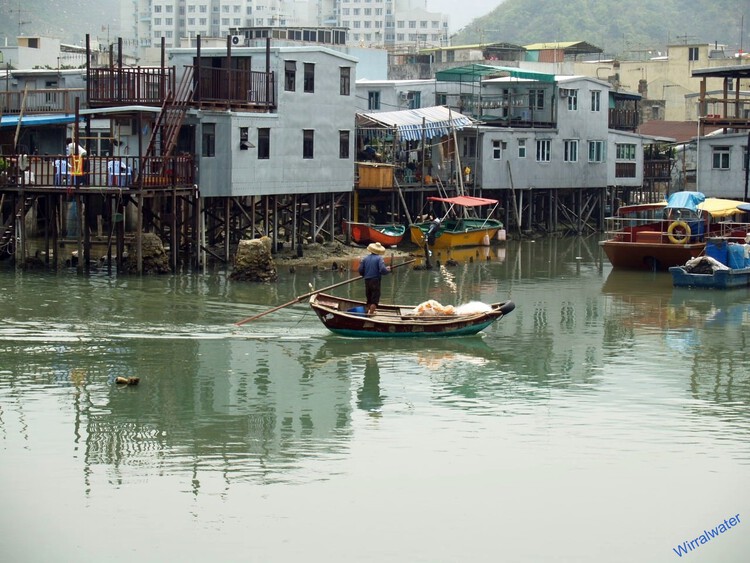
While Hong Kong is widely celebrated for its iconic harbor view, glittering skyline, and fast-paced urban lifestyle, its origins tell a different story—one deeply rooted in its relationship with water. Before transforming into a dense, vertical metropolis, Hong Kong's architectural identity was closely tied to its maritime context. Today, the city is often associated with slender, glass-clad towers that symbolize modernity. While visually striking in their pursuit of height and form, many of these buildings appear disconnected from their immediate environment, often overlooking natural site conditions, ecological responsiveness, and contextual sensitivity.

Historically, however, this was not the case. Hong Kong's earliest built environments—rural fishing villages in areas like Tai O, Aberdeen, and Shau Kei Wan—emerged through organic, community-driven spatial practices that engaged closely with their surroundings. These coastal and riverside settlements developed architectural systems tailored to the marine environment and to the rhythms of fishing life. Villages were sited around water, and construction strategies were adapted to fluctuating tides, terrain, and social use.

Longevity Through Renewal: The Enduring Wisdom of Hong Kong's Water Villages - Image 1 of 4Longevity Through Renewal: The Enduring Wisdom of Hong Kong's Water Villages - Image 2 of 4Longevity Through Renewal: The Enduring Wisdom of Hong Kong's Water Villages - Image 3 of 4Longevity Through Renewal: The Enduring Wisdom of Hong Kong's Water Villages - Image 4 of 4Longevity Through Renewal: The Enduring Wisdom of Hong Kong's Water Villages - More Images+ 13

Small Structures, Big Impact: 4 Rural Prototypes for a Changing Planet

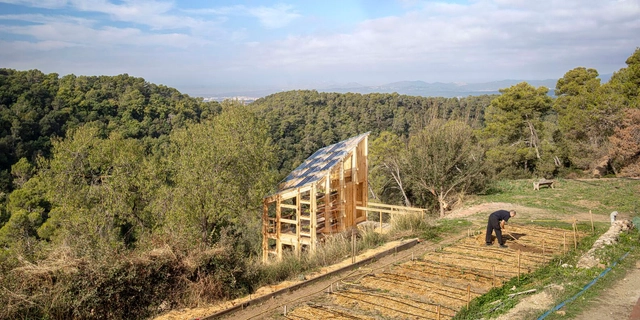
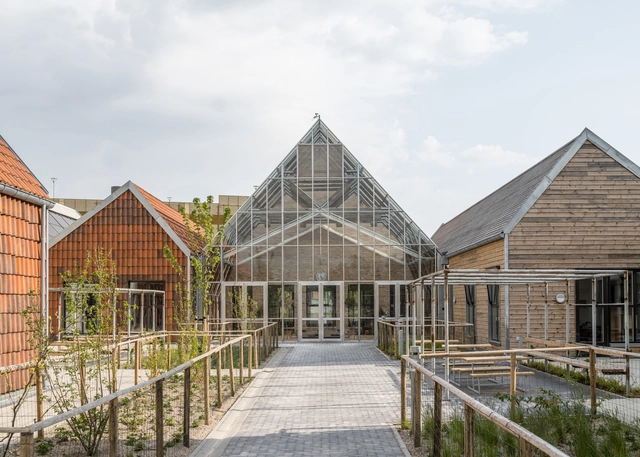
Facing an interconnected planetary climate crisis, biodiversity loss, and resource depletion, regenerative design emerges as a pathway toward building resilient and ecologically attuned rural futures. At the intersection of architecture, agriculture, and local ecosystems, new models of resilient, self-sufficient agricultural practices are emerging. These projects are not grand industrial systems but small-scale, precise, and deeply contextual architectural interventions that create spaces that foster sustainable cultivation while respecting environmental rhythms, local materials, and community knowledge.

Small Structures, Big Impact: 4 Rural Prototypes for a Changing Planet - Image 1 of 4Small Structures, Big Impact: 4 Rural Prototypes for a Changing Planet - Image 2 of 4Small Structures, Big Impact: 4 Rural Prototypes for a Changing Planet - Image 3 of 4Small Structures, Big Impact: 4 Rural Prototypes for a Changing Planet - Image 4 of 4Small Structures, Big Impact: 4 Rural Prototypes for a Changing Planet - More Images+ 4

Europe 40under40 Reveals the 2024–2025 Selection of Young Architects and Designers

The 2024–2025 edition of the Europe 40under40 Awards has announced its selected architects and designers, recognizing emerging professionals under the age of 40 working across Europe. Organized by The European Centre for Architecture Art Design and Urban Studies and The Chicago Athenaeum, the program highlights a range of built and conceptual work that reflects contemporary approaches to architecture and design. This year's selection brings together young architects and designers from Cyprus, France, Greece, Italy, Norway, Poland, Portugal, Spain, Sweden, Switzerland, and Turkiye, offering a wide-ranging perspective on Europe's contemporary architectural discourse.

The selection was made by a jury composed of Melike Altınışık, Hans-Petter Bjørnådal, Eleni-Stefania Kalapoda, and Adrian Yap, who evaluated submissions from a range of scales and typologies. The winning projects will be presented in the exhibition "40 Young European Architects with New Visions," opening on December 5th, 2025, at The European Centre, Contemporary Space Athens. A special yearbook publication by Metropolitan Arts Press will also document the selected works, making them accessible to international audiences. Submissions are now open for the 2025–2026 edition, with a deadline of December 15, 2025.

Europe 40under40 Reveals the 2024–2025 Selection of Young Architects and Designers - Image 1 of 4Europe 40under40 Reveals the 2024–2025 Selection of Young Architects and Designers - Image 2 of 4Europe 40under40 Reveals the 2024–2025 Selection of Young Architects and Designers - Image 3 of 4Europe 40under40 Reveals the 2024–2025 Selection of Young Architects and Designers - Image 4 of 4Europe 40under40 Reveals the 2024–2025 Selection of Young Architects and Designers - More Images+ 9

"Nature is an Incredible Teacher": Jenny Sabin on the Fusion of the Digital, Biological and Physical in Louisiana Channel Interview

Jenny E. Sabin is an American architect, designer, and educator known for her work at the intersection of architecture, computation, and biomaterials. She integrates digital fabrication, responsive materials, and bio-inspired design into her architectural practice and runs an experimental architecture studio, Jenny Sabin Studio, based in Ithaca, NY. In this interview with Louisiana Channel, she shares her personal journey from artist to scientist, explains how biological and material systems can be applied at an architectural scale, and discusses her teaching and research roles at Cornell University. She elaborates on her interest in bringing people together through new strategies for responsive and adaptive architecture. In her view, the connections between the digital, the physical, and the biological define a paradigm shift in the evolution of architecture, converging with other realms of physical experience to create a more interconnected future.

"Nature is an Incredible Teacher": Jenny Sabin on the Fusion of the Digital, Biological and Physical in Louisiana Channel Interview - Featured Image"Nature is an Incredible Teacher": Jenny Sabin on the Fusion of the Digital, Biological and Physical in Louisiana Channel Interview - Image 3 of 4"Nature is an Incredible Teacher": Jenny Sabin on the Fusion of the Digital, Biological and Physical in Louisiana Channel Interview - Image 1 of 4"Nature is an Incredible Teacher": Jenny Sabin on the Fusion of the Digital, Biological and Physical in Louisiana Channel Interview - Image 2 of 4Nature is an Incredible Teacher: Jenny Sabin on the Fusion of the Digital, Biological and Physical in Louisiana Channel Interview - More Images+ 2

Architectural Acts of Repair: Critical Themes from the 2025 ECC "Time Space Existence" Exhibition

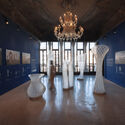
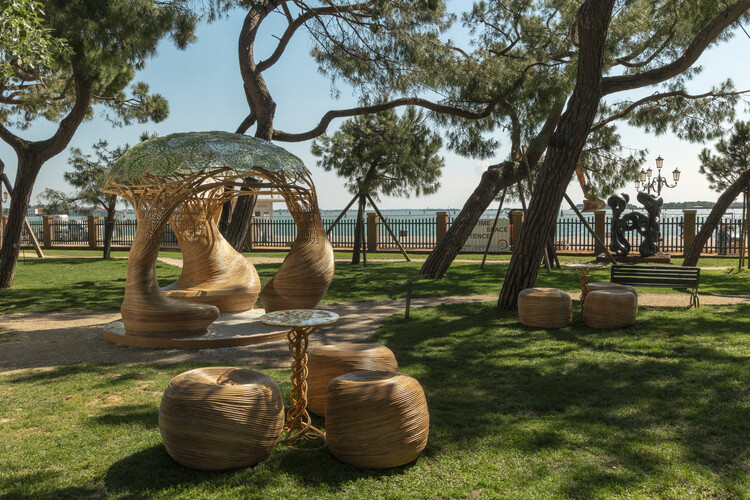
The 2025 edition of the European Cultural Centre's (ECC) Time Space Existence exhibition in Venice is guided by the mandate to "Repair, Regenerate, and Reuse." Aiming to move beyond surface-level solutions and overused terminology, the exhibition showcases a cohort of practitioners who interpret architecture as an active agent of repair. The most compelling works presented in Venice demonstrate that "repair" is a multifaceted practice, operating across material, social, and historical registers. The varied approaches showcase a shift in the role of the architect, from a master builder and designer of physical objects, to that of a mender, able to combine technology, community, and material intelligence to restore narratives and build stronger cultural systems.

Architectural Acts of Repair: Critical Themes from the 2025 ECC "Time Space Existence" Exhibition - Image 2 of 4Architectural Acts of Repair: Critical Themes from the 2025 ECC "Time Space Existence" Exhibition - Image 7 of 4Architectural Acts of Repair: Critical Themes from the 2025 ECC "Time Space Existence" Exhibition - Image 18 of 4Architectural Acts of Repair: Critical Themes from the 2025 ECC "Time Space Existence" Exhibition - Image 16 of 4Architectural Acts of Repair: Critical Themes from the 2025 ECC Time Space Existence Exhibition - More Images+ 14

MVRDV Transforms Former Cement Factory on Shanghai’s West Bund

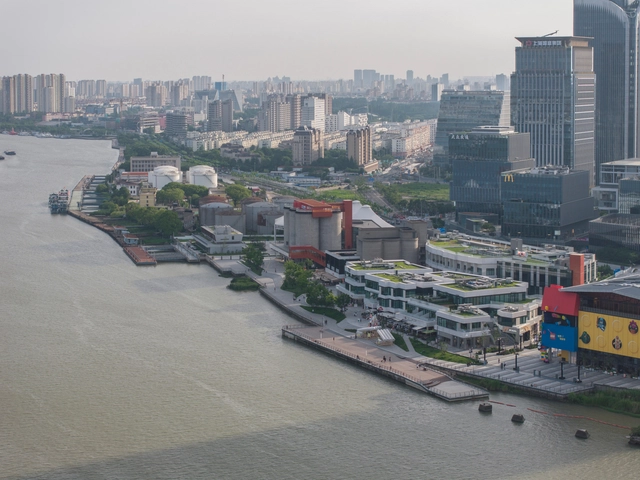
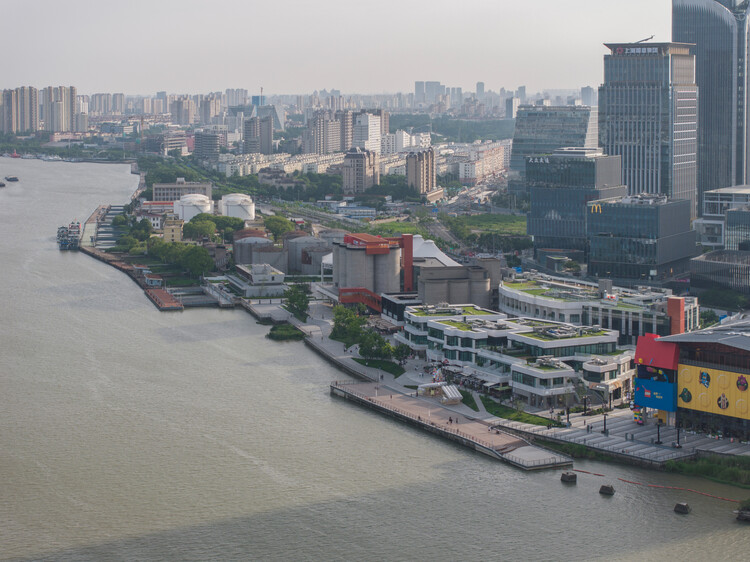
MVRDV has completed the GATE M West Bund Dream Center, a major adaptive reuse project that transforms a former cement factory into a dynamic cultural and leisure district in Shanghai. Located along the city's Huangpu River, the development contributes to the growing series of West Bund cultural initiatives and offers a wide array of public amenities, from food and retail spaces to climbing facilities, event venues, and riverside relaxation areas. Once the site of Asia's largest cement factory, the area underwent a significant shift following the 2010 Shanghai Expo, which prompted the relocation of industrial activities and the revitalization of the riverbanks.

MVRDV Transforms Former Cement Factory on Shanghai’s West Bund - Image 1 of 4MVRDV Transforms Former Cement Factory on Shanghai’s West Bund - Image 2 of 4MVRDV Transforms Former Cement Factory on Shanghai’s West Bund - Image 3 of 4MVRDV Transforms Former Cement Factory on Shanghai’s West Bund - Image 4 of 4MVRDV Transforms Former Cement Factory on Shanghai’s West Bund - More Images+ 37

Angola Introduces Large-Scale Concrete 3D-Printing to Address Housing Crisis

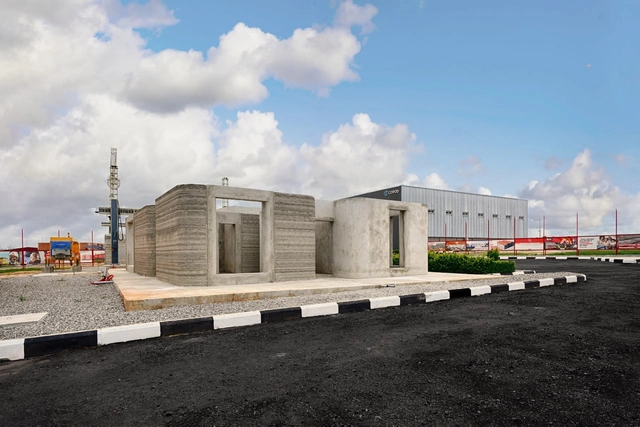
According to the World Bank, the Angola National Urbanization and Housing Program (PNUH), launched in 2008, aimed to build one million new housing units. However, by 2024, it had delivered only approximately 220,000. Power2Build, an Angolan construction startup, estimates the current housing deficit in Angola at around three million homes, with the situation particularly critical in Luanda, one of the fastest-growing cities on the African continent. With an entirely Angolan multidisciplinary team, Power2Build aims to contribute to reducing this deficit through the use of automated 3D concrete printing technology. Implemented on-site with large-scale construction printers from Danish company COBOD, the system is expected to accelerate construction timelines and improve building quality. Large-scale cement-based 3D printing eliminates the need for traditional molds by precisely placing or solidifying specific volumes of material in sequential layers using computer-controlled positioning. The process involves three key stages: data preparation, material preparation, and printing.

Angola Introduces Large-Scale Concrete 3D-Printing to Address Housing Crisis - Image 1 of 4Angola Introduces Large-Scale Concrete 3D-Printing to Address Housing Crisis - Image 2 of 4Angola Introduces Large-Scale Concrete 3D-Printing to Address Housing Crisis - Image 3 of 4Angola Introduces Large-Scale Concrete 3D-Printing to Address Housing Crisis - Image 4 of 4Angola Introduces Large-Scale Concrete 3D-Printing to Address Housing Crisis - More Images+ 13

Rhythms of the Soil: Architecture as Agroecology

At a time of ecological collapse and rising food insecurity, architecture is increasingly called upon to engage not only with landscapes but with the systems that sustain and regenerate them. Among these systems, agriculture occupies a paradoxical role, as both a leading contributor to environmental degradation and a potential agent of ecological recovery. Industrial farming has depleted soils, fragmented habitats, and driven climate change through monocultures, fossil-fuel dependency, and territorial standardization. In response, agroecology has emerged as a counter-practice rooted in biodiversity, local knowledge, and the cyclical rhythms of nature. It reframes farming not as extraction, but as regeneration of ecosystems, communities, and the soil itself.

This reframing opens space for architecture to contribute meaningfully. To align with agroecology is not only to support food production, but to engage with the broader cultural, spatial, and ecological conditions that sustain it. It implies designing with seasonal variation, supporting shared use, and building in ways that respect both the land and those who work it. Architecture becomes more than enclosure — it becomes a mediator of cultivation, reciprocity, and coexistence.

Rhythms of the Soil: Architecture as Agroecology - Image 1 of 4Rhythms of the Soil: Architecture as Agroecology - Image 2 of 4Rhythms of the Soil: Architecture as Agroecology - Image 3 of 4Rhythms of the Soil: Architecture as Agroecology - Image 4 of 4Rhythms of the Soil: Architecture as Agroecology - More Images+ 47

An Epic of Fire and Stone: The Story Behind the Intervention at the Benedictine Monastery of Catania, Sicily

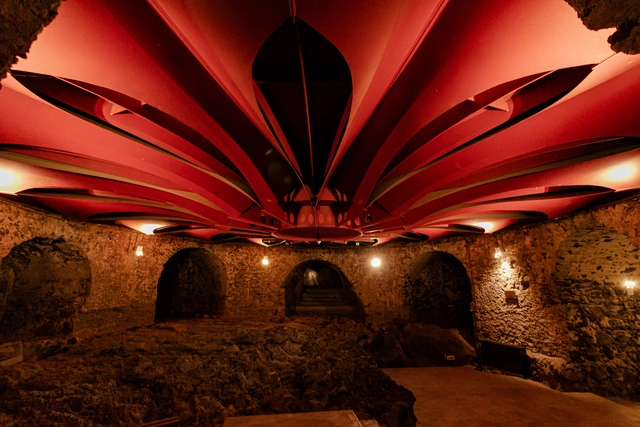
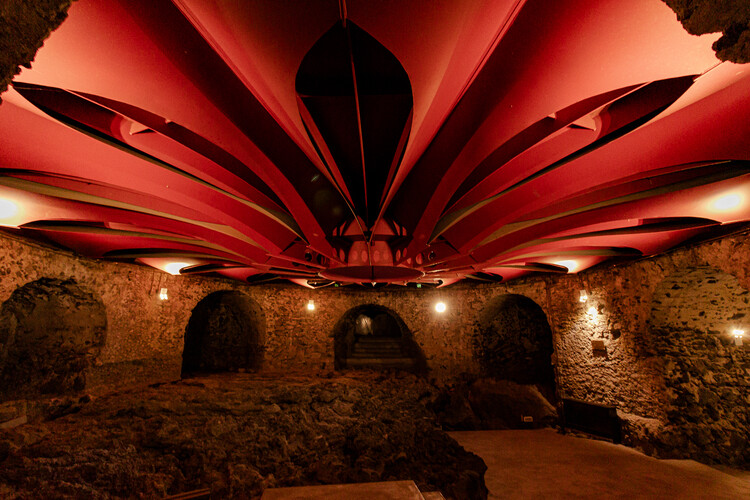
The Benedictine Monastery of San Nicolò l’Arena in Catania, Sicily, holds within its stones the echoes of five centuries, shaped by time, varied uses, violent earthquakes, and the blazing force of Mount Etna. Its walls, silent witnesses to history, were molded both by the fire of nature and by human hands. Yet among all the transformations it underwent, none was as profound or poetic as the one led by Italian architect Giancarlo De Carlo, starting in 1980. After 30 years of dedicated work, time required to truly understand such a complex and awe-inspiring site, the former monastic residence was reborn as a university, not by force, but through revelation.

An Epic of Fire and Stone: The Story Behind the Intervention at the Benedictine Monastery of Catania, Sicily - Image 1 of 4An Epic of Fire and Stone: The Story Behind the Intervention at the Benedictine Monastery of Catania, Sicily - Image 2 of 4An Epic of Fire and Stone: The Story Behind the Intervention at the Benedictine Monastery of Catania, Sicily - Image 3 of 4An Epic of Fire and Stone: The Story Behind the Intervention at the Benedictine Monastery of Catania, Sicily - Image 4 of 4An Epic of Fire and Stone: The Story Behind the Intervention at the Benedictine Monastery of Catania, Sicily - More Images+ 22

Works by TAKK and ecoLogicStudio on Display at the Second Edition of the Solar Biennale at Lausanne's Mudac Museum

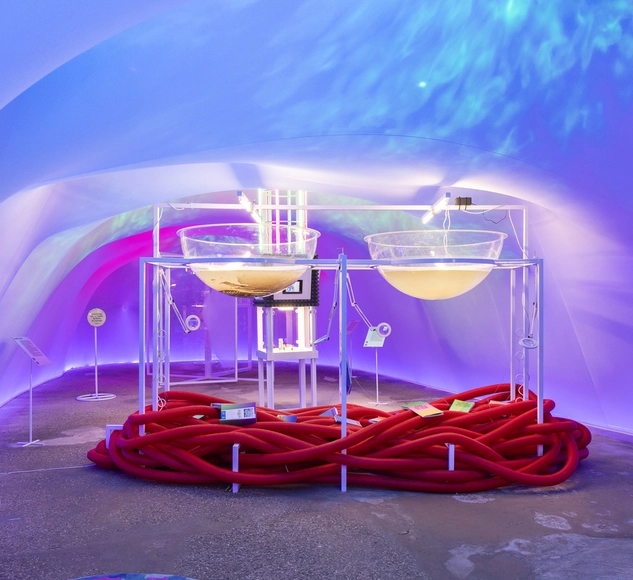
Soleil·s, the second edition of the Solar Biennale, is currently open at mudac, the Museum of Contemporary Design and Applied Arts in Lausanne, Switzerland. Following the first edition hosted at Het Nieuwe Instituut in Rotterdam in 2022, this exhibition explores how design can drive the adoption of solar innovations toward a sun-powered future. The event is initiated by The Solar Movement, founded by designers Marjan van Aubel and Pauline van Dongen, an initiative dedicated to making solar energy the default power source by combining design, technology, and advocacy. This year's exhibition is curated by mudac and offers an immersive experience featuring new and existing projects by TAKK, ecoLogicStudio, Olafur Elíasson, and Andreas Gursky.

Works by TAKK and ecoLogicStudio on Display at the Second Edition of the Solar Biennale at Lausanne's Mudac Museum - Image 1 of 4Works by TAKK and ecoLogicStudio on Display at the Second Edition of the Solar Biennale at Lausanne's Mudac Museum - Image 2 of 4Works by TAKK and ecoLogicStudio on Display at the Second Edition of the Solar Biennale at Lausanne's Mudac Museum - Image 3 of 4Works by TAKK and ecoLogicStudio on Display at the Second Edition of the Solar Biennale at Lausanne's Mudac Museum - Image 4 of 4Works by TAKK and ecoLogicStudio on Display at the Second Edition of the Solar Biennale at Lausanne's Mudac Museum - More Images+ 36

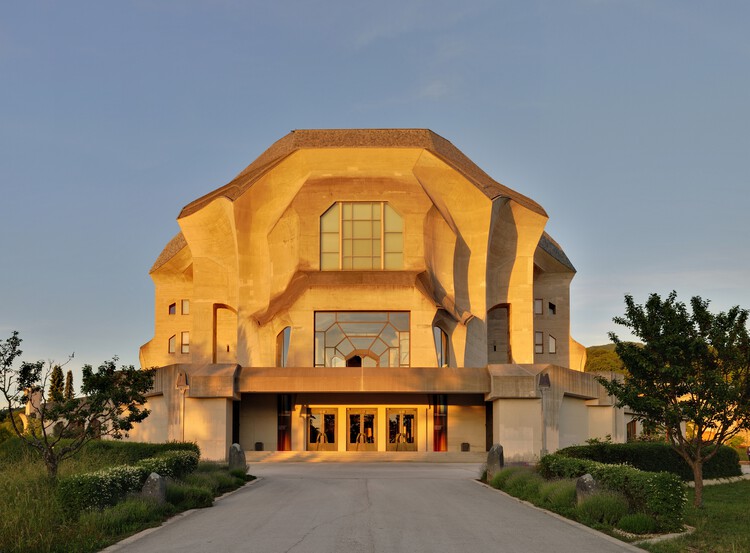
Living Cycles in Regenerative Architecture: Lessons from the Goetheanum

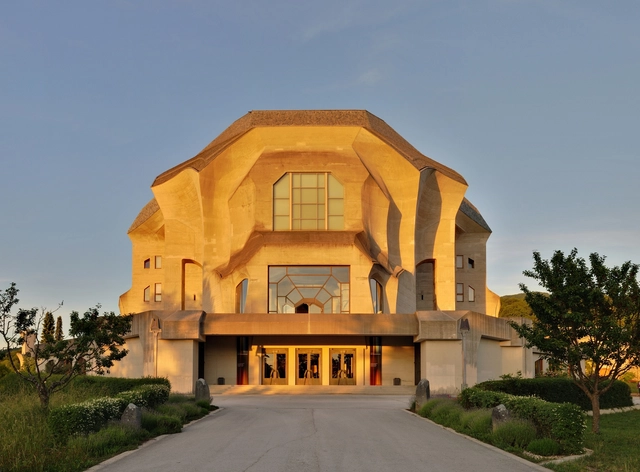
As climate uncertainty and ecosystem changes reshape design priorities, architecture plays an increasingly active role in these discussions, rather than merely observing. Within this perspective, the idea of making a "re" encourages a conscious step back to rethink, reconnect, and realign the relationship between buildings and their environments. This approach, central to regenerative architecture, extends beyond specific technologies or scales, encompassing everything from master plans that aim to re-naturalize cities to national pavilions that combine art and science.

What is the way forward? On the one hand, many current discussions emphasize technology; on the other, there are approaches that, rather than being in opposition, complement one another and broaden the range of possibilities, drawing on tradition, ancestral knowledge, and a profound understanding of the environment. Among these perspectives, the work of Rudolf Steiner and the anthroposophical movement, developed in the early 20th century, offers a vision and insights that connect architecture with ecological rhythms, materials, and community life.

Living Cycles in Regenerative Architecture: Lessons from the Goetheanum - Image 1 of 4Living Cycles in Regenerative Architecture: Lessons from the Goetheanum - Image 2 of 4Living Cycles in Regenerative Architecture: Lessons from the Goetheanum - Image 3 of 4Living Cycles in Regenerative Architecture: Lessons from the Goetheanum - Image 4 of 4Living Cycles in Regenerative Architecture: Lessons from the Goetheanum - More Images+ 9

'All Architecture is Water Architecture': Eva Franch i Gilabert, Mireia Luzárraga and Alejandro Muiño on Catalonia's Pavilion in Venice

As part of the collateral events of the 2025 Venice Architecture Biennale, the Institut Ramon Llull presents the project "Water Parliaments: Projective Ecosocial Architectures", bringing together the waters of Lleida, Girona, Tarragona, Barcelona, Valencia, the Balearic Islands, and beyond to address the water crisis as an interconnected ecosocial, cultural, and political issue. Framing architecture as a tool for critical speculation and collective action, the project advocates for the imagining of future scenarios grounded in coexistence—interweaving the human and non-human, the natural and artificial, the technological and vernacular, the global and the local.
'All Architecture is Water Architecture': Eva Franch i Gilabert, Mireia Luzárraga and Alejandro Muiño on Catalonia's Pavilion in Venice - Image 1 of 4'All Architecture is Water Architecture': Eva Franch i Gilabert, Mireia Luzárraga and Alejandro Muiño on Catalonia's Pavilion in Venice - Image 2 of 4'All Architecture is Water Architecture': Eva Franch i Gilabert, Mireia Luzárraga and Alejandro Muiño on Catalonia's Pavilion in Venice - Image 3 of 4'All Architecture is Water Architecture': Eva Franch i Gilabert, Mireia Luzárraga and Alejandro Muiño on Catalonia's Pavilion in Venice - Image 4 of 4'All Architecture is Water Architecture': Eva Franch i Gilabert, Mireia Luzárraga and Alejandro Muiño on Catalonia's Pavilion in Venice - More Images+ 27