1. ArchDaily
  2. Architecture

Architecture: The Latest Architecture and News

Angola Introduces Large-Scale Concrete 3D-Printing to Address Housing Crisis

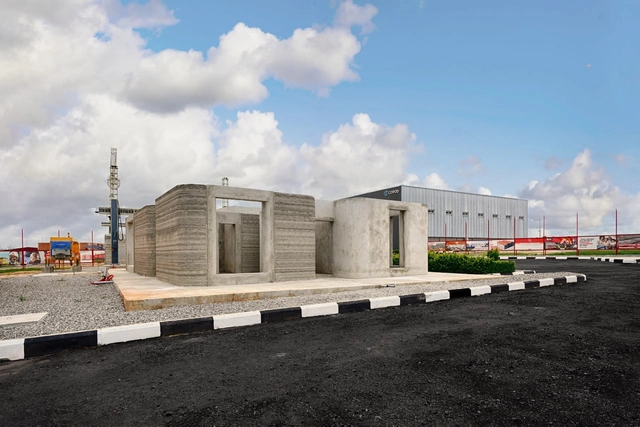
According to the World Bank, the Angola National Urbanization and Housing Program (PNUH), launched in 2008, aimed to build one million new housing units. However, by 2024, it had delivered only approximately 220,000. Power2Build, an Angolan construction startup, estimates the current housing deficit in Angola at around three million homes, with the situation particularly critical in Luanda, one of the fastest-growing cities on the African continent. With an entirely Angolan multidisciplinary team, Power2Build aims to contribute to reducing this deficit through the use of automated 3D concrete printing technology. Implemented on-site with large-scale construction printers from Danish company COBOD, the system is expected to accelerate construction timelines and improve building quality. Large-scale cement-based 3D printing eliminates the need for traditional molds by precisely placing or solidifying specific volumes of material in sequential layers using computer-controlled positioning. The process involves three key stages: data preparation, material preparation, and printing.
Angola Introduces Large-Scale Concrete 3D-Printing to Address Housing Crisis - Image 1 of 4Angola Introduces Large-Scale Concrete 3D-Printing to Address Housing Crisis - Image 2 of 4Angola Introduces Large-Scale Concrete 3D-Printing to Address Housing Crisis - Image 3 of 4Angola Introduces Large-Scale Concrete 3D-Printing to Address Housing Crisis - Image 4 of 4Angola Introduces Large-Scale Concrete 3D-Printing to Address Housing Crisis - More Images+ 13

Rhythms of the Soil: Architecture as Agroecology

At a time of ecological collapse and rising food insecurity, architecture is increasingly called upon to engage not only with landscapes but with the systems that sustain and regenerate them. Among these systems, agriculture occupies a paradoxical role, as both a leading contributor to environmental degradation and a potential agent of ecological recovery. Industrial farming has depleted soils, fragmented habitats, and driven climate change through monocultures, fossil-fuel dependency, and territorial standardization. In response, agroecology has emerged as a counter-practice rooted in biodiversity, local knowledge, and the cyclical rhythms of nature. It reframes farming not as extraction, but as regeneration of ecosystems, communities, and the soil itself.

This reframing opens space for architecture to contribute meaningfully. To align with agroecology is not only to support food production, but to engage with the broader cultural, spatial, and ecological conditions that sustain it. It implies designing with seasonal variation, supporting shared use, and building in ways that respect both the land and those who work it. Architecture becomes more than enclosure — it becomes a mediator of cultivation, reciprocity, and coexistence.

Rhythms of the Soil: Architecture as Agroecology - Image 1 of 4Rhythms of the Soil: Architecture as Agroecology - Image 2 of 4Rhythms of the Soil: Architecture as Agroecology - Image 3 of 4Rhythms of the Soil: Architecture as Agroecology - Image 4 of 4Rhythms of the Soil: Architecture as Agroecology - More Images+ 47

An Epic of Fire and Stone: The Story Behind the Intervention at the Benedictine Monastery of Catania, Sicily

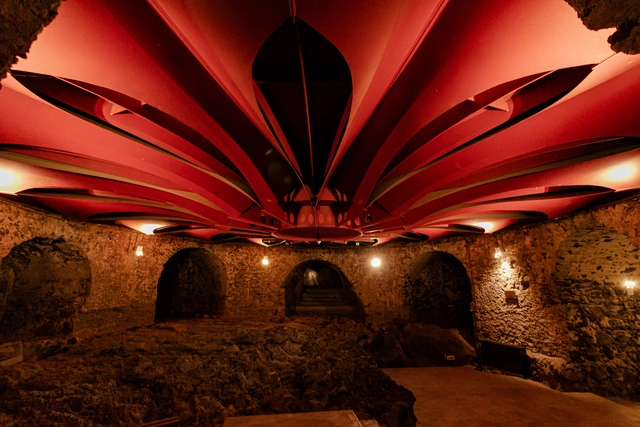
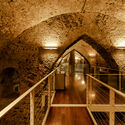
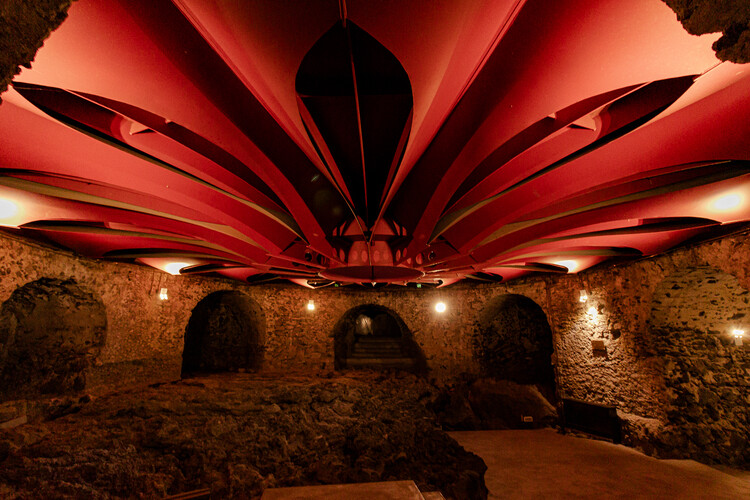
The Benedictine Monastery of San Nicolò l’Arena in Catania, Sicily, holds within its stones the echoes of five centuries, shaped by time, varied uses, violent earthquakes, and the blazing force of Mount Etna. Its walls, silent witnesses to history, were molded both by the fire of nature and by human hands. Yet among all the transformations it underwent, none was as profound or poetic as the one led by Italian architect Giancarlo De Carlo, starting in 1980. After 30 years of dedicated work, time required to truly understand such a complex and awe-inspiring site, the former monastic residence was reborn as a university, not by force, but through revelation.

An Epic of Fire and Stone: The Story Behind the Intervention at the Benedictine Monastery of Catania, Sicily - Image 1 of 4An Epic of Fire and Stone: The Story Behind the Intervention at the Benedictine Monastery of Catania, Sicily - Image 2 of 4An Epic of Fire and Stone: The Story Behind the Intervention at the Benedictine Monastery of Catania, Sicily - Image 3 of 4An Epic of Fire and Stone: The Story Behind the Intervention at the Benedictine Monastery of Catania, Sicily - Image 4 of 4An Epic of Fire and Stone: The Story Behind the Intervention at the Benedictine Monastery of Catania, Sicily - More Images+ 22

Works by TAKK and ecoLogicStudio on Display at the Second Edition of the Solar Biennale at Lausanne's Mudac Museum

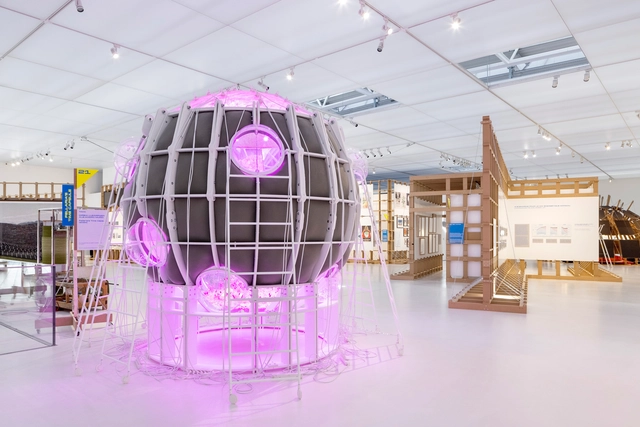
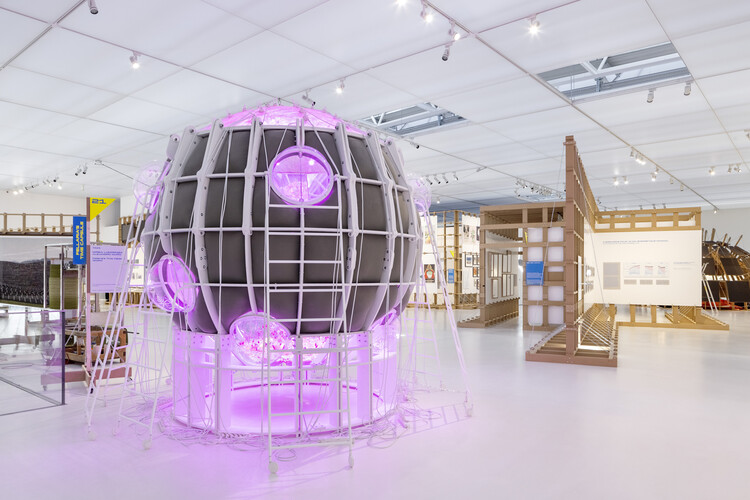
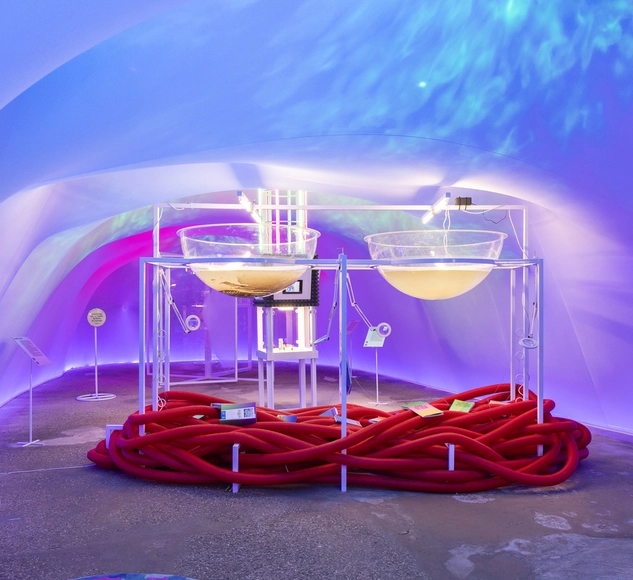
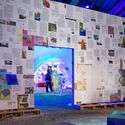
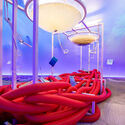
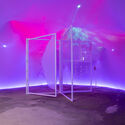
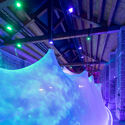
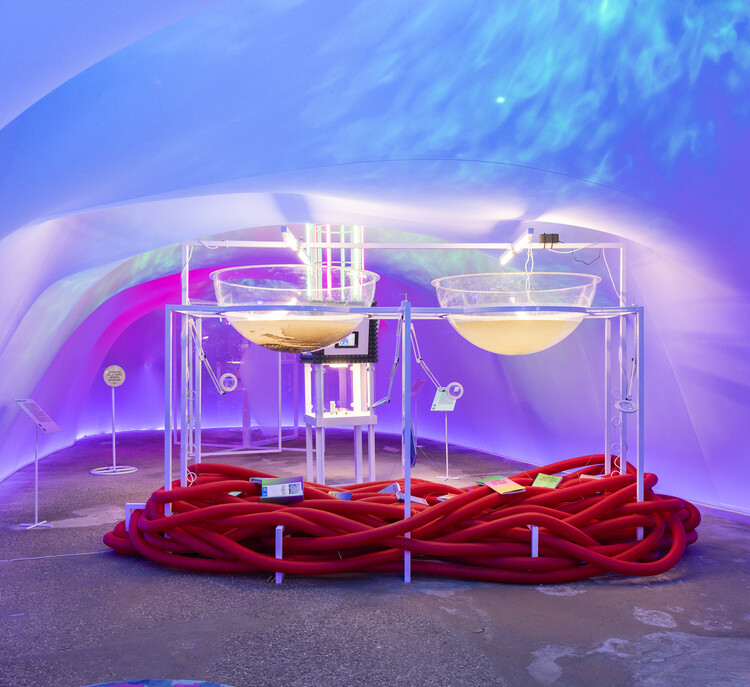
Soleil·s, the second edition of the Solar Biennale, is currently open at mudac, the Museum of Contemporary Design and Applied Arts in Lausanne, Switzerland. Following the first edition hosted at Het Nieuwe Instituut in Rotterdam in 2022, this exhibition explores how design can drive the adoption of solar innovations toward a sun-powered future. The event is initiated by The Solar Movement, founded by designers Marjan van Aubel and Pauline van Dongen, an initiative dedicated to making solar energy the default power source by combining design, technology, and advocacy. This year's exhibition is curated by mudac and offers an immersive experience featuring new and existing projects by TAKK, ecoLogicStudio, Olafur Elíasson, and Andreas Gursky.

Works by TAKK and ecoLogicStudio on Display at the Second Edition of the Solar Biennale at Lausanne's Mudac Museum - Image 1 of 4Works by TAKK and ecoLogicStudio on Display at the Second Edition of the Solar Biennale at Lausanne's Mudac Museum - Image 2 of 4Works by TAKK and ecoLogicStudio on Display at the Second Edition of the Solar Biennale at Lausanne's Mudac Museum - Image 3 of 4Works by TAKK and ecoLogicStudio on Display at the Second Edition of the Solar Biennale at Lausanne's Mudac Museum - Image 4 of 4Works by TAKK and ecoLogicStudio on Display at the Second Edition of the Solar Biennale at Lausanne's Mudac Museum - More Images+ 36

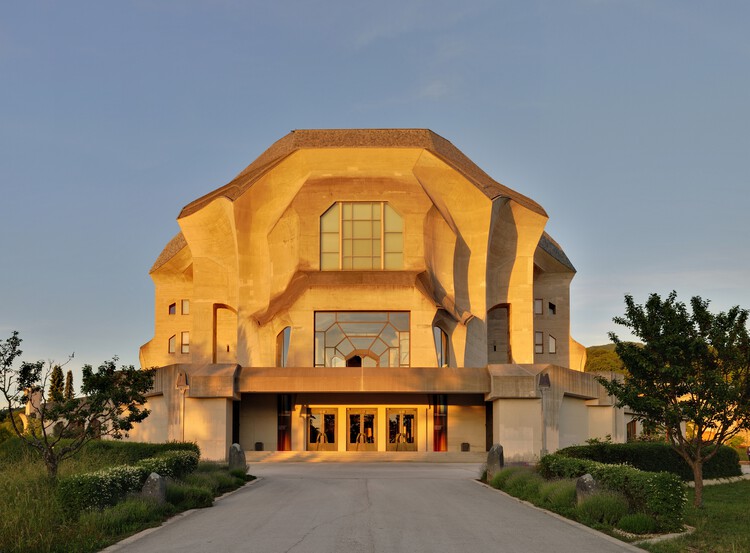
Living Cycles in Regenerative Architecture: Lessons from the Goetheanum

As climate uncertainty and ecosystem changes reshape design priorities, architecture plays an increasingly active role in these discussions, rather than merely observing. Within this perspective, the idea of making a "re" encourages a conscious step back to rethink, reconnect, and realign the relationship between buildings and their environments. This approach, central to regenerative architecture, extends beyond specific technologies or scales, encompassing everything from master plans that aim to re-naturalize cities to national pavilions that combine art and science.
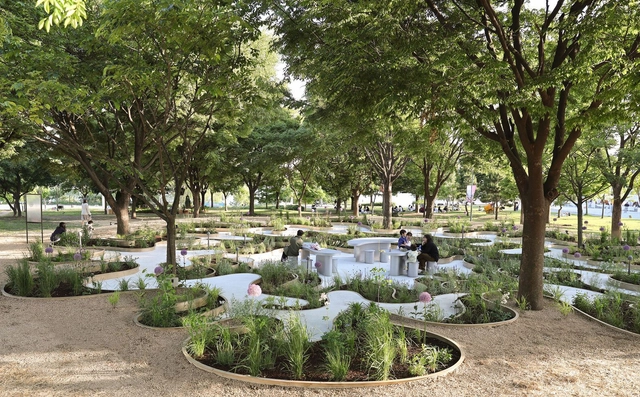
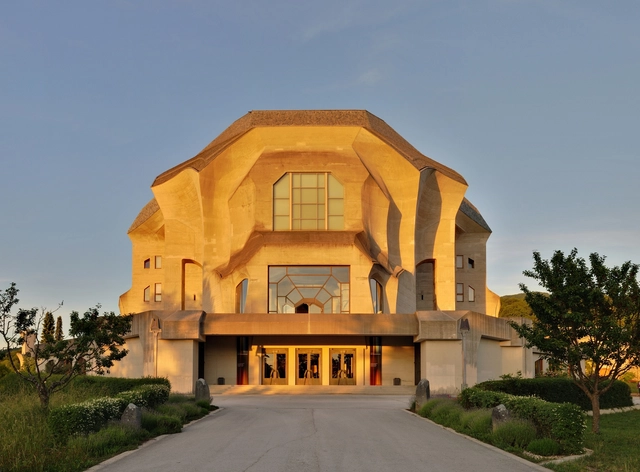
What is the way forward? On the one hand, many current discussions emphasize technology; on the other, there are approaches that, rather than being in opposition, complement one another and broaden the range of possibilities, drawing on tradition, ancestral knowledge, and a profound understanding of the environment. Among these perspectives, the work of Rudolf Steiner and the anthroposophical movement, developed in the early 20th century, offers a vision and insights that connect architecture with ecological rhythms, materials, and community life.

Living Cycles in Regenerative Architecture: Lessons from the Goetheanum - Image 1 of 4Living Cycles in Regenerative Architecture: Lessons from the Goetheanum - Image 2 of 4Living Cycles in Regenerative Architecture: Lessons from the Goetheanum - Image 3 of 4Living Cycles in Regenerative Architecture: Lessons from the Goetheanum - Image 4 of 4Living Cycles in Regenerative Architecture: Lessons from the Goetheanum - More Images+ 9

'All Architecture is Water Architecture': Eva Franch i Gilabert, Mireia Luzárraga and Alejandro Muiño on Catalonia's Pavilion in Venice

As part of the collateral events of the 2025 Venice Architecture Biennale, the Institut Ramon Llull presents the project "Water Parliaments: Projective Ecosocial Architectures", bringing together the waters of Lleida, Girona, Tarragona, Barcelona, Valencia, the Balearic Islands, and beyond to address the water crisis as an interconnected ecosocial, cultural, and political issue. Framing architecture as a tool for critical speculation and collective action, the project advocates for the imagining of future scenarios grounded in coexistence—interweaving the human and non-human, the natural and artificial, the technological and vernacular, the global and the local.

'All Architecture is Water Architecture': Eva Franch i Gilabert, Mireia Luzárraga and Alejandro Muiño on Catalonia's Pavilion in Venice - Image 1 of 4'All Architecture is Water Architecture': Eva Franch i Gilabert, Mireia Luzárraga and Alejandro Muiño on Catalonia's Pavilion in Venice - Image 2 of 4'All Architecture is Water Architecture': Eva Franch i Gilabert, Mireia Luzárraga and Alejandro Muiño on Catalonia's Pavilion in Venice - Image 3 of 4'All Architecture is Water Architecture': Eva Franch i Gilabert, Mireia Luzárraga and Alejandro Muiño on Catalonia's Pavilion in Venice - Image 4 of 4'All Architecture is Water Architecture': Eva Franch i Gilabert, Mireia Luzárraga and Alejandro Muiño on Catalonia's Pavilion in Venice - More Images+ 27

Co-Designing with Nature: How Communities Are Becoming Stewards of Urban Biodiversity

The concrete canyon of Melbourne's Degraves Street was once a stark service corridor in functional obscurity. Today, the narrow laneway now pulses with life beyond its famous café. Native grasses cascade from carefully positioned planters while small shrubs create cooling microclimates. Challenging traditional ecological design models, community-led approaches to biodiversity invite a reimagining of how architects, planners, and communities collaborate to develop biodiverse urban futures.

Co-Designing with Nature: How Communities Are Becoming Stewards of Urban Biodiversity - Image 1 of 4Co-Designing with Nature: How Communities Are Becoming Stewards of Urban Biodiversity - Image 2 of 4Co-Designing with Nature: How Communities Are Becoming Stewards of Urban Biodiversity - Image 3 of 4Co-Designing with Nature: How Communities Are Becoming Stewards of Urban Biodiversity - Image 4 of 4Co-Designing with Nature: How Communities Are Becoming Stewards of Urban Biodiversity - More Images+ 2

DAM Explores the Challenge of New Urban Neighborhoods in Germany with “Building Cities Today?”

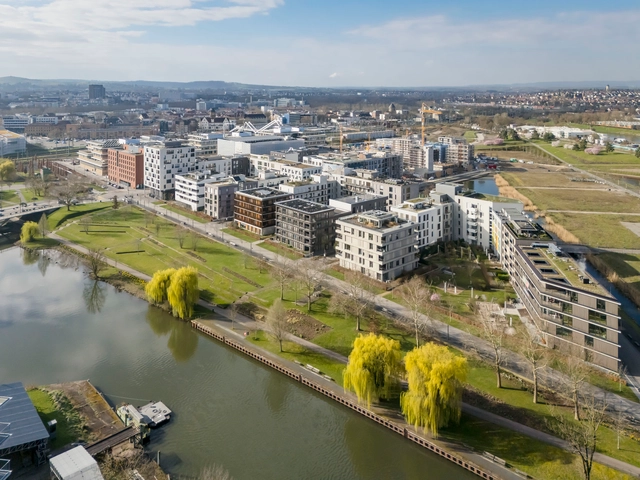
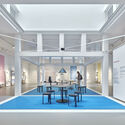
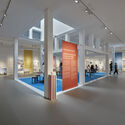
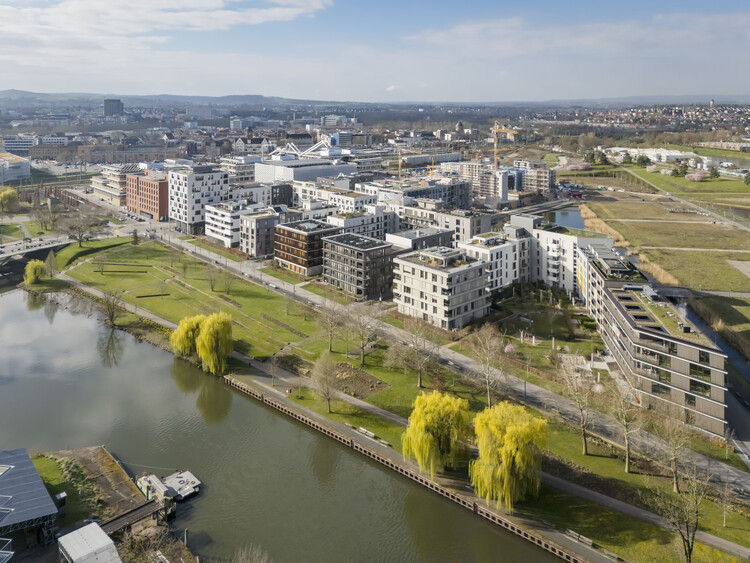
The Deutsches Architekturmuseum (DAM) in Frankfurt has opened a new exhibition titled Building Cities Today?, examining the complexities of developing new urban neighborhoods in Germany. Running from June 28 to November 2, 2025, the exhibition brings together nine projects that reflect diverse approaches to new urban planning, with a focus on sustainability, social integration, and long-term adaptability. Referencing the legacy of the "Neues Frankfurt" housing program of the 1920s, the exhibition opens with the Römerstadt estate, one of Germany's early experiments in functional and standardized housing. From there, it transitions to eight urban developments from the 1990s to the 2020s, presenting case studies that include HafenCity in Hamburg, Bahnstadt in Heidelberg, Neckarbogen in Heilbronn, City of Wood in Bad Aibling, and Messestadt Riem in Munich.
DAM Explores the Challenge of New Urban Neighborhoods in Germany with “Building Cities Today?” - Image 1 of 4DAM Explores the Challenge of New Urban Neighborhoods in Germany with “Building Cities Today?” - Image 2 of 4DAM Explores the Challenge of New Urban Neighborhoods in Germany with “Building Cities Today?” - Image 3 of 4DAM Explores the Challenge of New Urban Neighborhoods in Germany with “Building Cities Today?” - Image 4 of 4DAM Explores the Challenge of New Urban Neighborhoods in Germany with “Building Cities Today?” - More Images+ 23

The Mexican Pavilion at the Venice Architecture Biennale Explores the Ecological Potential of Ancestral Agricultural Systems

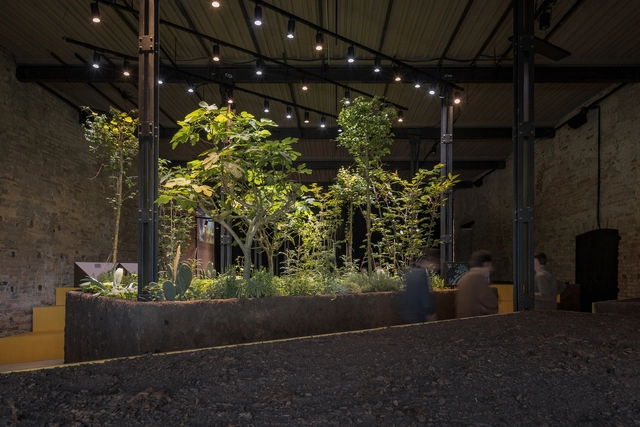
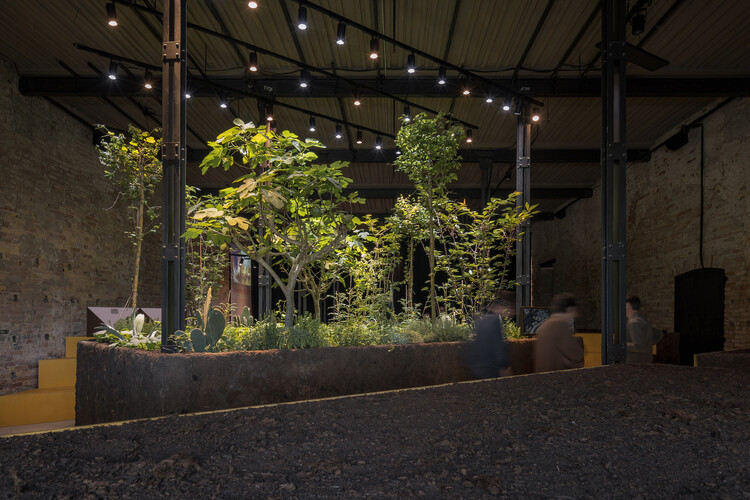
Titled "Chinampa Veneta", the Mexican exhibition for the 19th International Architecture Exhibition – La Biennale di Venezia seeks to promote reflection on how we inhabit, cultivate, and design the world we share. In the face of the global ecological crisis, the project draws attention to chinampas, an ancient Mesoamerican agricultural system with more than four thousand years of history. This ancestral knowledge, interweaving landscape, infrastructure, and technique, is reimagined in the context of the Biennale, activating a living environment within the city of Venice. The Mexican Pavilion consists of two "enactments," one located in the Arsenale and the other built on water.

The Mexican Pavilion at the Venice Architecture Biennale Explores the Ecological Potential of Ancestral Agricultural Systems - Image 1 of 4The Mexican Pavilion at the Venice Architecture Biennale Explores the Ecological Potential of Ancestral Agricultural Systems - Image 2 of 4The Mexican Pavilion at the Venice Architecture Biennale Explores the Ecological Potential of Ancestral Agricultural Systems - Image 3 of 4The Mexican Pavilion at the Venice Architecture Biennale Explores the Ecological Potential of Ancestral Agricultural Systems - Image 4 of 4The Mexican Pavilion at the Venice Architecture Biennale Explores the Ecological Potential of Ancestral Agricultural Systems - More Images+ 21

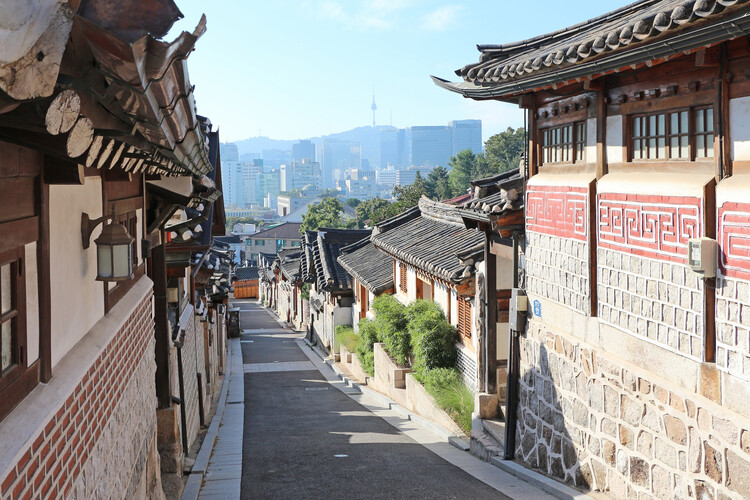
The Korean Hanok: Exploring Traditional Architecture's Environmental Principles

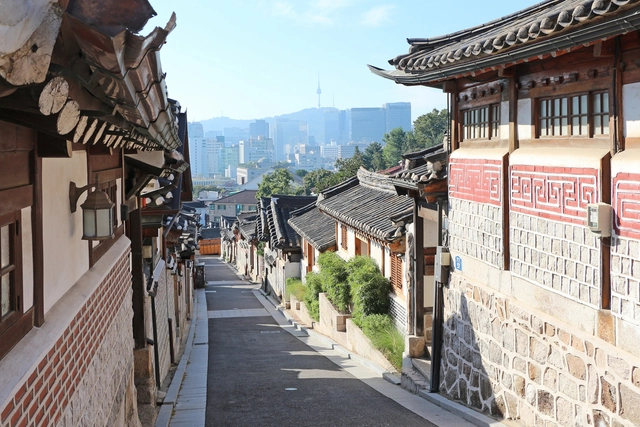
Vernacular architecture often utilizes locally sourced materials and construction practices honed over centuries. This approach raises questions about its potential relevance for contemporary design challenges. The prevalence of high-rise developments globally, often relying on sealed envelopes and mechanical climate control, contrasts with historical architectural practices. Traditionally, regional architectures emerged from local communities, fostering distinct cultural identities and integrating passive systems for ventilation, cooling, and heating, often utilizing natural elements. The Hanok, traditional Korean houses, serve as a case study. Beyond their current role in tourism, they are also an example of how vernacular knowledge can provide passive climate-response strategies that align with the current principles of creating environmentally friendly buildings.

The Korean Hanok: Exploring Traditional Architecture's Environmental Principles - Image 1 of 4The Korean Hanok: Exploring Traditional Architecture's Environmental Principles - Image 2 of 4The Korean Hanok: Exploring Traditional Architecture's Environmental Principles - Image 3 of 4The Korean Hanok: Exploring Traditional Architecture's Environmental Principles - Image 4 of 4The Korean Hanok: Exploring Traditional Architecture's Environmental Principles - More Images+ 4

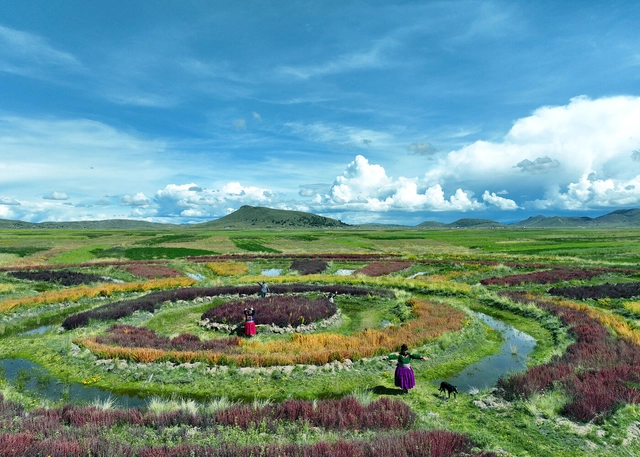
An Ancestral Legacy with Modern Concerns: The Story Behind the Waru Waru Agricultural Fields in Peru

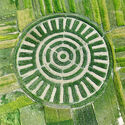
Offering a path toward resilience and food security in the alluvial plains of Lake Titicaca, the Waru Waru agricultural fields are spread across the Peruvian highlands and constitute an ancient agricultural system. Connecting an ancestral legacy with modern concerns about water and food security, climate resilience, and sustainable land management, these agricultural systems open the debate about efficient water management and the importance of agricultural biodiversity. At the same time, they are part of the sense of identity and pride of the local Aymara community, consolidating cultural knowledge that is passed down and preserved across generations.

An Ancestral Legacy with Modern Concerns: The Story Behind the Waru Waru Agricultural Fields in Peru - Image 1 of 4An Ancestral Legacy with Modern Concerns: The Story Behind the Waru Waru Agricultural Fields in Peru - Image 2 of 4An Ancestral Legacy with Modern Concerns: The Story Behind the Waru Waru Agricultural Fields in Peru - Image 3 of 4An Ancestral Legacy with Modern Concerns: The Story Behind the Waru Waru Agricultural Fields in Peru - Image 4 of 4An Ancestral Legacy with Modern Concerns: The Story Behind the Waru Waru Agricultural Fields in Peru - More Images+ 1

From Expansion to Enhancement: Shanghai's Urban Development Framework

Subscriber Access | 

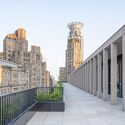
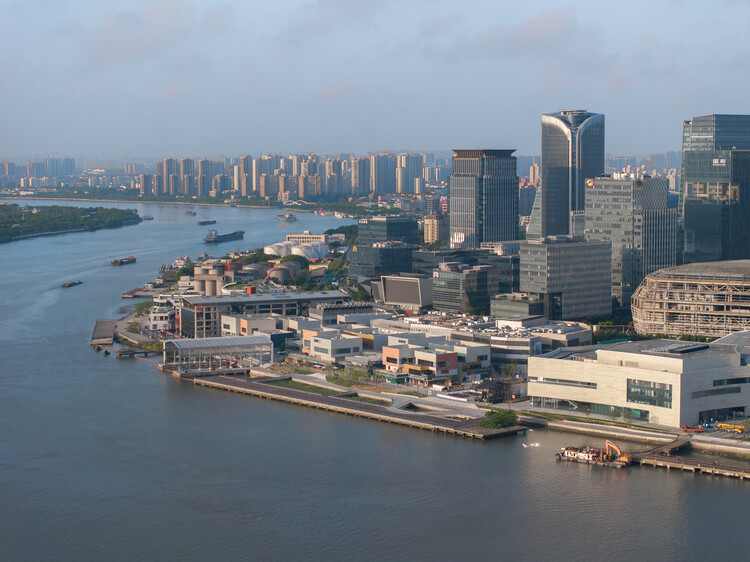
Amidst global economic adjustments and a domestic focus on high-quality development, Shanghai has implemented a strategic shift in its urban development approach—moving from 'incremental expansion' to 'connotative enhancement.' Guided by the concept of a "people-oriented city", Shanghai has elevated urban construction from mere physical space aggregation to a comprehensive endeavor aimed at optimizing functional quality, revitalizing spatial vitality, and boosting residential resilience through urban renewal initiatives. This transformation is framed not merely as a response to resource constraints but also as an intentional approach to urban development principles. Its core proposition lies in: under the policy framework of strictly controlling incremental land use, how to unleash development potential through the "reproduction" of existing spaces.

From Expansion to Enhancement: Shanghai's Urban Development Framework - Image 1 of 4From Expansion to Enhancement: Shanghai's Urban Development Framework - Image 2 of 4From Expansion to Enhancement: Shanghai's Urban Development Framework - Image 3 of 4From Expansion to Enhancement: Shanghai's Urban Development Framework - Image 4 of 4From Expansion to Enhancement: Shanghai's Urban Development Framework - More Images+ 28

OMA/Shohei Shigematsu Designs Louis Vuitton’s “Visionary Journeys” First Museum Presentation in Osaka

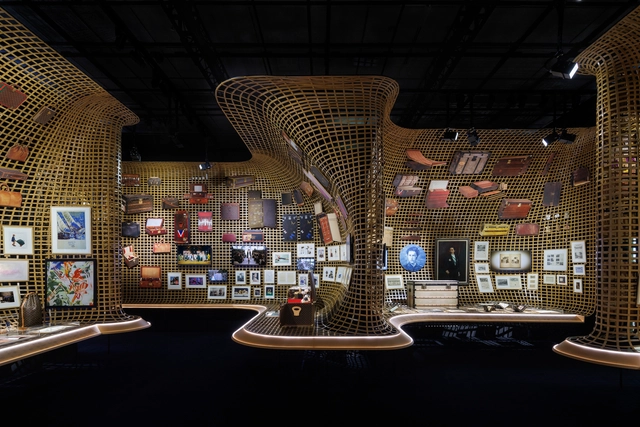
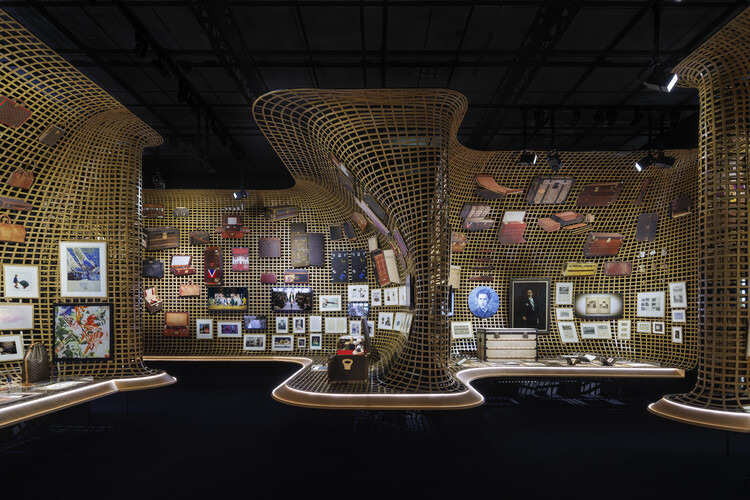
Louis Vuitton: Visionary Journeys has opened to the public at the Nakanoshima Museum of Art in Osaka and will be open to visitors until September 17, 2025. Designed by OMA's New York office under the direction of Partner Shohei Shigematsu, the exhibition marks the first time the Visionary Journeys series has been staged in a cultural institution. Spanning 2,200 square meters across eleven thematic galleries, the project offers a comprehensive spatial narrative of the Maison's 170-year creative legacy, articulated through zones dedicated to history, craftsmanship, iconic design codes, and cultural exchange.

OMA/Shohei Shigematsu Designs Louis Vuitton’s “Visionary Journeys” First Museum Presentation in Osaka - Image 1 of 4OMA/Shohei Shigematsu Designs Louis Vuitton’s “Visionary Journeys” First Museum Presentation in Osaka - Image 2 of 4OMA/Shohei Shigematsu Designs Louis Vuitton’s “Visionary Journeys” First Museum Presentation in Osaka - Image 3 of 4OMA/Shohei Shigematsu Designs Louis Vuitton’s “Visionary Journeys” First Museum Presentation in Osaka - Image 4 of 4OMA/Shohei Shigematsu Designs Louis Vuitton’s “Visionary Journeys” First Museum Presentation in Osaka - More Images+ 31

Foster + Partners Designs High-Rise Office Tower for Sudameris Bank in Asunción, Paraguay

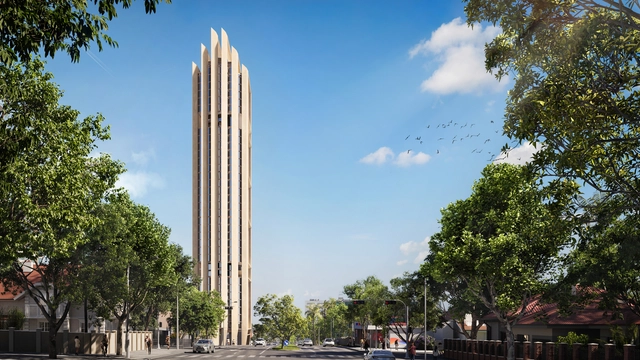
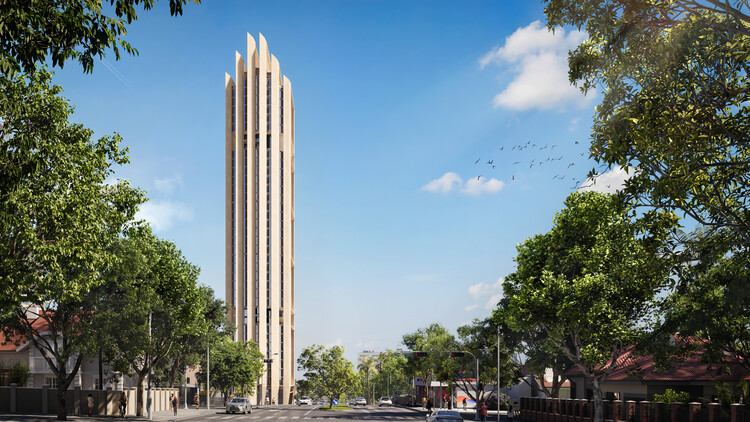
Foster + Partners has won an international competition to design the headquarters of Sudameris Bank in Asunción, Paraguay. The project, named Sudameris Plaza, is a 39-storey office tower featuring an exposed concrete frame and an angular form. It includes a landscaped plaza, art gallery, auditorium, and a large public garden at the tower's base. The studio aims to integrate greenery throughout the shared spaces of the building, fostering a strong connection with nature from within the tower.

Foster + Partners Designs High-Rise Office Tower for Sudameris Bank in Asunción, Paraguay - Image 1 of 4Foster + Partners Designs High-Rise Office Tower for Sudameris Bank in Asunción, Paraguay - Image 2 of 4Foster + Partners Designs High-Rise Office Tower for Sudameris Bank in Asunción, Paraguay - Image 3 of 4Foster + Partners Designs High-Rise Office Tower for Sudameris Bank in Asunción, Paraguay - Image 4 of 4Foster + Partners Designs High-Rise Office Tower for Sudameris Bank in Asunción, Paraguay - More Images+ 1

Rethinking Mixed-Use Architecture: 8 Conceptual Projects That Integrate Nature, Culture, Work, Play, and Community

Subscriber Access | 

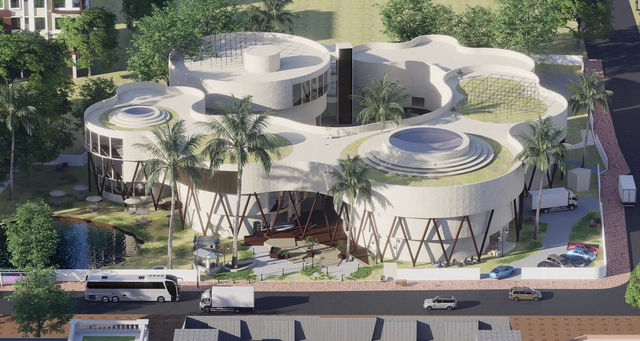
From forest-inspired offices in Sweden to jungle-nest clubhouses in Tulum, mixed-use architecture continues to evolve as a tool for integrated living. As cities grow and our expectations of public, private, and commercial space shift, designers are increasingly rethinking how different functions including work, play, rest, learning, can coexist in a single architectural language. These projects suggest that buildings and projects no longer need to silo activities, but rather choreograph them to reflect the rhythms of everyday life.
This collection, submitted by the ArchDaily community, presents a global spectrum of approaches to mixed-use design, from large-scale masterplans to conceptual theses. What ties them together is a commitment to spatial overlap, ecological sensitivity, and reimagined programs that prioritize user experience. Whether it's a student dormitory in Tehran, a public plaza in Cairo, or a community hub in Texas, each project embraces complexity to create spaces that are alive with interaction, transformation, and meaning.
Rethinking Mixed-Use Architecture: 8 Conceptual Projects That Integrate Nature, Culture, Work, Play, and Community - Image 10 of 4Rethinking Mixed-Use Architecture: 8 Conceptual Projects That Integrate Nature, Culture, Work, Play, and Community - Image 24 of 4Rethinking Mixed-Use Architecture: 8 Conceptual Projects That Integrate Nature, Culture, Work, Play, and Community - Image 39 of 4Rethinking Mixed-Use Architecture: 8 Conceptual Projects That Integrate Nature, Culture, Work, Play, and Community - Image 7 of 4Rethinking Mixed-Use Architecture: 8 Conceptual Projects That Integrate Nature, Culture, Work, Play, and Community - More Images+ 36

From Platform to Powerhouse: ArchDaily’s Evolution and Vision for the Future

Dear Readers,

Architecture is going through transformative times, and so are the platforms that shape how we understand it.

Earlier this year, I addressed you directly to share our vision for 2025: a commitment to reaffirm ArchDaily's mission, elevate our editorial voice, and strengthen our role as a trusted, critical resource for architects worldwide. That message marked the beginning of a new chapter, one grounded in relevance, clarity, and purposeful action.

Heatherwick Studio Designs New 'Lantern Quarter' in Bangkok, Thailand

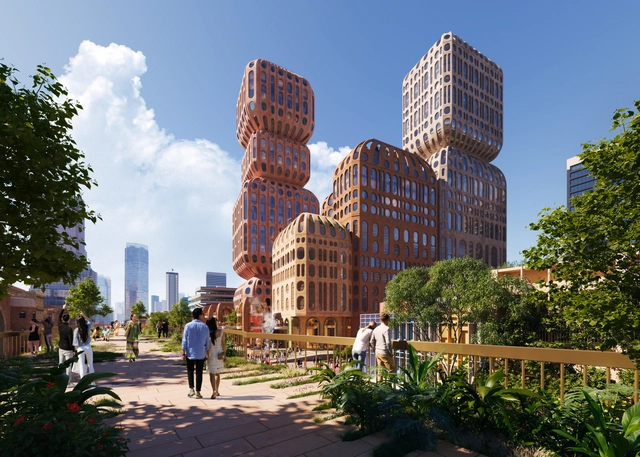
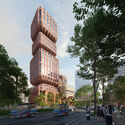
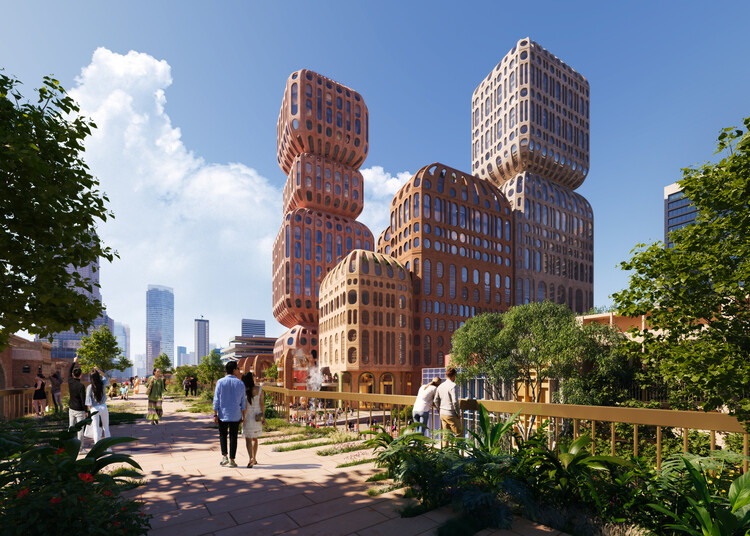
Heatherwick Studio has unveiled the first design images of Hatai, a new public space and two hotels in the heart of Bangkok's Silom district. The complex marks the studio's first project in Thailand and is located on the historic site of the original Narai Hotel, within a bustling business area. The project envisions 5,200 square metres of new public space, including elevated walkways and a publicly accessible ground level with retail and services. The building design draws inspiration from the craftsmanship of traditional Thai lanterns, featuring a series of stacked, rounded forms.

Heatherwick Studio Designs New 'Lantern Quarter' in Bangkok, Thailand - Featured ImageHeatherwick Studio Designs New 'Lantern Quarter' in Bangkok, Thailand - Image 1 of 4Heatherwick Studio Designs New 'Lantern Quarter' in Bangkok, Thailand - Image 2 of 4Heatherwick Studio Designs New 'Lantern Quarter' in Bangkok, Thailand - Image 3 of 4Heatherwick Studio Designs New 'Lantern Quarter' in Bangkok, Thailand - More Images

Shaping Spaces: The History and Impact of Fireplaces in Architecture

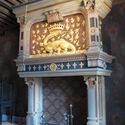
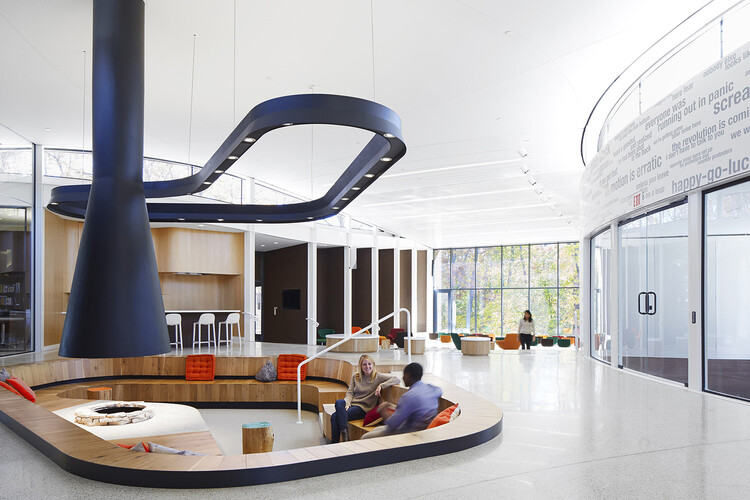
Fireplaces have profoundly shaped architectural design, influencing how spaces are organized, experienced, and perceived. More than merely functional elements, they represent symbols of power, community, comfort, and culture, tracing humanity's evolving relationship with the built environment. From the primitive hearths that characterized early human settlements to the sophisticated ecological designs of contemporary architecture, fireplaces have reflected broader cultural, social, and technological changes, serving as enduring focal points in the spatial narrative of architecture. Scholars have frequently explored the intimate relationship between architecture and fire. Luis Fernández-Galiano, in his seminal work "Fire and Memory: On Architecture and Energy" argues that architecture fundamentally mediates the relationship between humanity and energy. By understanding how these structures have shaped spaces, symbolized cultural values, and driven technological innovation, we gain deeper insight into architecture's complex interplay between form, function, and meaning.
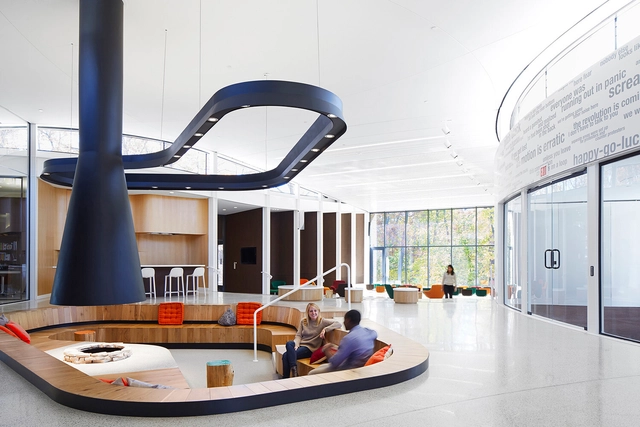
Shaping Spaces: The History and Impact of Fireplaces in Architecture - Image 1 of 4Shaping Spaces: The History and Impact of Fireplaces in Architecture - Image 2 of 4Shaping Spaces: The History and Impact of Fireplaces in Architecture - Image 3 of 4Shaping Spaces: The History and Impact of Fireplaces in Architecture - Image 4 of 4Shaping Spaces: The History and Impact of Fireplaces in Architecture - More Images+ 21