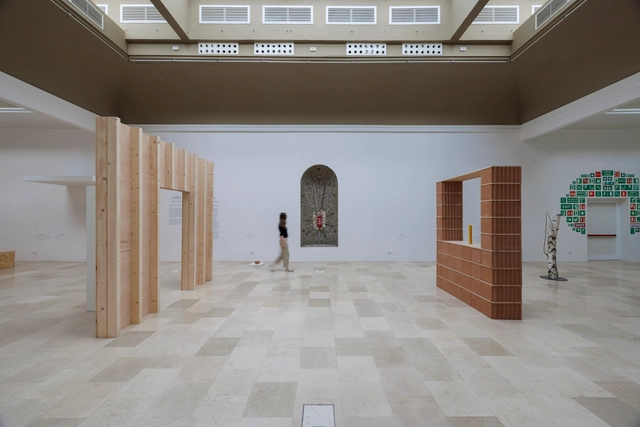
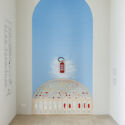
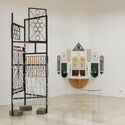
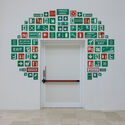
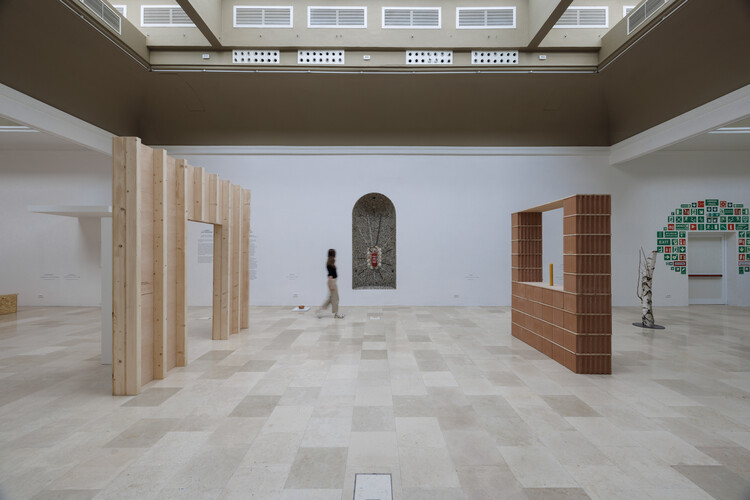
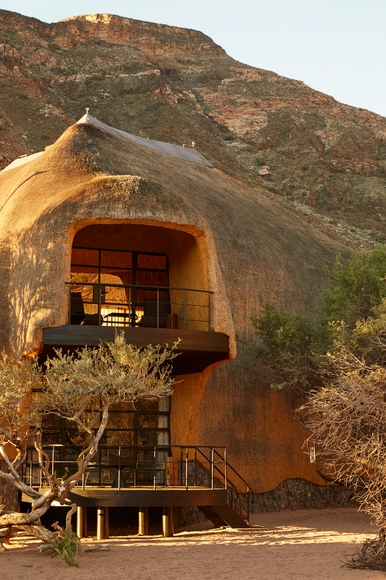
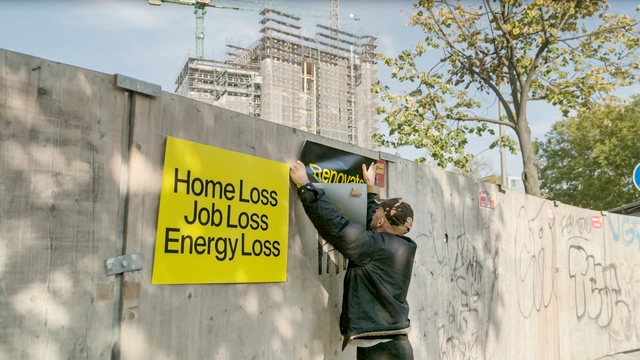
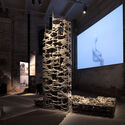
The Polish Pavilion at the 2025 Venice Architecture Biennale presents Lares and Penates: On Building a Sense of Security in Architecture, an exhibition that explores how architecture continues to function as a form of protection in an age marked by uncertainty. Framed as an anthropological investigation, the project examines the emotional and rational dimensions of building practices. The exhibition is developed by a multidisciplinary team including curator and art historian Aleksandra Kędziorek, architect Maciej Siuda, and artists Krzysztof Maniak and Katarzyna Przezwańska. Rather than focusing on architecture from the designer's perspective, the team investigates how individuals inhabit space and construct a sense of safety, responding to deep-seated fears, desires, and needs.
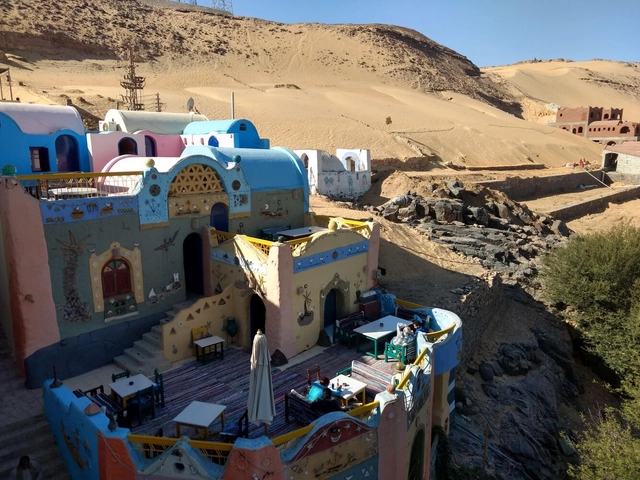
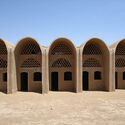
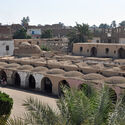
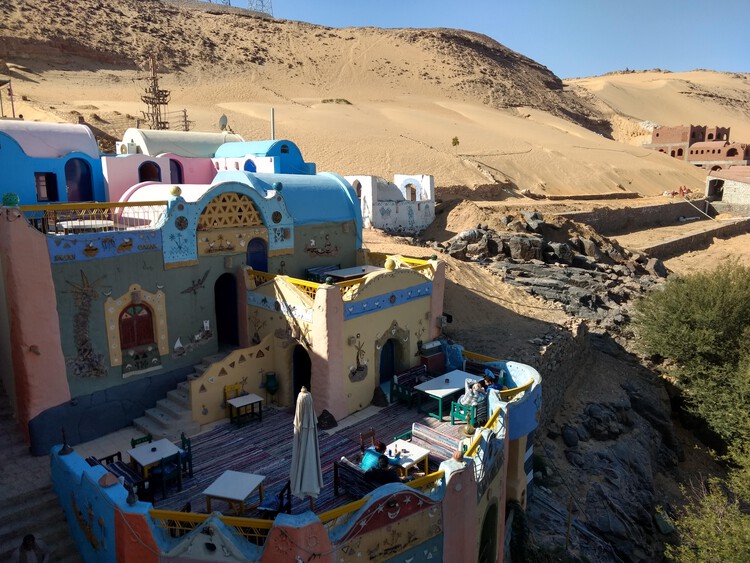
The colorful houses of Aswan in the south of modern-day Egypt attract tourists who venture that far up the River Nile. Accessed by small river boats, islands like Suheil West are the homes of Nubian communities, some of whom had had to relocate after the building of the Aswan High Dam in the 1960s. Behind the picturesque views of plastered walls covered in murals and motifs, perched on rocky hills overlooking the Nile, is a construction technique used locally for centuries. It uses locally sourced materials, conserves nature, and regulates internal temperatures against the heat in the day and the cold at night.
Buildings are physical, static, and permanent. To imagine them otherwise often requires some creative thinking. The industry has operated with this strong association between structures and permanence, unknowingly constraining perspectives on building life cycles. Innovations in building materials have opened up avenues for cirular design that challenge the long-held notion that buildings must endure indefinitely. Emerging approaches promote architecture that ebbs and flows with nature.
The World Architecture Festival (WAF) has announced the shortlist for its 2025 edition, highlighting notable examples of completed buildings, future projects, interiors, and urban landscaping from around the world. The announcement comes ahead of WAF's first event in the United States, which will take place at the Miami Beach Convention Center from November 12 to 14, 2025. Finalists will present their projects within their categories during the first two days of the festival. Selected from more than 780 entries, this year's shortlist features over 460 projects that span a broad range of categories, including Creative Re-Use, Housing, Education, Hotel, Sports, and Culture.
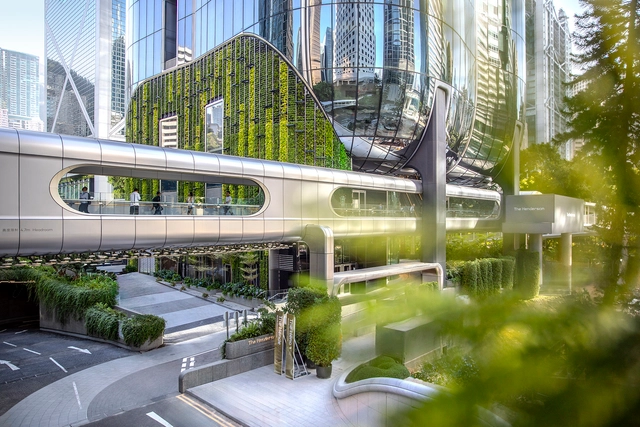
Architectural landmarks often cluster together. In Tokyo, the iconic Omotesando is a well-known stretch where global "starchitects" built flagship luxury retail spaces in the 2000s. Hong Kong has a lesser-known but equally powerful architectural agglomeration along Queensway—though historically more corporate and less publicly engaging. Beginning in the 1980s, this corridor became home to a series of landmark buildings by some of the world's most prominent architects: Norman Foster's HSBC Headquarters, I.M. Pei's Bank of China Tower, Paul Rudolph's Lippo Centre, and the nearby Murray Building by Ron Phillips—now revitalized as a hotel by Foster + Partners. The area is further enriched later on by Heatherwick Studio's renovation of Pacific Place and Tod Williams Billie Tsien Architects' Asia Society Hong Kong Center.
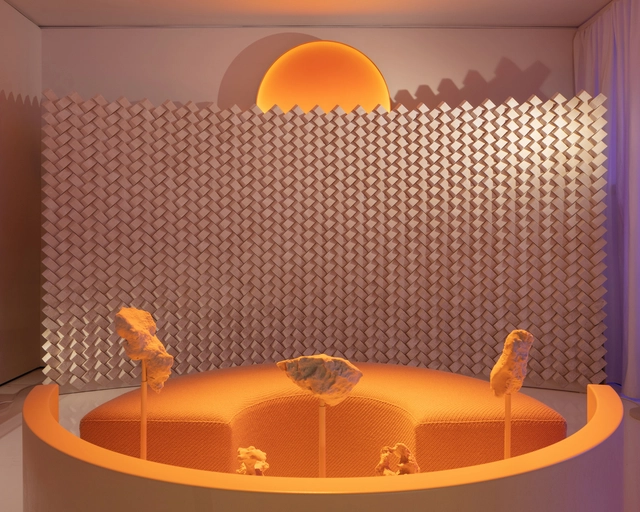
In response to today's environmental, political, economic, and social challenges, material experimentation in architecture invites us to recognize the importance of researching and analyzing the properties of construction elements, and to understand the role of spatial design and its immediate surroundings. While various textiles, plastics, and even waste from different sources are being recycled and given a new life, the debate around the use of salt as a building material encourages the development of more sustainable practices to reduce the industry’s impact on the environment, as well as to explore the renewed life of discarded minerals and mining waste for implementation in architecture.
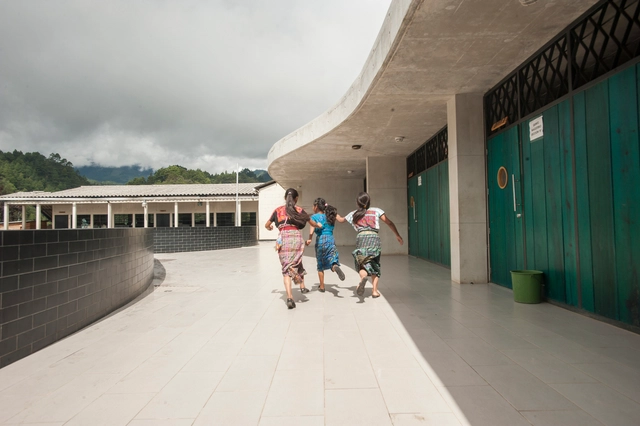
Children Running in the school at Nebaj, Guatemala . Image Courtesy of Solis Colomer Arquitectos
Founded in 2002, Solis Colomer Arquitectos has established a strong reputation over the past two decades, designing and constructing projects with both social and commercial impact across Latin America. With over 200 completed works, the firm specializes in institutional architecture with social impact and user-centered commercial architecture. Its mission is clear: to use architecture as a tool to dignify the human experience, especially for those in greatest need.
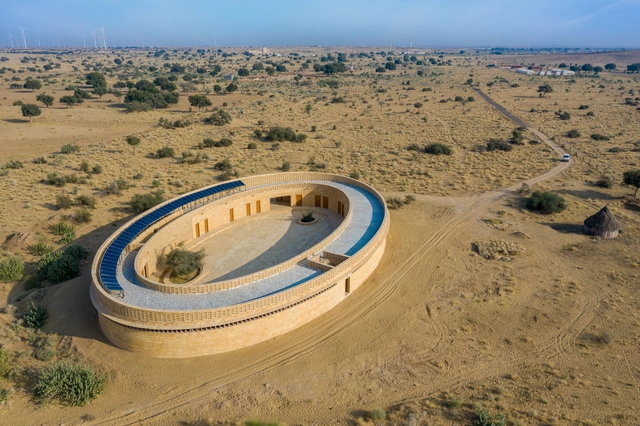
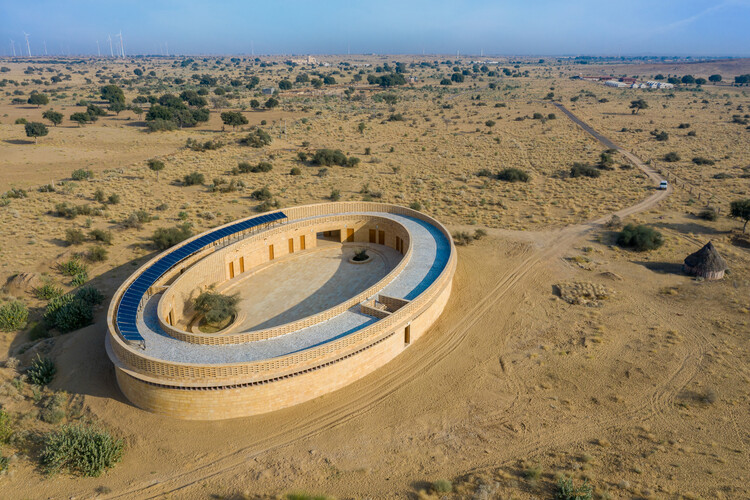
Creating an educational setting is a specific and sensitive task. Merging children's safety and learning optimization requirements with an aesthetic appeal and solid concept can birth some of the most beautiful, unique projects around. One common configuration is the elliptical or circular school. A circular, more specifically ringlike educational setting can suggest a sense of protectiveness and safety with the construction of the embracing surrounding membrane. It is also a practical setup that envelopes multiple functions while linking them, consequently allowing interactive instances through the central courtyard.
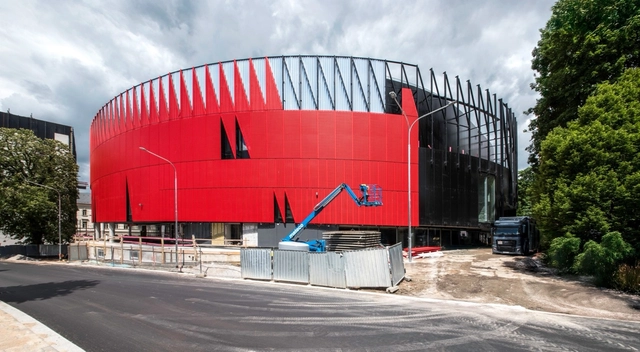
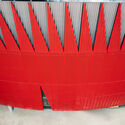
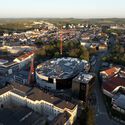
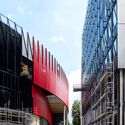
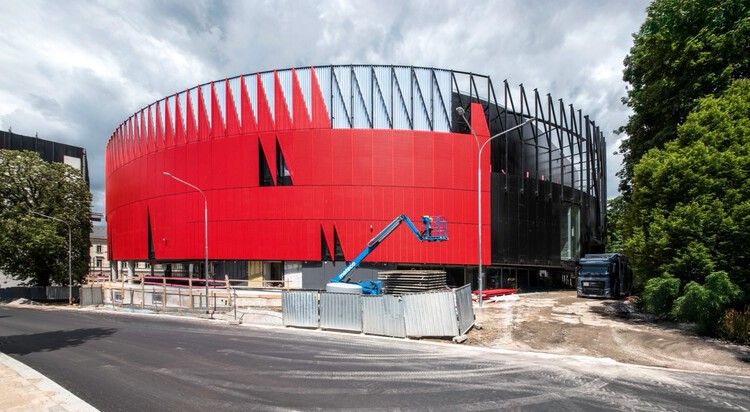
CHYBIK + KRISTOF (CH+K) has unveiled new images of its multi-purpose arena in Jihlava, a progressive city in the heart of the Czech Republic. Designed as part of a winning competition proposal in 2019, the project is being developed for the local ice hockey team, HC Dukla, and is scheduled for completion in late 2025. The arena has recently reached a key milestone with the installation of its characteristic facade. Unlike many similar developments that relocate to the outskirts, the venue retains its central position, an intentional decision by the municipality to activate the city core, support local businesses, and ensure accessibility by public transport and on foot. The project aims to enhance public life while contributing to the city's long-term sustainable growth.
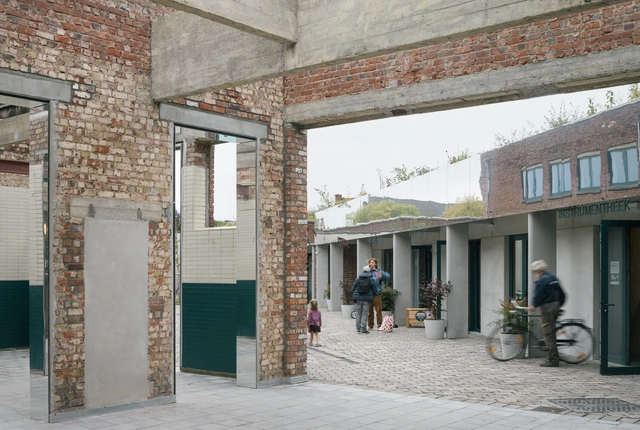
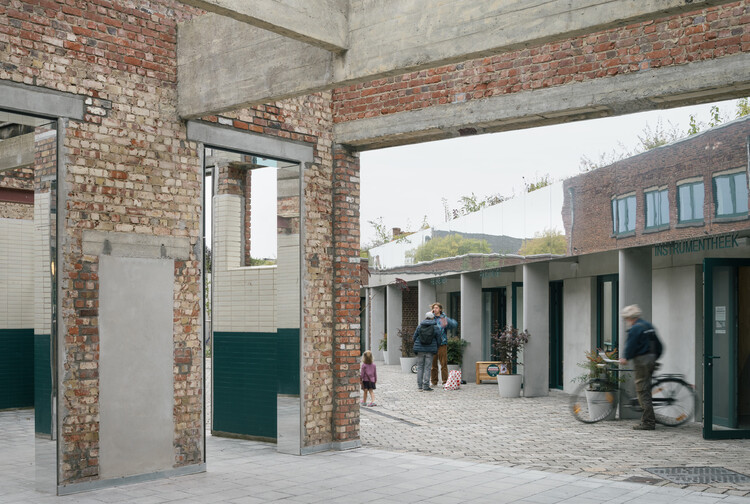
The European AHI Award recognizes architectural heritage interventions across Europe, highlighting their role as a forward-looking model for 21st-century architecture with tangible social, environmental, and economic benefits. In its seventh edition, the award honored six projects, four first prizes and two special mentions, during a ceremony held in early June at the Paranimf Ceremonial Hall of the Escola Industrial in Barcelona. A total of 238 projects from architecture studios in 24 European countries were submitted. The selected winners are located in Antwerp, Kortrijk, Olot, Ancient Corinth, and Milan.
Cities today are being reimagined as living, evolving organisms, combining digital intelligence, ecological systems, and new materials to shape radical futures. At Carlo Ratti's "Intelligens. Natural. Artificial. Collective." biennial, over 750 participants challenge established boundaries between architecture, landscape, and technology. Several conceptual projects showcased in the main exhibition challenge conventional boundaries between architecture, landscape, and technology. From bio-adaptive urban systems and Martian water-based settlements to immersive symphonies of satellite data, these works collectively envision new models for cohabitation, resilience, and planetary awareness.
This month's Unbuilt selection presents six speculative projects, presented as part of the 2025 Venice Architecture Biennale exhibition, as provocations for rethinking the future of cities and human settlement. While some proposals transform architecture into self-sustaining, living infrastructures, others explore how data and sensory interfaces can redefine our relationship with natural and urban environments. Together, they offer a cross-section of how architects and designers are using unbuilt work to imagine new possibilities for life on Earth and beyond.
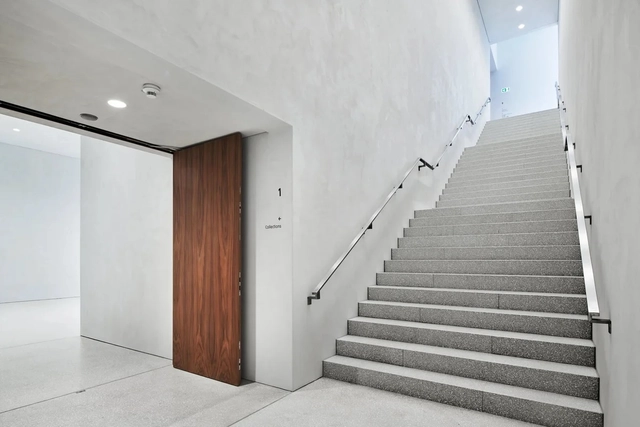
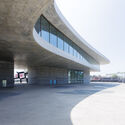
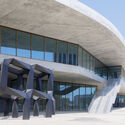
Designed by Barozzi Veiga, the Musée des Beaux-Arts in Lausanne is equipped by Arbonia with fire-protection doors, flush-mounted wooden doors and soundproofing elements made of wood.
14 individual brands and two subsidiaries are represented under the Swiss brand Arbonia. Although the brand, which is now making its long-overdue public debut, maybe new, the list of realized projects certainly is not. A glance at the reference archive, which Arbonia presents prominently, shows this. These include construction projects for the healthcare sector as well as offices and administration, historical buildings, educational institutions, hospitality and residential developments. Three particular distinct highlights stand out, as they uniquely embody Arbonia's motto: 'open to aspiration'.
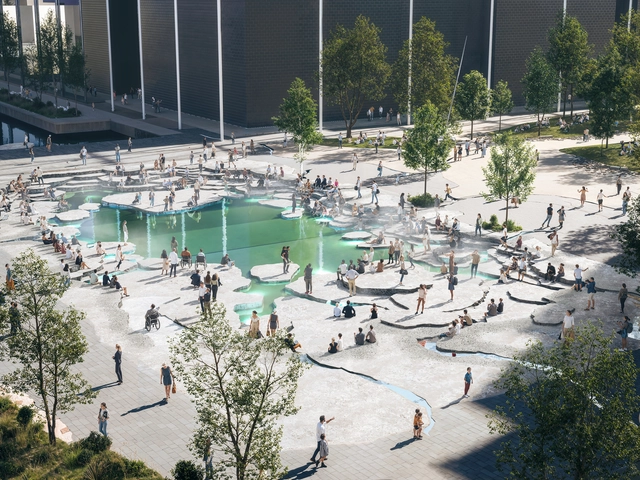
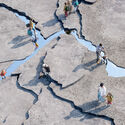
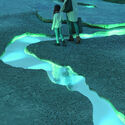
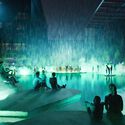
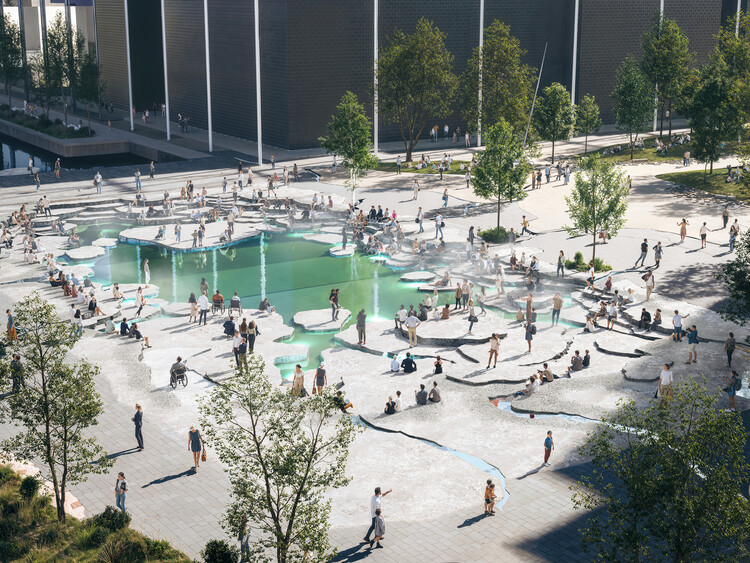
BIG, artist Doug Aitken Workshop, NIRAS, Volcano, and RWDI have won a competition to redesign three public spaces surrounding major music venues in Ørestad, Copenhagen. The initiative, titled Byens Scene ("The City's Stage"), aims to revitalize the areas around DR Koncerthuset, Bella Arena, and Royal Arena, transforming them into an interconnected landscape for everyday use and public performances.
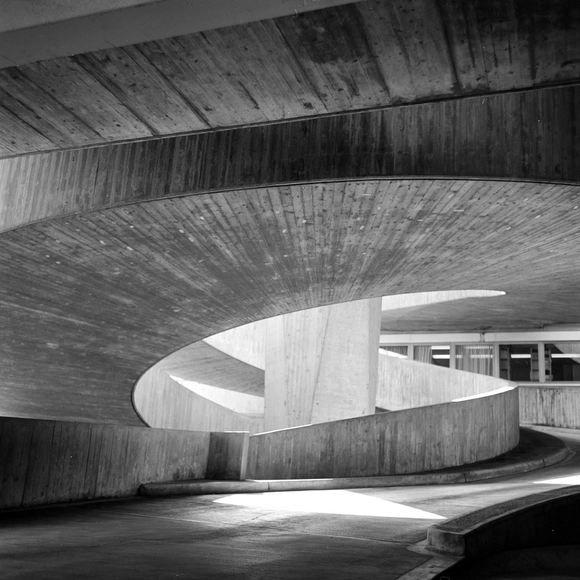
For over five decades, Swiss photographer Thomas Mayer has developed a serene, emotional, and documentary language for architecture. His lens captures the random and memorable moments of our built environment - reflections in the rain, long blue hours in Nordic summers, and the quiet darkness of sacred spaces. Recognized by ArchDaily as one of the top architectural photographers, Mayer carries an abundant fascination for light and space.
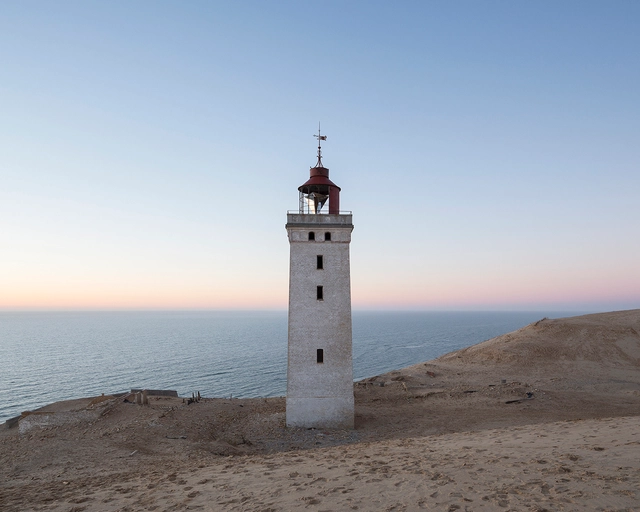
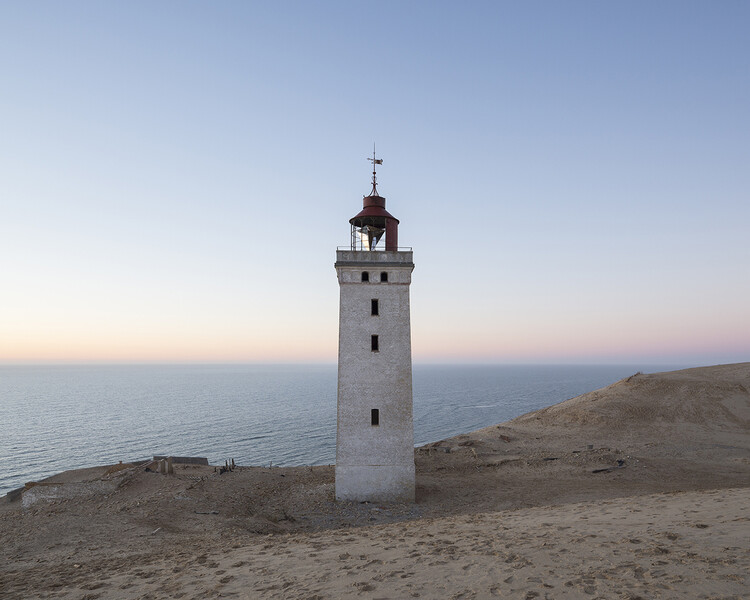
Lighthouses have stood along the margins of continents and islands for centuries as points of light in vast maritime territories. Rising in solitude from rocky cliffs, reefs, and headlands, these towers were tools for navigation and instruments of spatial clarity, shaping coastlines and marking the boundary between land and sea. Built to guide, warn, and locate, they constituted a global network of visibility long before the advent of digital mapping. Yet as maritime technologies evolved, many of these structures lost their original purpose. The typology, once essential, now stands at the edge of obsolescence. What remains is not merely an architectural relic, but a powerful spatial form — resilient, symbolic, and increasingly open to reinterpretation.
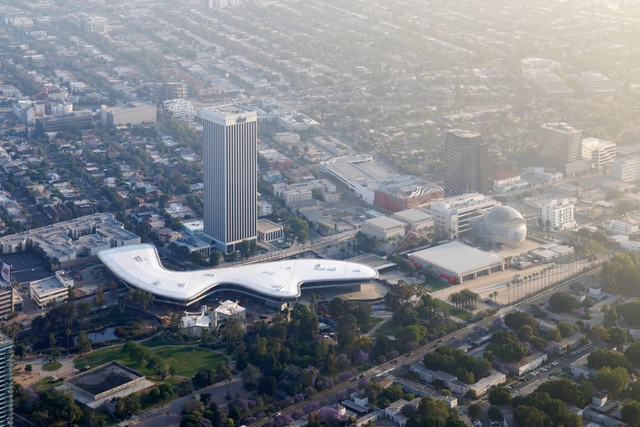
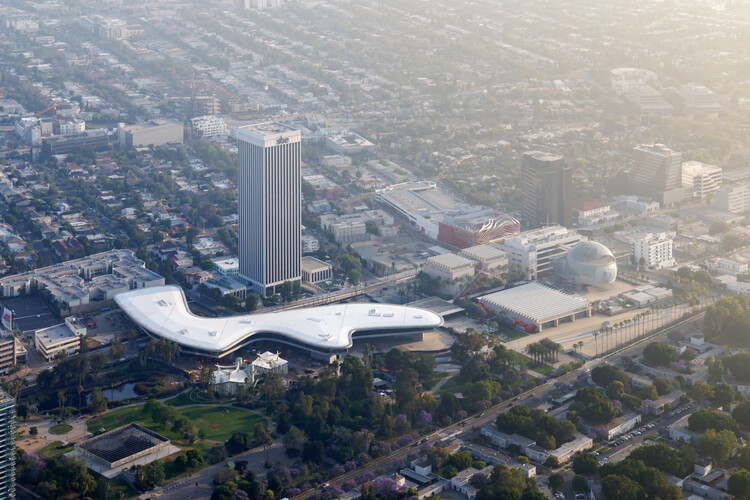
The first photographs of the long-anticipated David Geffen Galleries at the Los Angeles County Museum of Art (LACMA) have been unveiled, captured by architectural photographerIwan Baan. Designed by Pritzker Prize-winning architect Peter Zumthor, in collaboration with Skidmore, Owings & Merrill, the building marks the culmination of a process spanning more than two decades. The museum recently offered an exclusive preview of the building in its raw architectural state, ahead of the installation of artworks. Major construction was completed at the end of 2024, and portions of the lower levels are already accessible to visitors. The galleries are scheduled to officially open in April 2026, when they will house LACMA's permanent collection.
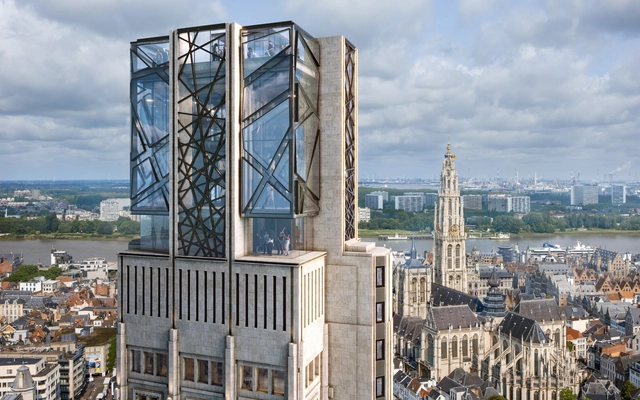
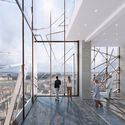
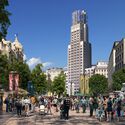
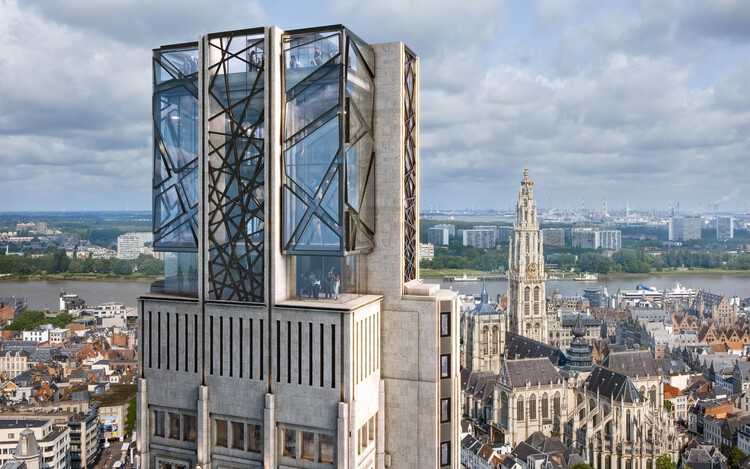
Studio Libeskind has released new images of the design for the transformation of the Boerentoren tower, one of Europe's earliest skyscrapers, located in the heart of Antwerp, Belgium. Developed in collaboration with Belgian architecture firm ELD, the project reimagines the 1932 Art Deco landmark as a new public cultural hub that will house The Phoebus Foundation's art collection. The design includes the addition of exhibition spaces, a panoramic viewing platform, a rooftop sculpture garden, and new restaurants and bars. According to the architects, the original architectural features will be preserved while introducing a new architectural feature, which they are calling the "Reimagined Crown." Initially announced in 2022, the project has now received preliminary approval from the Flemish Heritage Agency and the City of Antwerp.