1. ArchDaily
  2. Architecture

Architecture: The Latest Architecture and News

Discover the World's Best Universities to Study Architecture in 2025, Based on QS Rankings

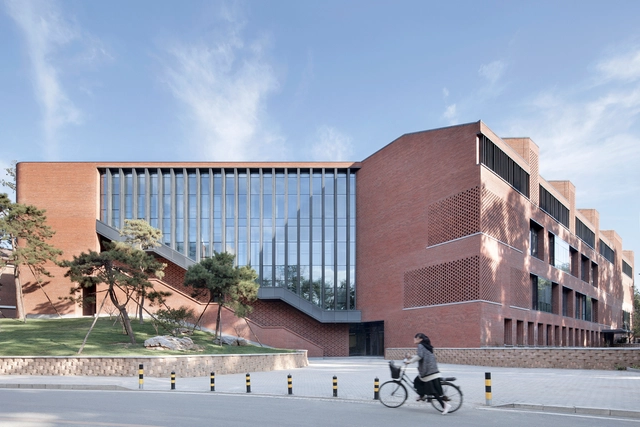
Every year, the QS World University Rankings by Quacquarelli Symonds (QS) releases an updated list of best university programs worldwide. In the field of Architecture and the Built Environment, the list includes 250 institutions. The ranking evaluates institutions across all continents. This year, The Bartlett School of Architecture (part of UCL) maintains its position in first place, as the top 10 list sees a reorganization of the selected universities, with no new entrants. Tsinghua University is the only one among them to improve its position since last year, rising from eighth to joint seventh.

Discover the World's Best Universities to Study Architecture in 2025, Based on QS Rankings - Featured ImageDiscover the World's Best Universities to Study Architecture in 2025, Based on QS Rankings - Image 1 of 4Discover the World's Best Universities to Study Architecture in 2025, Based on QS Rankings - Image 2 of 4Discover the World's Best Universities to Study Architecture in 2025, Based on QS Rankings - Image 3 of 4Discover the World's Best Universities to Study Architecture in 2025, Based on QS Rankings - More Images+ 3

From Fragility to Resilience: Curating the Inaugural Pan-African Architecture Biennale

Subscriber Access | 

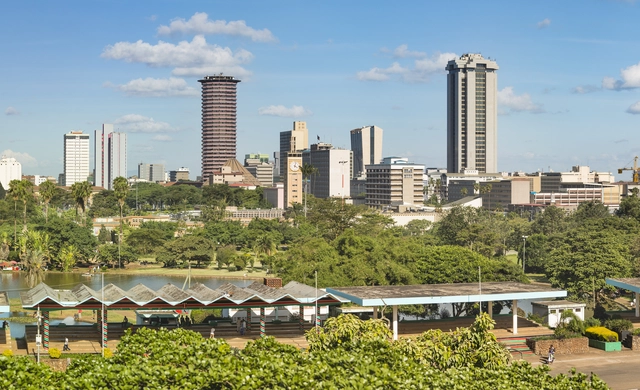
A Pan-African Biennale of Architecture is planned for 2026 in Nairobi, Kenya. According to the curator, it "represents an unprecedented opportunity to reclaim Africa's architectural narrative, reasserting the continent's role as a global leader in urban resilience, sustainability, and cultural expression."

Omar Degan, the curator in partnership with the Architectural Association of Kenya, is a practicing architect, professor, and teacher. He leads an architecture office known as DO Architecture Group, which was established between Italy and Somalia—two places deeply connected to his identity. His work focuses on what he describes as "fragile contexts" around the world, including areas affected by natural disasters, refugee camps, slum upgrades, and underserved neighborhoods.

From Fragility to Resilience: Curating the Inaugural Pan-African Architecture Biennale - Image 1 of 4From Fragility to Resilience: Curating the Inaugural Pan-African Architecture Biennale - Image 2 of 4From Fragility to Resilience: Curating the Inaugural Pan-African Architecture Biennale - Image 3 of 4From Fragility to Resilience: Curating the Inaugural Pan-African Architecture Biennale - Image 4 of 4From Fragility to Resilience: Curating the Inaugural Pan-African Architecture Biennale - More Images+ 5

Beyond the Image: Rethinking Architecture in the Age of AI

Subscriber Access | 

© Ulises (@ulises.studio)

Artificial intelligence is becoming an undeniable presence in our daily lives. It teaches, generates content, and disrupts the fragile boundaries—both visual and imaginative—that once governed our interactions on social media. On platforms like Instagram, we witness a flood of imagery where every kind of speculative exercise is freely shared, recalibrating our understanding of the relationship between architecture and image. Amid this transformation, entire professions find themselves on uncertain ground, as AI begins to challenge areas once defined by human expertise.

Yet beneath this apparent abundance lies the opaque core of closed-source AI: an algorithmic black box that systematically conceals the origins of the data it consumes. As a result, its outputs are inevitably prone to factual distortions, anachronisms, and subtle or overt biases. This same machinery can hollow out the significance behind the languages and stylistic signatures of canonical architects—manifest, for instance, in AI-generated visions speculating how famed designers, living or dead, might have reimagined the Eiffel Tower. We shared one such image to observe and better understand how people—especially architects—respond to AI's current possibilities and limitations, and the ways it mimics architectural intent. The response was quite fascinating, revealing a mix of curiosity, concern, and critical reflection.


Grand Palais in Paris Reopens Following the Restoration by Chatillon Architectes

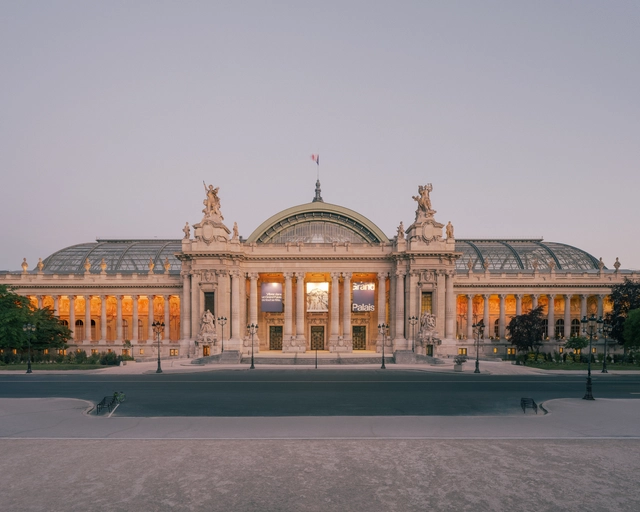
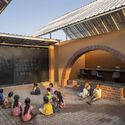
The Grand Palais in Paris has reopened to the public after the most comprehensive renovation in its 120-year history, led by Paris-based Chatillon Architectes. Originally built for the 1900 Universal Exhibition, the Grand Palais has long stood as a symbol of French cultural excellence, technical ingenuity, and architectural ambition. Following the reveal of the restored Nave for the 2024 Paris Olympics, the entire 77,000-square-meter building has now been renewed to enhance spatial clarity, restore original volumes, and transform the visitor experience. The project introduces expanded public access, new exhibition spaces, restaurants, and improved circulation, while remaining rooted in the building's architectural legacy.
Grand Palais in Paris Reopens Following the Restoration by Chatillon Architectes - Image 1 of 4Grand Palais in Paris Reopens Following the Restoration by Chatillon Architectes - Image 2 of 4Grand Palais in Paris Reopens Following the Restoration by Chatillon Architectes - Image 3 of 4Grand Palais in Paris Reopens Following the Restoration by Chatillon Architectes - Image 4 of 4Grand Palais in Paris Reopens Following the Restoration by Chatillon Architectes - More Images+ 13

Foster + Partners Wins Competition to Design the National Memorial to Queen Elizabeth II

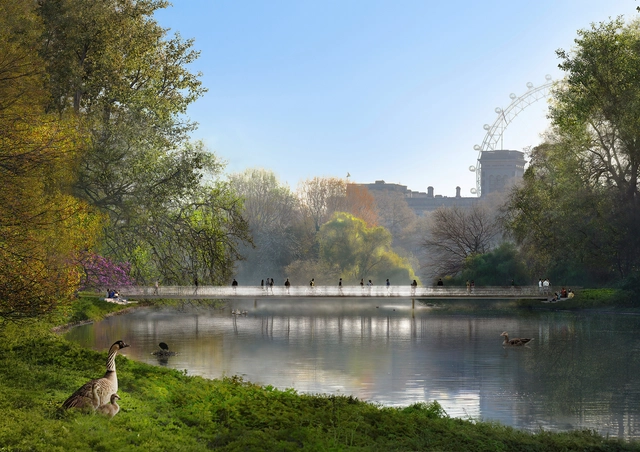
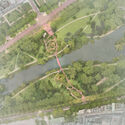
Foster + Partners has won the competition to design the national memorial to Queen Elizabeth II. In February 2025, five finalist teams were selected by the Queen Elizabeth Memorial Committee to develop a master plan honoring and celebrating the late Queen. The memorial aims to provide visitors with a space for reflection in London's St James's Park, a site of historical and constitutional significance. Foster + Partners' winning proposal features a new bridge inspired by the Queen's wedding tiara, a Prince Philip Gate, and new gardens. The design will continue to be developed until April 2026.

Foster + Partners Wins Competition to Design the National Memorial to Queen Elizabeth II - Image 1 of 4Foster + Partners Wins Competition to Design the National Memorial to Queen Elizabeth II - Image 2 of 4Foster + Partners Wins Competition to Design the National Memorial to Queen Elizabeth II - Image 3 of 4Foster + Partners Wins Competition to Design the National Memorial to Queen Elizabeth II - Image 4 of 4Foster + Partners Wins Competition to Design the National Memorial to Queen Elizabeth II - More Images+ 6

The New Ghibli Park in Japan: Redefining Theme Parks Through Adaptive Reuse and Sustainability

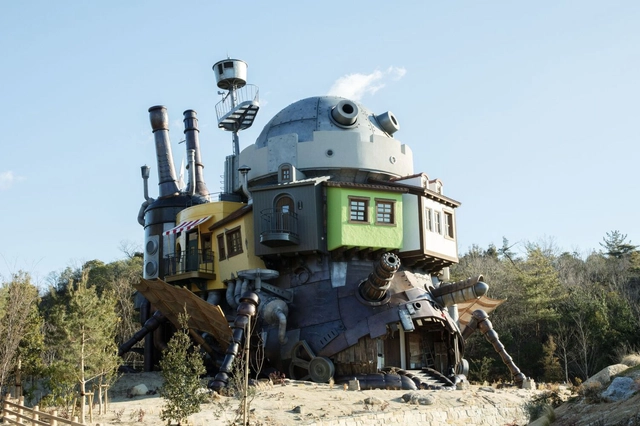
Studio Ghibli and its co-founder Hayao Miyazaki have become household names in the West, thanks to their impressive body of work, which includes over 10 feature films, 2 Oscars, and more than 100 awards worldwide. Films such as "Spirited Away" and "Howl's Moving Castle" showcase their mastery of world-building, story telling and compelling visuals which have earned them global acclaim. This has created a devoted fan base that previously only had the Studio Ghibli Museum in Tokyo to experience the films in real life. As the studio's popularity and movie portfolio grew, it became inevitable for them to expand into a larger space. That is why November 2022 marked the beginning of a new phase as the Ghibli Park opened its gates in Nagoya, Japan.

The New Ghibli Park in Japan: Redefining Theme Parks Through Adaptive Reuse and Sustainability - Image 1 of 4The New Ghibli Park in Japan: Redefining Theme Parks Through Adaptive Reuse and Sustainability - Image 2 of 4The New Ghibli Park in Japan: Redefining Theme Parks Through Adaptive Reuse and Sustainability - Image 3 of 4The New Ghibli Park in Japan: Redefining Theme Parks Through Adaptive Reuse and Sustainability - Image 4 of 4The New Ghibli Park in Japan: Redefining Theme Parks Through Adaptive Reuse and Sustainability - More Images+ 2

Laurie Baker’s Legacy and the Democratization of Indian Architecture

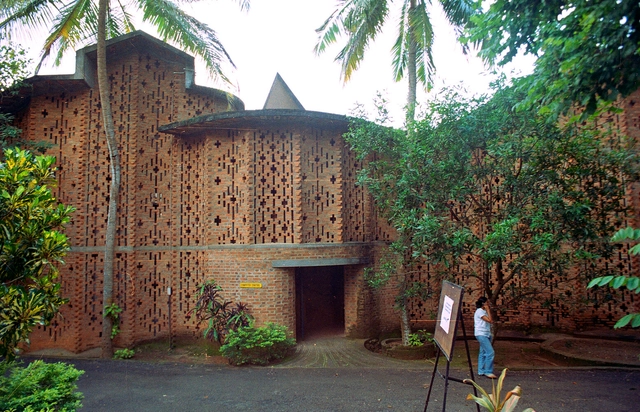
In India, brick as a construction material holds memory, meaning, and modernity. From the aligned fired bricks of the Indus Valley Civilization to the intricate brick jaalis that decorate homes, public buildings, and landmarks, the material's legacy is deeply embedded within the subcontinent's architectural identity. Yet no one has shaped the narrative of brick in modern Indian architecture more eloquently than Laurie Baker.

Laurie Baker’s Legacy and the Democratization of Indian Architecture - Image 1 of 4Laurie Baker’s Legacy and the Democratization of Indian Architecture - Image 2 of 4Laurie Baker’s Legacy and the Democratization of Indian Architecture - Image 3 of 4Laurie Baker’s Legacy and the Democratization of Indian Architecture - Image 4 of 4Laurie Baker’s Legacy and the Democratization of Indian Architecture - More Images+ 9

World’s Most Liveable Cities in 2025: Discover the Cities With the Top Quality of Life

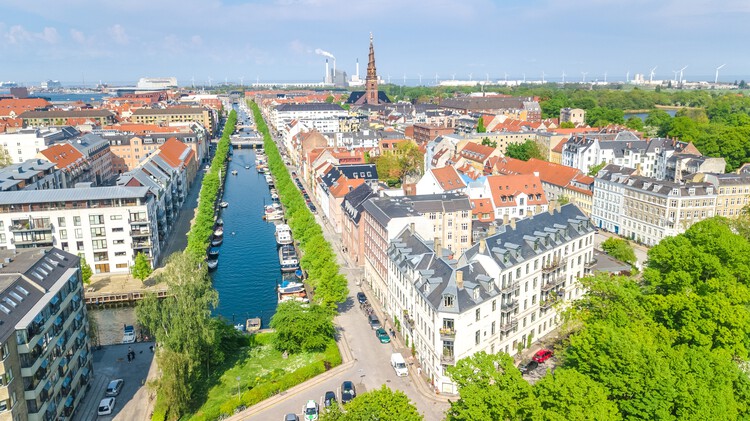
The Economist Intelligence Unit (EIU) has released its Global Liveability Index for 2025, assessing 173 cities worldwide across five categories: stability, healthcare, culture and environment, education, and infrastructure. This year, Copenhagen has taken the top position, ending Vienna's three-year run as the world's most liveable city. The Danish capital earned high scores in stability, education, and infrastructure, narrowly surpassing Vienna, which saw a decline in its stability rating following recent security incidents. The average global liveability score for 2025 remains steady at 76.1 out of 100, unchanged from 2024. While year-on-year improvements were recorded in healthcare, education, and infrastructure, these were offset by a continued decline in stability, driven by rising geopolitical tensions, civil unrest, and increased security threats in several regions.

World’s Most Liveable Cities in 2025: Discover the Cities With the Top Quality of Life - Image 1 of 4World’s Most Liveable Cities in 2025: Discover the Cities With the Top Quality of Life - Image 2 of 4World’s Most Liveable Cities in 2025: Discover the Cities With the Top Quality of Life - Image 3 of 4World’s Most Liveable Cities in 2025: Discover the Cities With the Top Quality of Life - Image 4 of 4World’s Most Liveable Cities in 2025: Discover the Cities With the Top Quality of Life - More Images+ 7

Winners of the EUmies Awards for Young Talent 2025 Highlight Reuse and Collective Resilience

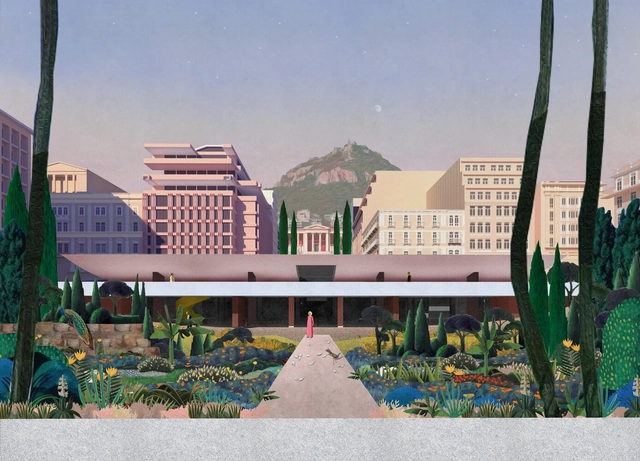
During the EUmies Awards Day in Venice, representatives from the Creative Europe program and the Fundació Mies van der Rohe revealed the four student project winners of the EUmies Awards Young Talent 2025. The award recognizes architecture projects for their capacity to respond to contemporary social, urban, and environmental challenges. The event was held within the context of the 19th International Architecture Exhibition – La Biennale di Venezia, inviting winners, jury members, and institutional representatives to engage in dialogue around four key themes, aligned with the Biennale's curatorial proposal: Artificial, Natural, Collective, and Intelligens.

Winners of the EUmies Awards for Young Talent 2025 Highlight Reuse and Collective Resilience - Image 1 of 4Winners of the EUmies Awards for Young Talent 2025 Highlight Reuse and Collective Resilience - Image 2 of 4Winners of the EUmies Awards for Young Talent 2025 Highlight Reuse and Collective Resilience - Image 3 of 4Winners of the EUmies Awards for Young Talent 2025 Highlight Reuse and Collective Resilience - Image 4 of 4Winners of the EUmies Awards for Young Talent 2025 Highlight Reuse and Collective Resilience - More Images+ 38

Interiors of Bars and Restaurants that Blend Cultures, Arts, and Materials: El Equipo Creativo and Their Works in Barcelona

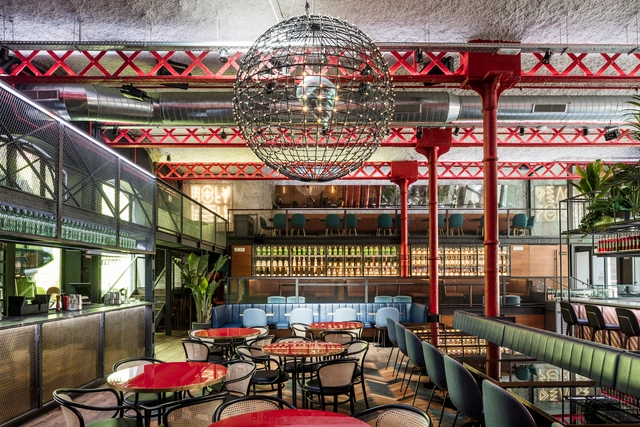
How does the design of contemporary interiors create different experiences through its materials? How does the adaptability and reuse of certain materials make it possible to generate contrasting and/or complementary atmospheres within a single space? According to each material's textures, proportions, colors, or properties, interior architecture currently recognizes the opportunity to create environments where materiality plays more than just an aesthetic role. With special attention to the final experience of its users, El Equipo Creativo aims to combine designs where landscape, nature, culture, and art stand out in interior compositions that accommodate broad programs and audiences.

Interiors of Bars and Restaurants that Blend Cultures, Arts, and Materials: El Equipo Creativo and Their Works in Barcelona - Image 1 of 4Interiors of Bars and Restaurants that Blend Cultures, Arts, and Materials: El Equipo Creativo and Their Works in Barcelona - Image 2 of 4Interiors of Bars and Restaurants that Blend Cultures, Arts, and Materials: El Equipo Creativo and Their Works in Barcelona - Image 3 of 4Interiors of Bars and Restaurants that Blend Cultures, Arts, and Materials: El Equipo Creativo and Their Works in Barcelona - Image 4 of 4Interiors of Bars and Restaurants that Blend Cultures, Arts, and Materials: El Equipo Creativo and Their Works in Barcelona - More Images+ 9

Melbourne Architecture City Guide: 31 Diverse Projects Shaping One of the World’s Most Liveable Cities

Subscriber Access | 

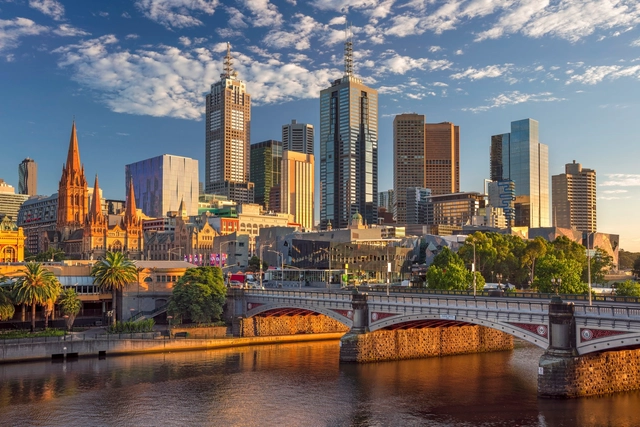
For the third year in a row, Melbourne has been selected as one of the top five most liveable cities in the world. The city is widely viewed as the leading architectural hub in Australia for its unique street culture and diverse design expression, with its layers and bold mix of architectural styles. From the very well-restored Victorian era edifices with their intricate ornamentation and detailing to the adjoining Contemporary landmarks, the city seems to achieve a nice balance of all typologies and design movements, while still being very inviting and engaging to its citizens.

Melbourne Architecture City Guide: 31 Diverse Projects Shaping One of the World’s Most Liveable Cities - Image 1 of 4Melbourne Architecture City Guide: 31 Diverse Projects Shaping One of the World’s Most Liveable Cities - Image 2 of 4Melbourne Architecture City Guide: 31 Diverse Projects Shaping One of the World’s Most Liveable Cities - Image 3 of 4Melbourne Architecture City Guide: 31 Diverse Projects Shaping One of the World’s Most Liveable Cities - Image 4 of 4Melbourne Architecture City Guide: 31 Diverse Projects Shaping One of the World’s Most Liveable Cities - More Images+ 29

Concéntrico 2025 Opens in Logroño, Spain, With 24 Urban Interventions

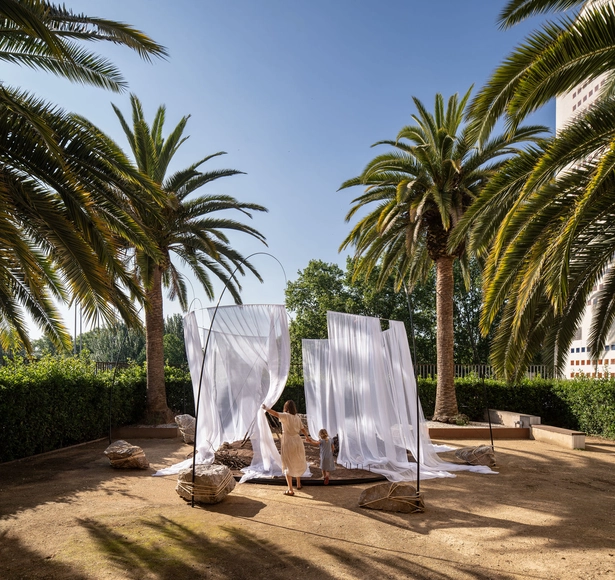
The 11th edition of Concéntrico, the International Festival of Architecture and Design, is currently taking place in Logroño, Spain, from June 19 to 24, 2025. This year's edition broadens the scope of the festival with a multifaceted programme that includes not only temporary installations but also permanent projects, exhibitions, educational initiatives, and traveling events. Through 24 urban interventions, Concéntrico 2025 explores themes such as material reuse and circular design, food as a collective practice, the recovery of water-related spaces, the activation of urban voids, and interspecies connections in the urban context, while emphasizing the need to imagine new ways of inhabiting the city, placing care, sustainability, empathy, and active listening at the core of public architecture.

Concéntrico 2025 Opens in Logroño, Spain, With 24 Urban Interventions - Image 1 of 4Concéntrico 2025 Opens in Logroño, Spain, With 24 Urban Interventions - Image 2 of 4Concéntrico 2025 Opens in Logroño, Spain, With 24 Urban Interventions - Image 3 of 4Concéntrico 2025 Opens in Logroño, Spain, With 24 Urban Interventions - Image 4 of 4Concéntrico 2025 Opens in Logroño, Spain, With 24 Urban Interventions - More Images+ 148

Zaha Hadid Architects Designs Master Plan for Sharjah Featuring Two-Kilometre Central Oasis

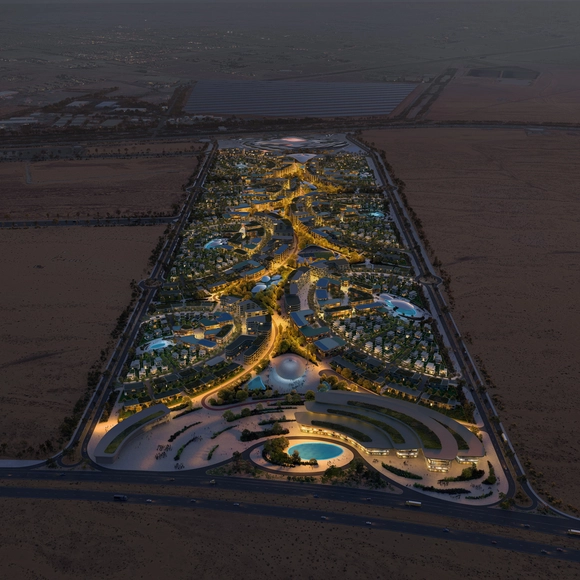
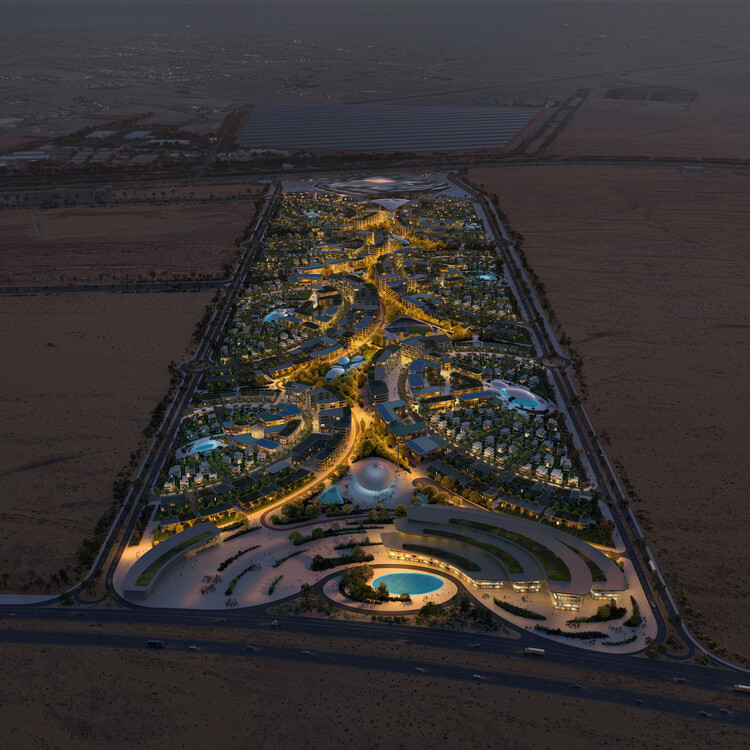
Zaha Hadid Architects (ZHA) has unveiled images of a master plan for Khalid Bin Sultan City in Sharjah, United Arab Emirates. Located adjacent to its BEEAH Headquarters, the development draws inspiration from that building's design, incorporating fluid architectural forms reminiscent of wind-swept desert dunes. Planned as a design and business district, the new urban area will consist of seven residential neighbourhoods connected by shaded walkways and anchored by a two-kilometre-long central oasis.

Zaha Hadid Architects Designs Master Plan for Sharjah Featuring Two-Kilometre Central Oasis - Image 1 of 4Zaha Hadid Architects Designs Master Plan for Sharjah Featuring Two-Kilometre Central Oasis - Image 2 of 4Zaha Hadid Architects Designs Master Plan for Sharjah Featuring Two-Kilometre Central Oasis - Image 3 of 4Zaha Hadid Architects Designs Master Plan for Sharjah Featuring Two-Kilometre Central Oasis - Image 4 of 4Zaha Hadid Architects Designs Master Plan for Sharjah Featuring Two-Kilometre Central Oasis - More Images+ 1

CCA Releases Documentary on Carla Juaçaba’s Work to Support Forest Conservation in Brazil's Coffee Region

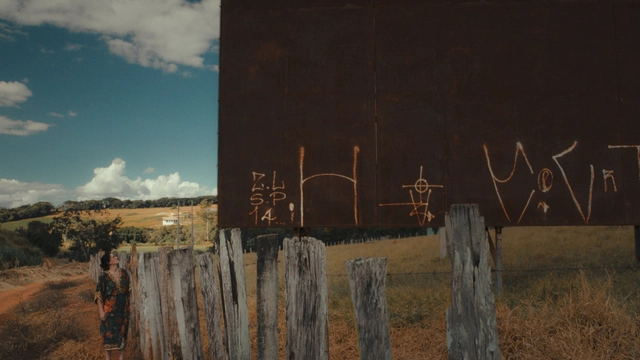
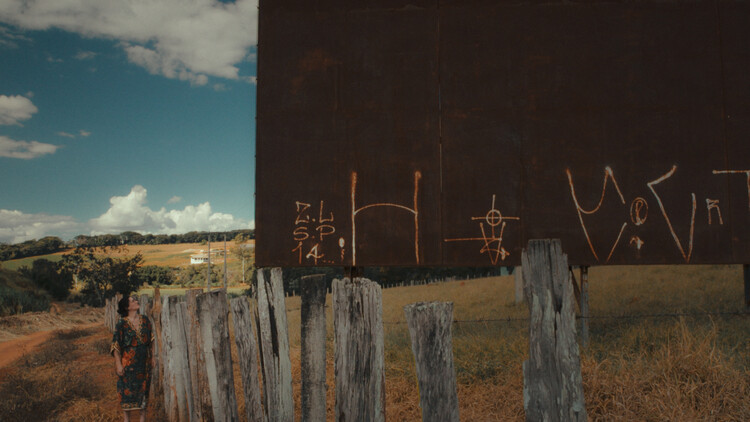
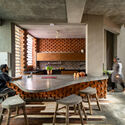
The Canadian Centre for Architecture (CCA) launched a documentary and exhibition, "With an Acre", the third and final chapter of the series Groundwork, which explores how contemporary architects cultivate alternative modes of practice to address the ecological crisis. The documentary follows the work of architect Carla Juaçaba in Minas Gerais, Brazil, where she is developing pavilions in a coffee field where collectives resist extractive industrial agriculture. The narrative examines the role of architects in extractivist contexts facing land regeneration challenges and unstable climatic conditions, as well as the tools smallholder farmers can use to cope with the environmental and social consequences of colonial settlement, urbanization, and industrialization.
CCA Releases Documentary on Carla Juaçaba’s Work to Support Forest Conservation in Brazil's Coffee Region - Image 6 of 4CCA Releases Documentary on Carla Juaçaba’s Work to Support Forest Conservation in Brazil's Coffee Region - Image 5 of 4CCA Releases Documentary on Carla Juaçaba’s Work to Support Forest Conservation in Brazil's Coffee Region - Image 1 of 4CCA Releases Documentary on Carla Juaçaba’s Work to Support Forest Conservation in Brazil's Coffee Region - Image 2 of 4CCA Releases Documentary on Carla Juaçaba’s Work to Support Forest Conservation in Brazil's Coffee Region - More Images+ 9

Living Together: 8 Conceptual Projects Rethinking Collective Housing in Sites from Tehran to Tirana

Subscriber Access | 

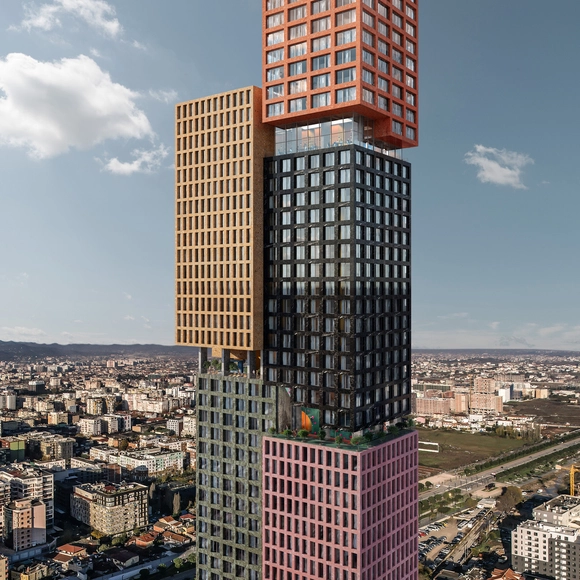
Collective living continues to be a central theme in contemporary housing discourse, one that extends beyond questions of density or typology to engage broader concerns of land use, social cohesion, and spatial identity. This selection of conceptual unbuilt projects, submitted by the ArchDaily community, explores the potentials of shared living environments, not only as functional housing solutions but as frameworks for interaction, environmental integration, and cultural continuity. Whether in urban or remote settings, they reflect a growing interest in rethinking how domestic space can support both individual privacy and communal life.

Learning from Artists: New Perspectives on Public Space

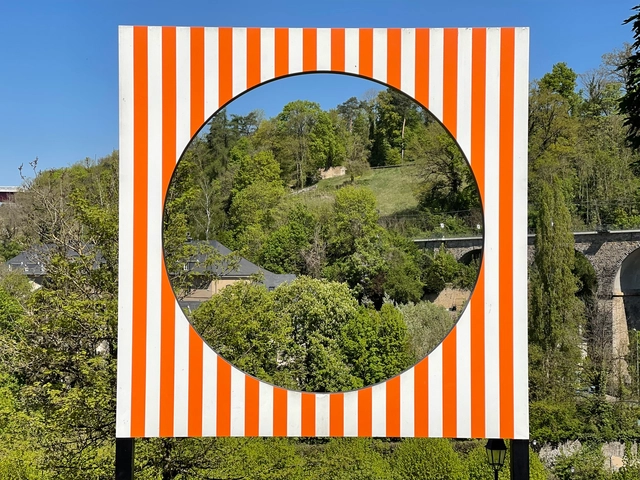
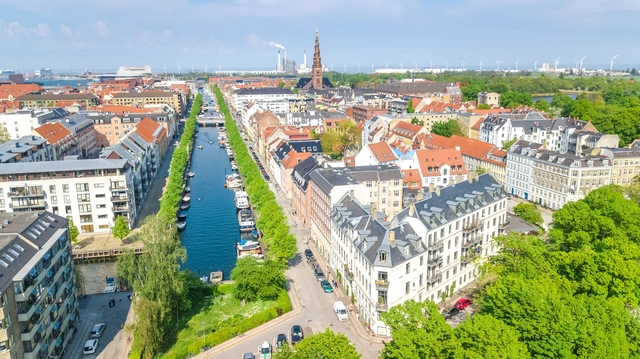
Public space has long been central to architectural thought, often framed in terms of planning, infrastructure, and regulation. From Haussmann's Paris to contemporary masterplans, architects have worked to define and formalise collective life through spatial tools. Yet, outside of these frameworks, artists have continuously offered alternative ways of understanding and inhabiting public space—ways that rely not on construction or permanence, but on presence, perception, and participation. Through actions, objects, or atmospheres, artists engage the city as a site of friction and imagination. These gestures challenge architectural conventions and invite artists to reconsider public space not as a solved form, but as a contingent and open process.

Learning from Artists: New Perspectives on Public Space - Image 1 of 4Learning from Artists: New Perspectives on Public Space - Image 2 of 4Learning from Artists: New Perspectives on Public Space - Image 3 of 4Learning from Artists: New Perspectives on Public Space - Image 4 of 4Learning from Artists: New Perspectives on Public Space - More Images+ 18

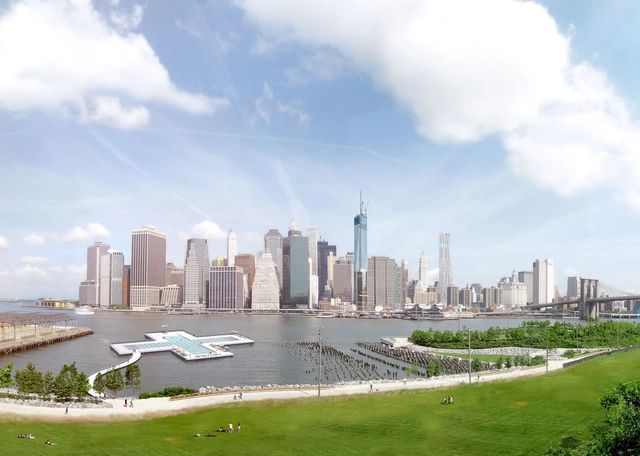
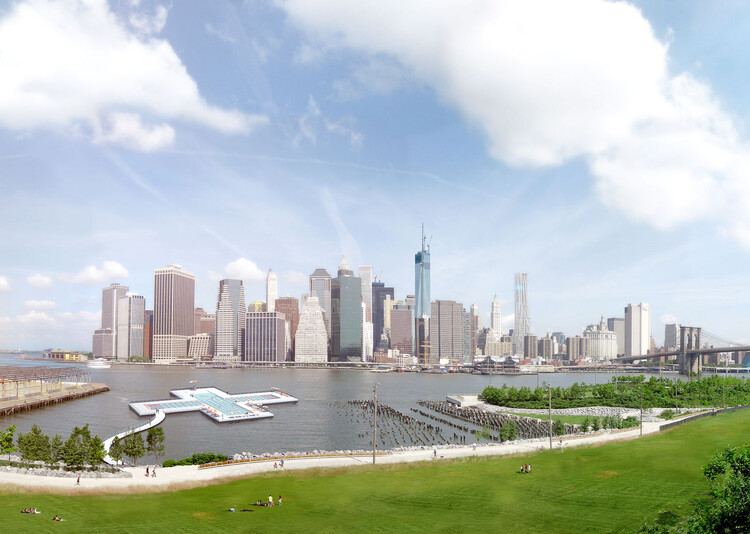
NYC’s First River-Based, Water-Filtering Pool Takes Shape at Pier 35

Friends of + POOL has announced the next steps in the realization of New York City's first water-filtering floating swimming pool, to be installed at Pier 35, north of the Manhattan and Brooklyn Bridges. The project seeks to provide safe public access to swimming in the city's rivers by integrating a custom-designed filtration system into a floating pool structure. Installation at Pier 35 is scheduled for May 2026, when the pool will enter its final phase of evaluation. Public access will be contingent on the successful completion of large-scale filtration testing and the full build-out of the facility for safe public use.
NYC’s First River-Based, Water-Filtering Pool Takes Shape at Pier 35 - Image 1 of 4NYC’s First River-Based, Water-Filtering Pool Takes Shape at Pier 35 - Image 2 of 4NYC’s First River-Based, Water-Filtering Pool Takes Shape at Pier 35 - Image 3 of 4NYC’s First River-Based, Water-Filtering Pool Takes Shape at Pier 35 - Image 4 of 4NYC’s First River-Based, Water-Filtering Pool Takes Shape at Pier 35 - More Images+ 4

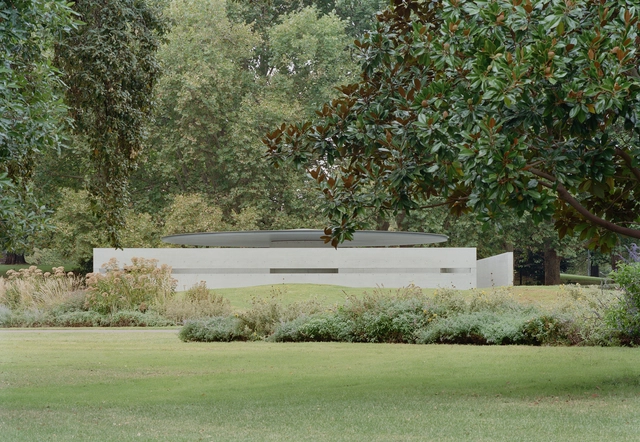
Conservation Campaign by Melbourne Citizens Successfully Extends Tadao Ando’s MPavilion until 2030

Every year, the Naomi Milgrom Foundation commissions an architect to design a temporary pavilion for the Queen Victoria Gardens, in the center of Melbourne's Southbank Arts Precinct. The pavilions are then transferred to the state of Victoria. The tenth edition of the MPavilion was designed by Pritzker Prize Laureate Tadao Ando as his first and only built work in Australia and the southern hemisphere. The pavilion opened on November 16, 2023, and its presence was extended until March 2025, hosting a wide-ranging program of cultural events over two summer seasons. After facing demolition, given the temporary nature of the initiative, a community-led program, "Preserve the Pavilion", was launched in hopes of preserving the building. The Naomi Milgrom Foundation has recently announced that the pavilion will remain in Queen Victoria Gardens until 2030, following a decision by the City of Melbourne.

Conservation Campaign by Melbourne Citizens Successfully Extends Tadao Ando’s MPavilion until 2030 - Image 1 of 4Conservation Campaign by Melbourne Citizens Successfully Extends Tadao Ando’s MPavilion until 2030 - Image 2 of 4Conservation Campaign by Melbourne Citizens Successfully Extends Tadao Ando’s MPavilion until 2030 - Image 3 of 4Conservation Campaign by Melbourne Citizens Successfully Extends Tadao Ando’s MPavilion until 2030 - Image 4 of 4Conservation Campaign by Melbourne Citizens Successfully Extends Tadao Ando’s MPavilion until 2030 - More Images+ 4