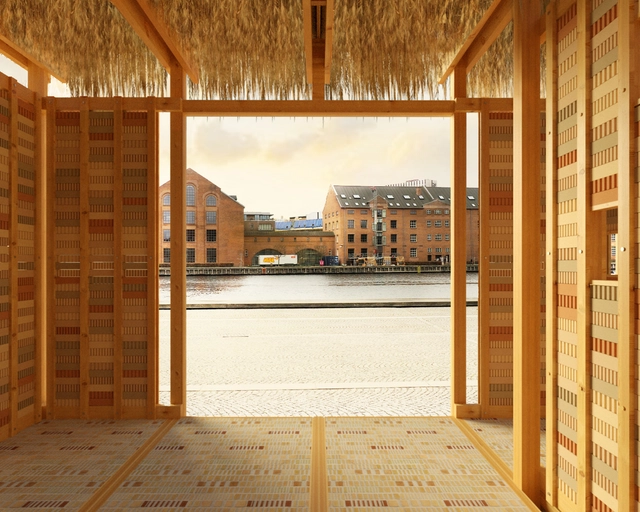
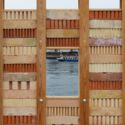
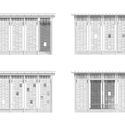
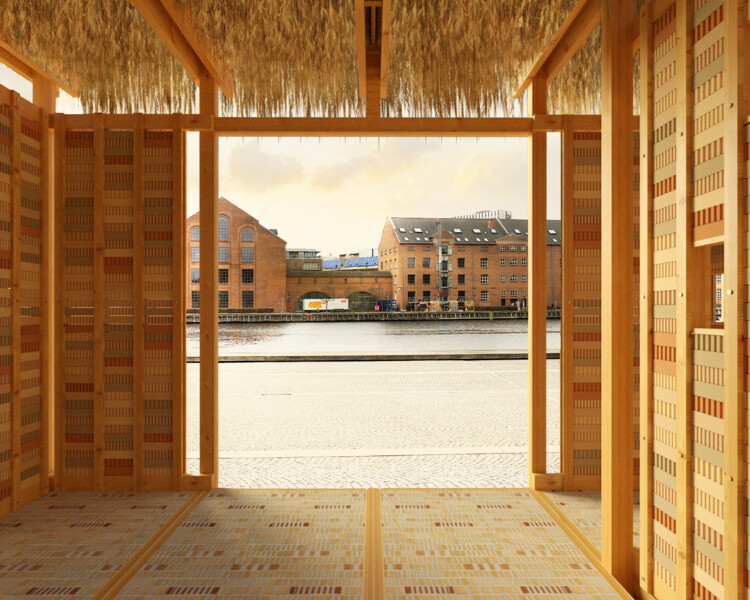
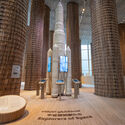
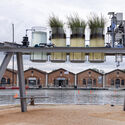
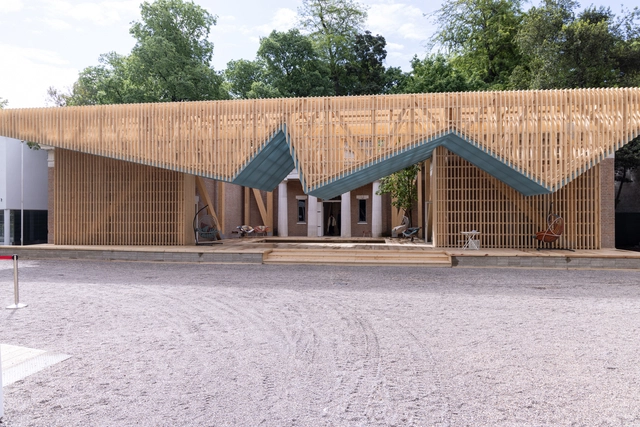
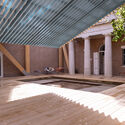
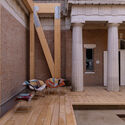
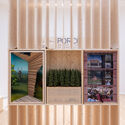
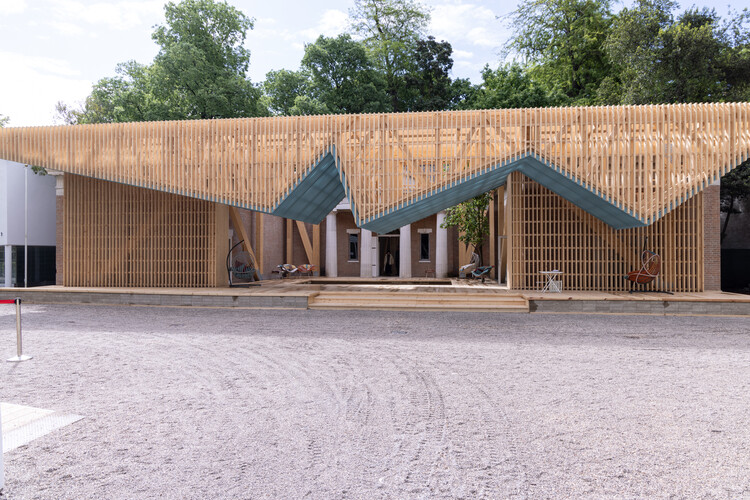
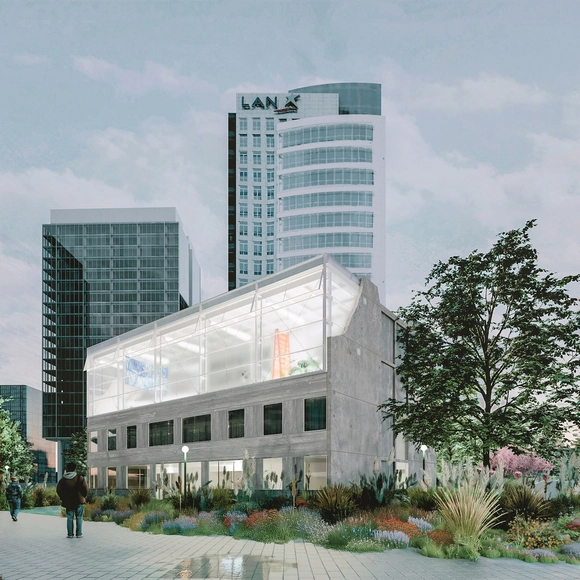
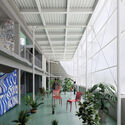
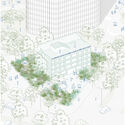
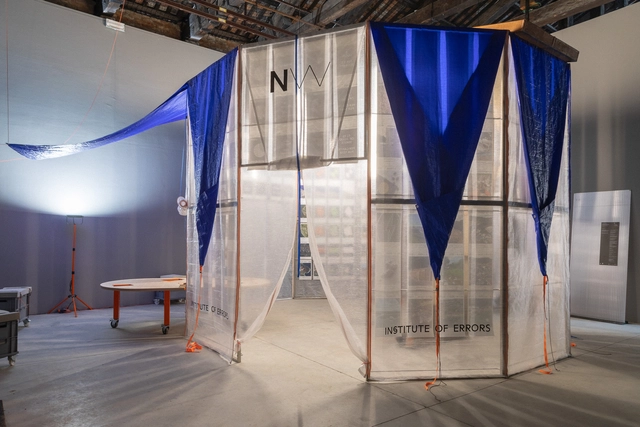
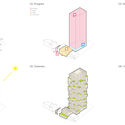
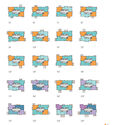
Inside Out, Downside Up Pavilion / Slaatto Morsbøl. Image Courtesy of Copenhagen Architecture Forum Copenhagen Architecture Forum (CAFx)
The first edition of the Copenhagen Architecture Biennial will take place from 18 September to 19 October 2025. Organized by CAFx (Copenhagen Architecture Forum), the event marks a transition from the previous annual Copenhagen Architecture Festival to a more expansive platform for architectural exploration. The theme of the inaugural edition, "Slow Down," invites participants to reflect on how the rapid pace of modern life affects the built environment. According to the organizers, this thematic shift encourages the envisioning of spaces that promote sustainability, longevity, and mindful engagement with our surroundings. In line with this vision, the organization launched an open call earlier this year for pavilion proposals that embody principles of circular design while serving as hubs for public programming during the event. Two winning proposals, modular structures by Slaatto Morsbøl and Tom Svilans x THISS Studio, were selected, each offering an approach to architectural deceleration.
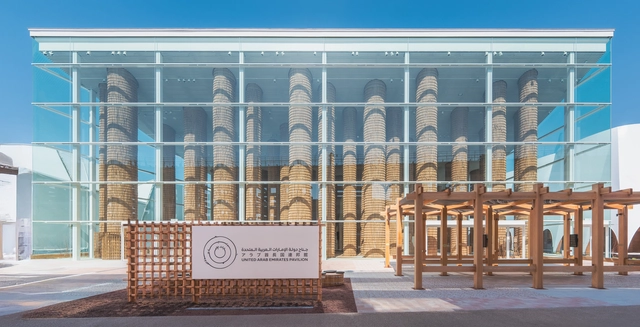
UAE Pavilion at the Expo Osaka 2025. Image Courtesy of UAE Expo Office
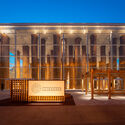
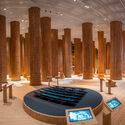
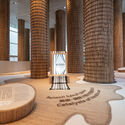
The UAEPavilion at Expo 2025 Osaka, titled "Earth to Ether," presents an immersive, multisensory experience that narrates the story of the United Arab Emirates, from its cultural heritage and core values to its forward-looking innovations. Inspired by the symbolic date palm, the pavilion reimagines areesh, a traditional form of Emirati vernacular architecture, by combining agricultural byproducts from date palms with refined Japanese woodworking techniques. Opened in April 2025, under the theme "Designing Future Society for Our Lives," the pavilion is located in the "Empowering Lives" zone. Designed to work under the broader theme, the UAE Pavilion offers diverse programming and interactive exhibits and serves as a collaborative platform for co-creating solutions that "drive collective progress."
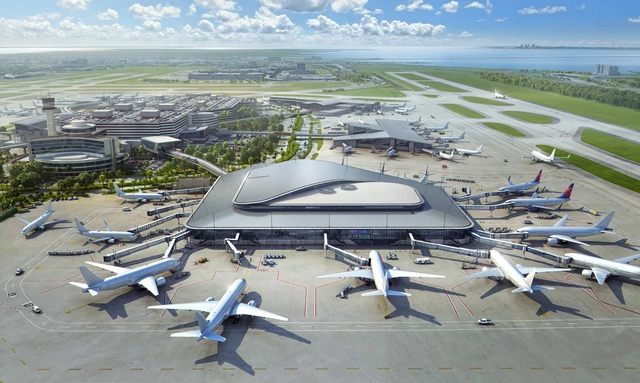
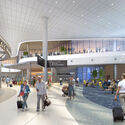
Tampa International Airport. Image Courtesy of Hensel Phelps and HNTB, in association with Gensler
From Bangkok to Billund, a new wave of architectural project announcements is reshaping how spaces for work, culture, mobility, and public life are conceived. Across Norway, Thailand, the United States,Denmark, Australia, and Thailand, these projects reflect an increasing emphasis on technological integration, sustainable construction, and flexible, future-ready environments. Whether designing production hubs for digital creators, adaptable media campuses, or civic landscapes layered with history and ecological intent, each scheme offers insight into how architecture is evolving to support emerging industries, cultural programming, and new forms of public engagement. This edition of Architecture Now brings together a selection of recently announced projects that highlight the intersection of design, technology, and innovation in a global context.
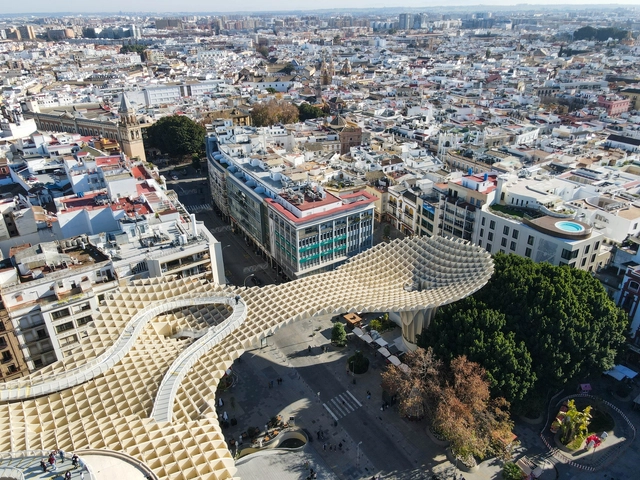
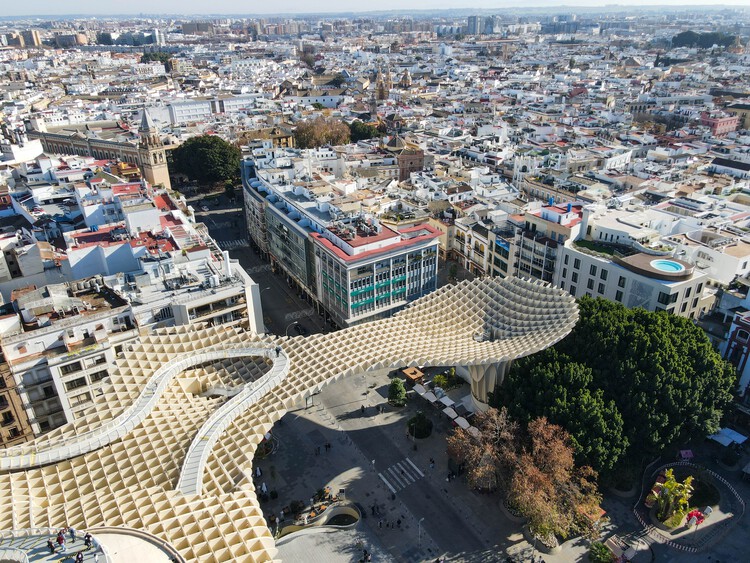
Located in southern Spain, Seville unfolds as a layered city shaped by centuries of cultural intersections. As the former capital of Al-Andalus and a central port during the Spanish Empire's expansion, its built environment reflects a deep historical complexity. From Roman foundations to Islamic geometries, from Renaissance palaces to contemporary interventions, Seville presents a unique spatial narrative in which architecture directly reflects its political, religious, and social transformations.
The city's architectural heritage is inseparable from its climate and geography. Narrow shaded streets, inner courtyards, and water as spatial elements reveal a deep knowledge of environmental adaptation that still informs how public and private spaces are articulated today. While monumental landmarks such as the Alcázar, the Giralda, or the Cathedral preserve and reinterpret historic legacies, modern projects have begun introducing new materials, programs, and spatial typologies, challenging conventional forms and proposing alternative ways to inhabit the city.
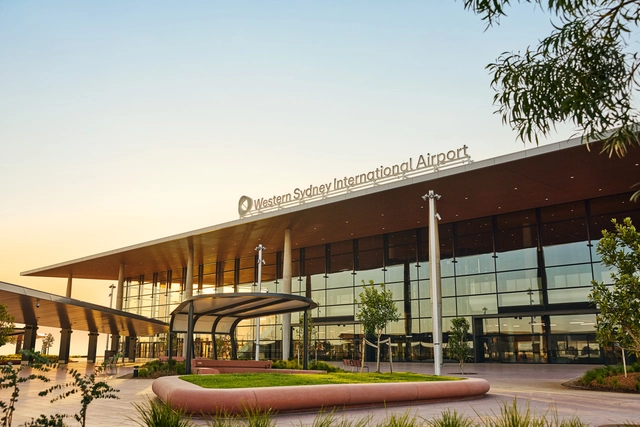
Western Sydney International Airport. Image Courtesy of Western Sydney International Airport
The first photos of the recently completed Western Sydney International (Nancy-Bird Walton) Airport (WSI) have just been unveiled, marking the delivery of Australia's first major airport in over half a century. The design was developed with Zaha Hadid Architects and COX Architecture involved in the initial design concept, and Woods Bagot as the leading design and delivery as part of Multiplex's design team. The terminal presents a new model for airport design, one that is grounded in its setting, responsive to its context, and oriented toward the future of travel. Located in Badgerys Creek on the Cumberland Plain, the terminal is positioned to serve as a long-term gateway to Greater Sydney. While major construction has concluded, final fit-outs of the terminal's retail precinct and airline lounges will be completed closer to the airport's official launch, as commercial agreements continue to progress. Western Sydney International Airport is on track to begin operations, including domestic, international, and air cargo services, in late 2026.
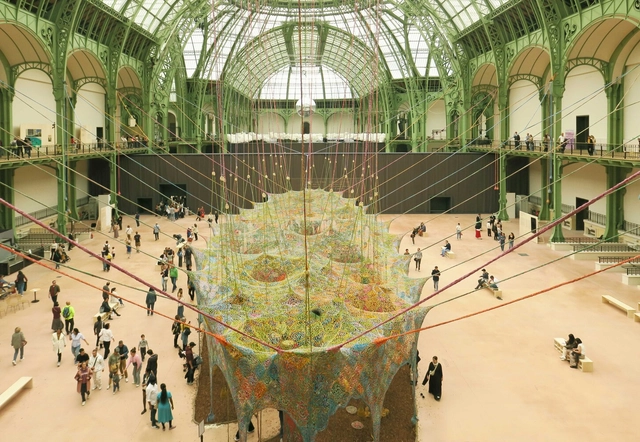
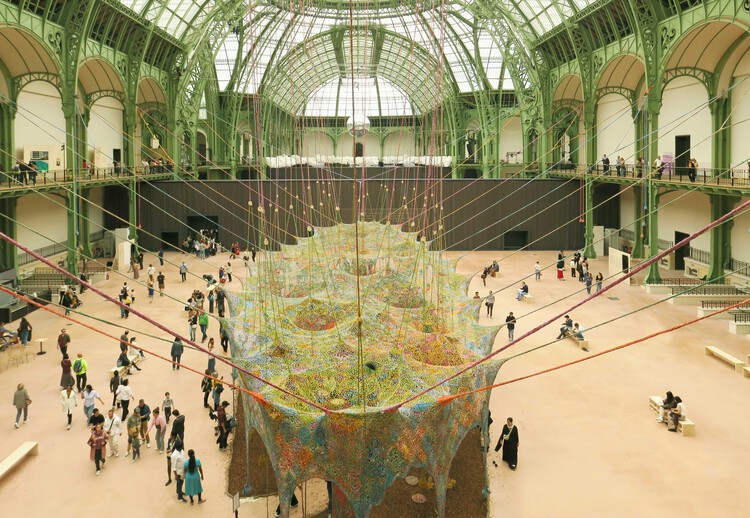
The exhibition "Nosso Barco Tambor Terra" by Brazilian artist Ernesto Neto, held at the recently renovated Grand Palais in Paris from June 6 to July 25, 2025, is a large-scale, immersive installation that invites visitors to reconnect with nature and community through sensory experience. Drawing inspiration from Brazilian and Indigenous cultures, Neto uses textiles, scents, and organic materials to create a space for reflection and interaction. The textile installation was recently captured by photographer Paul Clemence, who sought to portray its architectural qualities.
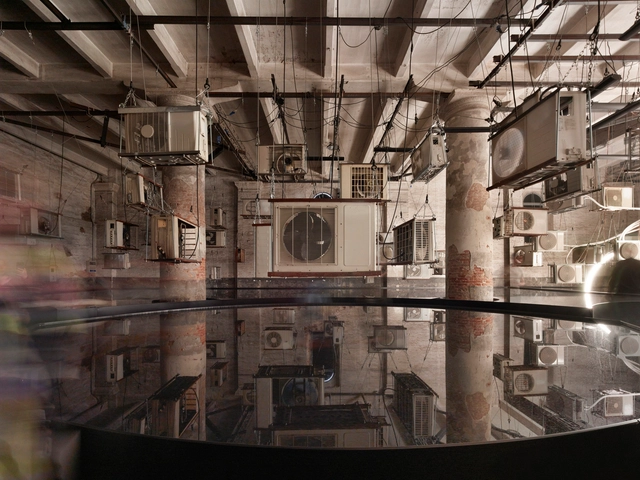
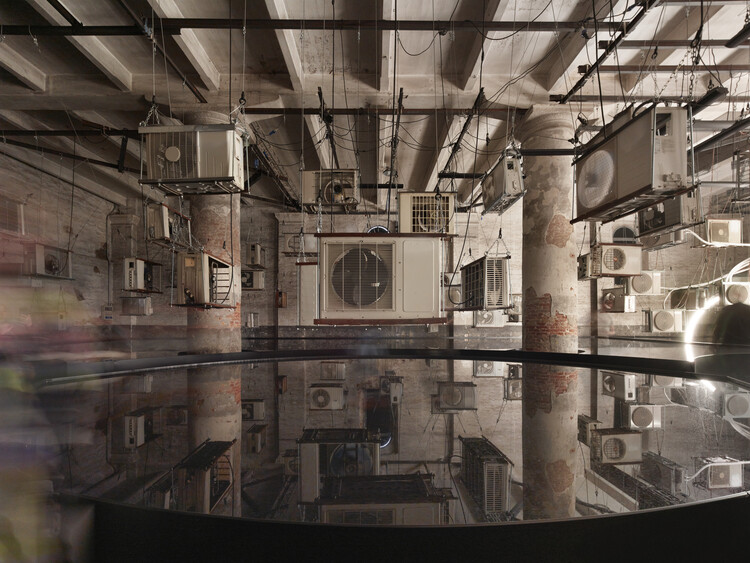
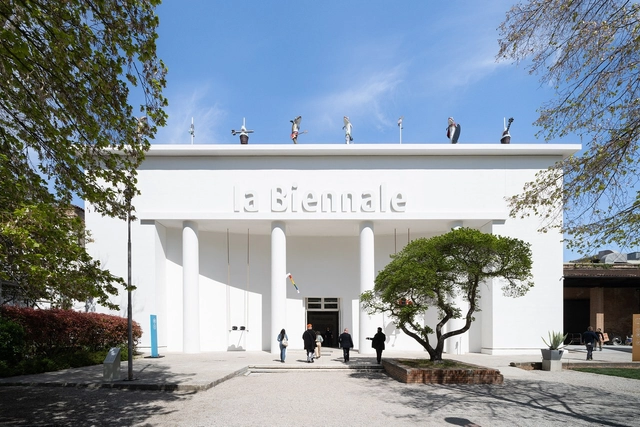
At the end of each edition of the Architecture Biennale, far from the public eye, tons of exhibition materials are transported across Venice in handcarts and boats. Only a small portion of these materials is reused. The main obstacles are the limited storage space in Venice and the high logistical costs—recurring challenges for circular architecture. As a result, most of the waste ends up in landfills or nearby recycling centers. But this scenario is beginning to change. In response to growing environmental concerns, architects are developing strategies to make reuse more viable. These efforts go beyond architectural and construction decisions—they also involve logistics and international trade.
Innovation is thriving around the world—and the latest results from the A' Design Award & Competition make that clear. The 2024–2025 edition has recognized 1,823 remarkable designs from 115 countries across 157 creative fields. From architecture and product design to fashion and communication, these entries highlight what happens when imagination meets craftsmanship.
Chosen by an international jury of design experts, this year's winners offer fresh perspectives and bold ideas. The A' Design Award isn't just about recognition—it's about celebrating original thinking and the creative minds reshaping how we interact with the world.
The Lebanese Pavilion at the Venice Architecture Biennale 2025 explores the land as a site of memory, intelligence, and resistance. Titled The Land Remembers, the exhibition is presented by the Collective for Architecture Lebanon, composed of Lynn Chamoun, Elias Tamer, Shereen Doummar, and Edouard Souhaid, and takes the form of a fictional public institution: the Ministry of Land Intelligens. The pavilion addresses the ongoing ecological crisis in Lebanon through an architectural lens, framing ecocide as both an environmental and social injustice. Positioned within this year's curatorial frameworkIntelligens: Natural. Artificial. Collective. the project calls for a reevaluation of how architecture engages with damaged landscapes. In this interview with ArchDaily editors during the Biennale, the curators explain how the project impels a rethinking of architecture's foundational commitment to the land.
The residential project Villa San Luis, originally named Villa Compañero Ministro Carlos Cortés, was built between 1971 and 1972 on land that today lies in one of the highest-income areas of Santiago, Chile. Initially designed as an urban center for 60,000 middle-income residents, with staggered buildings and a civic center covering 3.4 of its 50 hectares, the project was redefined in the 1970s to accommodate the unhoused population in the eastern sector of the Chilean capital. The process was not without conflict. During the dictatorship, the new residents of the complex were evicted, and the land was acquired by the military. From then on, the complex entered a process of reappropriation and resignification that now appears to be reaching a new milestone: the conversion of one of its buildings into a memorial site and museum, through a project by UMWELT and Plan Común.
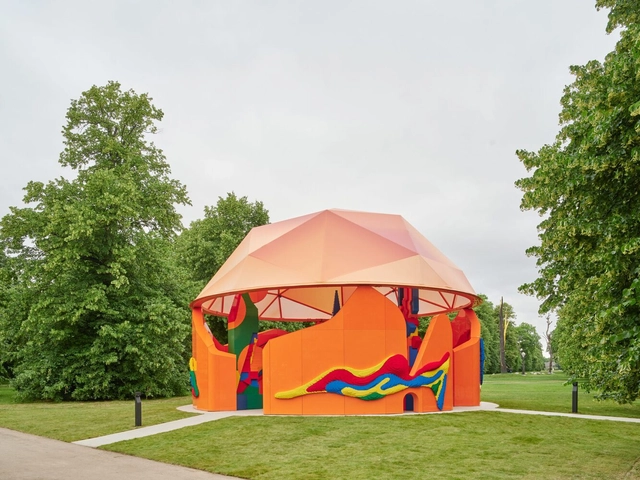
Marking World Play Day, June 11, the Play Pavilion, designed by British architect Peter Cook in collaboration with the LEGO Group, has just opened. The Pavilion is located next to Serpentine South in Kensington Gardens, London. Developed with Pablo Wheldon and Cong Ding, the Pavilion is a collaboration between Serpentine, the LEGO Group, The Royal Parks, and CONSUL. The project builds on Serpentine's broader efforts to connect architecture, design, and public engagement through temporary installations in the park.
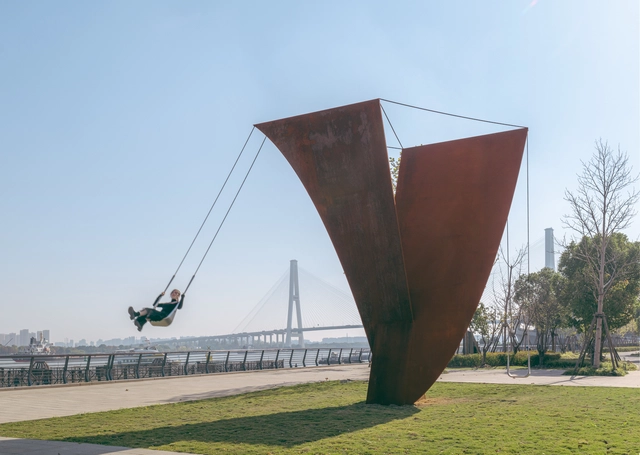
In the productivity-driven dynamics of contemporary cities, playful interventions in public spaces offer an innovative way to reclaim urban environments. These interventions encourage new ways of thinking and acting, temporarily breaking the monotony of everyday life and redefining the concept of play. Once confined to childhood and separate from daily activities, play has begun to intertwine with routine paths, becoming an integral part of urban life even outside traditional leisure times. In this way, reintroducing the swing—the most iconic children's toy—becomes particularly significant. As a symbol of childhood, pleasure, and joy, the swing contrasts sharply with the rigid appropriations of most public spaces, inviting a more relaxed and playful engagement with the urban environment. On June 11th, the UN International Day of Play reminds us of the benefits of incorporating diverse activities into urban spaces, for both children and adults, fostering community, creativity, and well-being.
The Croatian Pavilion presents "Intelligence of Errors" at the 19th International Architecture Exhibition – La Biennale di Venezia, an artistic and research-driven project that repositions spatial and policy-related errors as generative tools for design. Commissioned by the Ministry of Culture and Media of the Republic of Croatia, the exhibition is curated by Ida Križaj Leko, a practicing architect and head of the interdisciplinary university specialist program Urban Studies at the University of Rijeka. In dialogue with the central Biennale theme,Intelligens. Natural. Artificial. Collective., the pavilion investigates how recognizing and analyzing errors can contribute to the development of collective intelligence under non-ideal conditions.
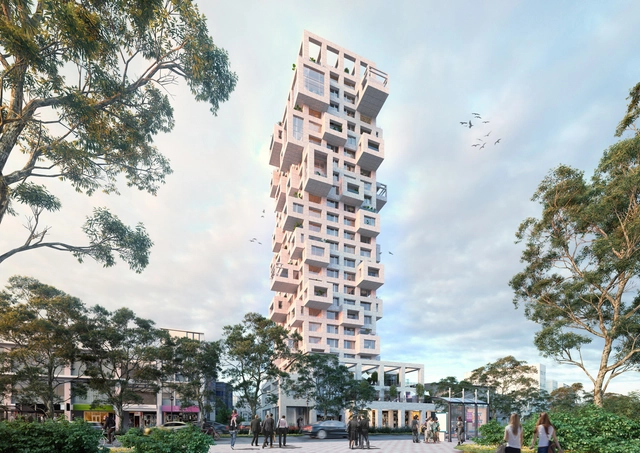
"Out of the Box" tower exterior render. Image Courtesy of MVRDV
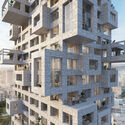
MVRDV has released images of "Out of the Box", a 12,025 sqm residential tower in Tianmu, one of Taipei's northernmost neighborhoods. Designed for Win Sing Development Company, the project began in 2019 and was developed using a system of standardized elements digitally distributed based on criteria such as habitability, efficiency, and access to community services. These elements are expressed in the tower's irregular, gridded façade, which features a layered marble cladding.
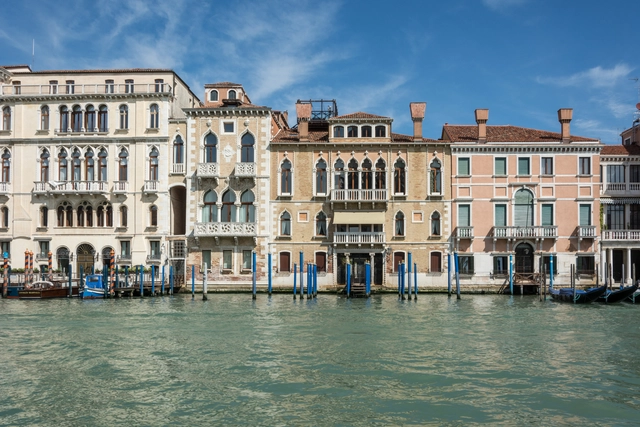
The ancient city of Venice, Italy, home to both the art and architecture editions of the Venice Biennale, is known for its unique geography as an island city of canals. Its naval and mercantile prominence now diminished, the city has found a new purpose as a center of learning, exhibiting, and tourism. However, its urban morphology and, indeed, most of its buildings are historic and have remained largely unchanged for hundreds of years. Their appearance exhibits a specific Venetian vernacular that has stood the test of time and stands as a backdrop for the city's contemporary activities. How do the facades of these buildings, particularly their windows, reflect this history? And how do the few modern buildings in the city, such as the Palazzo Nervi-Scattolin, respond to this weight of history?
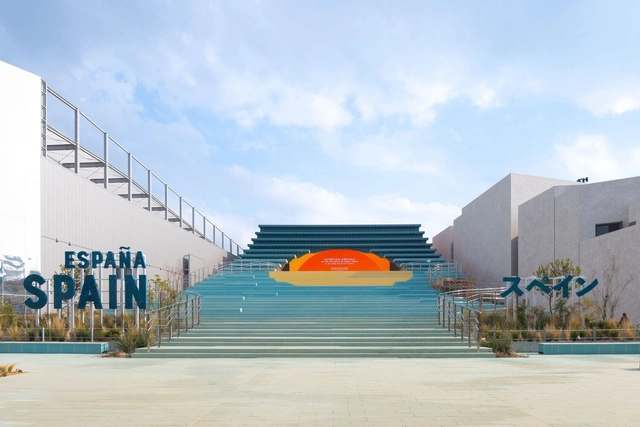
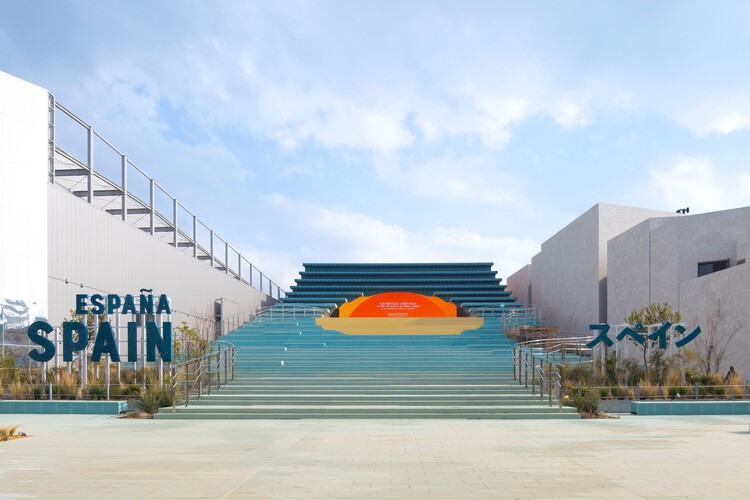
The Spanish Pavilion at the Expo Osaka 2025 is designed by the architecture and design practices Néstor Montenegro (EXTUDIO), Enorme Studio, and Smart and Green Design. This comes after being selected in the public competition organized by the Spanish Cultural Action (AC / E), the institution responsible for representing the country in Universal and International Expositions. Located in the northern section of the 65-hectare Pavilion World, within the thematic area of Connecting Lives, the pavilion highlights the key concepts of Oceand and Sun, Sustainability and Circularity, and Craftsmanship Knowledge. The exhibition will be open throughout the event, until October 13, 2025.