1. ArchDaily
  2. Architecture

Architecture: The Latest Architecture and News

Between Housing Demand and Environmental Goals: Alejandro Aravena on Incremental Solutions and Net-Zero Concrete

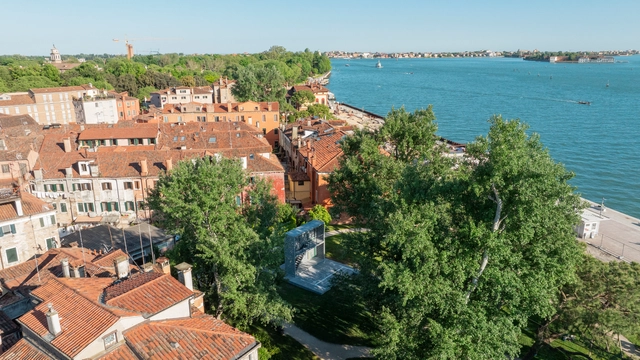
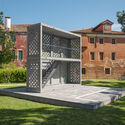
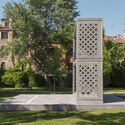
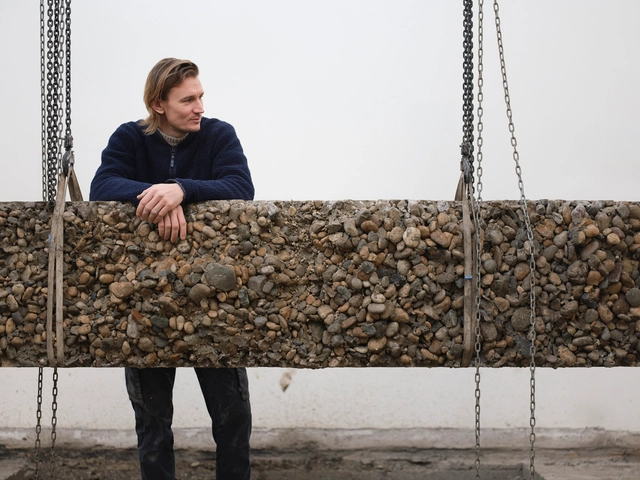
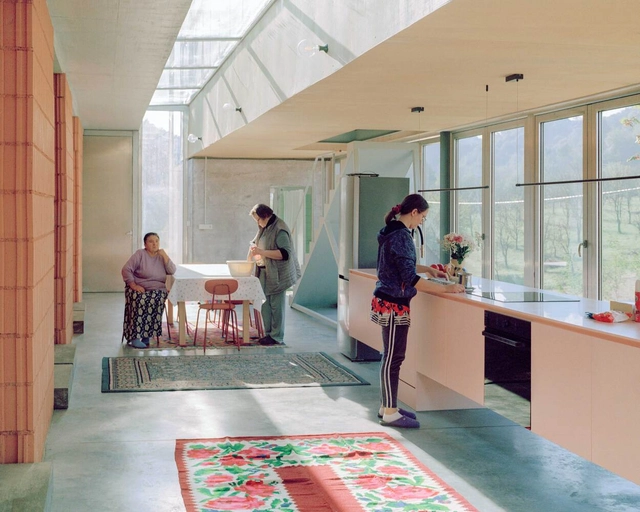
During the Time Space Existence exhibition, organized by the European Cultural Centre in Venice, Pritzker Prize-winning architect Alejandro Aravena and his firm ELEMENTAL unveiled a full-scale prototype for a new approach in incremental housing solutions. Titled the USB Core, standing for Basic Services Unit housing prototype, this proposal aims to demonstrate how efficient construction can provide all the essential housing components in a minimal space. The prototype is also the result of a collaboration between the architecture office and concrete manufacturer and researcher Holcim, and is built out of a newly developed type of net-zero concrete mix. It also incorporates fully recycled aggregates, in alignment with circular economy principles. The collaboration aims to demonstrate a more environmentally conscious yet cost-effective way of providing essential services to at-risk communities without harming the planet.

While on site in Venice, ArchDaily's managing editor Maria-Cristina Florian had the chance to sit down with Alejandro Aravena and discuss the implications of this collaboration, the urgent need for housing, and the role of the architect as the coordinator of a process involving many actors.

Between Housing Demand and Environmental Goals: Alejandro Aravena on Incremental Solutions and Net-Zero Concrete - Image 1 of 4Between Housing Demand and Environmental Goals: Alejandro Aravena on Incremental Solutions and Net-Zero Concrete - Image 2 of 4Between Housing Demand and Environmental Goals: Alejandro Aravena on Incremental Solutions and Net-Zero Concrete - Image 3 of 4Between Housing Demand and Environmental Goals: Alejandro Aravena on Incremental Solutions and Net-Zero Concrete - Image 4 of 4Between Housing Demand and Environmental Goals: Alejandro Aravena on Incremental Solutions and Net-Zero Concrete - More Images+ 29

Slovenian Pavilion Highlights the Relationship Between Architect, Craftsman, and Architecture at the Venice Architecture Biennale 2025

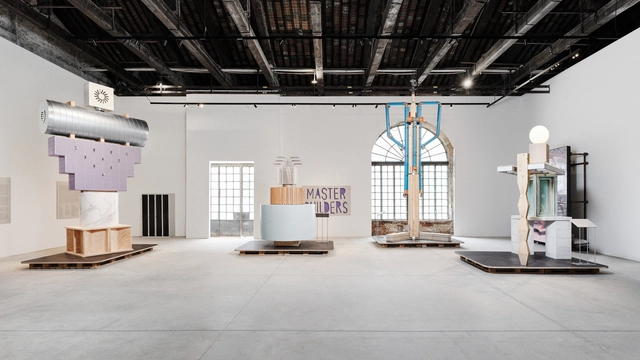
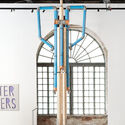
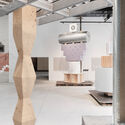
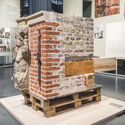
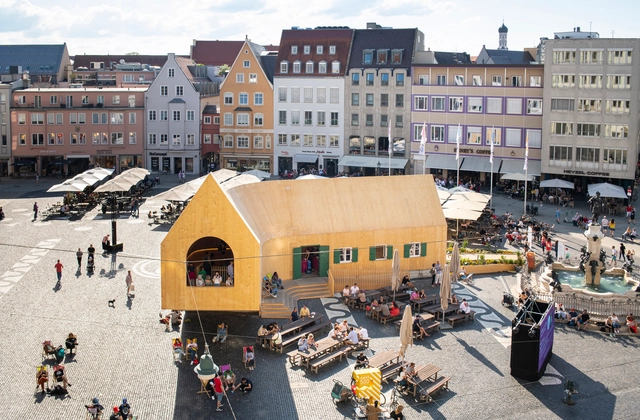
The Slovenian Pavilion at the 19th International Architecture Exhibition – La Biennale di Venezia presents Master Builders, a project curated by Ana Kosi and Ognen Arsov and organized by the Museum of Architecture and Design (MAO). The project addresses the evolution of construction technology, encompassing robotics, prefabrication, artificial intelligence, 3D printing, and other emerging tools, while drawing attention to a notable paradox within this technological shift, and also emphasizing that the quality of the built environment continues to rely heavily on the tacit knowledge of skilled craftsmen. By constructing a series of totems, the project examines the collaborative dynamics between architect and craftsman, revealing how this relationship shapes the material realization of architecture.

Slovenian Pavilion Highlights the Relationship Between Architect, Craftsman, and Architecture at the Venice Architecture Biennale 2025 - Image 1 of 4Slovenian Pavilion Highlights the Relationship Between Architect, Craftsman, and Architecture at the Venice Architecture Biennale 2025 - Image 2 of 4Slovenian Pavilion Highlights the Relationship Between Architect, Craftsman, and Architecture at the Venice Architecture Biennale 2025 - Image 3 of 4Slovenian Pavilion Highlights the Relationship Between Architect, Craftsman, and Architecture at the Venice Architecture Biennale 2025 - Image 4 of 4Slovenian Pavilion Highlights the Relationship Between Architect, Craftsman, and Architecture at the Venice Architecture Biennale 2025 - More Images+ 8

“Recycle!” Exhibition at the Danish Architecture Center Explores Creative Approaches to Material Reuse

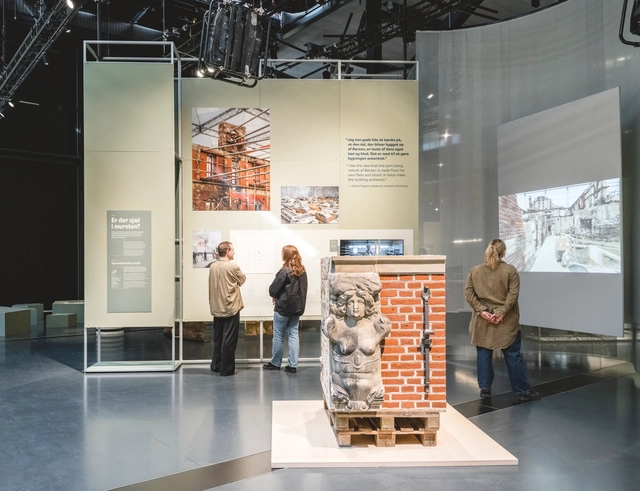
A new architecture and design exhibition opened on April 11, 2025, at the Danish Architecture Center in Copenhagen. Titled Recycle!, it explores recycling and reuse as a new way of creating, living, and building within the urgent context of the current climate crisis. The exhibition goes beyond presenting recycling and reuse as necessities; instead, it frames them as positive cultural shifts taking root in the construction industry and society at large. One of the exhibition's goals is to highlight the importance of resource awareness by posing the question: How can we increase the conservation, reuse, and transformation of what we already have?

“Recycle!” Exhibition at the Danish Architecture Center Explores Creative Approaches to Material Reuse - Image 1 of 4“Recycle!” Exhibition at the Danish Architecture Center Explores Creative Approaches to Material Reuse - Image 2 of 4“Recycle!” Exhibition at the Danish Architecture Center Explores Creative Approaches to Material Reuse - Image 3 of 4“Recycle!” Exhibition at the Danish Architecture Center Explores Creative Approaches to Material Reuse - Image 4 of 4“Recycle!” Exhibition at the Danish Architecture Center Explores Creative Approaches to Material Reuse - More Images+ 18

Geology of Britannic Repair: UK Pavilion Explores Reparation and Renewal at Venice Architecture Biennale 2025

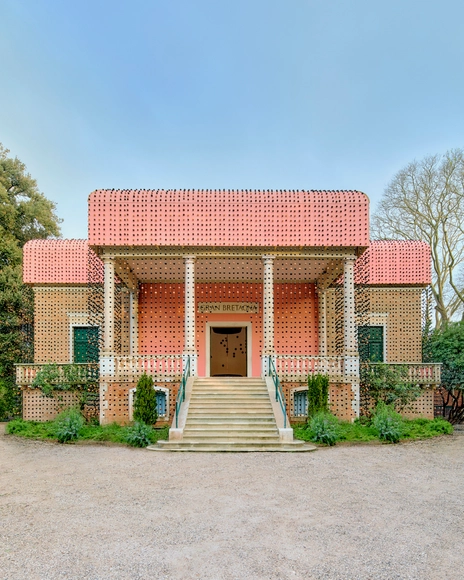
The British Pavilion, commissioned by The British Council, features the exhibition title GBR – Geology of Britannic Repair to represent the United Kingdom at the 19th International Architecture Exhibition – La Biennale di Venezia 2025. The exhibition is a collaboration between a multi-disciplinary team of curators, Kabage Karanja and Stella Mutegi of Nairobi-based architecture studio Cave_bureau, UK-based curator and writer Owen Hopkins, and academic Professor Kathryn Yusoff. The Pavilion curators and commissioner have been awarded a Special Mention for National Participation by the jury in recognition of their exploration of the relationship between Great Britain and Kenya, focusing on themes of reparation and renewal.

Geology of Britannic Repair: UK Pavilion Explores Reparation and Renewal at Venice Architecture Biennale 2025 - Image 1 of 4Geology of Britannic Repair: UK Pavilion Explores Reparation and Renewal at Venice Architecture Biennale 2025 - Image 2 of 4Geology of Britannic Repair: UK Pavilion Explores Reparation and Renewal at Venice Architecture Biennale 2025 - Image 3 of 4Geology of Britannic Repair: UK Pavilion Explores Reparation and Renewal at Venice Architecture Biennale 2025 - Image 4 of 4Geology of Britannic Repair: UK Pavilion Explores Reparation and Renewal at Venice Architecture Biennale 2025 - More Images+ 13

Architecture Now: From India’s New Administrative Capital to Singapore’s Expanding Airport, Discover Projects by Foster + Partners, SOM, Heatherwick Studio, and More

Subscriber Access | 

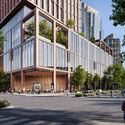
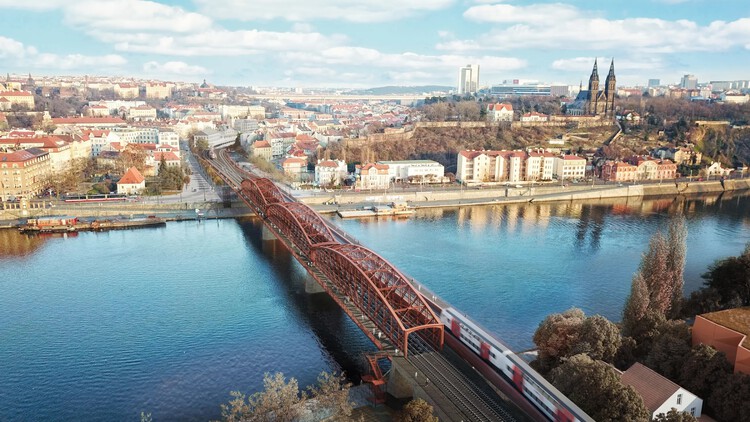
From new city-scale developments to adaptive reuse proposals, this edition of Architecture Now highlights a range of recently announced projects around the world. Foster + Partners leads the restart of Amaravati, a planned capital city in India; Safdie Architects proposes a new tower in Portland's historic Old Port; and SOM breaks ground on a cultural and academic pavilion at Temple University. Other updates include a preservation plan for a historic bridge in Prague, a coastal hospitality development in Abu Dhabi, and a large-scale housing project in Brooklyn designed by TenBerke. Together, these projects reflect evolving priorities in housing, sustainability, heritage, and public space across diverse global contexts.

Architecture Now: From India’s New Administrative Capital to Singapore’s Expanding Airport,  Discover Projects by Foster + Partners, SOM, Heatherwick Studio, and More - Image 1 of 4Architecture Now: From India’s New Administrative Capital to Singapore’s Expanding Airport,  Discover Projects by Foster + Partners, SOM, Heatherwick Studio, and More - Image 2 of 4Architecture Now: From India’s New Administrative Capital to Singapore’s Expanding Airport,  Discover Projects by Foster + Partners, SOM, Heatherwick Studio, and More - Image 3 of 4Architecture Now: From India’s New Administrative Capital to Singapore’s Expanding Airport,  Discover Projects by Foster + Partners, SOM, Heatherwick Studio, and More - Image 4 of 4Architecture Now: From India’s New Administrative Capital to Singapore’s Expanding Airport,  Discover Projects by Foster + Partners, SOM, Heatherwick Studio, and More - More Images+ 10

Rest as an Experience in a Space Rich with Symbolism: Insights from the Argentinian Pavilion at the 2025 Venice Biennale

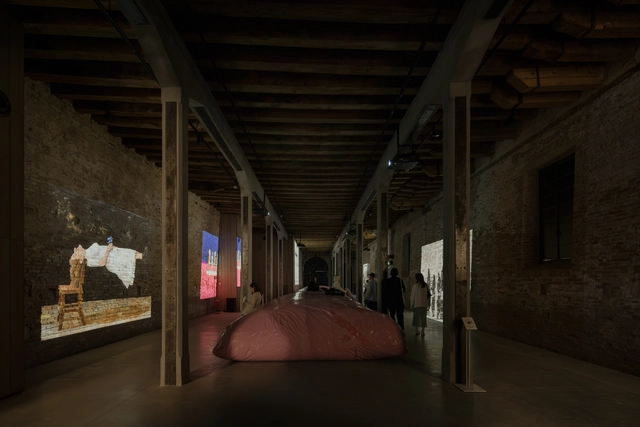
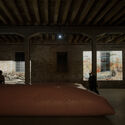
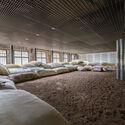
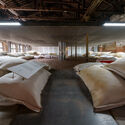
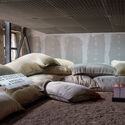
The proposal by Argentinian architects Marco Zampieron and Juan Manuel Pachué for the Argentinian Pavilion at the 19th Venice Architecture Biennale 2025 is clear from the outset: upon entering Siestario, visitors are immersed in a space of dim lighting and evocative sound, and immediately encounter—at the center of the room, stretched across its width, and acting as the undeniable protagonist—a large, inflated pink bag that instinctively invites repose. This is a silobag, an object commonly used in the Argentinian countryside to store grain and a potent symbol of the country’s export-driven economy. In this setting, the silobag becomes more than a spatial intervention; it also introduces a temporal dimension: an invitation to pause and reflect amid the relentless rhythm of the Biennale.

Rest as an Experience in a Space Rich with Symbolism: Insights from the Argentinian Pavilion at the 2025 Venice Biennale - Image 1 of 4Rest as an Experience in a Space Rich with Symbolism: Insights from the Argentinian Pavilion at the 2025 Venice Biennale - Image 2 of 4Rest as an Experience in a Space Rich with Symbolism: Insights from the Argentinian Pavilion at the 2025 Venice Biennale - Image 3 of 4Rest as an Experience in a Space Rich with Symbolism: Insights from the Argentinian Pavilion at the 2025 Venice Biennale - Image 4 of 4Rest as an Experience in a Space Rich with Symbolism: Insights from the Argentinian Pavilion at the 2025 Venice Biennale - More Images+ 20

MAD Architects’ Fenix Museum of Migration Opens in Rotterdam’s City Harbor

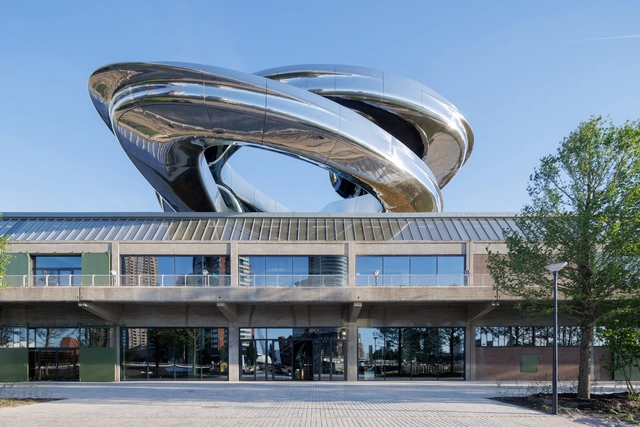
Fenix is a new museum in Rotterdam's City Harbour, dedicated to the collection of historic and contemporary objects that explore migration through art. It is located on the Katendrecht peninsula on the south bank of the River Maas, in a 100-year-old former warehouse recently renovated by MAD Architects and Bureau Polderman. This marks MAD Architects' first commission for a public cultural building in Europe. Recently completed, the building is set to open this Friday, May 16, showcasing three exhibitions: All Directions, featuring over 150 artworks and objects from the Fenix collections; The Family of Migrants, a photographic exhibition by Edward Steichen; and The Suitcase Labyrinth, an interactive installation made up of 2,000 donated suitcases.

MAD Architects’ Fenix Museum of Migration Opens in Rotterdam’s City Harbor - Image 1 of 4MAD Architects’ Fenix Museum of Migration Opens in Rotterdam’s City Harbor - Image 2 of 4MAD Architects’ Fenix Museum of Migration Opens in Rotterdam’s City Harbor - Image 3 of 4MAD Architects’ Fenix Museum of Migration Opens in Rotterdam’s City Harbor - Image 4 of 4MAD Architects’ Fenix Museum of Migration Opens in Rotterdam’s City Harbor - More Images+ 11

Denmark Presents 'Build of Site' by Søren Pihlmann at the 2025 Venice Architecture Biennale

Denmark's contribution to the 19th International Architecture Exhibition – La Biennale di Venezia examines how rethinking and reusing existing buildings and materials can address critical architectural challenges. The exhibition was commissioned by the Danish Architecture Center and curated by architect Søren Pihlmann. Aligning with the Biennale's overarching theme, "Intelligens. Natural. Artificial. Collective.," the Danish pavilion features the exhibition Build of Site, which explores sustainable architectural practices through the lens of reuse and resourcefulness. Build of Site proposes a mindset that prioritizes resource awareness and the potential of existing structures, principles communicated during the opening in a film produced in collaboration with Louisiana Channel.

Denmark Presents 'Build of Site' by Søren Pihlmann at the 2025 Venice Architecture Biennale - Image 1 of 4Denmark Presents 'Build of Site' by Søren Pihlmann at the 2025 Venice Architecture Biennale - Image 2 of 4Denmark Presents 'Build of Site' by Søren Pihlmann at the 2025 Venice Architecture Biennale - Image 3 of 4Denmark Presents 'Build of Site' by Søren Pihlmann at the 2025 Venice Architecture Biennale - Image 4 of 4Denmark Presents 'Build of Site' by Søren Pihlmann at the 2025 Venice Architecture Biennale - More Images+ 25

Pavilions in Urban Spaces: On the Experimentation, Recycling, and Reuse of Materials

Subscriber Access | 

How do pavilions emerge in architecture? What role do they play in urban spaces? Beyond the multiple interpretations that exist around the world, the pavilion, as an architectural principle and typology, tends toward extroversion, often associated with a centrifugal nature and visual openness toward the horizon, which is linked to its origins as a tent offering shelter from the elements. Pavilions are usually identified as isolated and independent structures that can promote lateral openings in the urban space, panoramic or introspective views, technological reflections, and material experiments that are recognizable from the outside or once inside.

Pavilions in Urban Spaces: On the Experimentation, Recycling, and Reuse of Materials - Image 1 of 4Pavilions in Urban Spaces: On the Experimentation, Recycling, and Reuse of Materials - Image 2 of 4Pavilions in Urban Spaces: On the Experimentation, Recycling, and Reuse of Materials - Image 3 of 4Pavilions in Urban Spaces: On the Experimentation, Recycling, and Reuse of Materials - Image 4 of 4Pavilions in Urban Spaces: On the Experimentation, Recycling, and Reuse of Materials - More Images+ 26

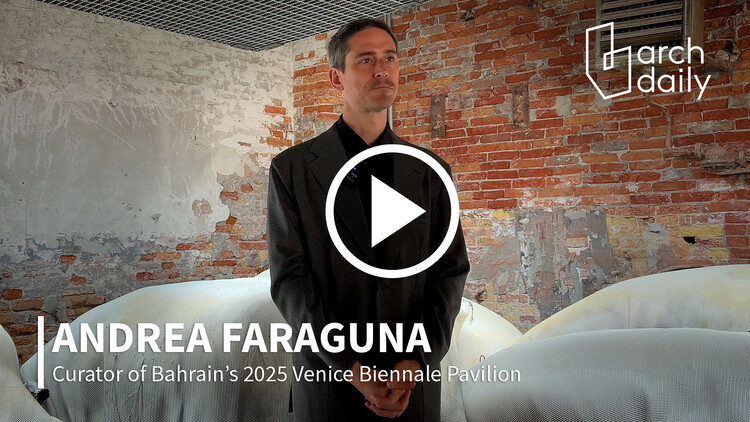
"It's the Moment to Open Up the Practice": In Conversation with Andrea Faraguna, Curator of the Bahrain Pavilion

Architect Andrea Faraguna is the curator of the Kingdom of Bahrain's national pavilion at the 19th Venice Architecture Biennale. The exhibition, titled Heatwave, is a site-specific installation that explores passive cooling strategies for public spaces, inspired by Bahrain's traditional architecture and reimagined through contemporary approaches. Its technical response to the global challenge of rising urban temperatures was recognized by the Biennale's international jury, which awarded it this year's Golden Lion for Best National Participation. While on site in Venice, ArchDaily's editors had a chance to discuss with curator Andrea Faraguna about the context that gave rise to the pavilion, the mechanisms put in place, and his perspective on events such as the Venice Architecture Biennale.

"It's the Moment to Open Up the Practice": In Conversation with Andrea Faraguna, Curator of the Bahrain Pavilion - Image 1 of 4"It's the Moment to Open Up the Practice": In Conversation with Andrea Faraguna, Curator of the Bahrain Pavilion - Image 2 of 4"It's the Moment to Open Up the Practice": In Conversation with Andrea Faraguna, Curator of the Bahrain Pavilion - Image 3 of 4"It's the Moment to Open Up the Practice": In Conversation with Andrea Faraguna, Curator of the Bahrain Pavilion - Image 4 of 4It's the Moment to Open Up the Practice: In Conversation with Andrea Faraguna, Curator of the Bahrain Pavilion - More Images+ 4

Fondation Cartier Announces Paris Relocation Plans Led by Jean Nouvel during Collateral Event at Venice Biennale 2025

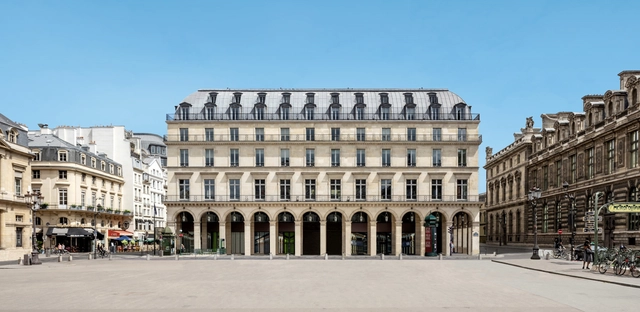
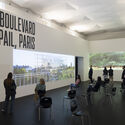
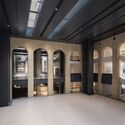
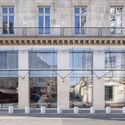
Fondation Cartier pour l'art contemporain announced plans to move into a historic building in Place du Palais-Royal in Paris. Originally built in 1855, the Haussmannian building is reimagined by architect Jean Nouvel and scheduled to open on October 25, 2025. The collaboration between Fondation Cartier and Jean Nouvel dates back to 1994 when the architect designed the "Parisian Monument," a glass and steel building on Boulevard Raspail that serves as the institution's current headquarters.

Fondation Cartier Announces Paris Relocation Plans Led by Jean Nouvel during Collateral Event at Venice Biennale 2025 - Image 1 of 4Fondation Cartier Announces Paris Relocation Plans Led by Jean Nouvel during Collateral Event at Venice Biennale 2025 - Image 2 of 4Fondation Cartier Announces Paris Relocation Plans Led by Jean Nouvel during Collateral Event at Venice Biennale 2025 - Image 3 of 4Fondation Cartier Announces Paris Relocation Plans Led by Jean Nouvel during Collateral Event at Venice Biennale 2025 - Image 4 of 4Fondation Cartier Announces Paris Relocation Plans Led by Jean Nouvel during Collateral Event at Venice Biennale 2025 - More Images+ 13

Yasmeen Lari Wins the Lisbon Triennale Millennium bcp Lifetime Achievement Award

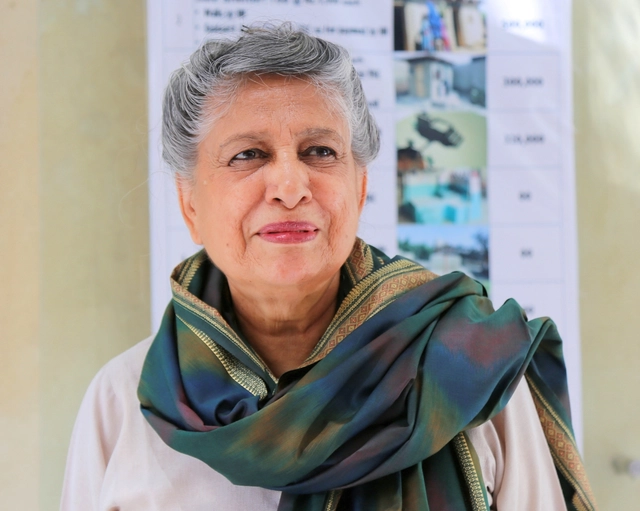
The Lisbon Architecture Triennale has announced Yasmeen Lari as the recipient of the 2025 Millennium bcp Lifetime Achievement Award. With a career spanning over six decades, the pioneering Pakistani architect has consistently demonstrated how architecture can serve as a tool for social justice, environmental resilience, and inclusive development.

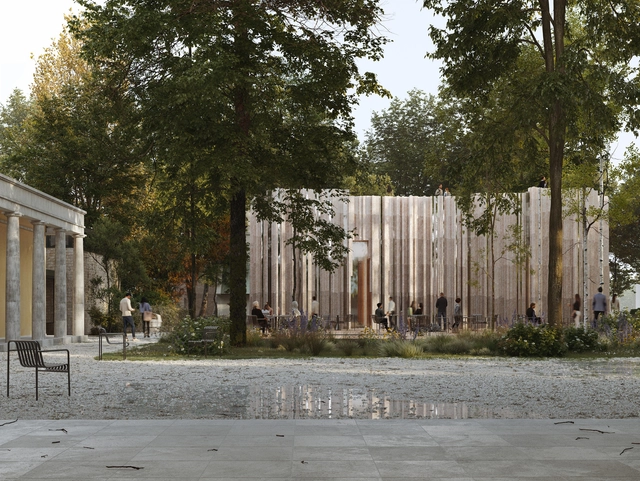
UK Government Reveals Five Shortlisted Designs for the Queen Elizabeth II Memorial in London

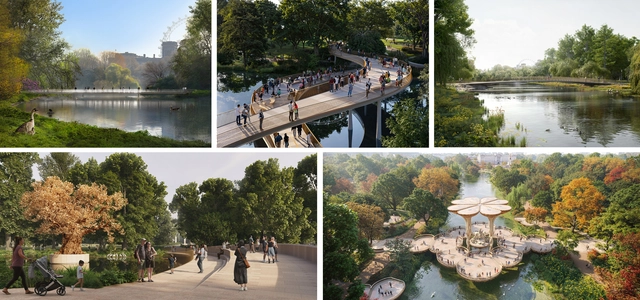
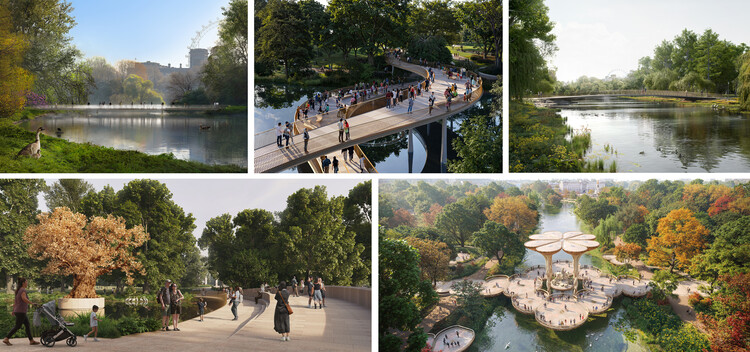
The UK Government has revealed five shortlisted design concepts for the Queen Elizabeth II Memorial, set to be located in the historically significant landscape of St James's Park in London. The proposals, now accessible through a newly launched online gallery, mark a key stage in the development of a national tribute to the late monarch. Public feedback on the exhibited proposals will be gathered until 19 May 2025 and will inform the Committee's decision on the winning design team, expected to be announced in early summer 2025. The final design is anticipated to be unveiled in 2026, coinciding with the centenary of Queen Elizabeth II's birth.

UK Government Reveals Five Shortlisted Designs for the Queen Elizabeth II Memorial in London - Image 1 of 4UK Government Reveals Five Shortlisted Designs for the Queen Elizabeth II Memorial in London - Image 2 of 4UK Government Reveals Five Shortlisted Designs for the Queen Elizabeth II Memorial in London - Image 3 of 4UK Government Reveals Five Shortlisted Designs for the Queen Elizabeth II Memorial in London - Image 4 of 4UK Government Reveals Five Shortlisted Designs for the Queen Elizabeth II Memorial in London - More Images+ 16

BIG Presents Masterplan to Turn the Jebel Ali Racecourse in Dubai into a Green Walkable District

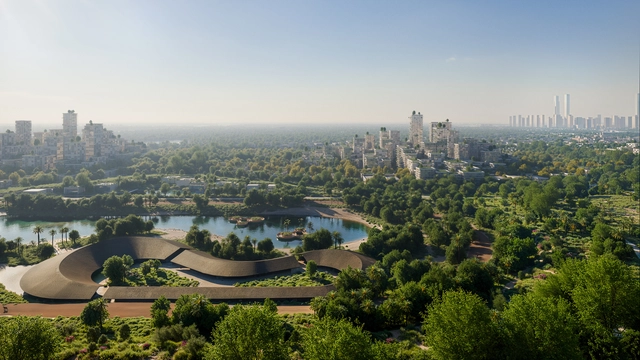
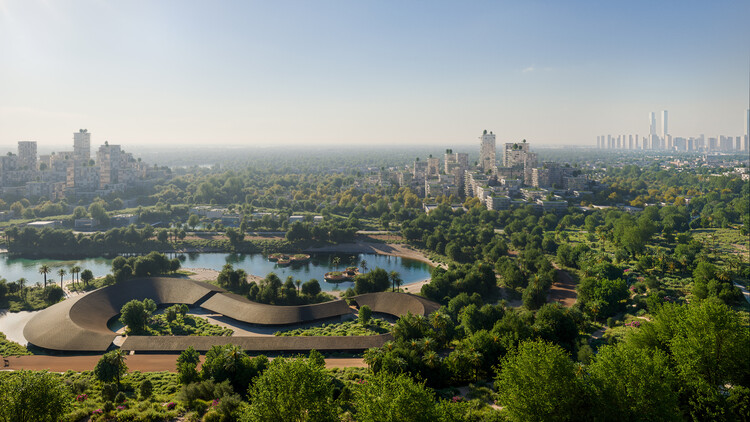
BIG–Bjarke Ingels Group was commissioned by A.R.M. Holding to design the transformation of Dubai's Jebel Ali Racecourse into a new urban district measuring 5 square kilometers. The design aligns with the Dubai 2040 Urban Master Plan, which focuses on enhancing pedestrian mobility as a pillar for promoting sustainable urban development. The master plan is anchored by a central park, reconnecting the racecourse site to the city.

BIG Presents Masterplan to Turn the Jebel Ali Racecourse in Dubai into a Green Walkable District - Image 1 of 4BIG Presents Masterplan to Turn the Jebel Ali Racecourse in Dubai into a Green Walkable District - Image 2 of 4BIG Presents Masterplan to Turn the Jebel Ali Racecourse in Dubai into a Green Walkable District - Image 3 of 4BIG Presents Masterplan to Turn the Jebel Ali Racecourse in Dubai into a Green Walkable District - Image 4 of 4BIG Presents Masterplan to Turn the Jebel Ali Racecourse in Dubai into a Green Walkable District - More Images+ 4

Modernism and Tradition: The Influence of Milan's History on Gio Ponti's Designs

Subscriber Access | 

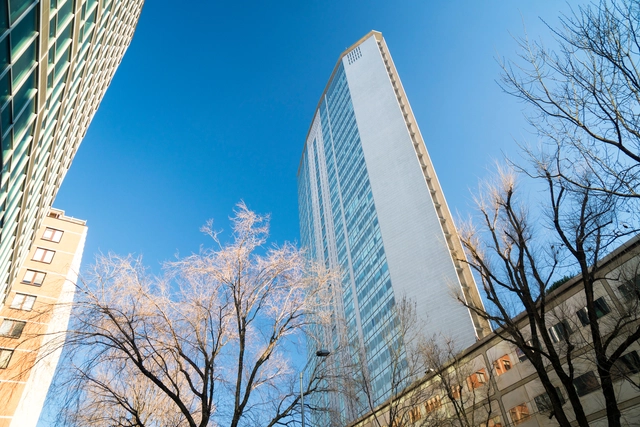
Architecture is quintessentially a place-based practice. The amount of local knowledge required to design a building has meant that architects, even many of those with widely spread works, have had concentrations of built projects in individual cities. Giovanni "Gio" Ponti, born and raised in the Italian city of Milan, is one such architect. His projects outside Milan include the Denver Art Museum in the USA and the Villa Planchart in Caracas, Venezuela, as well as university buildings in Padua and Rome, and Taranto Cathedral. However, his works in his native city, such as the Pirelli Tower, best track the development of his architecture and his contribution to product design and publishing.

Modernism and Tradition: The Influence of Milan's History on Gio Ponti's Designs - Image 1 of 4Modernism and Tradition: The Influence of Milan's History on Gio Ponti's Designs - Image 2 of 4Modernism and Tradition: The Influence of Milan's History on Gio Ponti's Designs - Image 3 of 4Modernism and Tradition: The Influence of Milan's History on Gio Ponti's Designs - Image 4 of 4Modernism and Tradition: The Influence of Milan's History on Gio Ponti's Designs - More Images+ 17

First Look at Lina Ghotmeh's Design for Qatar’s First Permanent National Pavilion at Venice Biennale’s Giardini

Qatar has announced that architect Lina Ghotmeh, founder and principal of the Paris-based studio Lina Ghotmeh — Architecture, has been selected to design its permanent national pavilion in the Giardini della Biennale, the historic venue of La Biennale di Venezia since 1895. The new building will be on a site adjacent to the Book Pavilion and commissioned by H.E. Sheikha Al Mayassa on behalf of the State of Qatar. With this addition, Qatar becomes one of only 31 countries with a permanent pavilion in the Giardini, joining a select group of nations with dedicated exhibition spaces. Only two new national pavilions have been inaugurated there in the past 50 years: Australia in 1988 and the Republic of Korea in 1996. Lina Ghotmeh's new Qatar Pavilion will serve as a lasting platform for showcasing the country's artistic and architectural contributions, with rotating exhibitions presented during each edition of the Biennale.

First Look at Lina Ghotmeh's Design for Qatar’s First Permanent National Pavilion at Venice Biennale’s Giardini - Image 1 of 4First Look at Lina Ghotmeh's Design for Qatar’s First Permanent National Pavilion at Venice Biennale’s Giardini - Image 2 of 4First Look at Lina Ghotmeh's Design for Qatar’s First Permanent National Pavilion at Venice Biennale’s Giardini - Image 7 of 4First Look at Lina Ghotmeh's Design for Qatar’s First Permanent National Pavilion at Venice Biennale’s Giardini - Image 5 of 4First Look at Lina Ghotmeh's Design for Qatar’s First Permanent National Pavilion at Venice Biennale’s Giardini - More Images+ 4

From Thailand to Mexico: Meet the Five Finalists of the Lisbon Triennale Début Award 2025

The Lisbon Architecture Triennale has revealed the five finalists for the 2025 Millennium bcp Début Award, celebrating emerging practices that are redefining the role of architecture across diverse geographies and realities. Spanning three continents, these studios will present their work during the opening days of the Triennale (October 2–4, 2025), in a public event where the winner will be announced.

Forest-to-Frame: LEVER Architecture on Regenerative Design and Material Sourcing

Subscriber Access | 

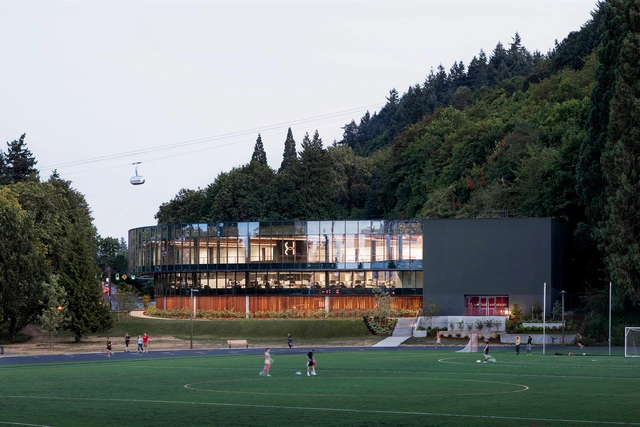
There is a renewed interest in how food is produced and how its creation affects the well-being of both the land and the communities it supports. A similar shift is occurring in architecture, where material culture is emerging as the backbone of design innovation. LEVER Architecture exemplifies this movement with its pioneering "forest-to-frame" model, an approach that reimagines architecture not as an extractive process, but as a regenerative force with positive impacts that extend well beyond the boundaries of any individual building site.


Forest-to-Frame: LEVER Architecture on Regenerative Design and Material Sourcing  - Image 1 of 4Forest-to-Frame: LEVER Architecture on Regenerative Design and Material Sourcing  - Image 2 of 4Forest-to-Frame: LEVER Architecture on Regenerative Design and Material Sourcing  - Image 3 of 4Forest-to-Frame: LEVER Architecture on Regenerative Design and Material Sourcing  - Image 4 of 4Forest-to-Frame: LEVER Architecture on Regenerative Design and Material Sourcing  - More Images+ 6