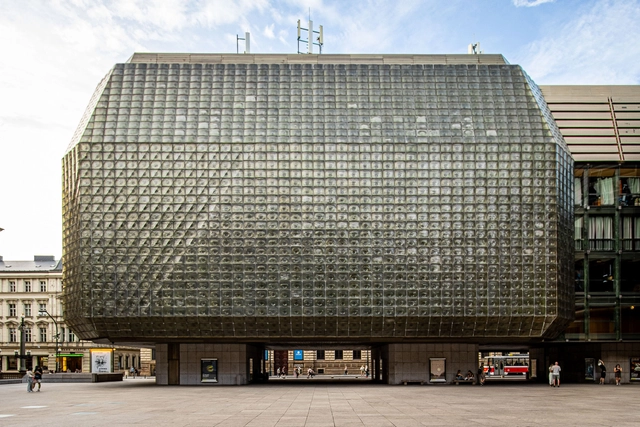
From 1977 to 1983, the National Theatre in Prague underwent a major transformation with the opening of Nová Scéna, a modern counterpart to the traditional Neo-Renaissance theatre. For many years, Nová Scéna hosted the renowned Laterna Magika, the world’s first multimedia theatre. This groundbreaking performance style combined classical theatre with computer-generated visual effects, creating a unique dramatic experience. The striking glass building, a symbol of the communist era, became an iconic representation of the political power of the time. In recognition of its significance, this building was part of the Open House Prague festival in 2024—an annual event that invites the public to explore and appreciate the value of architecture.
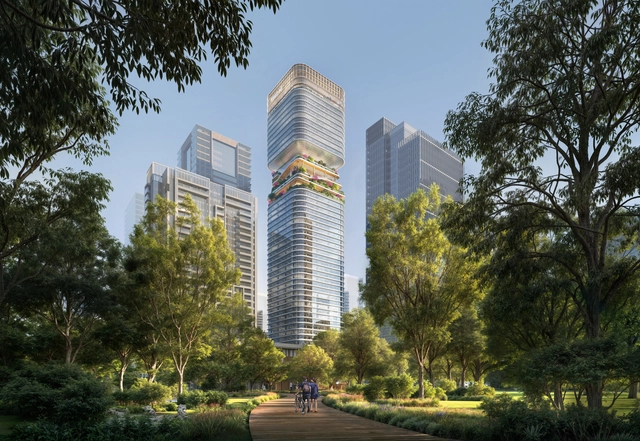
Skidmore, Owings & Merrill (SOM) has commenced construction on the global headquarters for China International Marine Containers Group (CIMC) in Shenzhen's Qianhai district. The 270-meter-tall structure, designed by SOM after winning an international competition, will stand as a 53-story tower. The project aims to serve as a corporate hub while also incorporating sustainable practices. The development is scheduled for completion by 2029.
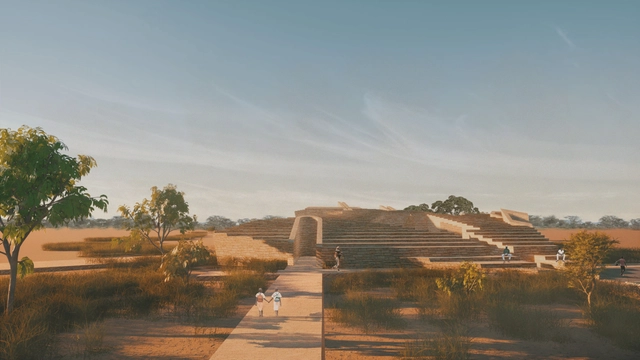
In collaboration with to.org, Counterspace, led by Sumayya Vally, has revealed its latest project, "Regenerate Kakuma," aimed at promoting holistic well-being in one of the world's largest refugee settlements in Kakuma, Kenya. This regenerative wellness and fitness hub blends fitness, agriculture, and cultural spaces for over 285,000 refugees. The settlement, known as one of the largest globally, primarily hosts individuals from 19 countries, including South Sudan and Somalia.
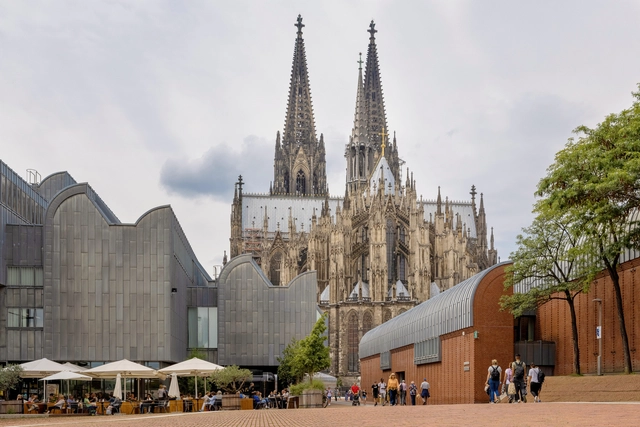
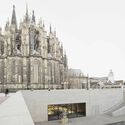
With its culturally and historically rich context, the city of Cologne, also called Köln by its locals, is considered one of the most important centers in West Germany. Nestled on the banks of the Rhine River, the city unfolds its architectural narrative through the interplay between historical landmarks, and contemporary interventions. In the old town, the medieval Cologne Cathedral, a UNESCO World Heritage Site and the tallest cathedral in the world, dominates the skyline. The cityscape is also shaped by the Twelve Romanesque churches of Cologne.
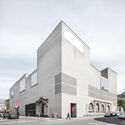
Beyond its historical core, Cologne embraces modernity with structures such as the Kranhaus buildings or Renzo Piano’s Weltstadthaus. The tapestry of architectural styles is further underlined by interventions such as Peter Zumthor’s Kolumba Museum, integrating the ruins of a late-Gothic church destroyed during World War II into a tranquil space dedicated to the contemplation of art and history.
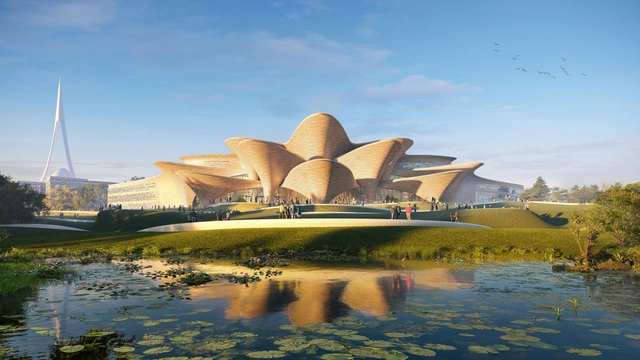
Zaha Hadid Architects (ZHA) has been announced as the architect of the Alisher Navoi International Scientific Research Centre, an expansive cultural and educational facility taking shape in New Tashkent, Uzbekistan. The center is set to incorporate the Navoi State Museum of Literature, along with a 400-seat auditorium and an International Research Center and residential school dedicated to training 200 students in the Uzbek language, literature, and music.
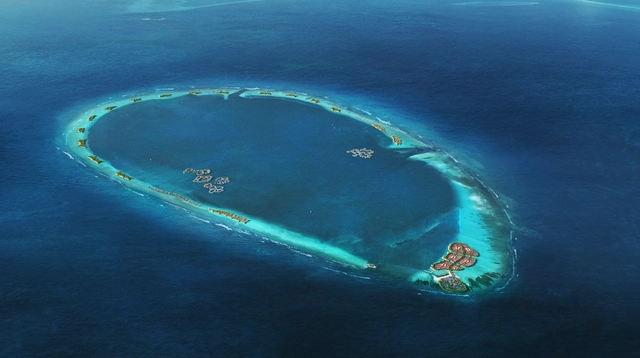
Foster + Partners, in collaboration with the Maldives Fund Management Corporation (MFMC), has unveiled the masterplan for Gaafaru, an inhabited island in the Kaafu Atoll of the Maldives. This project is designed to ensure a sustainable and resilient future for the island by addressing the critical challenges posed by climate change, rising sea levels, and social inequalities. At the heart of this plan are six guiding principles that aim to balance environmental protection with community prosperity, creating a model of future-proof island development.
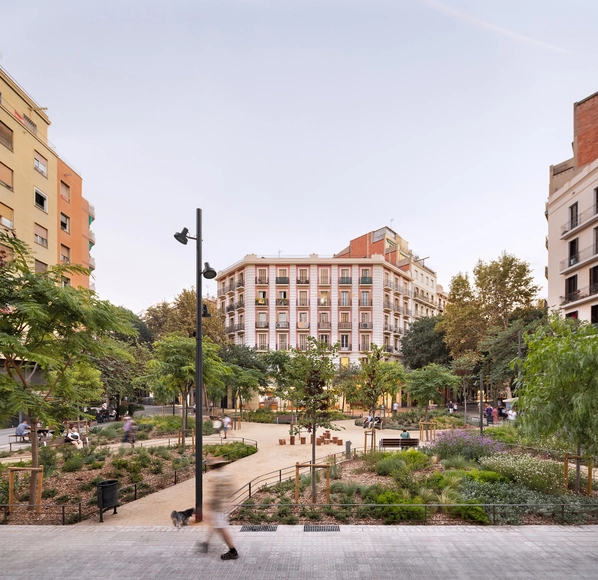
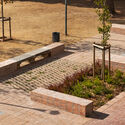
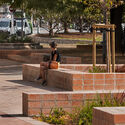
What is urban renaturalization? How is it possible to reintegrate nature into the urban environment? With increasingly limited access to nature for the population and growing exposure to environmental hazards such as noise or air pollution, resource scarcity, climate change, and more, the development of "renaturalized" spaces in cities is seen as a tool capable of improving the quality of life for citizens and designing spaces for gathering, resting, and leisure areas for the common good, while also balancing urban development with biodiversity and the benefits of ecosystems. One of the many architecture firms involved with this concept is 08014 arquitectura, based in Barcelona, which, through its Plaza-jardín Rocafort and Paseo Comte D'Ègara projects, aims to revitalize certain urban areas, paying particular attention to improving the quality of life for citizens and their connection to the natural environment.
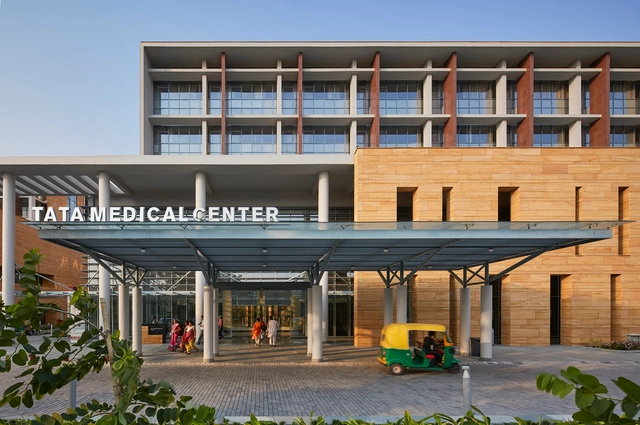
In a nation as diverse as India, the healthcare landscape presents wicked problems and plentiful opportunities. The country's hospital infrastructure has been increasingly strained in the areas of accessibility, quality, and equity, especially with a snowballing population growth. While urban development expands amidst these constraints, architects have been able to position innovative design solutions as mediators, also sealing the gap between urban and rural healthcare quality and accessibility in India.
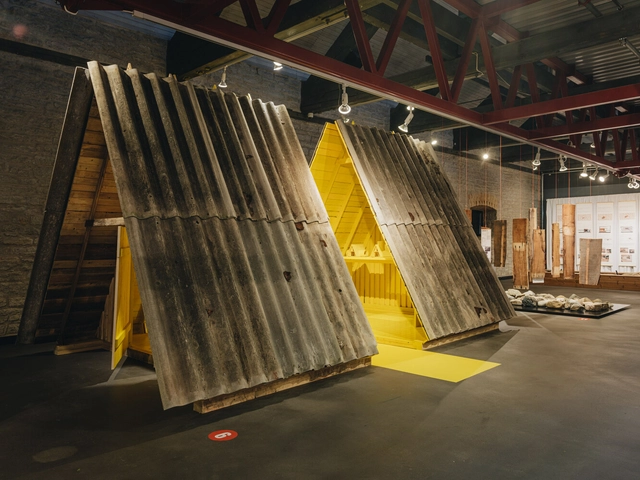
Tallinn Architecture Biennale 2024 has officially opened to the public. Hosted at the Museum of Estonian Architecture and across multiple venues in the center of the city, the event is centered around the theme "Resources For a Future." The head curator Anhelina L. Starkova along with co-curators Daniel A. Walser and Jaan Kuusemets hope to open up conversations about emerging approaches to designing and building architecture, including the potential of reused and repurposed materials. The event is held between October and November 2024, with free participation.
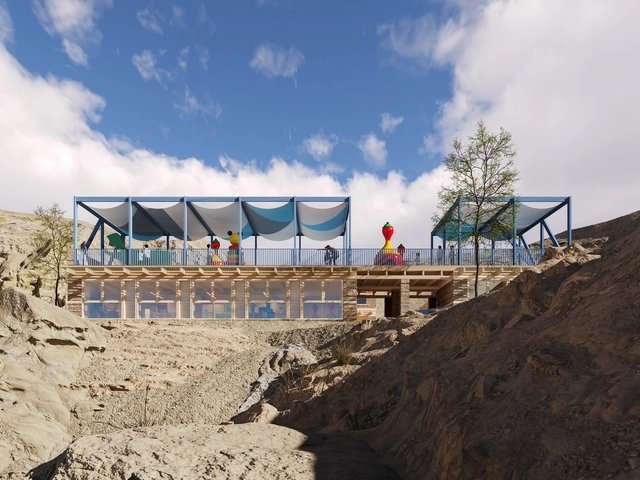
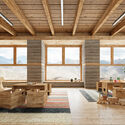
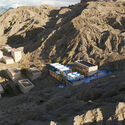
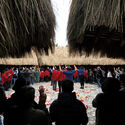
Czech-based architectural firm CHYBIK + KRISTOF has revealed its design for a new school in Mulbekh, North India, in collaboration with the Czech NGO Himalayan Patron and Spring Dales Public School. The project aims to provide quality education in the region while preserving local culture. This initiative is particularly significant as many children, especially girls, from remote ethnic minority communities, have faced limited access to education due to the area's harsh climate and challenging terrain.
How do societies support and nurture emerging architects? Young architects are heavily influenced by their formal education and initial exposure to the industry. Various organizational systems across regions, whether passive through environmental factors or active via tangible benefits, are in place to assist them in entering the field. However, it's worth questioning how often we reflect on these established support systems. Are they effective in fostering well-rounded professionals, or do they unintentionally reinforce certain biases in how architecture is practiced?
Rural environments are often difficult to define in administrative and professional contexts and carry notable biases and complexities. Population and density thresholds are the most common determinants for drawing administrative boundaries, yet other factors, such as infrastructure, employment, and services, contribute to the characterization of rural environments. In the United States, the Census Bureau defines rurality, not by its characteristics or resources, but by absences, as "any population, housing, or territory not in an urban area." For the design and planning community, it is important to define the future of rural environments, not through the metrics of urban resources or infrastructure, but to design a new framework for flexibility, adaptation, and health.
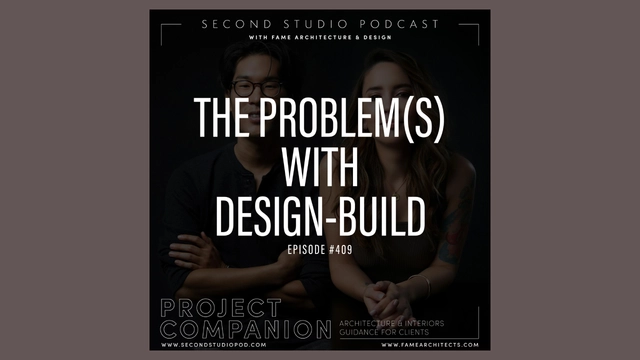
The Second Studio (formerly The Midnight Charette) is an explicit podcast about design, architecture, and the everyday. Hosted by Architects David Lee and Marina Bourderonnet, it features different creative professionals in unscripted conversations that allow for thoughtful takes and personal discussions.
A variety of subjects are covered with honesty and humor: some episodes are interviews, while others are tips for fellow designers, reviews of buildings and other projects, or casual explorations of everyday life and design. The Second Studio is also available on iTunes, Spotify, and YouTube.
This week David and Marina of FAME Architecture & Design discuss the Design-Build model of home construction. They cover the definition of the Design-Build model; lack of licensed architects in Design-Build companies; efficiency and economy; quality of construction; how costs are lowered; lack of transparency; who should / shouldn't engage with Design-Build companies; and more.
https://www.archdaily.com/1022287/the-second-studio-podcast-the-problem-s-with-design-buildThe Second Studio Podcast
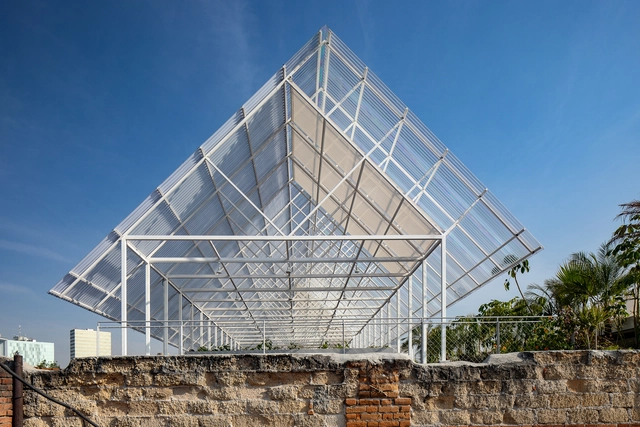
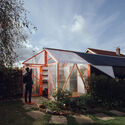
Polycarbonate, commonly used in roofing and industrial cladding, has gone beyond its initial applications to become a material widely used across various architectural typologies. Its combination of strength, lightness, easy installation, and ability to allow natural light to pass through has made it an attractive option for residential,educational, and even cultural architecture projects. In homes, polycarbonate not only helps create bright and comfortable environments but also allows for creative use of translucency to generate private spaces without sacrificing visual connection to the outdoors.
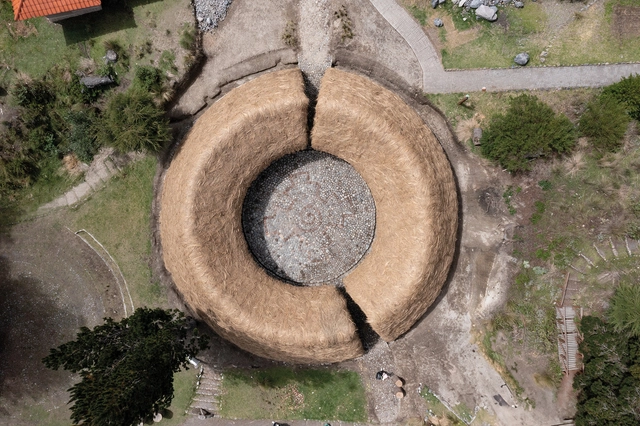
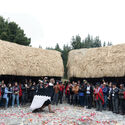
Marie Combette and Daniel Moreno Flores founded La Cabina de la Curiosidad in 2019, a studio focused on architecture and territory based in Quito, Ecuador. Their architectural approach is based on extensive fieldwork, with an urban and territorial perspective that prioritizes the use of available resources, water management, and recycling. They use drawing and mapping as essential tools to materialize their ideas and transform them into spaces. The name of the studio evokes a "trunk" turned into a cabin full of curiosities that invite exploration of various possibilities. This trunk is nourished by everyday experiences, derived from simple interactions with the city or the environment, which triggers a creative process continually fed by experimentation and daily discovery, unafraid of the unknown.
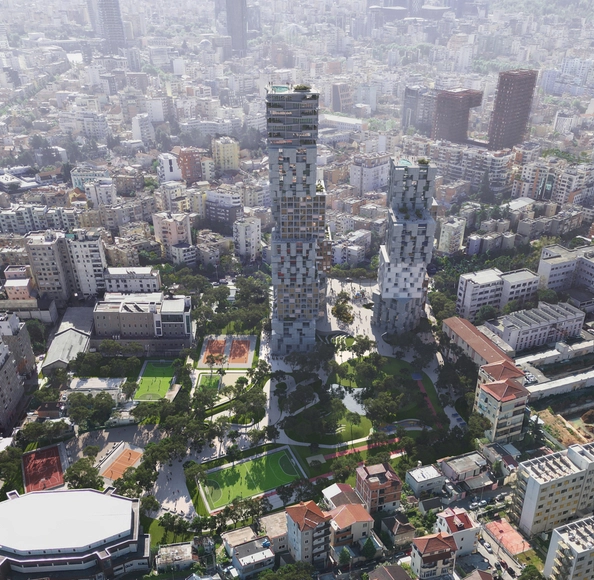
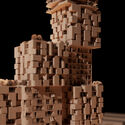
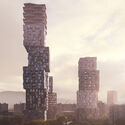
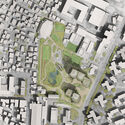
Portuguese architecture studio OODA has commenced construction on the Hora Vertikale Towers in Tirana, a city renowned for its urban revitalization and architectural innovation. The project aims to contribute to this dynamic landscape as a multi-functional, 55,000-square-meter "vertical village" rising 140 meters tall. The project is designed to also integrate a large-scale green public space, also designed by OODA. The project was first announced earlier this year.
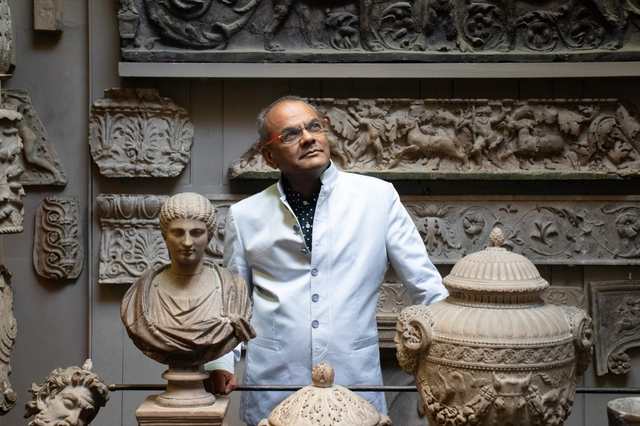
Sir John Soane's Museum has announced Hanif Kara, a celebrated structural engineer and co-founder of AKT II, as the recipient of the prestigious 2024 Soane Medal. This marks a historic moment as Kara becomes the first engineer to receive the accolade, traditionally awarded to architects and theorists. The recognition highlights his profound impact on the built environment, particularly through his pioneering approach to interdisciplinary collaboration. Kara will deliver the Soane Medal Lecture at the Royal Academy on November 26.
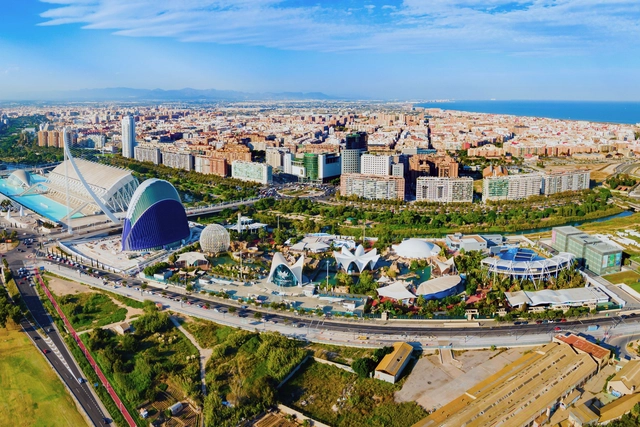
Valencia, one of Spain's most vibrant cities, boasts a rich architectural history that mirrors its cultural and historical evolution. Founded by the Romans in 138 BC, the city has been shaped by successive waves of influence, from the Visigoths and Moors to the Christian reconquest in the 13th century. Each period left a distinct architectural imprint, giving Valencia a unique blend of Gothic, Baroque, and Renaissance structures alongside modern interventions. Among the city's most prominent historic landmarks is the La Longa de la Seda, a UNESCO World Heritage site, which exemplifies late Gothic civic architecture, alongside the majestic Valencia Cathedral, where Romanesque, Gothic, and Baroque elements intertwine, illustrating the city's layered past.
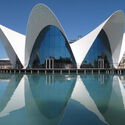
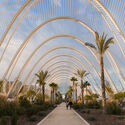
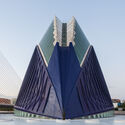
Valencia's architectural evolution did not end with its historical legacy. Today, the city is a dynamic example of how modern and contemporary architecture can coexist with ancient structures. The striking City of Arts and Sciences, designed by Valencian architect Santiago Calatrava, has become an international symbol of innovation, pushing the boundaries of futuristic design. In parallel, urban planning projects like transforming the former Turia riverbed into a lush green park have redefined public space and sustainability in the city. This balance between preservation and cutting-edge design reflects Valencia's commitment to embracing modernity while honoring its historical roots, making it not only a city steeped in history but also one at the forefront of contemporary architectural practice.