1. ArchDaily
  2. Architecture

Architecture: The Latest Architecture and News

The 36x36 Project Series in Mexico by Colectivo C733 Receives the 2024 Obel Award

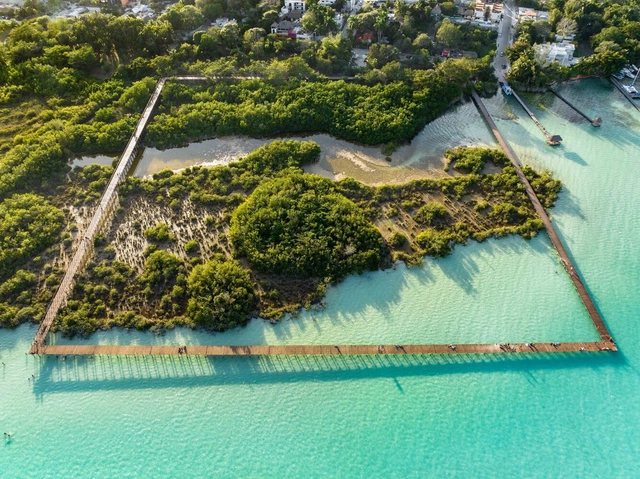
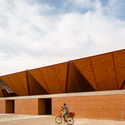
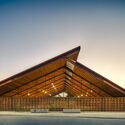
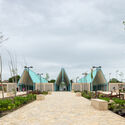
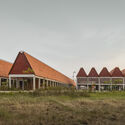
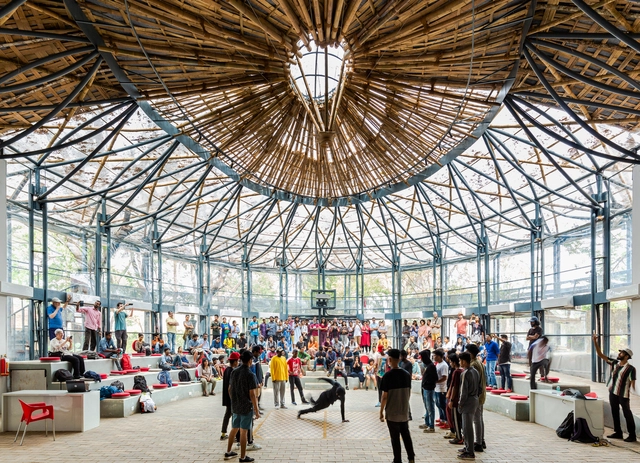
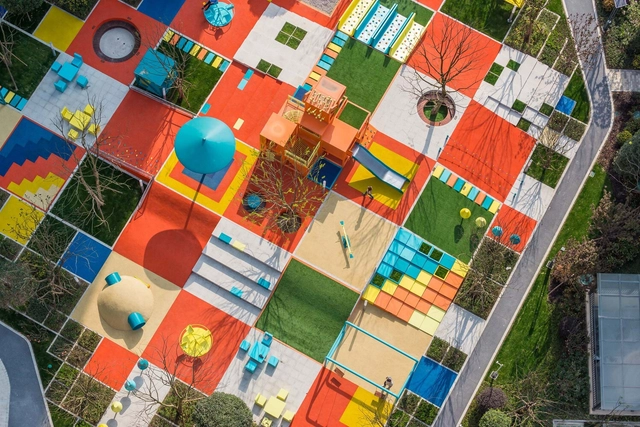
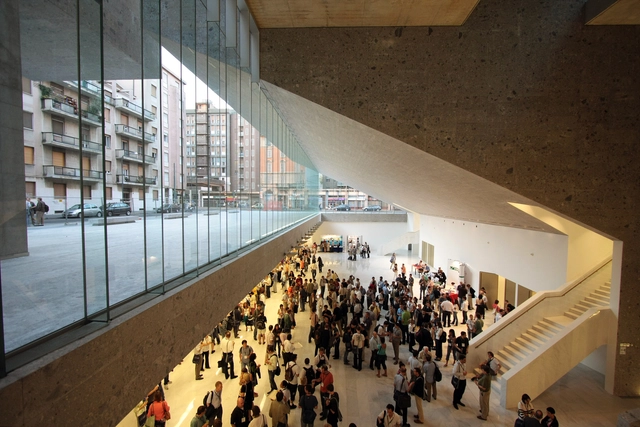
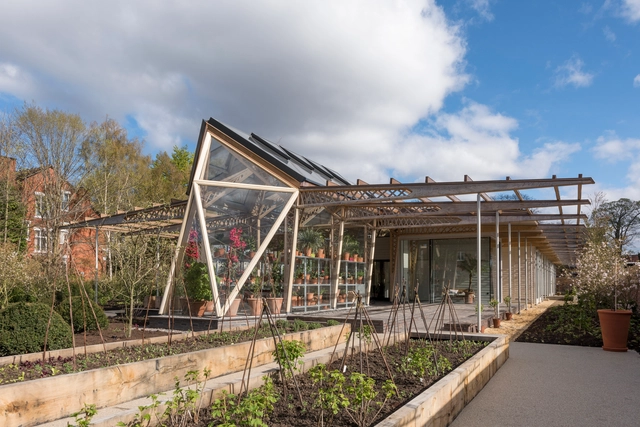
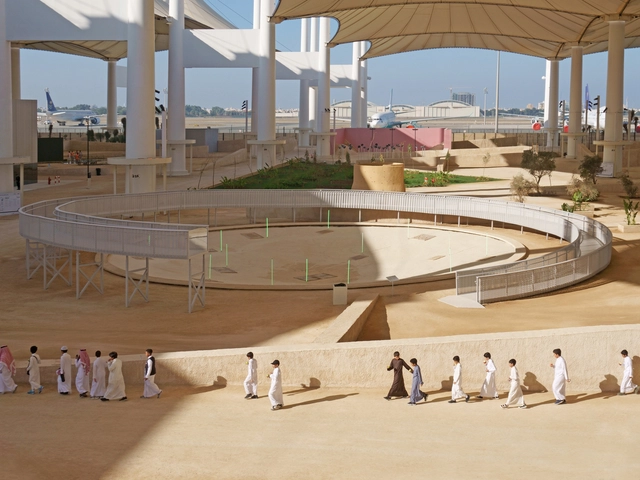
The 2024 Obel Award has been granted to Colectivo C733 for their unique achievement in completing 36 public projects across Mexico over a span of just 36 months. These projects have begun as part of a nationwide initiative led by Mexico's Secretariat for Agrarian, Land, and Urban Development (SEDATU). Collectively named the 36x36 projects, the varied interventions have successfully revitalized a wide range of vulnerable urban and rural areas through a collaborative and community-focused approach. This aligns with the Obel Award's 6th cycle overarching theme, "Architectures with," highlighting initiatives that positively impact both people and the planet.

The 36x36 Project Series in Mexico by Colectivo C733 Receives the 2024 Obel Award - Image 1 of 4The 36x36 Project Series in Mexico by Colectivo C733 Receives the 2024 Obel Award - Image 2 of 4The 36x36 Project Series in Mexico by Colectivo C733 Receives the 2024 Obel Award - Image 3 of 4The 36x36 Project Series in Mexico by Colectivo C733 Receives the 2024 Obel Award - Image 4 of 4The 36x36 Project Series in Mexico by Colectivo C733 Receives the 2024 Obel Award - More Images+ 46

A Tale of Two Cities: The Role of Art in Kochi and Kassel's Cultural Revival

Subscriber Access | 

Along India's southwest coast dotted with a mix of colonial architecture and ancient heritage, the city of Kochi stands as a relic of foreign influence. A previously colonized town by the Portuguese, Dutch, and British now breathes new life into its built landscape. Across the world, in the German city of Kassel, the scars of World War II are etched into the environment, deep under its revived cultural soul. Both Kochi and Kassel, though worlds apart in geography and history, shared a commonality: the power of art and festivals to heal. In the aftermath of historical trauma, these cities found renewal in the creative expression of artists from around the globe.

A Tale of Two Cities: The Role of Art in Kochi and Kassel's Cultural Revival - Image 1 of 4A Tale of Two Cities: The Role of Art in Kochi and Kassel's Cultural Revival - Image 2 of 4A Tale of Two Cities: The Role of Art in Kochi and Kassel's Cultural Revival - Image 3 of 4A Tale of Two Cities: The Role of Art in Kochi and Kassel's Cultural Revival - Image 4 of 4A Tale of Two Cities: The Role of Art in Kochi and Kassel's Cultural Revival - More Images+ 3

World Architecture Day 2024: Mobilizing the Next Generation for Urban Transformation

On the first Monday of October, World Architecture Day offers an opportunity to reflect on the role that architecture plays in shaping our world and our communities. Established by the International Union of Architects (UIA) in 1986, this day was designated as a basis for the ongoing discussions on innovations in architectural practice, new approaches to the ever-changing role of architects and designers, and the varied responses to emerging concerns.

As in previous editions, UIA sets a central yearly theme to guide these conversations. This year, the theme of World Architecture Day 2024, "Empowering the Next Generation to Participate in Urban Design," opens up multiple interpretations, contemplating the impact of urban design on the next generation, as well as highlighting the impact and contributions of young architects in shaping the cities of tomorrow. This year's event aims to address crucial challenges faced by the urban environments and their impact on the next generations. The focus is on creating cities that are not only greener and more environmentally friendly but also inclusive, catering to the diverse needs of various groups in society.

World Architecture Day 2024: Mobilizing the Next Generation for Urban Transformation - Image 1 of 4World Architecture Day 2024: Mobilizing the Next Generation for Urban Transformation - Image 2 of 4World Architecture Day 2024: Mobilizing the Next Generation for Urban Transformation - Image 3 of 4World Architecture Day 2024: Mobilizing the Next Generation for Urban Transformation - Image 4 of 4World Architecture Day 2024: Mobilizing the Next Generation for Urban Transformation - More Images+ 14

Kengo Kuma Named New Lead Designer for Global War on Terrorism Memorial in Washington, D.C.

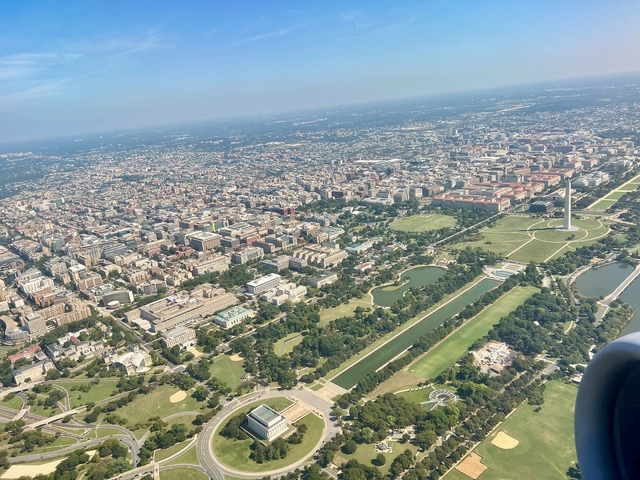
In a surprising development, internationally renowned architect Kengo Kuma has been named the new lead designer for the highly anticipated Global War on Terrorism Memorial on the National Mall in Washington, D.C. The announcement follows the departure of previous designer Marlon Blackwell, who was originally selected in July 2023.

Cities of the Future: Building with Innovation and Sustainability

Subscriber Access | 

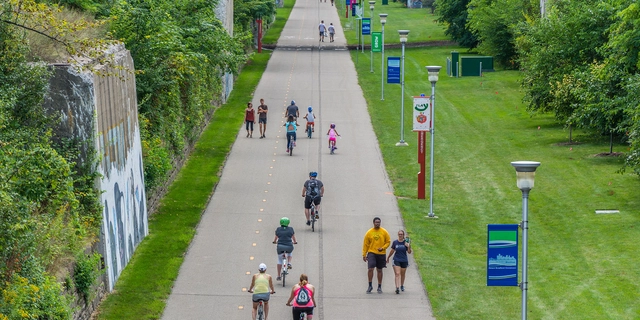
Throughout history, it has become clear that the key to long-lasting and sustainable projects is to lay solid foundations. Our society is headed towards a more urban future in which the density of metropolises will be ever greater. That is why this more urban tomorrow requires modern urban planning capable of building innovative, sustainable and flexible structures. Because the only way to make our society live better is to build better.
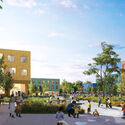
Collective Housing in Barcelona: The Sustainable and Cooperative Model of Lacol

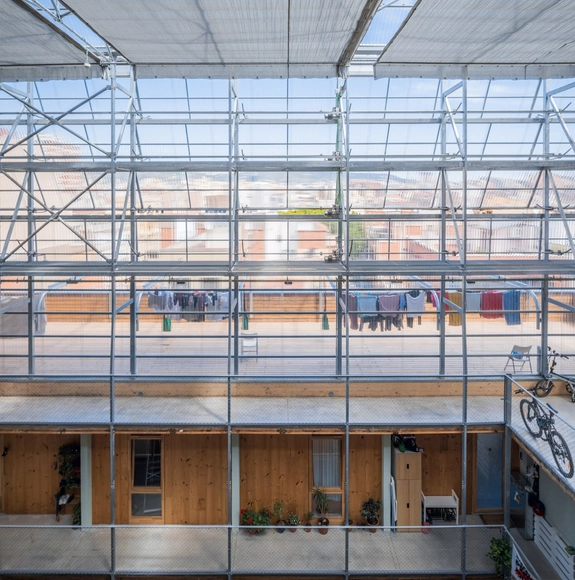
One of the biggest current challenges in large cities is the housing crisis and the lack of efficient solutions to mitigate its effects on citizens. This problem is exacerbated in cities where tourism and vacation or temporary housing dominate the market, distancing residents from the possibility of accessing affordable urban housing. Furthermore, gentrification, driven by rising rents and real estate speculation, contributes to the displacement of local communities, transforming traditional neighborhoods into areas exclusively oriented toward tourist consumption.

Collective Housing in Barcelona: The Sustainable and Cooperative Model of Lacol - Image 1 of 4Collective Housing in Barcelona: The Sustainable and Cooperative Model of Lacol - Image 2 of 4Collective Housing in Barcelona: The Sustainable and Cooperative Model of Lacol - Image 3 of 4Collective Housing in Barcelona: The Sustainable and Cooperative Model of Lacol - Image 4 of 4Collective Housing in Barcelona: The Sustainable and Cooperative Model of Lacol - More Images+ 3

Aga Khan Award for Architecture Announces Master Jury for the 2025 Edition

The Aga Khan Award for Architecture has announced the Master Jury for the 16th award cycle. The independent panel includes Pritzker Prize laureate Yvonne Farrell, ArchDaily founder David Basulto, and Lucia Allais, director of the Buell Center. Established in 1977 by Aga Khan IV, this competition set out to highlight architectural projects that have a significant positive impact on Islamic communities worldwide. The Award is presented in three-year cycles and has a monetary prize totaling US$1 million.

Aga Khan Award for Architecture Announces Master Jury for the 2025 Edition - Image 1 of 4Aga Khan Award for Architecture Announces Master Jury for the 2025 Edition - Image 2 of 4Aga Khan Award for Architecture Announces Master Jury for the 2025 Edition - Image 3 of 4Aga Khan Award for Architecture Announces Master Jury for the 2025 Edition - Image 4 of 4Aga Khan Award for Architecture Announces Master Jury for the 2025 Edition - More Images+ 2

MVRDV Unveils Masterplan for Redevelopment of Faneuil Gardens Public Housing in Boston, United States

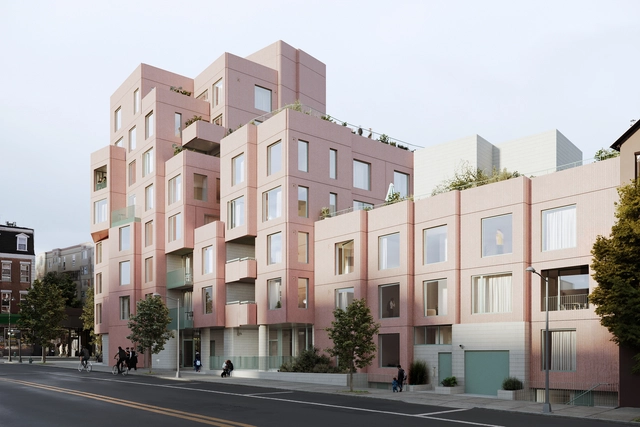
MVRDV, in collaboration with JGE Architects, landscape architects Copley Wolff, and Langan Engineering, has developed a masterplan for the redevelopment of Faneuil Gardens, a public housing site in the Brighton neighborhood of Boston. This project, commissioned by The Community Builders in partnership with the Boston Housing Authority, aims to replace the outdated 1940s apartment complex with five contemporary buildings that incorporate mixed-income affordable housing, artist live-work spaces, and significant green spaces. At the center of the redevelopment is a new community center, located along a public boulevard that runs through the heart of the site.

MVRDV Unveils Masterplan for Redevelopment of Faneuil Gardens Public Housing in Boston, United States - Image 1 of 4MVRDV Unveils Masterplan for Redevelopment of Faneuil Gardens Public Housing in Boston, United States - Image 2 of 4MVRDV Unveils Masterplan for Redevelopment of Faneuil Gardens Public Housing in Boston, United States - Image 3 of 4MVRDV Unveils Masterplan for Redevelopment of Faneuil Gardens Public Housing in Boston, United States - Image 4 of 4MVRDV Unveils Masterplan for Redevelopment of Faneuil Gardens Public Housing in Boston, United States - More Images+ 9

Designing with Empathy: Architecture for Social Equity

Architecture has long been understood as a powerful tool for shaping the physical environment and social dynamics within it. However, its potential to foster social equity is often overlooked. Empathy-driven design invites architects to approach their work not only as creators of space but as facilitators of human connection and community well-being. This approach centers on understanding people's lived experiences, struggles, and aspirations — particularly marginalized communities — and responding to their needs through thoughtful, inclusive architecture. It goes beyond aesthetics and functionality, instead focusing on creating spaces fostering dignity, accessibility, and social equity. By prioritizing empathy, architects can design environments that uplift communities, address disparities, and create inclusive spaces that promote positive societal change in a tangible, human-centered way.

Designing with Empathy: Architecture for Social Equity - Image 1 of 4Designing with Empathy: Architecture for Social Equity - Image 2 of 4Designing with Empathy: Architecture for Social Equity - Image 3 of 4Designing with Empathy: Architecture for Social Equity - Image 4 of 4Designing with Empathy: Architecture for Social Equity - More Images+ 13

The Lawn as Battleground: How Domestic Landscaping Became a Symbol of American Identity

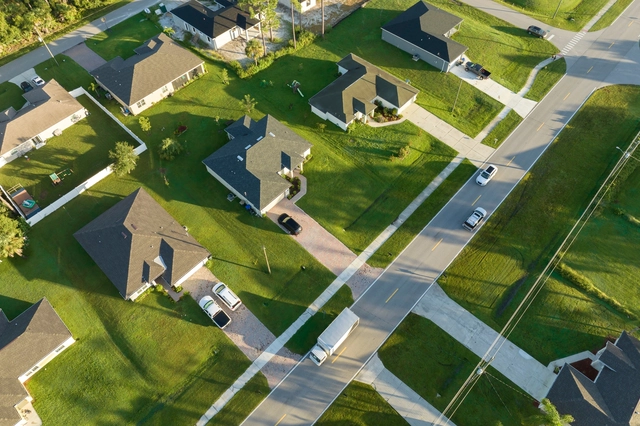
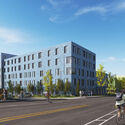
The almost cliché image of the white picket fence has become synonymous with the ideals of the American Dream. Behind the fence, there is invariably a perfectly manicured lawn, a green carpet upon which life can unfold. This image and its associations are not, however, accidental. In her book, "Domesticity at War", Beatriz Colomina notices that, since the Second World War, the lawn has taken a central space in the imagination of the country, becoming first a in order to make space for diversity, both social and ecological. symbol of the stability of the homes soldiers were hoping to return to, offering a space where those at home could still perform duties for the nation, and, after the war, propagating the image of an idealized lifestyle, one maintained with hard work and dedication. In recent years, the lawn has emerged once again as a site of conflict, this time between those hoping to preserve this idealized image, and those seeking to break the uniformity in order to make space for diversity, both social and ecological.


The Lawn as Battleground: How Domestic Landscaping Became a Symbol of American Identity - Image 1 of 4The Lawn as Battleground: How Domestic Landscaping Became a Symbol of American Identity - Image 2 of 4The Lawn as Battleground: How Domestic Landscaping Became a Symbol of American Identity - Image 3 of 4The Lawn as Battleground: How Domestic Landscaping Became a Symbol of American Identity - Image 4 of 4The Lawn as Battleground: How Domestic Landscaping Became a Symbol of American Identity - More Images+ 9

SO – IL Reveals Design for a New Residential Condominium Project in Brooklyn, New York

Architecture firm SO – IL has revealed plans for a new residential condominium project planned for Brooklyn's Fort Greene neighborhood. Named 144 Vanderbilt, the development offers 26 condominiums and amenities spanning almost 90,000 square feet. According to SO – IL, the architecture takes cues from Brooklyn's historical heritage, while incorporating a modern twist, as the staggered building prioritizes community interactions and comfortable urban living.

SO – IL Reveals Design for a New Residential Condominium Project in Brooklyn, New York - Image 1 of 4SO – IL Reveals Design for a New Residential Condominium Project in Brooklyn, New York - Image 2 of 4SO – IL Reveals Design for a New Residential Condominium Project in Brooklyn, New York - Image 3 of 4SO – IL Reveals Design for a New Residential Condominium Project in Brooklyn, New York - Image 4 of 4SO – IL Reveals Design for a New Residential Condominium Project in Brooklyn, New York - More Images+ 2

Foster + Partners Unveils Live-Work Space Designs in Seoul, South Korea

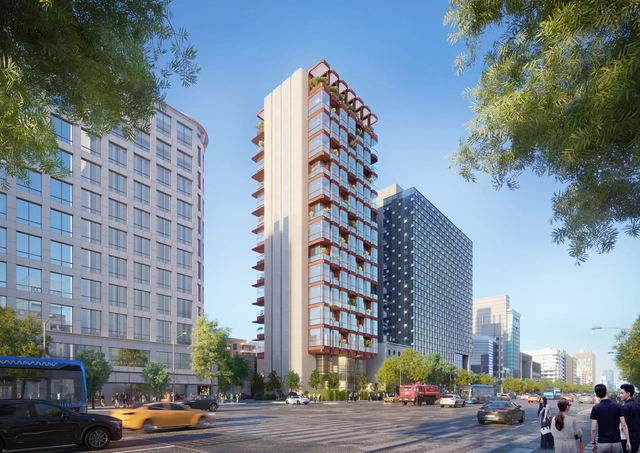
Foster + Partners have just unveiled designs for a new live-work building in Seoul, South Korea, which aims to redefine business hospitality with a personalized approach. This structure is set to accommodate professionals seeking a mixture of work and leisure in an urban environment. With an emphasis on comfort, functionality, and well-being, the building incorporates spaces designed for hosting and entertaining, along with dedicated meeting and negotiation rooms. It also features state-of-the-art wellness facilities, making it a unique setting for both work and relaxation. The project consists of twelve private units, each occupying an entire floor, providing a unique living experience tailored to individual needs.

Foster + Partners Unveils Live-Work Space Designs in Seoul, South Korea - Image 1 of 4Foster + Partners Unveils Live-Work Space Designs in Seoul, South Korea - Image 2 of 4Foster + Partners Unveils Live-Work Space Designs in Seoul, South Korea - Image 3 of 4Foster + Partners Unveils Live-Work Space Designs in Seoul, South Korea - Image 4 of 4Foster + Partners Unveils Live-Work Space Designs in Seoul, South Korea - More Images

A Warm Approach to Meditation: 5 Houses in Latin America to Find Stillness in Vibrant Spaces

Subscriber Access | 

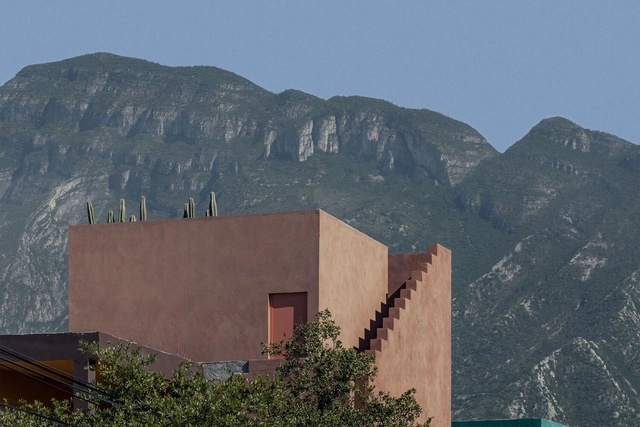
When we think of spaces that foster meditation, our minds often travel either to Japan's Zen gardens, where clean lines and carefully arranged landscaping call for stillness, or to Scandinavia's designs with neutral tones and soft fabrics. These styles evoke a sense of calm through simplicity, often seen as a characteristic of Japanese and Northern European architectural styles. Yet, stillness and meditation are not restricted to these types of settings. Latin American architectural traditions also offer powerful, though often overlooked, approaches to meditative spaces. With earthy tones of terracotta, rough adobe textures, intimate courtyards, and a strong connection to nature, these environments call for reflection through warmth and material richness, creating spaces that are calming without being understated.

A Warm Approach to Meditation: 5 Houses in Latin America to Find Stillness in Vibrant Spaces - Image 1 of 4A Warm Approach to Meditation: 5 Houses in Latin America to Find Stillness in Vibrant Spaces - Image 2 of 4A Warm Approach to Meditation: 5 Houses in Latin America to Find Stillness in Vibrant Spaces - Image 3 of 4A Warm Approach to Meditation: 5 Houses in Latin America to Find Stillness in Vibrant Spaces - Image 4 of 4A Warm Approach to Meditation: 5 Houses in Latin America to Find Stillness in Vibrant Spaces - More Images+ 1

Skylights in Tropical Architecture: 20 Homes That Redefine Natural Lighting

Subscriber Access | 

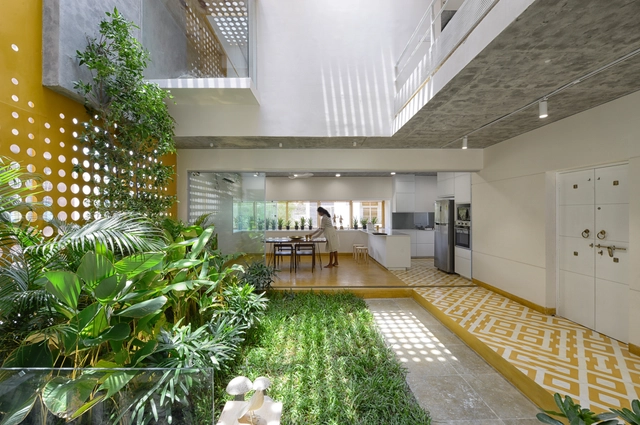
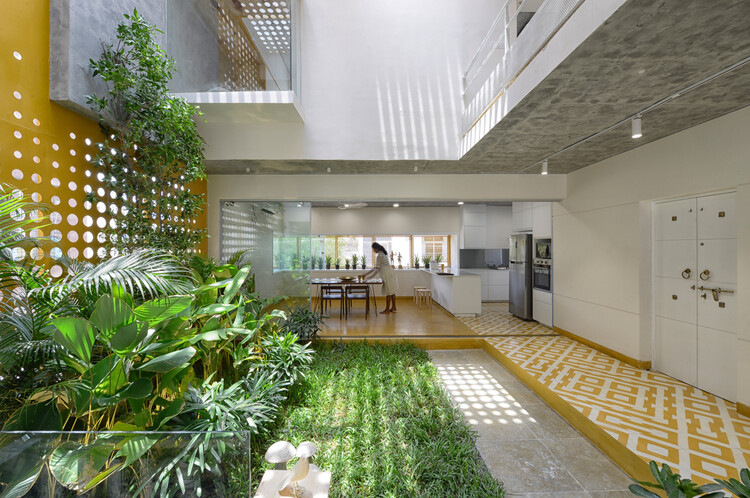
From subtle light beams to wide openings, skylights transform natural light into a powerful architectural tool, creating a dynamic interplay of light and shadow that adds movement and vitality to buildings. This intricate dance captivates not only with the patterns the light casts on surfaces but also with the practical benefits of overhead lighting, such as improved thermal comfort and enhanced well-being.

Skylights in Tropical Architecture: 20 Homes That Redefine Natural Lighting - Image 1 of 4Skylights in Tropical Architecture: 20 Homes That Redefine Natural Lighting - Image 2 of 4Skylights in Tropical Architecture: 20 Homes That Redefine Natural Lighting - Image 3 of 4Skylights in Tropical Architecture: 20 Homes That Redefine Natural Lighting - Image 4 of 4Skylights in Tropical Architecture: 20 Homes That Redefine Natural Lighting - More Images+ 23

Exploring the Intersection of Architecture and Art: "Not Vital" by Alma Zevi

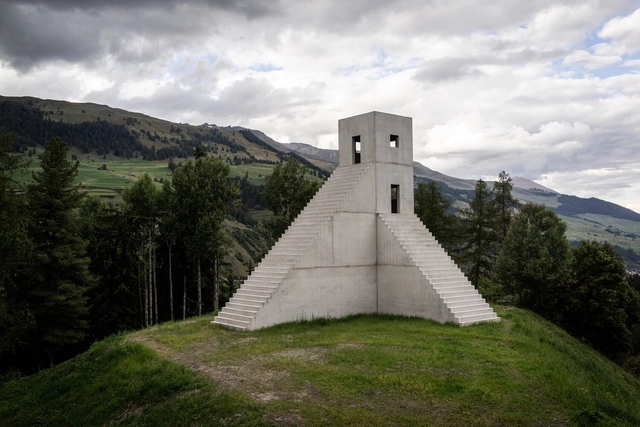
Alma Zevi has developed a book offering an intimate and definitive account following the career of Swiss sculptor, painter, and architect Not Vital. This comprehensive book delves into Vital's pomading life, seeking and building homes in various cities, from Paris, New York, Beijing, and Rio de Janeiro. The book explores the artist's seminal sculpture practice and architectural projects, featuring a catalog of over 450 sculptures and related works. Drawing on archival material and personal interviews with the artist, Zevi seeks to provide a portrait of his career to date.

Exploring the Intersection of Architecture and Art: "Not Vital" by Alma Zevi - Image 1 of 4Exploring the Intersection of Architecture and Art: "Not Vital" by Alma Zevi - Image 2 of 4Exploring the Intersection of Architecture and Art: "Not Vital" by Alma Zevi - Image 3 of 4Exploring the Intersection of Architecture and Art: "Not Vital" by Alma Zevi - Image 4 of 4Exploring the Intersection of Architecture and Art: Not Vital by Alma Zevi - More Images+ 7

What Is an Architectural Curator?

In his book "Curation: The Power of Selection in a World of Excess," Michael Bhaskar defines curation as "using acts of selection and arrangement (but also refining, reducing, displaying, simplifying, presenting, and explaining) to add value." Originating from the Latin word curare, meaning to take care of, the curator's role in dissecting our understanding of the world around us cannot be overlooked. Over time, as the definition morphs into different bodies, the practice of curation continues to evolve, filling the roles of caretakers of our built environment and thinkers of different forms for the overall bettering of society.

What Is an Architectural Curator? - Image 3 of 4What Is an Architectural Curator? - Image 1 of 4What Is an Architectural Curator? - Image 2 of 4What Is an Architectural Curator? - Image 4 of 4What Is an Architectural Curator? - More Images+ 6

Paul Rudolph’s Sanderling Beach Club Cabanas in Florida Destroyed by Hurricane

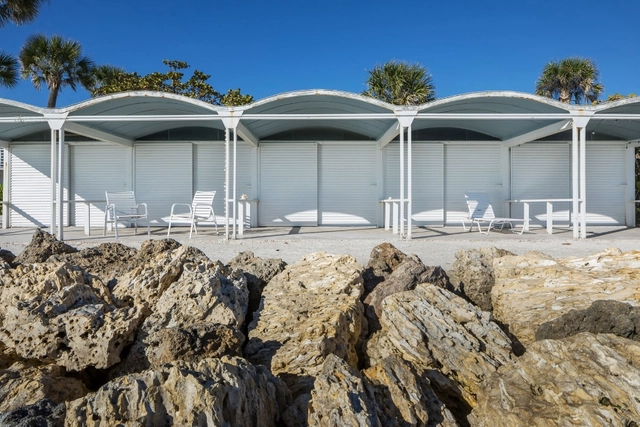
On September 27, 2024, the Paul Rudolph Institute of Modern Architecture has announced that the Sanderling Beach Club, a complex of beachside buildings 1952 building designed by Paul Rudolph in 1952 in Sarasota, Florida, has been completely destroyed by Hurricane Helene. The severe tropical storm, a Category 4 Hurricane, has had a devastating impact on communities across Florida, Georgia, North Carolina, South Carolina, and Virginia.

Paul Rudolph’s Sanderling Beach Club Cabanas in Florida Destroyed by Hurricane - Image 1 of 4Paul Rudolph’s Sanderling Beach Club Cabanas in Florida Destroyed by Hurricane - Image 2 of 4Paul Rudolph’s Sanderling Beach Club Cabanas in Florida Destroyed by Hurricane - Image 3 of 4Paul Rudolph’s Sanderling Beach Club Cabanas in Florida Destroyed by Hurricane - Image 4 of 4Paul Rudolph’s Sanderling Beach Club Cabanas in Florida Destroyed by Hurricane - More Images+ 3

UT Dallas Opens Crow Museum of Asian Art Designed by Morphosis, Begins Construction on Performance Hall

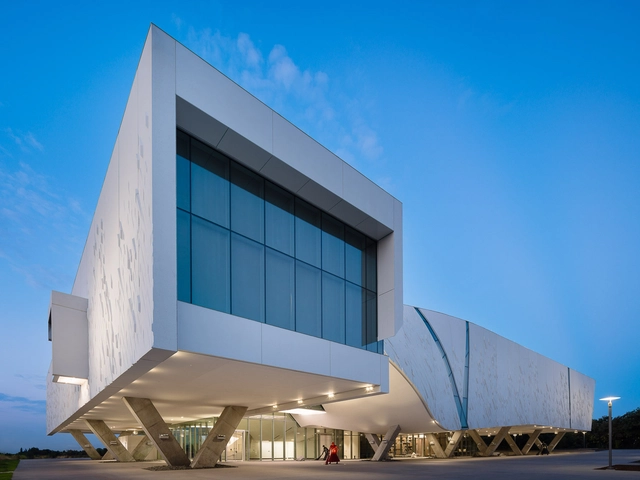
The University of Texas at Dallas (UT Dallas) has reached two major milestones in its 12-acre cultural development, the Edith and Peter O'Donnell Jr. Athenaeum: the grand opening of the Crow Museum of Asian Art and the groundbreaking of a new performance hall and music building. Designed by architectural firm Morphosis, the Crow Museum of Asian Art serves as the centerpiece of the university's commitment to expanding its cultural offerings and engaging both the campus and the surrounding North Texas community. Alongside the museum's opening, UT Dallas also broke ground on a new performance hall and music building, set to be completed by fall 2026.

UT Dallas Opens Crow Museum of Asian Art Designed by Morphosis, Begins Construction on Performance Hall - Image 1 of 4UT Dallas Opens Crow Museum of Asian Art Designed by Morphosis, Begins Construction on Performance Hall - Image 2 of 4UT Dallas Opens Crow Museum of Asian Art Designed by Morphosis, Begins Construction on Performance Hall - Image 3 of 4UT Dallas Opens Crow Museum of Asian Art Designed by Morphosis, Begins Construction on Performance Hall - Image 4 of 4UT Dallas Opens Crow Museum of Asian Art Designed by Morphosis, Begins Construction on Performance Hall - More Images+ 16