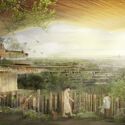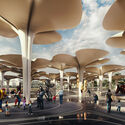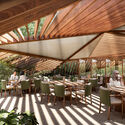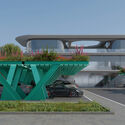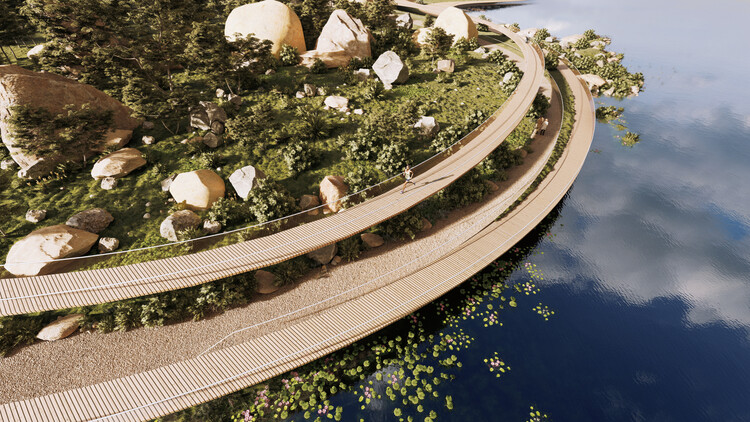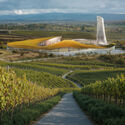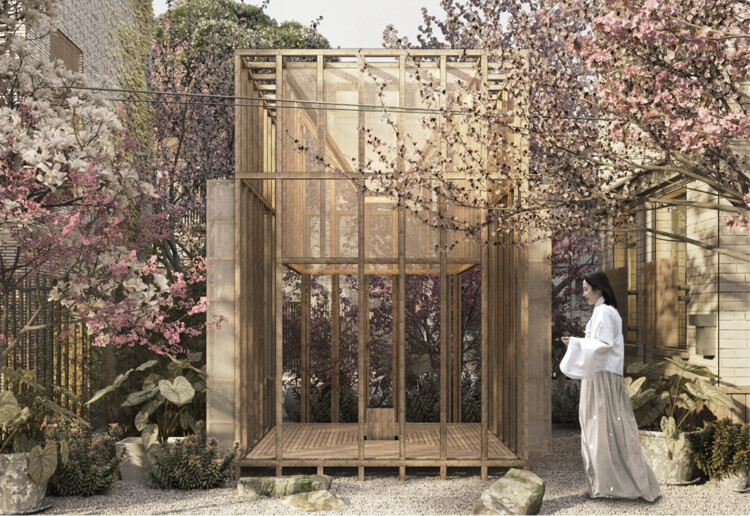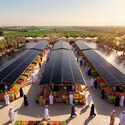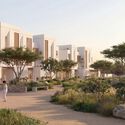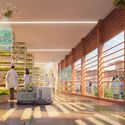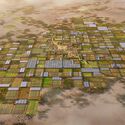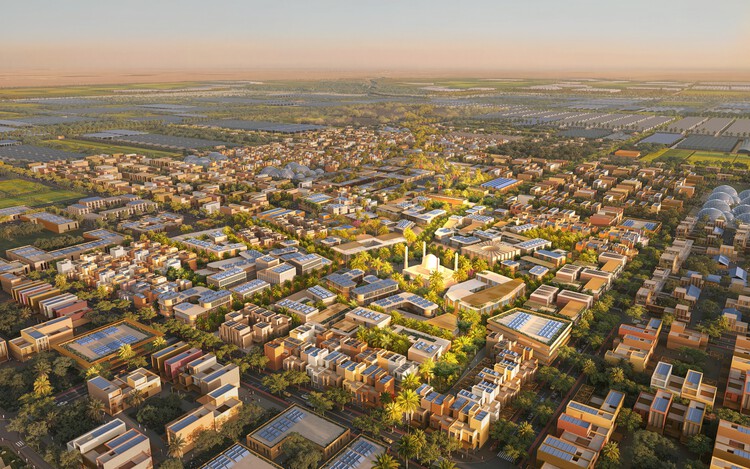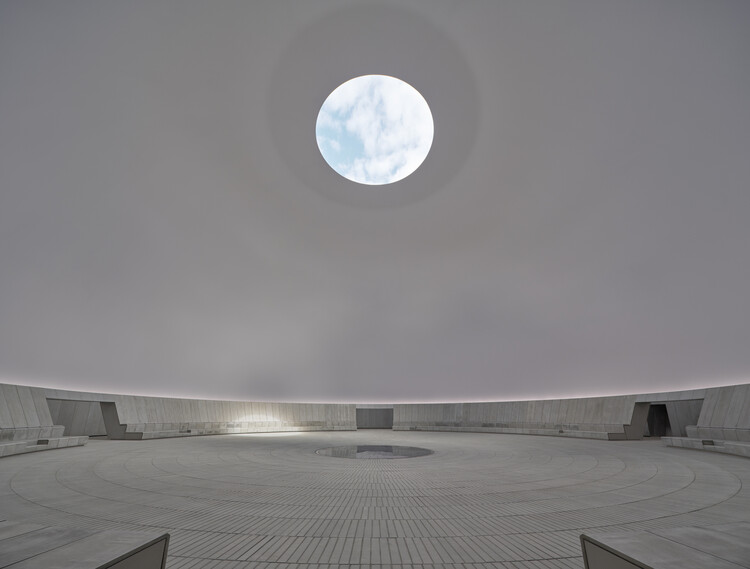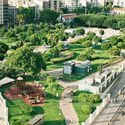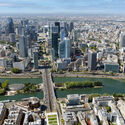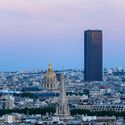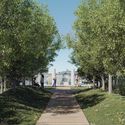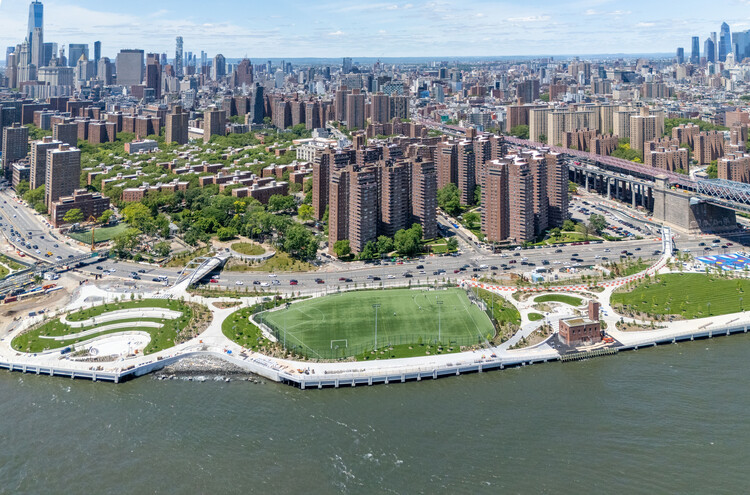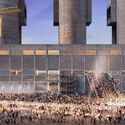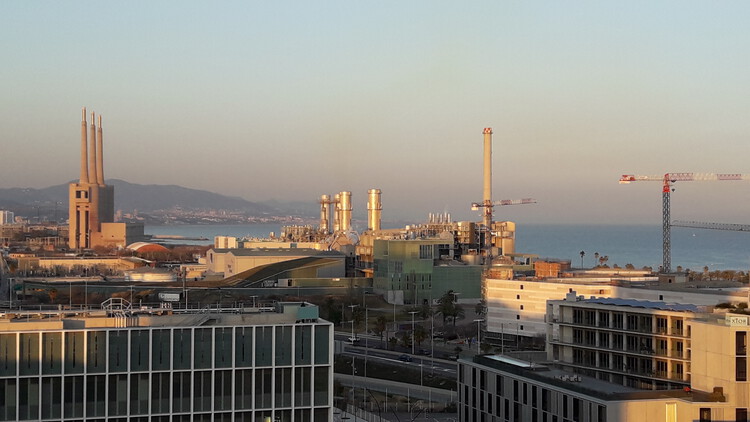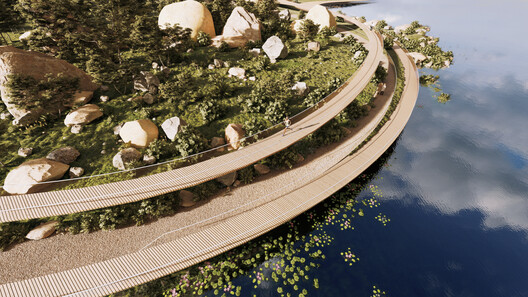
In the current context of rapid urban environmental changes, such as heatwaves and droughts, new priorities are emerging in the design of public spaces. "Rewilding" refers to the practice of restoring self-sustaining ecosystems through the reintroduction of biodiversity, implementing strategies to reverse the effects of habitat loss, species decline, and ecosystem degradation. These strategies can be identified in this selection of conceptual projects submitted by ArchDaily readers, where architecture is used as a tool to restore ecological balance among species, inverting its modern role as an agent of ecological disruption.
Faced with the reality that climate change is making cities increasingly unlivable, citizens are confronted with the choice of either leaving or transforming their environments. The unbuilt projects compiled in this article offer transformative alternatives for more livable cities, combining construction, architectural, and landscape design strategies across urban parks and suburban interstitial spaces. As ecological laboratories, they incorporate a multispecies perspective into the design process, adopting a concept of time better suited to the development of ecosystems.