-
Architects: Cao Pu Studio
- Area: 800 m²
- Year: 2017


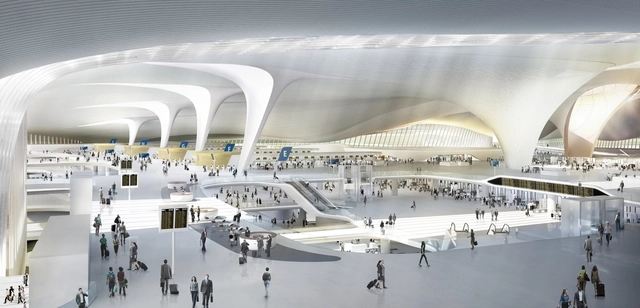
When in 2015 Zaha Hadid Architects and ADP Ingeniérie unveiled designs for the "world's largest airport passenger terminal" in Beijing, much of the political maneuvering to allow it live up to its claim remained unclear. But the situation has since changed, Bloomberg reports, with the Chinese authorities designating this new terminal—which will compete with the capital's existing airport—as "the hub for members of the SkyTeam alliance."
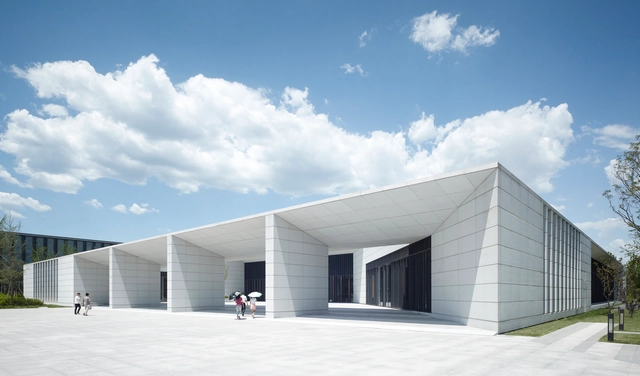
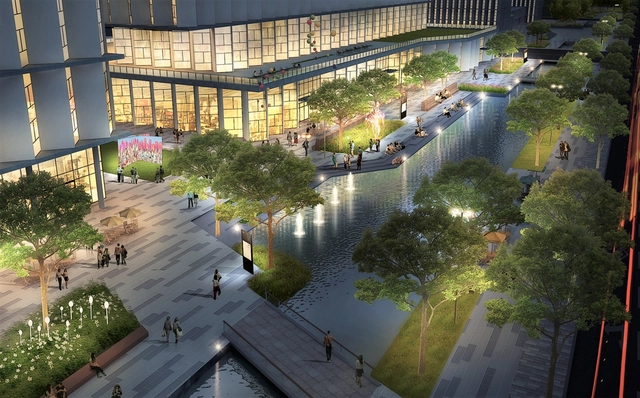
The multi-disciplinary team 'Wasser Hannover', Cityförster and the Chinese Academy for Urban Planning and Design (CAUPD) have been selected as the first prize winners in one of three initial competitions to design the new seat of government for the Chinese capital of Beijing. Part of a planned merging of Beijing with the surrounding cities of Tianjin and Hebei, the new government district will be located in Tongzhou, an existing district southeast of the city center.
The winning scheme follows a 'landscape-planning-based' concept that is organized through a holistic water and open-space system, responding to the ecological and technical needs of the government.






2017 Beijing Summer Program (6-weeks)
"DESIGN H(ij)ACK" When Art/Design meet Public Space
From June 26th till August 7th
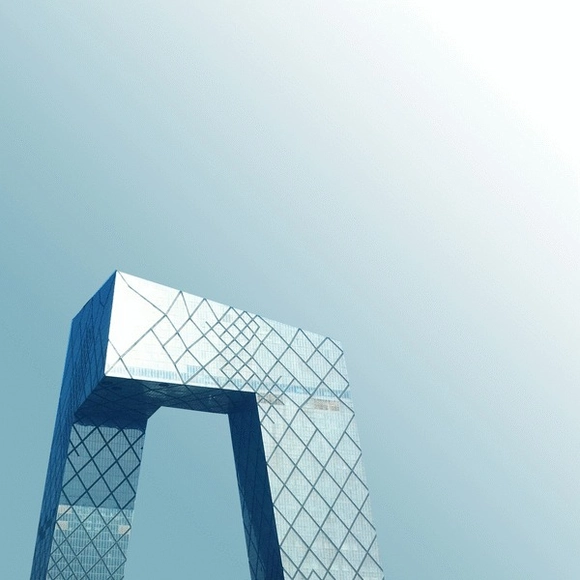
A simultaneous celebration of their cultural iconicity and distillation from their various contexts, Beautified China is a photographic essay by Kris Provoost (one-half of the vlogging duo behind #donotsettle) that tracks the evolution of Chinese architectural landmarks over the course of the past 7 years. Beginning his investigation with the 2010 World Expo in Shanghai, Provoost considers a decade of architecture proposed for China by the profession’s biggest names, many of which have been built now with monumental reputations in rising cities.
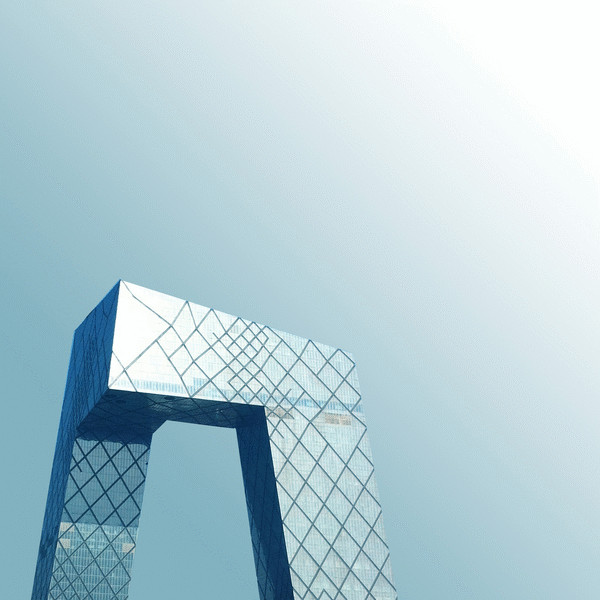
“Most ‘starchitects’ had their chance to build, or to fulfill their wildest dreams,” explains Provoost. “Some of them became landmarks: CCTV headquarters by Rem Koolhaas and Ole Scheeren or the Bird’s Nest/National Stadium by Herzog and de Meuron for example. Others have turned a suburb into a new center, or have established a new city on its own.”
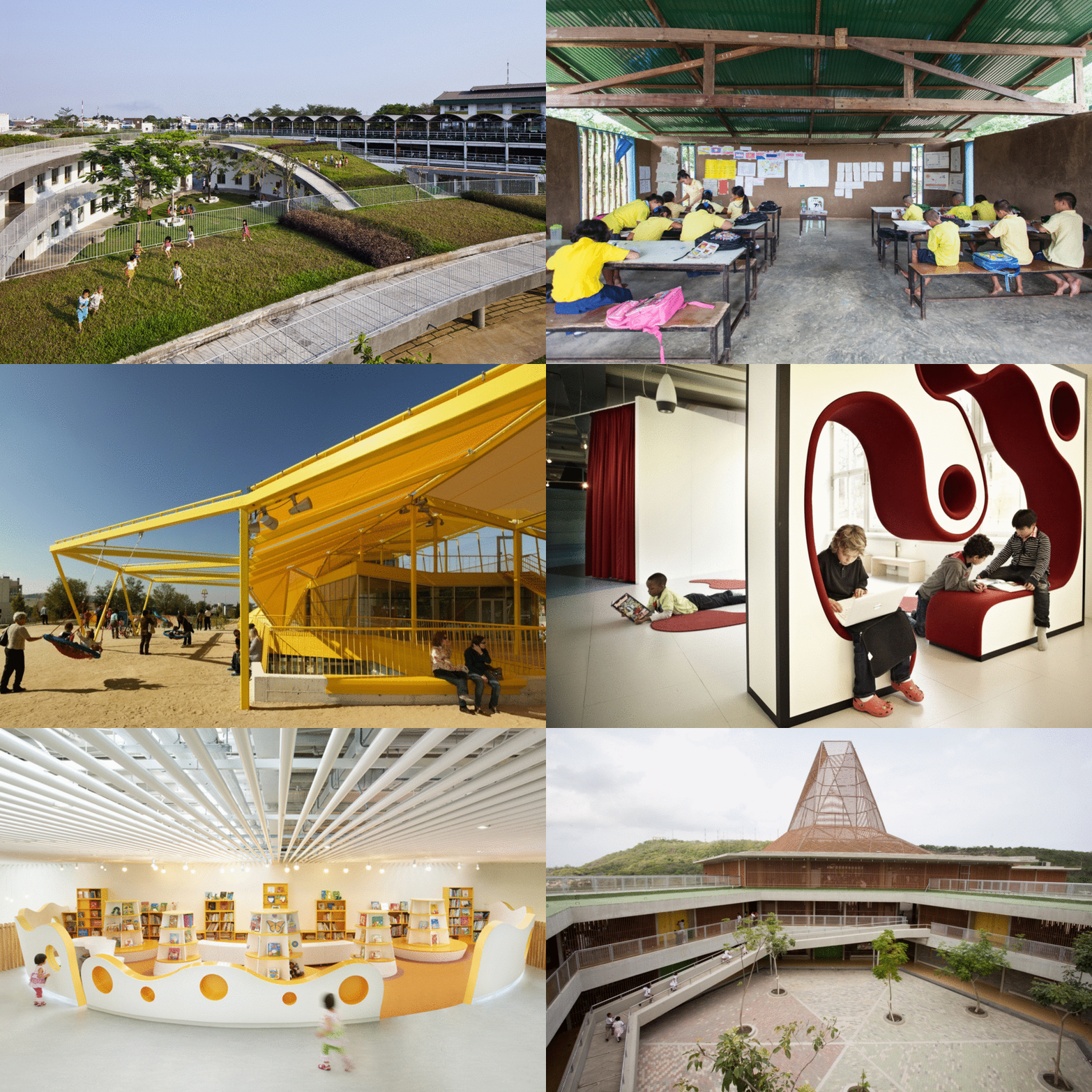
If we think about how the educational system worked in the past, we can quickly see that both the teaching style in schools as well as the school’s infrastructure were very different from the current system. The educational model of the twentieth century could be defined as being similar to the "spatial model of prisons, with no interest in stimulating a comprehensive, flexible and versatile education."
However, we are now at a time when social, economic and technological developments have created a more global society and where information and learning are becoming more affordable. This radical change has transformed the societies in which we live, leaving the current educational model based on a rigid and unidirectional teaching obsolete.
As such, there are schools that have not only broken the mold of traditional teaching but have formed new educational standards, exploring new paradigms and opening up new possibilities within the design of educational spaces. Since architecture and educational models often reflect the ideology of a society, how is the school of 21st century defined?
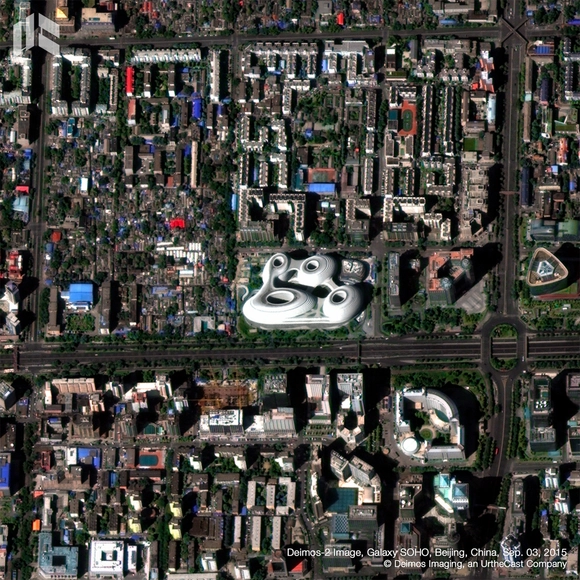
This week marks the first anniversary of the death of Zaha Hadid, the most successful and influential female architect in the architectural discipline. Born in Baghdad (Iraq) in 1950, Hadid became the first woman to receive the Pritzker Prize in 2004, and twelve years later received the gold medal from the Royal Institute of British Architects (RIBA).
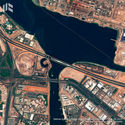
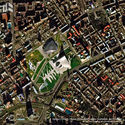
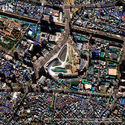
Hadid's untimely death left a fascinating and inspiring legacy. Meanwhile her firm, Zaha Hadid Architects, continues to work on nearly a hundred projects worldwide. To remember her legacy, Spanish company Deimos Imaging has shared a series of photographs focusing on Hadid's work in five countries.
The images were captured by the Deimos-2 satellite, which was launched in 2014 and designed for very high-resolution Earth observation applications, providing multispectral images of just 75 centimeters per pixel. Hadid's incredible works take on a new dimension when you contemplate their proportions from the sky—or rather, from a satellite.

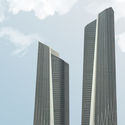
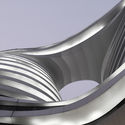
Zaha Hadid Architects has released new images of Leeza SOHO, their mixed-use design in Beijing's Lize Financial Business District. The project is notable for its 190-meter tall atrium, which rises the full height of the building, uniting two twisting sections which contain 172,800 square meters of office and residential space. At the base of the tower, a new transit hub straddles a subway tunnel that is currently under construction.













.jpg?1473841941 "Vittra Telefonplan / Rosan Bosch. Image")