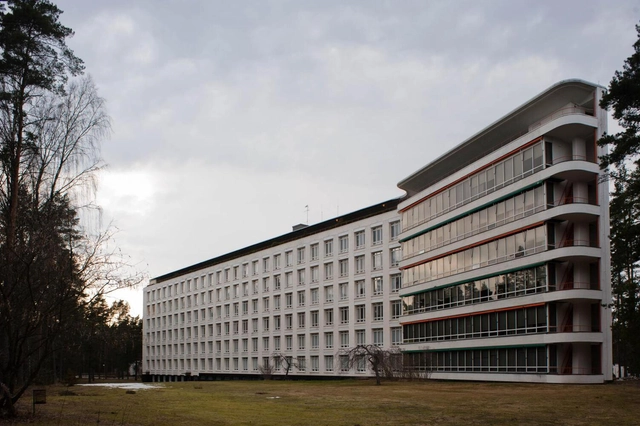
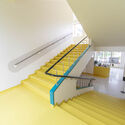
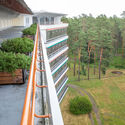
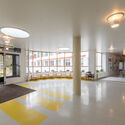
In the early 20th century, tuberculosis presented a significant public health challenge across Europe, prompting the construction of specialized facilities for patient recovery. The Paimio Sanatorium in Finland stands as a groundbreaking example of architecture's potential to promote healing. Designed by Alvar Aalto between 1929 and 1933, the sanatorium combined innovative design principles with a deep understanding of human needs, setting new benchmarks for healthcare architecture.
Alvar Aalto, a leading figure in modernist architecture, envisioned the Paimio Sanatorium as more than a functional response to a medical crisis. He crafted a space where architecture became an instrument of care, integrating natural light, ventilation, and harmonious forms to support physical and emotional well-being. This project marked a turning point in Aalto's career, showcasing his ability to blend modernist ideals with a profound sensitivity to context and human experience.
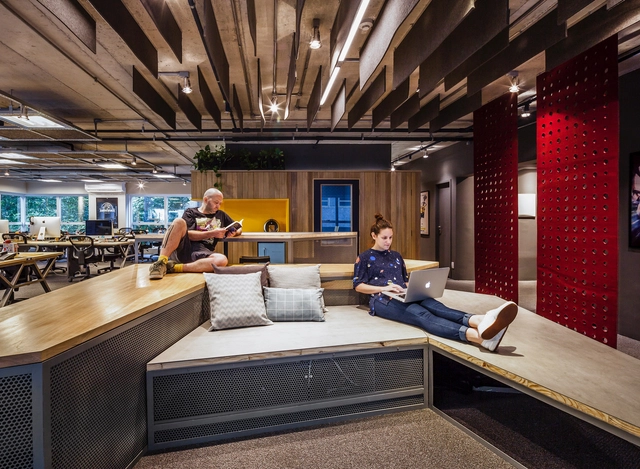
Winston Churchill once wisely stated, "We shape our buildings, and in turn, our buildings shape us," a reflection that highlights how architecture, in its dynamic nature, responds to functional needs and molds the experiences of its users. Workplaces have been no exception, evolving with the social and technological changes that have redefined our understanding of organizational interactions. Almost in the blink of an eye, the once-restrictive cubicles and closed offices have made way for open layouts, while hybrid models have transformed offices into destination spaces. Furniture elements like office pods are at the forefront of this change—balancing collaboration and privacy. Designed to adapt, they have continually evolved alongside the shifting demands of modern workspaces and their inhabitants.
https://www.archdaily.com/1025776/an-eden-within-the-workplace-flexible-pods-with-biophilic-and-human-centered-designEnrique Tovar
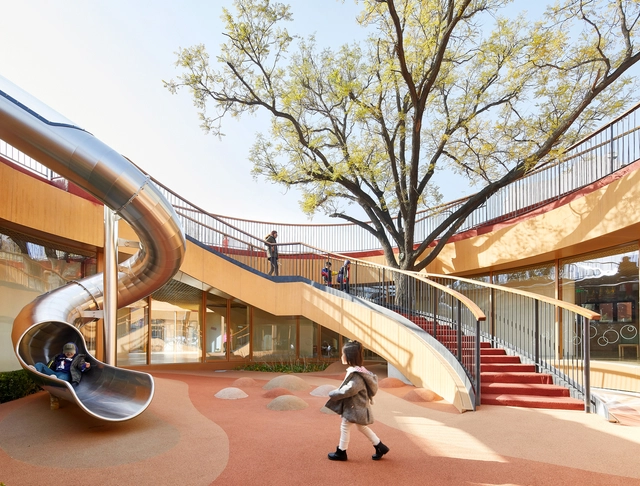
Today, the International Day of Education serves as a reminder of the significant impact that architectural design has on learning environments. From flexible classrooms that adapt to diverse teaching methods to outdoor learning areas that integrate natural elements, the architecture of learning spaces embodies the principles of pedagogy, offering opportunities for exploration, collaboration and creativity, all while maintaining a focus on the safety and comfort of all users. This selection of articles explores the potential of design to enhance learning outcomes through spatial exploration, be it inside the classroom, in outdoor spaces or by encouraging larger communities to part-take in the learning process.
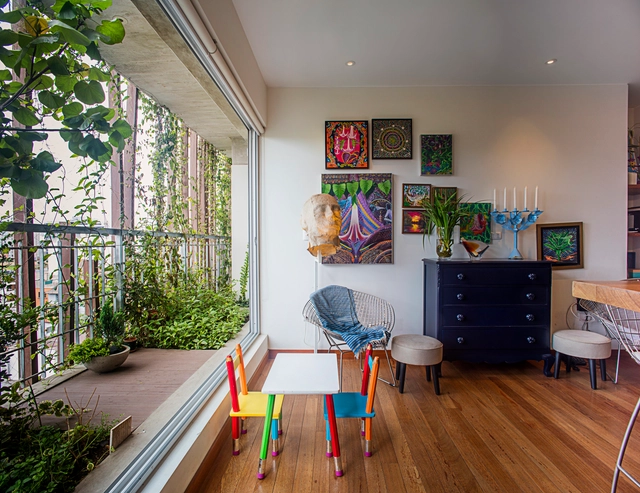
Urban living has become synonymous with limited space and creativity for compact apartments. As cities become more dominated by concrete and steel, there is an exciting, yet unsurprising, rise in interest in embracing the green thumb, even within the constraints of a dense urban environment. This interest is not purely to tend aesthetic tastes, as studies consistently show that exposure to nature reduces stress, improves focus, and enhances overall well-being. However, in dense urban environments, the challenge lies in finding innovative ways to make this vision a reality for apartments where every inch matters.
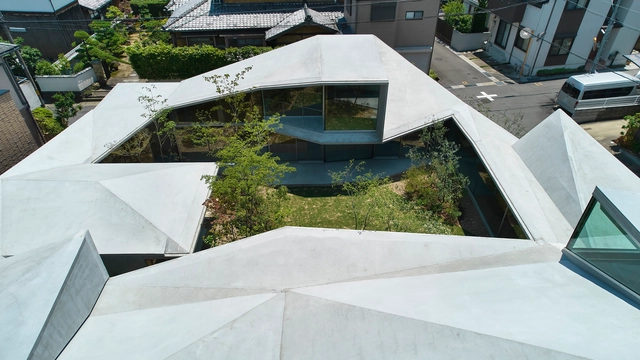
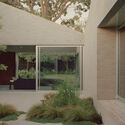
There are many advantages to incorporating interior courtyards in residential projects, both in urban contexts and in more natural surroundings. In both cases, they are a key element in improving the quality of the home's interior space in various ways. Whether in the form of a central cloister, side courtyards, or through perforated slabs and the addition of skylights, these spaces play a vital role in creating a harmonious living environment, offering benefits ranging from the regulation of interior temperature to enhancing social interactions and fostering a close connection with nature.
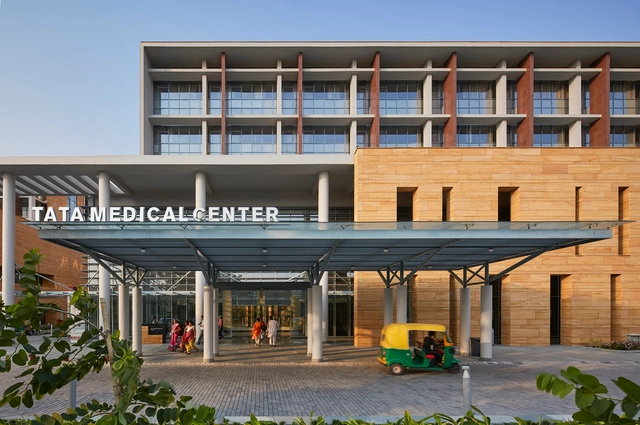
In a nation as diverse as India, the healthcare landscape presents wicked problems and plentiful opportunities. The country's hospital infrastructure has been increasingly strained in the areas of accessibility, quality, and equity, especially with a snowballing population growth. While urban development expands amidst these constraints, architects have been able to position innovative design solutions as mediators, also sealing the gap between urban and rural healthcare quality and accessibility in India.
Imagine stepping into an environment that fully understands you, knows your habits, and actively works to support your wellbeing as an occupant. Air quality might be monitored and managed, and occupant circadian rhythms might be tracked to suggest ideal states of productivity. Workplace designers have been considering occupant wellbeing and health in their designs for offices of the future. Hypothesizing what time ahead may contain, there is a strong case to be made for sentient architecture and interior design being disruptive forces in how we interact with our work environments.
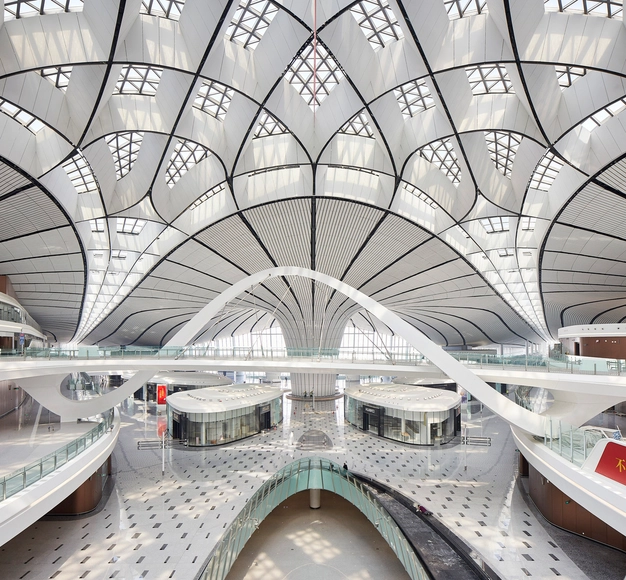
Modern airports have increasingly become symbols of architectural innovation, moving beyond their primary function as transportation hubs to become significant landmarks. A prominent trend in contemporary airport design is the use of curved forms to create fluid, dynamic spaces that enhance both functionality and visual impact. These curves, made possible by advancements in construction technology, allow for more flexible and expansive interiors, as well as designs that can better integrate with natural landscapes and improve passenger circulation and experience.
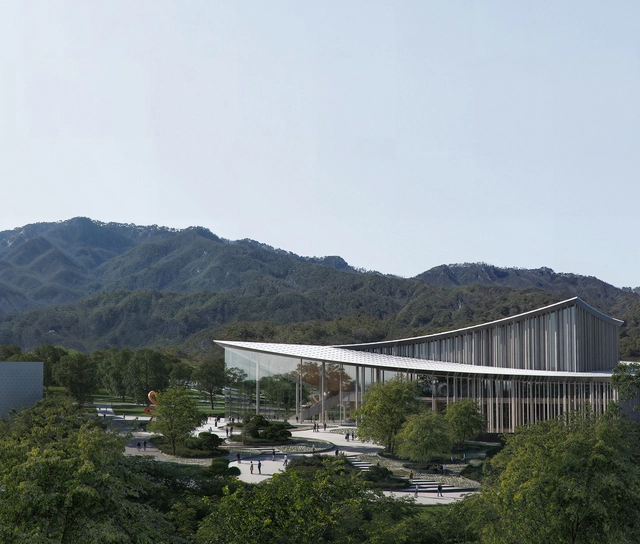
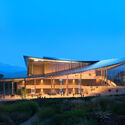
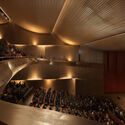
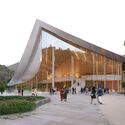
3XN has just won an international competition, which they were invited to participate in, to design the Chungnam Art Center in Chungcheongnam-do, South Korea. Designed in collaboration with SIAPLAN and MDA, the new art center aims to serve as a key destination for creative expression. Drawing inspiration from the dynamic movements of art, the center seeks to create a space where everyone can both experience and participate in the arts.
A holistic approach to design and architecture becomes apparent when we delve into the work of NO ARCHITECTURE, an architectural practice based in New York, founded by Andrew Heid in 2014. The firm's portfolio and research showcase an integrative way of building, with projects demonstrating a close connection between the built environment and their immediate surroundings, whether in natural landscapes or urban contexts. Their programs emphasize flexibility, possibilities, and inclusion, prioritizing human well-being above all.
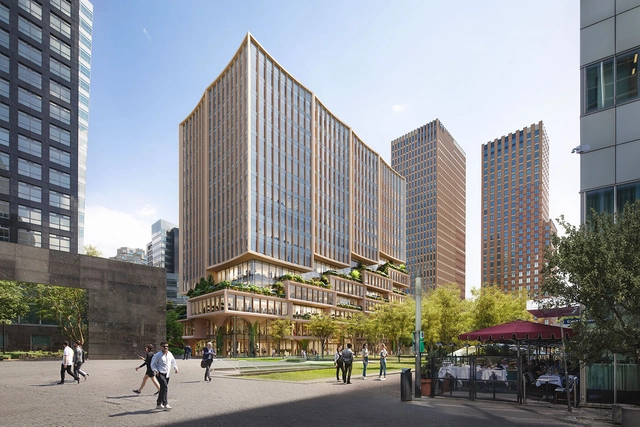
3XN GXN has revealed its design for Mahler 1, a 15-storey mixed-use office building. The structure, developed in collaboration with Victory Group, Icon Real Estate, and Erik Dhont Landscape Architects, features a hybrid-timber construction system that creates a stepped volume, breaking down the building’s mass. At the street level, the development offers a wide variety of public amenities, striving to become an active hub for both residents and office workers. The project is expected to begin construction in the first half of 2025 and conclude in late 2027.
“The Mindfulness City will be a sustainable city. To be mindful is to be aware — to perform best,” said Giulia Frittoli, partner and head of landscape at BIG. The Kingdom of Bhutan is a landlocked Buddhist country in the eastern Himalayas, nestled between China and India. It covers 14,000 square miles and has a population of nearly 800,000.
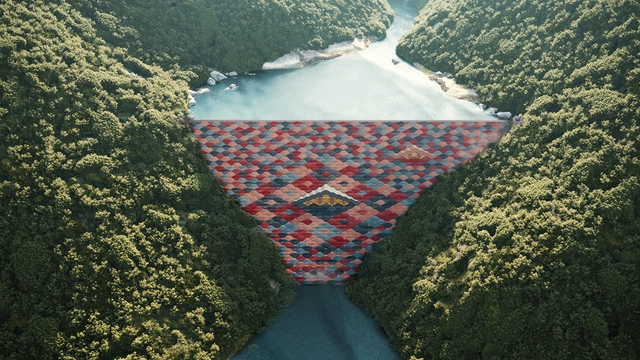
The Royal Office of Bhutan asked BIG, Arup, and Cistri to develop a plan for a new Mindfulness City in Gelephu in southern Bhutan, near the border with India. The city will span 386 square miles and include a new international airport, railway connections, hydroelectric dam, university, spiritual center, and public spaces.
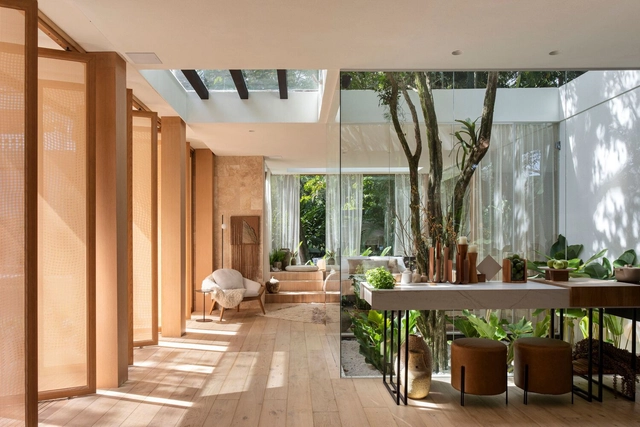
The early 20th century marked a pivotal era in Brazilian architecture with the advent of the modernist movement. Architects like Oscar Niemeyer or Lúcio Costa introduced avant-garde designs characterized by sleek lines, reinforced concrete, and a focus on functionality. What's more: residential projects of the era, in particular, blurred the lines between indoor and outdoor, flawlessly merging interior and exterior spaces to reflect a lifestyle that harmonizes with nature. Fast forward to the present day, and contemporary architects and designers in Brazil continue to embrace the challenge of creating indoor-outdoor homes that nod to the country's tropical climate. These residences often feature open floor plans, expansive glass walls, and strategic positioning of courtyards, gardens, or terraces with a design philosophy that emphasizes natural light, ventilation, and the incorporation of greenery for increased well-being. We take a detailed look at four recently completed residential projects in Brazil that fuse contemporary architecture, sustainable living, and a deep appreciation for their natural surroundings.
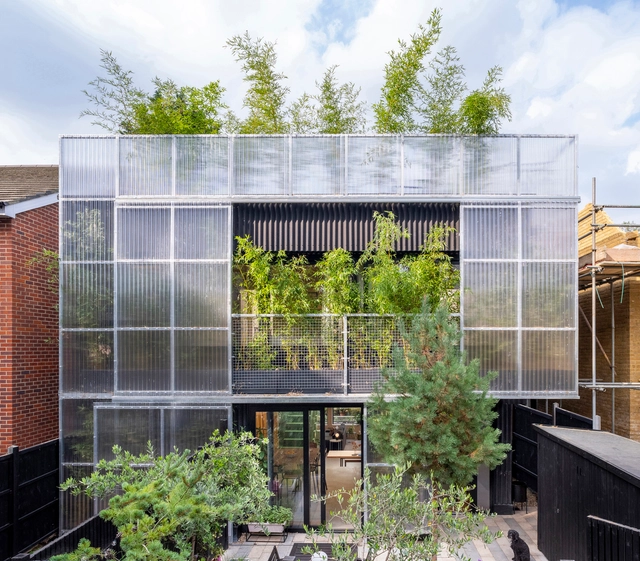
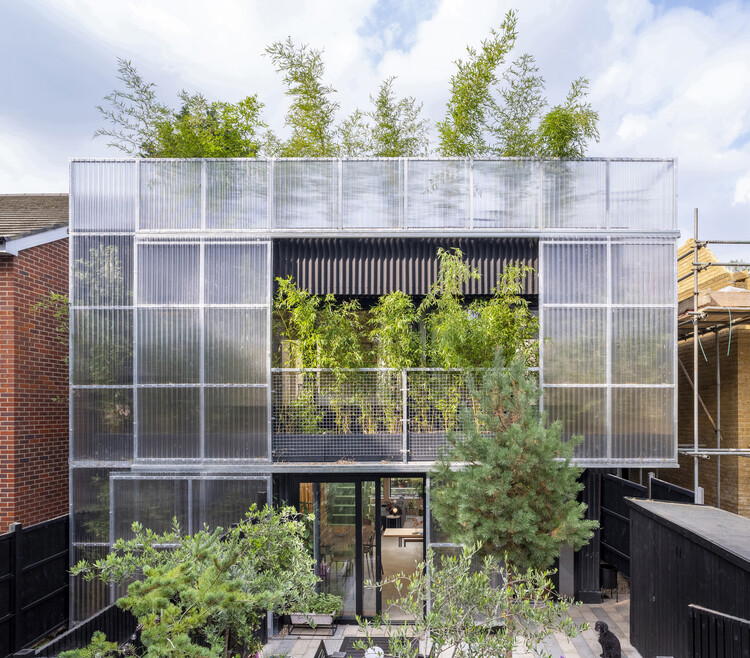
The 2023 RIBA House of the Year Award has been awarded to “Green House.” Designed by Hayhurst & Co, this polycarbonate-lined residential family home was inspired by nature. The annual award recognizes the house as the best example of residential design in the UK. Described as a “domestic greenhouse” and an “extraordinary ordinary house” by the RIBA jury, the design reflects nature’s ability to influence design.
There’s something about the saturated hues of blossoming springtime flowers and the fiery, warm tones of a sunset descending upon a cityscape that brings us joy. Humans crave color. In fact, we’ve been fascinated by them since the beginning of our existence. So much so that everything from the color of our clothes to the brightly illuminated pixels on this screen is an attempt to recreate –and enhance– the vibrant shades present in nature, finding in them a source of inspiration and vitality. Our brains are wired to link colors with sensations and experiences: the lush greens of a forest evoke feelings of tranquility and renewal, while the deep blues of the ocean stir a sense of mystery and adventure. It is this ability to elicit emotion that makes colors an invaluable tool for architects and designers –and which also explains why trends are moving away from the once-reigning neutral minimalism towards a more maximalist aesthetic that embraces pops of color, dimension and playful texture.
A simple walk in the park will relax even the most tightly wound individual. But what about the places where people spend far more of their time, such as schools, office buildings, and hospitals? What role can design play in incorporating nature into those environments? And at what additional cost? Bill Browning has published a book—The Economics of Biophilia: Why Designing With Nature in Mind Makes Financial Sense, 2nd Edition (written with Catie Ryan and Dakota Walker)—arguing that the cost of bringing nature into building projects isn't prohibitive but additive. An environmental strategist with a long history in green building, Browning is one of the founding partners (with architects Bob Fox and Rick Cook) of the sustainable design consultancy Terrapin Bright Green. Recently I talked with Browning about biophilic design—and, because he was a founding member of the U.S. Green Building Council's board of directors, about the strengths and shortcomings of the LEED rating system.
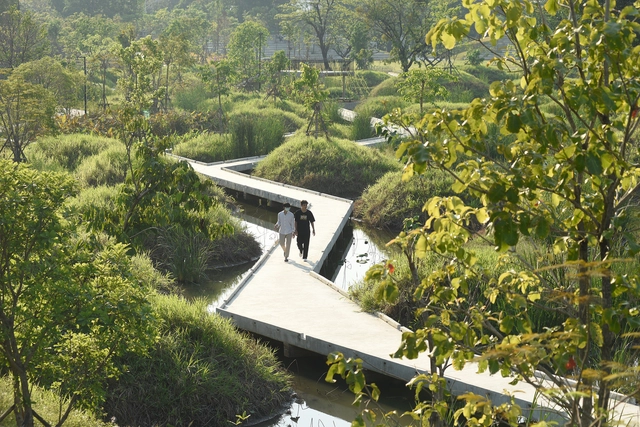
In an age where humanity's detrimental impact on the environment has become increasingly evident, the concept of rewilding is emerging as a powerful approach to conservation and ecological restoration. In line with growing attention on landscape architecture in recent years, the idea of removing human intervention from our natural surroundings in order to restore a stable equilibrium seems to offer a low-effort, ethereal way to right fundamental climate wrongs. But is a lack of meddling in nature really all there is to rewilding, and how does this relate to architecture and design? We look at key concepts, applications, and examples to find out.
Architecture has always had a complementary - occasionally codependent - relationship with water. The Roman Domus, the Baths of Diocletian and Caracalla in Rome, and Villa Adriana in Tivoli are some prominent historical examples of how water influenced the design of compositional architecture. In a more modern context, Frank Llyod Wright designed a residential retreat in which water is its protagonist, redefining the relationship between man, architecture, and nature. Nowadays, as architects shifts their focus towards a more contextual, sustainable, and user-oriented practice, the use of water in architecture has become indisputable; cooling interior spaces, providing natural air conditioning when combined with plants, exuding a sense of tranquility, and serving as an organic decorative element.