

Designed by Tomoon Architects & Engineers, in collaboration with Ison Architects, their second prize winning proposal for the Sejong Art Center is a cultural center for opera, music, dance, drama, art exhibitions, cinema, and all types of formal and informal performances. With a total program area of approx. 11,000 square meters, the architects proposed that all of the program elements be brought together into a single mass made as compact as possible, maximizing functionality and efficiency, while conserving open space. More images and architects’ description after the break. The center is composed of an opera house with 800 seats, a flexible black box theater with 300 seats, a cinema theater with 400 seats, an art gallery, a cultural center, a VIP lounge, a cafe and a restaurant. In addition there are other necessary spaces such as rehearsal rooms and administration offices, as well as parking. All of the major public spaces are accessed by a single common lobby which acts as an elevated platform and frame, providing views on one side to the city, and on the other, to the central park and the landscape beyond. The walls of the common lobby are glazed from floor to ceiling and sheathed in a metal mesh, so all of the pre-concert and concert activities can be seen from inside and outside, creating a visually rich dynamic environment for both audience and passersby. Also, because the art gallery, cultural center, café and restaurant are in close proximity, this ensures that the common lobby and all foyer areas will be used all throughout the day and into the evening. The compact building mass means that a variety of open and green spaces can be designed around the building. The northwest facing main entry plaza contains water features to attract people coming from the city. In addition the main entry stairs form a grand backdrop leading to the magnificent view of the opera house, the black box theater, and the cinema behind the glazed common lobby wall. The east facing rear plaza is more informal and park-like and is designed so that it can accommodate a wide variety of outdoor performances in addition to providing wide scenic views of the park and surrounding landscape. The north entry plaza is conceived as a vibrant café / cultural plaza. The opera house is in the shape of the classic horseshoe which provides excellent acoustics and good sightlines from all areas of the hall. The black box theater has been designed for good acoustics and for maximum flexibility in stage and seating configurations to accommodate a variety of performance settings and events. The Sejong Art Center is a culture center for the 21st century, bringing a state-of-the-art cultural facility to Sejong City that is a new symbol for the new city. It is a place to enjoy and contemplate culture, the city and nature, and provides a wonderful place for relaxation and enjoyment for all people and citizens. Architects: Tomoon Architects & Engineers, in collaboration with Ison Architects Location : Nasung-dong, Sejong, South Korea Project Architects: Cha Yong-wook, Son Jin Project Manager: Choi Jae-won Project Team: Shin Eun-ho, Choi Jong-bae, Peter Oh, Lee Joon-ho, Lee Doo-hyeong, Lee Woo-joo, Choi Min-wook Acoustics: OSD Engineering & Consulting Stage: TSD STAGE Structural Engineers: Hyung-sang Engineering Mechanical Engineers: Sahm-shin Engineers Electricity / Telecommunication: Young-Kwang Enginneering CG: 3D Focus Architectural Model: OPUS Site Area: 43,493㎡ Building Area: 11,009㎡ Gross Area: 15,205㎡ Structure: Reinforced Concrete + Steel Structure Material: White Tile, Metal Fabric, Wood, Stone Total Stories: 4 Floors Parking: 354 Project Period: December 2012 – March 2013
Cultural Center: The Latest Architecture and News
Sejong Art Center 2nd Prize Winning Proposal / Tomoon Architects & Engineers + Ison Architects
Famen Temple Zen Meditation Center Winning Proposal / OAC
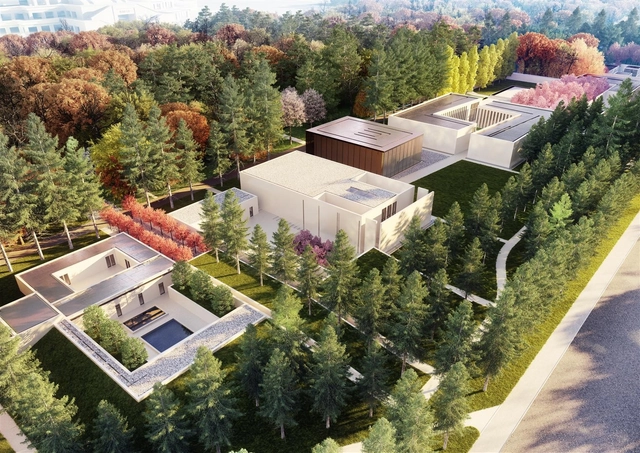
Following OAC’s win in the international design competition and completion of the master plan for the Famen Temple Zen Meditation Center in 2012, the architects recently completed the schematic designs for the buildings, landscape, and experiential features and art installations for meditation in the first phase of the project called the ‘Eightfold Path Forest’. As part of the new cultural master plan development on the site of the renowned 1,800 year-old Famen Buddhist Temple (aka Dharma Gate Temple) outside Xi’an, China, this project is one of the largest architectural and landscape commissions in the world focused around an historic religious temple.More images and architects' description after the break.
Kronverk Cinema / Robert Majkut Design



La Luciole Concert Hall / Moussafir Architectes Associés


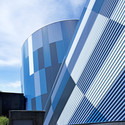
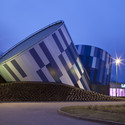


Israel National Library Competition Entry / Gil Even-Tsur
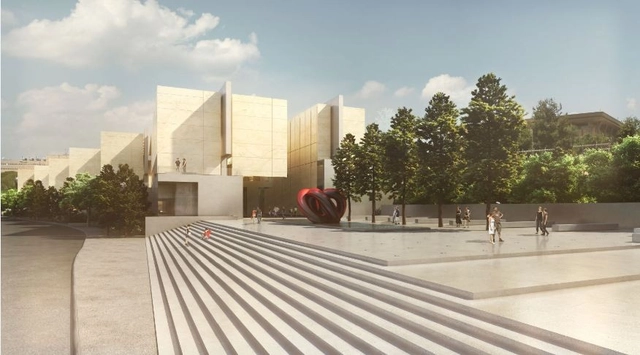
Designed by Gil Even-Tsur Architecture Workshop, their concept for the new National Library suggests that the architecture should be critical, strong, but also deferential and contextually responsive. Their intent is to display an almost aesthetic neutrality in terms of its form, assemblies, and materials by providing an architecture that acknowledges this complexity. More images and architects’ description after the break.
Orange Regional Museum Winning Proposal / Crone Partners

Organically revealing itself from the ground, the Crone Partners' winning design for the Orange Regional Museum aims to respectfully integrate a new building and program to the existing cultural precinct. Additionally, the architects intend to create a new identity whilst strengthening current civic conditions within the site. More images and architects’ description after the break.
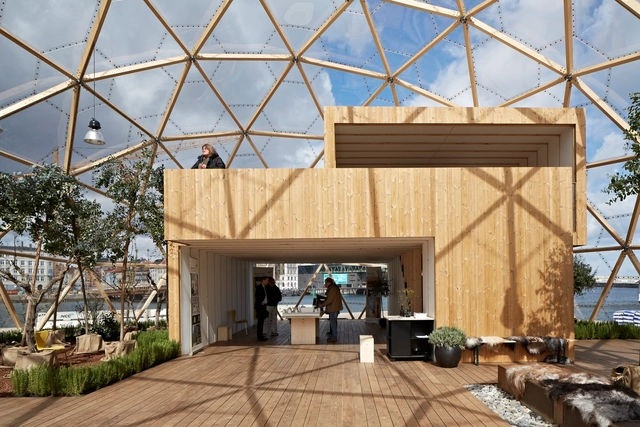
Dome of Visions / Kristoffer Tejlgaard + Benny Jepsen


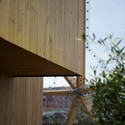
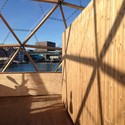

Anting Culture and Sports Activity Centre / Atelier Z+

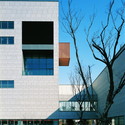
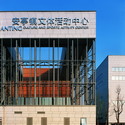
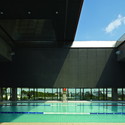
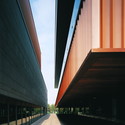

-
Architects: Atelier Z+
- Area: 16171 m²
- Year: 2010
-
Professionals: Shanghai Xinchang Construction Co.Ltd.
'Neither Cloud Nor Rock' Proposal / RAUM
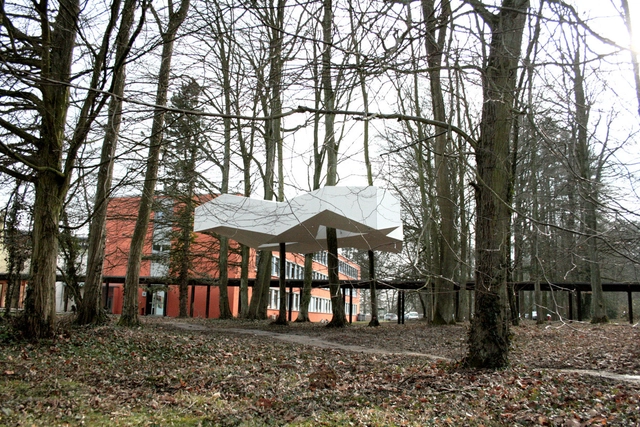
Raum Architects shared with us their recent project titled 'Neither Cloud nor Rock', an art installation for the National Institute of Agricultural Research in Nancy. The piece covers an exterior area intended to people who work there, opposite to the restaurant. It protects researchers from rain and sun. The object floats, clinging to the trees, and moves with them. More images and architects' description after the break.
Shenzhen Qianhai Exhibition Center / MENG YAN | URBANUS
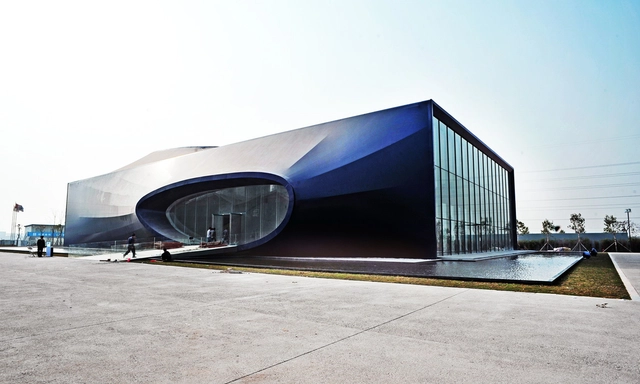


Architects
Location
Liyu Men of the Dongbin Avenue, Nanshan District, Shenzhen,ChinaPhotographs
Courtesy of Wu Qiwei Lin Ting
Where?House / SASHIMI architecture + design
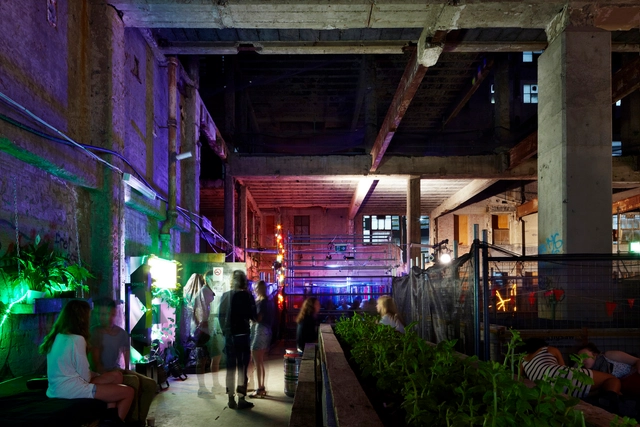


-
Architects: SASHIMI architecture + design
- Year: 2012
-
Professionals: 4ward Productions, Form, Projection Teknic
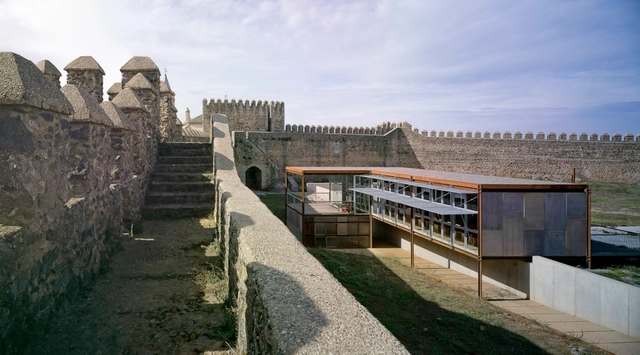
Castillo de Cumbres Mayores Rehabilitation / Republica DM
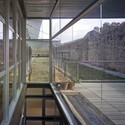
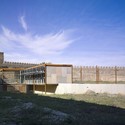
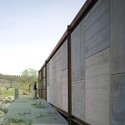

-
Architects: Republica DM
- Area: 3362 m²
Green Square Library Competition Entry / ASPECT Studios
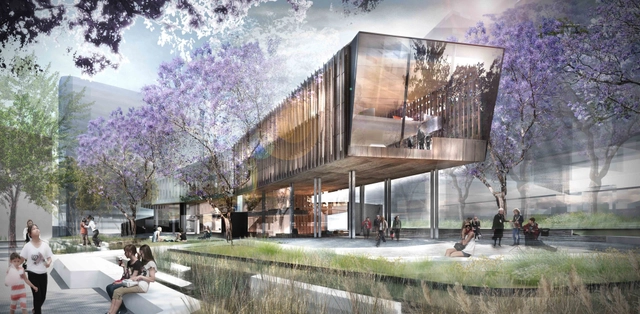
Part park, part urban square and part garden, the public realm of the Green Square Library proposal is a unique landscape offering to this new urban community and is an exemplar of contemporary community public space design and place making. Designed by ASPECT Studios, the public realm is designed to integrate with the program of the library building and facilitate a richness of public experiences and moods by changing scales and tempos. More images and architects' description after the break.
Architecture Classics: Torre SRE Tlatelolco / Pedro Ramírez Vázquez


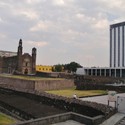
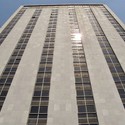
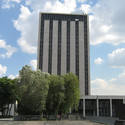

-
Architects: Pedro Ramírez Vázquez
- Area: 37000 m²
- Year: 1960
National Maritime Museum Competition Entry / Holm Architecture Office (HAO) + AI
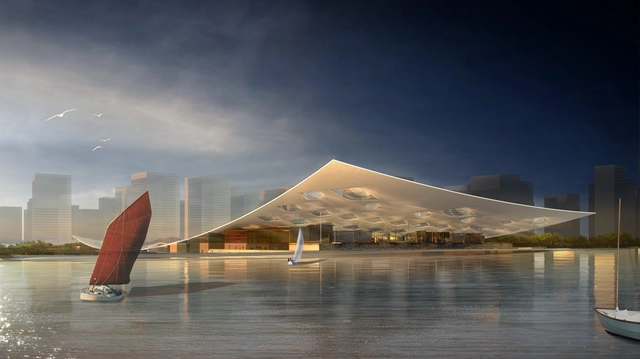
Situated outside the city of Tianjin in Northern China, the proposal for the new National Maritime Museum is designed to house both new and old maritime items with a focus on celebrating the historical achievements of Chinese naval exploration through out time. Designed by Holm Architecture Offce (HAO) + AI the museum combines all aspects of the maritime world, from aquarium to sailing to education, combining a series of unique visitor experiences under one roof. More images and architects’ description after the break.
Iberia Center for Contemporary Art / Approach Architecture Studio




Taronga Zoo / BVN

Moscow Polytechnic Museum and Educational Center Competition Entry / 3XN
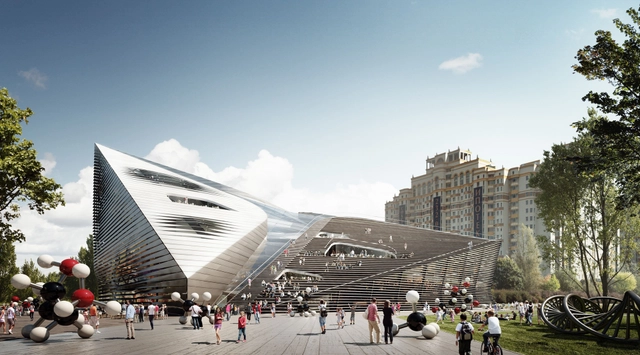
With the aim to be a meaningful building beyond its iconic form, the new Museum & Educational Center (MEC), designed by 3XN, is about connecting with people, while opening up the world of science, technology, innovation and Russia’s extraordinary achievements in these domains. Through both an internal and external architectural expression of flexibility, this proposal, which was a finalist in the international competition, recognizes that architecture shapes behavior. More images and architects' description after the break.