1. ArchDaily
  2. Heat Island Effect

Heat Island Effect: The Latest Architecture and News

A New Digital Tool Allows Users to Investigate Spatial Equity across New York City’s Communities

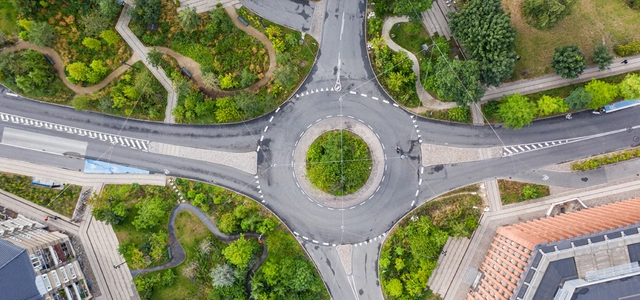
The Transportation Alternatives and the Massachusetts Institute of Technology have initiated a new digital tool, Spatial Equity NYC, to help users understand how space is distributed and restricted across the neighborhoods of New York City. The tool asses the use of streets, sidewalks, and public spaces, as they are key factors that influence data such as pollution, traffic fatalities, accessibility, or air quality. The data collected shows a direct correlation between neighborhoods with low-income communities and communities of color and the detrimental ways in which public space is used, leading to health and mobility issues in those communities.

A New Digital Tool Allows Users to Investigate Spatial Equity across New York City’s Communities - Image 1 of 4A New Digital Tool Allows Users to Investigate Spatial Equity across New York City’s Communities - Image 2 of 4A New Digital Tool Allows Users to Investigate Spatial Equity across New York City’s Communities - Image 3 of 4A New Digital Tool Allows Users to Investigate Spatial Equity across New York City’s Communities - Image 4 of 4A New Digital Tool Allows Users to Investigate Spatial Equity across New York City’s Communities - More Images+ 4

XZero City is Kuwait’s Proposal for a Self-Sufficient Smart City

Kuwait is planning a 1,600-hectare development that will provide residential units, jobs, and amenities for 100,000 residents. Developed by URB, the ambitious project aims to promote a sustainable lifestyle with high standards of living, yet a low impact on the environment. The masterplan for the smart city is designed to optimize density and amenities distribution to create a walkable city, while also optimizing the green space ratio. This will help mitigate the effects of rising temperatures and the urban heat island effect. The green transportation systems and dedicated cycling tracks will make this a car-free city, apart from a ring road that allows for limited vehicular access. The city also promotes a circular economy that aims to provide food and energy security for the residents.

XZero City is Kuwait’s Proposal for a Self-Sufficient Smart City - Image 1 of 4XZero City is Kuwait’s Proposal for a Self-Sufficient Smart City - Image 2 of 4XZero City is Kuwait’s Proposal for a Self-Sufficient Smart City - Image 3 of 4XZero City is Kuwait’s Proposal for a Self-Sufficient Smart City - Image 4 of 4XZero City is Kuwait’s Proposal for a Self-Sufficient Smart City - More Images+ 7

Barcelona Prepares Climate Shelters to Keep Residents Cool During the Summer Months

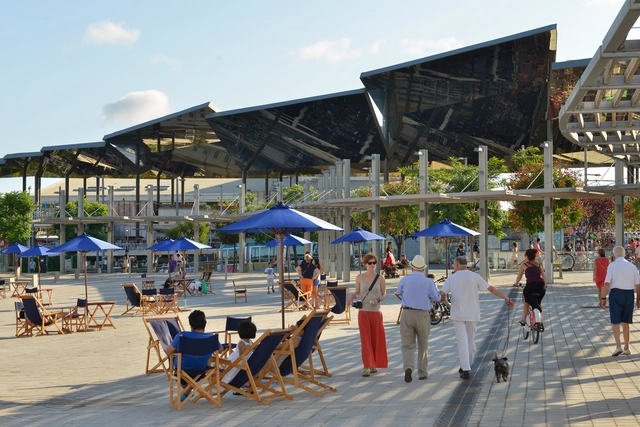
Cities across the Northern Hemisphere are preparing for the upcoming summer months, which are expected to be warmer and drier than average. The European Center for Medium-Range Weather Forecasts warns about temperatures rising above the norm in central and southern Europe this summer. Similarly, the forecast for the Unites States predicts hotter weather and below-average rainfall likely to fuel a megadrought. This poses threats for citizens, especially in larger cities, where heat-absorbing asphalt and waste heat generated by energy use create a “heat-island” effect. It translates to temperatures being up to 10°F (5.6°C) warmer in cities compared to the surrounding natural areas.

Barcelona Prepares Climate Shelters to Keep Residents Cool During the Summer Months - Image 1 of 4Barcelona Prepares Climate Shelters to Keep Residents Cool During the Summer Months - Image 2 of 4Barcelona Prepares Climate Shelters to Keep Residents Cool During the Summer Months - Image 3 of 4Barcelona Prepares Climate Shelters to Keep Residents Cool During the Summer Months - Image 4 of 4Barcelona Prepares Climate Shelters to Keep Residents Cool During the Summer Months - More Images+ 2

Cities are Taking New Measures to Mitigate Heatwaves

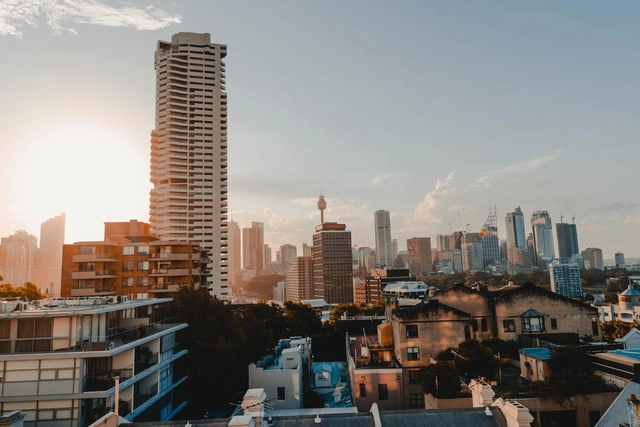
Prolonged heatwaves have been increasingly common in recent years, and cities are devising various strategies for combating the urban heat island effect. As Sydney experienced blistering summer temperatures of up to 50 degrees Celsius, the authorities have recently banned dark roofs on new homes and mandated lighter-coloured alternatives to reflect solar radiation. In Europe, Athens has taken the example of Miami and hired a Chief Heat Officer, tasked with finding coping strategies as the city confronts with heatwaves and wildfires that prompted a large number of residents to vacate the capital.

Cities are Taking New Measures to Mitigate Heatwaves - Image 1 of 4Cities are Taking New Measures to Mitigate Heatwaves - Image 2 of 4Cities are Taking New Measures to Mitigate Heatwaves - Image 3 of 4Cities are Taking New Measures to Mitigate Heatwaves - Image 4 of 4Cities are Taking New Measures to Mitigate Heatwaves - More Images

Urban Heat Islands Are Increasingly Dangerous, But Planners and Designers Have Solutions

For this month, The Dirt and author Jared Green share with us a study about urban heat islands, exploring new approaches that have been designed to both reduce urban temperatures and help communities adapt to a hotter world, In three cities: New York City, Copenhagen, and Abu Dhabi.

Mask Architects Design Cooling Stations for Abu Dhabi's Urban Heat Island

Mask Architects has been named one of ten winning teams in the Cool Abu Dhabi a global design competition. Their proposal, The Oasys, is a system where residents of Abu Dhabi can relax and enjoy outdoor spaces without feeling the heat. Selected from more than 1,570 participants across 67 countries, the project aims to tackle the effects of climate change through a localized solution for the urban heat island effect.

Mask Architects Design Cooling Stations for Abu Dhabi's Urban Heat Island - Image 1 of 4Mask Architects Design Cooling Stations for Abu Dhabi's Urban Heat Island - Image 2 of 4Mask Architects Design Cooling Stations for Abu Dhabi's Urban Heat Island - Image 3 of 4Mask Architects Design Cooling Stations for Abu Dhabi's Urban Heat Island - Image 4 of 4Mask Architects Design Cooling Stations for Abu Dhabi's Urban Heat Island - More Images+ 13

Los Angeles Is Painting the Streets White (Again), and Your City Might Be Next

Last spring, the Los Angeles Bureau of Street Services tested a new, creative approach to combat the rising temperatures in the city center. The pilot project covered one neighborhood street in each of the LA's 15 council districts with CoolSeal, a more reflective asphalt-based coating developed by California-based company GuardTop. After seeing a difference of 11-13 degrees Fahrenheit on the coated streets, Los Angeles and other cities plan on implementing more reflective roofs and pavements to reduce the side effects of "heat islands."

More on the CoolSeal coating and the fight against heat island effect after the break.