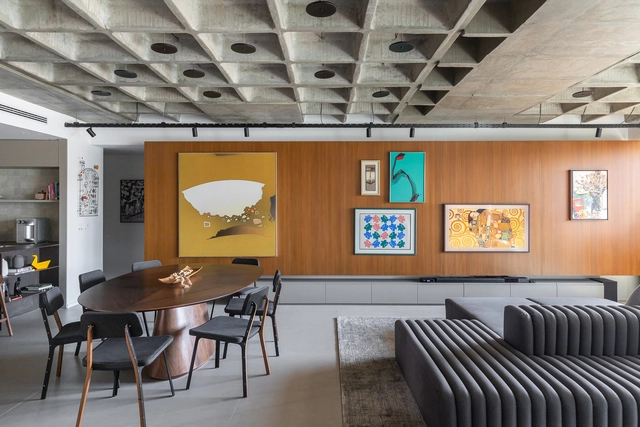
As true spatial orchestrators, architects’ expertise extends beyond the mere construction of buildings, often transcending the physical realm of design. They possess the unique ability to craft spaces that are not only visually appealing, but that also feel welcoming, harmonious, and, above all, functional. Embracing this vital role involves careful consideration of all the bits and pieces that make up a project; from a building’s foundations to a sofa, architects must ensure that all the elements, in every scale, tie together in a way that is cohesive and positively influences our everyday lives.
Some architects have left their mark on history; one such case is Antonio Gaudí. Through his nature-inspired conceptions, he became the foremost representative of Catalan modernism. The impact of Gaudí's work can be seen on various architectural scales, including the Sagrada Familia, Parc Güell, Colònia Güell, Casa Milà, and Casa Battló, the latter being an iconic landmark of Barcelona’s architecture.
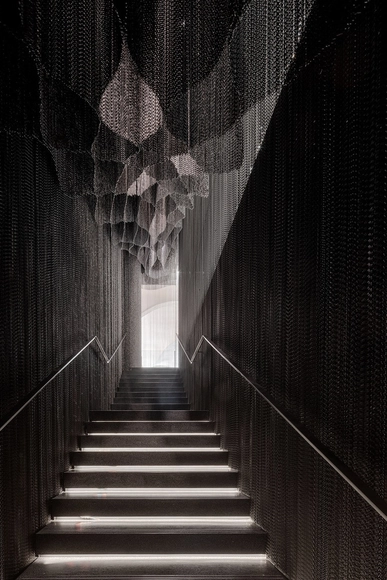
Casa Battló emerged from the renovation of an 1877 building, which was acquired in 1903 and subsequently commissioned to Gaudí for its transformation. Inspired by animal forms, particularly those of the ocean, the facade and interior were renovated using curves and a combination of vibrant colors. This intervention marked a turning point for the house, as it significantly changed the facade, redistributed the interior, and provided a sublime interaction with natural light. Following the nature of the renovation that began with Gaudí, a new interior project for the stairs and atrium of Casa Batlló was developed in 2021. This renovation is the result of a dialogue between the anodized aluminum chains developed by Kriskadecor and the abstraction of the ingenious use of light in Casa Batlló through Kengo Kuma's design.
https://www.archdaily.com/1001552/metallic-layers-in-dialogue-with-light-an-abstract-intervention-at-casa-batlloEnrique Tovar
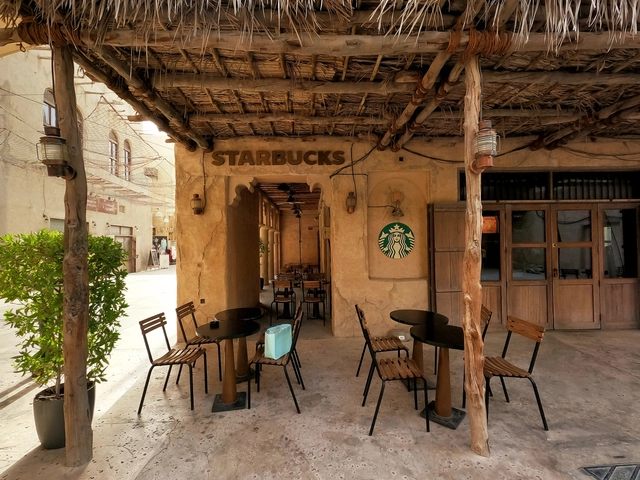
Two years ago, Starbucks' branch in Al Seef, Dubai captivated the internet with its contextual design. Located in the oldest part of Dubai, the renowned coffee outlet boasts a thatched roof, mud-like exterior finishes, traditional screens, and wooden furniture, all of which retain the picturesque charm of the landscape. The design not only garnered immense attention on social media but also attracted curious customers to the store. Effortlessly blending in with its regional context, the Al Seef branch has become an integral part of the locality. The store is one of Starbucks' many efforts at regionalizing its international outlets to create authentic connections with customers. In an era where consumers crave meaningful connections, regionalism in retail design emerges as a powerful design strategy.
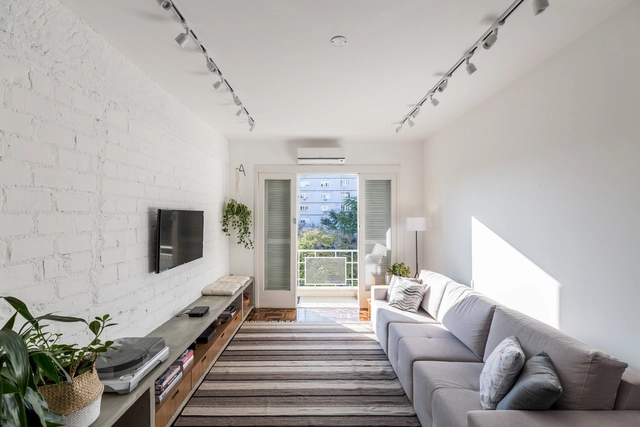
Old and compartmentalized plants, small openings, and lower floors receive scarce natural light. Improving natural lighting in an apartment can be challenging. However, some strategies can help maximize light entry into interiors and bring benefits such as comfort, spaciousness, well-being, and energy savings.
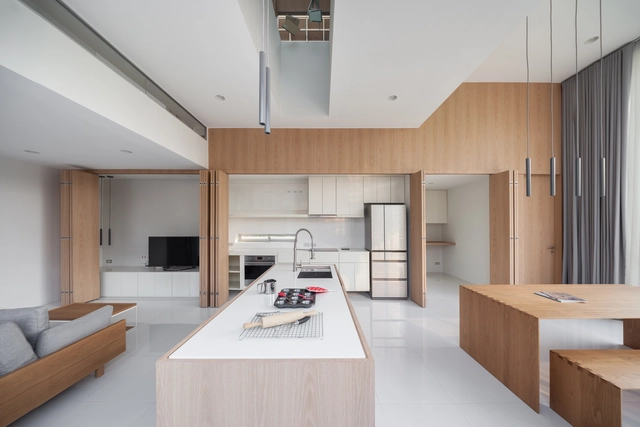
While the kitchen is a ubiquitous part of almost every home—and, in many cases, is considered symbolic of domestic living entirely—it can also take up precious space, produce visual clutter, and detract from the minimalist aesthetic of an otherwise sleek, modern home. For some homeowners, the solution is simply to keep the kitchen clean and organized at all times. But for some innovative contemporary architects and their clients, the solution is to design a compact, concealable kitchen that can quickly and easily be shuttered out of view. Below, we discuss several examples of hidden kitchens, as well as some common techniques and strategies for designing them.
Change is hard, especially when it’s being forced upon you. But change can often be a good thing, too. Forcing growth and refreshing vitality. Those first few months after a child flies the nest are the hardest to bear when having to get to grips with the new normal of a quiet, lonely household.
Just as many soon-to-be-parents hit a sudden period of ‘nesting’ before the stork’s arrival, those on the other end of the child-rearing timeline experience an opposing feeling of grief when their home with a child reverts back to one without. Feelings of emptiness, loneliness, and a lack of purpose are joined by anxiety for them and their new life, and the loss of parental identity.
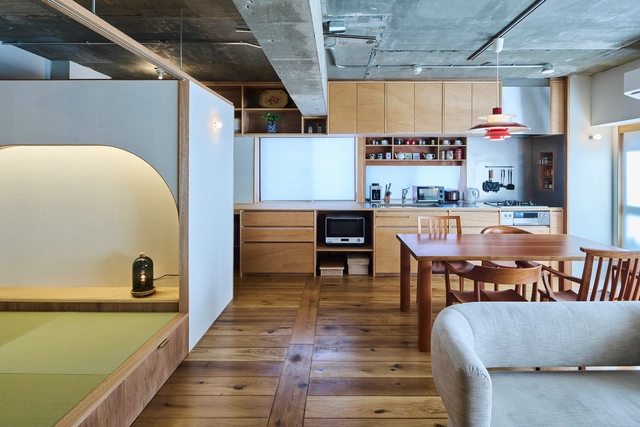
room206 Apartment / Daiki Awaya. Image Courtesy of Daiki Awaya
Kitchens encapsulate the essence of culture, acting as dynamic museums that preserve age-old recipes, processes, and traditions. Influenced by ethnic practices and culinary customs, kitchen architecture varies greatly across continents. In this context, kitchens transcend their domestic role and become insightful manifestations of cultural, societal, and regional factors. They not only serve as functional spaces for cooking and meal preparation but also stand as reflections of the rich tapestry of culture and lifestyles embraced by the individuals who inhabit them.
The Second Studio (formerly The Midnight Charette) is an explicit podcast about design, architecture, and the everyday. Hosted by Architects David Lee and Marina Bourderonnet, it features different creative professionals in unscripted conversations that allow for thoughtful takes and personal discussions.
A variety of subjects are covered with honesty and humor: some episodes are interviews, while others are tips for fellow designers, reviews of buildings and other projects, or casual explorations of everyday life and design. The Second Studio is also available on iTunes, Spotify, and YouTube.
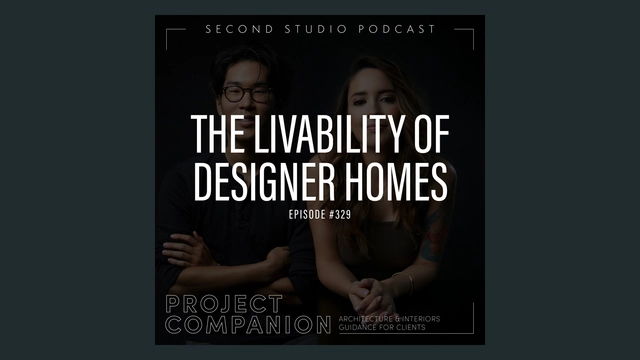
This week David and Marina, Partners at FAME Architecture & Design discuss the livability of designer homes. The two cover designing for function and aesthetics, material resilience, lifestyle changes, space efficiency, designing based on reference images, and the benefits of adapting to design-forward living environments.
https://www.archdaily.com/1001273/the-second-studio-podcast-the-livability-of-designer-homesThe Second Studio Podcast
The tropical climate is famous for its exuberant flora. It's no wonder that architectural projects in the region maintain a constant dialogue between nature and the built environment. Biophilia's benefits to users are not news, after all. However, high temperatures, frequent rains, and high humidity levels present unique challenges for reconciling the connection between the interior and exterior with the construction of houses that are comfortable and efficient over time. In the search for solutions that meet needs and demands, we have selected residential projects that appropriate the context to become unique in this environment.
Making a space more practical, facilitating daily tasks, creating unity in interior design, providing different possibilities for an area without modifying it, and adding beauty are not easy tasks. Still, some elements are essential for achieving them: cabinets and shelves.
The main purpose of public houses and eateries is to provide customers – both individuals and groups – with an environment and an atmosphere in which to release the stresses of their day or week so far, either with a quiet drink in a quiet corner, or in larger, more social groups.
Even before COVID brought with it more permanent closing times, the rise of on-demand TV and food delivery services meant that staying ‘in-in’ –with the comforting embrace of their pillow just a short hike up the wooden hill to Bedfordshire– was becoming a more popular choice. Perhaps it’s no surprise, then, to see the growing emergence of establishments that offer more active entertainment than a quiz night and karaoke box.
Here are five examples of bars and restaurants designed for life’s players.
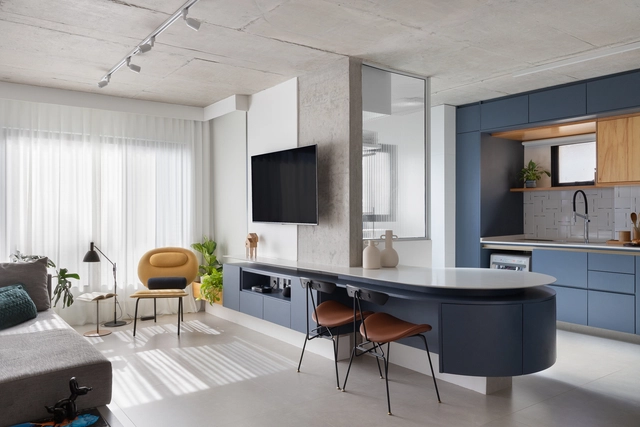
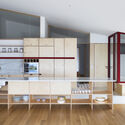
Flexibility and open spaces are themes in contemporary house design. Multifunctional spaces and creative storage solutions are more than welcome when seeking easily adaptable environments to meet owners' constantly changing needs. To give you some fresh inspiration, we have selected ten projects that feature countertops that integrate different programs and serve more than one function in the home.
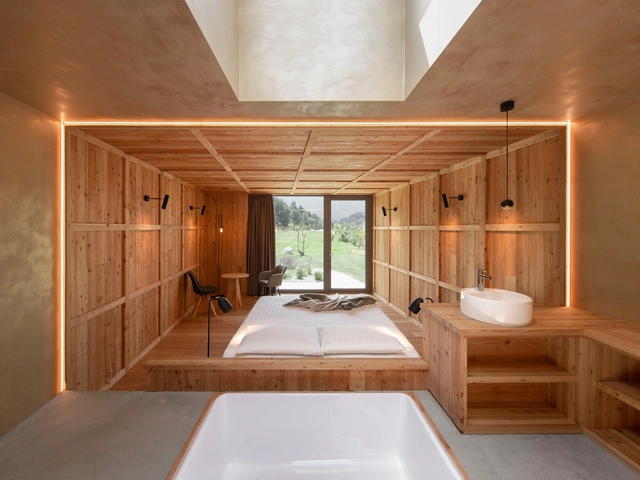
The importance of lighting in interior design cannot be overstated: done right, it not only accentuates a space's architectural features but also makes inhabitants feel at ease. As Carmelo Zappulla of Lighting Studio External Reference explains in an interview with Architonic, light is a crucial tool to add an emotional element and 'animate a space.'
There are a plethora of artificial lighting options to choose from. Which works best is usually determined by the nature of the interior they're in and the desired spatial effect. One of the most common is indirect lighting. This technique uses fixtures to aim light onto surfaces that act as reflectors, softening the emitted rays to prevent pillar-like, bulky beams in favor of a more evenly distributed glow.
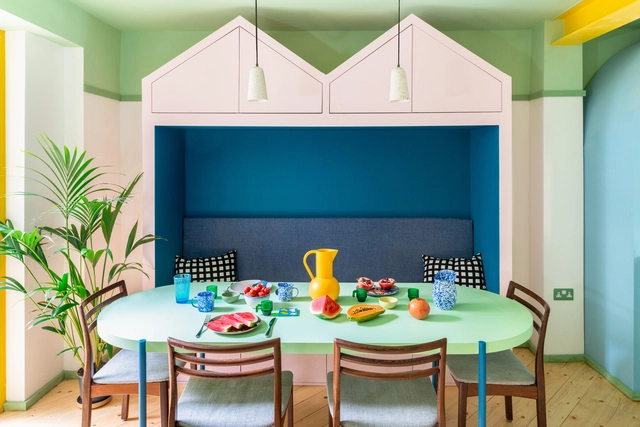
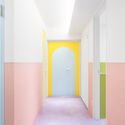
Though it has long been assumed that newborns don't see color at all, more recent studies have shown that they can indeed distinguish between different shades. And even though young minds may not fully realize what they're looking at, the impression and effect of a bright visual still elicit a potent response. This remains true throughout our lifetime: colors can influence our feelings in powerful ways. Architects and designers have long employed this to their advantage, especially when it comes to interior spaces. Whether it be to highlight specific architectural features, create certain moods, distinguish areas in open concept layouts, or brighten a room with its finishing touches, colors are a pivotal tool for professionals throughout the design process. The combination of multiple bold shades — color blocking — in particular can be a success if done right.
Some would say it's the fresh air, peace and quiet, and some the constant closeness to nature; nonetheless, we all agree there’s something unique about the countryside. As you step inside a farmhouse, all of these qualities can be reflected through the lense of contemporary interior design, creating a welcoming, light and calm ambiance. Known for their place in rural or agricultural settings and designed for farm living, traditional 1700’s farm houses –also known as “folk” houses– were initially influenced by their geographical conditions, enhancing the relationship with the environment. While conserving traditional approaches such as simple floor-plans, gabled roofs and large porches, farmhouse aesthetics have gone through transformations to adapt to contemporary ways of living. By reusing and using traditional rural architecture as a direct reference, we analyze how current projects follow its singular design strategies: noble materials, spaces connected to the environment, and simple and functional spaces with unique details.
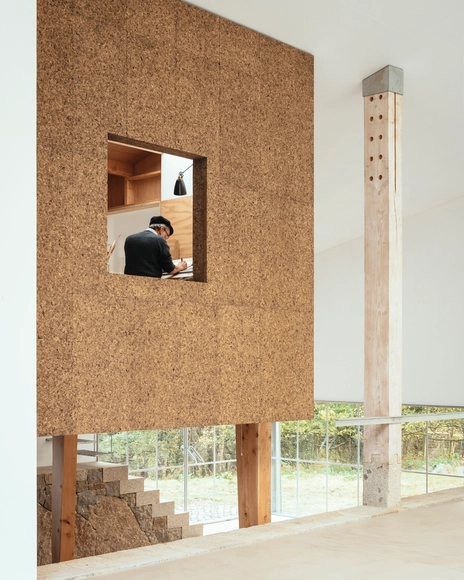
How can we transport ourselves to natural environments when we are in completely urban situations? The materiality of our surroundings is an important factor that determines the atmosphere we inhabit. In many cases, the use of natural materials in interior architecture can help evoke nature in our daily spaces. In this article, we will specifically analyze the effect that cork has as a special resource in the design of interior spaces. Cork is the bark of a tree species called cork oak. When extracted from the tree, it is transformed into a useful raw product and can be applied to a variety of different uses.
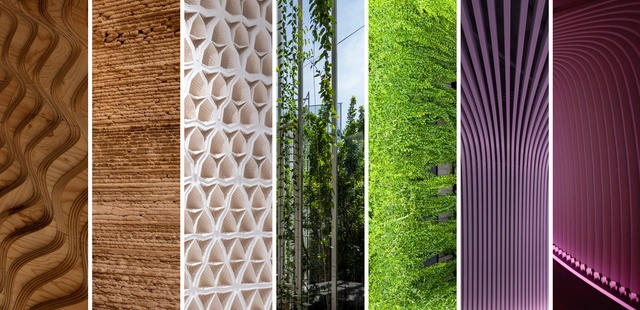
How are contemporary homes pushing the boundaries of innovation for the future? Currently, these spaces tend towards clean lines, neutral colors and flexible spaces, with the integration of technological features and automation. But even though there are certain timeless features that define neutral contemporary interiors, we can begin to identify future trends by analyzing architectural projects that differ from the traditional, recognizing disruptive interior materials and finishes guided by technological advances that are shaping complex and changing homes of the future. The selection of these innovative materials conveys a meticulous decision process in building the structure and identity of a space. Depending on the context and typology of a space, there is a growing awareness of how materials impact an environment, and how new technologies are creating smart solutions that can mitigate their effects indoors.
Artificial intelligence (AI) is playing a key role in visualizing the interiors of the homes of the future, and together with the exploration of biophilic, intelligent and 3D-printed materials, is stimulating new ways of approaching how we will live indoors moving forward.
Housing is one of the primary aspects of the architecture profession. There are many ways to explore it, from a subordinate program such as a religious cloister to the splendor of a single-family home. Luis Fernández-Galiano is torn between the "waste" of a low-density area in this type of housing and its seductive formal charm. He reminds us that high-density collective housing, such as apartments, makes more sense in an urban context.