Videos
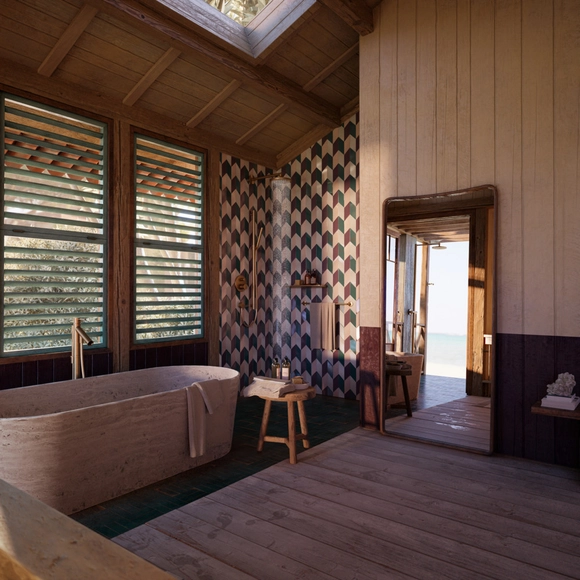
AXOR Starck. Image Cortesia de AXOR / Hansgrohe SE
The practice of frequenting public baths was common in civilizations such as the Greeks, Persians and Byzantines, but it was the Romans who popularized their use as places of socialization and purification. These bathrooms were communal and people sat side by side in a collective latrine. The modern bathroom, more similar to what we know today, began with Sir John Harington and his invention of the first flush toilet in 1596. Another crucial advance occurred with Alexander Cummings in 1775, which included a siphon within the toilet to retain gases and odors. But it was only when houses were equipped with running water and effective drainage in the second half of the nineteenth century that the modern private bathroom emerged: a bathroom, a sink and a bath place, which can be a shower or a bathtub. The basics have remained almost unchanged since then, with a few cultural variations in different parts of the world.
These days, the bathroom is a space that goes far beyond its function. With numerous options on the market, it can be designed with the most diverse aesthetics in mind, become a space for relaxation or a design statement in an interior design project.
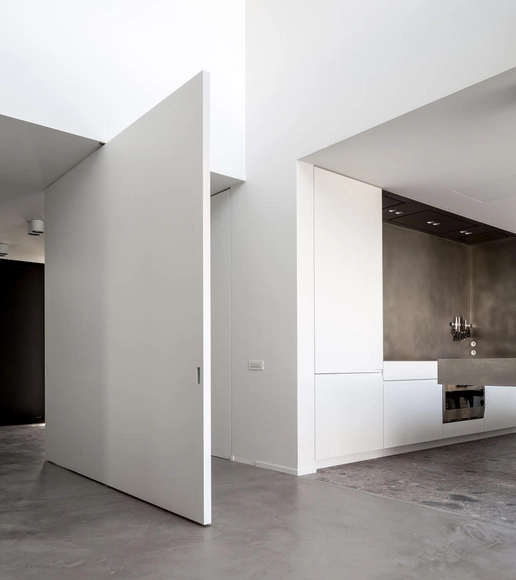
Big White Pivot Door / FritsJurgens. Image Courtesy of FritsJurgens
Interior doors serve multiple purposes in homes, such as providing security and privacy, separating spaces and buffering noise. But besides these obvious functions, they can also set the tone and enhance a room’s aesthetics with their beauty, becoming powerful design features by themselves. They certainly should not be taken lightly when designing any interior space. Considering this impact, architects must take every factor into account when choosing a door, including color, material, style and swinging motion. Dimensions are also important, but tend to be standard as they are limited by the size of the door frame. Usually, they don’t exceed 80 inches (or 203 cm) in height and range from 24 to 36 inches (70 to 90 cm) in width. Recently, however, this has taken a turn in modern design.
One of the elements of most affinity between architecture and cinema is the scenographic project. The set designer, like the architect, starts from a concept to create spaces with a purpose. The architect designs spaces for living and the set designer designs spaces for storytelling. Many architects work with scenography because of the affinity between the activities.
Greatly driven by the Covid-19 pandemic, interior design trends that prioritize comfort and well-being have become more prominent than ever in recent years. With former confinement restrictions and the rise of hybrid work, the amount of time spent indoors to carry out daily functions has risen drastically, forcing many to adapt their living spaces accordingly. As a result, demand has focused on residential interiors that foster calmness, peace and warmth, as well as on products and design elements that successfully meet these new needs. But how to achieve this? While there are many ways to promote comfort inside the home, one method has been indisputably proven to be the most successful: bringing nature in.
Even before we got used to remote work, some offices were already concerned about the well-being of their teams and how to attract new talent to work in their physical spaces. In this context, the decompression rooms had already become fundamental parts of the architectural program to demonstrate that the company is concerned with encouraging people to live together, relieving everyday pressure and bringing moments of pleasure during the workday. Currently, when many have already returned to the offices, environments like this have become increasingly essential to ensure the well-being of the employee, as well as improve their performance.
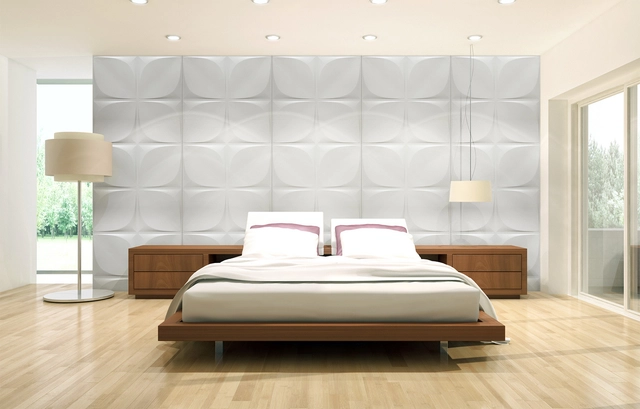
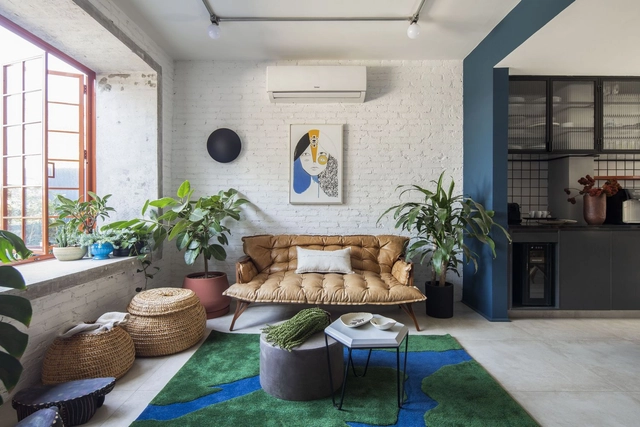
Textures can calm us, bring warmth or even guide us. They elicit our sense of touch and also affect us visually. This is because lights and shadows tend to form in relation to the irregularities and shapes that are present in some textures, which can in turn clearly differentiate these types of materials from other surfaces. For many, the idea of a space surrounded with white, smooth walls can be disturbing and monotonous. Embellishments such as paints, the inclusion of natural coatings or other elements can easily transform a space, emphasizing certain parts or creating new and attractive visuals. In interior design projects, textured walls have always been a popular way to add prominence to a space, either via the constructive system of building - such as brick or exposed concrete walls - or through different types of coatings that can be added later on.
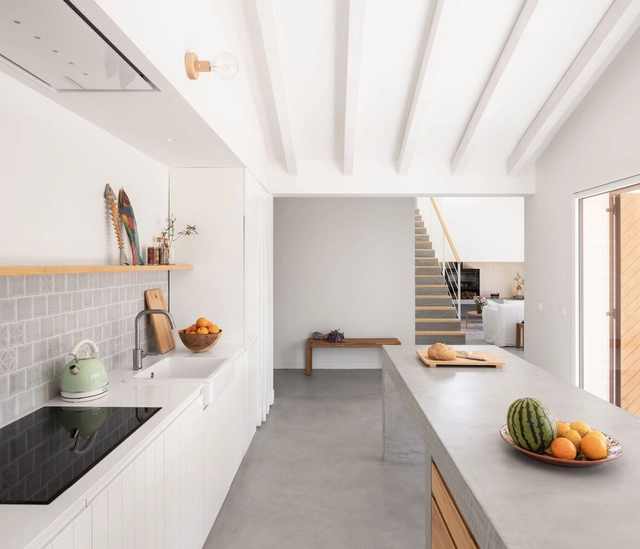
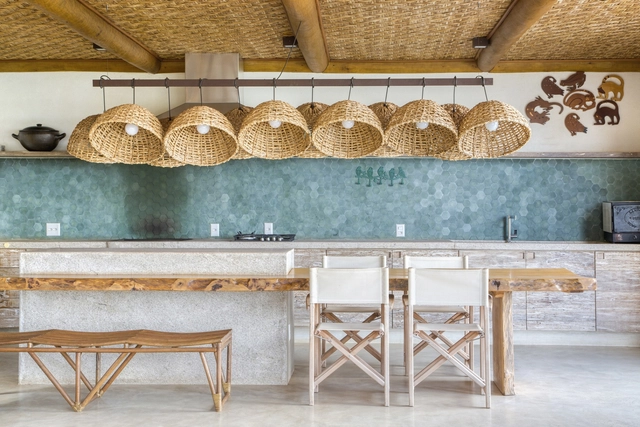
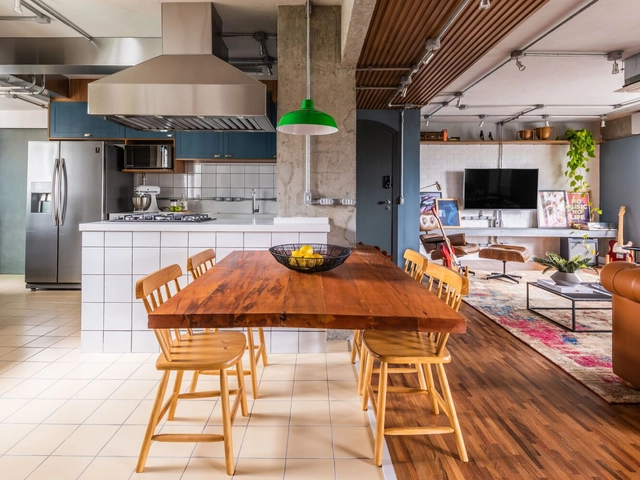
Kitchens as we know them today have functionality as their main feature and for that their space was historically organized from an industrial logic. The development of home appliances and the precise definition of the layout guarantee a functional floor plan and the optimization of work in the kitchen. As part of this layout we find the worktops, horizontal half-height surfaces that have multiple uses and, therefore, many possible configurations.
Artificial lighting plays an essential role in spatial quality. Badly thought-out lights can disrupt an architecture project and even bring harmful effects to occupants' health; while a well-balanced luminotechnic project can highlight positive aspects of the surroundings and make it much more enjoyable. Generally, however, projects tend to be too rigid and not in-tune with the flexibility of contemporary spaces. In addition, a badly made lighting decision can be complex and expensive to rectify. For example, electrical points in slabs, linings or walls are not easily modified if the distribution of a space is changed. At most, when this is resolved with hanging or free-standing lamps, we end up having to deal with bothersome electrical wires throughout the space.
What would a project be like if user emotions were part of the program? Planning environments that can accommodate different sensations is, according to Pinterest Predicts 2022, one of the decoration trends for the coming years. More and more people have been looking for ways to set up rooms that provide the apotheosis of their feelings, no matter if the goal is to be more calm, express their anger, listen to music or a leisure activity, the focus of the so-called "emotional decor" is on make emotions flow freely and safely.
Since the beginning of the 20th century, automobiles have been shaping cities and architecture, demanding specific spaces to move and be stored.Cars and motorcycles dictated the organization of spaces and the consequent urban and rural landscape of entire countries. However, with the climate crisis and the recognition of the problems that this development model brings to cities and to the planet, every day more initiatives are perceived that seek to eliminate individual and motorized cars powered by fossil fuels, while at the same time we also perceive the need to give new meanings to spaces that were previously dedicated to cars. In addition to the streets and public spaces, this transformation is also felt in the houses and residential buildings that are beginning to see garages as a more dynamic space.
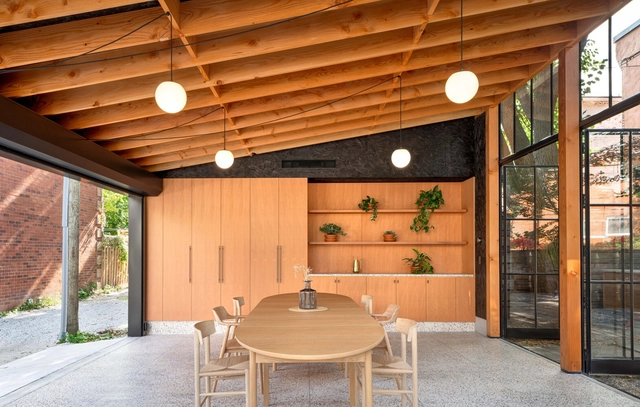
Plywood, laminated timber, MDF sheets and OSB boards are all good, can be economically viable and efficiently fulfill certain functions, but none of them offer the same atmosphere as solid wood. The nobility of this material is usually accompanied by a high cost, but the aesthetic and sensory qualities are unparalleled.
Below, we have gathered examples of projects that use solid wood in furniture elements. Tables and chairs, beds and cabinets made with wood of different species, new or from demolition, refined or rustic, with different textures and colors that can serve as inspiration for your architectural or interior design.
For many people, the bed and bedroom are no longer just a place to rest. Beatriz Colomina has already presented different studies on how work and leisure came to occupy this environment, and, today, this becomes increasingly present in our daily lives. If the way we occupy space is constantly changing, how can we better use their area to cover all the necessary functions?
If the maxim "the first impression is the one that stays" is taken seriously, in architecture, the entrance hall takes on a fundamental importance. This small space, in addition to welcoming the house, can also gain several other functions: storing objects, housing a waiting and reading area, distributing the movement of the residence, displaying a painting. Finally, there are several possibilities to think about and occupy this environment, so here we present three design guidelines that can help you when thinking about it.
Handicraft translate the culture of a people and, therefore, carry a strong presence when placed in residential spaces. Through the most varied techniques, it represents traditional methods and acts in the memory of each person who crosses it. Therefore, regardless of the scale at which it is presented - from small art objects to large furniture, or even as a component of architecture itself -, thinking about handcrafted elements can be an important step in improving the aesthetic language of a project.
In apartments and small houses, the rest and entertainment spaces tend to share the same environment, making the living room fully oriented towards the television. But what to do when television is removed from space? Here are ideas on how to organize the living room without having the television as the main object of the room.
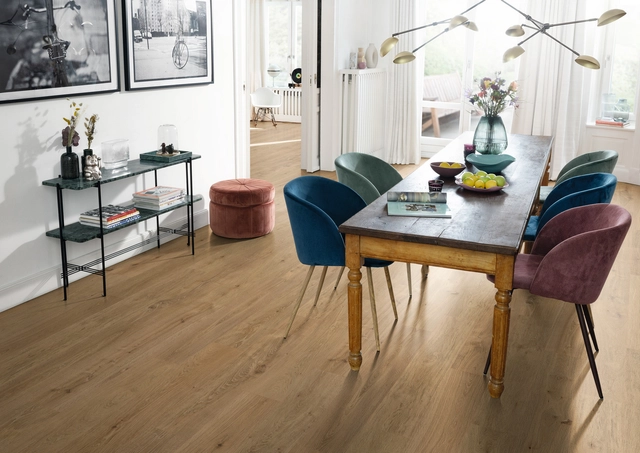
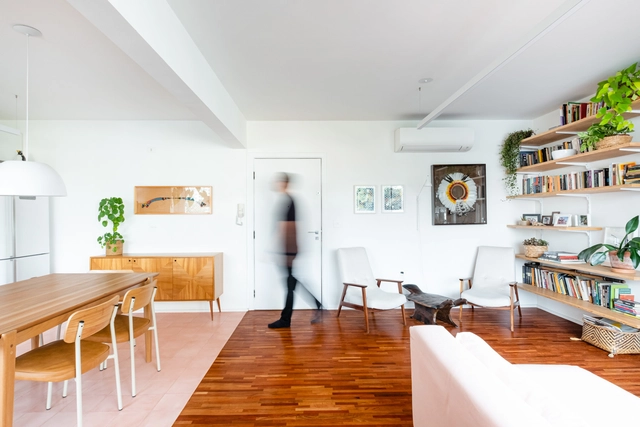
The floor is one of the largest areas of coverage of an environment, and therefore, its choice goes through several criteria related to both aesthetic and visual identity issues, as well as technical issues of resistance and maintenance. It is common to use different floors for areas with different uses and often this transition is not marked by walls or doors. Next, we will bring you tips on how to make this transition harmoniously when there is no physical boundary between the floors.
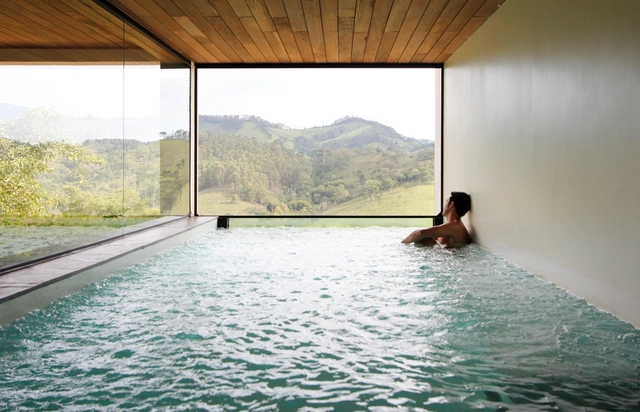
Big cities and the troubled routine of urban life increasingly reveal the need for moments of relaxation aimed at physical and mental health. This concern has become more evident after the long quarantine periods of the Covid-19 pandemic, when disconnecting from routine became even more difficult. Thus, in recent years, more and more people have been looking for activities and places that provide this rest.
For some people, hanging pictures is not always an easy task, after all, in addition to the works portraying an image that reflects part of the personality of the residents, imagining forms of composition that make the environment even more pleasant can be challenging. With that in mind, here are some examples and guidelines that can be adopted to make it easier to create an exhibition in your home.
https://www.archdaily.com/976737/ideas-and-tips-on-how-to-hang-pictures-at-homeEquipe ArchDaily Brasil